Top 24 online business ideas to launch in 2026
Oct 14, 2026
/
By Matleena S. & Matleena S.
/
19 min Read

In 2026, some of the most promising online business ideas include ecommerce stores, subscription services, and dropshipping, as well as service-based work like consulting, tutoring, and virtual assistance.
Creators are also finding success in blogging, podcasting, and YouTube, while tech entrepreneurs can explore app development, website flipping, or domain investing.
The opportunities are diverse – from building a side hustle that earns a few hundred dollars a month to creating a scalable business with six-figure potential. If you’re looking for inspiration, explore these 24 online business ideas that match different skills, interests, and income goals.
1. Start an online store
- Estimated income: $1,000–$100,000+/year (depends on niche, expenses, and market size)
- What you’ll need: business management, digital marketing, and website maintenance skills
Starting an online store is one of the most popular ways to build an online business because it lets you sell products worldwide with lower overhead than a physical shop. The latest ecommerce statistics project online sales to exceed $6.4 trillion by 2029, making this a high-potential opportunity for new entrepreneurs.
A good way to start is by focusing on a specific product range. Examples of trending products include:
- Eco-friendly kitchen gadgets for sustainability-minded shoppers.
- Customized pet accessories for animal lovers.
- Personalized stationery or trending lifestyle products.
The advantage of ecommerce is scalability. You can begin small – selling 5–10 products to test demand – then expand your store once you know what works. And tools like analytics dashboards, automated fulfillment, and effective email marketing strategies make it easier to grow without adding significant costs.
You’ll need a reliable platform to run your store. With Hostinger AI Builder, you can create an online shop for just CA$ 5.59, complete with a free domain, payment integrations, and AI tools that make setup quick and easy.
Or, if you already have a niche in mind, check out these niche-specific guides instead:
👟How to sell shoes online
👗How to sell clothes online
🪑How to sell furniture online
🎨How to sell art online
💍How to sell jewelry online
🍪How to sell food online
💾How to sell digital products
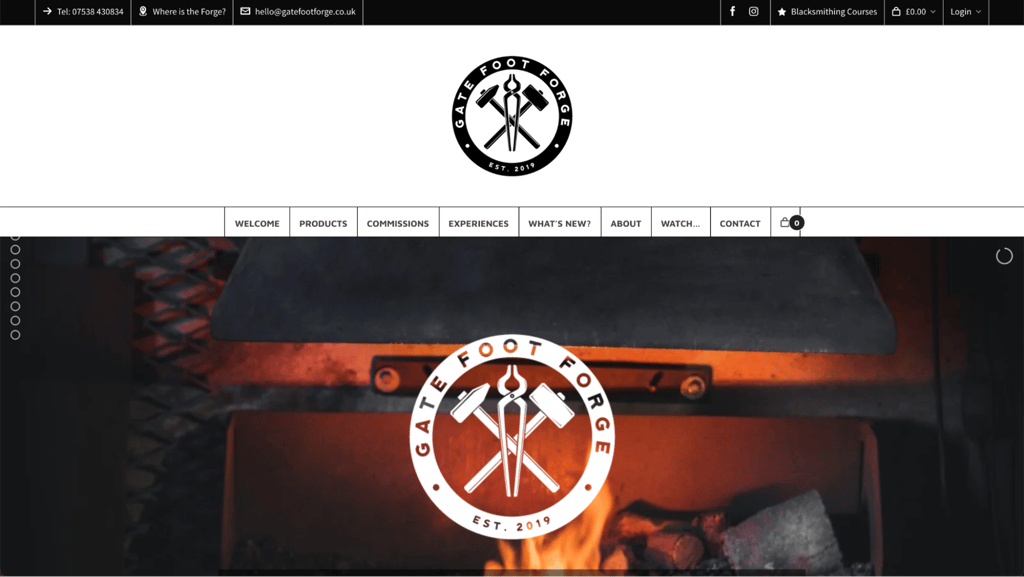
Example: Gate Foot Forge grew an audience by selling hand-forged ironwork online. By choosing a narrow niche, it attracted loyal buyers who value craftsmanship over mass production. Read more about the story behind the brand on Hostinger Blog.
2. Sell handmade or thrifted goods
- Estimated income: $50–$5,000+/month
- What you’ll need: crafting or artisanal skills, business management, negotiation skills
Selling handmade items or thrifted goods online is a low-cost way to build a business while appealing to shoppers who want originality and sustainability. Handmade products let you charge more for uniqueness, while reselling thrifted finds taps into the fast-growing secondhand market.
To get started, focus on a single product type to test demand:
- Handmade: pottery, candles, knitwear, or custom jewelry.
- Thrifted: vintage denim, designer handbags, or refurbished electronics.
- Upcycled: furniture, décor, or clothing reworked into fresh styles.
A simple way to validate your idea is to sell a handful of items on online marketplaces like Etsy or Depop. Once you see consistent interest, expand with your own online shop where you control pricing and branding. High-quality product photos and detailed descriptions will help buyers understand what makes your items special.
For step-by-step guidance on different niches, follow along with these tutorials if you’re interested in:
🧶How to start a crochet business
🕯️How to start a candle business
🍰How to start a baking business
🍪How to start a cookie business
🎨How to start a craft business
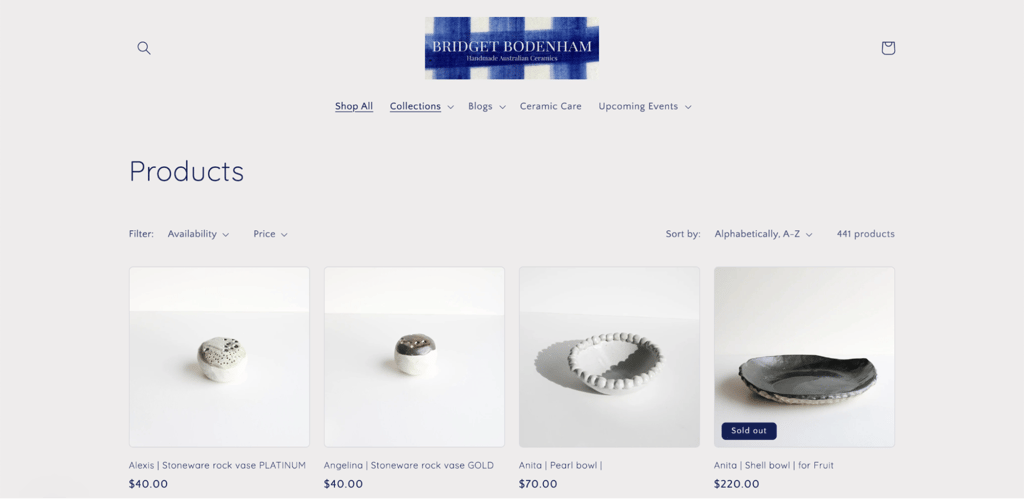
Example: Bridget Bodenham makes a living selling her pottery directly through her website. Her success shows how artisans can build profitable businesses online by creating unique, handcrafted goods that connect with niche audiences.
3. Sell prints
- Estimated income: 10–20% commission per print
- What you’ll need: artistic skills such as photography, graphic design, or illustration
Selling prints online is an excellent business idea for artists and designers who want to turn creative work into a consistent income. Instead of selling original artworks once, you can reproduce designs on multiple products and keep earning.
Here are a few ways to approach this:
- Art prints: posters, canvas art, or framed illustrations.
- Functional products: mugs, tote bags, or phone cases featuring your designs.
- Digital downloads: wallpapers, coloring pages, or printable templates.
Print-on-demand services make this model low-risk since they handle printing and shipping after each order. That means you can focus on creating new artwork and building an audience. To stand out, launch limited editions, sign prints, or bundle products for collectors.
Start by creating a simple portfolio site that doubles as a shop. Use it to display your best pieces, explain your style, and link to your print options. Social platforms like Instagram, Pinterest, and TikTok are especially effective for visual art promotion.
Example: Many independent illustrators have built six-figure incomes by selling digital art as physical prints or merchandise. On Etsy, art prints and digital downloads consistently rank among the top-selling categories, proving this is a model with high demand.
4. Launch a subscription box
- Estimated income: $6,000–$400,000+/month
- What you’ll need: business management, digital marketing, and supply chain skills
A subscription box business delivers curated products to customers on a regular basis, making it one of the most reliable online business ideas for steady income. Subscribers love the surprise factor and convenience, while business owners benefit from predictable, recurring revenue.
You can launch a box in almost any niche. A few proven ideas include:
- Food and drink: monthly coffee, tea, or international snack boxes.
- Lifestyle and wellness: skincare, candles, or self-care kits.
- Books and hobbies: niche book clubs, craft supplies, or stationery packs.
- Pet care: toys, treats, and grooming products for dogs or cats.
To start, build a box around a clear theme. Keep it small – maybe 3–5 curated products per delivery – and refine based on customer feedback. Attractive packaging and a strong unboxing experience help your brand spread through word of mouth and social sharing.
Subscription services succeed when they solve a problem (like providing essentials on repeat) or bring joy (like curated treats). Focus on consistency and customer delight rather than just variety.
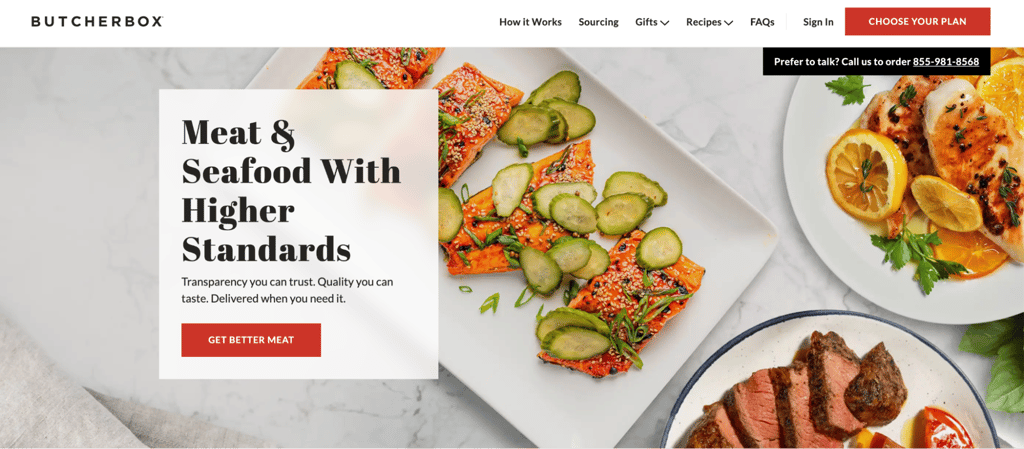
Example: ButcherBox grew into a multimillion-dollar business by delivering sustainably sourced meat every month. Its success shows how combining necessity with quality can turn repeat orders into long-term loyalty.
5. Start a dropshipping business
- Estimated income: $200–$3,000+/month (depends on product choice and marketing)
- What you’ll need: product research, digital marketing, and customer service skills
Dropshipping is one of the easiest online business ideas for beginners because you don’t need to manage inventory or handle shipping. Instead, you list products in your online store, and when a customer places an order, the supplier ships it directly.
This model keeps startup costs low – you only pay for products after you’ve sold them – making it a popular way to test ecommerce without big risks.
Some strong niches for dropshipping include:
- Home and lifestyle: eco-friendly kitchenware, organizers, or fitness gear.
- Tech accessories: wireless chargers, smart home gadgets, or ergonomic desk tools.
- Fashion and beauty: athleisure wear, sunglasses, or skincare tools.
Success in dropshipping often comes from choosing the right product and building trust with your audience. Research trends using Google Trends, TikTok hashtags, and Amazon bestsellers to find items with rising demand. Pair this with high-quality product descriptions, strong visuals, and reliable suppliers to build credibility.
A good first step is testing a small product range instead of launching a massive catalog. Focus your marketing on a narrow audience, then expand once you know what sells.

Example: Many entrepreneurs start dropshipping with just a single trending product – such as reusable water bottles – and scale once it gains traction. The key is agility: swap out underperforming products quickly and reinvest in winners.
6. Become an affiliate marketer
- Estimated income: $500–$50,000+/year (varies by niche and traffic)
- What you’ll need: content creation, digital marketing, and SEO skills
Affiliate marketing is one of the most cost-effective online business ideas because you earn commissions by promoting other people’s products. Instead of creating your own inventory, you recommend services or products, and get paid when someone buys through your unique affiliate link.
Currently valued at $18.5 billion globally, this model works especially well if you’re already creating content. You can embed affiliate links into:
- Blogs that review products (e.g., best hosting providers for beginners).
- YouTube videos with tutorials or product comparisons.
- Newsletters or niche websites focused on a single interest area.
To start, pick a niche you know well – such as tech, finance, or lifestyle – and apply to affiliate programs like Amazon Associates, ShareASale, or Hostinger Affiliates. The more targeted your audience, the better your conversion rates will be.
Focus on building trust: write honest reviews, show real use cases, and be transparent about affiliate relationships. Readers are far more likely to buy from you if they feel your advice is genuine.
For a detailed guide on how to hit the ground running, check out how to create an Amazon affiliate website.
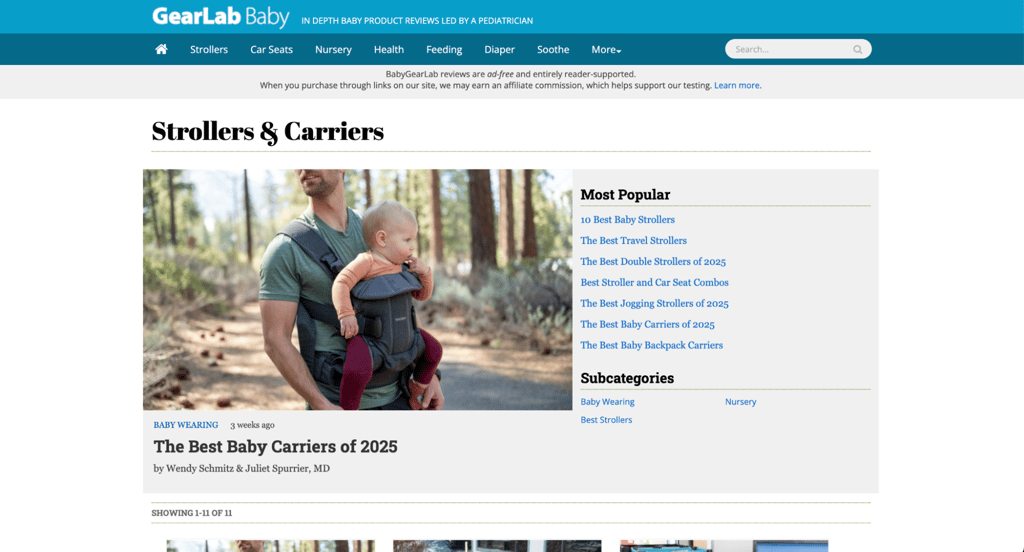
Example: BabyGearLab, a site reviewing baby products, monetizes its traffic with affiliate commissions while providing detailed, expert-backed reviews. Its success comes from authority, trust, and consistent niche focus.
7. Start a consulting business
- Estimated income: $18–$30/hour (can scale higher with specialization)
- What you’ll need: expertise in a specific field, communication, and business strategy skills
Starting a consulting business is a great online idea for professionals who want to monetize their expertise by helping others solve problems. Businesses often seek outside consultants for advice in marketing, HR, operations, or finance when they don’t have in-house resources. In fact, there are around 665 million entrepreneurs worldwide, and the number is only expected to grow.
This model works best if you focus on a defined niche where you can demonstrate authority. For example:
- Marketing consultants help small businesses with search engine optimization (SEO), paid ads, or social media strategy.
- HR consultants assist startups with hiring processes and compliance.
- IT consultants advise companies on cloud migration or cybersecurity.
To get started, identify one area where you already have proven results. Build a simple website outlining your services, and create case studies or portfolio examples that show how you’ve helped others. Networking on LinkedIn, hosting webinars, or offering free consultations can also help attract early clients.
Over time, consultants often scale their businesses by offering group coaching, creating templates, or packaging services into repeatable frameworks. Tools like Hostinger Agent can help support that growth by handling the business development side of consulting.
For a thorough guide, check out our article on how to start a freelance business, or check out these niche-specific guides:
🏢How to sell SEO services
🛠️How to sell website maintenance services
🖥️How to start an online coaching business
Example: Many freelance marketing consultants start with a single service like SEO audits. Once they’ve built trust and client success stories, they expand into ongoing retainer work, which brings consistent monthly income.
8. Become a freelance writer
- Estimated income: $20–$100/hour (varies by niche and experience)
- What you’ll need: strong writing skills, subject expertise, and SEO/content marketing knowledge
Freelance writing is one of the most accessible online business ideas for people who enjoy creating content and want flexible income opportunities. Companies, startups, and publications constantly need blog posts, newsletters, case studies, and web copy to attract customers.
The key to success is specialization. Instead of writing “anything for anyone,” focus on a niche where your expertise stands out, such as:
- B2B tech writing: software guides, SaaS blogs, or whitepapers.
- Finance and business: investment articles, budgeting guides, or tax tips.
- Lifestyle writing: travel blogs, wellness articles, or food reviews.
To get started, create a portfolio with 3–5 strong writing samples, even if they’re self-published. Platforms like Medium, LinkedIn, or a personal blog can showcase your skills until you land paid work. Then, pitch your services on freelance marketplaces or approach businesses directly.
Writers often grow their income by moving from per-article rates to ongoing contracts with clients. Adding skills like search engine optimization, keyword research, or content strategy can also increase your value.
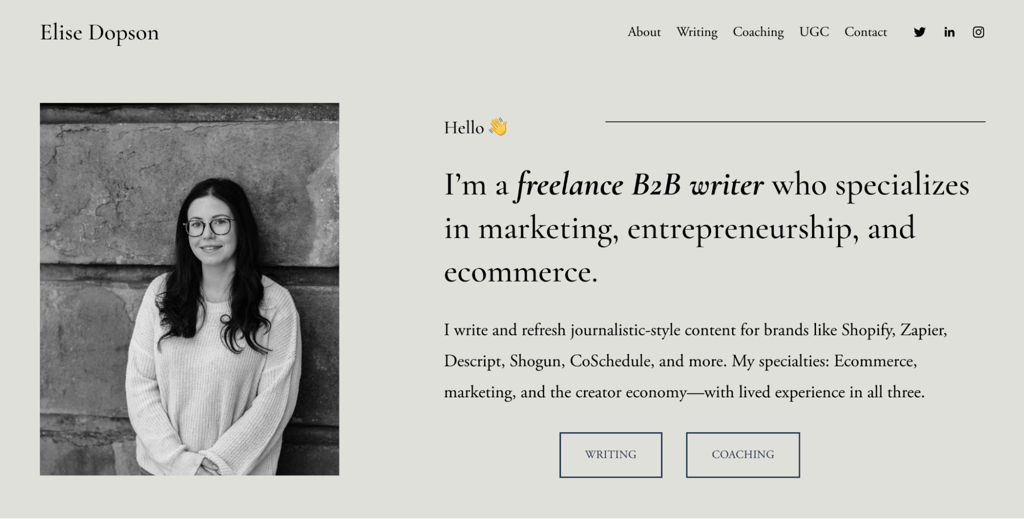
Example: Elise Dopson built her career as a B2B freelance writer by specializing in SaaS and marketing topics. By narrowing her niche, she commands premium rates and attracts clients who value subject expertise.
9. Launch a blog
- Estimated income: $100–$10,000+/month (depends on traffic and monetization methods)
- What you’ll need: writing, SEO, and content marketing skills
Launching a blog is one of the most popular online business ideas because it can generate income through ads, affiliate marketing, digital products, and sponsorships. With consistent content, a blog builds authority in a niche and attracts a loyal audience.
The most successful blogs focus on a clearly defined niche. For example:
- Food blogging: recipes, restaurant reviews, or cooking tutorials.
- Personal finance: budgeting tips, investing guides, or debt payoff journeys.
- Travel blogging: destination guides, itineraries, or cultural insights.
To get started, publish a small set of cornerstone posts that cover your niche’s most important topics. Then, use keyword research to expand into related long-tail content. Over time, diversify revenue by adding affiliate links, digital products (like ebooks or templates), or sponsored posts.
Consistency is key: successful blogs often publish 2–4 times per week at the beginning to build traction. Promoting posts on social platforms and email newsletters helps bring in steady traffic while SEO-friendly content builds long-term visibility.
Already know what you want to blog about? Follow these guides:
🎨How to start a craft blog
🥗How to start a health blog
🏋️How to start a fitness blog
🌍How to start a travel blog
📚How to start a book blog
🍴How to start a food blog
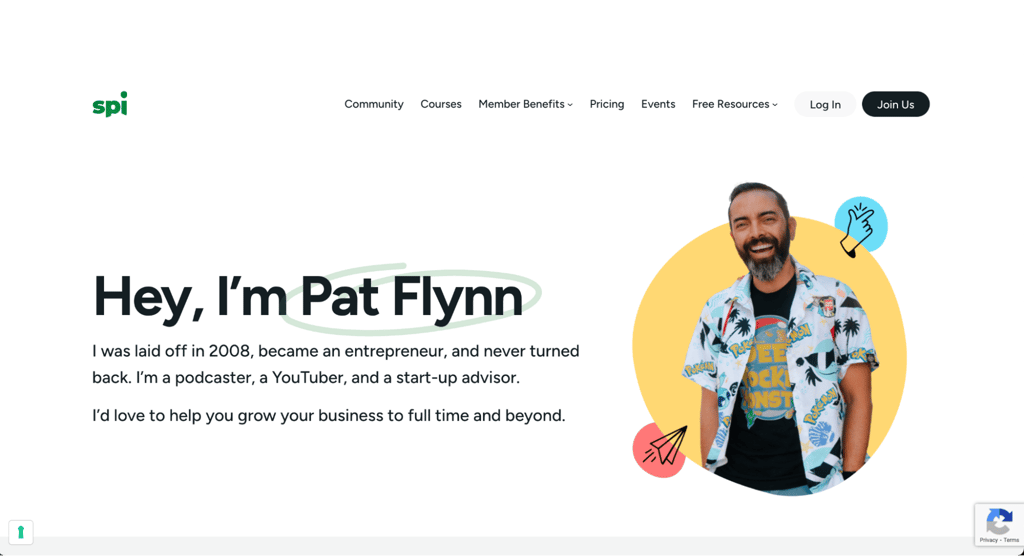
Example: Pat Flynn started Smart Passive Income as a blog sharing his journey in online business. Over time, it grew into a multimillion-dollar platform offering courses, podcasts, and affiliate partnerships. To follow in Pat’s footsteps, check out our guide on how to monetize your blog.
10. Publish your own ebook
- Estimated income: 35–75% of the ebook’s sales price (depends on platform and distribution)
- What you’ll need: writing, editing, and digital marketing skills
Publishing an ebook is a practical way to turn knowledge or storytelling skills into a digital product that earns income repeatedly. Unlike freelance writing, where you’re paid once per project, ebooks can generate sales for months or even years.
Writers often approach ebooks in two ways:
- Nonfiction guides: share expertise in areas like personal finance, career development, fitness, or small business.
- Fiction and storytelling: publish novels, short stories, or niche genre fiction for global audiences.
If you already write blogs or articles, consider repurposing them into an ebook by expanding, organizing, and editing them into a cohesive guide. Adding checklists, templates, or worksheets can increase value and justify a higher price.
Distribution platforms like Amazon Kindle Direct Publishing (KDP), Apple Books, and Kobo let you publish at no upfront cost, while selling directly through your website gives you more control and higher profit margins.
If you want to know more, check out our article on how to sell books online.
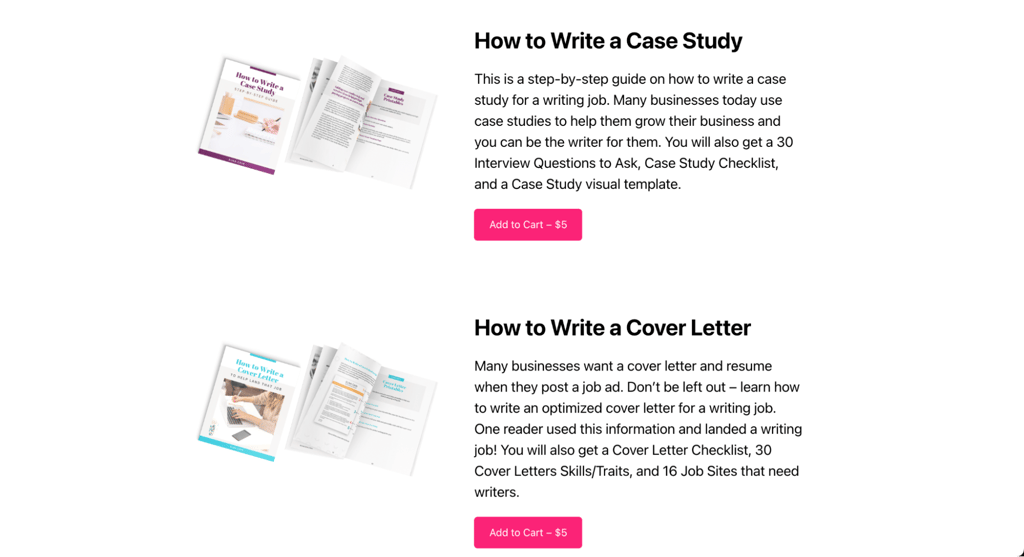
Example: Writer Elna Cain has turned her long-form blog posts into ebooks and guides, often pairing them with printable resources. This strategy helps her diversify income while offering additional value to her audience.
11. Create an online course
- Estimated income: $1,000–$50,000+/month (depends on subject, pricing, and number of students)
- What you’ll need: subject expertise, teaching skills, and content creation
Creating an online course is one of the best online business ideas for people who want to package their expertise into a scalable product. Students pay for structured lessons that save them time and help them achieve results faster than learning on their own.
Popular niches for courses include:
- Business skills: digital marketing, sales, or project management.
- Creative skills: photography, graphic design, or music production.
- Personal development: productivity, fitness, or mindfulness.
To get started, choose a narrow topic that solves a specific problem. For example, instead of a broad “Learn Marketing,” create “SEO Basics for Small Businesses” or “Beginner’s Guide to Instagram Ads.”
Courses can be delivered as video lessons, written modules, or hybrid formats. Platforms like Teachable and Udemy make setup simple, but creating your own course platform gives you more control and higher margins. Adding bonus resources like workbooks, templates, or live Q&A sessions makes the course more engaging.
For more ideas, check out our guide on how to sell online courses.
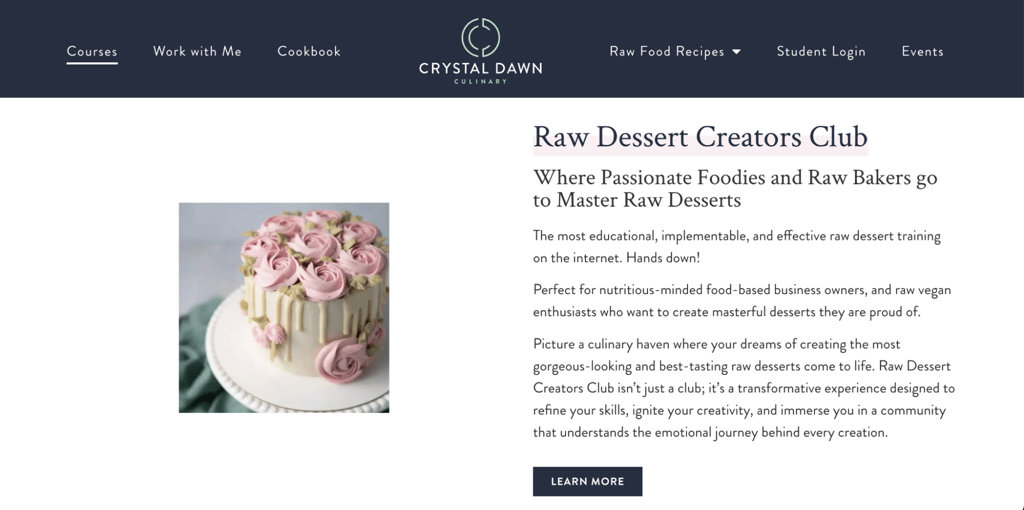
Example: Crystal Dawn built a successful online course teaching how to make raw desserts – a very specific niche. By focusing on a passionate audience, she created a steady income stream in a space where larger competitors weren’t active.
12. Flip and resell websites
- Estimated income: $10,000–$100,000+/year (depends on site quality and traffic)
- What you’ll need: web development, SEO, and digital marketing skills
Website flipping involves buying underperforming sites, improving them, and then reselling at a higher value. It’s similar to real estate flipping – but with digital property.
To succeed, you’ll need to spot websites with growth potential. Look for sites that:
- Have steady but low traffic you can scale with SEO.
- Generate some revenue but lack optimization.
- Operate in niches with strong advertiser demand (like finance, tech, or health).
After purchase, improvements might include redesigning the site, optimizing for SEO, adding affiliate programs, or improving content quality. Once traffic and income grow, list the site on marketplaces such as Flippa or Empire Flippers.
As a rule of thumb, websites sell for 2–3x their annual revenue. That means if a site makes $1,000/month, it could resell for $24,000–$36,000.
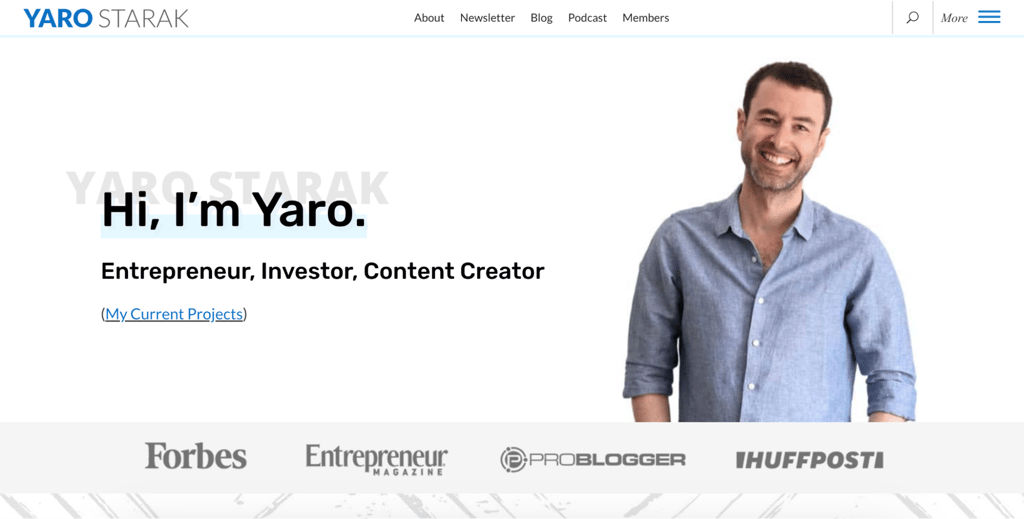
Example: Entrepreneur Yaro Starak successfully scaled small content sites, increased revenue streams, and then sold them for large profits. His method shows that even modest websites can become valuable digital assets with the right improvements.
13. Buy and sell domain names
- Estimated income: $1,000–$10,000+/domain (sought-after domains can sell for much more)
- What you’ll need: market research and digital marketing skills
Buying and selling domain names (or domain flipping) is a simple online business idea that can be highly profitable if you choose the right names. Valuable domains are often short, memorable, and contain keywords that businesses want.
To get started, look for opportunities in:
- Local domains: city or regional names paired with industries (e.g., bostonplumbing.com).
- Keyword-rich domains: phrases people search for, like bestcoffeemachines.com.
- Brandable domains: short, catchy words that startups could adopt.
Start with a domain name search to find available domains directly from registrars for under $15/year, or acquire them through domain auctions and marketplaces like Sedo. The profit comes from reselling them to businesses that need a strong online identity.
To increase your chances of selling, create simple landing pages on your domains with a “This domain is for sale” message and contact form. Networking with startups, agencies, and investors can also help attract buyers.
Domain Name Checker
Instantly check domain name availability.
Example: While million-dollar sales like voice.com are rare, many domain flippers make steady profits selling keyword-rich domains for a few thousand dollars each. For instance, a domain bought for $50 can resell for $5,000+ if demand is high.
14. Create themes and plugins
- Estimated income: $5–$200+/theme license (plugin earnings vary by features and demand)
- What you’ll need: web design, front-end development, and CMS knowledge
Designing and selling website themes or plugins is a profitable online business idea for developers and designers who want to create digital products with recurring sales potential. With millions of sites built on platforms like WordPress, there’s constant demand for new designs and tools.
Popular opportunities include:
- Themes: modern templates for niches like blogs, ecommerce shops, or portfolios.
- Plugins: functionality add-ons such as SEO tools, booking systems, or payment integrations.
- Custom add-ons: specialized features for industries like restaurants, gyms, or online learning.
You can sell themes and plugins on your own website for maximum profit, or use marketplaces like ThemeForest and TemplateMonster to reach bigger audiences. Offering regular updates, customer support, and detailed documentation will help you stand out in a competitive space.
Once you build a successful template or plugin, the income is largely passive – customers keep buying while you focus on updates or new products.
For more details, follow our guide on how to start a web design business.
Example: Many independent developers have turned a single WordPress plugin into a full-time income by solving one specific problem, such as faster contact forms or better SEO optimization.
15. Develop apps
- Estimated income: $61–$80/hour (freelance rates) or ongoing revenue from sales and ads
- What you’ll need: app development, UI/UX design, and product management skills
Developing mobile or web apps is one of the most in-demand online business ideas, as millions of users prefer apps over websites for convenience. Businesses and consumers alike pay for apps that solve problems, entertain, or improve productivity.
There are several ways to monetize apps:
- Paid apps: users buy upfront in app stores.
- Freemium model: free basic features with paid upgrades.
- In-app ads: revenue from ad impressions and clicks.
- App flipping: develop, grow, and sell apps on marketplaces like Flippa.
If you’re new to coding, AI software builder such as Hostinger AI Builder can help you create apps with AI. Focusing on a niche problem often works best – think fitness trackers, habit trackers, or small-business tools like budget-tracking apps.
To stand out, validate your idea before building. Research competitors, analyze reviews for gaps, and test a minimum viable product (MVP) with a small audience.
Example: Simple habit-tracking apps like Habitica or Loop started with basic functionality and grew into widely used tools by focusing on one core user need.
16. Become a virtual assistant
- Estimated income: $20–$30/hour (can be higher with specialized skills)
- What you’ll need: organization, communication, and digital tools proficiency
Becoming a virtual assistant (VA) is a flexible online business idea that allows you to support entrepreneurs or companies with everyday tasks remotely. Businesses hire VAs to save time, letting them focus on higher-level priorities.
Common VA responsibilities include:
- Administrative work: scheduling, email management, and data entry.
- Content tasks: posting on social media, formatting blog posts, or updating websites.
- Customer support: handling inquiries through email, chat, or social platforms.
To get started, pick a niche or service bundle that matches your strengths. For example, a VA who specializes in social media scheduling and Canva design can market themselves differently from a VA focused on bookkeeping and spreadsheets.
Many new VAs find their first clients through freelance platforms like Upwork, Fiverr, or VA-specific job boards. As you gain experience, building a personal website and securing long-term retainer clients can help stabilize income.
Example: Some VAs grow into full agencies by hiring subcontractors once they’re fully booked. A single person offering admin support can scale into a small business providing content, marketing, and technical services.
17. Offer transcription services
- Estimated income: $15–$30/hour (higher for specialized fields)
- What you’ll need: fast typing, good listening, and attention to detail
Transcription services involve converting audio or video recordings into written text – a practical online business idea for detail-oriented people. Industries like medicine, law, and media all rely on accurate transcripts for documentation, accessibility, and record-keeping.
Different types of transcription include:
- General transcription: podcasts, interviews, or business meetings.
- Medical transcription: doctors’ notes, patient records, or clinical reports.
- Legal transcription: court hearings, depositions, or client interviews.
To start, practice typing speed and accuracy – at least 70–80 words per minute is recommended. Free tools like Keybr or TypingClub can help you improve. Then, build experience on platforms such as Rev, TranscribeMe, or Scribie, where you can accept entry-level jobs.
As you progress, specializing in medical or legal transcription allows you to charge higher rates. Creating a small business website that highlights your skills and offering samples of your work can also help attract direct clients who pay better than gig platforms.
Example: Many successful transcriptionists begin with freelance platforms to gain experience, then transition into niche work with consistent, higher-paying clients.
18. Tutor students online
- Estimated income: $15–$50+/hour (varies by subject and expertise)
- What you’ll need: subject knowledge, teaching skills, and communication
Online tutoring is a strong business idea for educators or subject experts who want to teach students remotely. With more people turning to online learning, demand is high for personalized support in school subjects, test preparation, and language learning.
Popular tutoring niches include:
- Academic support: math, science, or language arts for school students.
- Test prep: SAT, ACT, GMAT, or GRE coaching.
- Specialized skills: coding, graphic design, or second-language learning.
To get started, sign up with tutoring platforms like Preply, Skooli, or Wyzant to connect with students. Once you gain traction, you can transition to your own teacher website and keep more of the earnings. Offering trial sessions, flexible scheduling, and personalized lesson plans helps build long-term relationships.
If you already have teaching experience, consider expanding into group tutoring or creating learning resources like worksheets or mini-courses to supplement one-on-one sessions.
Example: Many successful tutors start by focusing on a single subject – such as high school chemistry – and gradually expand into related areas once they’ve built a strong client base.
19. Start a podcast
- Estimated income: $500–$10,000+/month (depends on audience size and monetization)
- What you’ll need: communication skills, audio editing, and marketing
Starting a podcast is a powerful way to share ideas, build an audience, and create income through sponsorships, ads, or crowdfunding. With over 400 million podcast listeners worldwide, there’s room for shows on almost any topic.
Podcast niches that work well include:
- Education: language learning, business tips, or history storytelling.
- Entertainment: comedy shows, interviews, or pop culture commentary.
- Hobbies and interests: gaming, fitness, or niche communities.
To start, define a micro-niche so your podcast stands out. For example, instead of “tech news,” focus on “AI tools for small businesses.” Record a pilot episode, invest in a good microphone, and use free editing software like Audacity to polish your sound.
Growing your podcast requires consistent publishing and audience engagement. Promote episodes on social media, repurpose audio into blog posts or YouTube clips, and encourage reviews to improve visibility on platforms like Spotify and Apple Podcasts.
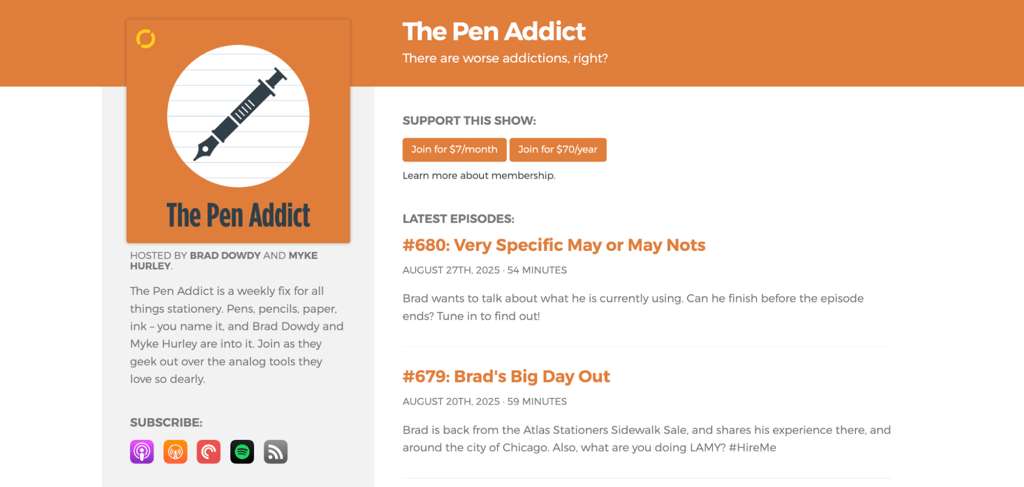
Example: The Pen Addict podcast built a loyal following by focusing on something as specific as pens and stationery. Its success shows that even niche topics can grow strong, dedicated audiences.
20. Start a YouTube channel
- Estimated income: $18 per 1,000 ad views (plus sponsorships, memberships, and merchandise)
- What you’ll need: video creation, editing, and audience engagement skills
Starting a YouTube channel is one of the most accessible online business ideas for creators who enjoy video content. YouTube is the world’s second-largest search engine, meaning you can reach a massive audience with tutorials, reviews, or entertainment.
Some strong YouTube niches include:
- Educational content: coding tutorials, language lessons, or study tips.
- Lifestyle and hobbies: fitness routines, cooking, or travel vlogs.
- Product reviews: unboxings, comparisons, and tech demos.
To start, pick a niche and commit to consistent uploads. You’ll need at least 1,000 subscribers and 4,000 watch hours to qualify for the YouTube Partner Program, which unlocks ad revenue. Beyond ads, creators also earn from affiliate links, brand sponsorships, memberships, and merchandise sales.
Success comes from balancing quality and consistency. At the start, aim for videos that solve problems or entertain in under 10 minutes, then expand to longer formats as your audience grows. Engaging thumbnails, titles, and community interaction help boost visibility.
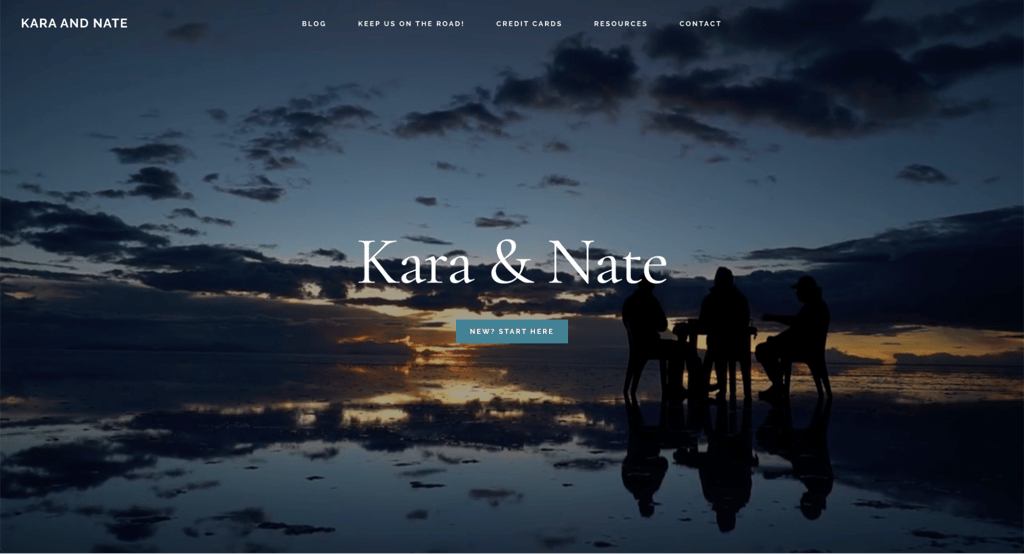
Example: Many creators, like travel vloggers Kara and Nate, started small but built full-time incomes by documenting their passions. Their growth shows how consistent publishing and niche storytelling can lead to long-term success.
21. Offer translation services
- Estimated income: $20–$40+/hour (higher for specialized industries and certified translators)
- What you’ll need: fluency in multiple languages, cultural knowledge, and communication skills
Offering translation services online is a strong business idea for multilingual professionals who want to help clients bridge language gaps. Companies need accurate translations for websites, marketing materials, legal documents, and product manuals.
Strong niches for translators include:
- Business and marketing: websites, ads, and product descriptions.
- Legal documents: contracts, agreements, and compliance papers.
- Medical and technical fields: research papers, manuals, and reports.
Beginners can start on platforms like ProZ, Fiverr, or Upwork, but professional translators usually move on to direct clients for higher pay. Creating a personal website and showcasing sample translations or client testimonials helps build credibility.
Specialization is key. Certified translators or those with expertise in technical or medical fields can charge premium rates. Tools like CAT (computer-assisted translation) software also help increase speed and consistency.
Example: Many freelancers begin by offering general translation, but later build thriving businesses by focusing on high-demand industries such as healthcare or finance, where accuracy and subject knowledge are critical.
22. Sell stock photos
- Estimated income: $0.10–$100+/image (varies by platform, license type, and demand)
- What you’ll need: photography, editing, and keyword optimization skills
Selling stock photos online is a practical business idea for photographers who want to earn passive income from their work. Businesses, marketers, and creators constantly need images for websites, ads, and social media.
To stand out in the crowded stock photo market, focus on niches that are underrepresented or trending. Examples include:
- Diversity and inclusion: authentic portraits of people from different backgrounds.
- Remote work lifestyle: home office setups, digital nomad life, and coworking.
- Emerging technologies: AI tools, smart devices, and green energy.
- Sustainable living: eco-friendly products, zero-waste habits, and nature themes.
You can upload your work to platforms like Shutterstock, Adobe Stock, or Getty Images, where buyers pay per download. To maximize earnings, add descriptive titles and keywords so your images appear in search results. Another option is to build your own photography site and sell directly for higher royalties.
A good strategy is to shoot in batches – 50 to 100 photos per session – so you can continuously add new content and increase your portfolio size, which improves visibility and revenue potential.

Example: Tania Cervian, a portrait photographer, has built a recognizable brand by uploading consistent, creative stock photography across multiple platforms. Her work shows how a unique style can help images stand out in a competitive market.
23. Become an audiobook narrator
- Estimated income: $25–$55/hour (higher for experienced narrators or specialized genres)
- What you’ll need: clear voice, narration skills, and audio editing
Audiobook narration is a growing online business idea as demand for spoken content rises with platforms like Audible and Scribd. Authors and publishers need skilled narrators to bring books to life and engage listeners.
Success in audiobook narration comes down to three things:
- Voice clarity and tone. Your narration should be smooth, consistent, and pleasant to listen to.
- Acting ability. Narrators often shift between characters, requiring distinct voices and emotional delivery.
- Technical setup. A quality microphone, pop filter, and quiet recording space are essential.
To begin, practice with free texts in the public domain (like those from Project Gutenberg). Record short samples, edit them in free tools like Audacity, and build a portfolio. Then, audition for projects on platforms such as ACX (Audiobook Creation Exchange), Voices, or Bunny Studio.
As you gain experience, consider specializing. Genres like fantasy, business, or self-help each require different narration styles, and expertise in one area can help you charge higher rates.
Example: Many successful narrators start part-time with freelance projects, then expand into full-time careers once they’ve built a library of published titles across different genres.
24. Build a social media following
- Estimated income: varies widely (from small sponsorships to $10,000+/month for large accounts)
- What you’ll need: content creation, consistency, and trend awareness
Building a social media following is a powerful online business idea because creators can monetize their influence through sponsorships, ads, and brand partnerships. Platforms like Instagram, TikTok, and YouTube make it possible to turn content into income with the right audience.
To grow effectively, focus on one platform first and master its style of content. Popular niches include:
- Lifestyle and fashion: daily routines, styling tips, or “day in the life” content.
- Education and skills: bite-sized tutorials, career tips, or productivity hacks.
- Entertainment: comedy skits, reaction videos, or trend-based challenges.
Once you’ve built an audience, monetization can come from multiple sources:
- Sponsored posts with brands aligned to your niche.
- Affiliate marketing through product recommendations.
- Digital products such as guides, templates, or presets.
- Livestreaming and subscriptions where fans pay for exclusive content.
The key is authenticity – audiences follow creators who share consistent, relatable, and high-value content. Regular posting and engaging with followers builds trust, which translates into stronger earning potential.
Looking for inspiration or examples? Read more on how to make money as a fitness influencer to get a better understanding of how to monetize your social media following.
Example: Many micro-influencers with just 5,000–20,000 followers earn a steady monthly income by partnering with niche brands. Their success proves you don’t need millions of followers to create a profitable social media business.
What is the first step in starting a business?
Choosing the right idea is only the beginning – the real work starts when you turn it into a structured plan. The first step is validating your concept and building a solid foundation, which includes writing a business plan, registering your company, and setting up an online presence.
To guide you through the process, we’ve created a complete step-by-step tutorial on how to start an online business. It covers everything from defining your target audience and selecting a business model to building a website and marketing your services effectively.
Already know the area you want to specialize in? Great – we have niche-specific guides, too:
💄How to start a beauty business
🏋️How to start an online fitness business
👕How to start a t-shirt business
📸How to start a photography business
🎨How to start a painting business
This article is a localized version of Top 24 online business ideas to launch in 2026, originally published in English.

Matleena is a seasoned Content Writer with 5 years of content marketing experience. She has a particular interest in emerging digital marketing trends, website building, and AI. In her free time, Matleena enjoys cups of good coffee, tends to her balcony garden, and studies Japanese. Follow her on LinkedIn
Matleena is a seasoned Content Writer with 5 years of content marketing experience. She has a particular interest in emerging digital marketing trends, website building, and AI. In her free time, Matleena enjoys cups of good coffee, tends to her balcony garden, and studies Japanese. Follow her on LinkedIn