50 things to make and sell from home in 2026
Aug 25, 2026
/
By Simon L.
/
17 min Read

Popular things to make and sell span a wide range of categories. Handmade jewelry, like necklaces, earrings, and friendship bracelets, is always in demand. Home decor items such as candles and canvas paintings sell well, too.
Personal care products like soap and bath bombs have a loyal audience, and custom apparel, including t-shirts and tote bags, is easy to produce. Digital products like art prints and planners round out the list with near-zero overhead.
Profitability depends on your skills, market demand, and production costs, but platforms like Etsy or having your own online store make it easier than ever to reach buyers.
Making and selling products from home is one of the most accessible ways to earn money online, especially with low startup costs, flexible schedules, and the creative freedom to build something that’s truly yours.
1. Necklaces
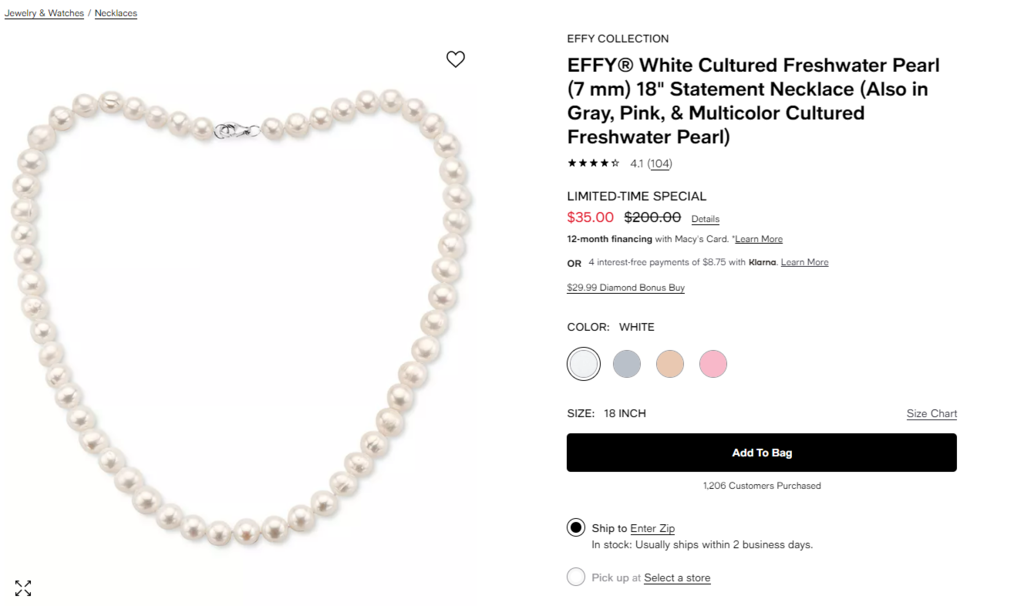
Handmade necklaces are one of the most reliable things to make and sell from home. The market is huge, so the key is finding your angle. Animal-themed pendants, minimalist chains, and birthstone pieces all have loyal audiences, and you don’t need to compete on price with mass-produced jewelry if your designs feel personal and intentional.
Materials for beaded necklaces, wire-wrapped pendants, and polymer clay designs typically cost $2–$5 per piece, while finished necklaces sell for $15–$50, depending on complexity and branding. Once you’ve built up a small collection, learning how to sell jewelry online will help you reach your first customers.
2. Earrings
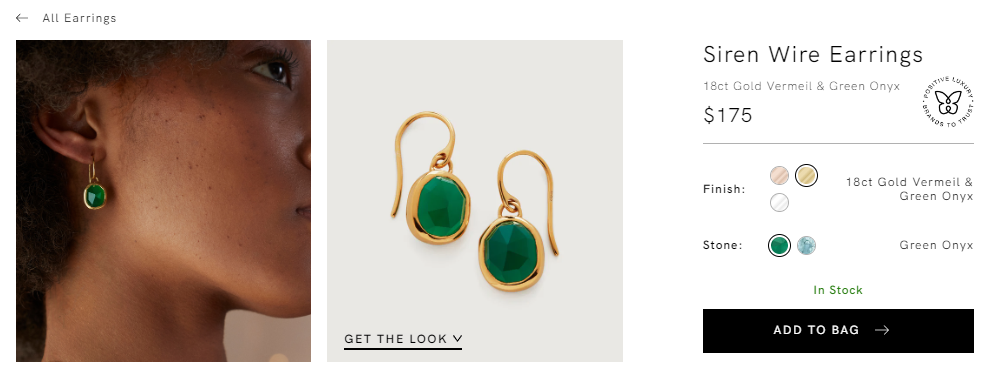
Earrings are simple to make and sell, and the margins are hard to beat. A pair of polymer clay studs costs roughly $1–$2 in materials and can sell for $10–$25, depending on the design and your branding.
There are tons of earring designs that are easy to make for beginners, from clay studs to wire hoops and beaded drops.
One thing that helps earring sellers stand out: offering coordinated sets or collections around a theme (seasonal colors, botanical motifs, zodiac signs) rather than selling one-off designs. It gives your shop a cohesive look and encourages buyers to purchase multiple pairs.
3. Friendship bracelets
Friendship bracelets are some of the most popular home crafts to sell online, and they’ve seen a massive resurgence thanks to social media trends.
The startup costs are almost laughably low. Some designs require only embroidery threads, scissors, and tape, keeping your material cost well under $1 per bracelet.
Finished bracelets typically sell for $3–$8 each, while personalized versions with names or initials command higher prices and tend to get repeat orders as gifts.
4. Canvas paintings
Canvas paintings are a classic home decor item that people are always willing to pay for, especially when the work feels unique. Abstract florals, cityscapes, and quote art are all popular options.
What’s worth knowing: you don’t need to create large, expensive pieces to make good money. Mini canvases (4×4 or 5×7 inches) have become a trend on their own, with sellers pricing them at $15–$40 per piece.
They’re cheaper to ship, easier to produce in batches, and buyers often purchase several at once to create a gallery wall.
5. Art prints
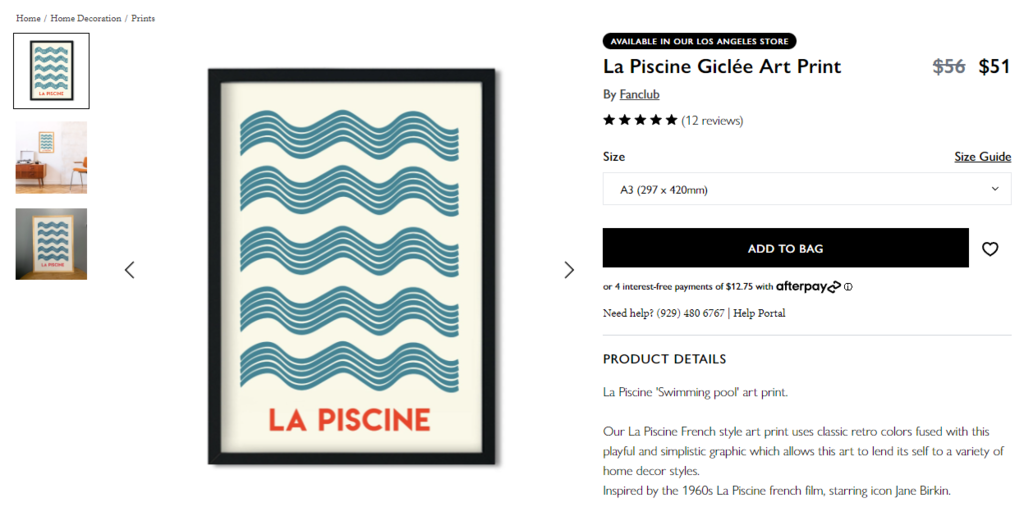
If you’d rather skip shipping physical paintings altogether, selling digital printables or art prints is one of the most scalable things you can sell from home.
You create the design once, then sell it over and over as a digital download. There’s no inventory, no shipping, and your profit margin on each sale is close to 100%.
You can create digital art using design software or by photographing your original work. Just make sure to produce high-quality image files to prevent blurry prints. An Etsy shop or your own website are the most popular places to sell these.

6. Resin art and jewelry
Resin crafts are one of the hottest trends in handmade products right now. You can make everything from coasters and trays to earrings, keychains, and decorative pieces.
The material itself is affordable, and the creative possibilities are nearly endless since you can embed dried flowers, glitter, pigments, and other elements.
A starter resin kit runs about $30–$50, which is enough to produce dozens of items. Resin earrings cost roughly $2–$3 to make and sell for $15–$30, while larger pieces like coaster sets can sell for $25–$60. The learning curve is modest, and there are plenty of tutorials available to help you get started.
7. Stickers
Thanks to their simplicity and design versatility, stickers are among the easiest and most profitable things to make and sell online. A sheet of stickers costs pennies to produce, but packs typically sell for $3–$6 each.
You can design sticker packs with inspirational quotes, cute illustrations, or niche themes, then produce them at home with a sticker printer or use a print-on-demand service like Printful.
The demand is massive, especially on Etsy and TikTok Shop. What makes stickers a particularly smart first product is how low the risk is. You can test dozens of designs quickly and cheaply to see what resonates before investing more heavily.
8. Digital planners and templates
Digital planners are a high-profit, zero-inventory product that’s been growing steadily. You can create daily planners, goal trackers, budget templates, meal planners, and more using tools like Canva or Adobe Illustrator, then sell them as downloadable files.
What makes this a standout digital product is the scalability. There’s no inventory to manage, no shipping to deal with, and your profit margin is nearly 100% after the initial design work.
9. Candles
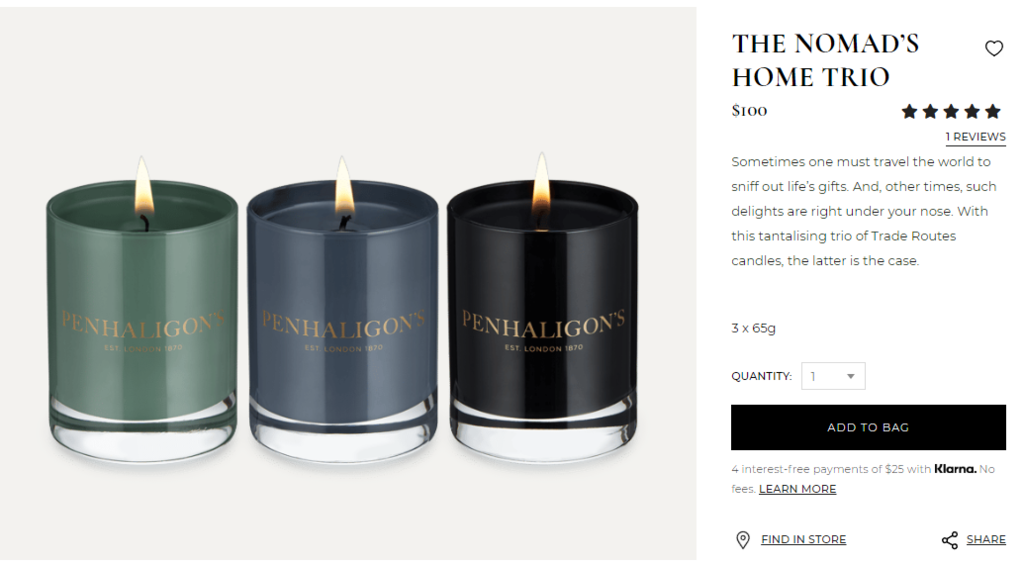
Candles remain one of the easiest and most popular things to make and sell from home. All you need is wax and an understanding of the melt-and-pour technique to get started.
Materials for a basic soy candle cost around $2–$4, while finished candles typically retail for $12–$25.
Eco-friendly options using soy or beeswax are especially popular, and adding essential oils to create aromatherapy candles lets you tap into the wellness market.
10. Macramé wall hangings
Macramé has made a huge comeback as a home decor trend. Wall hangings, plant hangers, and decorative shelves all sell well both online and at craft fairs.
The versatility is a big advantage here since you can experiment with different patterns, add fringes or beads, and create pieces at various price points to appeal to different buyers.
A roll of macramé cord costs $10–$15 and can produce several pieces, making the material cost per item quite low (usually $3–$8 depending on size).
Finished macramé wall hangings sell for anywhere from $25 for small accent pieces to $100+ for large statement art.
11. Pet supplies
Pet supplies vary widely, from homemade treats to accessories such as pet ID tags, bandanas, and clothing. Since pet owners increasingly treat their furry friends like family, they’re willing to spend on unique, handmade products.
Homemade dog treats are a particularly solid entry point. Ingredients are cheap, and you can price a bag of treats at $8–$15. Custom pet bandanas are another winner: they cost about $2–$4 in fabric and sell for $10–$20.
12. Sweets
If you enjoy making candies, cookies, chocolate, or other sweets, selling food online can be a rewarding business. Homemade sweets are popular as gifts, party favors, and everyday indulgences.
Custom-decorated cookies, for example, can sell for $3–$6 each, and holiday demand often spikes well above that.
Keep in mind that certain products may need refrigeration or have a limited shelf life, which can limit your shipping area. Check your local food safety regulations before selling, as requirements vary by state and country.
13. Soap and bath bombs
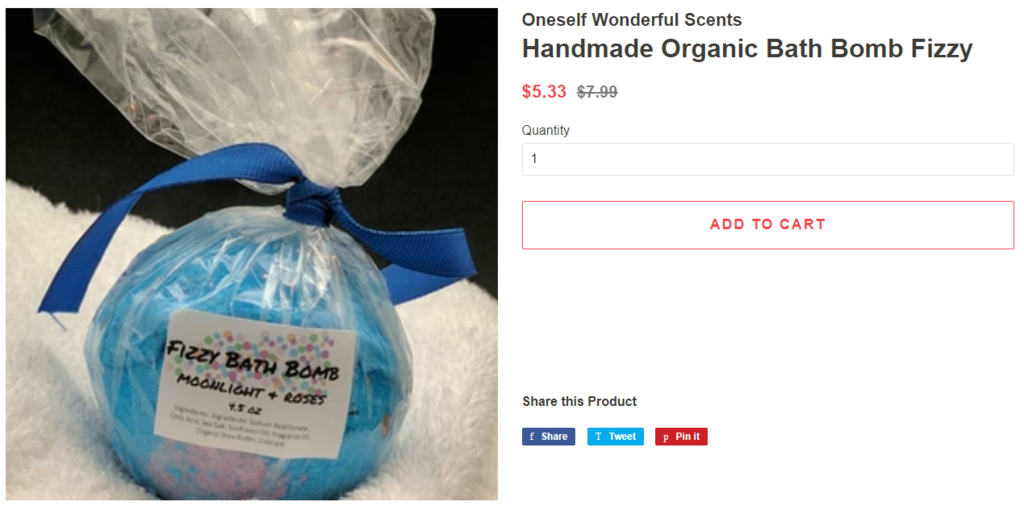
Launching and building a brand around homemade soap or bath bombs is an excellent opportunity. These handmade items are consistently in demand and can be created with relatively simple ingredients.
The economics are attractive: material costs run about $1–$2 per bar of soap, while finished bars sell for $6–$10 each or $20–$30 per gift set. That gives you a healthy margin even when you factor in packaging.
Just keep in mind that soap production does require some specific equipment and safety gear, like a digital scale for precise measurements and goggles for handling lye, so budget around $50–$100 for your initial setup.
14. Body scrubs
If you plan to make soap, consider adding body scrubs to your product lineup. Buyers want natural, skin-friendly ingredients they can actually recognize, which is hard to find in most store-bought options.
A basic sugar or salt scrub costs about $1–$3 per jar in ingredients and sells for $10–$18.
The real business advantage here is bundling. Packaging body scrubs with your soaps or bath bombs into gift sets can push your average order value from $10 to $30+ with minimal extra effort.
15. Personalized and engraved gifts
People love items that feel custom-made for them, and they’re willing to pay a premium for it. A plain wooden cutting board might sell for $15, but add a name or wedding date and it becomes a $35–$50 product.
You can personalize almost anything: glassware, jewelry, wooden items, leather goods, or even tech accessories.
A Cricut machine (starting around $200) or an entry-level laser engraver ($300–$500) pays for itself quickly when you’re adding $10–$20 in value per item.
Made-to-order items also have a built-in advantage: since you produce them after the sale, there’s no unsold inventory sitting around.
16. Lip balm
Lip balm is a universal personal care product that’s easy to produce at home and works as a low-risk starter product. A batch of 20–30 lip balms costs about $10–$15 in ingredients (beeswax, coconut oil, shea butter, essential oils), and individual tubes sell for $3–$5 each.
Where lip balm really shines is as an add-on product. If you’re already selling soap, body scrubs, or other personal care items, adding lip balm to your shop gives customers another reason to increase their order size.
17. Perfume
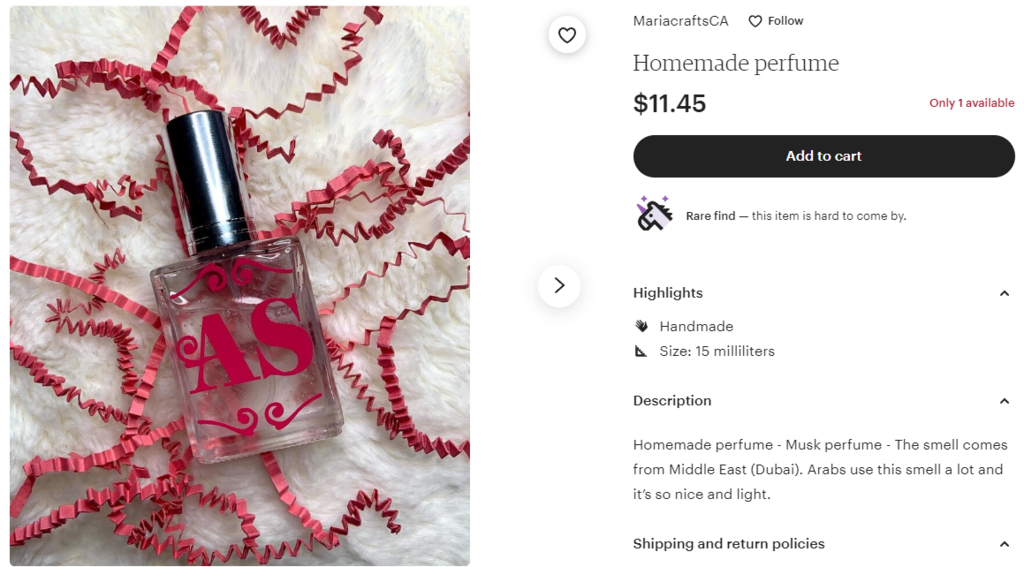
Perfume is a product where branding and presentation matter as much as the scent itself. The good news is that it’s easier to make a DIY perfume at home than most people think.
Natural ingredients like essential oils and flowers are all you need to get started, and a small batch costs relatively little to produce.
The profit margins depend heavily on packaging. A simple roll-on perfume in a basic bottle might sell for $12–$15, but the same scent in a beautifully designed bottle with premium labeling can command $30–$50.
18. Pillowcases
Pillowcases are a popular home decor item that lets you get creative with embroidery, stitching, and fabric choices. The smart play here is selling them as part of a coordinated collection rather than individually.
A matching set of two or four feels more like a “home decor upgrade” and can sell for $25–$50, and seasonal designs (holiday patterns, spring florals, fall tones) drive repeat purchases from the same customers.
19. Pottery and ceramics
Pottery has seen a huge surge in popularity, both as a hobby and as a product to sell. Handmade mugs, planters, vases, bowls, and decorative pieces all have strong demand, and buyers are willing to pay $20–$60+ for one-of-a-kind items that you can’t find at a chain store.
The barrier to entry is a bit higher here. You’ll need access to a kiln, though many cities have shared pottery studios that charge by the firing.
If that’s not an option, air-dry clay and polymer clay are accessible alternatives for creating smaller items like jewelry dishes, ornaments, and coasters. These don’t require a kiln at all and can still sell for $10–$25 per piece.
20. Artificial plants
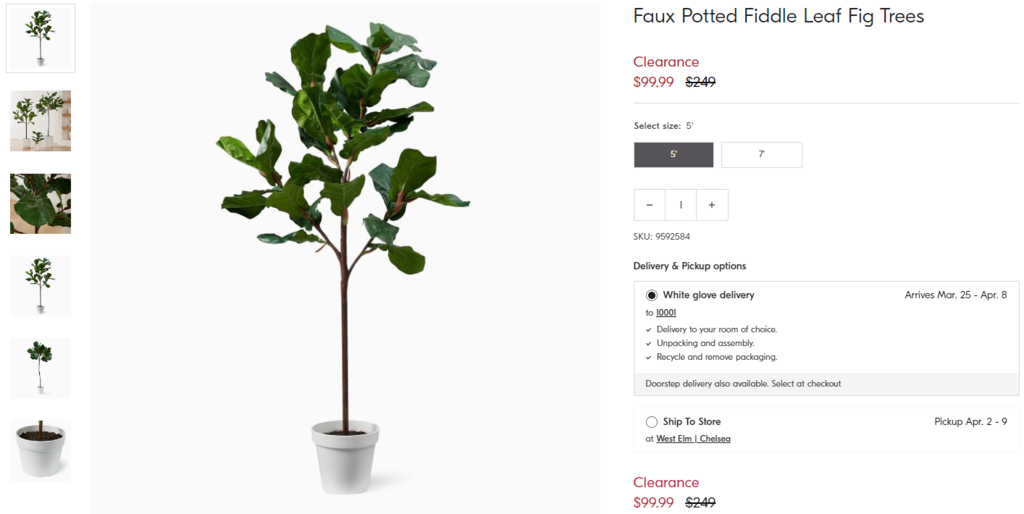
Artificial plants appeal to people who love the look of greenery but don’t want the maintenance. The most common DIY artificial plants are made from paper, wire, and felt, though unconventional materials like wool yarn and cloth can make your pieces stand out.
Realistic-looking artificial plants in attractive pots sell best, especially when they’re hard to tell apart from the real thing. They also work well as part of home decor bundles alongside items like candles or vases, which helps increase your average order.
21. Sharpie mugs
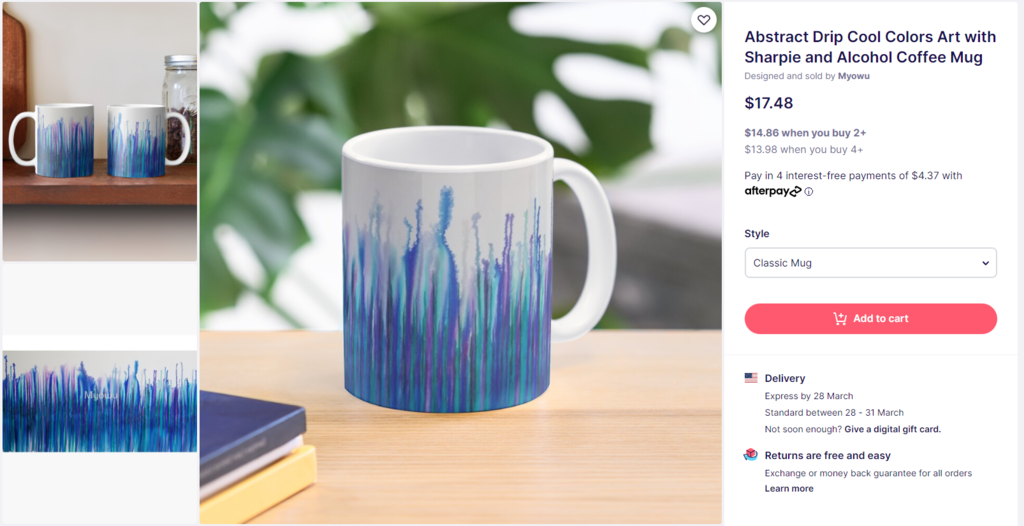
Sharpie-painted mugs might have the best effort-to-profit ratio on this entire list. A plain mug costs $1–$3, an oil-based Sharpie marker lasts for dozens of mugs, and finished custom mugs sell for $12–$20 each.
The secret to making this work as a real business (not just a hobby) is offering made-to-order designs with names, quotes, or custom illustrations, which turn a commodity item into a personalized gift.
They’re especially popular around the holidays, Valentine’s Day, and graduation season.
22. Coasters
Coasters are one of those products where the material you choose defines your entire business. Resin coasters with embedded flowers sell to a completely different audience than minimalist wood coasters or hand-painted tile coasters. Pick your lane and own it.
Material costs range from $1–$5 per coaster, depending on what you’re working with, and sets of four typically sell for $20–$40.
They also work well as housewarming gifts, which means gift-ready packaging can justify a higher price point and set you apart from sellers who just ship the coasters in a plain box.
23. Cloth napkins
Cloth napkins tap into two trends at once: the sustainability movement and the growing interest in elevated tablescaping. Eco-conscious buyers love them as a reusable alternative to paper napkins, while home decor enthusiasts want them for dinner parties and styled tables.
The real value comes from offering coordinated table setting collections (napkins, placemats, a table runner) rather than selling napkins in isolation. A set that would feel like a modest purchase on its own becomes a $50–$70 order when bundled.
24. Custom t-shirts
T-shirts are among the most popular items in the online apparel market. A custom t-shirt business can work two ways: produce and ship them yourself, or let someone else handle it.
To start a custom t-shirt business, create attractive designs for a specific niche and find a supplier like Printful to produce them.
If you’d rather avoid dealing with inventory and shipping entirely, starting a dropshipping business through a print-on-demand service means you only pay for products as they’re ordered, with zero upfront cost.
25. Tote bags
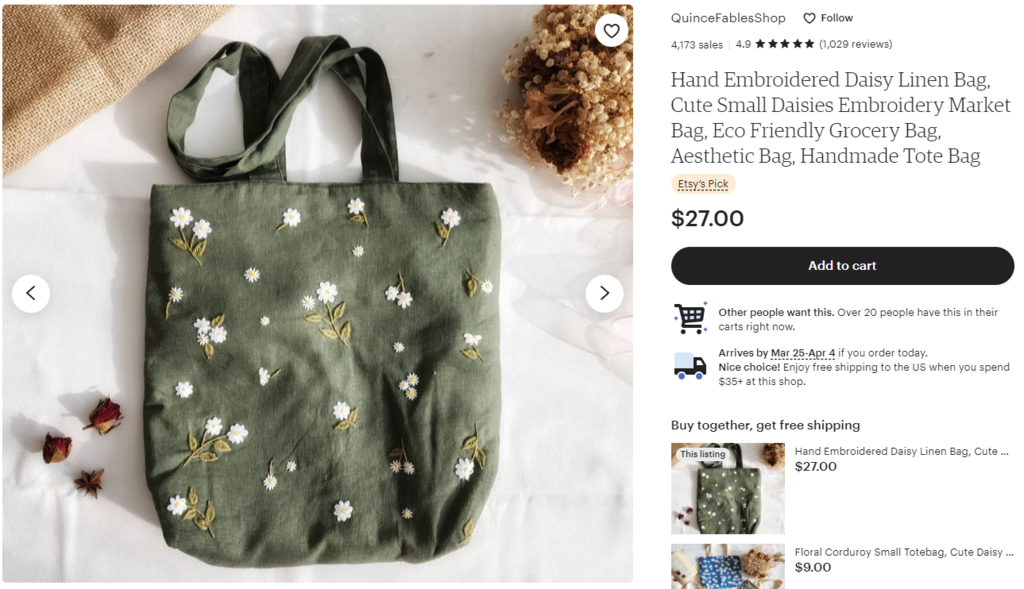
Tote bags benefit from a long-term tailwind: plastic bag bans and sustainability awareness keep pushing demand higher.
If you’re sewing them yourself, canvas fabric costs about $3–$5 per bag and finished totes sell for $15–$30. Print-on-demand is also an option if you’d rather focus on design.
Either way, designs with bold typography, empowering messages, or eye-catching patterns tend to perform best.
26. Socks
Socks are popular homemade things to sell, and the two most common production methods are sewing and knitting.
Hand-knitted socks take longer to produce but command higher prices ($15–$30 per pair), while sewn socks from patterned fabric are quicker to make at a lower price point.
Novelty socks with quirky prints, holiday themes, or personalized text are especially popular, and releasing limited-edition seasonal designs is a great way to create urgency and keep buyers coming back.
27. Custom phone cases
Custom phone cases are among the easiest things to start selling because print-on-demand platforms handle production and shipping for you. Your only job is creating designs people want to buy.
Tools like Canva make it easy to design cases even if you’re not a graphic designer. The typical profit margin through print-on-demand is $5–$10 per case after platform fees.
The one thing to stay on top of: new phone models are released every year, so your bestselling case designs will need updated compatibility regularly.
28. Upcycled and vintage fashion
Sustainability is more than a buzzword, and upcycled fashion is one of the fastest-growing niches in the handmade space. The idea is simple: source vintage or used clothing (often for $1–$5 per piece at thrift stores) and repurpose it into something new.
A torn maxi skirt becomes a tote bag. A faded vintage sweatshirt gets cropped and re-dyed. Old jeans turn into patchwork pouches.
Your material costs are minimal since you’re working with secondhand goods, and the finished products carry a sustainability story that resonates strongly with today’s buyers.
Upcycled pieces typically sell for $20–$50, depending on complexity, giving you solid margins on a very low investment.
29. Bookmarks
Bookmarks are simple yet surprisingly profitable. You can make them from resin, pressed flowers, leather, fabric, or crochet, and finished bookmarks sell for $5–$15 each with minimal material costs.
What separates the top sellers from everyone else is niche focus: personalized bookmarks with birth flowers or initials, designs themed around specific book genres or fandoms, or bundles with other bookish accessories like reading journals and book sleeves.
30. Stationery pouches
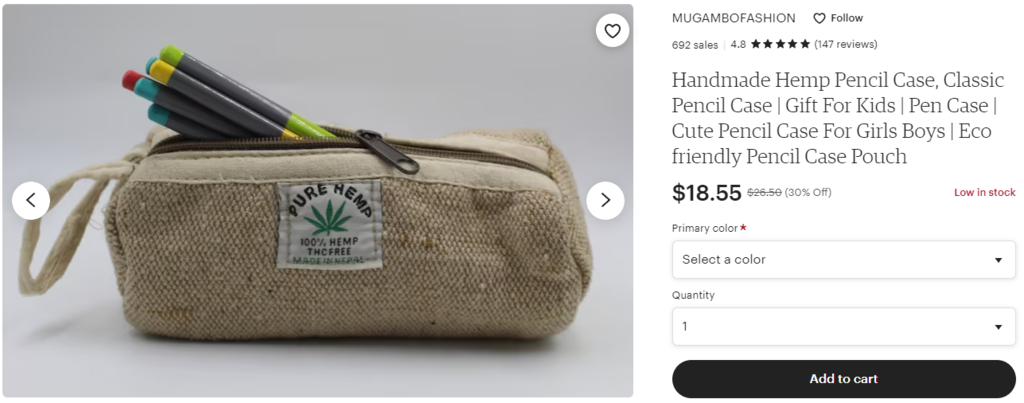
Stationery pouches are quick to sew, even for beginners, and your target audience of students and office workers is large and reliable.
What makes this a smart starting product is the natural growth path: once you’ve mastered pouches, expanding into cosmetic bags, laptop sleeves, and purses uses similar techniques but commands higher price points.
Offering matching sets (a pouch and a tote in the same fabric) also encourages larger orders.
31. Notebooks
The notebook business is gaining popularity as more people get into journaling, bullet journaling, and planning. You can source blank notebooks (around $2–$3 each wholesale) and customize them with unique covers, or create them from scratch for higher margins.
Custom notebooks sell for $12–$25, and what sets them apart from mass-produced ones is the details: thoughtful page layouts (dot grids, goal-setting prompts, gratitude logs) and premium cover materials.
32. Concrete planters and decor
Concrete crafts have become a go-to for the minimalist, industrial home decor aesthetic. Small items like planters, candle holders, coasters, desk organizers, and trinket dishes are all relatively simple to make and appeal to modern design sensibilities.
A bag of concrete mix costs about $10–$15 and produces dozens of items, making your per-piece material cost incredibly low ($1–$3). Finished concrete planters sell for $15–$35, and you can scale up the perceived value by pairing them with a small plant or candle.
The raw, textured look of concrete is trendy on its own, but painted or sealed pieces have their own audience too.
33. Sunglasses cases
Making fabric sunglasses cases is a beginner-friendly sewing project that works especially well as a complementary product.
If you already sell bags, pouches, or apparel, adding sunglasses cases in matching fabrics creates a cohesive brand look and gives your customers another reason to add something to their cart.
34. Coat hangers
There are plenty of different DIY coat hanger options, from wall-mounted designs to freestanding racks.
This is a product where woodworking skills really pay off, and mid-century modern or Scandinavian-inspired designs tend to sell particularly well.
If you can offer customization (choosing the wood finish, number of hooks, or adding a name), you’ll stand out from the generic options at big-box stores.
35. Mittens
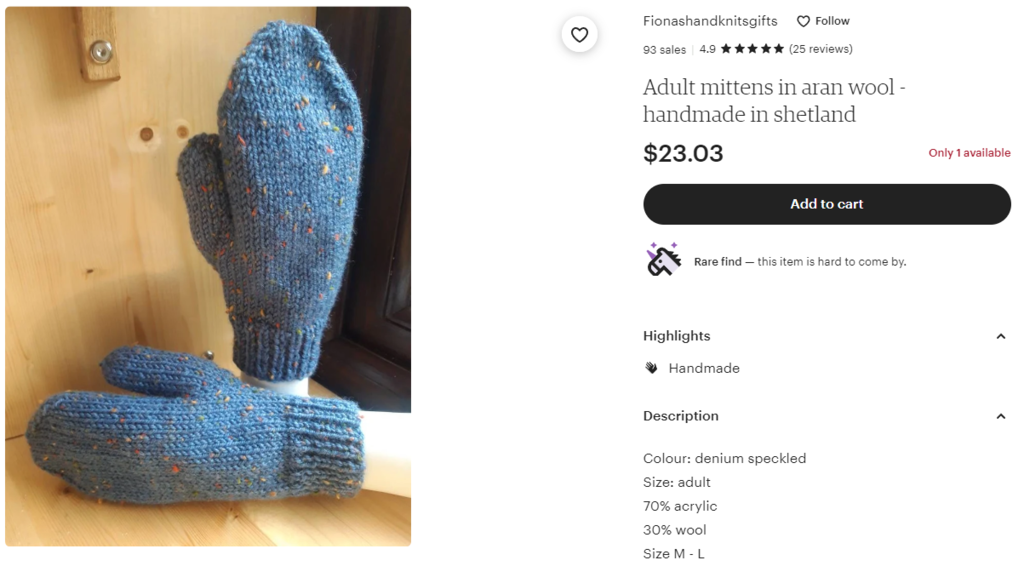
Mittens are a proven seasonal seller, especially during fall and winter. Hand-knitted mittens from quality yarn sell for $15–$30 per pair, while sewn fleece or wool mittens are quicker to produce at a slightly lower price point.
One approach that’s gained traction: making mittens from repurposed wool sweaters. You can source sweaters from thrift stores for a few dollars each, cut and sew them into mittens, and sell the finished product with a sustainability angle.
Your material cost drops to almost nothing, and the margin becomes excellent.
36. Hats
Hats are versatile accessories that you can create from scratch using crochet, knitting, or sewing, or buy plain and customize with embroidery, patches, or screen printing.
It’s a broad category with many different types, and the sellers who do best tend to pick one niche and own it rather than trying to cover everything.
Crocheted beanies, embroidered baseball caps, and wide-brim sun hats are all popular niches with different audiences and seasonal demand patterns.
37. Crochet wearables
Crochet wearables are having a major moment, with custom-made bags, tops, hats, and cardigans trending heavily on social media.
People love choosing their own colors, yarn types, and designs, which makes made-to-order crochet pieces a great business model with minimal waste.
Yarn costs vary, but most wearable pieces cost $10–$25 in materials and sell for $40–$100+. The trade-off is time: a crocheted cardigan might take 10–15 hours to complete, so pricing your labor fairly is vital.
If you enjoy crochet and want to turn it into a proper business, starting a crochet business is easier than you might think once you nail down your pricing and production workflow.
38. Enamel pins
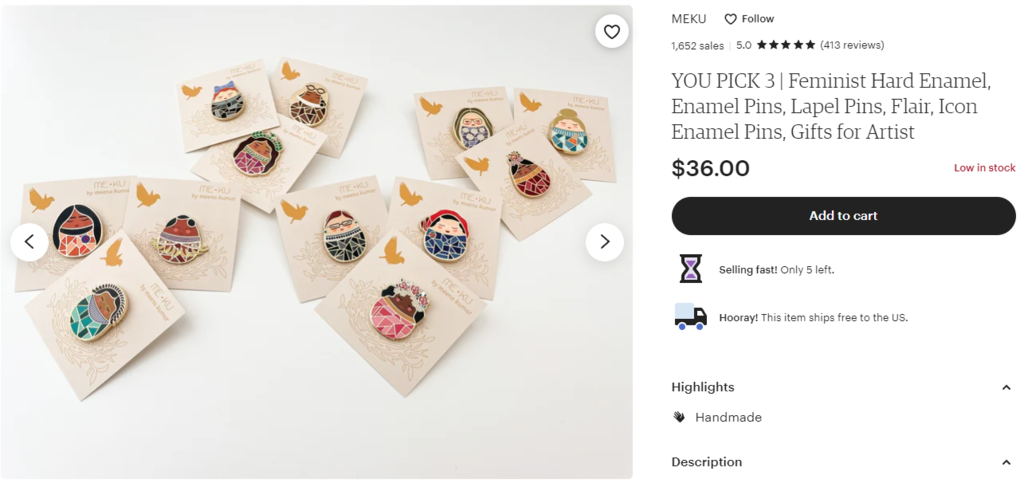
Enamel pins work differently from most crafts on this list. Instead of making each one by hand, you design them and then partner with a manufacturer to produce them in bulk.
Making and selling enamel pins typically requires a minimum order of 50–100 pieces, with per-pin costs of $1–$2. The margins make that upfront investment worthwhile. Pins that cost $1.50 to produce routinely sell for $8–$12 each.
Niche designs with a strong theme (animals, fandoms, professions, humor) tend to build loyal followings, and limited-edition runs create urgency that drives faster sales.
39. Gift baskets
Gift baskets are often sold as bundled or made-to-order items, which makes them flexible and fun to create. You can make the basket or box from wood, fabric, or recycled materials, then fill it with your own handmade products or curated items from other sellers.
The real value here is in the curation. A well-themed gift basket (new mom, coffee lover, self-care, housewarming) can sell for $40–$80+, even when the individual items inside would cost less if purchased separately.
Personalized gift baskets based on customer requests command even higher prices, and they’re especially popular around the holidays, Mother’s Day, and wedding season.
40. Subscription boxes
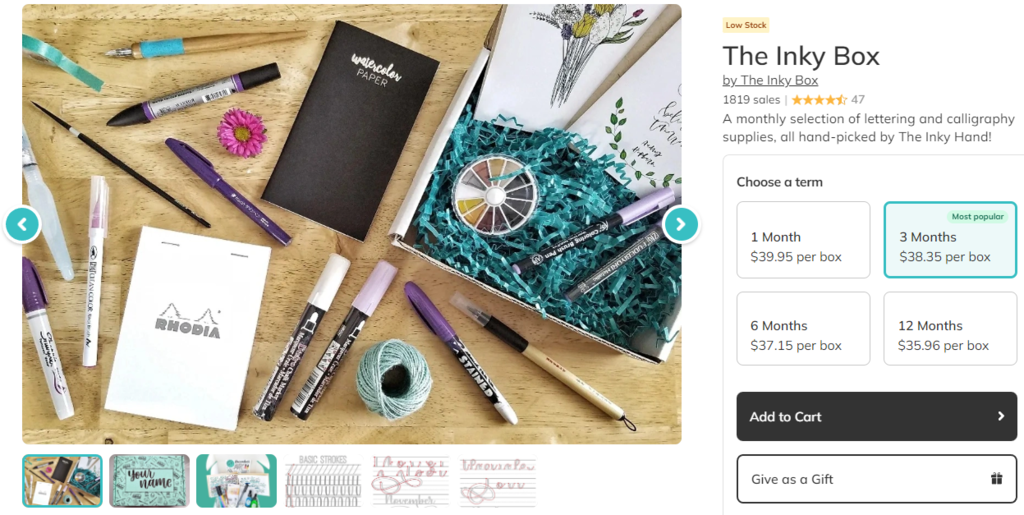
If you already make multiple products, a subscription box model turns one-time buyers into recurring revenue.
A subscription box contains a curated assortment of your products delivered monthly, and the recurring nature of the business makes your income more predictable than one-off sales.
For example, if you sell beauty products like soaps, lip balms, and perfumes, you could assort these into a themed monthly box priced at $25–$45.
Use a consistent box size each month to simplify logistics, and personalize the content based on customer preferences to reduce churn. The key metric to watch is retention: keeping subscribers happy for 6+ months is where the real profitability kicks in.
41. Music
Music is one of the most popular digital products to sell online. If you write or produce music, digital distribution services like DistroKid make it easy to submit your songs to streaming platforms like Spotify, Apple Music, and others for a small annual fee.
You don’t need a full album to start. Singles and EPs are perfectly valid ways to begin earning royalties.
Beyond streaming, licensing your music for use in YouTube videos, podcasts, advertisements, and indie films can be a more lucrative revenue stream since a single license can pay $50–$500+, depending on usage.
42. Ebooks
Writers should consider learning how to create an ebook to earn extra income. Topics can range from fiction to how-to guides, recipes, self-help, and niche non-fiction. Platforms like Payhip and Amazon make it straightforward to self-publish and start selling.
The profit margins on ebooks are excellent since there are no printing or shipping costs. A well-targeted ebook priced at $5–$15 can generate steady passive income, especially if you focus on a niche topic with consistent search demand.
Ebooks also work as a marketing tool that drives traffic to your other products, since readers who trust your expertise are more likely to buy from you again.
43. Online courses
If you have in-demand knowledge or skills, selling online courses is a viable business opportunity with strong earning potential. A well-structured course priced at $30–$200 can sell hundreds or thousands of times without any additional production work on your part.
You can host your course on your own website or join established learning marketplaces like Udemy and Skillshare.
The key to success is choosing a topic you genuinely know well and structuring the content so it delivers clear, actionable results for your students. Courses that solve a specific problem (“How to set up an online store in a weekend”) tend to outperform broad, encyclopedic ones.
44. Web apps and software
You don’t need to be a developer to build and sell software anymore. A no-code app builder like Hostinger AI Builder lets you create functional web apps, from simple calculators and directories to booking systems and CRM tools, without writing a single line of code.
WordPress plugins, browser extensions, and standalone SaaS tools also all have strong demand.
You can sell through your own website or list on marketplaces like Gumroad. Either way, the key is solving a specific problem well, since a focused tool that does one thing reliably will always outperform a bloated one that tries to do everything.

Join our Discord channel for more tips and inspiration on making the most of Hostinger Horizons. Connect with the community, get expert advice, and stay updated on the latest features!
45. Stock photos
Creating stock photos requires a camera, a good eye, and a willingness to practice. Once you have a decent portfolio, sell your work on stock photography websites like Shutterstock, Getty Images, and 500px.
AI-generated imagery has become very common, which has actually created an opportunity rather than closing one. Authentic, high-quality photography now stands out more than ever.
Focus on niches where real-world photos are irreplaceable: local businesses, genuine lifestyle shots, diverse representation, and culturally specific imagery. These are exactly the types of images that AI struggles to produce convincingly, and buyers know the difference.
46. Keychains
Keychains are a popular item across nearly every demographic. They’re small, affordable, and make great impulse purchases or gifts. You can make them from resin, beads, leather, polymer clay, wood, or metal.
The most successful keychain sellers tend to focus on a specific niche rather than trying to appeal to everyone. Popular niches include keychains for nurses, teachers, dog breeds, or specific hobbies.
47. Greeting cards
Greeting cards are used for birthdays, weddings, holidays, and just about every other occasion. What gives handmade cards an edge over store-bought ones is the personal touch. Watercolor designs, hand lettering, and unique illustrations stand out in a market flooded with generic options.
Selling cards in themed sets or bundles (like a pack of 10 birthday cards) is a smart way to increase your order value. You can also offer custom cards for specific occasions, which commands a higher price per card.
48. Pacifier clips
Pacifier clips attach a pacifier to a toddler’s hand or clothing, preventing them from losing or dropping it. They’re simple and affordable to make, and demand among new parents is consistent year-round.
One important note: you’ll need to comply with local safety regulations. In the US, pacifier clips should follow the Consumer Product Safety Commission (CPSC) guidelines, which require clips to be no longer than eight inches. Getting this right builds trust with parents and is non-negotiable.
49. Scarves
Scarves work as both a fashion accessory and a cold-weather essential, which gives them year-round appeal if you’re strategic about materials.
Hand-knitted scarves from quality yarn sell for $25–$50, while lighter fabric scarves for spring and summer sell at a slightly lower price point.
Experiment with different techniques (knitting, crocheting, weaving, sewing) to find what suits your skills. Bold patterns, seasonal color palettes, and premium materials will help you stand out.
50. Traditional handicrafts
Every region has its own distinct traditional handicrafts, and that uniqueness is exactly what makes them valuable. By making and selling traditional handicrafts online, you can share your local culture with a global audience while building a business around something meaningful.
Whether it’s woven textiles, carved wood pieces, hand-painted ceramics, or beaded work, traditional crafts carry a story that mass-produced items can’t compete with.
That authenticity is a powerful selling point, especially among buyers who value cultural heritage and artisanal quality.
Where to sell your handmade items
Once you’ve decided what to make, the next step is figuring out where to sell it. You have two main options: starting an online store or selling through an existing marketplace. Many sellers eventually do both.
Create an online store
Having your own online store gives you full control over your brand, pricing, and customer experience. You also keep more of your revenue since you’re not paying marketplace listing fees or commissions on every sale.
The easiest way to get started is with a website builder that includes ecommerce features. Hostinger Website Builder lets you create an online store quickly, even if you’ve never built a website before.
It comes with built-in payment processing, product pages, and an AI-powered setup flow that walks you through everything from adding products to configuring shipping. No coding, no transaction fees on your sales.
If you want more flexibility and customization, WordPress with WooCommerce is another strong option. You’ll need a domain name and a hosting plan to get going – managed hosting for WooCommerce handles the technical setup so you can focus on building your shop.
Sell your craft on an online marketplace
The other option is to sell on an established marketplace like Etsy, Amazon Handmade, or similar platforms. The biggest advantage here is the built-in audience.
You don’t have to drive all the traffic yourself since buyers are already browsing these sites looking for products like yours.
The trade-off is more competition, less control over your branding, and transaction fees that eat into your margins. You’ll also be subject to each platform’s rules and algorithm changes.
To succeed in a marketplace, focus on great product photography, detailed descriptions, and competitive pricing.
If you’re also exploring online business ideas beyond handmade crafts, or you’re not sure which platform to use, comparing the top online selling sites can help you find the right fit.
What are some other ways to make money online?
Some of the most successful craft sellers also grow in other directions over time: a soap-making hobby becomes a full personal care product line, a popular Etsy shop expands into its own branded website, and a strong following opens doors to wholesale and retail partnerships.
Selling handmade products pairs well with other income streams, too. Freelancing, affiliate marketing, blogging, and offering consulting services all work alongside a craft business without requiring additional inventory.
Keeping an eye on trending products will help you spot new opportunities early, and if you want to explore beyond things to make and sell, there are plenty of other ways to make money online worth looking into.
All of the tutorial content on this website is subject to Hostinger's rigorous editorial standards and values.

Simon is a dynamic Content Writer who loves helping people transform their creative ideas into thriving businesses. With extensive marketing experience, he constantly strives to connect the right message with the right audience. In his spare time, Simon enjoys long runs, nurturing his chilli plants, and hiking through forests. Follow him on LinkedIn.