Rajut Nusa: Transforming discarded plastic bags into sustainable livelihoods
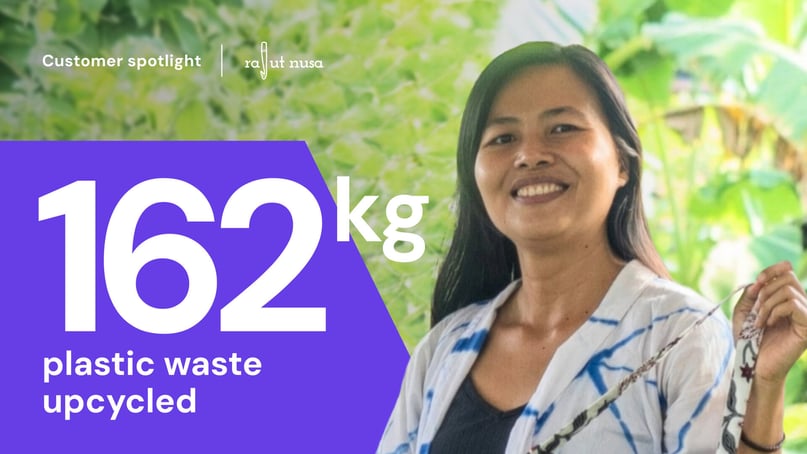
Natalia Wibowo, better known as Lia, witnessed the growing plastic waste problem in her hometown of Yogyakarta, Indonesia. While practical solutions remained few and far between, she found it impossible just to stand by.
Her background in chemical engineering shaped the way she saw the issue. Plastic bags weren’t simply everyday waste – they were materials that could remain in the environment for hundreds of years.
Determined to be part of the solution, Lia founded Rajut Nusa, a small business that transforms discarded plastic bags into yarn, which is then crocheted into durable, handcrafted products.
From residue to raw material
Lia knew she wanted to help address Yogyakarta’s growing plastic waste problem. What she didn’t know was how.
She spent some time researching and experimenting with multiple solutions until a YouTube video caught her attention. It showed people crocheting with plastic bags.
Lia immediately saw its potential. Both for keeping plastic bags out of landfills for longer and for creating new sources of income for local community members.
That idea became the foundation of Rajut Nusa. Every product still begins with materials that others have thrown away, from single-use plastic bags and fabric scraps to damaged floaties.
In the early days, Lia collected and sorted every piece herself, sourcing discarded plastic bags from waste banks across Yogyakarta or anywhere she could find them.
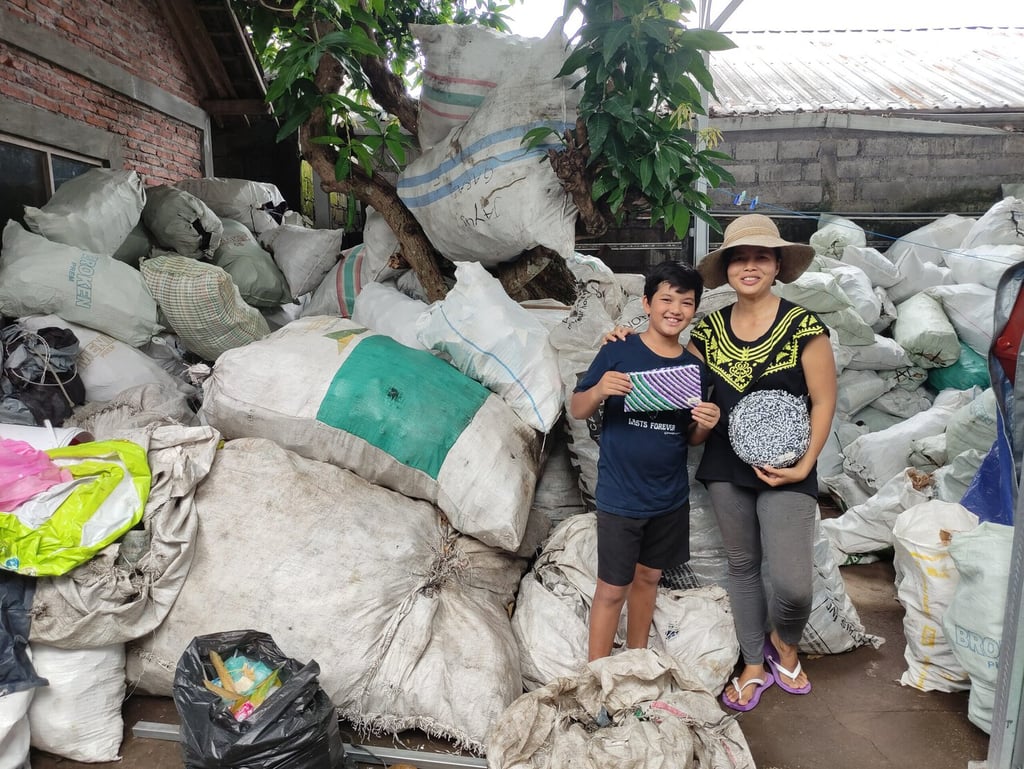
Today, Rajut Nusa continues to work with around four waste banks, while many of the artisans who prepare the plastic also collect bags from their own neighborhoods, often receiving donations from local residents.
The total waste processed since its first launch has reached more than 162 kilograms of single-use plastic bags, 21 kilograms of T-shirts and jersey scraps, and 2 kilograms of other discarded materials, including milk cartons and damaged floaties.
Lia always embraces the colors, prints, and patterns on each piece of waste. A supermarket logo or a colorful graphic that once appeared on a disposable shopping bag can become part of the finished design, making every product one of a kind.

The people behind the product
Turning discarded plastic bags into yarn remains an almost entirely manual process. Each bag is carefully washed, folded to maintain a consistent width, cut into strips about a centimeter wide, and joined into long strands of “plastic yarn” ready for crocheting.
There are no machines to speed up the process – and that’s by design. Every stage is done intentionally by hand, so Lia can create opportunities for people who aren’t able to work formally.
What began with five freelance crocheters and one plastic cutter has grown into a network of around 15 artisans working across Yogyakarta, Imogiri, Minggir, Bojonegoro, and Tuban.
Most are housewives looking for a way to earn an income while caring for their families, while some are mothers of children with disabilities.
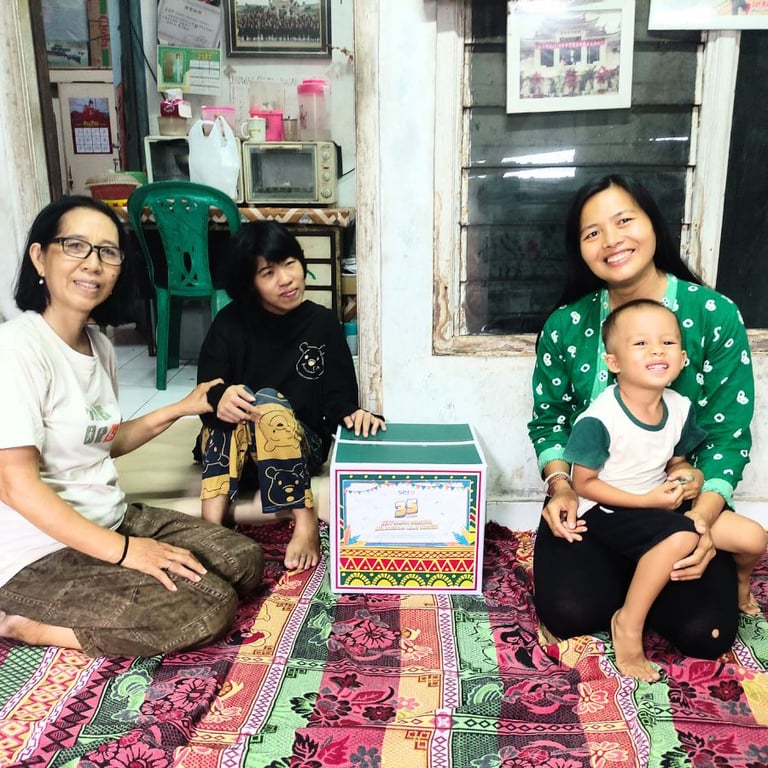
Lia has gradually shared her knowledge with the artisans, enabling them to work more independently. Every artisan works from home and sets their own schedule, earning fair-trade wages for every piece they produce.
Many are now involved in multiple stages of production, giving them greater ownership over the process and the flexibility to manage their own workload.
That flexibility, however, comes with its own challenges. Plastic yarn is less forgiving than conventional yarn, making it more difficult to crochet consistently.
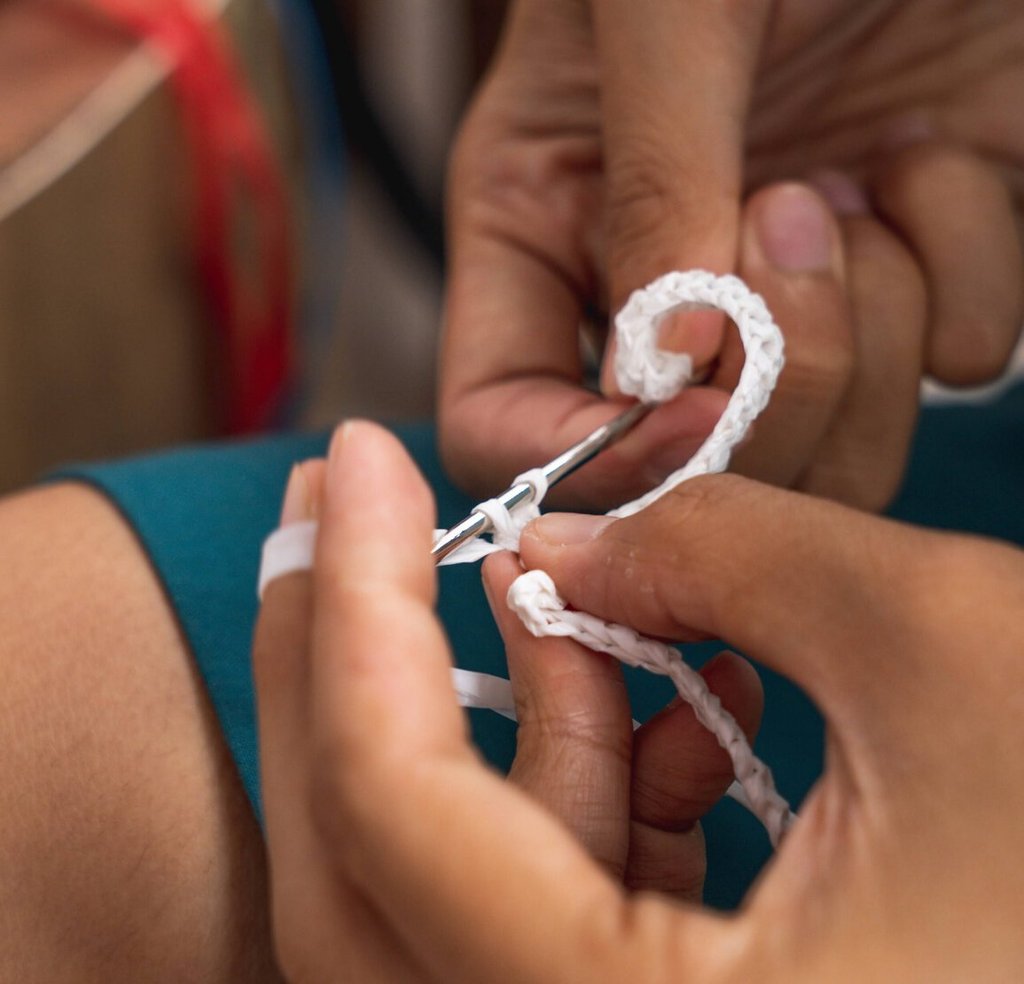
Combined with a work model that allows artisans to choose when and how much they work, production timelines naturally vary from person to person.
Rather than imposing rigid deadlines, Lia plans production around her artisans’ realities. Large orders are communicated well in advance, giving everyone enough time to organize their workload without sacrificing their family responsibilities.
For Lia, it’s a trade-off worth making. Rajut Nusa was never meant to become the fastest or most efficient production line. Instead, Lia measures success differently.
She focuses on creating meaningful work for her artisans. In doing so, Rajut Nusa demonstrates that discarded plastic can create both environmental and economic value.
Expanding reach through building an online presence
Rajut Nusa grew primarily through offline events, government programs, and partnerships with well-known retail stores. What began with five partner stores has since expanded to 15 retail partners across Yogyakarta, Jakarta, Bandung, and Bali.
As the business grew, Lia realized that social media alone wasn’t enough. While Instagram helped showcase Rajut Nusa’s products, she needed a dedicated online home where customers, partners, and organizations could learn more about the business and its mission.
Before Rajut Nusa had its own website, Lia’s husband, Janick, already had a Hostinger hosting plan for their ecotourism business, Indonesia Eco Tour.
The couple chose Hostinger for its competitive pricing after comparing several hosting providers. Three years later, they’re still hosting their websites with Hostinger, having had a smooth experience managing their first site.
Since Janick was already handling the technical side of the travel business website, building and maintaining Rajut Nusa’s online presence came naturally to him.
When it was time to launch the new site, he simply added a new domain and created another WordPress website through Hostinger dashboard.
Because their hosting plan supports multiple websites, there was no need to purchase a separate hosting account. Built-in WordPress management tools handled much of the setup, making it quick and straightforward to get Rajut Nusa online.
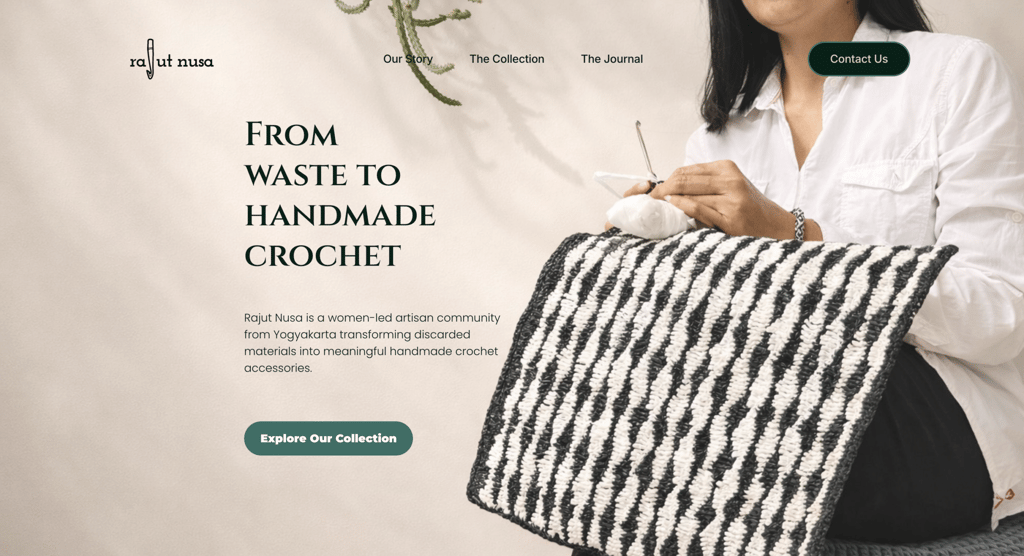
The website wasn’t built to replace Rajut Nusa’s existing sales channels. In Indonesia, most customers still prefer to place orders via WhatsApp, while Instagram is the primary platform for showcasing products and connecting with buyers.
Instead, the website became the business’s digital home. It helps Rajut Nusa establish credibility when applying for business competitions, introducing itself to potential partners, or connecting with organizations that want to learn more about its mission before getting in touch.
Its role has also evolved gradually over time. After improving the site’s search engine optimization (SEO), Lia began receiving inquiries from people who discovered Rajut Nusa through online search rather than word of mouth – a small but meaningful shift that introduced the business to entirely new audiences.
What’s next for Rajut Nusa
When asked whether Rajut Nusa has become the sustainable business she envisioned, Lia didn’t give a straight yes.
The business operations are still run by a lean team consisting of Lia and a marketing manager, with little budget to spare for marketing.
Although revenue continues to grow year over year, profit margins remain tight – just enough to pay the artisans fairly and keep work flowing.
Those challenges haven’t changed her conviction.
Knowing that the work she’s doing right now brings real impact is what keeps Lia moving. Every order helps create income for artisans who might otherwise struggle to find flexible employment, while giving discarded plastic a second life.
That mission has also begun attracting wider recognition. Through competitions, community programs, and speaking opportunities, Rajut Nusa has reached audiences that a modest marketing budget never could.
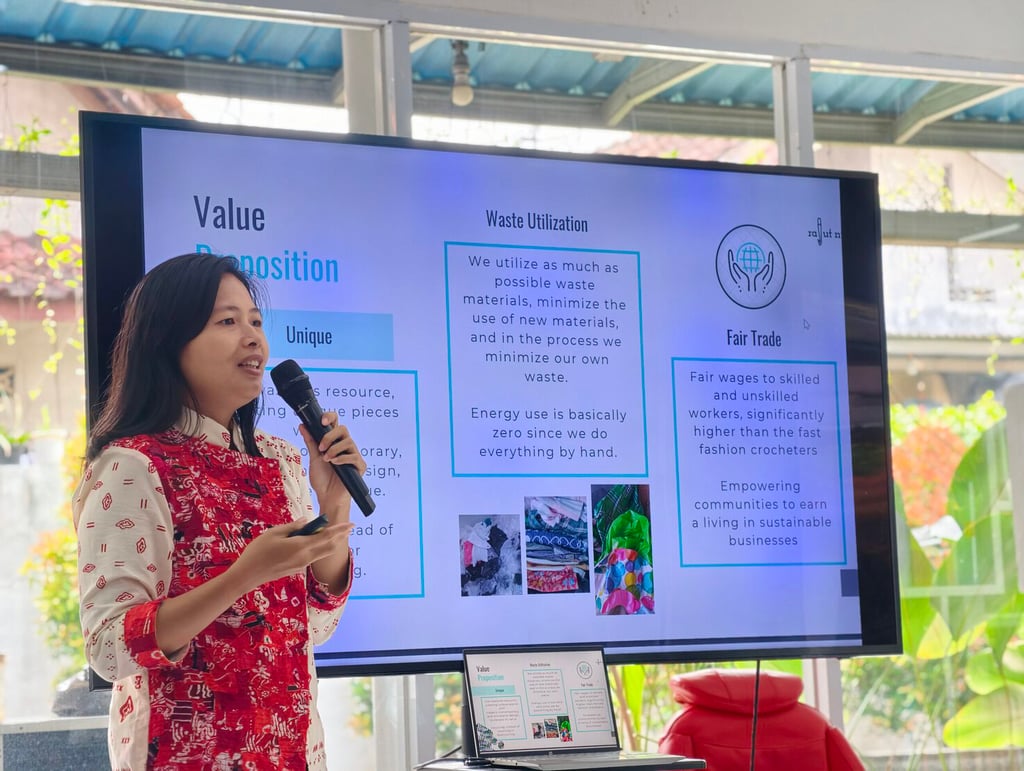
In 2025, Rajut Nusa’s work earned a place in the CSR program of one of Asia’s largest multinational companies, where Lia received training to help scale and strengthen the business.
Moving forward, she hopes to expand the network around the business – connecting with more artisans, collaborating with communities, environmental organizations, or government programs, and reaching more people who believe that sustainability and social impact can go hand in hand.
This story of Rajut Nusa proves that innovation doesn’t always mean inventing something from scratch. Sometimes, it simply means seeing potential where others see waste.

Larassatti Dharma is a content writer with 5+ years of experience in the web hosting industry. She has populated the internet with over 100 YouTube scripts and articles around web hosting, digital marketing, and email marketing. When she's not writing, Laras enjoys solo traveling around the globe or trying new recipes in her kitchen. Follow her on LinkedIn