From a local shop to a brand shipping across India: the story of Shripad Steel Home
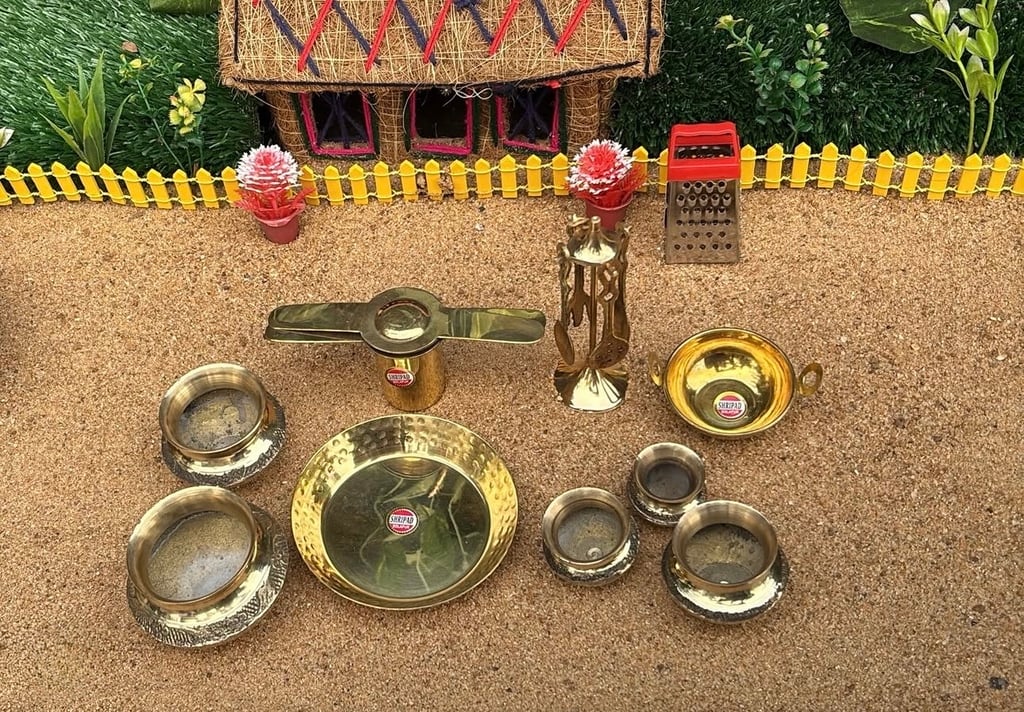
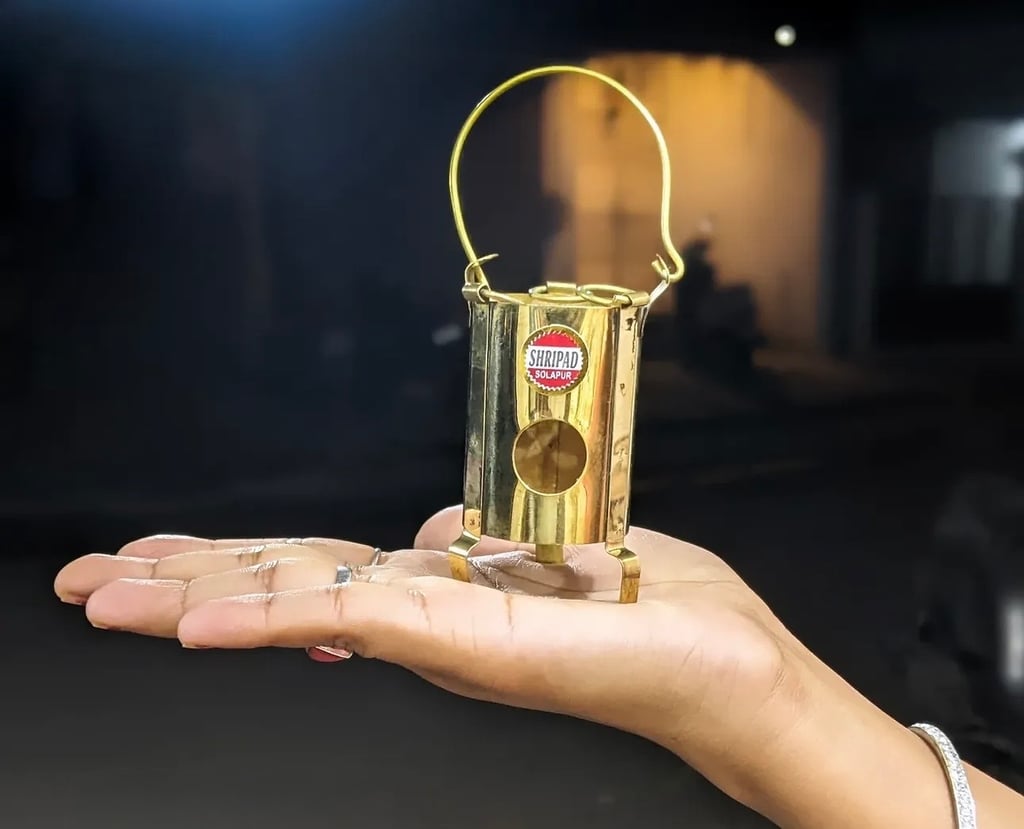
Every year, in homes across parts of India, families clear a small corner in their home and build a tiny house. Just five by five feet, decorated with miniature pots, pans, and cooking vessels. For ten to fifteen days around Diwali, children play there, staging pretend meals with tiny brass pots and pans made to fit their hands.
The tradition goes back generations, and it’s part of what a small shop in Solapur has carried far beyond its own city.
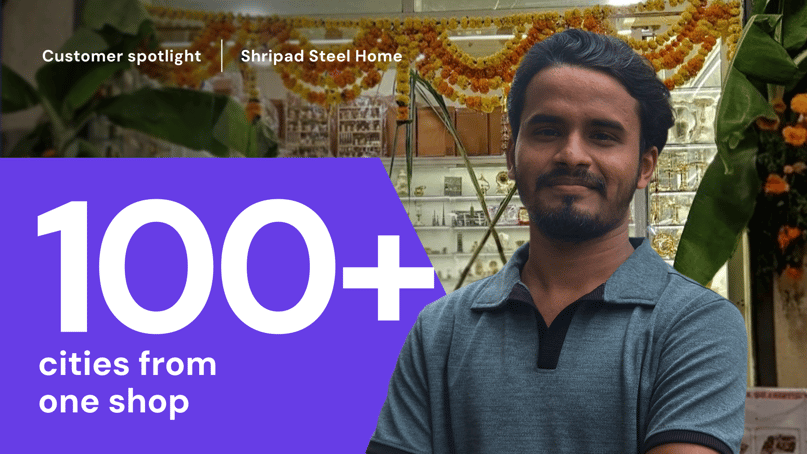
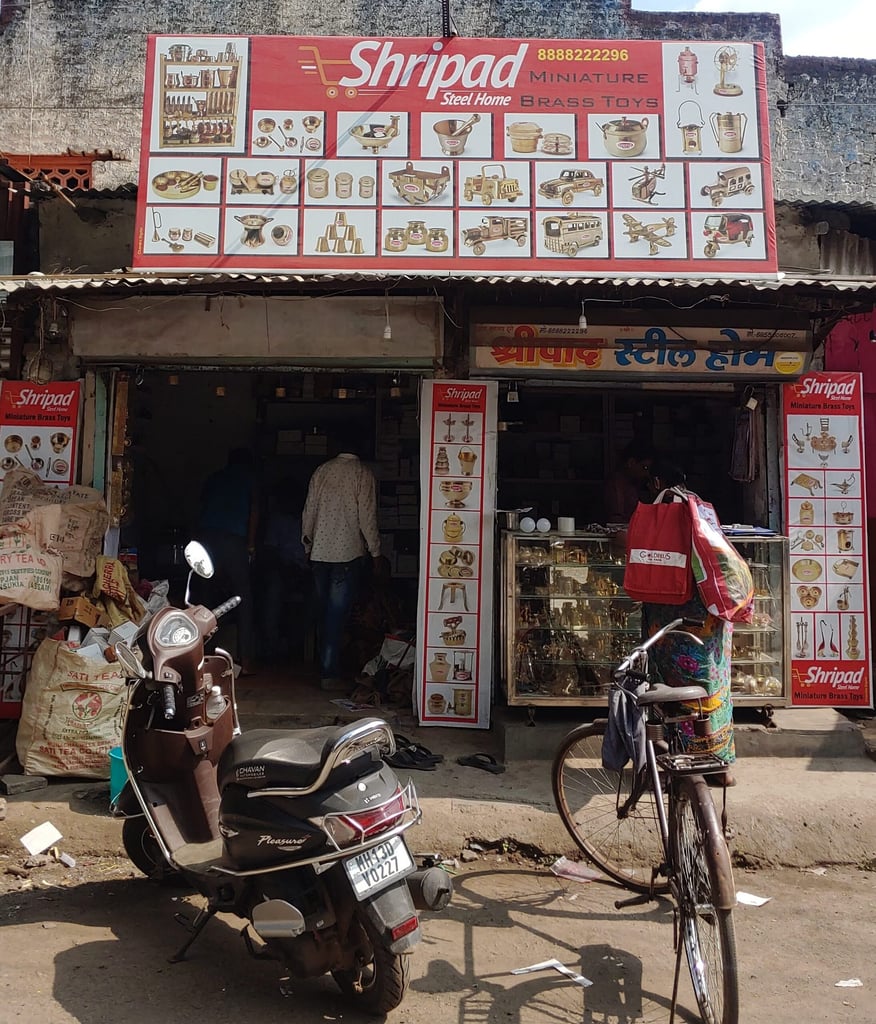
That shop is Shripad Steel Home. Its journey from a local store into a brand shipping across the country says a lot about what happens when a family business decides to grow past its own neighborhood.
And the person who built its website is a software engineer who could have coded the whole thing by hand, then chose not to, because doing it that way would have cost him six months he didn’t have.
A family business that reinvented itself
It started in 2000, when Shripad’s father opened the shop selling steel kitchen utensils, the full-sized kind every household needs. For roughly a decade, that was the business, until a simple idea reshaped it: why not make the same things in miniature for Diwali?
So the family had manufacturers shrink a few of their designs down into toy-sized versions and kept ten to fifteen varieties on the shelves to test the demand. Customers loved them.
Kids spot the tiny pieces and fall for them instantly. “They ask their mom, ‘I want to cook in these,'” Shripad says, “and the mom is very happy.”
Many of the designs come straight from heritage, like one pot modeled on a mud-pot shape that goes back about a hundred years, remade in brass.
And brass is chosen for a reason: it lasts. Shripad points to his grandmother’s pot, handed down from her own mother, still going strong after a century.
Going online, one careful step at a time
Over time, the little brass pieces began outselling the steel ones, and eventually the family dropped steel entirely and went all in on brass miniatures.
Shripad started listing them on Amazon and Flipkart, reasoning that a shop reaching the whole country could grow far beyond what a single storefront allowed.
COVID-19 sped everything up. With physical stores closed, online was the only way to sell, and the response was strong. Shripad believes they were among the first to offer this kind of product all over India, at a time when most people didn’t even know it existed online.
The family packed those early orders together at the kitchen table: Shripad, his mom, and his dad, making sure nothing arrived damaged.
“The first order was really exciting,” he remembers. Eventually they hired a small team to handle the packing.
Why build a website when the marketplaces were working
Marketplaces gave the shop reach, but Shripad wanted something that was truly his.
“Whenever you’re building a brand, you want your own identity,” he says. “People only trust you when you have your own website, a separate identity online.”
A site of his own meant he could run his own campaigns, advertise on his own terms, and spin up custom discount coupons whenever he wanted, instead of relying on someone else’s platform forever.
He also kept “steel” in the brand name on purpose, even though the shop now sells brass. By then people were already searching for the business by that name, so his brand recognition was tied to it.
The software engineer who didn’t write a line of code
This is where the story gets interesting, because Shripad had every reason to build the site himself. He’s a software engineer with a strong sense of UI and UX, and coding a store from scratch was well within reach. He ran the math instead.
“By myself it would take six months,” he says. “With Hostinger, seven days.”
His job was to grow the business, not to spend half a year wrestling with infrastructure and security certificates. He compared options and chose Hostinger partly for the price, while the drag-and-drop editor in AI Builder did the heavy lifting.
What sold him was the balance between speed and control. He started from one of the builder’s templates, which he rated highly, then shaped it to his own design, resizing buttons and injecting bits of custom code where he wanted animations or a specific touch the template didn’t offer.
As a developer, that freedom mattered: he wasn’t boxed into a fixed layout. What he didn’t have to build was the plumbing.
For example, payments, usually a headache once security certificates get involved, were handled through the built-in Stripe and Razorpay integrations.
“As a developer, if I want to handle that with code, I need security certificates and all these things. It takes time.”
The builder covered the parts that would have taken weeks, and left him free to fine-tune the parts he cared about. The whole store went live in about a week.
What growth looks like now
“Going online completely changed the business,” Shripad says. Where the shop once served its own city, it now reaches customers across 18 or 19 states and union territories, somewhere around 100 to 120 cities. “Our sales are split 50/50 now, offline and online, and we’re growing 20 to 25% a year.”
The catalog sits at 132 products today, with another 40 to 50 on the way. Demand is strongest in the South, where the tradition runs deepest.
The most telling numbers are in how differently the two online channels behave. On Amazon, Shripad sees around ten orders a day, usually a piece or two at a time.
On his own website there are fewer orders, yet each tends to carry 15 to 20 items. People who come to the brand directly often end up buying a whole collection.
That gap is the payoff of building his own store: the marketplace brings volume, but the site is where customers actually commit to him.
And Shripad runs all of it with very little help. “I use Hostinger’s AI tools for SEO content, titles, and product descriptions, which helps me keep the store growing. It helps to create content faster while managing the business.”
Most Sundays he opens the builder to add products, adjust prices, and refine the design.
A growing store across nearly twenty states, run largely by one person on his day off, is only possible because the busywork is handled for him.
What’s next
Shripad’s goal now is to sell globally. He’s already fielding calls from the UK and the US from people who want these miniature brass pieces shipped abroad.
What began as one father’s steel utensil shop is now a brand carrying a generations-old tradition toward the rest of the world, one tiny brass pot at a time.

Simon is a dynamic Content Writer who loves helping people transform their creative ideas into thriving businesses. With extensive marketing experience, he constantly strives to connect the right message with the right audience. In his spare time, Simon enjoys long runs, nurturing his chilli plants, and hiking through forests. Follow him on LinkedIn.