Sola Cosmetics: How a solo founder built a foot cream brand that ships across Brazil
“It’s a deep desire I’ve had since I was a little kid. I always told people, ‘One day I’ll have my own business,’” says Fernanda Ito Toda, founder of Sola Cosmetics.
After graduating in chemical engineering, she was about to start an artisanal soap business. But she convinced herself she didn’t know enough about building one, and learning at other companies seemed safer. So she joined a management consulting firm and later worked on digital product development at a company that builds startups
Each job taught her more, but each kept her dream on hold – until a startup project she’d spent a year on lost its investors and shut down.
“It was time for me to have courage and finally bet on myself,” she recounts. “If I didn’t pursue this dream, I would be a frustrated person, always in other companies thinking, ‘If I had my own company, I would do things this way.’”
Turned out that was only the first challenge she faced while building Sola Cosmetics.
From an idea into a tube of cream in nine months
Fernanda had always loved cosmetics, and she admired founders who built brands around a personal struggle. But she couldn’t think of one of her own.
“I used to think, well, I don’t have anything. I’m perfect,” she jokes.
Then she remembered her dry, cracked heels. No product she’d tried had fully repaired them or felt pleasant to use. If I’ve had this problem for so long, she thought, other people must have it too.
She had never worked in the beauty industry, but as a chemical engineer, she knew how to read the science behind a formula. At the beginning of 2025, she asked ChatGPT where to start and turned its answer into her to-do list.
First, she checked the demand on Google and her personal Instagram. Her Instagram followers confirmed they had the same problem, and many agreed to test samples.
With the interest confirmed, Fernanda researched the most effective active ingredients in foot creams worldwide. She chose urea for hydration, salicylic acid to remove dead skin, and centella asiatica, an ingredient popular in Korean skincare that helps skin heal.
Then she learned every business process on the go. At every step, she spoke with at least three relevant companies about what she needed, such as cream production or packaging.
Each conversation taught her a little more about how the industry worked. And one of them led her to a manufacturer that agreed to let her start small-scale production.
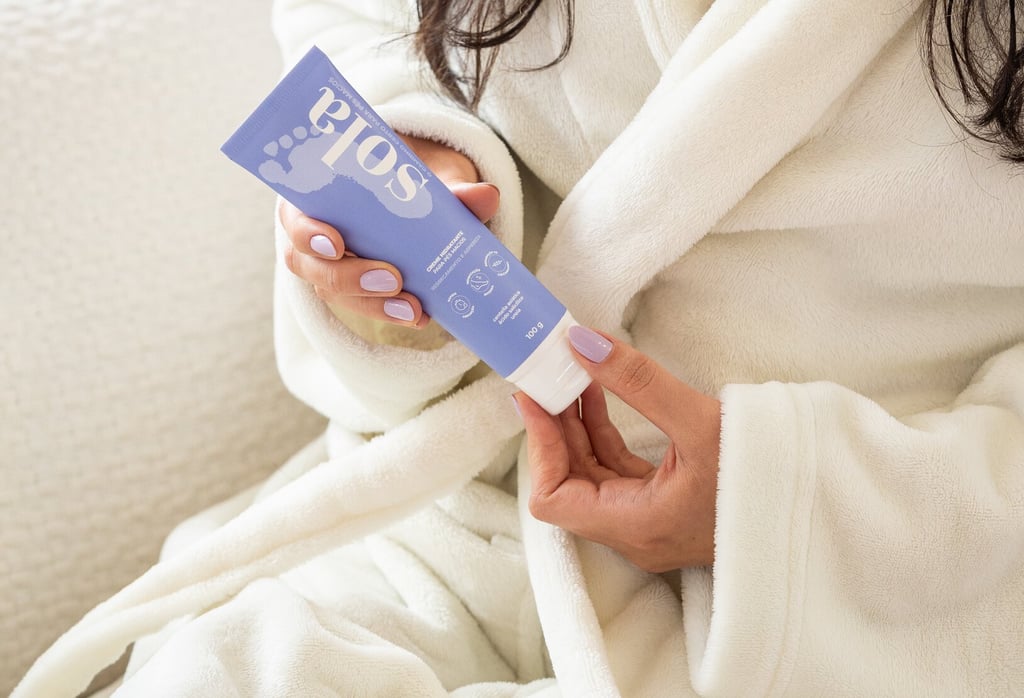
Working closely with the manufacturer, she formulated Sola’s foot cream. She tested four versions on herself and 21 volunteers before one finally worked. The final formula is fragrance-free, absorbs quickly, and leaves a velvety finish.
Building Sola’s online home while the launch was on hold
In September 2025, the first batch of Sola foot cream arrived at Fernanda’s home. When she opened the boxes, she saw her own product, in its own tube, bearing her brand’s name.
“It’s like my baby,” she says. “It took nine months for it to come to life, and I was really excited.”
With the product in hand, she couldn’t launch the brand yet. Product safety testing for ANVISA, Brazil’s health regulator, had taken longer than expected, and there was nothing she could do to speed things up. She decided to push the launch from July to November.
While she waited for approval, Fernanda was building an online home for her baby. From the start, she’d been using Instagram to promote Sola, but she knew followers alone wouldn’t make a business. People needed somewhere to actually buy the product.
So, between August and October, she built the online store by herself. After comparing multiple platform options, she chose Hostinger, which she had long known, largely because of the price.
Her product development roles gave her a head start. While working in tech, she’d watched engineers at work and picked up a rough understanding of how a website connects to a server. But learning how to build an online store involved so many more aspects, from payment gateways and logistics to design.
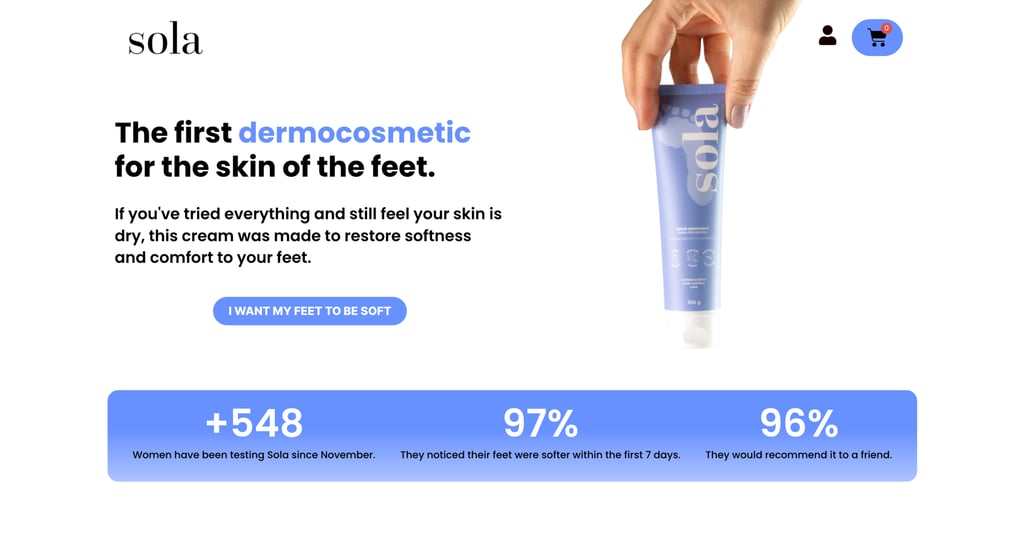
“I built the Sola Cosmetics website myself using WordPress and Elementor, learning every stage of the process along the way,” she says.
In September, she opened pre-orders, turning the wait into a chance to build anticipation. Her very first sale came before she’d even announced the store. A friend found it while it was still in testing mode and bought a tube of cream.
For someone who’d once held back because she didn’t feel ready, that first sale was proof that she could start before everything was perfect.
Starting over when sales went quiet
Sola officially launched in November 2025. The first day went well. Then sales slowed.
“I thought, well, I’m going viral, and then I’m going to sell millions in the first year,” she says. “And it was not like that.”
She had no team and no roadmap, and she had to make sales every month on her own.
“I had this plan until the launch, and then I was like, okay, now how can I make people desire my product?”
She worked on what would move sales, with ChatGPT as her sounding board. One answer was to make the store itself work harder.
The ready-made template she’d bought for the first version was heavy and slowed pages down, so in May 2026, she rebuilt the site from scratch on a standard WordPress theme.
This time, she leaned more on AI, sending ChatGPT screenshots of what she wanted to change and asking it to walk her through each step.
“If I didn’t have AI, I don’t think I would have been able to create Sola the way it was, as quickly as it was,” she says.
Dropping the template made the site lighter, and starting over gave her a chance to rethink her website design in light of how people shop. She added before-and-after photos, a clearer product explanation, and customer testimonials.
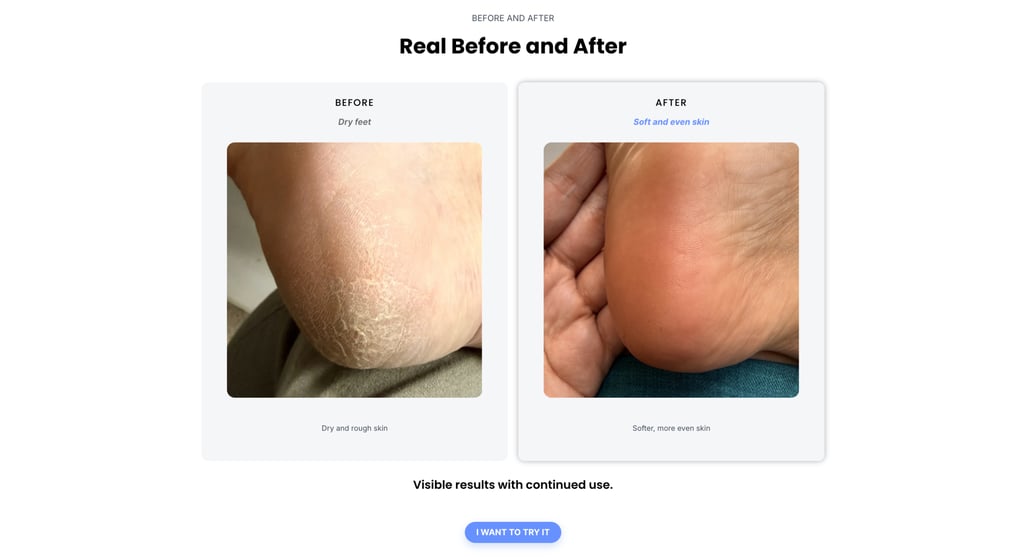
Around the same time, she also launched paid ads to widen Sola’s reach. With just one product to sell, she added discounted two- and three-cream kits to help raise the average order value.
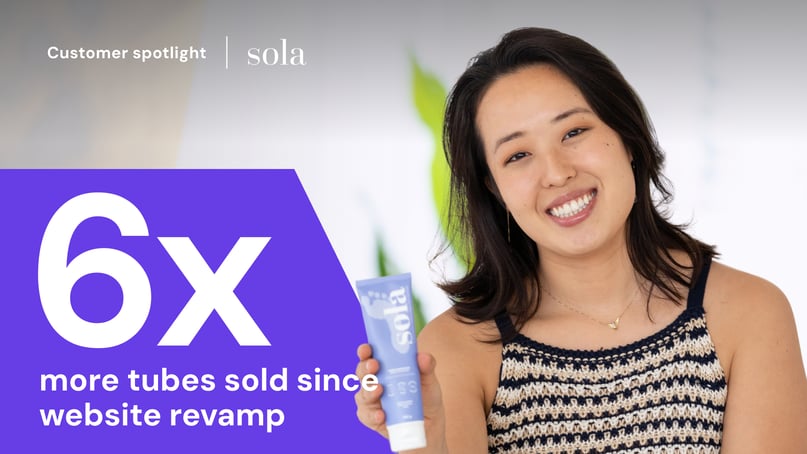
After the new site and paid ads went live in May 2026, monthly online orders grew about fourfold. By August, the store was selling about six times as many units as in May. Average order value also rose 18%, and kit sales nearly doubled.
Going offline to grow online
The website wasn’t the only thing Fernanda changed. She also let go of a belief she’d held from day one.
“I believed I would grow only online,” she says. “Then I understood that I needed to show up, so people could know me better and try the cream.”
So she took Sola to fairs and markets. At events, people could feel the cream in their hands and tell it wasn’t like other foot creams they’d tried. Getting their hands on the product made event visitors more likely to buy than people casually browsing her site.
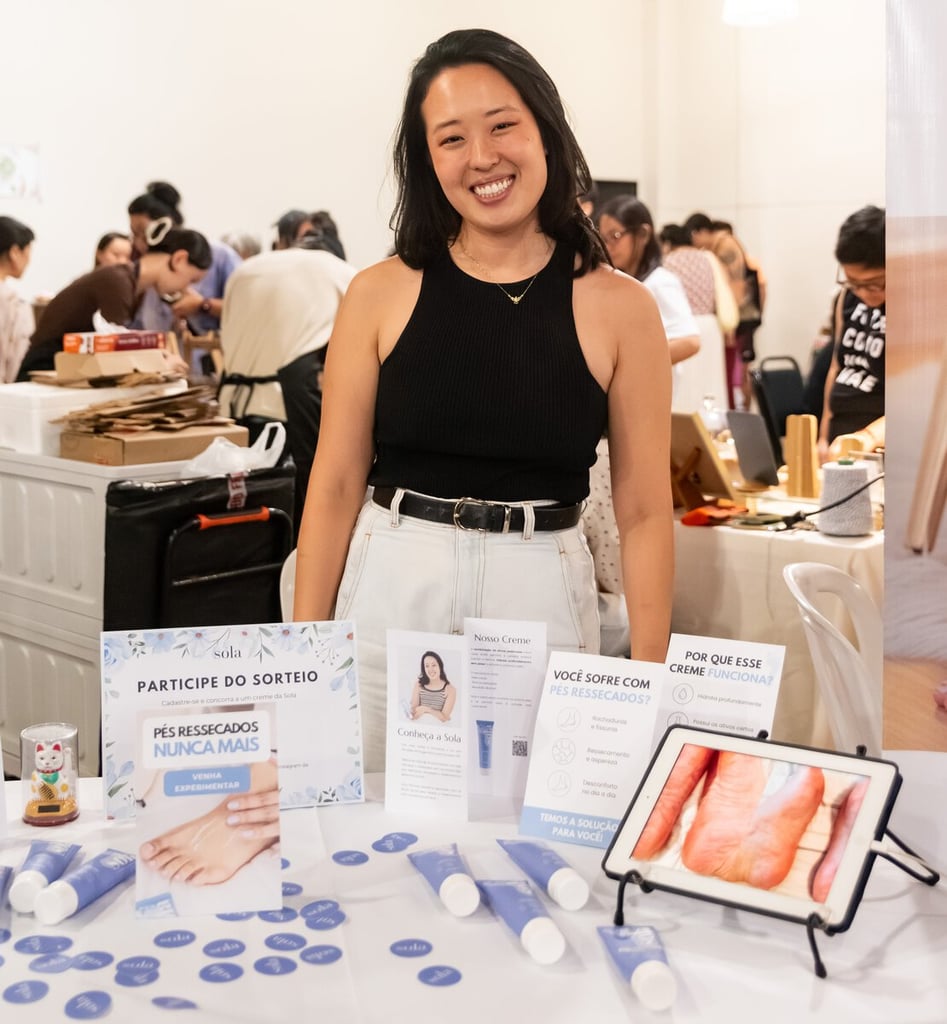
At each fair, she ran a prize draw for a free cream. The condition to participate in the draw was to start following Sola on Instagram, which put more people within reach of her ads.
The impact of these online and offline channels shows in the numbers. Meeting customers in person built trust, and the website carried to every state in Brazil.
Online sales, once a fifth of Sola’s revenue, now bring in two-thirds, and 96% of online buyers are first-time customers. One of them even paid around R$90 (~$18) in shipping for a cream that costs less.
“I was like, oh my god,” she says. “If people want a product, they’ll pay for it.”
Still only the beginning
Fernanda plans to grow with her single product for now, while exploring retail partnerships and thinking about what to make next. Whatever comes, her own website will remain at its center.
“The website is essential to Sola Cosmetics because that’s where the sale actually happens,” she says. “Hostinger gives me a reliable foundation to keep growing the brand, expanding the product portfolio, and developing new sales channels.”
Almost a year after she launched Sola Cosmetics, Fernanda admits that she still has doubts. She still compares her life as a founder with her years at other companies. Not every day feels certain, but she has learned to handle it.
“I started believing that I’m already succeeding, because I’m living what I always wanted to live. If it’s hard and you still want to do it, and you still have a purpose, then you should keep on going.”
Sola may be a solo venture, but Fernanda hasn’t kept going alone. Her mother and sister are her support system, and they knew this was the dream she’d had since childhood.
Every time she thought about giving up, they were the ones who would tell her, “It’s only the beginning. This is how things go. If you really want it, you should persist.”


Larassatti Dharma is a content writer with 5+ years of experience in the web hosting industry. She has populated the internet with over 100 YouTube scripts and articles around web hosting, digital marketing, and email marketing. When she's not writing, Laras enjoys solo traveling around the globe or trying new recipes in her kitchen. Follow her on LinkedIn