How to make money online: 26 legitimate ways for 2026
Oct 06, 2026
/
By Nurul S. & Simon L.
/
24 min Read

People make money online by freelancing with skills like writing or design, creating content that builds an audience, selling physical or digital products, and taking on small paid tasks on the side. The right approach depends on what you already know, how much time you have, what you can invest upfront, and how soon you need to get paid.
Freelancing and virtual assistant work pay the fastest – you earn once you land your first client. Blogging, YouTube, affiliate marketing, and podcasting take longer because you need an audience first, but the income keeps growing once it starts.
Online stores, digital downloads, and print on demand can also turn into real businesses, though they need more setup and marketing. Surveys, microtasks, and website testing are the easiest to start but pay the least.
The video below walks through some of the most popular approaches.
Compare the best ways to make money online
These are 10 of the most popular ways to earn online, compared by startup cost, time to first payout, and skill level.
Method | Best for | Startup cost | Time to first earnings | Skill level | Income type |
Freelancing | People with a marketable skill | Low ($0–50) | 1–4 weeks | Intermediate | Active |
Online surveys | Anyone with spare time | Free | 1–3 days | Beginner | Small recurring payouts |
Website testing | Detail-oriented users | Free | 1–2 weeks | Beginner | Per-test payouts |
Virtual assistant | Organized, reliable people | Low ($0–50) | 2–4 weeks | Beginner | Active |
Affiliate marketing | Content creators with traffic | Low ($50–100) | 3–6 months | Intermediate | Passive/recurring |
Blogging | Writers with long-term commitment | Low ($50–100) | 3–12 months | Intermediate | Passive/recurring |
Digital products | Creators with expertise | Low ($10–50) | 1–3 months | Intermediate | Passive/scalable |
Online store | Entrepreneurs ready to invest | Medium ($200–2,000+) | 1–3 months | Intermediate–Advanced | Scalable |
Print on demand | Designers or hobbyists | Low ($50–500) | 1–2 months | Beginner–Intermediate | Passive/scalable |
YouTube / streaming | Consistent content creators | Medium ($250–600) | 6–18 months | Intermediate | Mixed (ads, sponsors, affiliate) |
How to choose the right way to make money online
The right way to make money online depends on six things: your skills, available time, startup budget, payout speed, growth potential, and risk tolerance.
- Skills. If you can write, design, code, or teach, then freelancing and tutoring let you charge for what you already know. No specific skill yet? Surveys, reselling, and virtual assistant work need very little training.
- Time. Microtasks and selling used items fit a few spare hours a week. A blog, YouTube channel, or online store needs months of consistent effort before the income catches up.
- Startup cost. Surveys, microtasks, and freelancing cost nothing beyond a computer and the internet. An online store with physical products might need $1,000+ for inventory and ads.
- Payout speed. Surveys and website testing pay within days. Freelancing pays after your first project. Content and product methods often take three to twelve months.
- Scalability. Surveys cap out because you’re paid per task. A blog, store, or digital product catalog keeps earning from work you already did.
- Risk. Lowest for free-to-start methods. Highest for anything needing inventory or paid ads before you know whether it sells.
You can also combine methods as you go. Blogging pairs well with affiliate marketing. Podcasting can lead to digital product sales. An online store can support print-on-demand items alongside your own inventory. Surveys or reselling are quick ways to make money that work well alongside any of these to keep a steady flow of cash coming in.
Skill-based ways to make money online
Selling your time, knowledge, or a specific service to clients is the fastest way to start earning online. You can land your first client within weeks if you already have a practical skill, or you’re willing to learn one.
1. Freelance work
A freelancer earns money by offering skills and expertise on a project-by-project basis. Common services include writing, graphic design, translation, web development, data entry, and marketing.
Popular platforms like Upwork, Fiverr, and Toptal connect freelancers with clients worldwide in various fields. Direct outreach through LinkedIn, cold emails, or personal networks can also land projects, often at higher rates since there’s no platform fee.
Competition on platforms can be high, so a focused portfolio, a clear niche, and a specific service description help you stand out.
Earning potential
Beginners on platforms often start at $15–$30/hour. Freelancers in the U.S. earn an average of over $99,000/year, with salaries ranging from $31,000 to $275,000 annually. Part-time freelancers working 10–20 hours a week can earn $500–$2,000/month.
How to start
1. Identify your skills and decide on the services you want to offer.
2. Build a professional portfolio using tools like Hostinger’s portfolio builder.
3. Create profiles on freelancing platforms like Upwork, Fiverr, or Freelancer.
4. Set competitive rates and apply for jobs that match your expertise.
5. Deliver high-quality work to build your reputation and secure repeat clients.
Entry requirements
Freelancers who already have a computer and internet connection can start with minimal costs, such as creating a portfolio website for $3.99/month with Hostinger. Developing marketable skills is vital in attracting clients. Most freelancers begin earning within the first few weeks.
2. Become a virtual assistant
As a virtual assistant (VA), you can help businesses manage their day-to-day tasks, such as email management, scheduling, research, customer support, and data entry. It’s also a great opportunity to work remotely.
This is a beginner-friendly method for organized people with strong communication skills. You don’t need specialized technical knowledge to start, just reliability, time management, and comfort with basic digital tools like Google Workspace or project management apps.
Earning potential
The hourly rate for a virtual assistant (VA) can range from $10–$20 for entry-level work to $50–$100+ for experienced specialists, with the overall average being about $26/hour.
How to start
1. Build a professional resume or portfolio highlighting your experience.
2. Create a profile on platforms like Upwork.
3. List your skills, such as scheduling, email management, or data entry.
4. Set competitive rates and apply for jobs that align with your expertise.
Entry requirements
Becoming a virtual assistant requires minimal upfront investment, with costs primarily for essential tools like a computer and reliable internet. Many VAs begin earning within the first couple of months of joining freelancing platforms and applying for jobs.
3. Offer online tutoring
If you have expertise in a subject, online tutoring can be a rewarding way to make money. Common subjects include math, science, languages, test prep, and professional skills. With flexible hours and the ability to teach from home, online tutoring is ideal for those looking for part-time work.
Subject knowledge, communication skills, and lesson planning all affect how much you can charge. The more in-demand your subject, the more opportunities you’ll have.
Earning potential
Online tutors typically earn $20–$80/hour, depending on their expertise and the platform they use. Some tutors earn $1,000 in a month.
How to start
1. Sign up on popular platforms like Wyzant, TutorMe, or Preply. Alternatively, you can create your own website to promote your tutoring service.
2. Highlight your qualifications and experience in your profile to attract students.
3. Set your availability, choose your hourly rate, and start accepting tutoring sessions.
4. Consider offering a free trial session to build trust with new students.
5. Gather positive reviews to boost visibility and credibility.
Tutors who want their own platform can start an online tutoring business with a personal website for more control over pricing and scheduling.
Entry requirements
You’ll need a reliable internet connection and a webcam, typically costing $50–$100 if you don’t already own one. Strong subject expertise and clear communication skills are essential for working with students. Depending on the tutoring schedule and price/hour, many tutors earn their first payment after a few weeks.
4. Provide voice-over services
Voice-over work is a great way to make money online if you have a clear, engaging voice. This method requires recording equipment, demo samples, and consistent pitching. As you gain experience and receive positive feedback from clients, you can increase your rates and attract more high-paying jobs.
Building a portfolio of demo recordings is the first step, even before signing up on any marketplace. Most voice-over artists don’t earn consistently until they have several completed projects to show.
Earning potential
Earning potential for voice-over work varies widely depending on the project. Commercials can pay $100 for local radio and $10,000 for national TV. Animation voice work ranges from $100 for short clips to $10,000 for lead roles, while audiobooks pay $200-$300/hour, averaging $1,500 per project.
How to start
1. Practice voice acting and improve your vocal range, tone, and delivery.
2. Create a demo reel showcasing your voice-over skills.
3. Sign up on Voices.com, Voquent, or Fiverr to connect with clients.
4. Market your services through social media and professional networks to attract high-paying opportunities.
Entry requirements
Starting voice-over work requires a microphone and headphones, costing $100–$300, and a soundproof recording space. Strong communication skills and the ability to take direction are essential.
Content and audience-based ways to make money online
Building traffic, followers, or subscribers takes longer than freelancing, but the payoff is different. A blog post or video you published months ago can still bring in ad revenue, affiliate commissions, or sponsorship deals today.
How much you earn depends on audience size, niche, content quality, and which monetization model you choose.
5. Start a blog
Bloggers make money through ads, affiliate links, sponsorships, and selling their own products or services. Once you launch a blog, you can display automated ads through networks like Google AdSense or sell ad space directly to brands. A blog can also support affiliate marketing, digital product sales, and consulting, all from the same site.
Earning potential
Revenue often depends on how many monthly page views you get and how you monetize them. Ad revenue alone typically ranges from $2 to $50+ per 1,000 views (RPM), depending on the niche.
At 500,000 monthly views, that’s roughly $1,000 to $25,000 from ads alone; at 1 million views, ad revenue can range from $2,000 to $50,000+. Blogs that layer in affiliate marketing, digital products, or sponsorships on top of ads can significantly exceed these figures.
How to start
1. Pick a niche that appeals to a broad audience and choose your blog monetization methods.
2. Set up your blog on WordPress with a hosting plan and domain.
3. Publish high-quality, SEO-optimized articles consistently to grow traffic.
4. Apply for ad networks like Google AdSense to start earning.
5. Partner with brands for sponsored content related to your niche.
Bloggers who want to go deeper can also make money blogging through affiliate links, sponsored posts, and digital product sales.
Entry requirements
Expect to invest $50–$100 for WordPress hosting and a domain. Strong writing skills and SEO knowledge are essential. Ad revenue usually begins after several months of steady audience growth.

6. Try affiliate marketing
Affiliate marketing involves promoting products or services and earning money for each sale made through your unique referral link. It’s a scalable way to make money since you can promote various product types within the same niche.
This works best when you already have a traffic source, such as a blog, YouTube channel, email list, or social media audience. Your recommendations should match what your audience is actually looking for, and you should always disclose affiliate relationships to stay transparent.
Earning potential
Most beginners earn $300–$500/month by their first year. Experienced affiliate marketers with established traffic can earn $1,000–$10,000/month or more. Commission rates range from 5% to 30% for most programs, though software and finance niches can pay higher.
How to start
1. Choose a niche with high earning potential. Affiliate marketing works best in niches where people are actively buying.
2. Build an affiliate marketing website using WordPress with SEO-friendly tools. For Amazon-specific sellers, it’s best to build an Amazon affiliate website so your content and layout are set up around product reviews and Amazon’s commission structure.
3. Find reputable affiliate programs like Amazon Associates or eBay Partner Network.
4. Write engaging content like product reviews and tutorials to attract traffic.
5. Track your campaigns and optimize top-performing strategies to scale your income.
Entry requirements
You’ll need a website or social media platform, basic SEO skills, and content creation tools. Joining reputable affiliate programs is key, and earnings typically start within the first few months of consistent effort.
7. Create a YouTube channel
YouTubers can earn through ads, sponsorships, affiliate links, channel memberships, and product sales. YouTube allows creators to earn money through ads once their channel meets the monetization threshold of 1,000 subscribers and 4,000 watch hours. But you can earn from affiliate links and sponsorships before hitting that threshold.
Earning potential
YouTubers typically earn $1 to $10 per 1,000 ad views (RPM) – roughly $1,000 to $10,000 per million views – though high-value niches like finance or software can see RPM well above $15. This depends on factors like audience location, video length, niche, and how many views actually serve an ad.
How to start
1. Create a YouTube channel and choose a niche for your videos.
2. Consistently upload high-quality, engaging content that resonates with viewers.
3. Apply to the YouTube Partner Program once you meet the subscriber and watch hour requirements.
4. Add affiliate links in your video descriptions and explore sponsorship opportunities as your channel grows.
A YouTube channel can also drive traffic to a blog or online store. Creators who run both can monetize a website alongside their channel for multiple income streams.
Entry requirements
Reaching 1,000 subscribers and 4,000 watch hours requires consistent, engaging content and skills in editing and storytelling. Equipment costs range from $250–$600 for a camera, microphone, and lighting. Most creators achieve monetization within around months with regular uploads and audience interaction.
8. Start a podcast
Turn your podcast into a source of income through sponsorships, listener donations, or paid subscriptions. This works by creating engaging content and building a loyal audience to unlock long-term earning potential.
What you talk about affects how much you can earn. A personal finance or software podcast will land better-paying sponsors than a general entertainment show, even with fewer listeners.

Earning potential
Podcasters can earn $25 to $50 for every 1,000 downloads/episode, while major ones like Joe Rogan can even earn up to $100,000/episode.
How to start
1. Pick a niche and create engaging podcast content that resonates with your target audience.
2. Set up your podcast equipment, including a good microphone and editing software.
3. Choose a podcast hosting platform like Podbean or Buzzsprout to distribute your episodes, or start a podcast with your own website for more control.
4. Grow your audience through social media, collaborations, and consistent uploads.
5. Once you hit 500–1,000 downloads per episode, you can make money as a podcaster through sponsorships, listener donations, or ad networks like Podcorn.
Entry requirements
Starting a podcast requires an initial investment of $100–$500 for equipment such as a microphone, editing software, and hosting services.
To secure brand sponsorships, you’ll typically need at least 1,000 listeners. Strong communication skills and basic audio editing knowledge are also important.
9. Become a streamer
Streamers get paid while they broadcast – through live subscriptions, viewer donations, ads, sponsorships, and affiliate links. YouTube Live and Twitch are the two biggest platforms for it, and each pays creators differently.
YouTube Live shares its ad revenue system with regular YouTube, so streamers earn from ads and Super Chats. Creators make money on Twitch through a tiered affiliate and partner system.
Live streaming works for gaming, music, creative work, coding, cooking, and plenty of other niches.
Earning potential
Earnings can range from $50–$1,500/month. Twitch streamers in developed countries can earn over $3,000 weekly, while popular streamers like Ninja and xQc can make six-figure monthly sums.
How to start
1. Choose your streaming platform, such as Twitch or YouTube.
2. Set up your streaming equipment, including a computer, microphone, and webcam.
3. Install streaming software like OBS Studio to manage your streams.
4. Create engaging content, whether gaming, chatting, or niche interests.
5. Promote your channel through social media and consistent uploads.
Entry requirements
To make money streaming on Twitch or YouTube, you’ll need a reliable internet connection, a computer, a microphone, and a webcam. The total cost for these essentials typically ranges from $500 to $ 1,500.
10. Become an influencer
Influencers make money from social media through sponsored posts, partnerships, or product recommendations. Platforms like Instagram, TikTok, and YouTube offer various opportunities for influencers to earn from their content.
Engagement and niche authority matter more than follower count alone. A micro-influencer with 5,000 highly engaged followers in a specific niche can earn more per deal than a general account with 50,000 passive followers.
Earning potential
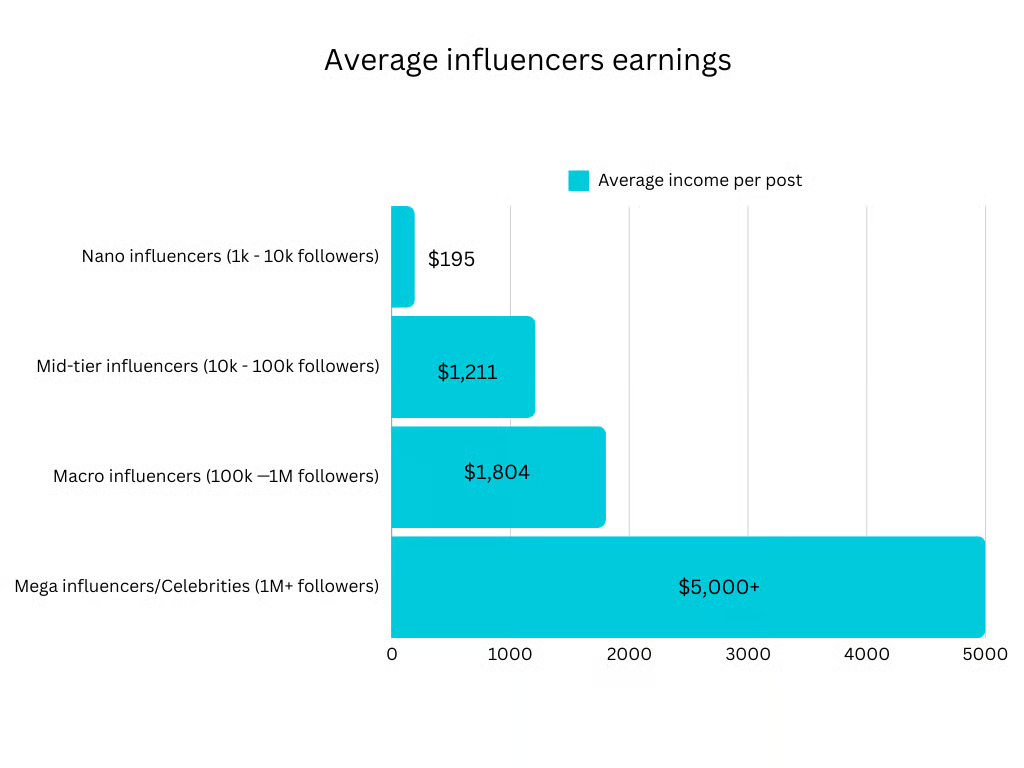
Influencers’ average income per post ranges from $195 to over $5,000, depending on whether it’s a nano, micro, macro, or mega influencer.
How to start
1. Find a niche, whether from your passion, the market demand, or a combination of both.
2. Understand your audience.
3. Choose your platform. Many influencers use both TikTok and Instagram.
4. Pitch to brands once you have an engaged following, even a small one.
5. Create genuine content focusing on product or brand recommendations.
Entry requirements
To become an influencer, you’ll need engaged followers. Strong content creation skills are key to attracting brands. As your following grows, you can secure brand partnerships and sponsorships. A clear niche will help strengthen these connections.
11. Monetize Instagram
Instagram-specific monetization options include brand deals, affiliate links, product sales, subscriptions, and directing traffic to a website. Instagram is best for visual niches like fashion, food, travel, fitness, beauty, and home design.

Earning potential
Earning from Instagram depends on your monetization methods. Micro-influencers can earn from $300 to $1,200 per brand deal. Live badges earn from $0.99 to $4.99 per badge purchase, and LTK Creator earnings depend on the commission fee, which ranges from 10% to 30%.
How to start
1. Find your unique positioning.
2. Create your Instagram account and build your following.
3. Choose your monetization strategy, whether from brand deals or content creation.
4. Be consistent and show up every day.
Entry requirements
You must be 18 and comply with Instagram’s Partner and Content Monetization Policies. Content creation, editing, and social media management skills are essential for engaging your audience. Earnings can begin once you reach a minimum of 1,000 followers, qualifying you as a nano influencer.
12. Create a membership website
A membership website is a great way to build a steady online business if you’re an expert in your field with a knack for creating content. By offering exclusive content, courses, products, or services, you can make a reliable income stream.
A website gives you full control over the member experience, payments, and pricing, so you’re not relying on a social platform’s algorithm to reach the people who already pay you.
Earning potential
New membership websites can earn between $200 and $500/month, while building a loyal customer base can boost earnings from $1,000 to $5,000/month.
How to start
1. Choose a niche or topic for your membership website.
2. Set up your membership website with WordPress or Whop.
3. Provide valuable content to keep members engaged.
4. Offer exclusive content or benefits to attract paying members.
5. Promote your membership through your website and social media.
If you don’t want to build a website from scratch, you can run your business on Whop, that offers ready-to-deploy Blueprints and a CLI for building from your terminal, with storefront, checkout, and payouts handled in one place.
Creators who want recurring income can also explore other ways of monetizing your website beyond memberships.
Entry requirements
Starting a self-hosted membership website typically costs between $100–$500, covering essentials like hosting, domain, WordPress, a membership plugin, and payment processor. Additional costs may include email marketing and video hosting. Cloud platforms can simplify setup but cost $200–$400 monthly.
Ecommerce and product-based ways to make money online
Selling physical products, digital downloads, creative assets, or online inventory works differently from trading your time for money. Products can sell even when you’re not actively working, making them more scalable over time.
Some methods require holding inventory, like an online store or handmade crafts. Others avoid it entirely, like dropshipping, print on demand, and digital products.
13. Start an online store
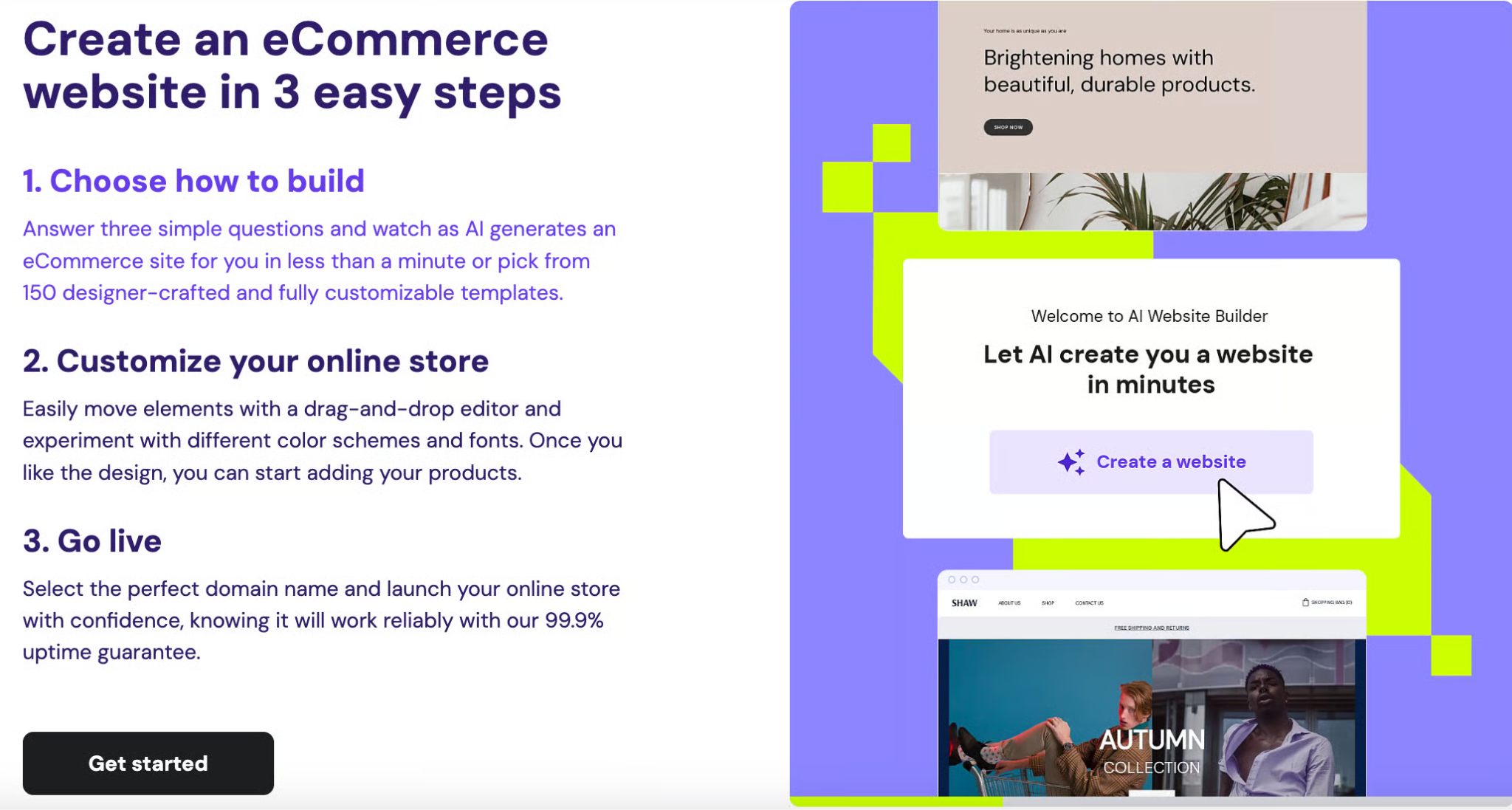
Starting an online store allows you to sell products directly to customers through your own website or marketplaces like Etsy or eBay. To get the most out of this option, use an ecommerce website builder for a quick setup and a professional brand image.
Earning potential
When you first start an online business, you can typically generate between $1,000 and $10,000 in monthly revenue. After three or more years, online stores can earn up to $20,000 on average.
Expert tip
With a $10,000 startup cost, Slipintosoft achieved ROI within the first year and scaled rapidly, growing 60% annually. This success comes from solid products, branding, and a reliable supply chain.

Damon Wu
Founder of Slipintosoft
How to start
1. Choose a niche and product line based on your expertise or market demand.
2. Secure funding for initial inventory and website design.
3. Source products in bulk from wholesalers or manufacturers.
4. Start an online store and add professional product images, detailed descriptions, and pricing.
5. Create social media content to start promoting your online store.
Expert tip
When starting Or & Zon, key steps included building supplier relationships, creating a strong brand, and launching a user-friendly store. With an initial investment of around $8,000 for product sampling and digital ads, the business now earns $15,000–$20,000 monthly.

Guillaume Drew
Founder and CEO of Or & Zon
Entry requirements
Starting an online store requires upfront payment for hosting, a domain, and inventory tools. Basic marketing and ecommerce skills are helpful. Most stores take a few weeks to set up, with earning potential starting after several months of consistent promotion.
14. Try dropshipping
Dropshipping allows you to sell products online without holding inventory. Your supplier ships directly to the customer, making it a low-risk way to start a small business.
The tradeoff is that you don’t control product quality, packaging, or shipping speed. If a supplier sends a defective product or ships late, your customer holds you responsible. Testing products and choosing reliable suppliers before listing them helps reduce that risk.
Earning potential
Dropshipping can generate a wide earning range depending on effort and strategy. Some can earn over $1,000/month in profit, while the top earners can make an impressive full-time income of over $7,000/month.
How to start
1. To start a dropshipping business, find a profitable niche by using Google Trends to research trending products.
2. Create your store using WordPress with WooCommerce for a cost-effective option.
3. Find reliable suppliers on platforms like Doba or AliDropship for effective order fulfillment.
4. Add products to your store with appealing descriptions and images.
5. Run ads on social media platforms like Facebook and TikTok to attract customers.
Entry requirements
Expect to invest $1,500–$13,000 to start your dropshipping business. Basic skills in ecommerce platforms, product research, and digital marketing are needed. Most stores can be set up in a few weeks, with potential profits starting within two months.
15. Sell print on demand products
You can make money with print on demand by creating custom designs and delivering them to customers without needing inventory. Common products include t-shirts, mugs, posters, tote bags, and phone cases. Design quality, niche selection, and product mockups all affect how well your listings sell.
How print on demand differs from dropshipping is that you create the designs, so your products are unique. With dropshipping, you sell existing products from a supplier’s catalog.
Earning potential
Earnings from print on demand depend on the platform and the number of active listings. On print-on-demand platforms, creators typically earn around $1/active listing/month. For example, maintaining 100 designs across multiple platforms can generate $100/month for each platform.
How to start
1. Pick a niche and what you want to sell.
2. Create your designs.
3. Choose a platform, whether your own website or platforms like RedBubble or Printify.
4. Price and market your products.
5. Provide excellent customer service.
Expert tip
I initially invested around $500 for PressHERO, mostly on designs and setting up my online store. By optimizing designs, marketing, and product range, I overcame initial challenges and scaled the business from $25,000 to $150,000 in revenue over three years.

Maurizio Petrone
Founder and CEO of PressHERO
Entry requirements
Align with legal requirements to avoid copyright or trademark issues. Initial costs typically range from $400 to $500, covering website and design tools expenses. Basic design and marketing skills are essential, and you can begin earning as soon as your first products are sold.
16. Sell digital products
Another profitable way to earn money online is by selling digital products. Create and sell items like ebooks, templates, online courses, or printables. Once created, digital products can be sold repeatedly without additional production costs, making them a scalable passive income source.
You can sell on marketplaces like Etsy, Gumroad, or Amazon KDP (Kindle Direct Publishing), or through your own website for full control over pricing and customer data.
Earning potential
While many digital product sellers earn over $1,000 monthly depending on their niche, success stories show an earning potential of up to $30,000 in just a few months.
How to start
1. Find your niche and decide on the digital products to sell.
2. Create high-quality digital products and content.
3. Choose your starting platform, like Gumroad, Etsy, or your website.
4. Promote your digital products.
Entry requirements
You’ll want design tools like Canva Pro, which costs $10/month, and a website platform for your store, which can start as low as $3.99/month with Hostinger’s online store builder. You’ll need skills in product creation, marketing, and customer service. Some potential earnings start within a few months, while others may take up to a year.
17. Sell on Amazon
Selling private labels and handmade items are among the top ways to make money on Amazon. Private label involves branding products sourced from manufacturers, while Amazon Handmade supports artisans selling crafts directly to customers.
Other models include retail arbitrage (buying discounted products and reselling them) and self-publishing through Kindle Direct Publishing. Each has different startup costs, competition levels, and profit margins.
Earning potential
Earnings for Amazon sellers vary widely. While most make at least $1,000/month in sales, some of the top sellers bring in more than $100,000 in sales each month.
How to start
1. Choose a business model: private label for branded products or handmade for unique crafts.
2. Create an Amazon Seller account to start selling.
3. Source private label products through platforms like Alibaba or create your handmade items.
4. Optimize your product listings with clear descriptions, professional images, and competitive pricing.
5. Use Amazon FBA for fulfillment or handle shipping yourself to deliver orders.
Entry requirements
Invest in an Amazon selling plan. The Individual plan has no monthly fee but deducts $0.99/item sold, while the Professional plan costs $39.99/month with no per-item fee. Amazon also charges a referral fee (typically 8–15% of the sale price, depending on category), so factor this into your pricing to protect your margin. Basic skills in product research, marketing, and listing optimization are necessary.
18. Sell photos online
Freelance and amateur photographers can turn their creativity into income by selling photos online. Stock photography is one of the best starting points. Image quality, commercial usefulness, and keyword tagging all affect discoverability on stock platforms.
Earning potential
Your earning potential from selling photos online varies widely based on your strategy and effort. Depending on your portfolio’s quality and size, income can range from a small passive stream on stock sites to a few thousand dollars per year.
How to start
1. Find your photography niche.
2. Choose multiple platforms to sell on platforms like Pond5, Adobe Stock, and Lightstock.
3. Create a website or social media accounts to showcase your work and connect with potential buyers.
4. Research what types of photos are in demand and tailor your portfolio accordingly.
Photographers who want to sell from their own site can get started with selling photos online through a personal portfolio and storefront.
Entry requirements
Invest in a good camera, lenses, and editing software to enhance photo quality. Mastering photography skills like composition, lighting, and editing helps make your photos stand out. You can start earning within a few months, depending on your chosen platforms and marketing efforts.
Competition on major stock platforms is high, so building a large, focused portfolio and uploading consistently makes a difference.
19. Sell artwork online
Selling art online has become increasingly popular because it offers artists multiple opportunities. Making money as an artist can range from selling custom pieces to providing workshops and classes.
This differs from selling photos (which captures existing scenes) and print on demand (which applies designs to mass-produced products). Selling artwork focuses on the creative work itself.
Earning potential
Earnings from artwork can range anywhere from $50 to $10,000 per sale, depending on the piece and selling model.
How to start
1. Research the market and choose what to sell.
2. Protect your artwork by registering for legal protection and copyright.
3. Choose to sell via marketplaces like Redbubble or your online stores.
4. Price and market your art.
5. Track order and sales performance.
Artists can get started selling art online through marketplaces or their own store.
Entry requirements
Your costs are mostly limited to materials and platform fees, which usually range from $50 to $150. Artistic skills, creativity, and basic editing are essential to presenting your work well. You can start earning as soon as you get your first order, like a custom commission.
20. Sell handmade crafts
Selling crafts, whether jewelry, home decor, or knitted goods, is a perfect way to blend creativity with entrepreneurship. You can start a craft business with your own store or sell through online marketplaces to reach a global audience.
Product quality, pricing, shipping, packaging, and customer service all affect your success. Underpricing handmade goods is one of the most common mistakes new sellers make, so factor in material costs, labor time, platform fees, and shipping when setting prices.
Earning potential
Craft earnings can range from a few hundred dollars per month to a full-time income of over $30,000/year.
Expert tip
Initially, the online revenue for WFML was modest, around $9,700 in the first year, but grew significantly as we optimized our website and engaged with social media, now generating approximately $32,000 annually.

Vanessa Hoe
Founder of When Freddie Met Lilly (WFML)
How to start
1. Research the market to identify trending crafts or niches. Check out our list of profitable things to make and sell to help you.
2. Choose your sales platform, like Etsy, Amazon Handmade, or your website.
3. Set competitive pricing based on material costs and time spent creating.
4. Create high-quality photos and descriptions to showcase your crafts.
5. Market your products through social media and email newsletters to attract buyers.
Entry requirements
Start by factoring in platform fees, materials, shipping, packaging, and marketing. Costs vary but can go up to $3,000. Craftsmanship, creativity, and basic marketing skills are important. Depending on demand and promotion efforts, you can expect to start earning within a few weeks.
21. Flip domains
Buying domain names at a low price and selling them for a profit is known as domain flipping. It requires patience and some upfront investment, but it’s a flexible side hustle that can generate consistent profits with the right strategy.
The risk is real: you pay upfront for each domain ($10–$20/year), and there’s no guarantee a buyer will want it. Some domains sell quickly, while others sit in your portfolio for months or years.
Earning potential
Part-time earnings can be up to a few hundred dollars monthly, while full-time earnings can reach up to $100,000 annually. Your strategy also plays a role – holding domains longer can lead to higher profits.
How to start
1. Research trends and keywords to identify profitable domain opportunities.
2. Purchase a domain name through registrars like Hostinger.
3. Build a portfolio of valuable domains.
4. Sell your domains on marketplaces or auction sites like Flippa or Sedo.
5. Market your domains to potential buyers via social media or targeted outreach.
Entry requirements
The average domain name cost is $10–$20/year. You’ll need strong research skills to identify profitable domains and negotiation skills to close sales. Flipping domains is a long-term strategy, with profits typically appearing after six months.
Quick and low-barrier ways to make money online
No experience, no upfront investment, and very little setup time. The tradeoff is smaller payouts – these are best for extra cash, not a full-time income.
22. Complete online surveys
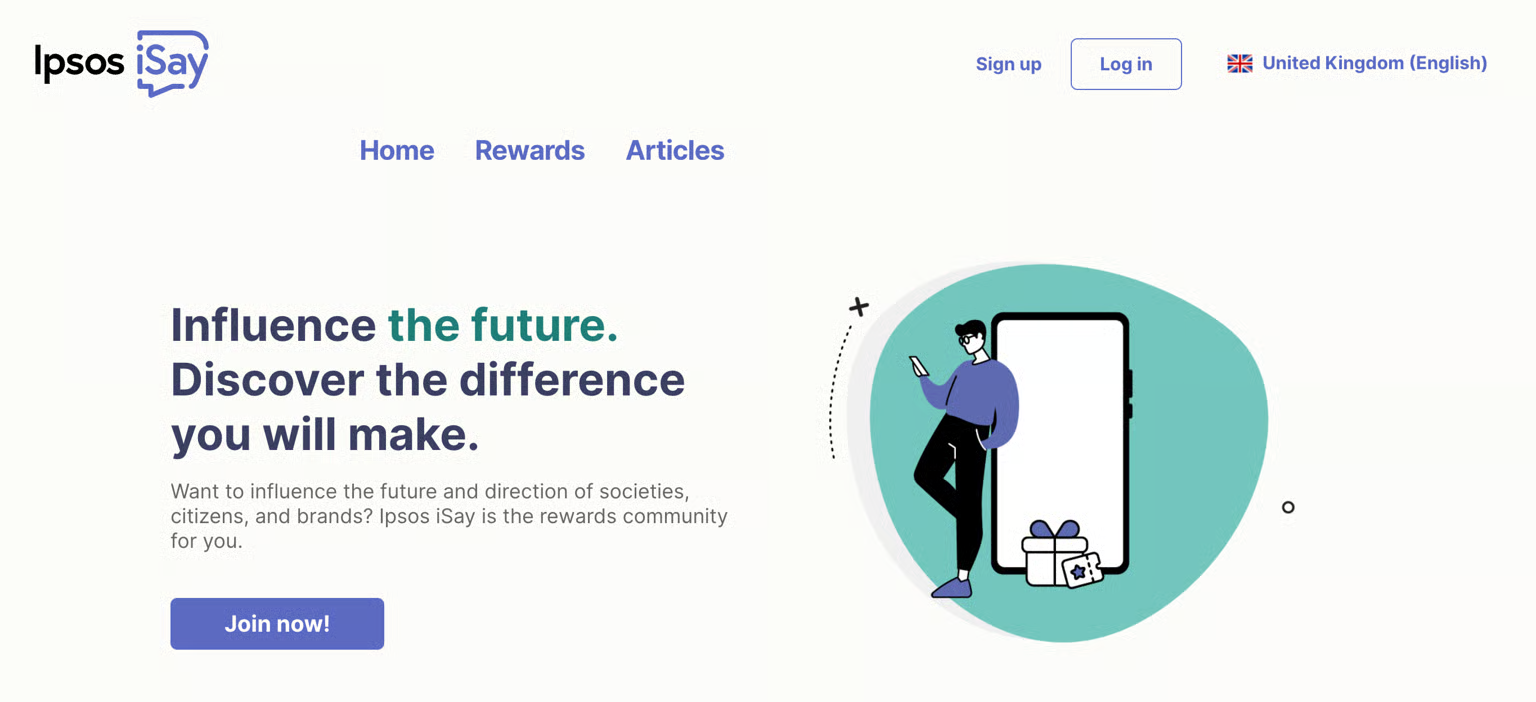
Online surveys are a simple way to earn extra cash in your spare time. Survey platforms like Swagbucks or Ipsos iSay pay users to share their opinions on products and services. While it won’t replace a full-time income, it’s a simple way to monetize your spare time.
Avoid any survey site that asks for upfront fees or requests sensitive financial information. Legitimate survey platforms never charge you to participate.
Earning potential
Survey participants can typically earn over $50/month, depending on the number of surveys completed and platform availability.
How to start
1. Sign up for survey platforms.
2. Complete your profile to match with relevant surveys.
3. Start taking surveys in your free time to earn points or cash rewards.
Entry requirements
Taking surveys requires no upfront investment or special skills. You’ll need a stable internet connection and enough free time to complete surveys consistently. Depending on survey availability, most users can start earning rewards within a few days of signing up.
23. Complete microtasks
Microtask platforms like Amazon Mechanical Turk, Clickworker, and Appen pay you for small online jobs like tagging images, verifying data, categorizing content, or transcribing short audio clips.
Each task usually pays a few cents to a few dollars, and you can complete many in a single session. The work is flexible and requires no specialized skills, but the hourly rate is lower than most other methods on this list.
Earning potential
Most microtask workers earn $3–$10/hour. Monthly earnings depend on how many hours you put in and which platform you use.
How to start
1. Sign up on microtask platforms and complete any required qualification tests.
2. Browse available tasks and start with ones that match your strengths.
3. Work consistently to build a track record and unlock better-paying tasks.
Entry requirements
No upfront investment or special skills are needed. You’ll need a computer or smartphone, a stable internet connection, and a PayPal or bank account for payouts. Most platforms let you start earning within a day of signing up.
24. Test websites and apps
Companies pay users to test their websites and apps to ensure a smooth user experience. To get started, look for platforms like UserTesting that allow you to sign up, perform tasks, and provide feedback.
Job availability can be inconsistent. You might get several testing opportunities in one week and none the next, so this works better as a supplement than a steady income source.
Earning potential
Standard tests pay around $10 each and take 15–20 minutes, working out to roughly $15–$30 effective hourly pay once you account for qualification time.
How to start
1. Sign up on testing platforms like UserTesting, TryMyUI, or Userlytics.
2. Complete the sample test to qualify for paid testing.
3. Start accepting tasks and testing websites or apps.
4. Provide feedback on usability, design, and user experience.
Entry requirements
You need a PayPal account, a computer or smartphone with internet access, and basic website and app navigation knowledge. You also need to pass the practice test on UserTesting.
25. Sell used items online
Selling used items is a quick way to make money while decluttering your space. Another option is to buy items from thrift stores, curate them, and then sell them online for a profit. Focus on high-demand products, such as designer clothing, vintage items, or unique collectibles.
This works best as a one-time cash boost. For ongoing income, you can build a resale system by sourcing items from thrift stores, estate sales, or clearance sections regularly.
Earning potential
Earnings vary depending on the quantity and quality of items sold. Part-time sellers can make $500/month, while dedicated sellers with a curated inventory can earn over $10,000/month.
How to start
1. Gather your inventory and prep the items (cleaning, etc.)
2. Choose a platform like eBay, Depop, Poshmark, or Facebook Marketplace, or start an online thrift store of your own.
3. Take high-quality photos of your items and write clear, honest descriptions.
4. Price your items competitively and market them on social media.
5. Communicate with buyers and handle transactions securely.
Dedicated resellers who source inventory regularly can learn how to make money reselling as a part-time or full-time side business.
Entry requirements
Most costs for selling used items are for cleaning supplies or small platform fees. Photography and marketing skills can help improve sales, and shipping knowledge is essential for secure delivery. You can start earning within a few days of listing your items, depending on demand and platform visibility.
26. Sell unused gift cards
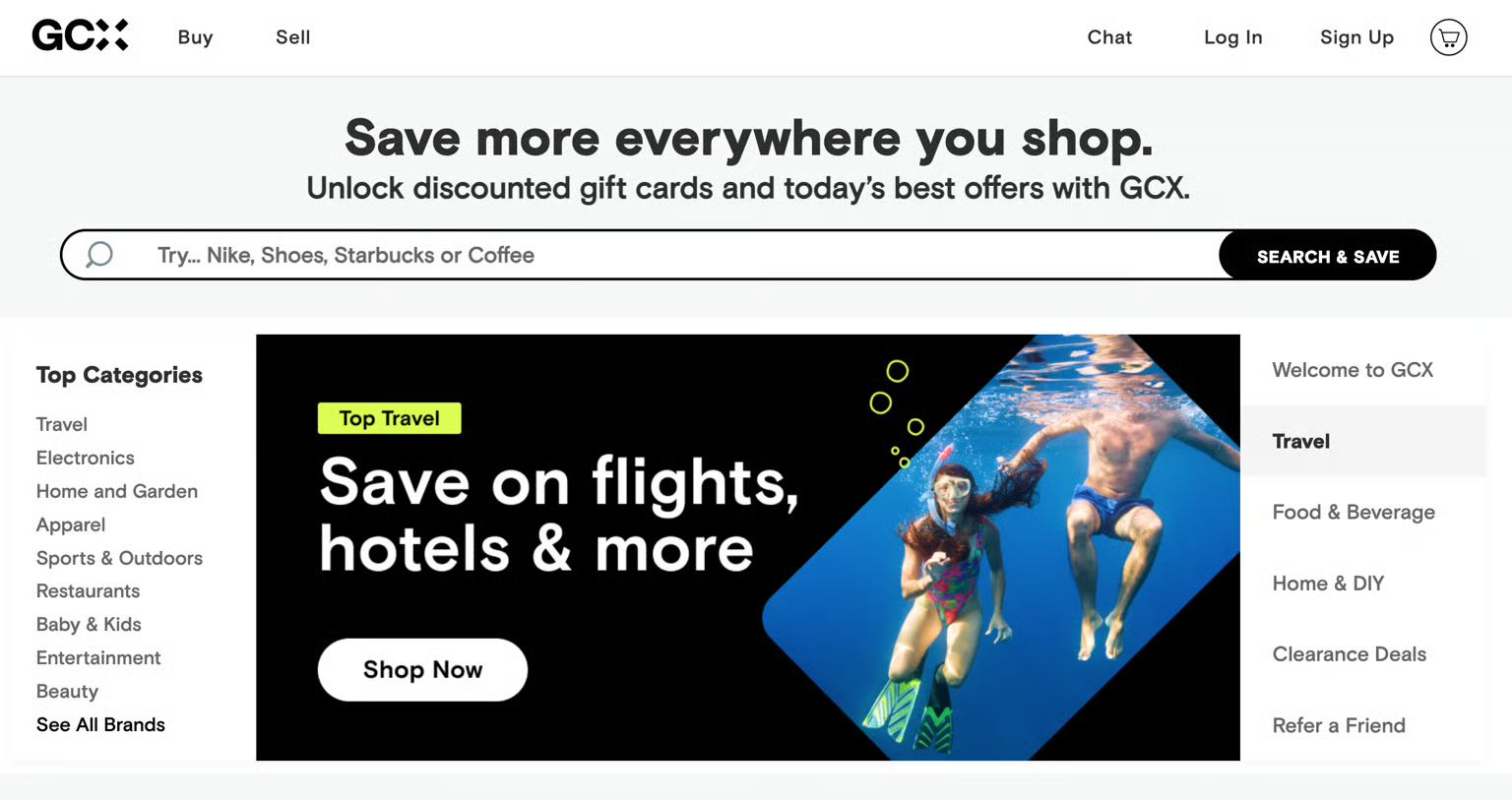
If you have gift cards you didn’t use, you can sell them online for cash. Many platforms, like CardCash or GCX, allow you to sell gift cards from popular retailers and turn them into extra income.
Use reputable platforms only, and avoid any site that asks you to share your card details before confirming a secure transaction.
Earning potential
When selling an unused gift card, you usually get around 80-90% of its value after the platform takes a small commission. For example, if the gift card is worth $100, you’ll typically earn $80 to $90. However, if the card is less popular, you might only get 50-70% of its value, meaning you’d earn $50–$70.
How to start
1. Sign up on platforms like CardCash or GCX.
2. List your unused gift cards and the remaining balance with the retailer.
3. Accept an instant offer from platforms like CardCash, or list your card at your own price on peer-to-peer marketplaces like GCX and wait for a buyer.
4. Complete the transaction and receive your payment via PayPal, direct deposit, or other methods offered by the platform.
Entry requirements
No upfront investment or special skills are required. Simply sell the cards you already own and compare offers online to get the best deal. Most sellers can start earning within a few days, depending on the platform and the demand for the gift cards.
Watch out for money-making scams
Scams exist across every online earning category. Before investing your time or money, learn to spot the red flags.
- Freelance job scams. Be cautious when you receive unsolicited job offers that promise high pay for little work. Always research the company and verify the opportunity before committing.
- Fake client payments. A “client” overpays with a fraudulent check, then asks you to refund the difference. By the time the original payment bounces, you’ve sent real money to a scammer.
- Pyramid schemes. They promise significant returns by recruiting others but only work for those at the top. Avoid opportunities that focus more on recruitment than on legitimate products or services.
- Survey scams. Avoid surveys that ask for upfront fees or require sensitive personal information. Legitimate survey companies will never ask you to pay to participate.
- Fake supplier scams. These often target online sellers by offering products at discounted rates but failing to deliver. Research suppliers thoroughly and look for verified reviews before making purchases.
- Investment scams. Beware of schemes promising guaranteed returns, like crypto gurus who claim they can double your money. Fake trading apps may lock your funds and disappear, so always verify platforms through trusted sources.
- Guaranteed-return schemes. These promise fixed daily or weekly earnings with no effort. They often pay early participants with money from later ones until the whole thing collapses.
- Overpriced courses. Some programs promise unrealistic income if you buy their system. If the main selling point is how much money the instructor made rather than what you’ll learn, be cautious.
- Affiliate marketing scams. Fake affiliate marketing programs target beginners with promises of high commissions and low effort. Before joining any program, check its reputation, payment history, and whether real affiliates are actually earning from it.
The simplest way to protect yourself is to research any company on independent review sites before signing up. Never pay upfront fees to access work, and don’t share sensitive personal information until you’ve verified the platform.
Use secure payment methods like PayPal or credit cards, and keep communication and payments inside the platform when using freelance or gig marketplaces – moving off-platform removes your buyer and seller protections.
Key takeaways on how to make money online
Start with the method that matches your strongest resource – a skill, a time commitment, or a product idea.
If you have a marketable skill, freelancing, tutoring, or virtual assistant work can generate active income within weeks.
If you can commit to building an audience over months, blogging, YouTube, podcasting, and affiliate marketing create income streams that keep growing.
For selling products, digital downloads and print on demand offer the highest margins with the lowest inventory risk, while a full online store gives you the most control.
If you need cash right away with no experience, consider surveys, website testing, microtasks, and reselling used items, as those can get you started the same week.
You can also combine methods as your income grows – a blogger can add affiliate links, a podcaster can sell digital products, and a store owner can add print-on-demand items to their catalog.
Most of the highest-earning methods on this list start with a website. If you’re ready, setting up your own website is the first step for freelancing, blogging, selling products, or building a membership.
All of the tutorial content on this website is subject to Hostinger's rigorous editorial standards and values.

Nurul Siregar has over 3+ years of experience in the tech industry with a passion for writing about digital marketing. Nurul enjoys reading fiction novels and making digital illustration in her free time. Follow her on LinkedIn.

Simon is a dynamic Content Writer who loves helping people transform their creative ideas into thriving businesses. With extensive marketing experience, he constantly strives to connect the right message with the right audience. In his spare time, Simon enjoys long runs, nurturing his chilli plants, and hiking through forests. Follow him on LinkedIn.