Ecommerce advantages and disadvantages: What to know before starting an online store
Oct 22, 2026
/
By Justina B.
/
5 min Read
The main advantages of ecommerce are global reach, 24/7 availability, lower operating costs than a physical store, and the ability to grow without the expense of new locations or extra staff. The main disadvantages are security risks, shipping and fulfillment challenges, and strong competition.
Whether ecommerce fits your business depends on your customers, products, fulfillment needs, and resources. Most downsides have straightforward fixes, like secure payments, clear return policies, responsive support, and solid product pages.
| Advantages | Disadvantages |
| Global reach | Security, fraud, and privacy risks |
| 24/7 availability | Shipping and fulfillment challenges |
| Lower running costs | Limited product inspection |
| Room to scale | Platform and technical dependence |
| Customer and sales data | Strong competition |
| Automated daily tasks | Customer service expectations |
| Wider marketing reach | Returns and operational costs |
Advantages of ecommerce
The main advantages of ecommerce are global reach, 24/7 availability, lower costs, and easier scalability. Since ecommerce is about selling online rather than from a physical store, you skip rent, opening hours, and geographic limits.
Global reach. An online store sells to customers in other cities and countries without opening another location. Customers, in turn, discover brands they’d never find nearby, since distance no longer limits where they shop.
24/7 availability. Your store takes orders around the clock, so customers can buy whenever it suits them. Unlike a physical shop, you don’t need staff on-site to keep it open.
Lower costs. Running an online store skips the rent and utilities of a physical shop. You still pay platform fees, processing fees, and advertising costs, but total overhead is usually lower. Dropshipping and digital products cut costs even further because you don’t hold inventory, often meaning better prices for customers.
Easier scalability. Growing your store usually means upgrading your plan, not moving buildings. Adding products or expanding into new markets requires only a few new listings and shipping settings, rather than new premises or staff. Customers get more choice as your store grows.
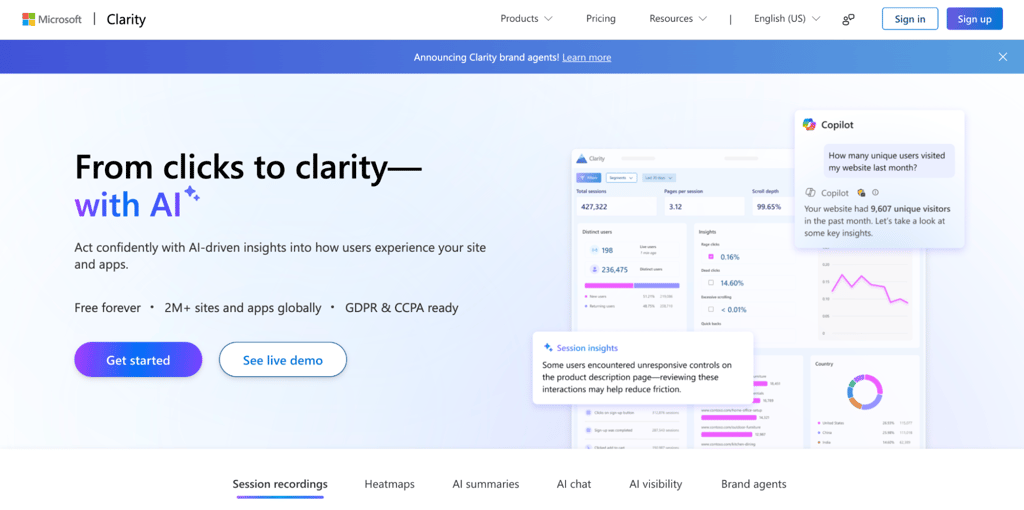
Customer and sales data. Tools like Google Analytics show where your traffic comes from and what customers buy, while tools like Hotjar or Microsoft Clarity show where visitors click and scroll on your site. Spotting friction early helps you fix problems before they frustrate customers and cost you a sale.
Automation. Inventory updates, order confirmations, and payment processing run automatically. That cuts manual errors and speeds up responses to customers. Chatbots can also handle routine questions about shipping or returns, freeing up your time for other work.
More marketing opportunities. An online store sells through your website, marketplaces, social media, and email, all of which are often managed from a single dashboard. Personalized touches, like local pricing or cart reminders that run automatically, which a physical shop can’t easily match.
Disadvantages of ecommerce
The main disadvantages of ecommerce are security risks, shipping and fulfillment challenges, limited product inspection, and strong competition. Online stores also depend on their platform and tech stack, face high customer service expectations, and incur ongoing return costs.
Security, fraud, and privacy risks. Your store handles payment details and personal data, which makes it a target for fraud. Rules like the General Data Protection Regulation (GDPR) may also apply if you sell to customers in the European Union, regardless of where your business is based. Customers also hesitate to enter card details at stores they don’t trust. Following ecommerce security best practices lowers your risk and builds that trust.
Shipping and fulfillment challenges. Getting orders packed, shipped, and tracked means juggling inventory, packaging, and carriers. Selling across borders adds customs duties and import taxes to manage. As order volume grows, packing and storage often outgrow a home setup, pushing sellers toward a warehouse or a third-party fulfillment service. For customers, high shipping costs or slow delivery are common reasons to abandon a cart.
No physical inspection. Customers can’t touch, try on, or test a product before buying, so they rely on photos and descriptions alone. Doubts about fit, quality, or materials reduce conversion rates and increase returns, especially for clothing, shoes, and furniture. According to Statista, a quarter of U.S. online shoppers reported returning clothing bought online in the past year, more than any other product category, with shoes close behind.
Technical and platform dependence. Your store depends on your website, payment processor, and plugins all working, and a marketplace or ad platform adds risk because a policy change or suspension is beyond your control. Outages and broken checkouts cost sales. Web design statistics show slow-loading stores lose an estimated $2.6 billion a year.
Strong competition. Low startup costs mean thousands of sellers chase the same customers online, including large retailers with bigger ad budgets. Shoppers compare prices across stores in seconds, so a cheaper listing elsewhere is always one click away.
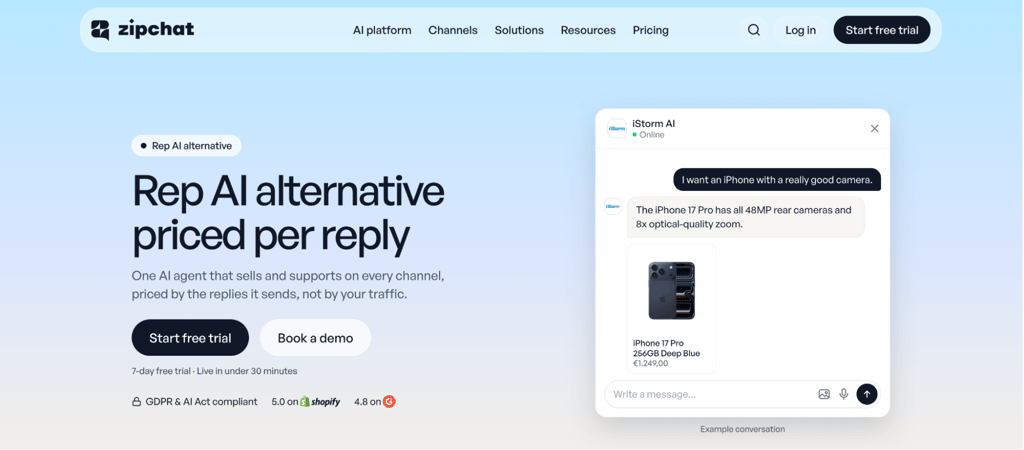
Customer service expectations. Online shoppers expect fast answers about orders, delivery, and returns. A slow response can cost you a sale. A chatbot, for example, Zipchat AI, or automated order updates can help you keep response times down.
Returns and operational costs. Refunds, restocking, and return shipping all add ongoing costs. Returns also happen more often online than in physical stores, since customers can’t check fit or quality before buying. The National Retail Federation estimates 19.3% of online sales were returned in 2025, compared to 15.8% of total retail sales. Each one cuts into your profit, even on products you can resell.
How to overcome common ecommerce disadvantages
You can overcome most ecommerce disadvantages with secure payments, clear policies, and proactive planning, which keeps minor issues from turning into lost sales.
- Keep payments secure and software updated. Confirm that your store has an active Secure Sockets Layer (SSL) certificate, which encrypts payment and personal data between your site and customers’ browsers. Stick to trusted payment gateways, such as Stripe, PayPal, or Braintree. Test updates on a staging copy before going live.
- Share clear shipping, delivery, and return information. Set your shipping costs, delivery windows, and return policy before you launch, and show them on product pages and at checkout. Don’t wait for the first complaint.
- Optimize the mobile shopping experience. Make sure checkout loads fast on phones, not just desktops. A smooth mobile ecommerce experience keeps customers from abandoning their cart.
- Offer accessible customer support. Live chat, a visible contact page, and quick replies reassure customers that help is available. Fast, easy-to-reach support is the core of a good ecommerce customer experience.
- Use clear product descriptions and high-quality images. Detailed photos and specifics like size or material help replace a hands-on look. Strong product page design makes that information easy to find.
- Differentiate your store through branding, selection, or service. Price wars favor the biggest budget. Stand out with a niche product range, a recognizable brand, or perks like free returns instead.
Is ecommerce right for your business?
Ecommerce is right for your business when your product ships easily and customers already shop online. Selling online takes more planning for products that are fragile, oversized, or need a hands-on look.
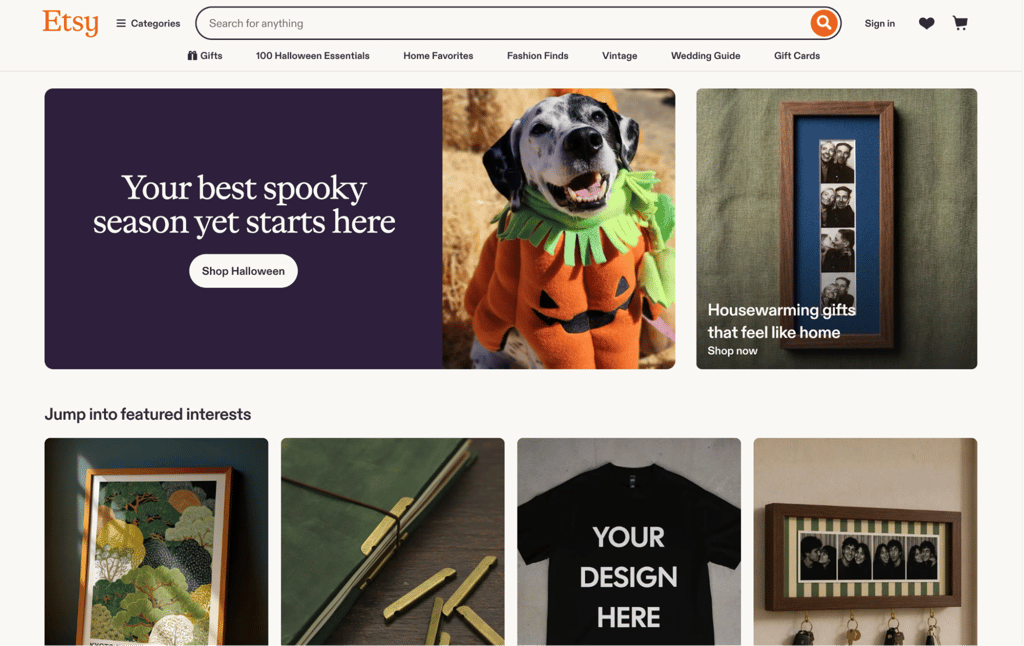
You’ll also need to decide how you sell, whether purely online, alongside a physical store, or through a marketplace like Etsy.
Seven criteria help you decide whether ecommerce fits your business:
- Target customers. Check whether they already shop online.
- Product type. Think about whether it ships and photographs well, or needs to be seen in person.
- Shipping and fulfillment. Estimate what packaging, shipping, and storage will cost.
- Competition. Look at how many sellers are chasing the same customers.
- Available resources. Weigh your budget, time, and skills against what you might need help with.
- Business goals. Decide whether ecommerce will replace your store, support it, or just test an idea.
- Expected customer experience. Consider whether you can deliver the speed and support shoppers expect.
Once you’ve weighed these, the next step is starting an online store, from choosing a platform to listing your first products. Hostinger Ecommerce is one option for setting up and running the store itself.
After setup, you can manage products, orders, customers, discounts, and sales analytics from one dashboard. You can sell physical or digital products, services, or subscriptions through a website or shareable payment links.
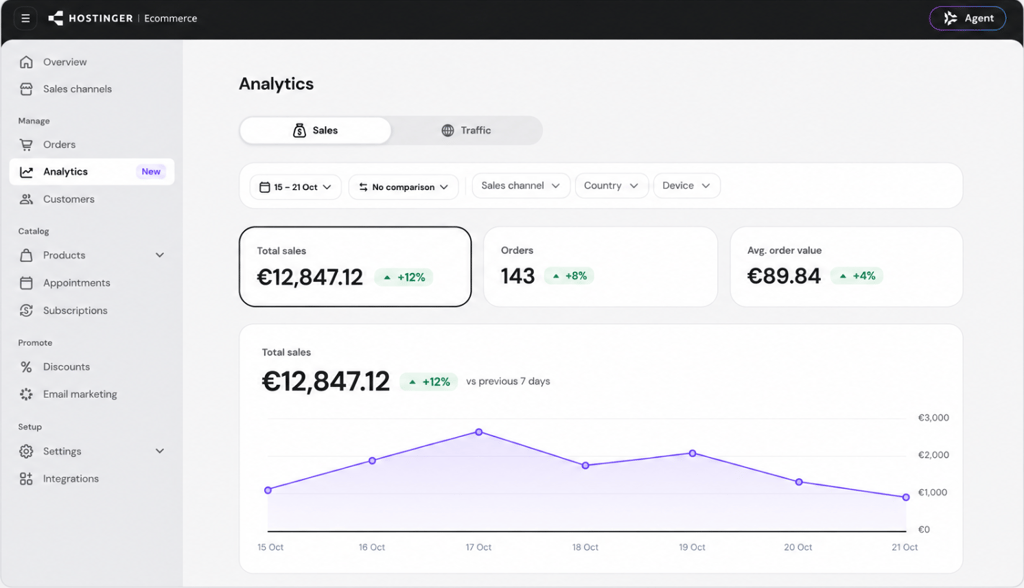
It accepts 100+ payment methods and uses AI to help create product listings from your photos. Hostinger charges 0% platform transaction fees, though payment providers still charge their standard processing fees.
All of the tutorial content on this website is subject to Hostinger's rigorous editorial standards and values.

Justina is a Content Writer passionate about marketing, with a background in social media and customer success management. She also loves reading books, traveling and exploring new places as well as cooking, and trying out new recipes. Follow her on LinkedIn.