Best AI SEO tools in 2026: Which one fits your workflow
Sep 09, 2026
/
By Bruno S.
/
9 min Read
The best AI SEO tools handle different parts of the SEO workflow well: finding keywords, scoring content, auditing pages, tracking rankings, or reporting on results. Few handle every task well, so the right pick depends on the task you need to complete.
This list follows a typical SEO workflow: research and content tools come first, tracking and reporting follow, and link building last. The list order is not based on quality.
Building a custom AI SEO agent rather than buying another subscription is worth considering, especially since a ready-made option can handle some of that workflow.
Tool | Best for | Ideal for | Starting price |
Semrush One | Keyword research at scale | Agencies and in-house teams managing multiple sites | $117.33/month; free version available |
Surfer | Real-time content scoring | Writers optimizing drafts before publishing | $49/month |
Clearscope | Grading human-written content | Editorial teams with an established writing process | $129/month |
ChatGPT | Fast brainstorming and outlines | Solo writers and teams without a content-ops platform | $8/month; free version available |
Claude | Long-form drafts and competitor analysis | Writers handling long documents or bulk research | $17/month; free version available |
AIOSEO | WordPress technical SEO | WordPress site owners and agencies managing client sites | $49.50/year; free version available |
SE Ranking | AI-assisted rank tracking | Freelancers and small agencies on a budget | $103.20/month |
Profound | AI visibility tracking | Brand teams from small companies to enterprises | $82.50/month |
Google Analytics 4 | Reporting on AI-driven traffic | Anyone already using GA4 | Free |
Pitchbox | Automating link building outreach | Agencies running ongoing campaigns | $210/month |
1. Semrush One: best for keyword research at scale
- Main features: keyword clustering, competitor gap analysis, site audits, AI visibility tracking
- Price: free plan available; paid plans start at $117.33/month
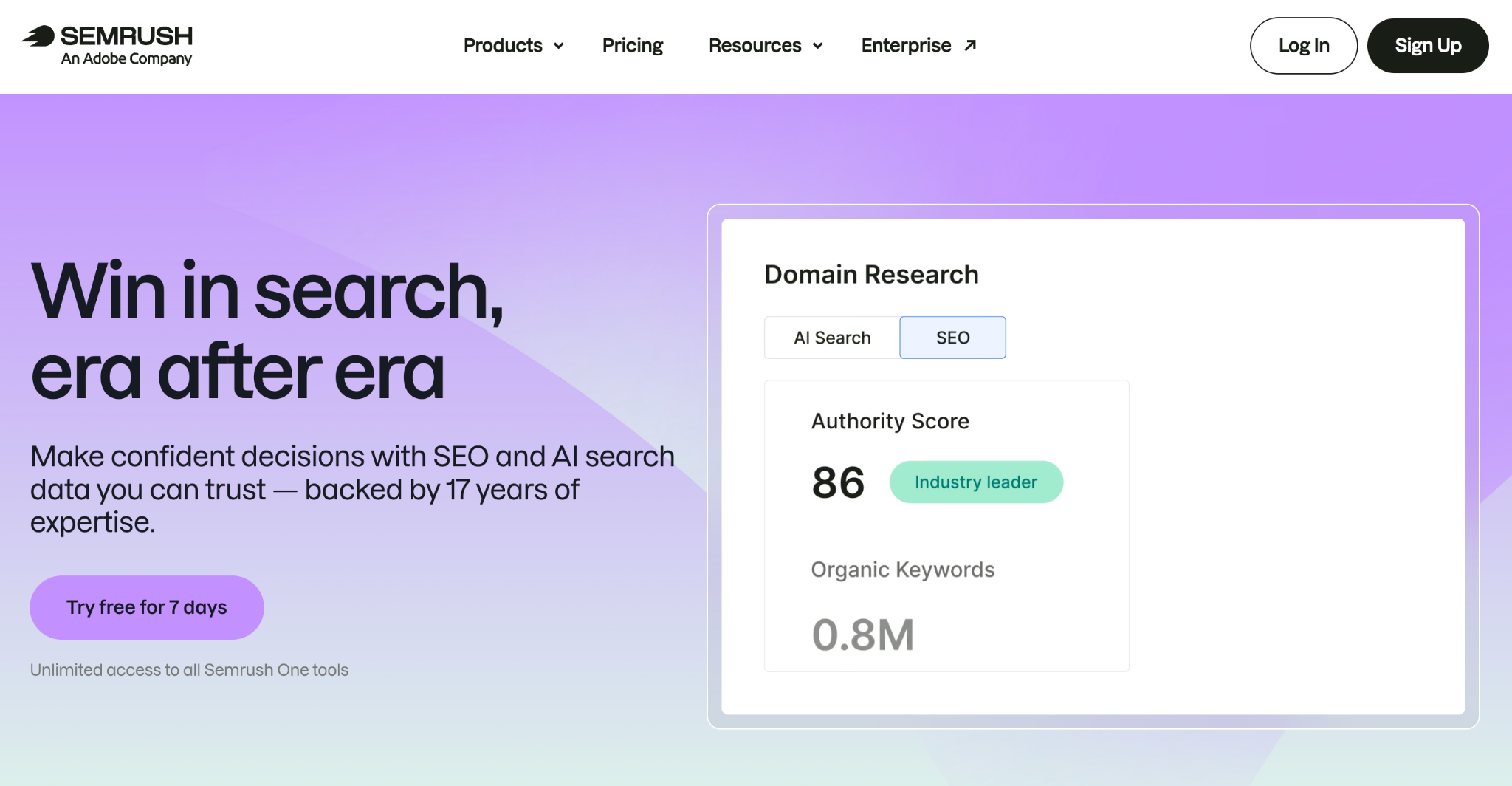
Semrush One is one of many AI tools designed for keyword search and visibility tasks rather than general chat. It clusters terms by search intent, runs competitor keyword gap analysis, and audits a site’s technical health.
A free plan is available for testing the platform, capped at one project and 10 reports per day, with no AI visibility features. It works for exploring the platform, not for ongoing keyword research or client reporting.
The SEO plan, billed annually at $117.33/month, covers keyword research, competitor analysis, and auditing for five sites and 500 tracked keywords per day.
AI visibility tracking starts on Semrush OneStarter, at $165.17/month. It monitors 50 prompts a day across LLMs, tracks one domain’s AI brand performance, and runs AI-readiness site audits.
Agencies and in-house teams managing several sites get the most value here, since research, tracking, and AI visibility are all in a single account rather than three separate logins.
Teams that need more domains, higher prompt limits, or SEO share-of-voice reporting can move to Pro+ at $248.17/month or Advanced at $455.67/month.
2. Surfer: best for real-time content scoring
- Main features: content scoring, AI visibility tracking, keyword research, cannibalization reports
- Price: starts at $49/month
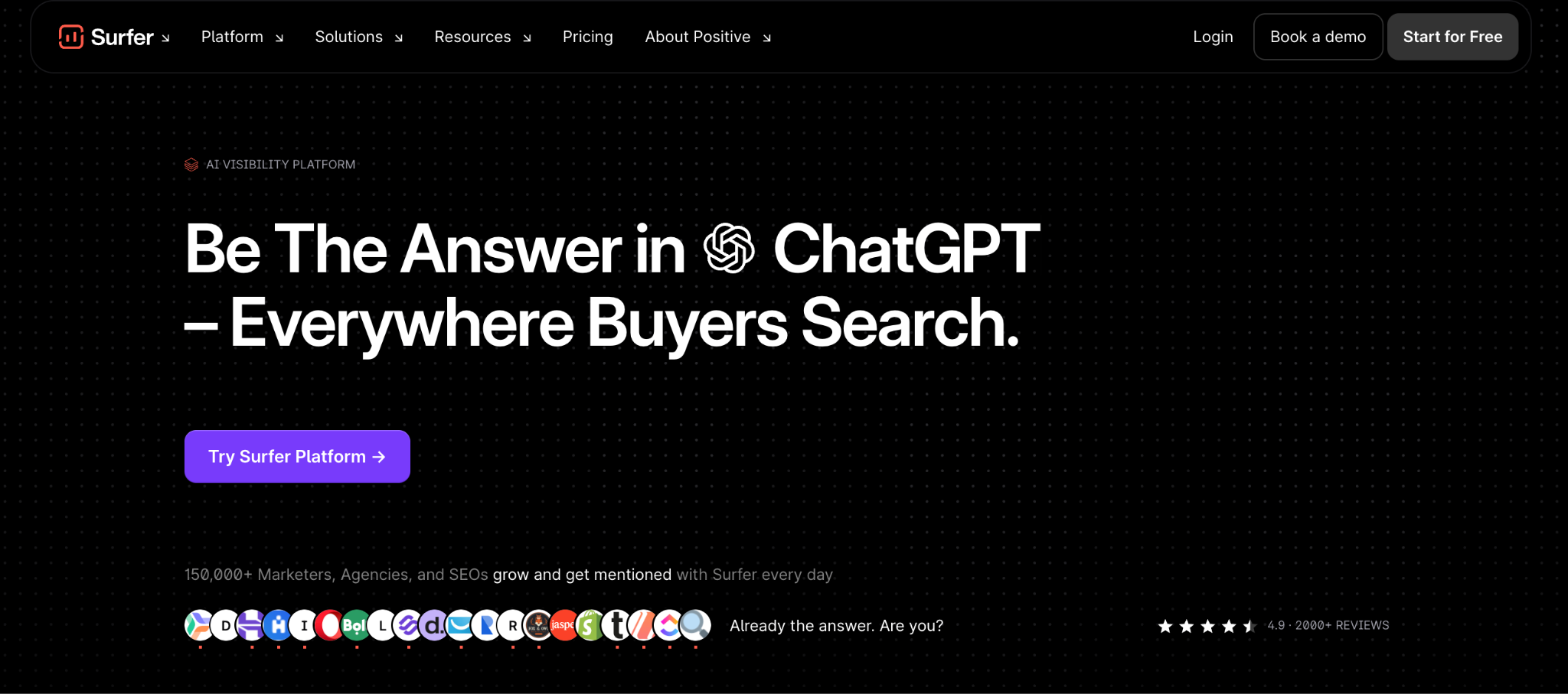
Surfer scores a draft against competing pages for a target keyword, then recommends terms, headings, structure, and content improvement before publishing. The Content Editor updates the score as a writer works.
Surfer now positions itself around both content optimization and AI search visibility, with plans that support AI visibility tracking alongside its original content scoring workflow.
Surfer is a great tool for writers and editors who optimize content pre-publish. Discovery, at $49/month, covers drafting and optimization, while AI visibility features are only on higher plans.
Standard, at $99/month, tracks AI visibility in ChatGPT only and is refreshed weekly. Pro, at $182/month, expands that to five engines refreshed daily.
Note that a high Content Score measures term coverage and structure, not originality. A technically optimized article can still lack depth if it doesn’t add examples, expert insight, or data.
Surfy, like other AI content generators, can help generate and refine SEO content inside Surfer, though its output is constrained to the Content Score it’s optimizing for.
3. Clearscope: best for grading human-written content
- Main features: content grading, AI prompt tracking, query fan-out awareness
- Price: starts at $129/month
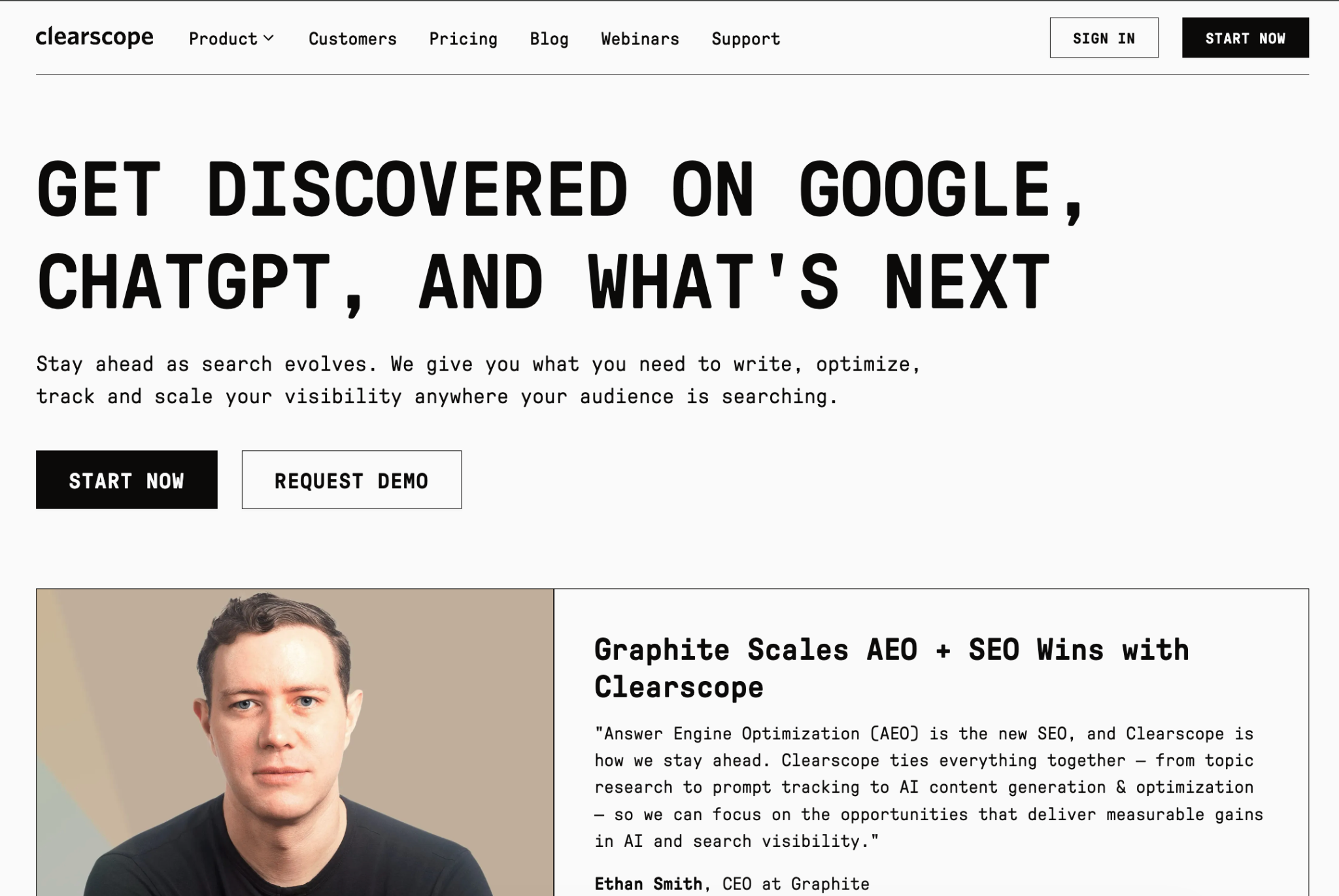
Clearscope grades a draft against the relevant topics, terms, and search intent signals, then gives writers a report they can use to improve the piece without handing over the whole writing process to AI.
It also includes prompt tracking across ChatGPT and Gemini, brand visibility tracking, and query fan-out awareness to show how AI systems build answers around a topic.
Editorial teams with an established writing process fit this best. Clearscope supports unlimited users and projects on every plan, making it easier for multiple writers, editors, and strategists to work within the same content process.
The limitation is volume, not seats. Essentials, at $129/month, includes 50 tracked prompts, 50 pages, 20 Topic Explorations, and 20 drafts a month, which may be limited for a team publishing daily.
Business, at $399/month, increases the usage limits to 300 prompts, 300 pages, and 50 Topic Explorations, and adds a dedicated account manager. Additional pages and drafts are available as paid add-ons.
4. ChatGPT: best for fast brainstorming and outlines
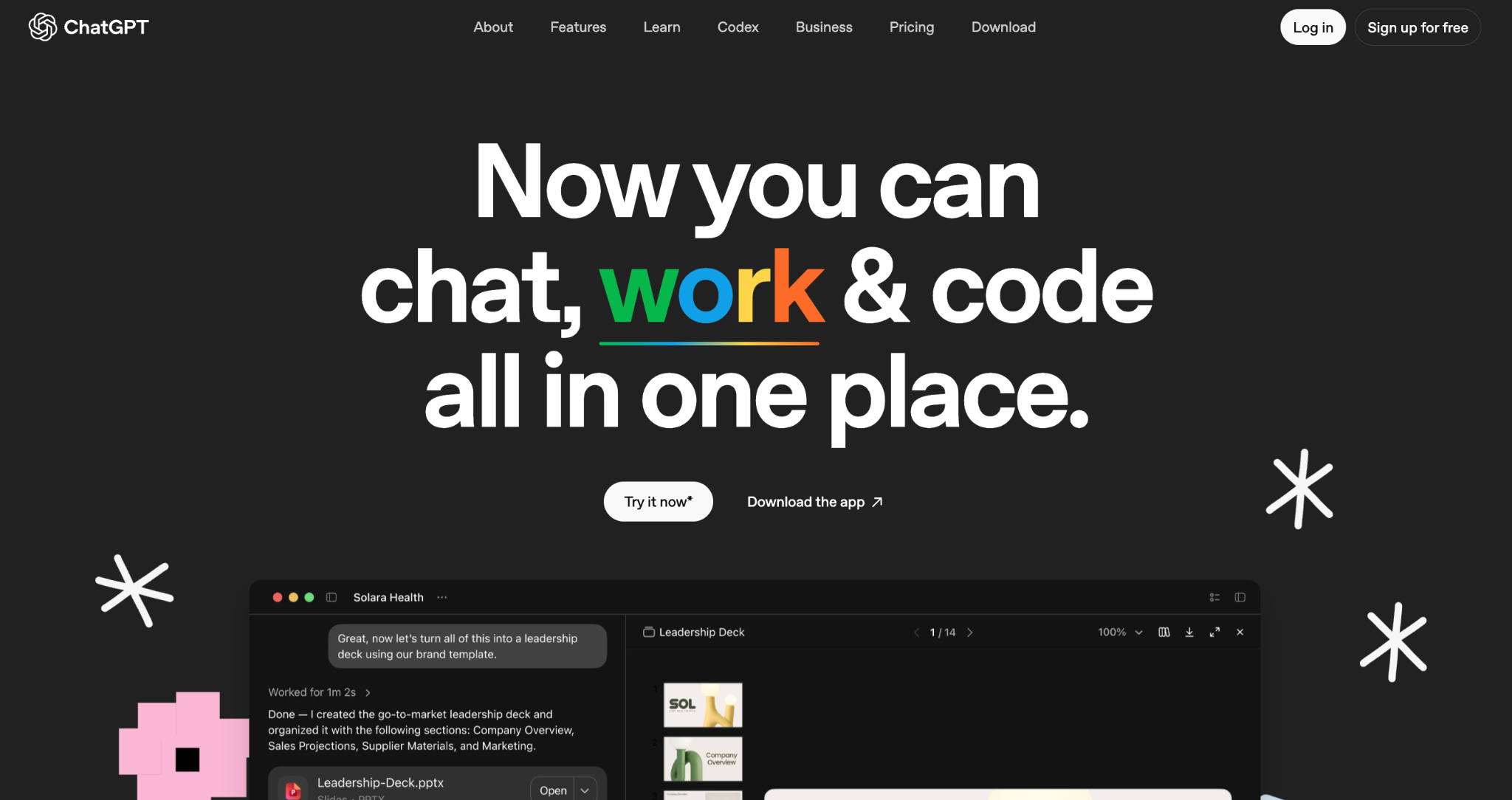
- Main features: content briefs, outlines, headline ideas, research summaries
- Price: free plan available; paid plans start at $8/month
ChatGPT quickly turns a messy set of notes into a structured content brief or a set of headline options, making it useful at the early planning stage of SEO content.
Solo writers and teams without a dedicated content-ops platform get the most out of it, because the workflow starts with plain-language prompts rather than a specialized SEO interface.
The free plan is useful for light testing and occasional brainstorming, but usage limits and feature access can change based on demand and plan availability.
Go starts at $8/month adds more volume but still skips the flagship model and keeps ads, making it a poor fit for this kind of work. Plus, at $20/month with no ads, content brief quality holds up; the $100/month and $200/month Pro tiers exist mainly for people running much higher daily volume.
It doesn’t pull live SERP or keyword data on its own, so pairing it with a scoring tool like Surfer or Clearscope is important for on-page work. Specific numbers and claims still need a human check before publishing.
ChatGPT is often the first of several AI tools for startups on a tight budget to adopt, with SEO scoring and tracking tools layered in later as revenue grows.
5. Claude: best for long-form drafts and competitor analysis
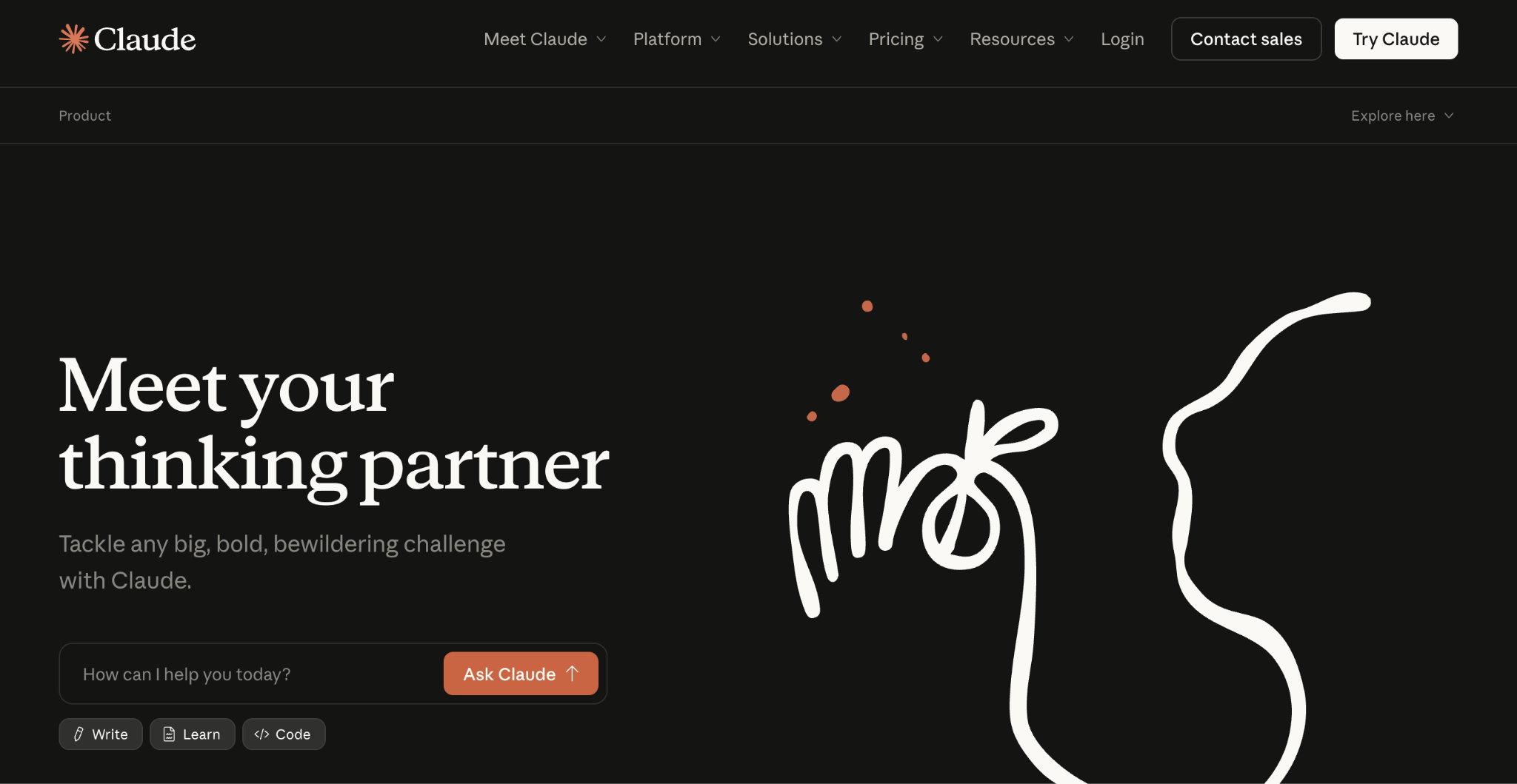
- Main features: long-document analysis, competitor summaries, long-form drafting, research synthesis
- Price: free plan available; paid plans start at $17/month
Claude is useful for long-document analysis, competitor summaries, and long-form drafting. It is especially helpful when writers need to compare several pages or documents before building a content brief.
Writers handling long-form content or conducting competitor research fit this best, particularly those who compare multiple sources side by side before drafting.
A free plan is available. Pro costs $17/month billed annually or $20/month billed monthly, increasing usage limits and access to more Claude models. The $100/month and $200/month Max tiers offer 5x or 20x more usage than the Pro tier.
The same limitations as ChatGPT apply: Claude is not a dedicated SEO database. Verify all claims and statistics from the source before publishing.
6. AIOSEO: best for WordPress technical SEO
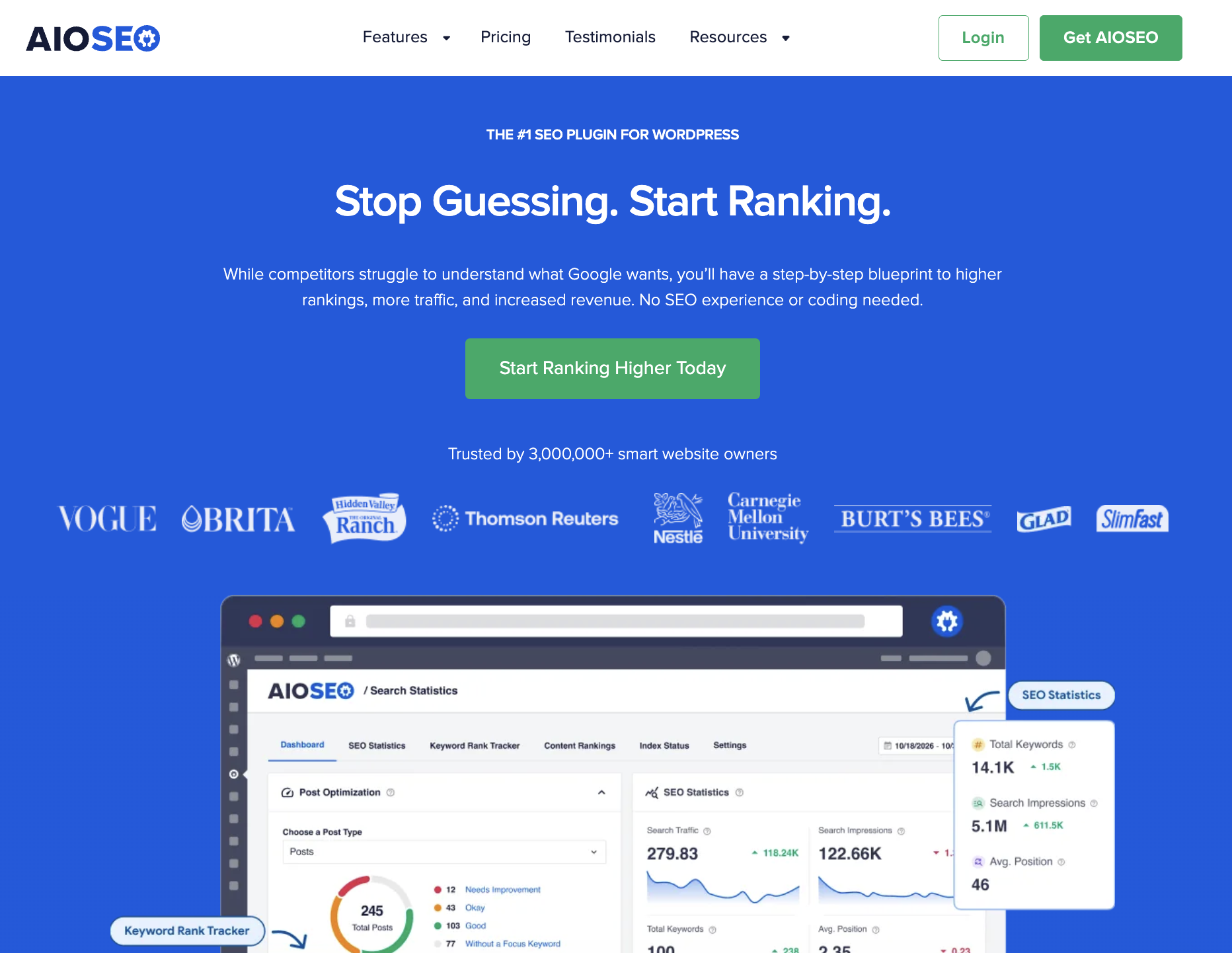
- Main features: AI content and image generation, on-page analysis, schema markup, LLMs.txt generator
- Price: free WordPress.org plugin available; paid plans start at $49.50/year
AIOSEO is a WordPress SEO plugin that brings on-page analysis, schema markup, XML sitemaps, and redirects, and AI-assisted content tools into the WordPress dashboard.
Its AI Assistant and AI content generator can help create blog posts, product pages, metadata, and other content elements inside WordPress. You can also create images to use within content or as featured images with the AI Image Generator.
The LLMs.txt Generator adds another AI search feature by creating a file that helps AI systems understand important site content.
WordPress site owners and agencies managing client sites fit best here, especially teams who’d rather handle technical SEO and content drafts within the WordPress dashboard.
Basic, at $49.50/year, covers one site. Paid plans include monthly AI credits, with higher tiers increasing site limits and feature access. AIOSEO also notes that special introductory pricing renews at full price.
7. SE Ranking: best for AI-assisted rank tracking
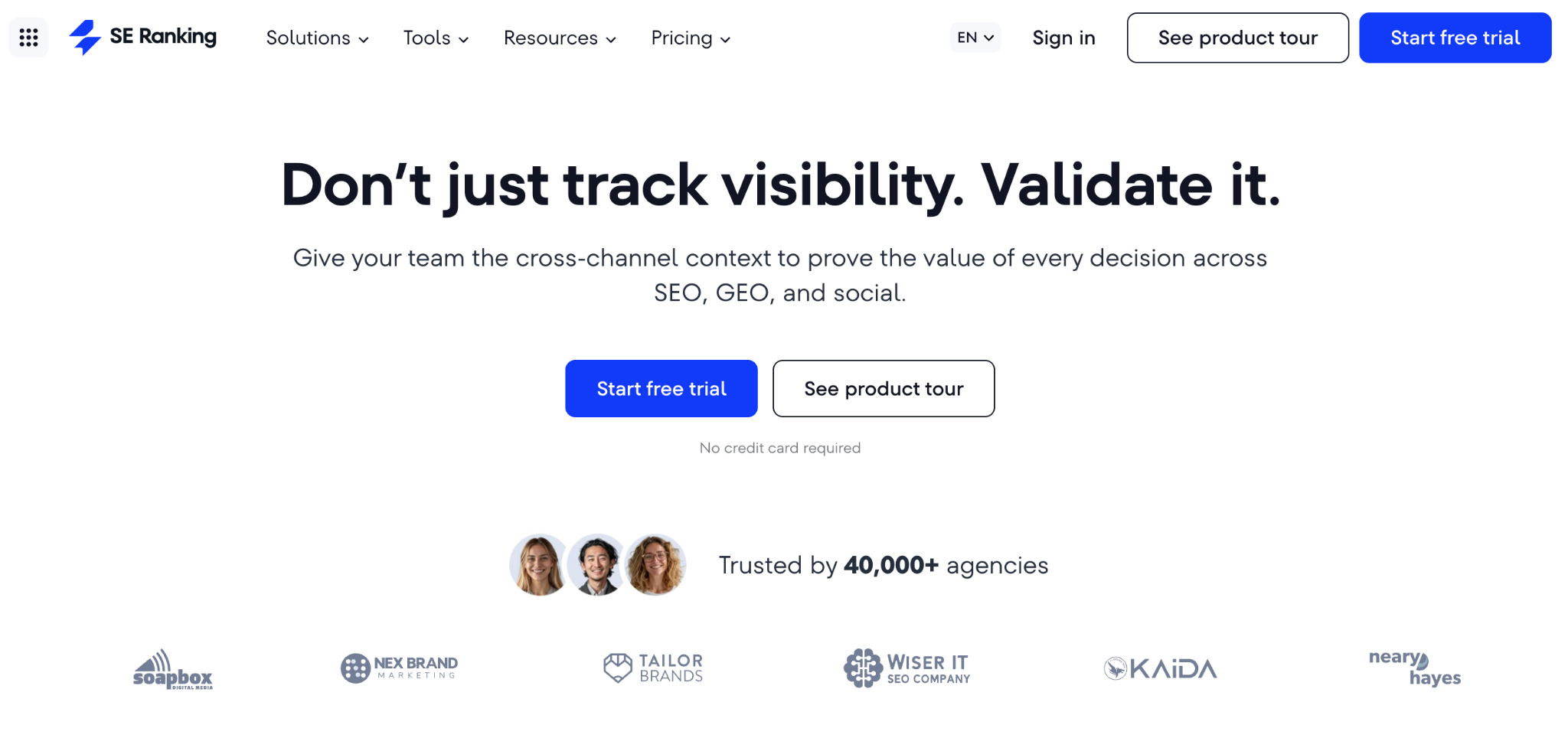
- Main features: rank tracking, website audits, AI visibility tracking, MCP access
- Price: starts at $103.20/month
SE Ranking tracks keyword positions and offers AI Search as an add-on for monitoring visibility across ChatGPT, Perplexity, and Google AI Overviews.
It also offers MCP access, which lets compatible AI assistants connect to SE Ranking data for keyword research, backlinks, audits, AI search visibility, and competitor analysis.
Freelancers and small agencies tracking rankings for several client sites without an enterprise budget fit this well. Core, billed annually at $103.20/month, covers 10 projects, 2,000 daily keyword checks, and 100 AI prompts per day.
Agencies managing more than 10 client sites may need more than Core’s project limit and require Growth, which at $223.20/month increases the limit to 30 projects, 5,000 keywords, and 250 AI prompts per day.
Deeper AI tracking, including unlimited AI competitor research and a dedicated dashboard for brand mentions and sentiment, is available as a separate AI Search add-on, starting at $71.20/month, on top of either plan.
Rank tracking is following one of the broader automation trends in SEO: schedule it once, and the checks run themselves.
8. Profound: best for AI visibility tracking
- Main features: AI mention tracking, share-of-voice reporting, Profound Agents for content work
- Price: starts at $82.50/month
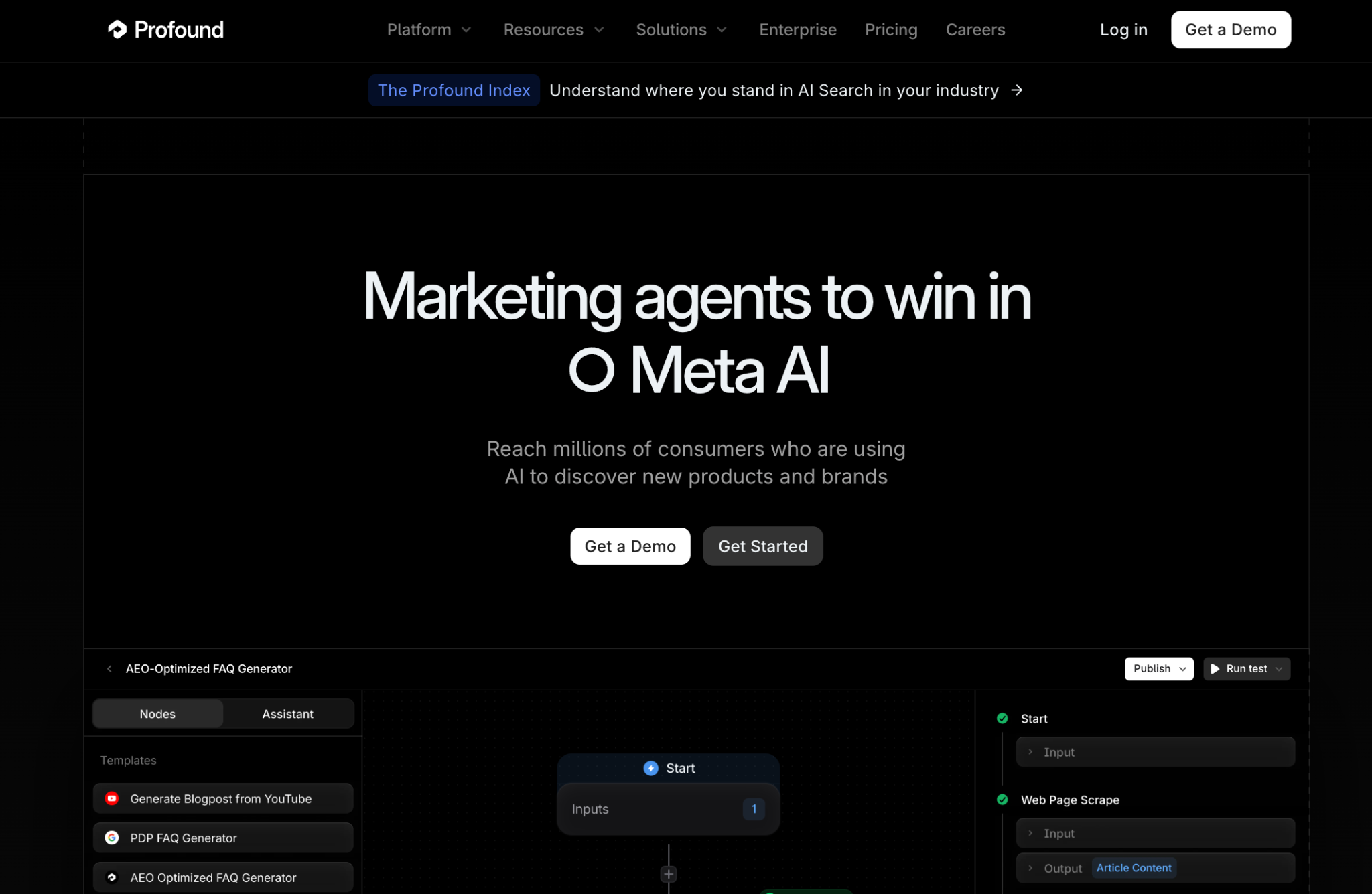
Profound tracks how a brand appears in AI-generated answers, including visibility, citations, sentiment, ranking, and competitive presence.
For small companies just getting started, Profound offers the Starter plan, which covers only ChatGPT and includes a daily limit of 50 prompts for $82.50/month. Growth, the most popular tier at $332.50/month, expands that to three engines- ChatGPT, Perplexity, and Google AI Overviews- and 100 prompts.
Teams that need broader coverage – like Gemini, Copilot, Meta AI, Grok, DeepSeek, and Claude – need Enterprise, which tracks up to 10 engines at custom pricing and adds API access and SSO.
Profound Agents, a separate credit-based feature, can also generate and optimize AEO content: 100 credits/month on Starter, 400 on Growth, and custom on Enterprise.
Profound’s prompt-monitoring setup is one of many real-world AI agent examples: the system repeatedly checks brand visibility rather than relying on manual searches.
9. Google Analytics 4: best for reporting on AI-driven traffic
- Main features: AI Assistant traffic channel, automatic referrer tagging, MCP server access
- Price: free
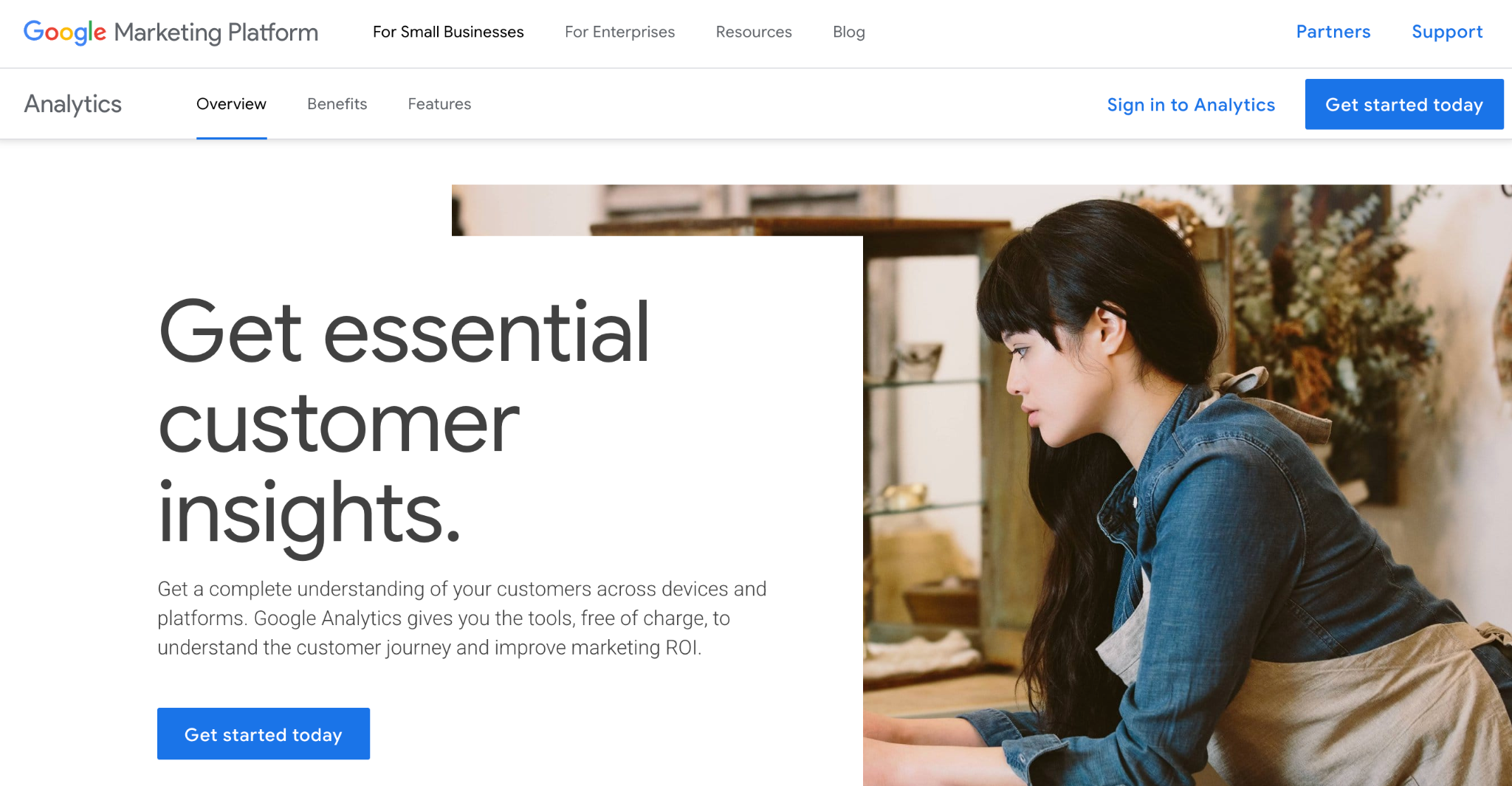
Google Analytics reports where traffic comes from, and AI chatbots are now a traffic source worth monitoring. Google now automatically groups that traffic into its own channel, marking one of several new GA4 with AI updates rolled out this year.
Since Google’s May 13, 2026 update, recognized AI assistant referrals can be assigned the “ai-assistant” medium and grouped under the “AI Assistant” channel in Default Channel Group reports.
Anyone already using GA4 can monitor this channel when the referrer matches a recognized AI assistant, without needing to build a custom regex first.
Google also ships an official MCP server for Analytics, so acquisition data can be queried directly from Claude or developer frameworks rather than opening the GA4 interface.
The catch is that the native channel only applies from the point GA4 began classifying recognized AI assistant traffic. Older AI referrals may still need custom reporting or source/medium analysis.
It also measures clicks, not whether an AI actually recommended the brand in the first place. That’s a different question, one that AI visibility tools like Profound above are built to answer.
10. Pitchbox: best for automating link-building outreach
- Main features: prospecting, AI-personalized outreach, campaign tracking
- Price: starts at $210/month
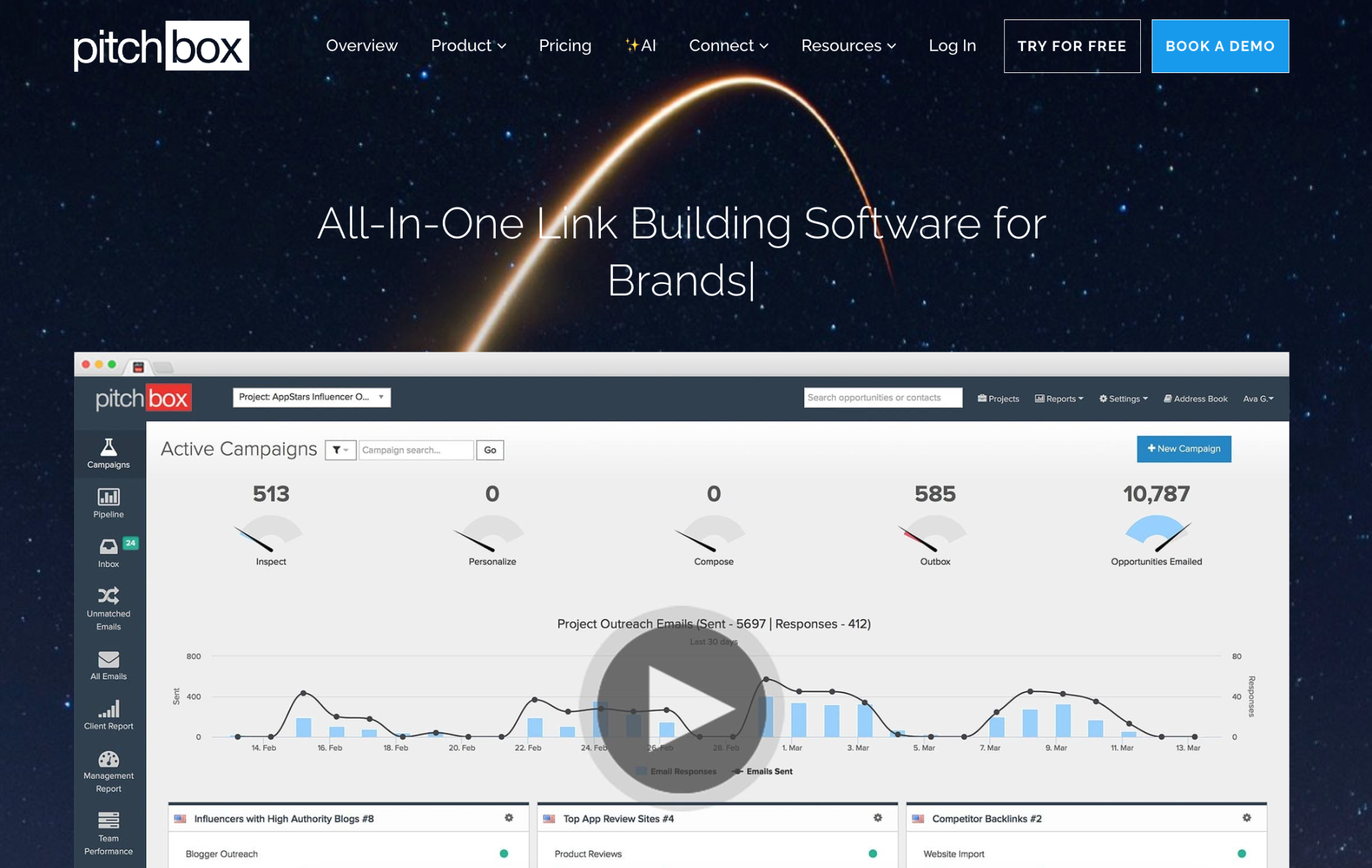
Pitchbox helps automate link-building outreach by finding prospects, pulling contact details, and sending AI-personalized pitches in a single platform.
Agencies and in-house teams running ongoing outreach campaigns get the most from it. The Pro plan includes 2,000 outreach emails/month and 25 campaigns/month, which works well for sustained outreach rather than one-off pitching.
At $210/month minimum, billed annually, it’s one of the pricier tools on this list, and that price may make sense if your outreach volume justifies it. A freelancer sending a few dozen pitches a month may be better served by a lighter workflow.
Advanced, the most popular tier at $420/month, adds unlimited users and bulk AI personalization for agencies with several clients. Scale, at $825/month, is designed for teams running outreach at full volume.
Pitchbox’s sequencing and personalization features overlap with one part of the wider AI agents for marketing trend: using AI automation to move from prospecting to outreach faster.
Can you build your own AI SEO tool?
Yes. A custom AI agent can handle some SEO work such as researching keywords, auditing pages, drafting content briefs, writing metadata, planning a content calendar, analyzing competitors, and compiling reports.
What can a custom AI SEO agent handle?
A custom agent, built on a workflow automation platform or connected directly to an LLM, can cover:
- Keyword research, grouping terms by search intent, topic, or potential value.
- Page audits, flagging missing metadata, thin content, or broken links.
- Content briefs, outlining what a new page should cover based on competitor research.
- Metadata, drafting title tags and descriptions within character limits.
- Content planning, mapping topics to a publishing calendar.
- Competitor analysis, summarizing pages already ranking before you write something new.
- Reporting, turning traffic and ranking data into a readable summary.
Building this from scratch means choosing among several types of AI agents and connecting one directly to SEO data sources, and turning the process into a repeatable workflow. Even with visual automation tools, that setup still takes time.
Skip the build: use Hostinger Agent for SEO tasks
Hostinger Agent offers a ready-made alternative for users who do not want to build their own workflow. The SEO consultant agent researches keywords, audits pages, and builds a plan to rank for the terms a business’s customers already search.
It sits alongside six other assistants in the same subscription, including a Creative Writer for blog posts and product copy and a Marketing Planner for campaign strategy.
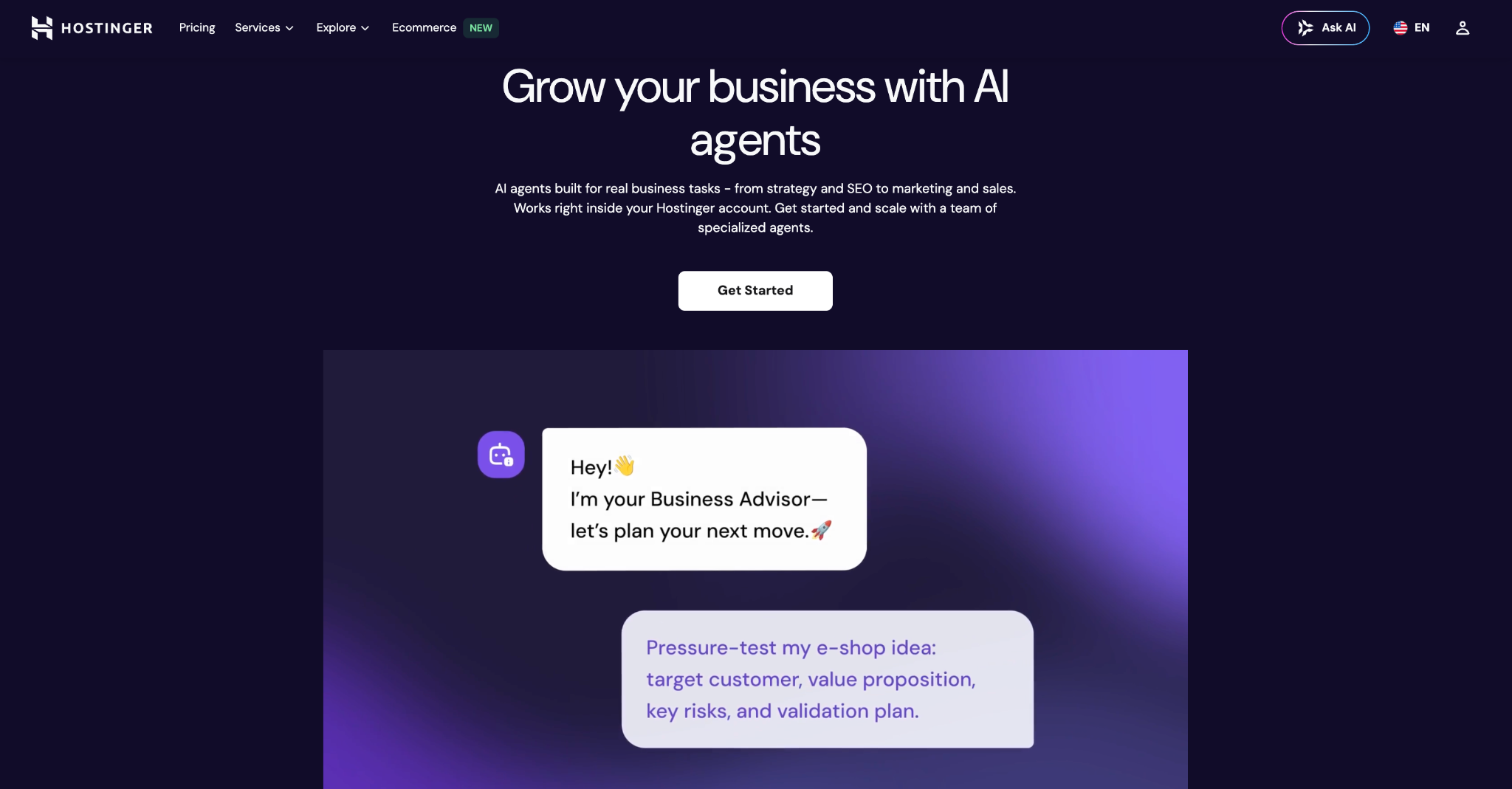
Unlike a general assistant such as ChatGPT or Claude, each AI agent is structured around business domains and guided skills. Skills are pre-built templates that guide users towards a specific outcome, such as conducting keyword research or writing a blog post, rather than starting from a blank prompt.
It is a good fit for solopreneurs and small business owners handling SEO, writing, and strategy on their own.
Each paid plan includes 1,000 credits a month, more than 100 ready-to-use skills organized by task, and connections to Gmail, Notion, Slack, and more than 1,000 other apps.
Plans start at a discounted price of $6.99/month for a 12-month billing period, with paid subscriptions providing access to all AI experts and monthly Agent credits.
Hostinger Agent isn’t a rank tracker, a backlink index, or a site crawler, so it won’t replace SE Ranking’s keyword monitoring or Pitchbox’s outreach pipeline above. It’s built for the research, planning, writing, and strategy side of SEO.
The shift worth watching
As more searches end with an AI answer rather than a list of blue links, teams need to know whether their brand is visible there. Profound answers a question rank trackers can’t: whether an AI assistant mentions a brand, cites its content, or shows competitors instead.
None of this replaces SEO fundamentals, though. Matching the tool to the task still beats finding a single “best” AI SEO platform: Semrush One and SE Ranking cover research and tracking; Surfer and Clearscope sharpen drafts before they publish; GA4 reports are AI-driven; and ChatGPT and Claude speed up the thinking work around them.
For teams that do not want to build a custom agent from scratch, Hostinger AI Agent can handle research, planning, writing, and strategy workflows, reducing setup work for small businesses that need a practical SEO solution on a single platform.
All of the tutorial content on this website is subject to Hostinger's rigorous editorial standards and values.

Bruno is a Content Writer at Hostinger, focused on creating and optimizing helpful, engaging articles about web development and marketing. With a background in journalism, he combines storytelling with practical insights to make complex topics easier to understand. He has also contributed to publications like MacMagazine and Jornal A Tarde. Outside of work, Bruno enjoys exploring art, cooking, and technology.