B2C ecommerce: key features, and how to start
Oct 15, 2026
/
By Jordana A. & Auksė Ž.
/
12 min Read
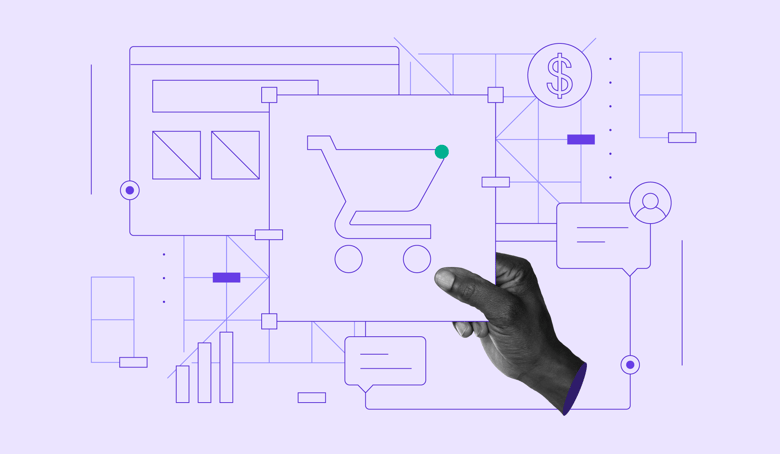
B2C ecommerce, or business-to-consumer ecommerce, is the online sale of products or services directly to individual customers. It covers everything from online stores and marketplaces to subscription platforms, digital products, and social commerce.
According to EMARKETER, global retail ecommerce sales reached $6.419 trillion in 2025, making up 20.5% of total retail sales worldwide. That means ecommerce is no longer just an extra sales channel – it’s a major part of how people discover, compare, and buy products.
B2C ecommerce is built around convenience, speed, and customer experience. Businesses can sell 24/7, reach buyers beyond their local market, personalize offers with customer data, and process transactions without relying on a physical storefront.
What is B2C ecommece
B2C ecommerce, or business-to-consumer ecommerce, is the online sale of products or services directly to individual customers. It includes online stores, marketplaces, subscription platforms, digital products, social commerce, and service-based websites where customers can browse, pay, and complete purchases online.
This model gives businesses a direct way to reach buyers without relying only on physical stores. A brand can sell through its own website, mobile app, social media shop, or marketplace, making products available 24/7 and often beyond one local market.
B2C ecommerce is built around convenience, speed, and customer experience. Customers usually make quicker purchase decisions than in B2B ecommerce, so clear product pages, secure payments, fast checkout, reliable delivery, and easy returns all play an important role in turning visitors into buyers.
What are key characteristics of B2C E-commerce
- Customer-focused experience. B2C ecommerce is built around individual buyers, so convenience, speed, trust, and easy navigation matter at every step.
- Short sales cycle. Customers often discover, compare, and buy a product in one session, especially for lower-cost or familiar items.
- Smaller, frequent purchases. B2C orders usually have a lower value than B2B transactions, but customers may buy more often over time.
- Emotional buying decisions. Purchases are often influenced by price, product appeal, reviews, social proof, brand trust, and personal needs.
- Direct customer relationship. Businesses can sell through their own websites, marketplaces, apps, or social platforms while collecting insights about customer behavior.
- 24/7 availability. Online stores let customers browse and buy at any time, without relying on physical store opening hours.
- Personalized marketing. Businesses can use browsing behavior, purchase history, and email preferences to recommend products and send relevant offers.
- Fast and secure transactions. Smooth checkout, trusted payment methods, and clear delivery options help reduce hesitation and cart abandonment.
What are the types of B2C ecommerce businesses?
There are different ways to run a B2C ecommerce business, and each type of ecommerce has its own approach. Here are five of the most common types:
Direct sellers
These businesses sell products directly to customers without any middleman. Brands using this business model control the entire shopping experience, from product presentation to checkout, which allows them to build a direct relationship with their customers.
Online intermediaries
Known as online marketplaces, these platforms connect buyers with sellers, acting as a middleman in transactions. They allow third-party vendors to list their products on the platform and facilitate transactions, including payments, shipping, and customer service.
Advertising-based models
Businesses adopting this model offer free content or services and generate revenue through advertisements. Audiences can access the platform’s content for free because advertisers pay to promote their products.
Fee-based models
This model charges customers a subscription or membership fee for access to a service or product. It’s ideal for businesses offering ongoing value or regular updates, earning recurring revenue through monthly or yearly payments.
Community-based models
An ecommerce business model that connects users with products or services through online communities, forums, or social platforms. Community-based businesses often rely on user-generated content and engagement, where users can share experiences, recommend products, and post reviews.
Examples of B2C models
| B2C Model | Example |
|---|---|
| Direct seller | Nike, Glossier, Gymshark |
| Online intermediary | Amazon, Etsy, eBay |
| Advertising-based | YouTube, Instagram, Pinterest |
| Fee-based | Netflix, Spotify, MasterClass |
| Community-based | Patreon, Substack communities, niche membership sites |
Examples of successful B2C businesses
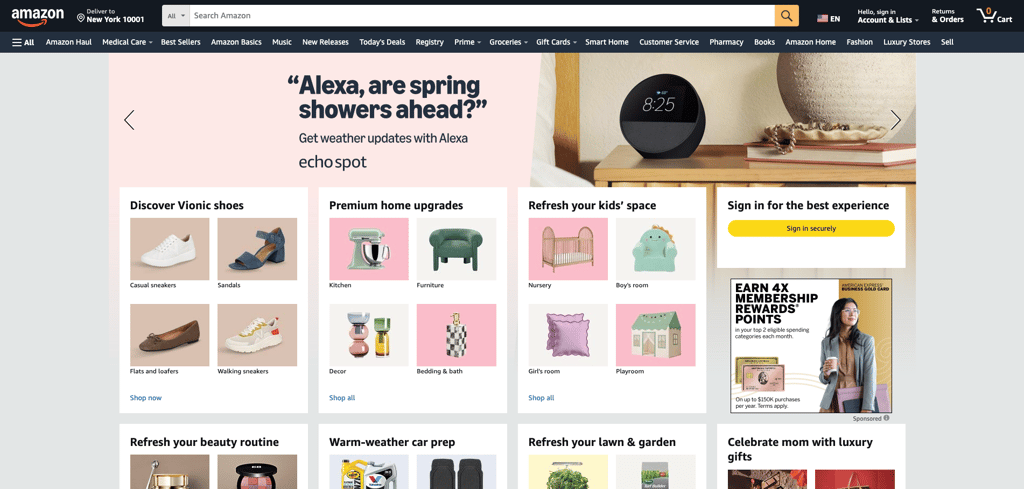
One of the most popular examples of B2C ecommerce is Amazon. As an online intermediary, Amazon hosts millions of vendors and manages payments and shipping worldwide. Its revenue comes from selling fees paid by sellers using the platform, and from sales of its own product lineup.
Streaming platforms like Netflix are a great example of fee-based ecommerce models. Netflix charges customers a monthly subscription to access its library of movies, TV shows, and original content. The more subscribers it gains, the more revenue it earns.

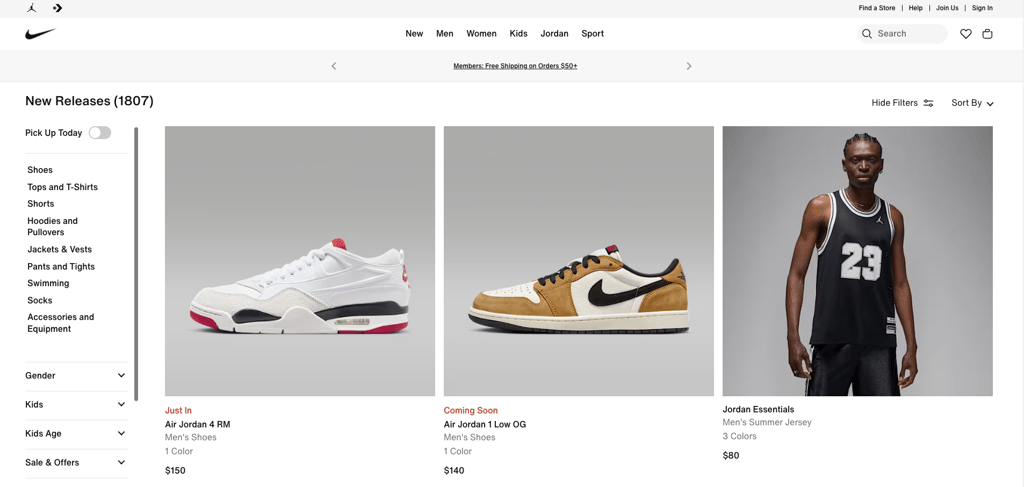
Nike merges a direct approach with online intermediaries, giving customers the choice of where to buy its products ‒ online through Nike’s official website or marketplaces, as well as in-store, of course.
Advertising-based models are popular among social media platforms. Instagram, for example, allows users to sign up and post or browse images and other content for free, in exchange for showing sponsored posts in their feed and on the Explore page.

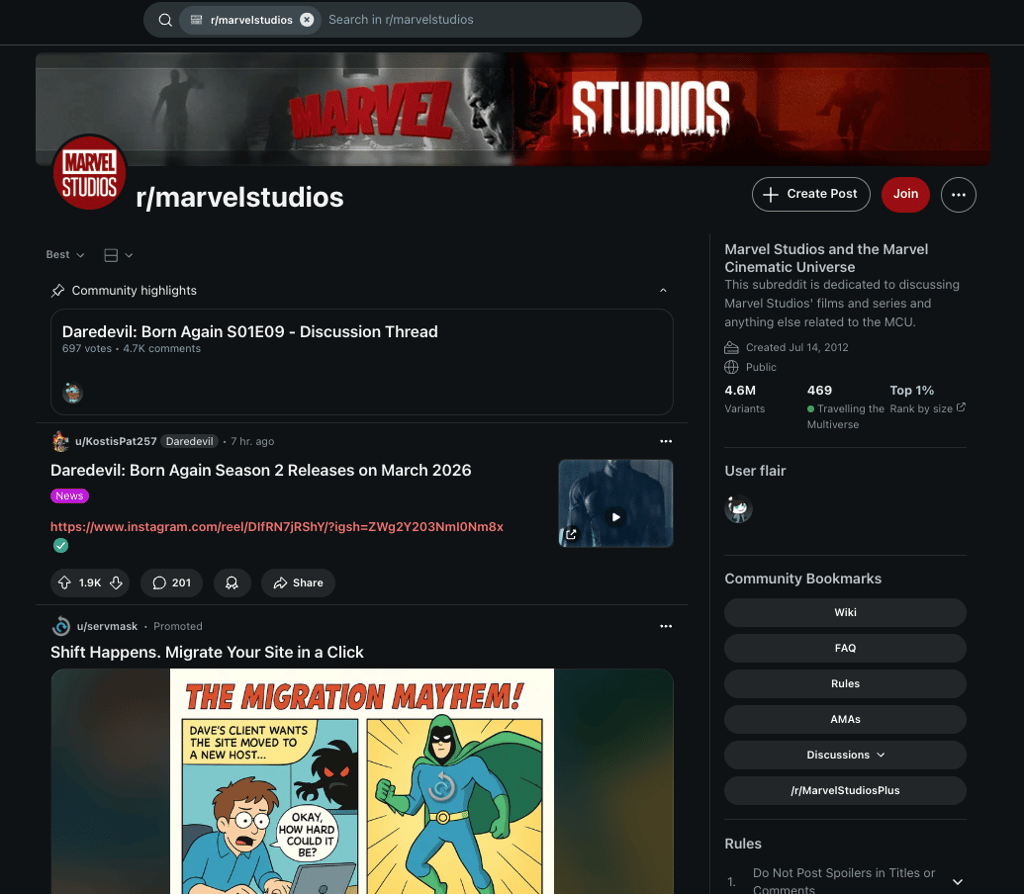
For community-based models, visit Reddit for inspiration. While Reddit doesn’t directly sell products, brands and sellers promote them through user-generated content and community conversations. It generates revenue through sponsored posts and ads in users’ feeds.
For example, fans of Marvel can interact in the r/marvelstudios subreddit. This community allows all posts related to Marvel films and series, indirectly promoting them in the process.
How to build B2C ecommerce business website
Building a B2C ecommerce website starts with choosing the right platform for your business. Your site should let customers browse products easily, view clear descriptions and images, complete payments securely, and understand shipping, return, and support options before buying. It should also be mobile-friendly, since many customers discover and purchase products directly from their phones.
The easiest option for beginners is using a website builder. With Hostinger AI Builder, you can create an online store without coding, customize your design with a drag-and-drop editor, add product pages, manage inventory, and connect payment methods from one place. Its AI tools can also help generate content, product descriptions, logos, and other website elements faster.
Once the basic store is ready, focus on the details that affect trust and conversions. Add high-quality product images, write useful product descriptions, set clear prices, simplify checkout, and make your shipping and return policies easy to find. For a full step-by-step process, read our guide on how to make an ecommerce website.
Key aspects of B2C online store
- Use mobile-optimized design. Make navigation simple and ensure your store looks great on all devices.
- Create compelling product listings. Use clear descriptions and high-quality images to build trust and encourage purchases.
- Optimize for search engines (SEO). Use relevant keywords to increase visibility on search engines and attract organic traffic. Our tutorial on building an SEO strategy for ecommerce can give you tips to start.
- Provide secure payment gateways. Offer trusted payment options like credit cards and PayPal for smooth transactions. We’ll dive into this topic later.
- Simplify the checkout process. Reduce cart abandonment by making the checkout process quick and easy.
- Be clear about return and shipping policies. Being upfront about these policies helps manage customer expectations and prevent disputes.
- Maintain strong branding. Keep your branding consistent across all platforms to build recognition and trust.
- Offer customer support channels. Making sure customers get help when needed improves their experience, encouraging them to return.
There’s a lot to consider when developing an ecommerce website, so we’ve put together a separate guide to cover everything you need to know. Read it to learn the steps, costs, and how to ensure your store’s growth and success.
Marketing and sales strategies for B2C growth
Like other business models, driving growth in B2C ecommerce requires effective marketing and sales strategies. Let’s look at some popular strategies.
Social media marketing
With their massive user base, social media platforms are crucial for your business’ growth. The key is to choose the platform that your target audience uses.
For example, Millennials and Gen Z tend to shop on TikTok and Instagram, while older generations prefer Facebook.
These social media networks let you set up a storefront, run ads, and chat directly with your followers. You can also use them as customer support channels, making it easy for customers to reach out with questions or for help.
Many businesses team up with influencers to boost their social media marketing. Working with content creators who have a loyal following makes your promotions feel more genuine and trustworthy. Plus, by partnering with influencers in your niche, you get a chance to turn their audience into your customers too.
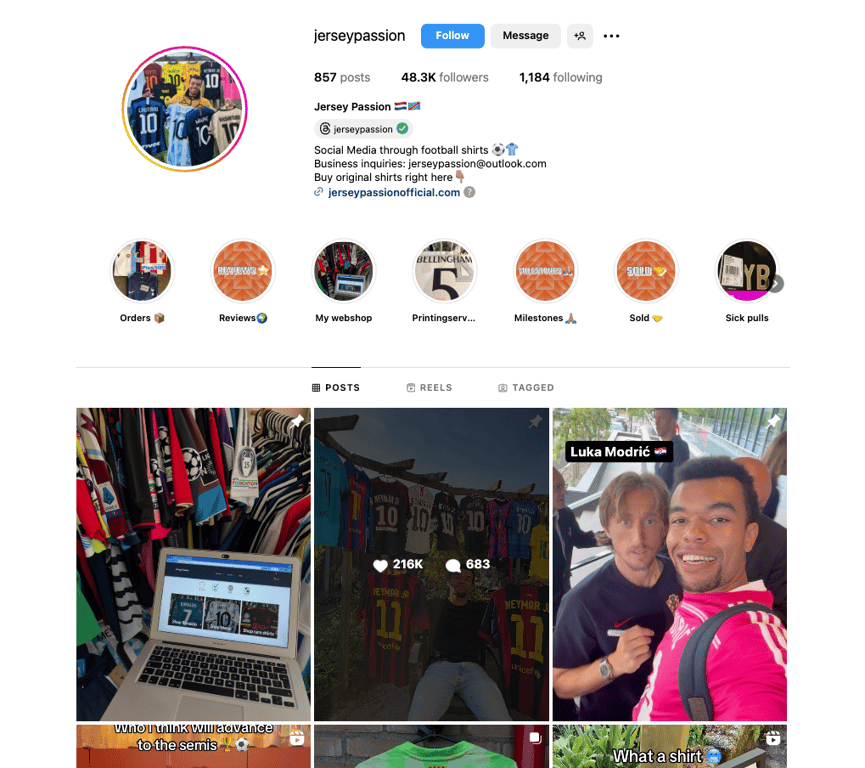
Start by choosing the right social media handle ‒ see our guide for platform-specific tips. Jersey Passion (@jerseypassion), for example, uses their own brand name to keep things consistent and give visitors a clear idea of what their account is all about.
Email marketing
Email marketing is another way to connect with your customers. By sending personalized emails like product recommendations, special offers, or exclusive discounts, you can encourage repeat purchases and keep your audience engaged.
Here’s a tip ‒ segment your email list. Segmentation means grouping your subscribers based on factors like their past purchases, location, or how often they interact with your emails. Sending the right message to the right people makes your emails more relevant, improving your chances of getting clicks and conversions.
Read our guide on creating an email newsletter for more tips. For better open rates, search for a domain name to find one that matches your brand.

Pay-per-click (PPC) advertising
PPC is a paid advertising method where you only pay when someone clicks on your ad. Platforms like Google Ads and Facebook Ads let you target the right people based on their interests, behavior, and demographics.
With this marketing strategy, you can showcase your products to customers who are already searching for what you’re offering. It helps drive instant traffic to your store, potentially leading to higher sales in a short amount of time.
To make the most of your PPC ads, keep an eye on your keyword performance and adjust your bids regularly. Try testing different ad copy and visuals to see what resonates most with your audience.
Our PPC for beginners guide should get you started on the right foot.
Customer loyalty
Building strong, lasting relationships with your customers is crucial for B2C growth. Loyalty programs, great customer service, and staying connected after a purchase with follow-up emails or surveys are all great ways to keep customers coming back.
When you have a loyal customer base, you get repeat purchases and benefit from free promotion through word-of-mouth. After all, happy customers are the best advocates for your brand.
For example, Little Bear Ceramics (@littlebear_ceramics) saw 14 people engage with a customer’s post, potentially recognizing the brand for the first time.

No matter which marketing strategy you choose to use, make sure to track the right key metrics to measure its success:
- Customer Acquisition Cost (CAC) helps you understand how much you’re spending to gain new customers, especially useful for paid ads.
- Customer Lifetime Value (CLV) shows how much revenue a customer will bring over time, which is crucial for building loyalty.
- Conversion Rate tells you what percentage of site visitors make a purchase.
- Click-Through Rate (CTR) tracks how many people click your ads.
Other common metrics include shopping cart abandonment and email open rates.
Google Analytics 4 is a powerful tool for tracking website performance, user behavior, and sales trends. With AI-powered insights, it helps predict trends, identify issues, and suggest optimizations. Check out our Google Analytics 4 tutorial to learn how to set it up and make the most of it.
Did you know?
Branding plays a crucial role in marketing success, as it helps businesses build recognition, trust, and loyalty among their target audience. Check out our guide to building a brand from scratch with proven strategies and examples.
Customer experience: the key to B2C success
Once you’ve caught people’s attention with what you’re selling, the next step is make them stick with you throughout their customer journey, and come back for more, and that means providing a great customer experience.
Seamless and personalized shopping experiences
Making it easy for customers to navigate your website and find what they’re looking for is key to creating a smooth shopping experience.
Personalizing the experience with product recommendations based on their past purchases or browsing habits helps customers feel valued and understood. It builds trust and encourages them to come back for more.
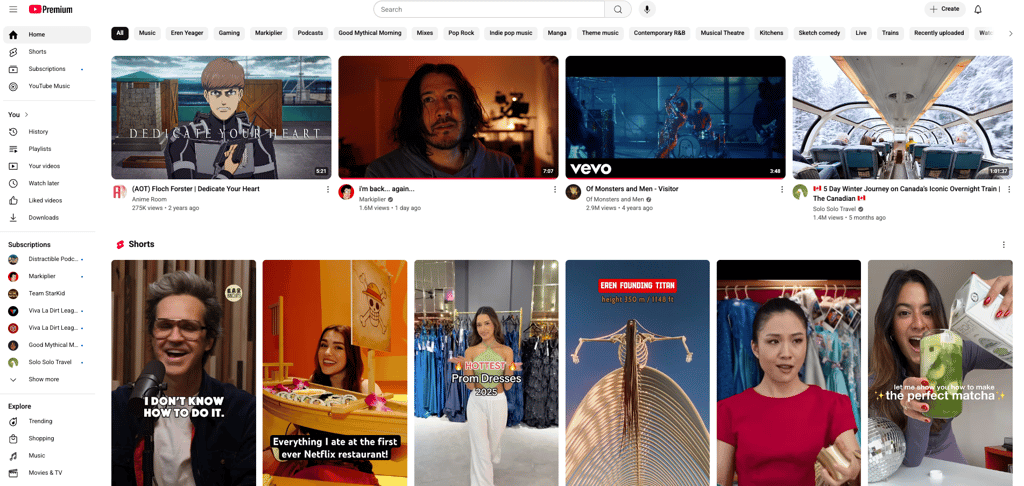
You don’t have to look far for an example ‒ just check your social media feed. The suggested posts you see are tailored to your interests, based on what you’ve interacted with before. For example, here’s what I see when I open YouTube (and the page will look completely different to you):
Secure payment options
Customers need to feel confident when making a purchase. Offering a variety of secure payment options ‒ like credit cards, PayPal, or digital wallets like Apple Pay ‒ ensures convenience while building trust.
When setting up your online store, check whether the payment options align with your target audience’s preferences. For example, Hostinger AI Builder offers popular payment gateways like Stripe, PayPal, Razorpay, dLocal Go, and Paysera to cater to a global audience.
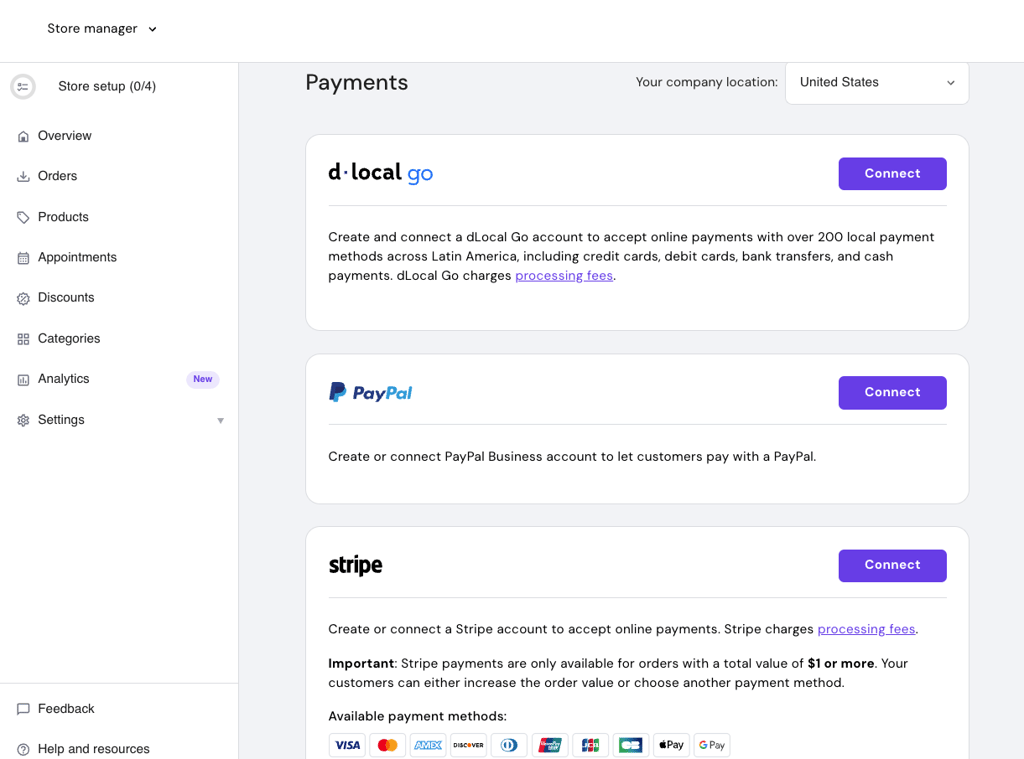
To minimize cart abandonment, ensure your checkout process is quick and easy. You can achieve this by offering a guest or express checkout and reducing the number of steps in the process.
Efficient shipping processes
Quick and reliable order fulfillment is crucial, especially if you’re selling physical products. Providing tracking information and clear delivery timelines helps manage customer expectations and keeps them informed.
The same goes for shipping costs and options. Depending on your business’ scope of operation, consider offering free shipping to certain areas or for orders above a certain amount. This can encourage larger purchases and improve customer satisfaction.
Not a fan of handling shipping? Consider dropshipping. With this model, your supplier handles inventory and fulfillment, so you only need to focus on processing orders and customer transactions.
Check out our guide on starting a dropshipping business for tips and best practices.
Managing customer feedback and reviews
The ultimate judges of your customer journey’s smoothness are your customers themselves. So, listen to their feedback and use it to keep improving.
Responding to reviews ‒ whether positive or negative ‒ shows you care about what they think and are committed to great service. Plus, positive reviews act as social proof, encouraging new customers to check out your products.
Visit our guide on how to improve ecommerce cx.
Challenges of B2C ecommerce
Growing a B2C ecommerce business usually comes with challenges. Addressing them not only helps keep things running smoothly but also builds customer trust. Here are some common hurdles and how to handle them.
Security and privacy concerns
Security is a major concern for online stores, as they deal with sensitive customer information like payment details and personal data. Common security issues include data breaches, fraud, and data loss.
Here are a few ecommerce security measures to put in place:
- Use SSL certificates to encrypt customer data.
- Set strong password policies and enable two-factor authentication.
- Regularly update your website and software to patch vulnerabilities.
- Monitor for suspicious activity and set up fraud detection tools.
Did you know?
Hostinger AI Builder implements these security measures during setup and automates updates to keep your website safe from the get-go. Check out our Hostinger security article for details.
Inventory management challenges
Efficient inventory management is key to fulfilling orders on time. Poor control can lead to stockouts or overstocking, which hurts both customer satisfaction and your profits.
To avoid these issues, pick a platform with built-in inventory management tools that help track stock levels, automate updates, and reduce errors. Regularly reviewing inventory and predicting demand can also keep things running smoothly.
Opting for dropshipping is another way to handle inventory challenges. Since this model relies on third-party suppliers, it’s important to choose reliable ones and maintain strong relationships to ensure smooth operations.
Legal and regulatory requirements
Online stores must follow legal and regulatory guidelines, especially if they’re selling internationally. While regulations can vary by country, here are some general requirements to keep in mind:
- Data protection. Ensure compliance with privacy laws like GDPR (EU) or CCPA (California).
- Tax collection. Be aware of tax rules, including VAT, and make sure you’re collecting the correct taxes based on your customers’ locations.
- Consumer protection. Provide clear return policies, warranty information, and accurate product descriptions.
- Payment security. Make sure your payment gateways meet Payment Card Industry Data Security Standard (PCI DSS).
- Shipping regulations. Check local laws for shipping restrictions and international customs requirements.
In some countries, you might also need a business license to sell online. Contact your local licensing office to confirm whether you need one.
Business competitiveness
The rapid growth of ecommerce means more businesses are entering the market. To stay ahead, you need to make sure your brand stands out from the crowd.
We’ve already talked about how improving customer service and offering personalized experiences are key for B2C ecommerce growth. There are other ways to stay competitive, like keeping up with market trends and being open to innovation.
Identify your Unique Selling Points (USP) ‒ what makes your brand different from others ‒ and make sure to highlight them in your marketing. Check out our product branding guide for tips.
Additionally, keep an eye on competitor pricing to ensure your offers remain attractive while still maintaining quality.
Did you know?
A unique domain name can set your brand apart from competitors. Read our guide on getting the right domain name for tips and mistakes to avoid.
The future of B2C ecommerce
The future of B2C ecommerce lies in staying ahead of the curve by embracing new technologies. With exciting innovations ahead, businesses must stay on top of trends to offer the best shopping experience possible.
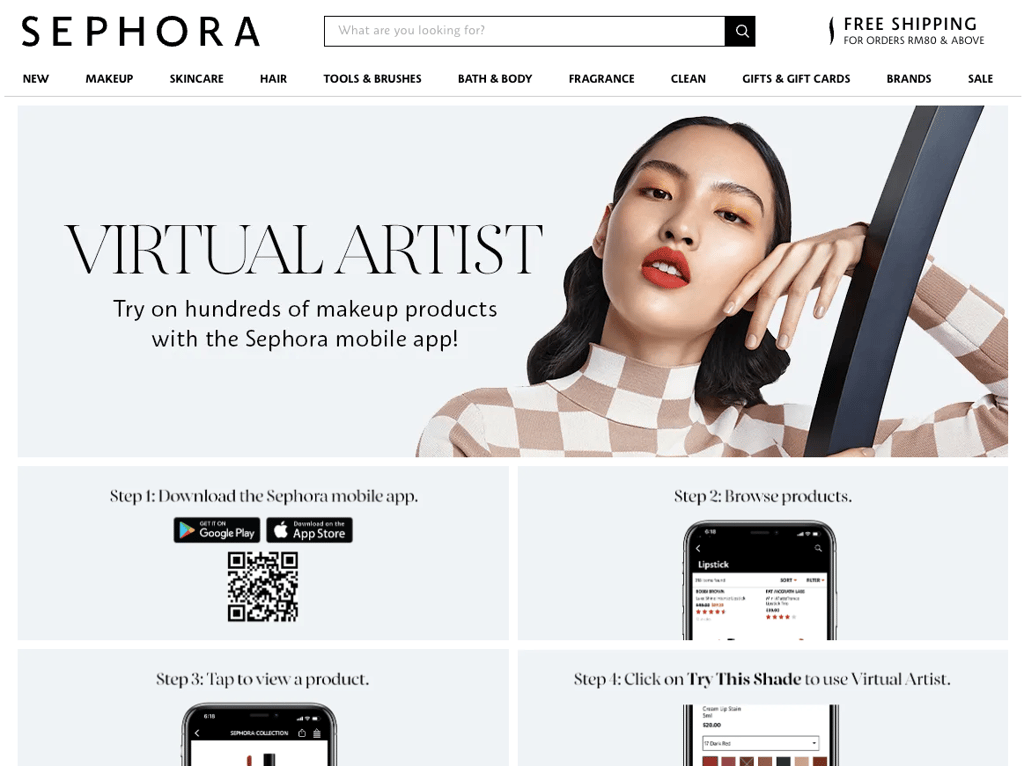
For example, augmented reality (AR) lets customers visualize how a product will look in real life, before making a purchase. Virtual reality (VR) offers virtual shopping experiences that mimic the feeling of visiting physical stores. Amazon AR View and Sephora Virtual Artist showcase how these technologies help reduce return costs due to customers changing their minds.
Voice commerce is another game-changer. Smart speakers and voice assistants like Alexa and Google Assistant are making voice-command purchases more common, so optimizing for voice search becomes a must for future ecommerce strategies.
That said, these technologies require serious investment, which may be difficult for new businesses just starting out. But don’t worry ‒ AI and machine learning offer an easier way to kickstart your ecommerce journey and build a solid foundation.
We’ve already talked about how Hostinger AI Builder uses AI to make setting up and managing your ecommerce site easy. You can even try it with the demo version.
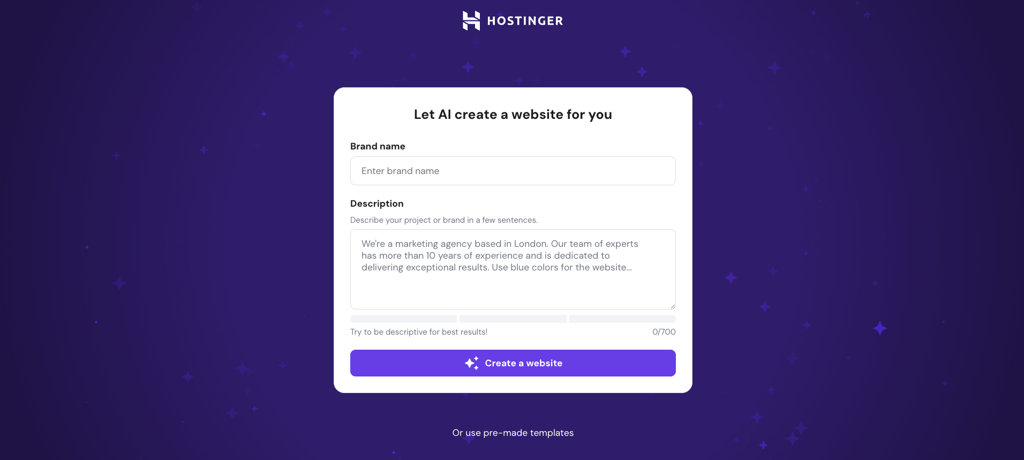
Once your online store is live, you can use Hostinger AI Builder to create a web app that streamlines the checkout process and boosts customer engagement. Just like our website builder, this AI-powered app maker removes the need for coding, so it’s accessible to everyone.
Start with a Hostinger AI Builder plan for just $19.99/month, or try it for free with any of our web hosting plans. Our tutorial on how to make a web app will guide you through the steps.
Start your B2C ecommerce business with confidence
Starting a B2C ecommerce business takes more than publishing a website. Before launch, you need to check that your products, pricing, payment methods, shipping setup, return policies, customer support, and marketing channels are ready to work together.
Taking time to review these details helps you avoid common launch problems and gives customers a smoother first experience with your brand. It also makes your next steps clearer, from promoting your products to tracking sales and improving your store after launch.
Use our ecommerce launch checklist to make sure your business is ready before you start selling.
All of the tutorial content on this website is subject to Hostinger's rigorous editorial standards and values.

Jordana is a Senior Content Writer with a background in Information Systems. She has over five years of experience in WordPress and is casually dabbling with PHP and MySQL. Her passion for writing and technology drives her to create tutorials for anyone wanting to build their online presence. Follow her on LinkedIn.

Auksė Žirgulė is Vice President of Product at Hostinger, where she focuses on innovating products that help people build and grow their online presence. She currently leads Hostinger AI Builder and Hostinger Ecommerce. Passionate about solving real customer problems, Auksė enjoys turning customer insights into products that drive both user value and business growth. Follow her on LinkedIn.