Monday October 12, 2026
Gusti S. & Simon L.
Hostinger weekly product updates: Week 41, 2026

Here’s what shipped the week of October 5 to 9, 2026, across Hostinger AI Router, Hostinger Agent, Hostinger Reach, Hostinger Ecommerce, Hostinger AI Builder, account login, and Agency hosting:
- Hostinger AI Router is now fully available, with models from Anthropic, OpenAI, Google, xAI, and other providers reachable through one API key and one credit balance.
- Hostinger Agent can now find, draft, edit, and publish WordPress content and WooCommerce products from the chat in Hostinger Dashboard.
- Hostinger Agent can read, search, and send email from your Hostinger Mail mailboxes once you connect it with OAuth sign-in.
- Hostinger Reach has a new Campaign ideas space for generating and saving email campaign ideas, including ideas based on store events.
- Hostinger Ecommerce Analytics now compares your store’s performance against a previous period, the same period last year, or a custom date range.
- Hostinger AI Builder can generate a website from an HTML file you attach to your prompt.
- GitHub is now a social login option for all Hostinger accounts.
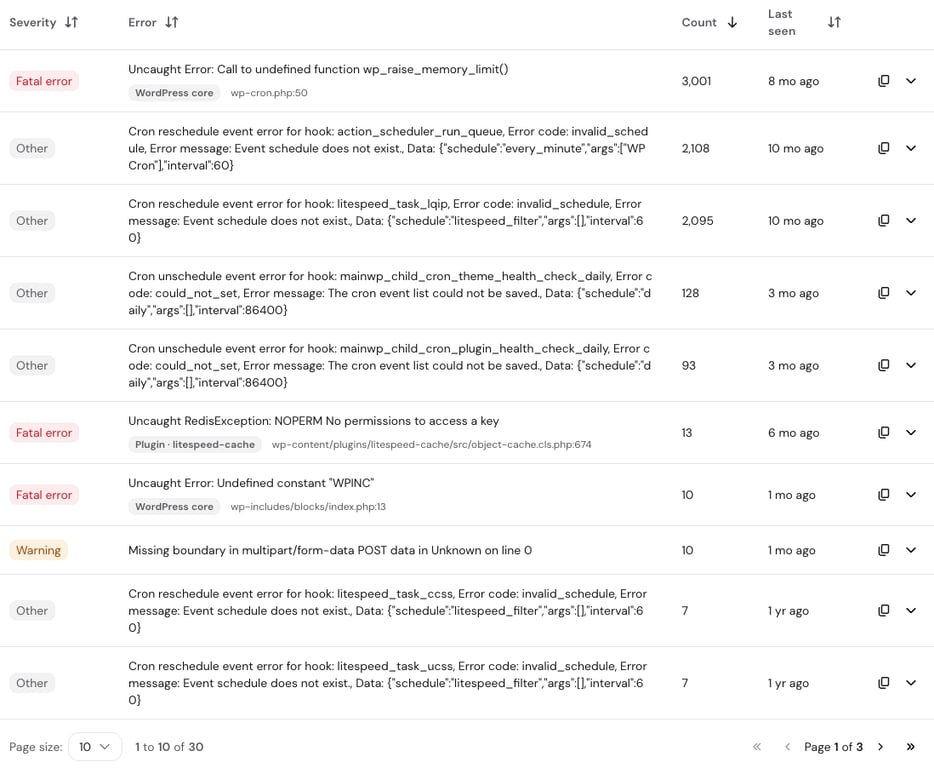
- PHP logs on Agency hosting plans can now be filtered by search term, time period, severity, and source.
Here’s a closer look at each.
Access Anthropic, OpenAI, Google, and xAI models through Hostinger AI Router
Hostinger AI Router is now fully available, so you can use large language models from Anthropic, OpenAI, Google, xAI, and other providers through a single API key and one credit balance. You don’t need to create an account with each AI provider.
Every model sits behind the same connection. You can compare models, keep one key in your code, and track all your AI spending in one place. The Hostinger AI Router getting started guide walks through setup.
If you have nexos.ai credits, our guide to migrating nexos.ai credits to Hostinger AI Router credits explains what changes and how to update your setup.
Manage WordPress sites and WooCommerce products from Hostinger Agent chat
Hostinger Agent can now manage your WordPress site, including WooCommerce products, from a chat in Hostinger Dashboard, without opening the WordPress admin area.

It handles four kinds of tasks:
- Find content. Search posts, pages, media, comments, users, categories, tags, and WooCommerce products.
- Create and edit. Draft new posts, edit posts and pages, update WooCommerce products, and publish or unpublish content.
- Moderate and organize. Approve or remove comments, and add or rename categories and tags.
- Configure. Adjust your WordPress site settings.
Hostinger Agent completes all of these in the same conversation. One chat can cover finding a draft, editing it, and publishing it. See the Hostinger Agent features overview for everything the agent can do.
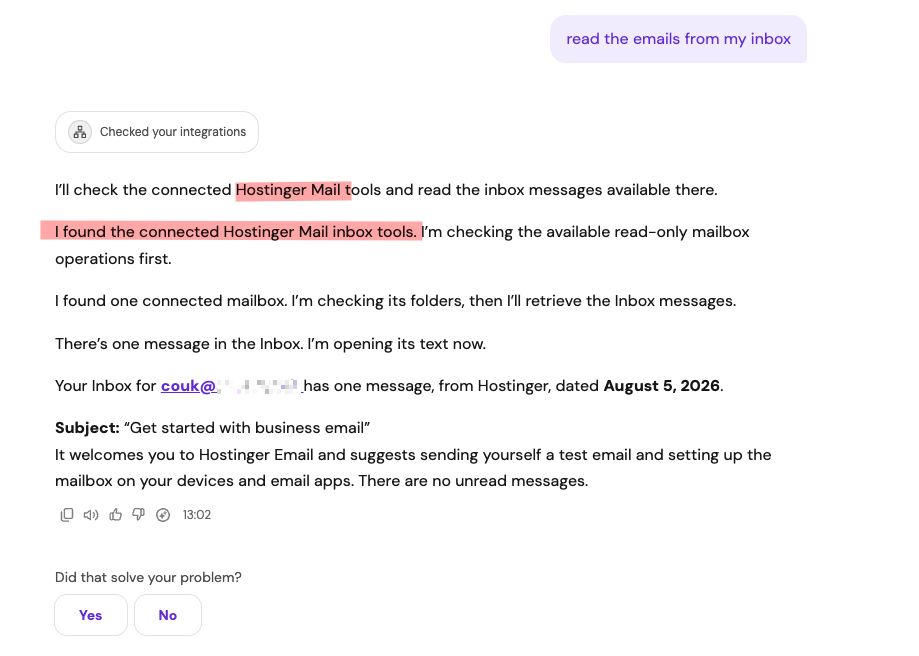
Connect Hostinger Mail to Hostinger Agent to read and send email
A new Hostinger Mail integration lets Hostinger Agent read, search, and send email from your Hostinger mailboxes right in the chat. You connect it by signing in with OAuth. There’s no API key to generate and no MCP server URL to paste.
You can set it up alongside your other integrations by following the guide to connecting apps to Hostinger Agent.
Generate and save email campaign ideas in Hostinger Reach
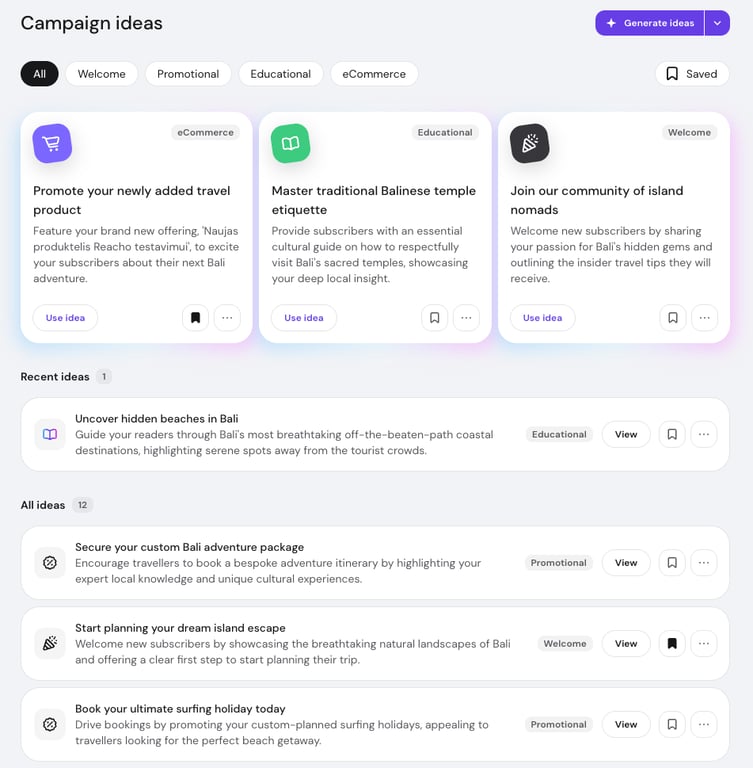
Hostinger Reach now has Campaign ideas, a dedicated space for generating, viewing, and saving email campaign ideas.
Choose Welcome, Promotional, or Educational, and Reach generates two ideas for each topic you select. If you connect a store, Reach also suggests ideas based on store events automatically.
Save the ideas you like to come back to later, or open one to set up an email campaign from Campaign ideas right away.
Compare sales and traffic year over year in Hostinger Ecommerce Analytics
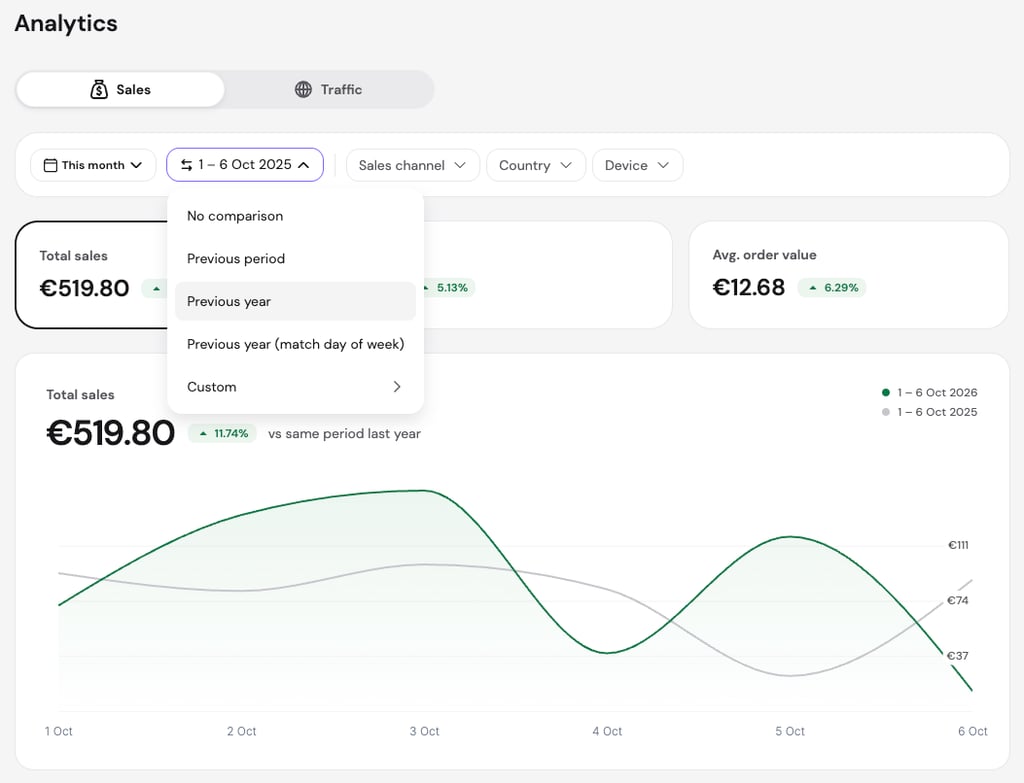
Hostinger Ecommerce Analytics now compares your store’s performance for a selected date range against a previous period, the same period last year, or a custom date range.
The chart shows the comparison period as a second line. Each summary metric gets a percentage change badge showing the difference.
A quick check now tells you whether this month’s sales beat last month’s, or the same month a year ago. The guide to tracking sales and traffic on the Analytics page covers each metric.
Generate a Hostinger AI Builder website from an HTML file
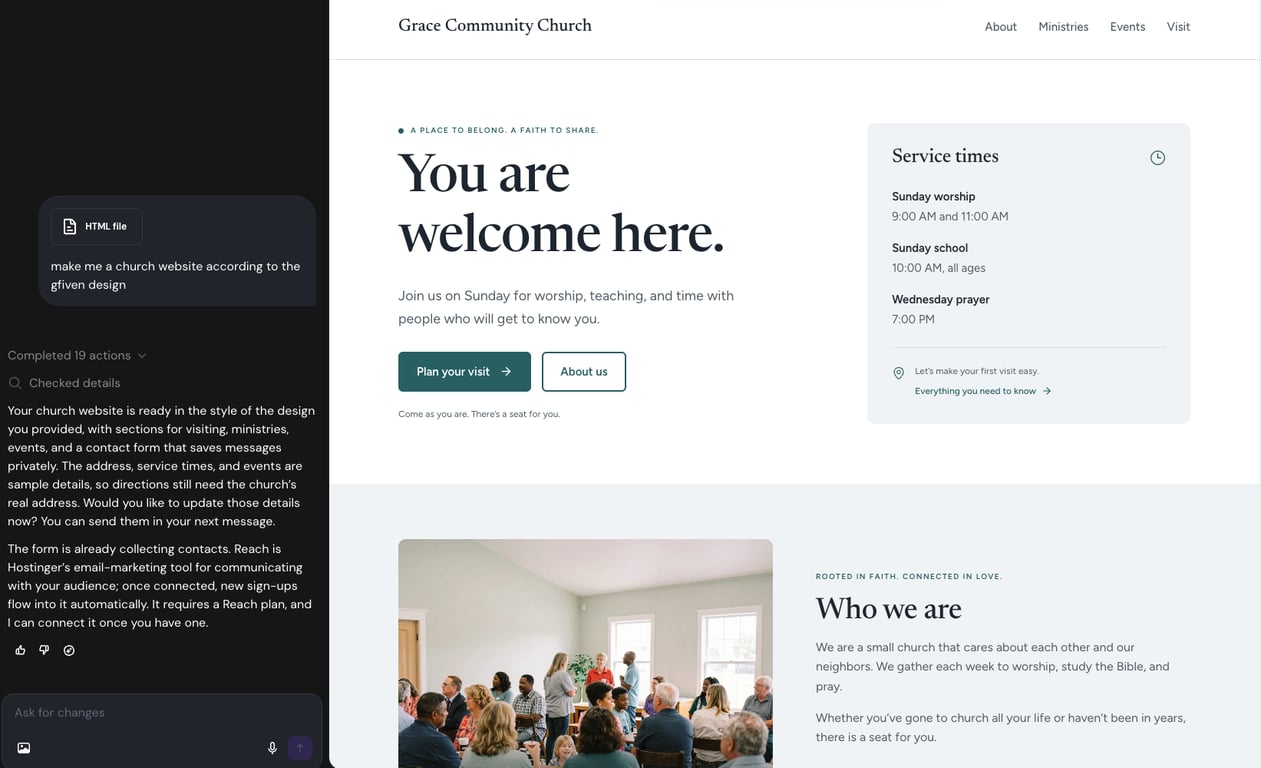
Hostinger AI Builder can now read an HTML file you attach to a prompt and generate a website based on it. Click Upload file in the prompt field, select your HTML file, and describe what you want, for example: “Build a website for my bakery based on this HTML file, keeping its layout.”
You can attach the file with your first prompt or later in the editor chat. HTML joins images and PDFs as file types you can upload to guide generation.
If you already have a static page or a design exported as HTML, it can be your starting point. Our Hostinger AI Builder prompting tips include a section on HTML uploads for more details.
Sign in to Hostinger with your GitHub account
GitHub is now available as a social login option for all Hostinger accounts. To set it up, go to the profile icon → Account Information → Social logins, then click Link next to GitHub. You can link one social login at a time.
For more details, read about how to link your Hostinger account to a social login.
Filter PHP logs by severity and source on Hostinger Agency hosting
PHP logs on Hostinger Agency hosting plans can now be filtered by search term, time period, severity, and source. The filters sit above the log entries:
- Search. Click the search icon to expand the search bar and search across the logs.
- Time period. Open the All time dropdown to pick a preset period or enter a custom date range.
- Severity. Open the All severities dropdown to filter by level, such as Fatal error or Warning.
- Source. Open the All sources dropdown to filter by where the error comes from, such as WordPress core or a plugin.
When a client site breaks, you can go straight to fatal errors from one plugin instead of scrolling through every entry. The PHP logs guide for Agency hosting has the details.
That’s all for this week
For the running log of every release, check our changelog, and for the story behind each week’s updates, browse our weekly product updates.

Gusti Ayu Sandra is a Brand Reputation Specialist at Hostinger, where she keeps conversations between the brand and its community honest and helpful. Her career started in Customer Success, which taught her what customers really care about. Today, she works closely with the community across different platforms to make sure every voice is heard. Follow her on LinkedIn.

Simon is a dynamic Content Writer who loves helping people transform their creative ideas into thriving businesses. With extensive marketing experience, he constantly strives to connect the right message with the right audience. In his spare time, Simon enjoys long runs, nurturing his chilli plants, and hiking through forests. Follow him on LinkedIn.