Domain flipping: What it is and how to get started
Domain flipping is the practice of buying or registering domain names with the intention of reselling them to buyers at ...

What is nslookup and how to use it?
The nslookup command is a command-line tool that queries Domain Name System (DNS) servers to find a domain’s IP address, ...

What is a URL? Structure and examples
A URL (Uniform Resource Locator) is a unique address that points to a specific resource on the internet, like a ...

URI vs URL: Key differences explained
A URI, or Uniform Resource Identifier, is a way to identify any resource online, such as a webpage, a document, ...
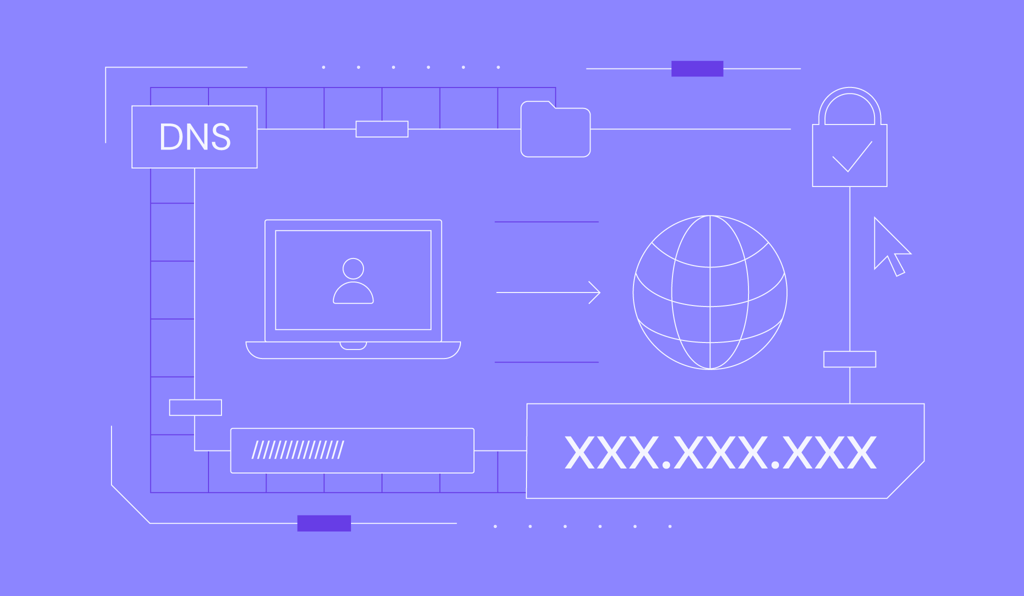
How to use the traceroute command to diagnose network issues
The traceroute command is a network diagnostic tool that shows where connection problems occur. It works by mapping the path ...
How to fix DNS_PROBE_FINISHED_BAD_CONFIG Error in chrome: 11 ways
When you access a website, a lot of elements work together to load it. If there are any issues with ...

How to sell a domain name in 7 steps
To sell a domain name, value it based on comparable sales, list it on a marketplace, or sell it directly, ...
What does .io mean: when to use it, pros and cons, and more
The .io domain extension has emerged as a popular choice beyond just the tech industry. Originally the country code for ...
What is a Fully Qualified Domain Name (FQDN)?
A Fully Qualified Domain Name (FQDN) is the complete address of a website or server that identifies a specific location ...