How to start a craft business in 2026: Step-by-step guide
Mar 12, 2026
/
By Matleena S.
/
11 min Read

Starting a craft business involves identifying a profitable niche, planning your operations, designing quality handmade products, building a recognizable brand, marketing your items effectively, and expanding production as demand grows. Many entrepreneurs start small from home and gradually turn handmade crafts into a sustainable business by combining creativity with a clear sales and marketing strategy.
To start and grow a successful craft business, follow these steps:
- Scale your business by expanding your product line, outsourcing production, and selling across additional platforms.
- Conduct market research to identify profitable craft niches, analyze competitors, and validate customer demand before launching your products.
- Write a business plan to define your products, pricing strategy, startup costs, and revenue goals.
- Design and develop your products by creating a focused product line, sourcing reliable materials, and maintaining consistent craftsmanship.
- Build your brand by establishing a recognizable logo, color palette, and brand voice that reflect your craft style.
- Set up your online craft store to sell your products, manage orders, and control your brand experience.
- Market your craft business through social media, content marketing, and customer engagement to attract buyers and increase sales.
1. Conduct market research
Understanding the market you’re entering helps you avoid wasting time and money on products that might not sell. On top of this, market research gives you valuable insights on how to develop your creative business idea for success from the start.
Identify market demand
Identify market demand by analyzing where handmade products are actively sold in India. Start by researching online marketplaces and social platforms where craft businesses attract buyers. Search for similar products and evaluate the following elements:
- Product listings. Study how sellers present handmade items on platforms like Amazon Karigar, Etsy, Craftsvilla, or Instagram Shops. Look for patterns in materials, design styles, and product categories that appear frequently.
- Pricing. Review price ranges for comparable products. For example, handmade jute bags may sell between ₹600–₹1,500, while handcrafted jewelry often ranges from ₹300–₹2,000, depending on materials and branding.
- Customer reviews. Read reviews to understand what buyers value most. Many buyers mention factors such as finishing quality, packaging, delivery time, and personalization options.
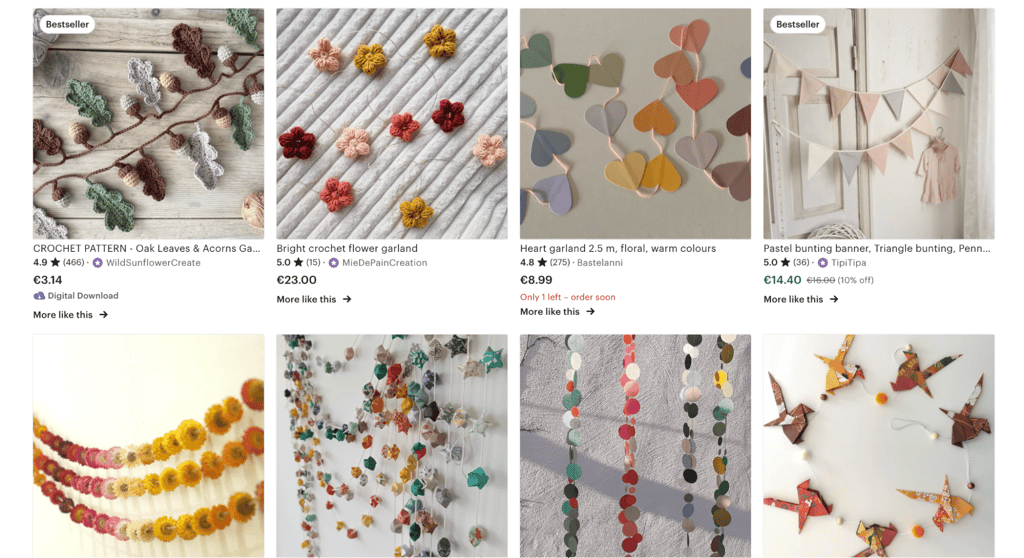
You can also research social commerce channels, which account for a large share of craft sales in India. Instagram Reels, WhatsApp catalogs, and Facebook Marketplace are commonly used by small craft brands to showcase products and interact directly with customers.
Take a look at recent eCommerce statistics to gain a deeper understanding of current industry trends.
Find a niche
Offline markets reveal real buying behavior and help validate product ideas. Visit local craft markets, exhibitions, and flea markets to observe what customers are purchasing.
Examples of popular craft-selling locations include:
- Dilli Haat (Delhi) – handicrafts and artisan products from across India
- Surajkund International Crafts Mela (Haryana) – one of the largest craft fairs in India
- Local flea markets and weekend bazaars in major cities such as Mumbai, Bengaluru, and Jaipur
Speaking directly with buyers helps you learn what designs attract attention, which price ranges customers prefer, and which products sell quickly.
When researching what to sell, check out the most profitable craft ideas to sell for inspiration, as they’re trending among successful craft businesses.
2. Write a business plan
A business plan outlines how your craft business will operate, generate revenue, and grow over time. It helps you clarify your product strategy, estimate costs, and set realistic goals before investing money into materials or marketing.
For small craft businesses in India, a business plan does not need to be complex. A simple document covering your products, pricing, and sales strategy is enough to guide your decisions during the early stages.
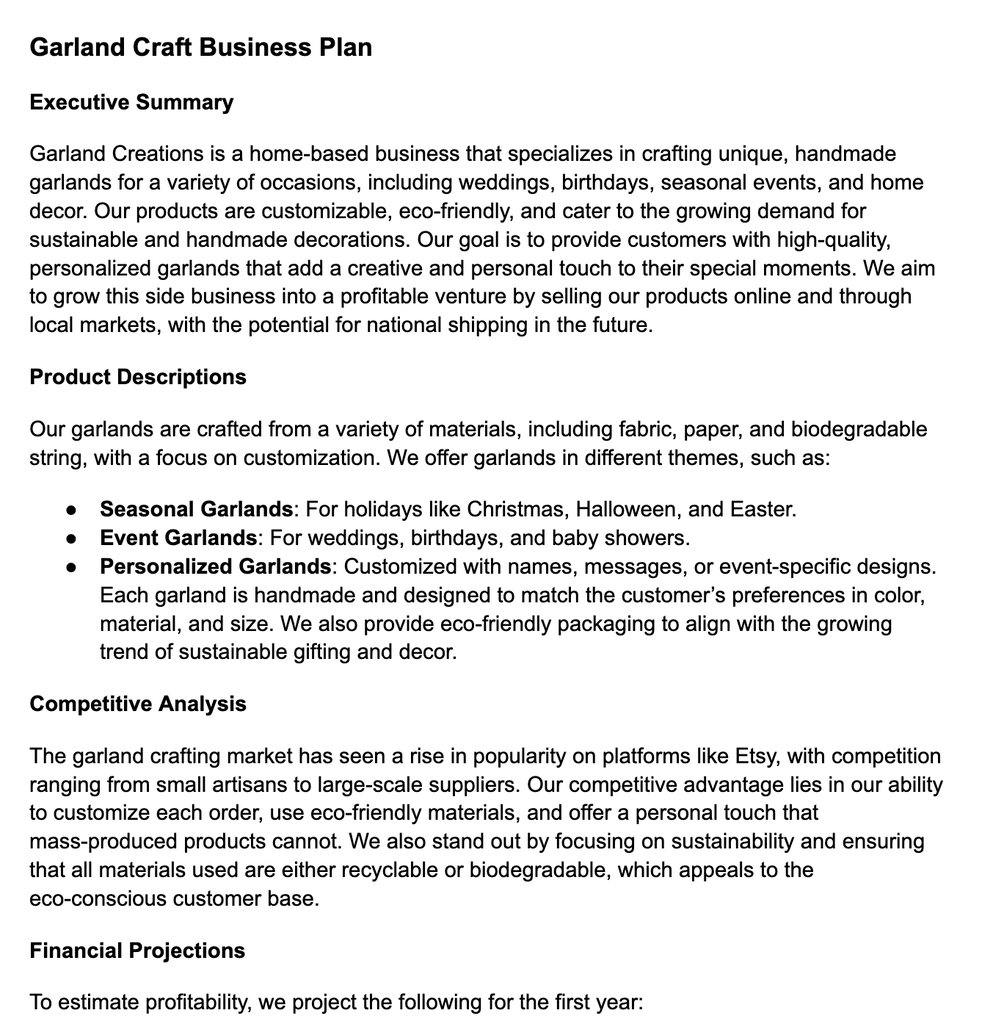
Key sections to include
A craft business plan typically includes four essential components:
- Executive summary. Briefly explain your craft business idea, target customers, and what makes your products unique. For example, you might sell hand-embroidered cushion covers, handmade jewelry, or eco-friendly jute bags targeted at home decor buyers.
- Product description. Describe the items you plan to sell, including materials, design style, and customization options. For example, if you sell terracotta pottery, mention whether your products include planters, decorative items, or festival décor.
- Competitive analysis. Analyze other sellers offering similar products on platforms like Amazon Karigar, Etsy, Craftsvilla, or Instagram. Identify how your products differ in design, pricing, packaging, or storytelling.
- Financial projections. Estimate how much you expect to spend and earn during the first 6–12 months. Include startup costs, expected product pricing, and monthly sales targets.
Even for a small home-based craft business, writing these details helps you stay organized and make better financial decisions as your business grows.
Plan your financials
Understanding your costs ensures your craft business remains profitable. Many first-time craft entrepreneurs underestimate expenses such as packaging, marketplace fees, and shipping.
Track startup costs and profit margins. Start by listing all the initial costs required to produce your products.
Typical startup expenses for a craft business include:
- Raw materials (fabric, clay, beads, wood, paint)
- Tools and equipment
- Packaging materials
- Branding materials (labels, tags, stickers)
- Marketplace or platform fees
- Marketing and advertising
For example, if you produce handmade jute bags:
| Expense | Example cost |
|---|---|
| Raw materials | ₹150 |
| Labor | ₹200 |
| Packaging | ₹50 |
| Total production cost | ₹400 |
To maintain healthy margins, many craft sellers follow a simple pricing formula:
Cost of supplies × 2 = Wholesale price
Wholesale price × 2 = Retail price
In this example:
- Production cost: ₹400
- Wholesale price: ₹800
- Retail price: ₹1,200
You can adjust prices depending on demand, craftsmanship, and marketplace commissions.
This ensures you cover your expenses while making a profit. You can adjust these numbers based on your specific situation, but the goal is to price your products to generate profit while remaining competitive. Learn more in our detailed guide on how to price a product.
Funding options
Most craft businesses in India start with personal savings or small investments. However, several government programs support small entrepreneurs and artisans.
Common funding options include:
- Mudra loans (PMMY) for micro and small businesses
- MSME schemes for artisan businesses
- Self-Help Groups (SHGs) that support small-scale craft production
- Small business loans from banks or NBFCs
Many artisans also adopt a low-budget approach, investing ₹5,000–₹50,000 to produce small batches of products and test demand before scaling production.
Understand legal requirements
Registering your craft business properly helps you access government benefits and build customer trust.
Common registrations for small craft businesses in India include:
- Udyam (MSME) registration.This registration officially recognizes your business as a micro, small, or medium enterprise and allows access to government schemes, subsidies, and easier loan approvals.
- GST registration. If your annual turnover exceeds the government threshold (currently ₹20 lakh in most states), you must register for GST to sell products online.
- Trade license. Some cities require a municipal trade license for operating a business from a commercial location.
Additional regulations may apply depending on the products you sell. For example, cosmetics or food-based crafts may require specific certifications.
Pro tip
Not sure if you need a business license? Our guide on do I need a business license to sell online breaks down what’s required, depending on your location and products.
Choose a business name and business structure
Your business name becomes the identity of your craft brand. Choose a name that reflects your products, is easy to remember, and works well for online stores and social media pages.
Examples of craft business name styles in India include:
- MittiCraft
- IndieThreads
- RangSutra
- DesiDecor
Before finalizing a name, check whether:
- The name does not conflict with existing trademarks
- The domain name is available for your website
- The Instagram handle is available for branding
Domain Name Checker
Instantly check domain name availability.
Most small craft businesses start as a sole proprietorship, because it is the easiest structure to set up and requires minimal paperwork.
As the business grows, you may later consider registering as a private limited company or partnership, depending on your scale and expansion plans.
3. Design and develop your products
Once your market research and business plan are ready, the next step is to design and craft products that match customer demand while reflecting your creative style. Successful craft businesses focus on creating items that are visually appealing, practical, and consistent in quality.
This stage involves planning your product range, sourcing materials, and ensuring your crafts meet the expectations of your target customers.
Craft your product line
A well-defined product line helps your craft business launch with a clear focus and manageable production. Instead of offering many products at once, start with a small collection that highlights your craftsmanship and brand identity.
Use the insights from your market research to guide product development. Look at the styles, materials, and price ranges that customers prefer on marketplaces such as Amazon Karigar, Etsy, or Instagram Shops.
Start by creating a core product line of 5–10 items. For example:
- A handmade jewelry business might launch with necklaces, earrings, and bracelets.
- A home décor craft brand might begin with wall hangings, terracotta planters, and decorative trays.
- A textile craft business might focus on block-printed scarves, cushion covers, or tote bags.
Launching a smaller collection allows you to maintain consistent quality while testing which products generate the most demand.
Source materials and supplies
Reliable sourcing ensures consistent product quality and stable production costs. Many craft entrepreneurs source materials from local markets or artisan hubs known for specific crafts.
Common sourcing locations in India include:
- Jaipur – gemstones, jewelry supplies, block-printed fabrics
- Moradabad – brass and metal décor items
- Saharanpur – wooden handicrafts and carved furniture
- Kutch (Gujarat) – embroidery textiles and traditional fabrics
- Varanasi – silk fabrics and handwoven textiles
Local wholesale markets also provide affordable supplies for beginners. Cities such as Delhi, Mumbai, and Bengaluru have large craft material markets where you can purchase beads, fabrics, paints, and packaging materials in bulk.
Sourcing materials locally often reduces costs and helps maintain authenticity in handmade products.
Focus on quality and craftsmanship
High-quality finishing builds trust and encourages repeat purchases. Handmade products compete primarily on craftsmanship and uniqueness, so consistency is essential.
Focus on the following quality factors:
- Clean finishing and durable materials
- Consistent sizing and design across products
- Secure packaging to prevent damage during shipping
- Clear product descriptions and care instructions
Customers buying handmade products often value attention to detail and storytelling, so highlight the craftsmanship and inspiration behind your designs.
Follow product regulations
Some craft products require compliance with safety or labeling standards. Understanding these requirements early prevents legal issues and protects customers.
Examples include:
- Cosmetics or skincare crafts must follow labeling and safety guidelines.
- Food-based products require food safety approvals.
- Children’s toys or products may require safety certifications.
Even when formal certification is not mandatory, clearly labeling materials, ingredients, or usage instructions improves customer trust and product transparency.
By starting with a focused product line, sourcing reliable materials, and maintaining strong craftsmanship standards, you create a foundation for a sustainable craft business that can grow as demand increases.
4. Build your brand
Building a strong brand helps you stand out and connect with your customers on a deeper level. A well-crafted brand identity is key to attracting the right audience and making a lasting impression.
To build your brand, start by defining its visual and emotional elements. These are the aspects that will shape how customers perceive your business. Here’s what to focus on:
- Logo. Your logo is often the first thing people see, so it should represent your style and the essence of your products. If design isn’t your strength, don’t worry – tools like Hostinger’s AI Logo Maker can help you create a professional logo without the need for a graphic designer.
- Color scheme. Choose a color palette that aligns with your brand’s personality. For example, earthy tones work well for natural, eco-friendly products, while vibrant colors might suit bold, modern designs. Stick to a few core colors to keep your brand consistent across all platforms.
- Brand voice. Your tone of communication should match your audience. Many craft brands use a friendly, personal tone to highlight the handmade quality, craftsmanship, and the story behind each product.
A consistent brand identity makes your business recognizable and helps customers remember your products, whether they discover them on Instagram, marketplaces, or your website.
5. Set up your online craft store
Choosing the right platform to sell your products is crucial for building a successful craft business.
While platforms like Etsy and Amazon Handmade are popular options, creating your own online store gives you complete control over the main elements of your store:
- Pricing. Most online marketplaces take a percentage of every sale and charge listing fees.
- Brand. It is very difficult to stand out in marketplaces, as your customers will be able to see your competitors very easily – most likely, even on the same screen.
- Customer experience. With your own website, you will have full control over your store’s interface and design.
That’s why Hostinger Website Builder stands out as a more profitable solution for side hustlers looking for a quick, simple, affordable way to launch an online store.
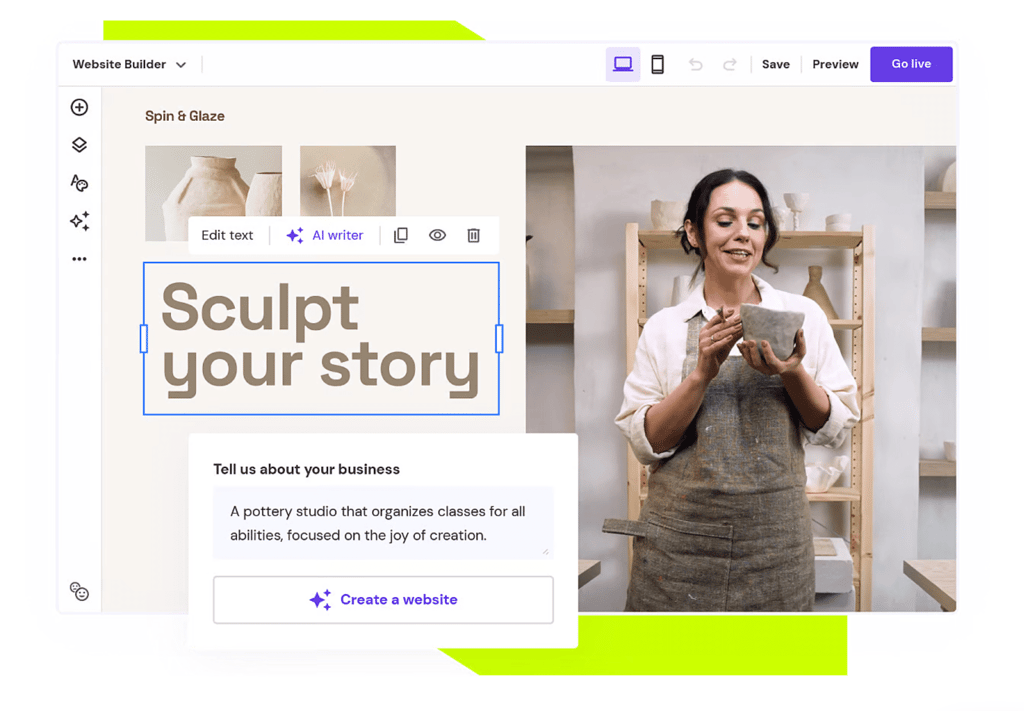
With Hostinger Website Builder, you can get your craft store up and running in one afternoon, even if you have no technical experience.
The platform is user-friendly, offering templates specifically tailored for small businesses and eCommerce, so you don’t have to worry about coding or complex setups. Plus, you’ll have access to AI-powered tools that make managing your store even easier.
Get started like this:
- Sign up for Hostinger Website Builder. Choose the Business plan to get eCommerce features and AI tools.
- Use AI to create a layout. Describe your store in a few words and answer a few questions, and the AI builder will create a site layout complete with placeholder content.
- Add your products. Add your items, upload images, set prices, and organize them into categories.
- Set up payment and shipping. Connect your chosen payment gateway, and configure shipping methods to fit your needs.
- Publish your store. Once everything looks good, click Publish, then follow the on-screen instructions to connect your domain name to your site.
Once your store is live, it’s important to showcase your products in the best light. With the builder’s built-in AI tools, you can quickly create professional product listings that stand out. Here’s how:
- AI Writer for product descriptions. Craft engaging and keyword-rich descriptions in seconds, taking the guesswork out of copywriting.
- AI Image Generator. Create unique images from text prompts directly in the editor.
- AI SEO Assistant. Optimize your store for search engines to make it easier for customers to find you online.

6. Market your craft business
Marketing connects your craft products with buyers and helps your brand gain visibility. Consistent promotion across social media, marketplaces, and your website helps attract new customers and build long-term demand.
Create a marketing plan
A simple marketing plan identifies where your customers spend time online and how you will reach them. For most craft businesses in India, social platforms and visual content drive the majority of sales.
Focus on these channels:
- Social media marketing. Instagram is one of the most effective platforms for craft businesses. Post product photos, short videos, and behind-the-scenes content showing how your items are made. Instagram Reels often attract new followers and increase product visibility.
- WhatsApp marketing. Many small craft brands use WhatsApp Business to share product catalogs, updates, and promotional offers directly with customers. This channel works especially well for repeat buyers.
- Email marketing. Encourage customers to subscribe to your website for updates about new product launches, seasonal collections, and discounts.
- Paid ads. Small-budget ads on platforms like Google or Instagram help reach new audiences quickly. Even a monthly budget of ₹1,000–₹5,000 can generate targeted traffic for niche craft products.
- Content marketing. Start a blog focused on crafting to attract organic traffic and boost your SEO. Share tips, how-to guides, and product ideas to engage your audience and drive more visitors to your site.
Consistency is key to any marketing strategy. Set aside a little time each week to work on your social media posts or email campaigns so your business stays top of mind for customers.
Engage your customers
Strong customer engagement builds trust and encourages repeat purchases. Instead of focusing only on selling products, interact with your audience and involve them in your brand story.
Ways to engage customers include:
- Sharing your creative process or workshop setup
- Posting customer photos or testimonials
- Running polls or Q&A sessions on Instagram Stories
- Asking followers to vote on new designs or color options
Craft buyers often support brands that feel authentic and personal. Building a community around your products increases loyalty and drives word-of-mouth recommendations, helping your business grow.
7. Scale your business
Scaling a craft business means increasing production and reaching more customers without sacrificing product quality. As demand grows, you may need to streamline production, collaborate with artisans, and expand your sales channels.
Outsource manufacturing
Outsourcing helps you meet increasing demand while focusing on design and marketing. Instead of producing every item yourself, partner with skilled artisans or small workshops that can maintain the same quality standards.
Common ways craft businesses scale production include:
- Collaborating with artisan clusters in cities such as Jaipur, Moradabad, or Saharanpur
- Working with local handicraft cooperatives or NGOs that support artisan communities
- Hiring part-time assistants for packaging, finishing, or quality control
Start by outsourcing small tasks, such as packaging or simple assembly, before expanding into larger production partnerships.
Expand product lines
Introducing new products helps attract new customers and increase repeat purchases. Once your core products perform well, expand gradually in line with customer demand and market trends.
You can grow your product line by:
- Adding new colors, materials, or design variations
- Launching limited-edition collections for festivals such as Diwali, Raksha Bandhan, or wedding seasons
- Creating complementary products that match your existing items
For example, a handmade jewelry brand may expand into matching bracelets or rings, while a home décor brand might introduce wall art, table décor, or gift sets.
Pro tip
Planning to expand your product line? You can also explore how others have scaled successfully by checking out our guides on how to start a candle business and how to sell jewelry online.
How to grow your craft business
Launching a craft business becomes easier when you follow a clear sequence of steps. First, research your market to confirm demand for your handmade products. Then create a simple business plan to define your pricing, costs, and sales goals. After that, design high-quality craft items that match your niche and build a recognizable brand identity that customers remember.
Once your products and brand are ready, the next step is selling online. Creating your own website helps you present your full catalog, control your branding, and accept orders directly from customers instead of relying only on marketplaces.
You can launch your craft store quickly with Hostinger Website Builder, which includes ready-made templates, eCommerce features, and built-in tools for managing products, payments, and shipping.
After your store is live, focus on promoting your brand through social media, content marketing, and customer engagement. As your sales increase, improving operations, marketing campaigns, and fulfillment processes becomes essential to handle larger order volumes and expand your reach. Many craft entrepreneurs strengthen these processes when they start scaling their online store, especially as demand grows across multiple sales channels.
Starting small, testing your products, and improving your strategy over time helps turn a creative hobby into a sustainable craft business.
All of the tutorial content on this website is subject to Hostinger's rigorous editorial standards and values.

Matleena is a seasoned Content Writer with 5 years of content marketing experience. She has a particular interest in emerging digital marketing trends, website building, and AI. In her free time, Matleena enjoys cups of good coffee, tends to her balcony garden, and studies Japanese. Follow her on LinkedIn


Comments
0 responses