
How to schedule posts in WordPress
The WordPress schedule posts tool helps to regulate content output. Instead of having articles go live right away, schedule them ...
WordPress Media Library: A complete guide to managing your site’s media
The WordPress Media Library is the built-in system for storing and managing images, videos, audio files, and documents on your ...
How to edit categories in WordPress: everything you need to know about adding and deleting categories
When publishing a WordPress post, one aspect that shouldn’t be forgotten is its category. That’s because overlooking this component may ...

WordPress blocks: what are they and how to customize your site using them
WordPress blocks provide a new way of customizing the website’s content and appearance. These blocks allow WordPress users to add ...

How to create a post in WordPress
Creating a post in WordPress is the primary way you add and manage content on the platform. Every article, announcement, ...
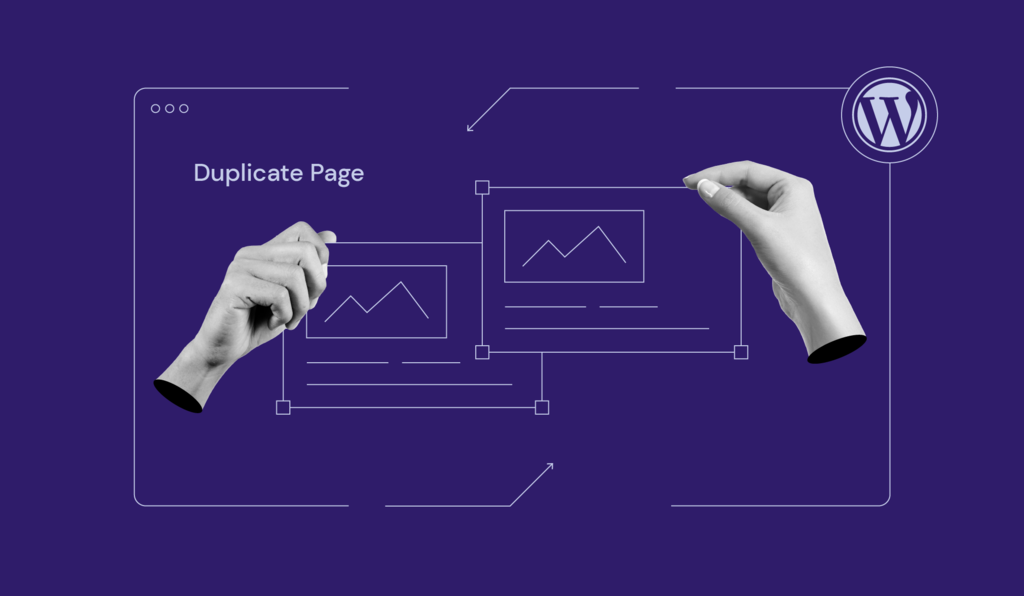
How to duplicate pages in WordPress using a plugin and manually
When using WordPress, you may need to duplicate a post or page for various reasons. Whether for quick content updates ...

How to hide page title in WordPress -manually and using a plugin
As a WordPress website owner, you might have experienced the following situation – you’re ready to publish a page or ...
WordPress excerpt length: what it is, how to change it + plugin recommendations
If you’re a WordPress user, you already know that the theme and WordPress core automates a lot of the features ...
A beginner’s guide to WordPress text editor
If you’re new to WordPress, you might be wondering what the WordPress text editor is for and how it’s different ...