How to make money with AI: 17 practical ways
Sep 18, 2026
/
By Nurul S. & Simon L.
/
10 min Read
AI helps you make money by speeding up tasks like research, writing, design, coding, marketing, customer support, and data analysis. It lowers the time, cost, and technical barriers to starting online services, creating digital products, or improving existing business workflows.
However, AI tools itself isn’t the income source – the value comes from how you apply it. The best opportunities combine AI with a clear skill, niche, or business need. For example, writers offer faster content services, marketers can automate campaign work, developers can build AI-powered products, and entrepreneurs can create websites, templates, courses, or client solutions more efficiently.
Most AI income ideas fall into five categories: content creation and monetization, digital marketing services, AI product development, specialized AI services, and data and business automation. Use the table below to compare each method by niche, effort, and monetization model.
| Method | Best for | Time to first income | Main monetization model |
|---|---|---|---|
| AI writing services | Writers and marketers | Fast | Client services |
| AI SEO services | SEO specialists | Medium | Retainers/projects |
| Custom GPTs | AI builders and consultants | Medium | Setup services/lead generation |
| AI apps | Developers | Slow | Paid app/subscription |
| AI courses | Educators | Slow-medium | Course sales |
1. Offer writing services with AI content tools
Best for: writers, marketers, and content creators.
Effort level: low. Requires a basic understanding of AI writing tools.
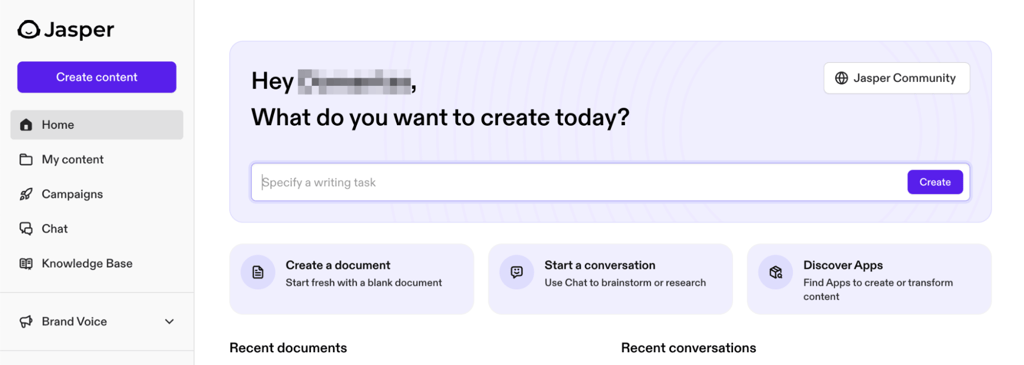
Offer writing services by providing different types of content like blog posts, social media content, and website copy. Generative AI tools are the most popular, as they’re widely used to help with tasks like researching, outlining, and making first drafts.
Use AI to speed up your content production process, then add your expertise and perspective to differentiate your work from competitors. Your unique insights, industry knowledge, and personal style transform generic AI output into premium client deliverables.
How to start:
- Choose popular AI writing tools like Jasper or Writesonic.
- Build an online portfolio showcasing your AI-assisted writing.
- Find clients via freelancing sites like Upwork or social media.
2. Manage social media brands and accounts with AI
Best for: social media managers.
Effort level: low to moderate. Requires knowledge of AI-powered social media tools.
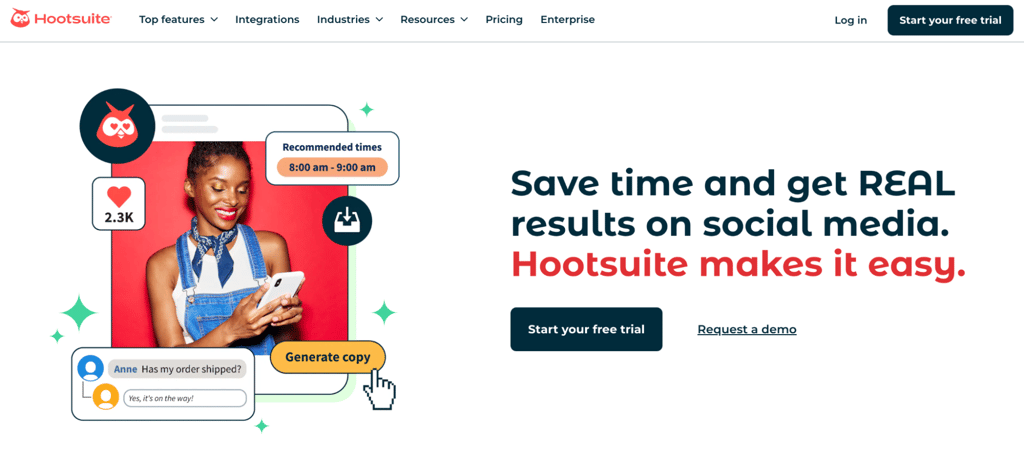
AI-powered tools like Buffer or Hootsuite streamline social media management by automating scheduling, content generation, and audience analysis.
By offering this service, you can help businesses save time and effort while improving their social media presence. AI allows you to focus on creating more meaningful connections and more engaging content rather than getting caught up in routine tasks.
How to start:
- Choose AI tools for automated scheduling, analysis, and content suggestions.
- Offer AI-enhanced social media management services, emphasizing efficiency and data-driven strategies.
- Build a client base by showcasing metrics like increased engagement, follower growth, and performance improvements.
3. Provide AI-powered SEO services
Best for: SEO specialists looking to improve business through automation.
Effort level: moderate. Requires SEO knowledge and familiarity with AI tools.
AI tools help accelerate keyword research, content optimization, and technical audits that traditionally required hours of manual analysis.
For instance, you can connect Google Search Console data to ChatGPT to analyze underperforming pages and send them to your team communication tool. This workflow is achievable using AI automation tools like n8n or Zapier.
Additionally, many leading SEO tools, like Semrush, Ahrefs, or Surfer SEO, also integrate multiple AI features. Learning how to use these AI-powered features streamlines your workflow and improves efficiency.
How to start:
- Identify and test where you can use AI to make SEO workflows more efficient.
- Offer optimization services for businesses aiming to improve rankings.
- Build case studies showcasing AI-enhanced results for social proof.
4. Create and sell GPTs
Best for: AI enthusiasts with creativity and technical skills.
Effort level: moderate. Requires strong prompting, workflow design, testing, and basic knowledge of AI tools. Coding is optional, but useful for advanced integrations.
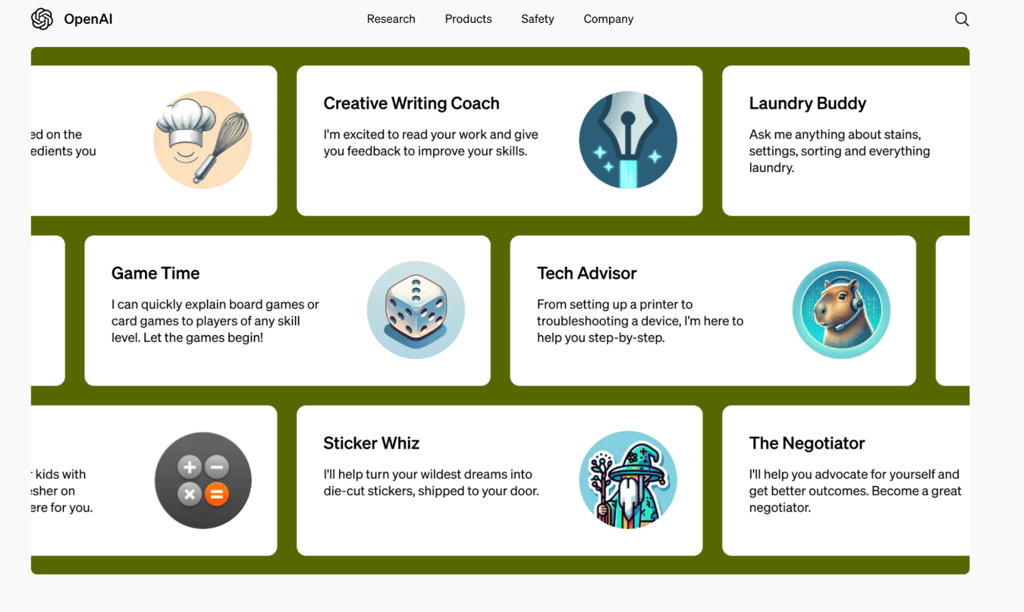
If you have a knack for AI and coding, creating and selling GPT models can be a profitable venture. By developing customized versions of ChatGPT, you can solve niche-related problems that businesses and people face.
For example, imagine creating a GPT model for online clothing stores to write detailed product descriptions for hundreds of unique items or making a GPT model that helps students practice a new language by generating personalized practice conversations.
How to start:
- Pick one clear use case, like product descriptions, customer support, SEO briefs, or employee onboarding.
- Build a custom GPT or AI assistant with clear instructions and relevant knowledge files.
- Test it with real examples to check accuracy, tone, and usefulness.
- Create a simple demo that shows the problem it solves.
- Offer it as a paid setup, training, or monthly optimization service.
5. Sell AI-assisted stock images
Best for: creatives looking to merge technology with artistic endeavors.
Effort level: moderate. Requires a blend of artistic skills and knowledge of AI art tools.
AI tools like DALL-E and Midjourney can help you generate concepts, explore visual variations, or speed up repetitive tasks. These tools act as a creative aid that helps you focus more on refinement, storytelling, and artistic intent.
You can use AI-assisted workflows to develop original stock images, illustrations, or design assets, then apply your own edits and creative judgment before selling them online. This approach is especially useful for digital artists and designers who want to expand their portfolios, experiment with new styles, and reach a wider audience.
How to start:
- Use AI art generators like DALL-E or MidJourney.
- Refine the output or create your own inspired art version.
- Sell your digital art on your website or online marketplaces.
- Use social media for promotion and audience building.
6. Become an AI-powered affiliate marketer
Best for: content creators, bloggers, and influencers with an established online presence.
Effort level: low. Requires basic marketing skills and affiliate knowledge.
One of the most effective ways to earn money online is through affiliate marketing, and with AI, you can further optimize your efforts.
AI tools can help you analyze data, streamline content creation, and target the right audience. This makes your affiliate campaigns more efficient, empowering you to generate passive income by promoting products and services more effectively.
How to start:
- Find affiliate programs relevant to your niche or audience.
- Use the right AI tools to help you create engaging content, implement SEO best practices, or optimize your affiliate marketing workflow.
- Promote affiliate products through writing blog posts, YouTube videos, or social media, integrating AI to enhance your campaigns.
7. Manage and optimize paid advertising with AI
Best for: digital marketers working with paid ads.
Effort level: moderate. Requires experience in advertising and AI tools.
AI tools can take the guesswork out of managing paid ads. With AI-powered platforms, you can automate campaign management, analyze performance, and optimize ad targeting in real time.
This helps improve your ad results while reducing your time managing campaigns, making it an ideal service for businesses looking to scale.
How to start:
- Utilize AI ad management platforms like Albert or Acquisio.
- Offer AI-optimized ad management to businesses.
- Build a portfolio of successful ad campaigns to showcase results.
8. Offer AI translation and localization services
Best for: multilingual individuals skilled in translation and AI tools.
Effort level: moderate. Requires language expertise and knowledge of AI-powered translation tools.
As the global ecommerce industry grows, businesses need fast, accurate translations to connect with international markets. By combining AI with your language skills, you can help companies localize content for websites, marketing materials, and customer service.
How to start:
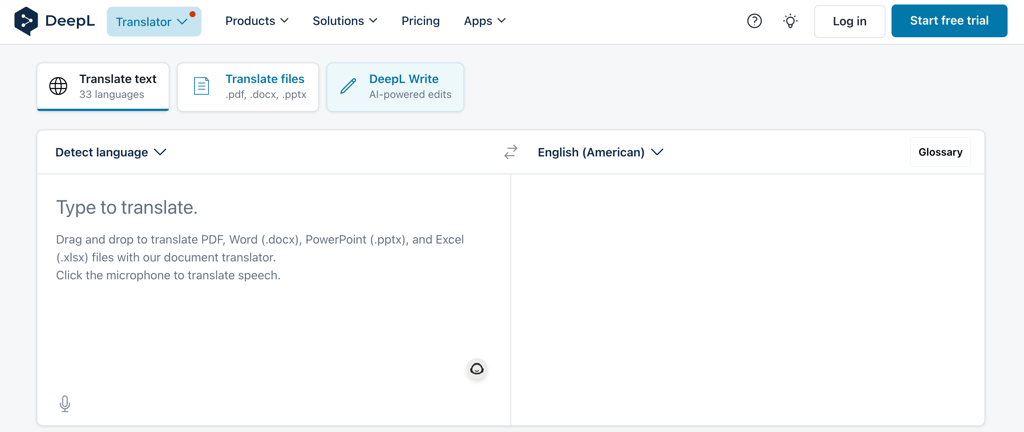
- Use AI translation tools like DeepL for quick and accurate results.
- Build a portfolio showcasing translation and localization projects.
- Promote your services on freelancing platforms or to global businesses.
9. Create and sell AI-powered digital products
Best for: entrepreneurs, educators, and creators looking to leverage AI for digital products.
Effort level: high. Requires knowledge of AI tools and content creation.
AI helps streamline the creation of digital products like templates or ebooks. Whether you’re an educator or entrepreneur, AI tools can help generate scripts, graphics, or even full courses.
You’ll need a solid understanding of AI tools like ChatGPT or Canva’s AI features to create and sell AI-powered digital products. Basic marketing skills are also essential to promote your products effectively.
How to start:
- Pick your digital products and experiment with different formats to fit your audience better.
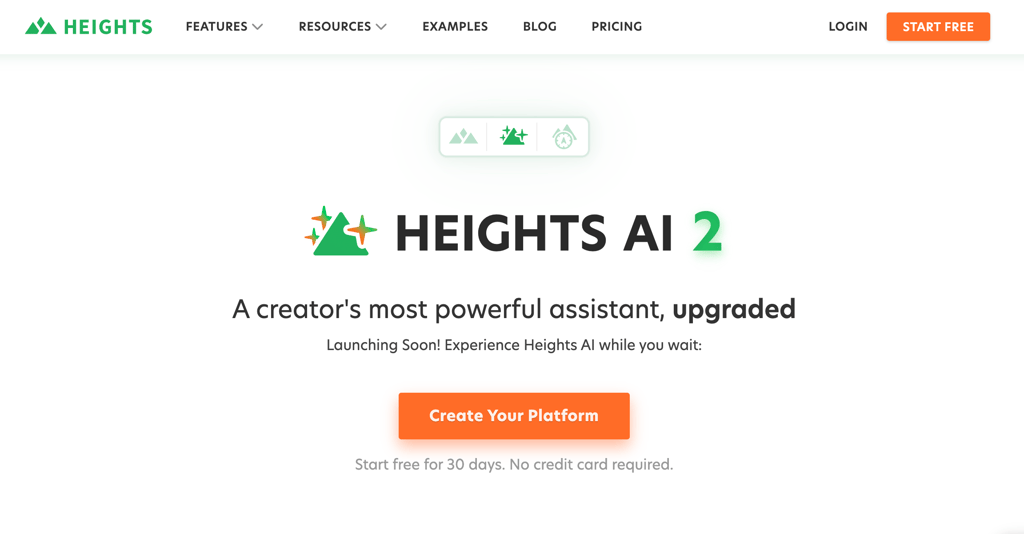
- Use AI to help create your digital products. This includes GPT-4, Canva, or Heights AI.
- Sell your digital products on platforms like Gumroad or Sellfy.
- Market through content marketing, social media, and paid advertising.
10. Teach AI skills and earn through online courses
Best for: AI experts or educators passionate about sharing knowledge and best practices.
Effort level: high. Requires advanced knowledge of AI models and teaching skills.
If you love learning about AI and enjoy keeping up with what’s new, you could turn this interest into a career as an AI trainer, helping others understand and use AI. Sharing your knowledge through tutoring or online courses is a great way to help others while making money.
Whether it’s teaching beginners about AI basics or guiding professionals on advanced AI tools, there’s a growing demand for quality AI education.
How to start:
- Create course content on platforms like Udemy or Teachable.
- Offer tutoring services on popular AI tools or applications.
- Build an audience through social media or your website.
11. Build AI-powered websites
Best for: web designers, freelancers, and creatives who want to build websites
Effort level: moderate. Requires knowledge of AI-powered website builders and customization.
AI streamlines website creation by handling time-consuming tasks like layout generation, copy drafting, and basic optimization.
Tools like Hostinger’s AI Website Builder make it easy to create and publish professional websites using drag-and-drop editing and built-in AI features, with no coding required. For more advanced or custom projects, Hostinger AI Builder lets you generate websites or web apps from natural language prompts, then refine and launch them quickly.
Used this way, AI becomes a productivity tool to build, scale, and monetize websites as a repeatable venture.
How to start:
- Earn money by offering website-building services to businesses or individuals. Alternatively, opt for other ways to monetize your website and start earning.
- Learn how to design websites with AI using tools like Hostinger Website Builder or Hostinger AI Builder.
- Promote your services via your website, social media, or online portfolios.
12. Offer AI-powered email marketing services
Best for: email marketers looking to boost campaign performance.
Effort level: low to moderate. Requires basic email marketing knowledge and AI tools.
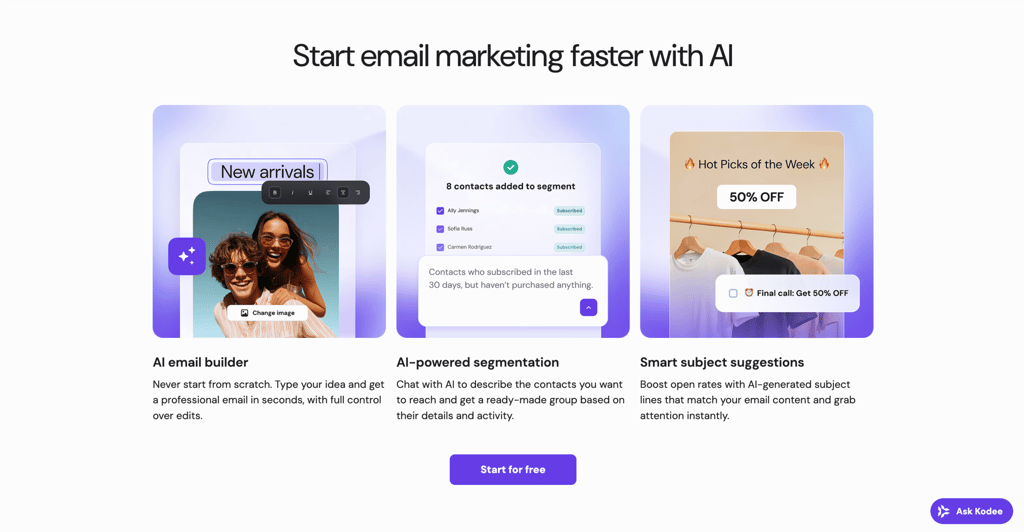
Email marketing is crucial for businesses, and AI tools can help by creating, targeting, and personalizing content. This makes it easier to send engaging emails, helping companies boost conversions with less manual effort.
To offer AI-powered email marketing services, you need a basic understanding of email marketing best practices and how to use AI tools to automate tasks like audience segmentation, personalized content, and performance tracking.
How to start:
- Choose an AI-driven email marketing platform like Hostinger Reach to organize leads and campaigns.
- Offer services to businesses looking to enhance their email marketing.
- Showcase successful email campaigns to attract clients.
13. Provide AI chatbots for businesses
Best for: developers who know how to create chatbots.
Effort level: moderate. Requires chatbot development experience.
AI chatbots like those from Intercom help businesses automate customer support and sales inquiries. They save time and resources, reducing manual work.
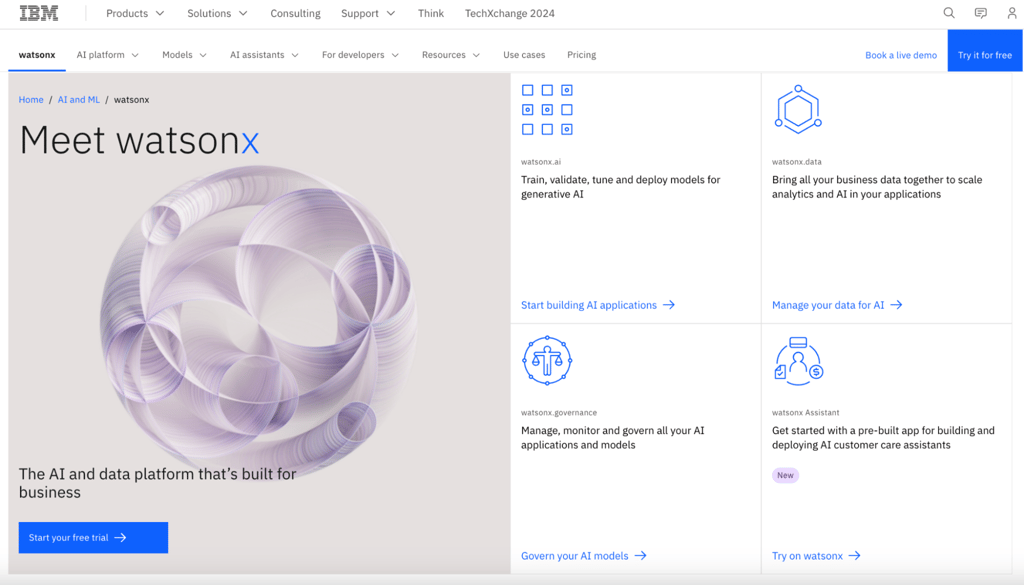
Setting up AI chatbots requires key technical skills. Start by learning how to use platforms like Dialogflow CX or IBM’s watsonx to design conversation flows. Understanding NLP is crucial for teaching the bot to respond accurately.
You’ll also need to know how to integrate chatbots with business systems like CRMs. This helps with automated lead tracking. Adding multilingual support and personalized recommendations will further enhance the chatbot’s functionality.
How to start:
- Learn vital technical skills, including NLP, chatbot flow design, and CRM integration.
- Use platforms like Dialogflow CX or IBM’s watsonx to create AI chatbots.
- Offer chatbot solutions for customer service, sales, or lead generation.
- Build a portfolio showcasing successful chatbot implementations.
- Provide ongoing services like chatbot maintenance and optimization.
14. Build and monetize mobile apps using AI tools
Best for: developers or entrepreneurs familiar with coding.
Effort level: moderate. Requires coding skills and experience with AI tools.
AI-powered phone apps can help solve business problems by automating time-consuming tasks such as predicting inventory levels, tracking sales, and analyzing market trends.
By creating and selling AI-powered apps, you can help businesses work faster, reduce mistakes, and offer more personalized experiences to their customers.
How to start:
- Learn how to use AI coding tools like OpenAI Codex or TensorFlow.
- Develop AI-driven applications and monetize via app stores.
- Market through GitHub or relevant tech communities.
15. Use AI to automate lead generation
Best for: marketers and business owners aiming to improve lead generation.
Effort level: moderate. Requires basic knowledge of AI lead generation tools.
AI tools make it easier for businesses to find and manage leads. The global lead generation market is expected to grow from $4.27 billion in 2023 to $18.27 billion by 2032. This rise indicates a strong demand for AI-driven lead generation, creating profitable business opportunities.
To succeed with AI-driven lead generation, you’ll need to understand how to score leads, automate outreach, and integrate AI tools with CRM systems. These skills help you offer more effective lead management services to clients.
How to start:
- Use AI platforms like Pipedrive to automate clients’ lead generation and sales management.
- Tools like ZoomInfo or HubSpot’s Breeze are great options if you want to focus on lead data enrichment.
- Build a portfolio highlighting successful AI-driven lead generation. Add relevant metrics to support your portfolio.
16. Collect, manage, and analyze data with AI
Best for: data scientists and business analysts.
Effort level: high. Requires advanced data management skills and AI tools.
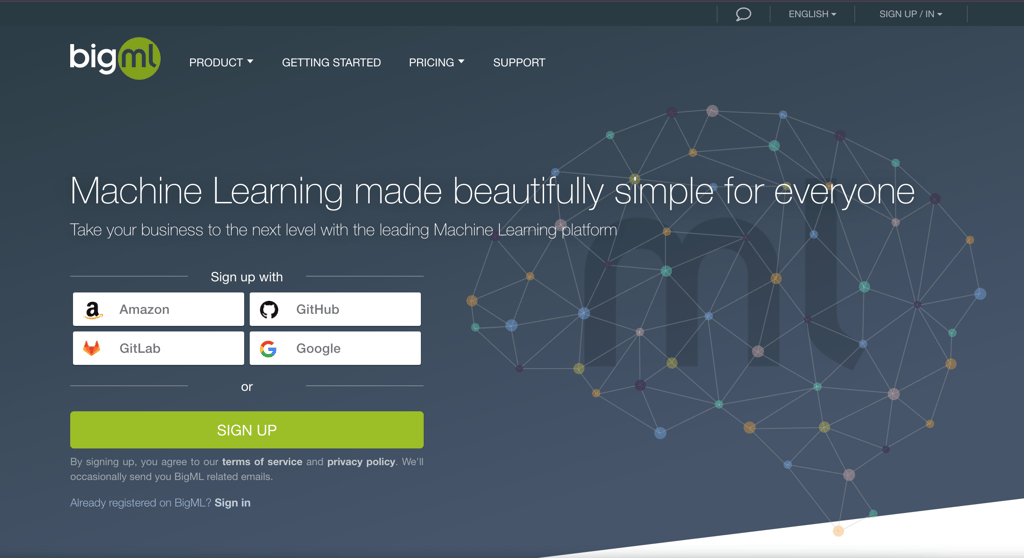
Businesses rely on data to make informed decisions. AI-powered tools like Tableau or BigML make data collection and analysis more manageable.
To offer these services, you need to understand AI insights, predictive modeling, and data visualization. These skills will help you provide more advanced services, such as forecasting trends or automating complex data workflows.
Additionally, explore machine learning and natural language processing (NLP) to improve your services. Keeping up with trends will help you provide advanced insights for clients dealing with complex data.
How to start:
- Master data-related AI tools. There are plenty of free and premium data analysis courses to help you.
- Offer specialized services like predictive analytics and machine learning to businesses seeking deep insights.
- Build a portfolio featuring case studies and real-world applications of AI in data analysis. This helps attract high-level clients in industries like finance, healthcare, or marketing.
17. Create AI-powered YouTube content
Best for: content creators passionate about video production and AI.
Effort level: moderate. Requires knowledge of AI video tools and YouTube monetization strategies.
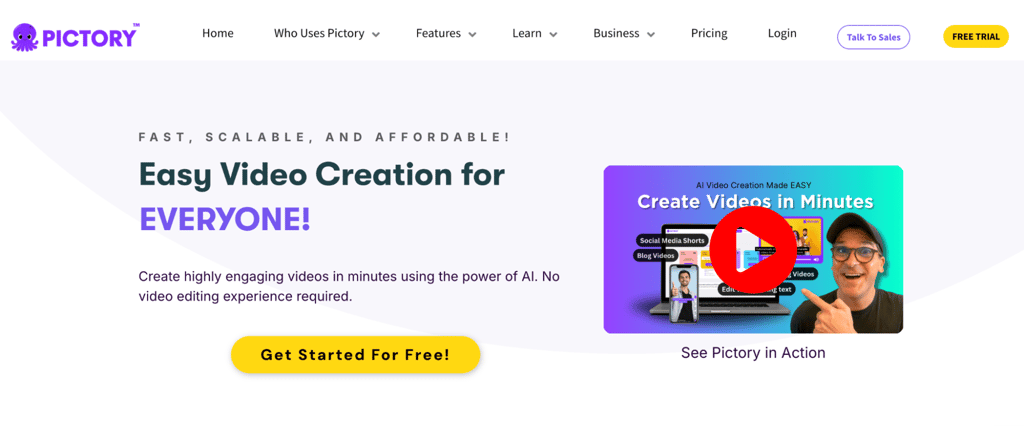
Creating YouTube content with AI involves generating scripts, editing videos, and optimizing content using AI tools like Lumen5 or Pictory AI.
The process requires creativity, video production skills, and advanced knowledge of AI-powered editing tools. A solid understanding of YouTube’s monetization strategies is also essential to turn your content into income.
How to start:
- Use AI tools like Lumen5 or Pictory AI can be used to create and optimize video content.
- Start a YouTube channel focusing on AI-generated or AI-enhanced content.
- Monetize through YouTube ads, sponsorships, and affiliate marketing.
Want these ideas walked through out loud? This video covers seven AI side hustles.
Choose the right AI tools to grow your income
Now that you’ve learned how to make money with AI, you should select tools that match your chosen income strategy and technical skill level. For instance, content creators benefit more from tools like image generators and writing assistants, while developers work with API access and automation frameworks.
Matching the skills you’re good at with the best AI tools enhances earning potential and efficiency.
Start by identifying which AI tools align with your primary income method. The best approach combines multiple platforms rather than relying on a single solution, as each AI tool excels in different capabilities.
For example, ChatGPT is great at complex writing and analysis, while Claude is well-suited for processing large documents in research tasks.
Having a multi-tool strategy enables faster project completion and higher-quality deliverables that meet diverse client needs.
If you want more guided support as you run a service across several of these income ideas, Hostinger Agent gives you a team of seven specialist AI experts rather than one general chatbot.
Each AI expert handles a specific job, covering business planning, content writing, SEO, marketing, customer communication, legal basics, and sales outreach.
The assistants run inside your hosting account, so there are no separate subscriptions to manage as you scale your income streams.
Invest time in testing tools before committing to paid subscriptions. Most platforms offer free tiers – use these to evaluate which outputs meet client quality standards and track your time spent per project to calculate your actual hourly rate.
All of the tutorial content on this website is subject to Hostinger's rigorous editorial standards and values.

Nurul Siregar has over 3+ years of experience in the tech industry with a passion for writing about digital marketing. Nurul enjoys reading fiction novels and making digital illustration in her free time. Follow her on LinkedIn.

Simon is a dynamic Content Writer who loves helping people transform their creative ideas into thriving businesses. With extensive marketing experience, he constantly strives to connect the right message with the right audience. In his spare time, Simon enjoys long runs, nurturing his chilli plants, and hiking through forests. Follow him on LinkedIn.