
What is a website backup and how to do it
Website backups are essential for every website owner. Whether to prevent data breaches, technical issues, or human errors, a dependable backup system...
How to find and create the .htaccess file
The .htaccess file is a hidden server configuration file typically found in your website’s root directory, such as public_html. It’s used...
What is website uptime and how to monitor website availability
Website uptime measures your website’s operational performance. Since it reflects your web accessibility and functionality, website uptime...

What is “specify a vary: accept-encoding header” warning and how to fix it
It’s possible that you will run into the “Specify a Vary: Accept-Encoding header” warning when checking your website performance....
What is CLI?
CLI is a powerful program, but its use CLI hasn’t always been well-received. Beginners are reluctant to use it, thinking that it is only for...
What is WHM? Features, uses, and how to access it
WHM (WebHost Manager) is a server management interface used to create and manage cPanel accounts, allocate hosting resources, and monitor server...

5 most popular web hosting control panels: comparing the features and more
A control panel is a popular tool used to manage your hosting account. You can use it to manage your purchased domain names, install applications,...
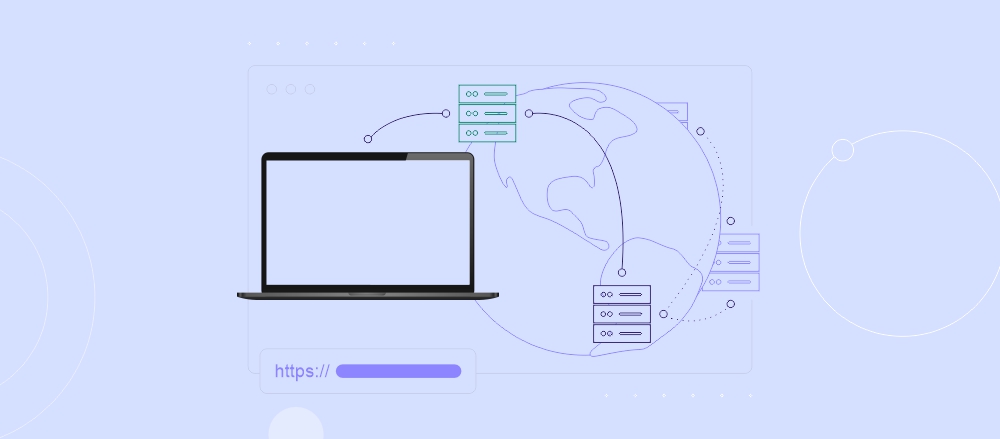
What is a CDN? Content delivery network explained
A content delivery network (CDN) is a system of distributed servers that deliver web content from the users’ closest server...
What is the 413 request entity too large Error, how to fix it and avoid it
The 413 Request Entity Too Large error means the server knows what the client is asking for but refuses to process the request because it’s too...