How to sell books online in 10 simple steps
Feb 05, 2026
/
Simon L.
/
14 min Read
Selling books online in India is one of the lowest-risk ways to start earning online, whether you want to sell old books from home, resell exam preparation material, or build a small online book business. With rising demand for affordable textbooks, competitive exam guides, and niche reads, even first-time sellers can start with minimal investment.
To sell books online successfully, you need to understand what books people buy in India, where they buy them, how much they are willing to pay, and how to deliver them efficiently. This process includes researching demand, choosing the right type of books, sourcing inventory, selecting selling platforms, pricing competitively, and promoting your listings to the right audience.
1. Research the online book market
Researching the online book market helps you understand what types of books sell in India, who buys them, and where demand already exists. This step directly affects your pricing, inventory choices, and selling platform.
In India, book demand is strongly driven by education, exams, regional languages, and price sensitivity, so market research must focus on real buying behavior rather than global bestseller trends.
Research the market
There are a few great ways to identify potential buyers and current trends:
- Check the marketplace bestsellers. Browse the bestsellers and trending sections on Amazon India and Flipkart Books. Pay close attention to categories like exam preparation, self-help, business, fiction in Indian English, and regional-language books. These lists reflect real purchasing data from Indian buyers.
- Analyze search demand. Use Google Trends (India) to compare interest in categories such as “UPSC books,” “NEET preparation books,” “self-help books,” or “Hindi novels.” Filter by region to see state-level demand patterns, which are especially useful for regional-language titles.
- Track social and creator-driven trends. Instagram Reels, YouTube Shorts, and Telegram channels influence book discovery in India more than Western platforms. Many creators recommend exam guides, productivity books, and finance titles, often triggering short-term demand spikes.
- Study pricing on existing listings. Search for the same book across multiple sellers on Amazon India or Flipkart to identify common price ranges. Note how condition, edition, and delivery speed affect pricing, especially for used books.
Identify your target audience
Once you understand what sells, define who your buyers are. In India, book buyers usually fall into clear segments:
- Students and exam aspirants looking for affordable preparation books and previous-year editions
- Working professionals buying self-help, business, and finance books
- Parents purchasing academic or children’s books
- Casual readers interested in fiction, regional literature, or trending authors
You should also identify how your audience prefers to buy:
- Physical books vs ebooks
- Budget range (often ₹200–₹600 for individual books)
- Marketplace trust vs direct website purchases
This information helps you decide what books to sell, how to price them, and whether to rely on marketplaces or build your own online store.
2. Choose the types of books to sell
Choosing the right type of books to sell determines your startup cost, pricing flexibility, and speed to first sale. In India, books linked to education, exams, and practical outcomes consistently outperform purely hobby-driven categories.
You can focus on one category or combine multiple types based on your budget and sourcing access.
Selling new books
Selling new books works best if you have access to wholesale pricing or bulk demand.
In India, new books sell well in categories such as:
- Competitive exam preparation (UPSC, SSC, NEET, JEE, Banking)
- Academic textbooks for schools and colleges
- Popular self-help, business, and finance titles
New books usually require higher upfront investment because publishers and distributors often expect bulk orders. This model suits sellers who plan to work with coaching institutes, schools, libraries, or resellers, or who want to operate at scale from the beginning.
Margins on new books are typically lower, so volume and repeat demand matter more than one-time sales.
Selling used books
Selling used books is the most common and lowest-risk way to start selling books online in India.
High-demand used book categories include:
- Exam preparation books from previous years
- College textbooks
- School reference books
- Popular fiction in good condition
Used books allow flexible pricing and better margins because sourcing costs are low. Many sellers start by selling books they already own, then expand by sourcing from students, local sellers, or bulk resellers.
Indian buyers are highly price-conscious, and many actively search for used books priced between ₹150–₹500, especially for exams and academics.
Selling rare books
Rare books appeal to a smaller but higher-paying audience.
In India, this category includes:
- First editions by well-known Indian authors
- Out-of-print academic or historical books
- Signed copies or limited-print regional literature
This model requires strong product knowledge and patience. Sales volume is lower, but individual books can command premium prices if condition and authenticity are clear.
Rare books work best when sold through specialized marketplaces or a niche online store, rather than mass platforms.
Selling ebooks and self-publishing
If you write your own content, selling ebooks allows you to start with almost zero inventory cost.
In India, ebooks perform well in:
- Exam notes and summaries
- Skill-based guides (freelancing, finance, productivity)
- Short educational or how-to formats
You can self-publish ebooks through platforms like Amazon Kindle Direct Publishing, or sell directly through your own website for higher margins and full control over pricing.
This option is especially suitable for teachers, tutors, coaches, and creators who already have a defined audience.
3. Source your inventory
Sourcing the right inventory determines your profit margins, consistency of supply, and ability to scale. In India, successful book sellers rely on students, institutions, and local networks rather than formal auctions or estate sales.
You can start small and expand gradually by combining multiple sourcing methods.
Personal collection
Selling books you already own is the fastest way to start with zero investment.
This works especially well if you have:
- Old exam preparation books
- College textbooks
- Reference books or popular fiction in good condition
Many first-time sellers in India begin by selling personal books to test demand and pricing before investing further. The limitation is scale, but it’s ideal for validating the market.
Students and exam aspirants
Students are one of the largest and most consistent sources of used books in India.
You can source books from:
- College students after semester exams
- Coaching institute students after entrance exams
- Final-year students clearing old materials
High-demand categories include UPSC, SSC, NEET, JEE, banking, CA, and state-level exams. Books are often sold in bulk at discounted prices, allowing healthy resale margins.
Coaching centers and tuition institutes
Many coaching centers update study material every year and dispose of older editions.
Building relationships with:
- Tuition centers
- Coaching institutes
- Private tutors
can give you access to bulk inventory at predictable intervals. This method works well if you want consistent supply rather than one-off sourcing.
Local resellers and bookshops
Local second-hand bookshops often have inventory that sells slowly offline but performs well online.
You can negotiate:
- Bulk purchase rates
- Commission-based resale arrangements
- Regular restocking deals
This method is useful for sourcing academic and regional-language books that have steady demand.
Online marketplaces and communities
You can also source books from:
- Facebook Marketplace and local Facebook groups
- WhatsApp and Telegram resale groups
- Classified platforms like OLX
These channels are effective for finding undervalued books, especially when sellers want quick sales. Verifying condition before purchase is essential to protect margins.
Wholesalers and distributors
If you plan to sell new books, you’ll need to work with publishers or distributors.
This option suits sellers who:
- Have storage space
- Can invest upfront
- Want to sell at volume
Wholesale sourcing is common for textbooks, academic guides, and popular titles, but margins depend heavily on order size.
Tips for evaluating book condition
Accurate condition assessment protects your reputation and reduces returns.
When sourcing books, check:
- Cover and spine for damage, tears, or water exposure
- Pages for missing sheets, excessive markings, or yellowing
- Binding quality, especially for exam books used heavily
- Edition and print year, which directly affect resale value
Clear condition grading helps buyers trust your listings and supports premium pricing for well-maintained books.
4. Choose the right selling platform
Choosing the right platform determines how fast you make your first sale, how much control you have, and how profitable your book business becomes. In India, most sellers start on marketplaces or social platforms, then move to their own website as demand grows.
The best option depends on whether you want to sell a few books, build side income, or create a long-term business.
Build an online store
A better option if you want to build a book business is to start an online store. With your store, you have complete control over its design and branding, you can tailor the shopping experience, and you can build direct customer relationships.
With your own store, you:
- Control pricing without platform pressure
- Build a recognizable brand
- Collect customer data for repeat sales
- Avoid high marketplace commissions
This approach works well if you plan to sell:
- Exam preparation books
- Educational bundles
- Regional or niche books
- Your own ebooks or notes
With tools like Hostinger’s AI ecommerce website builder, setting up a bookstore does not require technical skills or large investment.
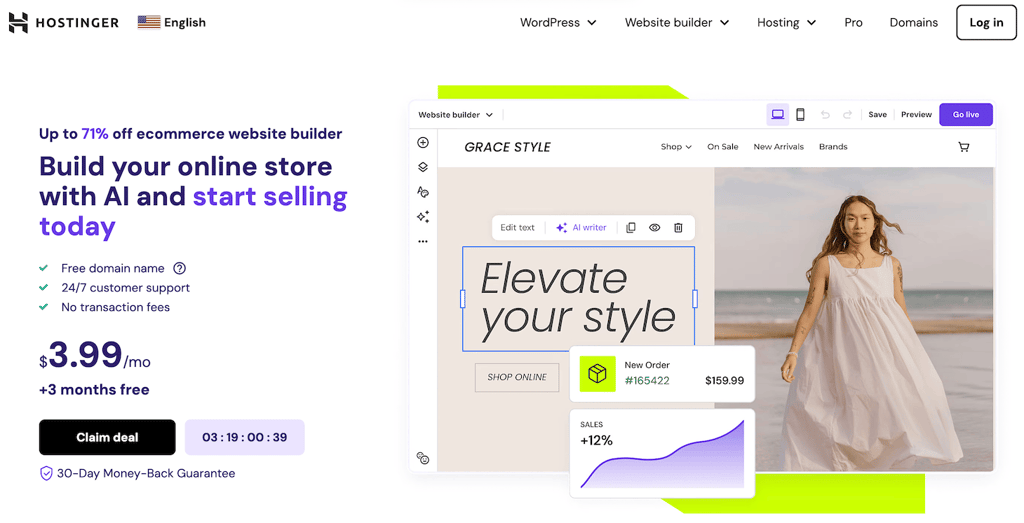
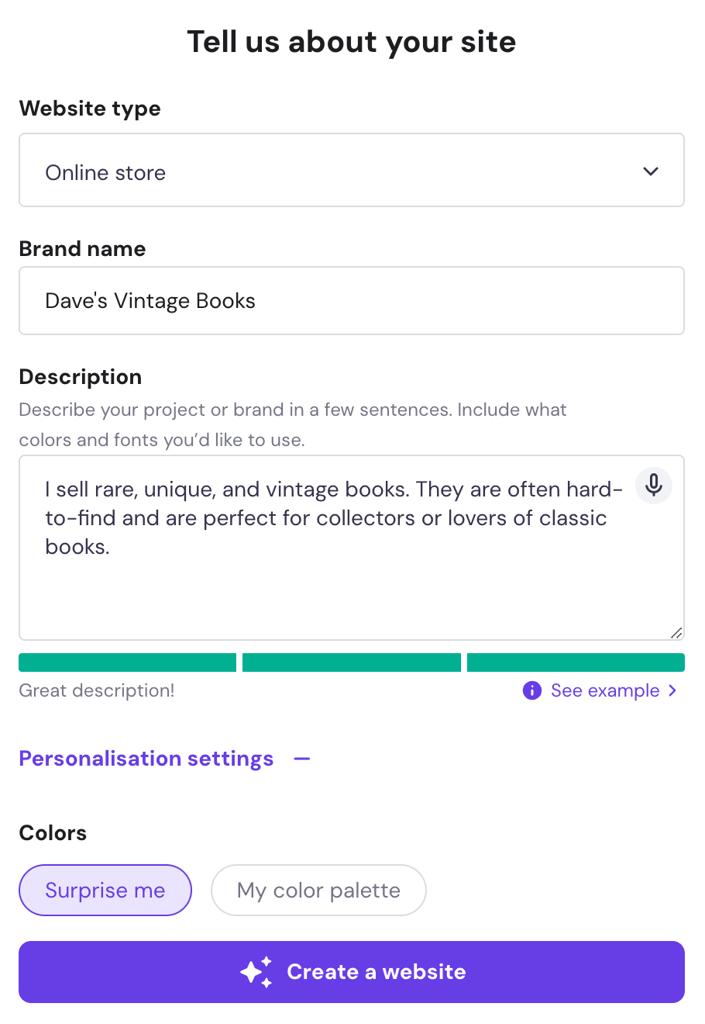
With the help of built-in AI tools, you can create an online store in minutes. Simply describe the types of books you sell and who your target audience is, and AI will create a professional-looking website for you.
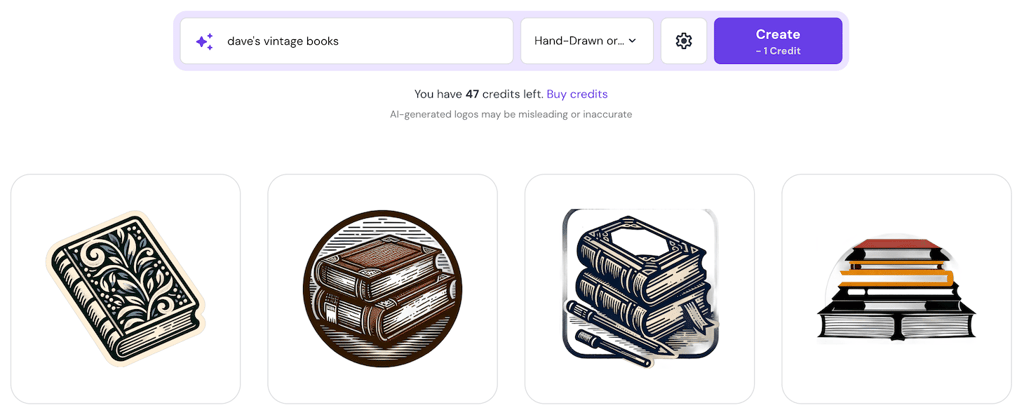
You can even create your logo with AI Logo Maker. Simply provide your brand name, select your ideal logo style, and choose your favorite design from the AI-created options.
Hostinger Website Builder supports selling up to 500 products, making it suitable for both beginners and growing sellers. It also allows you to design your store for mobile-first buyers, which is essential in India.
Use a third-party platform
Third-party platforms are ideal if you want to start quickly with minimal setup or sell books occasionally.
They already have buyer trust and traffic, but they charge fees and limit branding.
Here are the most relevant platforms for selling books online in India.
Amazon India
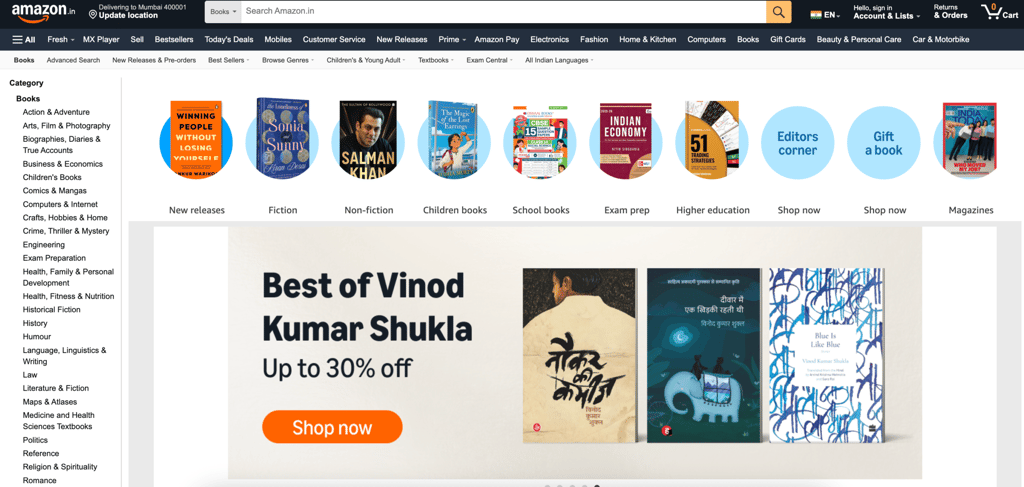
Best for: selling books with broad appeal
Amazon India offers the largest buyer base and strong logistics support. It works well for exam books, textbooks, and popular titles. Competition is high, so pricing and condition clarity are critical.
You can sell new and used books here, as well as self-publish your own books in physical or digital format. However, if you want to stand out, you will need to sell unique books.
Flipkart
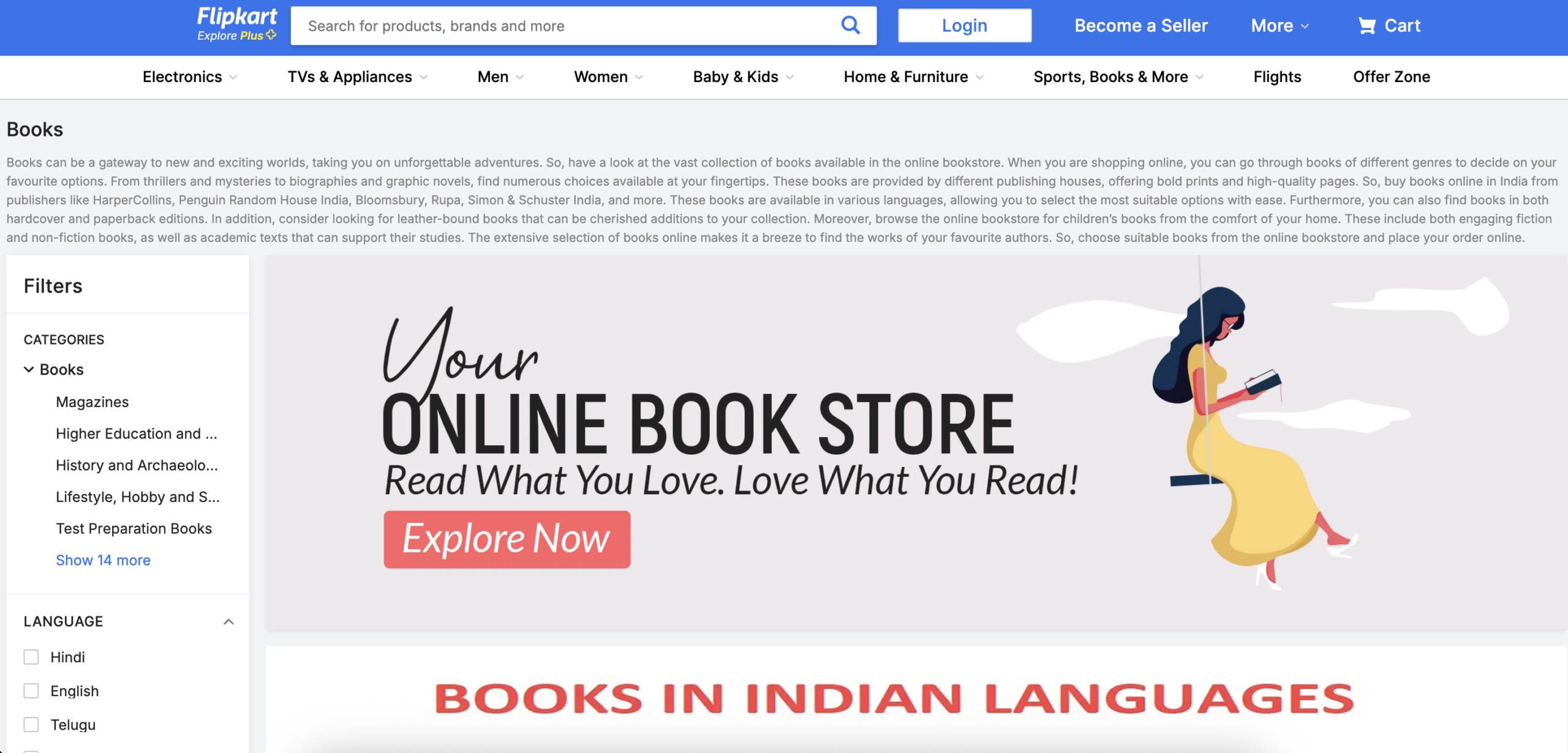
Best for: affordable books and price-sensitive buyers
Flipkart attracts a value-focused audience and performs well for academic and general-interest books. Sellers benefit from visibility but face margin pressure due to pricing competition.
Instagram and WhatsApp
Best for: direct selling and niche audiences
Many Indian sellers use Instagram pages or WhatsApp catalogs to sell books directly. This model works well for exam prep bundles, regional books, and repeat buyers. Payments and logistics are handled manually, so scaling can be challenging.
Meesho
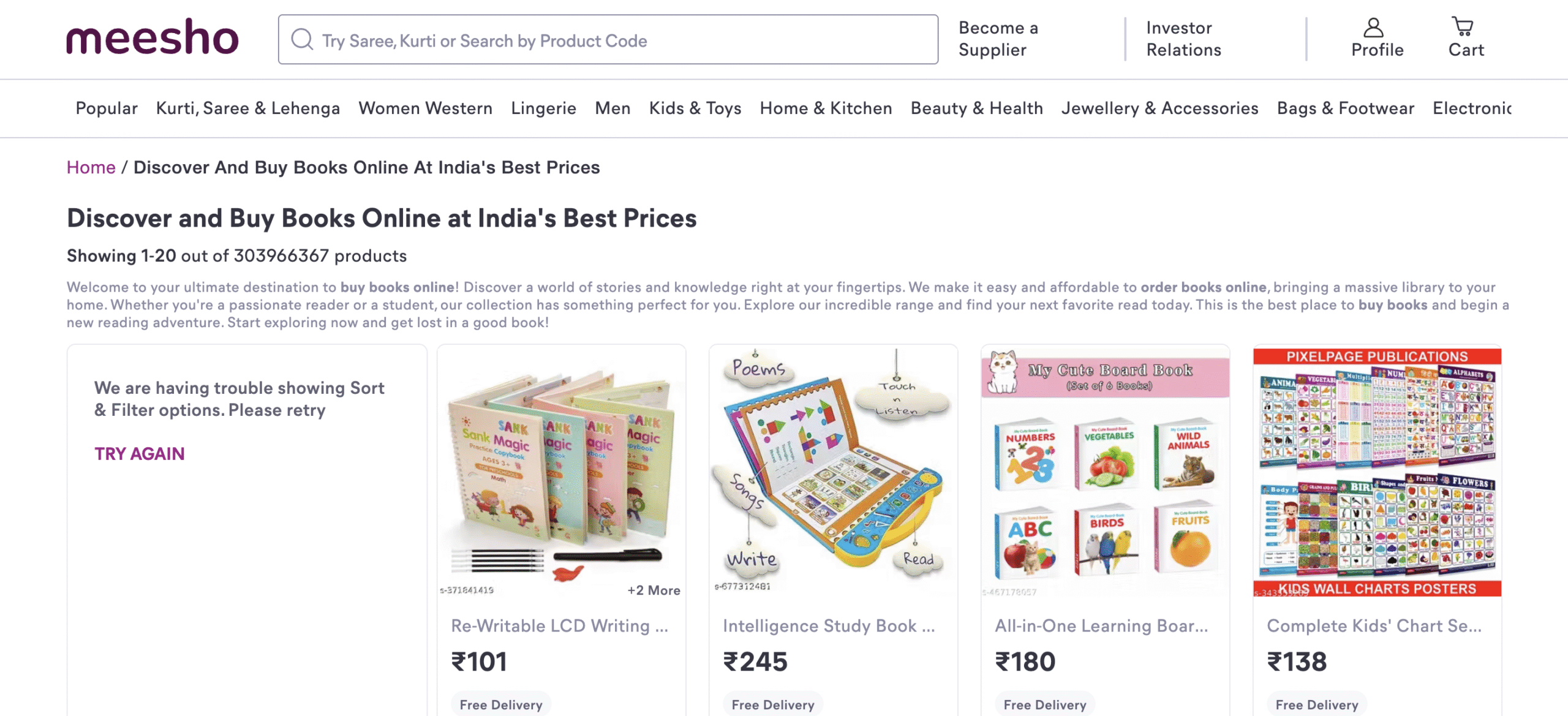
Best for: reselling affordable books
Meesho allows resellers to sell books without holding inventory. Margins are lower, but it’s useful for testing demand before investing in stock.
eBay
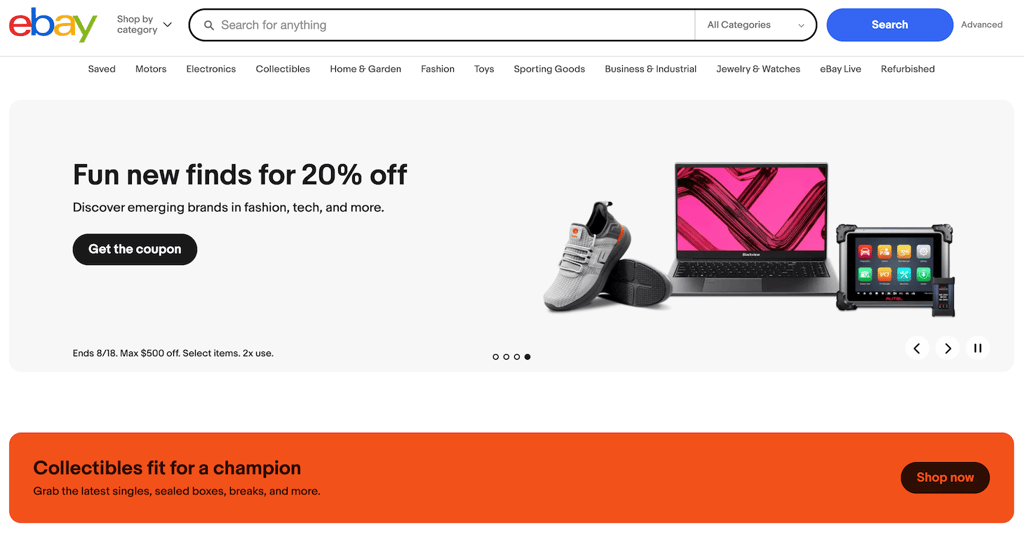
Best for: selling used, rare, or collectible books
eBay also has a large, active audience that you can leverage, giving you easy access to buyers worldwide. Selling on eBay in an auction format can lead to higher prices for rare or collectible books.
Still, like Amazon, there is a lot of competition, and you have limited opportunities to establish your brand.
5. Write compelling book descriptions
Clear, detailed book descriptions help buyers understand value, compare options, and feel confident before purchasing. In India, strong descriptions are especially important because buyers often compare multiple sellers before deciding.
A good description improves visibility in search results and reduces questions, returns, and price objections.
Here are several essential tips for writing appealing descriptions:
- Mention basic details about the book. Include information about the author, genre, publication year, and the number of pages. For academic and exam books, edition and syllabus alignment matter more than summaries, so highlight them early.
- Provide a summary. Write a short, engaging summary of the book’s plot, but leave out any spoilers.
- Be transparent about the condition. For older books, it’s essential to be honest about flaws or general wear. This builds trust and helps to reduce the possibility of returns.
- Highlight any unique aspects. If the book is exceptional, like being a first edition or signed by the author, you should mention that.
- Showcase reviews or awards. Mention if the book or author has received glowing reviews or even been recognized with awards.
- Speak to your target audience. Use language that resonates with your target audience, and indicate who would be interested in the book. For example, mention it’s “perfect for history buffs” or “ideal for sci-fi lovers”.
- Add pricing and value cues. Subtle pricing cues help buyers justify the purchase. These cues reduce price sensitivity without sounding promotional.
In addition to these tips, you should integrate relevant keywords naturally into your description. This will help people discover your listings more easily when searching for specific books.
Use tools like Google Keyword Planner or Helium 10 to identify relevant search terms.
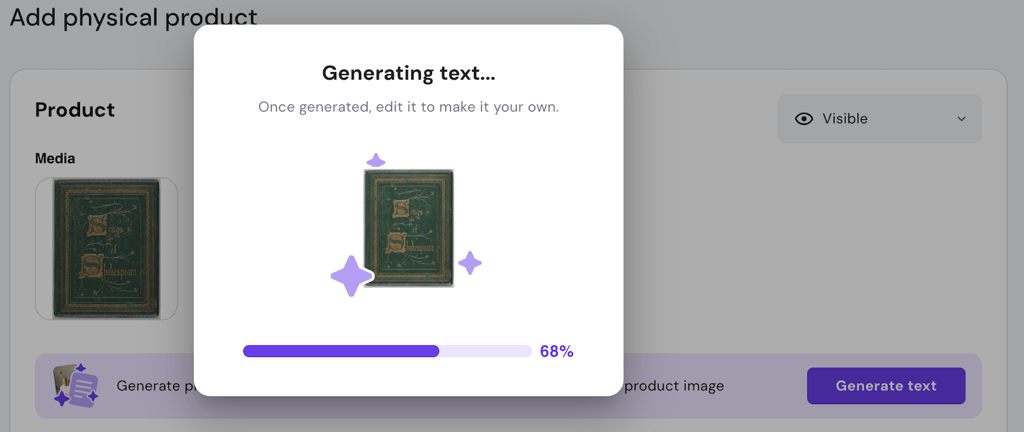
If you decide to build an ecommerce website with Hostinger Website Builder, you can easily create engaging descriptions using AI.
Simply upload an image of your book and let AI Writer create a compelling title, subtitle, and description for you. Customize it to add your personal touch so the text is more engaging to your audience.
6. Take high-quality book photos
High-quality photos help buyers assess condition, trust the seller, and decide faster. In India, where most buyers shop on mobile, clear and honest photos matter more than professional equipment.
Good photos reduce price objections and prevent returns.
Here are some helpful tips for taking professional-looking photos:
- Good lighting is vital. Natural light usually produces the best results, so try shooting on a bright day near a window. If good natural light isn’t available, consider investing in a simple lightbox that consistently helps you take clear photos.
- Capture the right angles. You want to be transparent with your buyers and showcase your books from all sides so they can properly assess the book’s condition. Straight-on shots of the front, spine, and back cover are essential. In addition, don’t forget to take close-up shots of unique features, such as illustrations or author signatures, and any flaws buyers should be aware of.
- Stick with clean, neutral backgrounds. Ensure that the background complements the book rather than distracting from the book. Neutral colors work well for most books, providing a smooth, distraction-free setting.
- Do some basic photo editing. Use simple tools to adjust brightness or contrast, crop images to remove distracting elements, and apply light-sharpening effects to enhance details.
- Be consistent with your style. Maintain the same photography style across all your listings to build brand recognition for your online bookstore.
Implementing these techniques can help you showcase your books more effectively, potentially leading to better conversions and more sales.
7. Set competitive prices
Setting the right price helps you make consistent sales while protecting your margins. In India, buyers compare multiple listings before purchasing, so pricing must reflect condition, demand, and delivery cost, not just the book’s cover price.
Book prices in India are influenced by three primary factors.
- Condition. Books in clean condition with minimal markings sell faster and at higher prices. Heavily used books still sell if priced realistically, especially for exam preparation.
- Demand. Exam books, academic textbooks, and trending self-help titles have steady demand. Demand peaks before exams and during academic admission cycles.
- Edition and relevance. Recent editions and syllabus-aligned books command higher prices. Older editions sell best when clearly positioned as practice or reference material.
Research competitor prices
Before setting your price, search for the same book on:
- Amazon India
- Flipkart
- Other reseller listings
Note:
- Price differences between new and used copies
- How condition affects pricing
- Whether sellers include delivery in the price
This helps you identify a realistic price range rather than guessing.
Use price ranges that work in India
Most Indian buyers expect books to fall within familiar ranges:
- ₹150–₹300 for older or heavily used books
- ₹300–₹600 for good-condition used books
- ₹600–₹1,000+ for new, niche, or high-demand titles
Pricing slightly below the most common listing improves visibility without drastically reducing profit.
Factor in all your costs
To avoid losses, include every cost in your pricing:
- Book acquisition cost
- Packaging materials
- Delivery charges
- Marketplace commissions or payment gateway fees
For low-priced books, shipping costs often make or break profitability. Bundling multiple books helps spread delivery costs and increase order value.
Adjust pricing based on sales performance
Pricing is not fixed.
- Reduce prices if books remain unsold for long periods
- Increase prices during peak demand seasons
- Test different price points to find the fastest-selling range
Dynamic pricing helps maintain steady cash flow and inventory turnover.
8. Fulfill customer orders effectively
Efficient order fulfillment ensures books arrive safely, on time, and as described. In India, fulfillment quality directly affects reviews, repeat purchases, and platform visibility.
A reliable process reduces returns and builds long-term trust.
- Choose suitable packing options. To ensure books arrive in good condition, wrap them in bubble wrap or plastic sheets to protect against bending and moisture. Use padded envelopes for single books and appropriately sized boxes for bundles. Adding cardboard sheets or crumpled paper helps prevent movement during transit, especially for courier handling in India.
- Use shipping methods that balance speed and cost-effectiveness. For low-priced or common books, economical delivery options with slightly longer timelines usually work best. For high-value, exam-critical, or rare books, choose courier services that offer faster delivery and reliable tracking, as this improves buyer confidence and satisfaction.
- Manage your shipping costs. Calculate shipping costs based on weight, size, and delivery location. Most Indian courier services and marketplaces provide shipping calculators to estimate charges. Always factor in packaging material costs when setting prices. Offering free or discounted shipping on bundled orders often increases average order value in India.
- Use a reliable delivery system for ebooks. Selling through established platforms like Amazon Kindle Direct Publishing ensures instant and secure ebook delivery. If you sell ebooks through your own website, make sure download links or access emails are automated and tested before accepting orders to avoid support issues.
How to keep customers happy
Clear communication upfront is one of the fastest ways to improve customer satisfaction in India. Buyers want to know what they’re getting, when it will arrive, and how issues will be handled.
Here are the most important factors to focus on.
- Provide a transparent and fair return policy. Clearly state how long customers have to request a return and specify that books must be returned in the same condition they were delivered. Mention whether return shipping is buyer-paid or seller-paid and define a clear refund timeline. For used books, setting realistic return conditions helps prevent misuse.
- Respond to inquiries promptly. Buyers often ask questions before ordering, especially on marketplaces and social platforms. Set aside time daily to respond to emails, WhatsApp messages, or platform chats, and aim to reply within 24 hours to maintain trust.
- Keep customers in the loop. Send updates when orders are confirmed, shipped, and out for delivery. Sharing tracking details and proactively informing buyers about delays reduces follow-ups and improves reviews, especially for exam-related purchases.
- Follow up after expected delivery. For direct website or social sales, a short follow-up message after delivery helps confirm satisfaction and address issues early. This step is optional on marketplaces but valuable when building repeat customers.
From secure packing to timely communication, a smooth fulfillment experience builds credibility and encourages repeat purchases.
9. Market and promote your books
Marketing is what turns your book listings into consistent sales. In India, book discovery happens through search, social platforms, and recommendations, so your promotion strategy should focus on visibility and trust rather than high ad spend.
You don’t need to use every channel. Start with one or two and expand as sales grow.
Here are a few of the most effective marketing strategies you should try:
- Search engine optimization (SEO). Identify keywords related to the books you want to sell, then incorporate those keywords naturally into your book listings. Use tools like Google Keyword Planner to research the right keywords.
- Social media marketing. Different platforms work for different audiences in India. Create visual content around book covers, bundles, and exam relevance for Instagram and Facebook. Use short videos on Instagram Reels and YouTube Shorts for quick reviews and recommendations, which perform better than text-heavy posts.
- Email marketing. Build an email list of buyers and people who subscribe to your newsletters. Segment your list to send them curated book recommendations, new releases based on their interests, and exclusive discounts.
- Paid advertising. Reach potential buyers with targeted ads on platforms like Google Ads or Facebook Ads. These allow precise targeting by location, interests, and search intent. Start with small budgets and promote high-margin or bundled books to maintain a positive return.
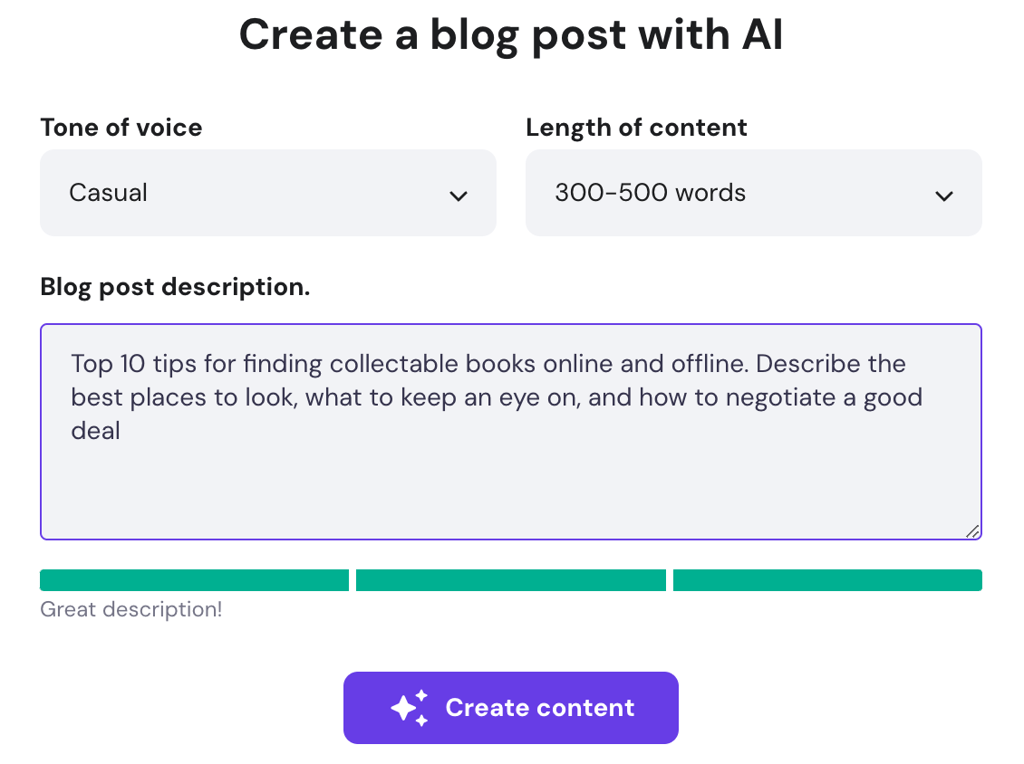
- Blogging. Starting a book blog can provide great value to your audience and can also help attract more visitors through SEO. The content can include book reviews, discussions about the themes in specific books, or commentary on authors. Regular blogging
When using Hostinger Website Builder, creating engaging content is effortless with the help of AI Writer. For a blog or even for shorter snippets for social media, simply describe the content you want to write, and AI Writer will create the content for you.
10. Track sales performance
Tracking sales performance helps you understand what sells, what doesn’t, and where to improve. Even if you start small, monitoring the right data allows you to price better, restock smarter, and grow steadily.
You don’t need complex systems; basic tracking is enough to start.
Key metrics to track
Focus on a few practical metrics that directly impact growth:
- Sales volume. Track how many books you sell weekly and monthly to spot trends around exam seasons or academic cycles.
- Bestselling titles and genres. Identify which exams, subjects, or genres perform best so you can source similar inventory.
- Pricing performance. Compare the listed price vs the actual sale price to understand buyer sensitivity.
- Delivery and return issues. Monitor cancellations, returns, and delivery delays to fix fulfillment gaps early.
- Repeat customers. Note how often buyers return, especially if you sell directly through your own website or social channels.
Tools for tracking and analyzing sales data
Fortunately, a wide range of tools can help you track this data. Here are a few of the best to use:
- Google Analytics. This free tool provides in-depth data on your website traffic and user behavior.
- Built-in ecommerce analytics. A lot of online platforms offer their own analytics dashboards that provide insights into your sales performance.
- Hostinger Website Builder analytics. When you build an online bookstore with Hostinger Website Builder, you gain deeper insights into areas of success and improvement with Store Analytics.
Use insights to improve sales
Tracking data only matters if you act on it.
- Restock books that sell consistently
- Bundle slow-moving books with popular ones
- Adjust prices based on demand and competition
- Focus marketing on top-performing categories
Over time, these small improvements compound into better margins and more predictable sales.
Conclusion
Selling books online is a practical way to turn unused books, academic material, or knowledge-based content into steady income. In India, demand is driven by education, exams, affordability, and convenience, which makes this business accessible even without prior experience.
To build a sustainable book-selling setup, focus on:
- Researching demand around exams, academics, and popular reading categories
- Choosing book types that match your budget and sourcing access
- Selling through marketplaces first, then moving to your own website for better margins
- Pricing realistically in ₹ ranges that Indian buyers expect
- Using clear communication, reliable delivery, and consistent tracking
You can start by selling a few books from home and gradually expand into bundles, repeat customers, or even digital products like ebooks. With the right platform and a clear process, selling books online can grow from a side income into a structured online business.
All of the tutorial content on this website is subject to Hostinger's rigorous editorial standards and values.


Simon is a dynamic Content Writer who loves helping people transform their creative ideas into thriving businesses. With extensive marketing experience, he constantly strives to connect the right message with the right audience. In his spare time, Simon enjoys long runs, nurturing his chilli plants, and hiking through forests. Follow him on LinkedIn.


Comments
0 responses