Top 15 food business ideas to make money
Sep 18, 2026
/
By Nurul S. & Simon L.
/
18 min Read

Starting a food business offers creative freedom, a chance to impact your community, and flexibility to adopt modern methods like online ordering.
It’s also a great opportunity to work in an area you actually care about, helping you grow personally and giving you control, all while serving a basic human need.
Food business ideas include options like operating a food truck or opening a restaurant, as well as more focused concepts such as launching a specialty bakery or creating a thriving coffee shop.
For those looking for flexibility, offering event catering, starting a food subscription box, or building a convenient meal-prep service are excellent options.
Niche ideas, such as hosting professional cooking classes, providing personal chef services, or operating a specialized food stall, are suitable for any budget and level of commitment.
15 food business ideas to start today
1. Get a food truck
A food truck is a flexible way to start a food business without the high costs of running a full restaurant. Moving between different locations helps you reach a wider audience and instantly boost your sales.
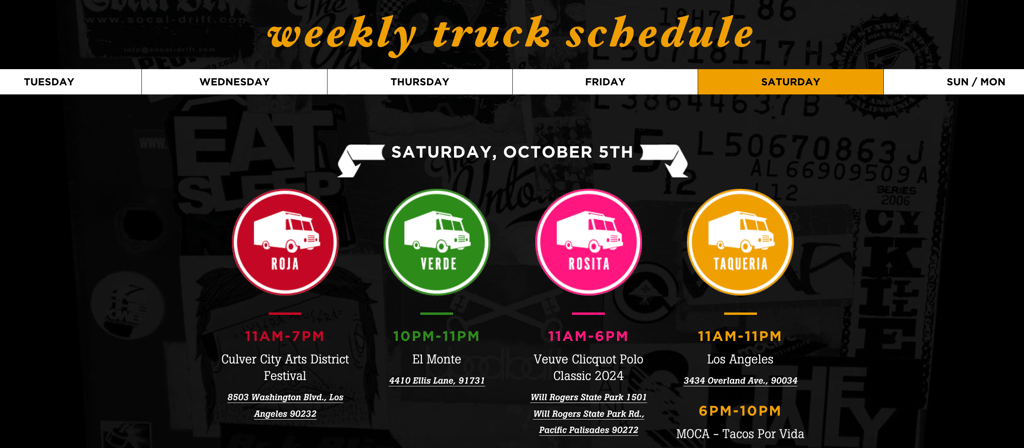
A website makes it easy to share your current menu, update your location in real-time, and take event bookings. Just like Kogi BBQ, your website is a simple way to keep customers informed and grow your following.
Tips to start
- Purchase a truck. Depending on your budget, consider buying a new or used truck. A used one saves money upfront, but check its condition thoroughly to avoid expensive, unplanned maintenance later on.
- Prepare equipment and supplies. This inventory includes a reliable generator, propane tanks, all necessary cooking utensils, and secure food storage containers.
- Get the proper licenses. Check with your local authorities immediately to fully understand all health, safety, and operational regulations required to sell food legally.
- Build your menu. Focus on popular food truck items, seasonal offerings, and specialty dishes that set you apart.
Benefits
- Mobility. Target busy, high-traffic places like festivals and weekly markets, which directly boost profits and attract new customers constantly.
- Opportunity to experiment. This business enables you to test new menu items in different locations and adjust your entire menu based on direct customer feedback.
Considerations
- Ongoing costs. Plan your budget to cover expenses such as truck repairs, fuel, and regular equipment maintenance. These variable costs can add up quickly.
- Competition for parking spots. Finding the best, most visible places can be tricky. Popular spots are often in high demand, and you must always obtain explicit permission from the city council or property owner.
- Seasonal fluctuations. Sales naturally drop during colder months or off-peak seasons, so having a financial plan for slower times is essential.
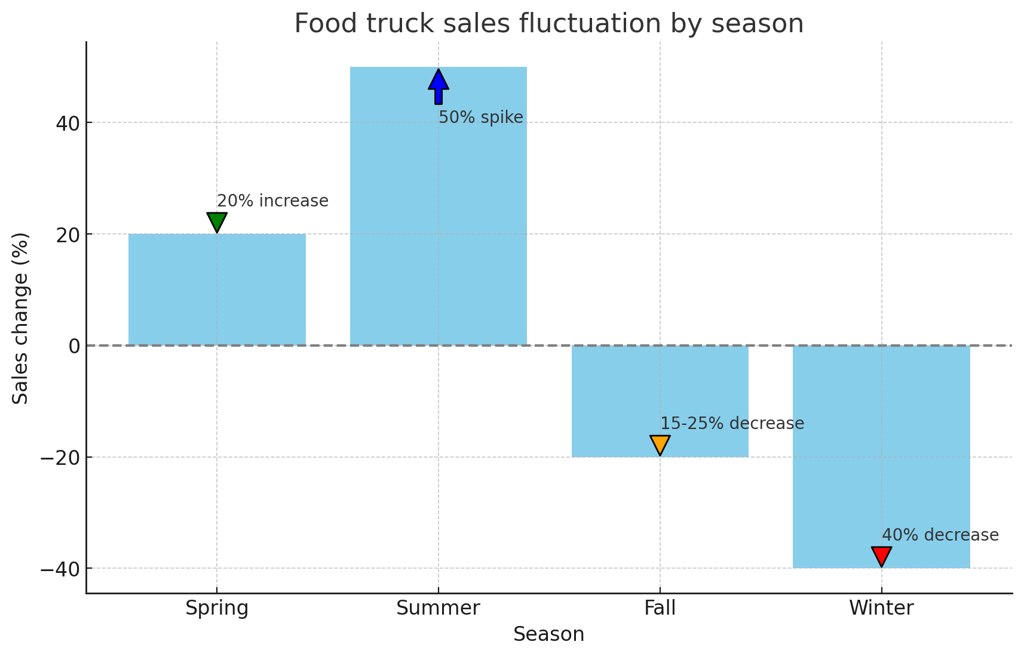
While sales dip in colder months, use this slower time to refine your menu or connect with customers online. Embrace the seasonality as an opportunity to get creative and plan for steady growth in your food truck business.
2. Open a restaurant
Running a restaurant can be challenging, but it’s a highly rewarding way to turn your deep love of food into a scalable business.
With the right approach – one focused on quality and experience – you can create a great dining destination and build an exceptionally loyal customer base that consistently returns.
Tips to start
- Research and develop your concept. Figure out the exact type of cuisine you will serve, the specific ambiance of your dining space, and the niche target audience you plan to attract.
- Create a solid business plan. Outline your initial budget, projected income for the first few years, and specific marketing strategies. This document is essential when seeking funding from investors or loans from banks.
- Find the perfect location. Focus on factors such as foot traffic, parking availability, and nearby competition. Ensure the space complies with all necessary local health and safety regulations before signing a lease.
- Build a small, reliable team. In the early stages, focus on hiring only a few trustworthy people to help you get off the ground, such as one or two skilled chefs and a core front-of-house staff. You can grow your team naturally as your restaurant gains momentum.
- Develop an online presence. Build a professional restaurant website and actively use social media to attract new customers and keep current ones engaged. An effective website is key to driving foot traffic and increasing visibility. For inspiration, check out the best restaurant website examples.
Benefits
- Build a strong, recognizable brand. You can establish a unique, permanent identity in a fixed location to consistently attract loyal, repeat customers.
- Offer a complete dining experience. Since you control everything from the food presentation to the ambiance, you can provide customers with a highly memorable experience. As a result, you can comfortably charge premium prices.
- Grow in the long run. With a solid foundation, you can expand your restaurant over time. This can involve adding new physical locations or expanding services, such as with external catering.
Considerations
- High initial costs. Renting space, buying professional equipment, and hiring staff can add up fast. Start with a realistic budget and plan for slow, gradual growth rather than immediate, massive success.
- Ongoing maintenance. Managing a physical space requires constant and regular upkeep. This can be costly, but it is non-negotiable for smooth, safe, and positive operations.
- Compliance with regulations. Work closely with the local health department to ensure your restaurant consistently meets all food safety and health standards. This involves regular inspections and strict adherence to food handling protocols.
- Building a customer base takes time. While marketing and word of mouth will help, patience is absolutely key. Focus relentlessly on delivering consistently excellent food and service to attract loyal, regular customers.
3. Launch a coffee shop
Starting a coffee shop business is a smart move, especially since global coffee consumption continues to grow consistently.
This steady demand presents new opportunities to expand sales and quickly build a loyal customer base.
A significant benefit of running a coffee shop is its established role as a community hub where people can relax, work, or socialize. This connection enables you to cultivate deep, lasting customer loyalty.
Tips to start
- Choose a prime location. Look for a spot with heavy foot traffic, ideally near offices, universities, or dense residential areas. Accessibility and ample parking can also make a big difference in attracting and keeping customers.
- Develop your shop’s concept. Decide clearly on the ambiance, theme, and overall experience you want to create. Whether you aim for a casual hangout spot or a more upscale café, a clear concept must guide every decision regarding your decor and menu.
- Find a reliable coffee bean supplier. Build strong relationships with local or specialty suppliers to source high-quality beans. This is what sets the tone for your offers and defines your coffee shop’s unique flavor profile.
- Focus on customer experience. The atmosphere is just as important as the quality of the coffee. Provide comfortable seating, reliable wifi, and a genuinely friendly atmosphere to ensure customers return again and again.
Benefits
- Consistent demand. Coffee and snacks have a steady, almost ritualistic market, leading to dependable daily sales.
- Loyal customer base. Create a warm, inviting environment that naturally draws in regulars who become advocates for your brand.
- Flexibility to experiment. Offering specialty drinks or unique pastries helps you stand out from competitors and keeps your menu dynamic and fresh.
Considerations
- Competitive market. Coffee shops are everywhere, so having a unique concept or signature offer is absolutely vital to stand out.
- Profitability challenge. To stay profitable, you need consistent customer traffic because your average customer might only buy one cup of coffee and occupy a table for several hours. You need to compensate with high traffic and small add-on sales.
- Health and safety regulations. As with any food business, you must be fully aware of all local food safety laws and prepare for regular health inspections.
4. Start a bakery
Bakeries offer an endless array of options, ranging from fresh artisanal bread to specialty cakes and delicate pastries. This flexibility makes it easier to scale your business at a comfortable pace.
Start small and only expand your capacity as customer demand increases. For example, launching a home-based bakery is a highly manageable entry into the baking business.
Tips to start
- Choose your specialty. Decide whether to focus mainly on bread, pastries, or custom cakes. Consider targeting niche markets by providing options like gluten-free, vegan, or organic baked goods. This specific focus can quickly set you apart from other bakeries.
- Start with a home-based bakery. This strategy helps you manage initial costs. Plan to expand to a larger commercial kitchen only to accommodate more orders as demand genuinely increases.
- Source quality ingredients. Partner with reliable local suppliers to ensure the freshest ingredients. This directly enhances the quality and flavor of your baked goods. Plus, supporting local businesses can attract a loyal customer base.
- Invest in equipment. Quality mixers, professional ovens, and attractive display cases improve both product quality and presentation. To save costs upfront, consider leasing or purchasing second-hand equipment.
Benefits
- Product variety. Bakeries offer a diverse range of baked goods for you to explore. From everyday staples to intricate custom cakes, this freedom enables your creativity to shine.
- Niche potential. Catering to specific dietary needs (gluten-free, vegan, and other specialty needs) helps you attract valuable health-conscious customers.
- Community engagement. Bakeries can connect deeply with local communities through appearances at farmers’ markets or regional events. This helps build loyal customers and fosters strong local support.
Considerations
- High costs. Renting commercial baking space and purchasing professional-grade equipment can be expensive. Plan your budget realistically and thoroughly.
- Health regulations. Whether you’re cooking at home or in a dedicated commercial space, strictly follow all food safety regulations and obtain all required local permits.
5. Create a cookie business
Starting a cookie business is incredibly accessible, with low upfront costs. You can efficiently run it from home and effectively reach customers through a website and social media.
As your business grows, you can offer custom, personalized cookies for events like weddings and holidays. This enables you to charge premium prices, foster strong customer loyalty, and encourage repeat business.
Tips to start
- Choose your niche. Decide between classic comfort flavors, gourmet options, or highly decorated cookies for special occasions. Offering custom designs for events like weddings or birthdays helps attract a broader, higher-paying audience.
- Start small. Begin selling directly from your certified home kitchen, then learn how to sell cookies online to market effectively through your website or social media platforms.
- Perfect your designs. Invest serious time in perfecting your cookie designs and presentation. Remember, custom cookies for events are typically sold at much higher prices, and the quality must match the cost.
- Develop seasonal cookies. Create limited-edition cookies for holidays and special occasions, like the famous Gideon’s Bakehouse model. Seasonal products help create buzz and encourage existing customers to make repeat purchases.

Benefits
- Scalable business. Starting small from home allows you to expand your operations and capacity gradually as customer demand genuinely increases.
- High profitability. Custom and themed cookies can be priced higher, especially when fulfilling large orders for major events and holidays.
Considerations
- Precision and skill are required. Decorated cookies demand serious attention to detail and creativity. This level of precision can be time-consuming, particularly when managing large custom orders.
- Marketing and promotion. Social media visibility and word-of-mouth recommendations will be key to attracting high-value custom orders and growing your business.
6. Offer event catering
Catering is a flexible and highly profitable food business. Many successful caterers begin by specializing in specific cuisines or event types and rely heavily on positive referrals to drive growth.
Tips to start
- Decide on your catering niche. Will you focus exclusively on weddings, corporate functions, or intimate private parties? Specializing helps you target the right, high-paying audience and simplifies your marketing efforts.
- Offer customizable menus. Work closely with clients to create customized menus that cater to their specific dietary needs and preferences. This flexibility will make your service far more appealing and memorable.
- Promote at local events. Begin by catering to smaller, local events, such as community gatherings or small weddings. This enables you to build a strong portfolio and reputation while more effectively managing initial costs.
- Use word-of-mouth. Encourage satisfied clients to actively share their positive experiences. Providing excellent service and building strong relationships with event organizers can lead to a steady, reliable stream of referrals.
Benefits
- Flexibility. Catering opens doors to a variety of events, from intimate small gatherings to large corporate functions, allowing you to choose your workload.
- Customizable offers. Creating custom menus for clients boosts customer satisfaction and is the best way to make your service stand out in a competitive market.
Considerations
- Client expectations management. Communicating clearly and professionally with clients about all menu details, timing, and special requests is essential. This helps ensure smooth event execution and avoids costly misunderstandings.
- Inventory and waste management. Correctly estimating food quantities is vital to minimizing expensive waste while ensuring there is sufficient food for every guest. Efficient inventory management has a significant impact on your final profit.
7. Launch a food subscription box service
Subscription-based food boxes have gained immense popularity because they provide customers with easy meal kits or special food items delivered right to their door.
This food business model is powerful because it offers steady, recurring revenue through prepaid subscriptions.
Tips to start
- Choose your niche. Decide whether to focus on gourmet ingredients, diet-specific pre-portioned meals, or curated snack boxes. Specialization makes your marketing much clearer.
- Set up a subscription model. Recurring subscriptions are the financial core of this business. Offer customers weekly, bi-weekly, or monthly plans to ensure steady income and provide flexibility.
- Source high-quality products. Whether you work with local or specialty vendors, ensure that your products are always fresh, high-quality, and perfectly suited to your chosen niche.
- Promote convenience. Market your service as a practical way for customers to save time by eliminating the need for grocery shopping or the hassle of meal planning.
Benefits
- Recurring revenue. Subscription-based models provide consistent cash flow. This consistency helps you maintain financial stability and accurately predict future growth.
- Customer loyalty. Subscribers are far more likely to stick with your service, especially if they find your curated weekly menu valuable and unique.
- Variety of niche markets. You can meet specific customer needs by offering vegan, keto, or gourmet food boxes. This helps you reach specialized markets with less competition.
Considerations
- Inventory and supply chain management. Ensure you have dependable suppliers and manage your inventory precisely to handle regular, predictable orders.
- Customer retention. Maintaining long-term customer satisfaction is absolutely key. You need to regularly refresh your product offers to keep subscribers engaged and prevent customer churn.
- Marketing costs. Acquiring new subscribers often requires significant marketing effort and cost. Budget appropriately for promotions, partnerships, and targeted advertising.
8. Start a frozen food service
Selling frozen meals is a highly profitable food business idea. With rising demand, a frozen meal service is perfect for busy people and families seeking quick, convenient meal options.
Tips to start
- Choose your product line. Decide whether to focus on everyday family frozen meals, gourmet fine-dining options, or organic offerings. Catering to a specific niche helps you attract loyal customers looking for specialized products.
- Source quality ingredients. Quality is essential for frozen products. Partner with reliable suppliers to ensure fresh ingredients. This is what guarantees they freeze well and maintain their taste and texture after thawing.
- Follow proper freezing techniques. Learn the most effective professional freezing methods, such as contact or blast freezing, to preserve the maximum flavor and quality of your prepared meals.
Benefits
- Convenient and profitable. Frozen meals are in high demand, offering customers a quick, easy meal solution while generating steady profits.
- Targeted niches. Effectively target specific groups, such as families, busy professionals, or older customers who rely on quick and easy meal options.
- Reduced waste. Frozen products last significantly longer than fresh items, which helps reduce food waste and simplifies inventory management.
Considerations
- Freezing and packaging quality. Use proper freezing methods and high-quality packaging to maintain the flavor and safety of your products during storage.
- Storage and logistics. Managing storage for frozen products and maintaining a strict cold chain during delivery make operations more complex than those for non-perishable goods.
- Customer education. Some customers may need clear guidance on properly storing, thawing, and preparing frozen products to ensure they have the best possible experience.
9. Build a food delivery service
The food delivery business is more popular than ever, thanks in part to apps like Uber Eats and DoorDash that make ordering incredibly easy.
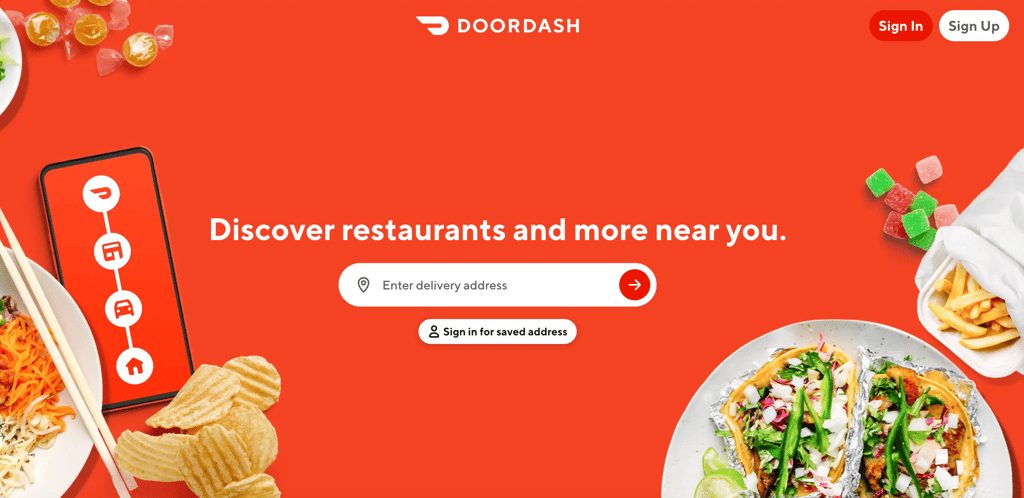
It’s a flexible business option because people constantly seek quick and convenient meals. You can easily begin from home or use a shared cloud kitchen, which helps keep initial startup costs low.
Tips to start
- Choose your model. Decide whether you will prepare meals from a home kitchen or rent a cloud kitchen. Cloud kitchens offer commercial equipment without the substantial costs associated with running a full customer-facing restaurant.
- Set up app-based ordering. Partner with major platforms to immediately expand your reach. Alternatively, you can create your own custom food delivery app using beginner-friendly no-code tools like Hostinger’s AI app generator.
- Invest in delivery logistics. Ensure every delivery is efficient, whether you use third-party services or your own dedicated team. Reliable, durable packaging and insulated bags are vital to maintaining food quality and temperature.
- Offer subscription models. Implement recurring meal subscriptions for regular delivery, providing weekly or monthly plans. This is the most effective way to secure a predictable income and foster strong customer loyalty.
- Focus on packaging. Use durable, professional, and eco-friendly packaging to ensure meals are fully protected during transit. Clear labeling is also important, especially for meals that cater to dietary restrictions, such as gluten-free or vegan options.
Benefits
- Low startup costs. Home or cloud kitchens significantly reduce overhead, making this model an affordable entry point for new entrepreneurs.
- High demand. Delivery services are in consistent demand, especially as app-based orders continue to rise across all demographics.
- Recurring revenue potential. Subscriptions and meal kits provide a stable, predictable income stream, significantly enhancing your business’s stability.
Considerations
- Delivery logistics. Managing deliveries requires reliable transport and food that is packaged expertly. This attention to detail ensures the food stays fresh and attractive during transit.
- Competition. Since there are many delivery services, having a unique menu or a reputation for lightning-fast service will help you stand out immediately.
- Customer expectations. Timeliness and maintaining high food quality are the two key factors to building a loyal, long-term customer base.
10. Offer cooking classes
Starting a cooking class business is a genuinely fun way to share your love of food while connecting with people eager to learn.
Offering personalized experiences, such as corporate team-building or one-on-one classes, can set your business apart by providing students with tailored attention and the ability to customize lessons to their preferences. This is exactly what Silverado Cooking School does so well.
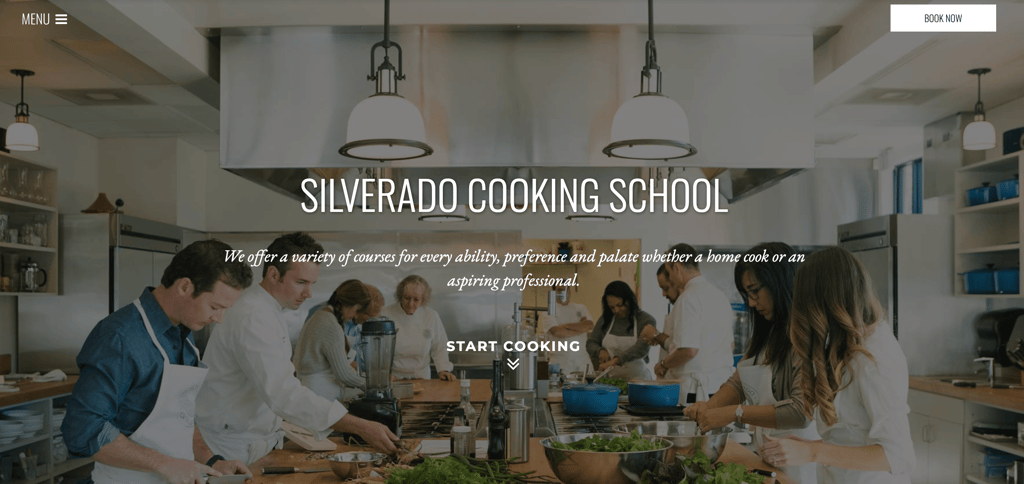
You can also expand your offers with online classes or pre-recorded lessons on your website, which allows you to efficiently manage bookings and promote your business 24/7.
Tips to start
- Choose your format. Consider whether online, in-person, or a mix of both is best for your teaching style and audience. Online classes enable you to reach a broader global audience, while in-person sessions offer a more hands-on experience.
- Cater to different skill levels. Create classes that appeal to both beginners and more advanced cooks. Offering various levels ensures everyone gets clear value, regardless of their prior experience.
- Offer live and pre-recorded options. Providing both options gives your students maximum flexibility in how they engage with and pay for your instruction.
- Personalize the experience. Private or small-group lessons provide a valuable personal touch that many customers actively seek and are willing to pay a premium for.
Benefits
- Multiple revenue streams. Offering live sessions alongside pre-recorded lessons allows you to reach a broader audience and generate more consistent income sources.
- Low startup costs. You can begin from home using minimal equipment, especially if you focus on online-only classes initially.
- High engagement potential. Personalized lessons or small-group classes offer hands-on experiences, which naturally lead to better customer retention and positive referrals.
Considerations
- Technology setup. For online classes, reliable and high-quality equipment, along with a fast internet connection, are important to ensure a seamless and professional teaching experience.
- Standing out. Cooking classes are a popular market. Offering something truly unique, like highly niche cuisine or guaranteed personalized attention, will help you stand out.
- Time commitment. Live, in-person sessions require significant time commitment and fixed scheduling, while pre-recorded classes provide a more flexible, ongoing passive revenue stream.
11. Open a specialty food store
A specialty food store typically sells gourmet items, unique spices, and organic ingredients. This model naturally connects you with passionate food enthusiasts who are specifically looking for unique items.
These connections lead directly to loyal customers, which rapidly increases your profit. Integrating online sales allows you to reach customers far beyond your local area.
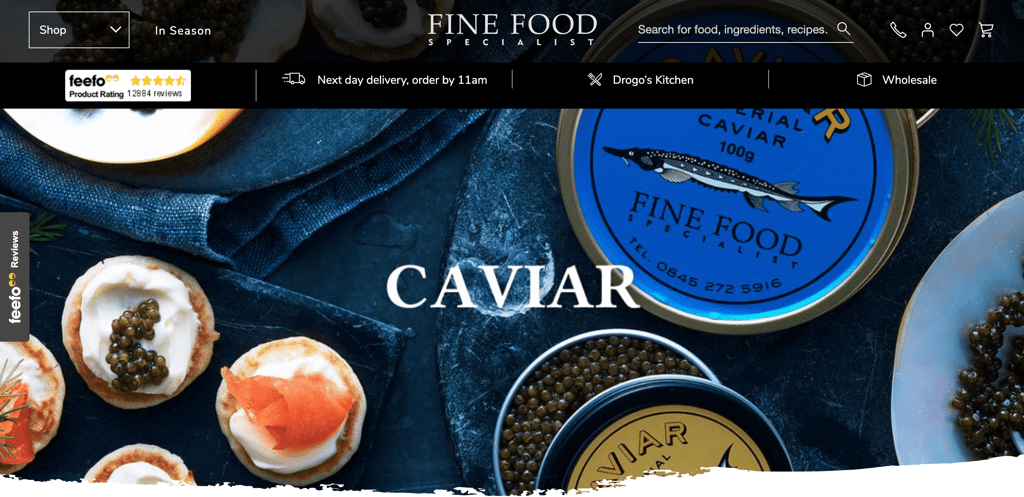
Fine Food Specialist is a great example of a specialty food store, offering a selection of premium caviar.
Tips to start
- Pick your niche. Focus on a specific area, such as artisan cheese, regional spices, or high-end organic products, to immediately stand out and attract dedicated food enthusiasts.
- Find quality suppliers. Build strong, reliable relationships with suppliers who provide high-quality, unique items that your customers cannot find elsewhere. This is key to ensuring repeat business.
- Create an inviting space. Make your physical store visually appealing and easy to navigate to encourage visitors to browse longer and make repeat purchases.
- Build an online store. An online store is highly effective at building brand awareness and reaching a broader customer base, especially within a very specific niche.
Benefits
- Attracts food enthusiasts. Your unique products help attract customers who are actively seeking special ingredients they can’t find in major chain stores.
- Niche focus. Specializing in specific products, such as rare spices or regional cheeses, sets you apart and is an effective way to build customer loyalty.
- Broader reach with online sales. Selling online empowers you to serve a larger audience and dramatically grow beyond your local market.
Considerations
- Inventory management. Carefully manage inventory to avoid overstocking or product waste, especially since many niche items are highly perishable.
- Supplier relationships. Doing business requires strong, reliable supplier connections to ensure you consistently receive unique products.
- Online competition. Build strong branding and provide excellent customer service to stand out online. A professional business website will make this much easier to achieve.
12. Provide personal chef services
Skilled chefs can significantly increase their earnings by offering personalized services, such as private dinners and custom event catering.
Catering to special dietary needs, like gluten-free or vegan, can help you immediately stand out in this growing market and boost profits by meeting clients’ specific tastes and preferences.
Tips to start
- Identify your target market. Focus clearly on clients who need specific services, such as specialized dietary meal prep, small event catering, or regular weekly meals.
- Highlight your services. Emphasize what clearly sets you apart. This could be your expertise in specific diets, ability to create custom menus, or mastery of niche cuisines.
- Set clear pricing. Establish your rates confidently based on the complexity of your services, such as weekly meal prep, premium private dinners, or large events.
- Market through referrals. Satisfied clients are your best source of new business. Deliver exceptional, personalized experiences to build your strong, reliable reputation.
Benefits
- High earnings. Personal chefs can comfortably charge premium prices for their custom, high-touch services to clients.
- Flexible schedule. You get to control your work hours and choose how many clients or events to take on each month.
- Steady income. Offering regular meal prep or subscription services gives you a reliable source of ongoing, predictable income.
- Build strong relationships. Personalized services naturally help you build strong, lasting connections with clients, which leads to repeat business and referrals.
Considerations
- Client expectations. High-end services require impeccable attention to detail and crystal-clear communication to be successful.
- Last-minute changes. Be prepared to adjust your schedule occasionally for urgent client requests or last-minute event changes.
- Quality ingredients. Ensuring consistent, high-quality service depends entirely on sourcing fresh ingredients for every single client’s meal.
13. Start a food stall or kiosk
A food stall or kiosk is a low-cost, flexible way to enter the food business.
Stalls are perfect for testing new menu items or concepts before you commit to larger, more expensive food business operations.
The success of a food stall depends almost entirely on its location and your understanding of local tastes.
Tips to start
- Find the right location. Focus only on high-traffic areas such as farmers’ markets, festivals, or locations near offices. Visibility and accessibility are the key drivers for attracting constant foot traffic.
- Test your menu. A food stall is the perfect testing ground for experimenting with new dishes or concepts. You can easily gauge customer feedback before deciding to expand into a larger permanent business.
- Keep it simple. Focus on a few essential items that are easy to prepare and serve quickly. Simplicity helps you reduce customer wait times and keeps daily operations manageable.
- Prioritize hygiene and presentation. Maintain high food safety standards to gain customer trust, even when operating from a small stall.
Benefits
- Lower startup costs. Starting with a food stall needs far less investment than opening a restaurant or purchasing a food truck.
- Flexibility. Move to new locations depending on customer flow, seasonal changes, and market opportunities.
- Scalability. Food stalls provide a low-risk testing ground for new concepts, allowing you to refine your menu and processes before expanding.
Considerations
- Location matters. Success is largely dependent on choosing a high-traffic spot where your target customers frequently visit.
- Limited space. Operating from a stall restricts your space for prep and storage, so careful planning for efficiency is essential.
14. Create a pop-up food experience
A pop-up food experience allows you to test your concepts with minimal long-term commitment. These experiences can be a public rooftop dinner, an exclusive one-night event, or a highly themed dining experience.
The success of a pop-up relies on generating excitement and buzz. Its limited-time availability and unique concept attract food enthusiasts and build fast brand awareness, helping you gain a loyal following.
Tips to start
- Choose a temporary location. Explore unique spaces, such as quiet cafes during off-hours or outdoor venues. Temporary setups offer you maximum freedom in terms of theme, menu, and style.
- Test your concept. Pop-ups are an excellent way to experiment with new menu ideas and gauge customer interest before investing heavily in a permanent location.
- Promote the event. Use social media and strategic partnerships to create urgency and attract customers quickly to the limited-time event.
- Keep it simple. A streamlined, focused menu helps you manage operations efficiently and ensures smooth service during a busy, short event.
Benefits
- Low startup costs. Pop-ups require less investment than securing permanent locations, making them ideal for testing business ideas.
- Creative freedom. Experiment with bold new dishes, themes, and dining styles without long-term risk.
- Build brand buzz. The limited-time nature of the event naturally generates excitement and attracts curious customers.
Considerations
- Temporary nature. Since pop-ups are short-term, careful and meticulous planning is important to maximize the limited operating time.
- Marketing effort. Building the necessary excitement and attracting customers relies entirely on strong, effective promotional efforts.
- Location challenges. Securing the right temporary location can be competitive, and logistical challenges, such as setup, utilities, and teardown, require careful attention.
15. Start a healthy meal prep service
A meal prep service offers pre-portioned, ready-cooked meals tailored to specific customer preferences.
It perfectly caters to busy individuals and health-conscious customers who want convenience without compromising quality. Success depends on offering personalized meal plans and ensuring consistent quality.
Eat Clean is an example of a healthy meal prep business. It offers customizable meal plans and focuses on using fresh, locally sourced ingredients.
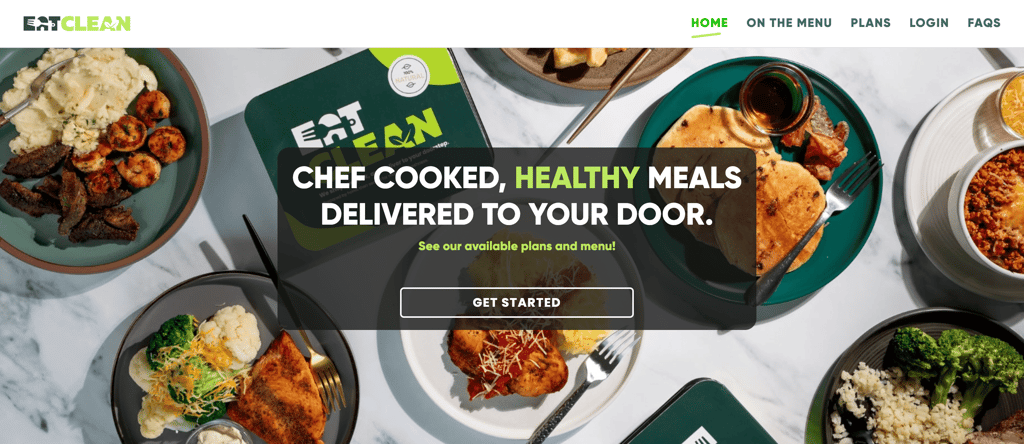
Like Eat Clean, create your own website to help manage subscriptions, showcase meal plans, and share tips. This makes it easier to attract new customers and keep them engaged.
Tips to start
- Choose your target market. Cater specifically to busy professionals, dedicated fitness enthusiasts, or those with particular dietary needs.
- Offer flexible plans. Provide weekly or monthly meal prep options to encourage repeat business and make it easy for clients to stick with the service.
- Focus on convenience. Ensure your meals are genuinely easy to prepare (often just heating), and offer doorstep delivery for maximum added value.
- Establish an online presence. Starting a food blog can support your business by sharing meal plans, recipes, and healthy eating tips. It helps position you as an expert and drives organic traffic to your services.
Benefits
- Lower startup costs. Starting from a certified home kitchen or cloud kitchen reduces overhead, making it a cost-effective entry into the food industry.
- Recurring revenue. Subscription-based meal plans ensure a steady, reliable income from long-term clients.
- Scalability. Expand your services as demand grows, adding more meal options or catering to new dietary needs.
Considerations
- Menu variety. Offering diverse, rotating meal plans to keep customers engaged and returning week after week.
- Logistics. Maintain efficient bulk meal preparation, meticulous packaging, and reliable cold-chain delivery to meet your clients’ expectations consistently.
- Time management. Preparing dozens of different meals at once requires careful planning and batching to ensure every item maintains quality and freshness.
Which food business is most profitable?
Catering and food trucks are among the most profitable food business ideas due to low overhead and high demand. Specialty food products like organic or gourmet foods can also be very lucrative, especially with the right marketing and niche.
The reason these food business ideas are most profitable is that they minimize fixed costs, such as rent and labor, while focusing on products with high markups.
For example, catering businesses and food trucks often have higher margins than the typical 3% to 5% margin of a full-service restaurant. This is because they cut out major restaurant expenses like high monthly rent and the labor needed to staff a full dining room.
Packaged specialty products, such as craft sauces or spice blends, often see gross margins as high as 35% because the product cost is low and you can charge a premium for the unique value.
How to start a food business?
Starting a food business after you’ve chosen the initial idea involves defining your products, navigating legal requirements, securing reliable sourcing, and building your digital storefront.
Focus on the operational basics by setting your final menu and pricing model. Know exactly what you’re selling and how much money you will make per sale.
Handle the legal side by securing permits, licenses, and insurance specific to your business model.
You also need to establish a professional online presence to attract customers, especially if you specialize in catering or offer niche products.
Learning how to make a restaurant website is a great way to start building an audience, allowing you to showcase your offers and handle orders.
All of the tutorial content on this website is subject to Hostinger's rigorous editorial standards and values.

Nurul Siregar has over 3+ years of experience in the tech industry with a passion for writing about digital marketing. Nurul enjoys reading fiction novels and making digital illustration in her free time. Follow her on LinkedIn.

Simon is a dynamic Content Writer who loves helping people transform their creative ideas into thriving businesses. With extensive marketing experience, he constantly strives to connect the right message with the right audience. In his spare time, Simon enjoys long runs, nurturing his chilli plants, and hiking through forests. Follow him on LinkedIn.