What is dropshipping? How dropshipping works
Apr 17, 2026
/
Alma F.
/
8 min Read
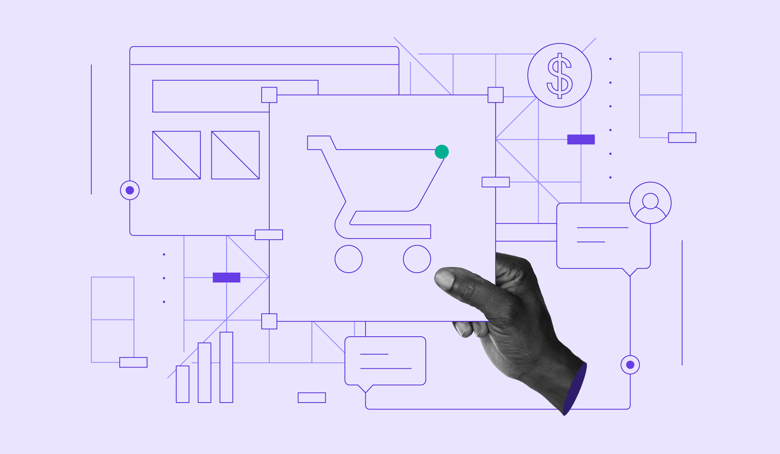
Dropshipping is a way to sell products online without buying or storing any inventory. When someone orders from your store, you simply pass that order to your supplier – they pack it up and ship it directly to your customer. You never touch the product or worry about boxes piling up in your garage.
So, what is dropshipping in practice? Think of yourself as the connector between customers and suppliers. Your supplier handles the operational work (warehousing, packing, shipping), while you focus on the customer-facing side: choosing products, running your store, and building relationships. It’s like being a personal shopper who helps people find what they need.
The appeal is that you can start an online store for just about $100-$500. That’s less than a weekend shopping trip. You’re not gambling thousands on products that might not sell.
Right now, 27% of all online stores use dropshipping, creating a $464 billion industry, because it removes the biggest barrier to starting a business: upfront costs.
Here’s how the roles fit together in a dropshipping business. The retailer – that’s you – runs the online store and handles customer questions, your customers browse and buy from your website, your supplier keeps the products in their warehouse and ships orders, and delivery companies get packages to doorsteps.
How does dropshipping work
The dropshipping process connects you, your customers, and your suppliers in a simple workflow. Understanding this flow helps you see exactly what happens from the moment you choose products to when your customer receives their order.
1. You choose a niche and find suppliers for the products
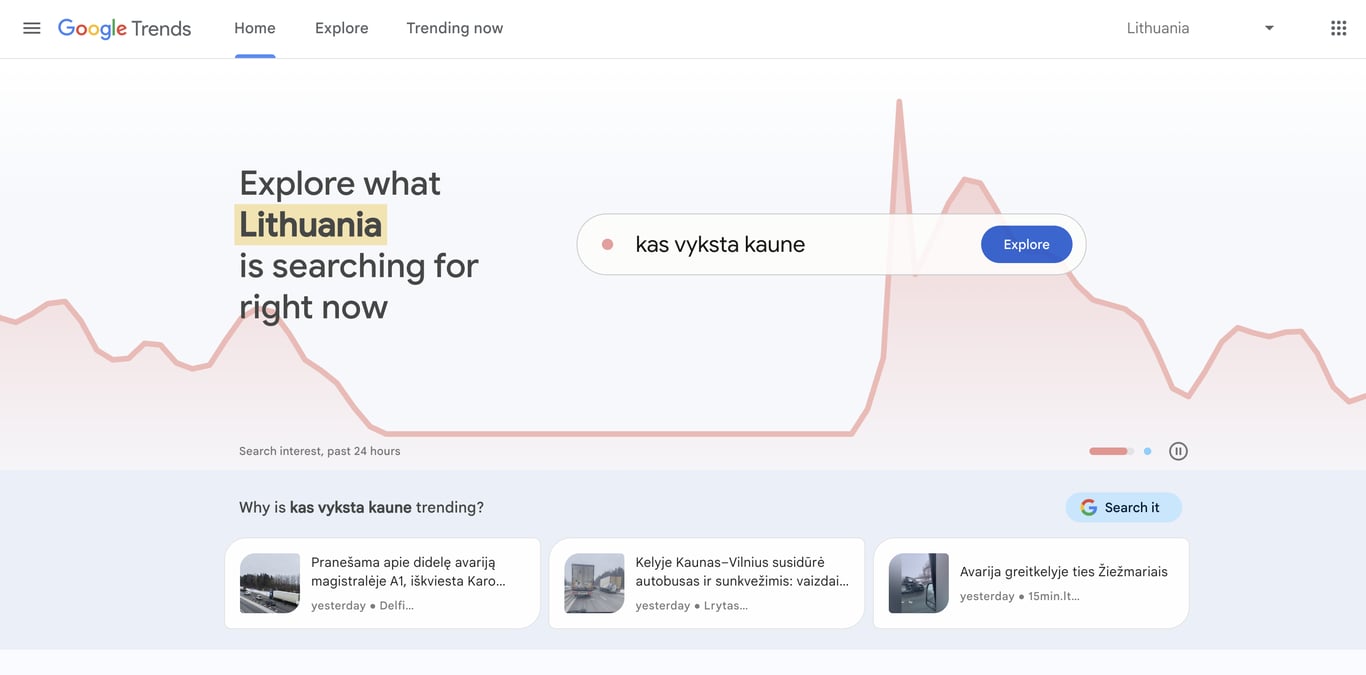
Start by picking a specific category like pet accessories or home fitness gear. Research what’s selling well using Google Trends or browsing Amazon’s bestseller lists. You’re looking for products in the $20-50 range with steady demand – high enough margin to be profitable, low enough that people buy on impulse.
Once you know what you want to sell, find suppliers on platforms like Spocket (US-based, 5-7 day shipping) or AliExpress (millions of products, 2-6 weeks delivery). Always order samples to see exactly what your customers will receive.
Warning! Don’t commit to a supplier without ordering samples first. Many beginners skip this step to save time and money, only to discover their products arrive with poor quality or damaged packaging. That $20-$50 sample investment prevents hundreds of dollars in refunds and negative reviews later.
2. You create an online store and list products
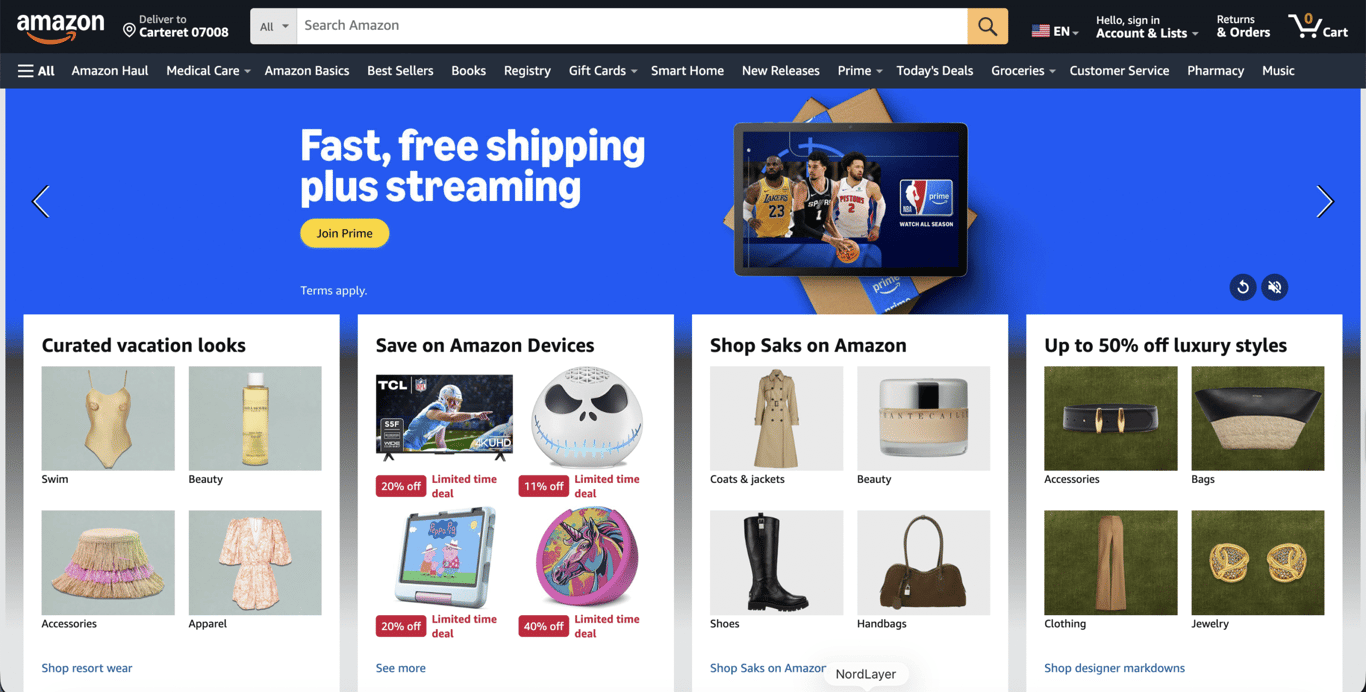
You have two main options for where to sell your products: build your own website or use existing marketplaces like Amazon, eBay, or Etsy.
Building your own website gives you full control over branding, customer data, and profits. Tools like Hostinger Website Builder make this easy by including hosting, SSL certificates, and payment integration in one package – so you don’t need technical experience to get started.
Marketplaces like Amazon or eBay come with built-in traffic, which can help you get your first sales faster. However, they charge fees (typically 8%–15% per sale) and give you less control over your brand. Many beginners start on marketplaces to test what sells, then build their own website once they’re more confident.
Once your store is set up, you can start adding products and deciding how to price and present them. List your supplier’s products in your store, but set your own retail prices. For example, a product that costs you $10 might sell for $25–$30.
Focus on writing product descriptions that solve real problems, using clear, high-quality photos (you can request professional images from suppliers), and making your shipping policy easy to find. A clear “Ships in 2-3 weeks” message prevents the dreaded “Where’s my order?” emails two days after purchase.
These details help build trust – something customers need before they’re willing to buy from a store they’ve never heard of.
To learn more about building a profitable online presence, explore how to make money online using different business models.
3. Customer places an order
A shopper discovers your store (through ads, social media, or Google), browses your products, and adds items to their cart. They complete the checkout, entering their shipping address and payment information.
From the customer’s perspective, they’re buying directly from you – not from a warehouse in China or a third-party supplier. They see your store name, your branding, and your policies.
When they complete checkout, payment processors like Stripe or PayPal handle the transaction behind the scenes. They collect the customer’s money (minus about 3% in fees) and deposit it into your account, usually within 2-3 business days.
4. You forward order details to the supplier
Shortly after receiving payment, you send the order information to your supplier. Apps like DSers automate this step with one click – no more copying addresses or sending manual emails. Customer details, product selections, and shipping preferences flow directly to your supplier.
Your supplier gets all the information they need to pack and ship the order.
5. Supplier packages and ships the product directly to the customer
Your supplier picks the product from their warehouse, packages it (sometimes with your custom branding if you pay extra), and ships it straight to your customer’s address. The product never passes through your hands.
Tracking numbers automatically sync back to your store. Your customer can monitor their package, and from their perspective, you’re keeping them informed every step of the way.
6. You handle customer service and any returns
Questions about products, “Where’s my package?” messages, and return requests all come to you. You’re the face of the business, even though your supplier handles the physical products. A quick “I’ve checked with our warehouse, your order ships tomorrow!” response turns a potentially frustrated customer into a repeat buyer.
The best dropshippers respond within 30 minutes and make refunds straightforward. This relationship-building separates successful stores from the 80% that close within their first year. Good customer service drives repeat purchases and positive reviews.
Profit comes from the gap between what customers pay and your total costs. On a $30 sale where the product costs $10, you typically keep $6-$8 after platform fees, payment processing, and advertising.
For step-by-step guidance on launching your store, check out how to start an online store with detailed platform recommendations.
What are the key characteristics of dropshipping?
Dropshipping has three key characteristics that explain how the business model works in practice:
- No inventory management – You sell products without buying or storing stock yourself. No boxes in your garage, no scrambling to find warehouse space when you scale. This reduces upfront risk, but means inventory availability depends on your suppliers. If they run out, so do you.
- Low upfront costs – Startup expenses focus on building your store and marketing rather than purchasing products in bulk. You’re looking at $100-500 to get started instead of the $5,000+ traditional retail demands for initial inventory, making dropshipping accessible even on a tight budget.
- Supplier reliance – Suppliers control fulfillment, shipping speed, and product quality. While they handle the logistics so you don’t have to pack boxes at midnight, you remain responsible for the customer experience – their delays become your customer service headaches.
These characteristics help explain why dropshipping is so appealing to first-time sellers – and why its advantages come with important trade-offs.
Dropshipping advantages
- Low financial risk – You don’t buy inventory upfront, so testing products only requires a small ad budget. A flop costs you $50 in ads, not $5,000 in unsold stock.
- Fast product testing – You can validate demand within days instead of months. List Monday, run ads Tuesday, know by Friday if it works. This speed lets you test 10-20 products while traditional retail tests one.
- Flexible product selection – You can add, remove, or switch products quickly without changing your operations. Spot a trending product for dropshipping and list it the same day – no bulk orders or clearing old inventory first.
- Location independence – Suppliers handle storage and shipping, so you can run your business from anywhere with internet access – in your living room or a coffee shop in Bali.
- Low fixed costs – No warehouse, staff, or inventory expenses keep overhead around $100-300/month. This makes staying profitable easier, even during slow sales periods.
Dropshipping challenges
- Lower profit margins – Most dropshipping stores operate on thin margins, typically around 10%–20%, meaning scale or strong branding is required for meaningful income.
- High competition – Because entry barriers are low, many sellers offer identical products from the same suppliers, often competing primarily on price.
- Limited fulfillment control – Shipping speed, packaging, and order accuracy depend entirely on suppliers, limiting your ability to deliver a premium experience.
- Shipping delays – Longer delivery times and split shipments can frustrate customers and increase support requests.
- Quality inconsistency – Product quality may vary between batches, and issues are often discovered only after customers receive their orders.
These challenges show why it’s important to set realistic expectations before getting started. Understanding the pros, limitations, and income potential can help you decide whether dropshipping is worth it for your goals.
Pro Tip
Approach dropshipping as a long-term learning process. Focus on testing products, improving customer experience, and building reliable supplier relationships over time.
What are the differences between dropshipping and traditional ecommerce?
The key difference is who owns and handles the products. That single distinction affects startup costs, risk, control, and profitability.
| What you’re comparing | Dropshipping | Traditional ecommerce |
| Startup budget | ~$100–$500 to start testing products | ~$5,000+ to buy inventory upfront |
| Inventory ownership | Supplier owns and stores products | You buy or create and store products |
| Order fulfillment | Supplier packs and ships orders | You ship orders or use a fulfillment service |
| Shipping speed | Depends on supplier (days to weeks) | Fully in your control (same-day possible) |
| Gross profit per sale | ~15%–30% before expenses | ~40%–80% before expenses |
| Typical net profit | ~10%–20% of sales | ~10%–20% of sales (usually at higher volume) |
| Quality control | Limited – handled by suppliers | Full – products can be inspected |
| Financial risk | Low – no unsold inventory | Higher – unsold stock ties up money |
| Adding new products | Fast – list products instantly | Slower – requires purchasing inventory |
| Branding control | Limited packaging options | Full control over branding and unboxing |
| Time to launch | Days to weeks | Weeks to months |
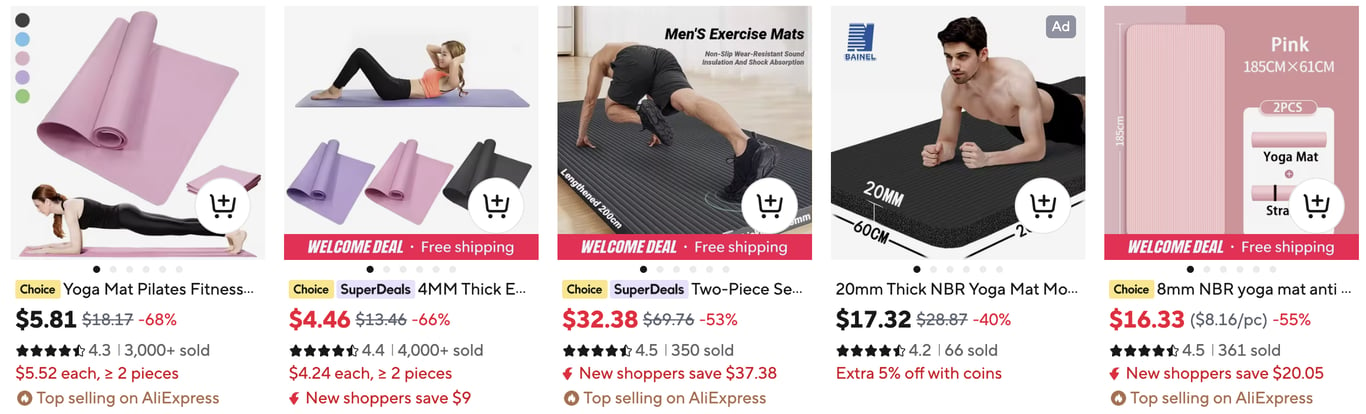
Here’s what this looks like in practice – with traditional ecommerce, you might spend $5,000 on 200 yoga mats and earn $40 profit per mat if they sell. With dropshipping, you spend $200 testing ads for 5 different products, find one that converts, then scale it without touching inventory.
That’s the tradeoff. Lower profit per sale, but zero risk of $5,000 worth of yoga mats gathering dust.
Traditional ecommerce is usually a better fit if your goal is higher margins and full control. Buying inventory upfront lowers per-unit costs and allows you to manage packaging, quality checks, and shipping speed – important for long-term brand building.
Dropshipping works well if you’re starting with a limited budget or testing product ideas. It lets you explore demand, switch products quickly, and learn ecommerce fundamentals without tying up money in inventory.
Many successful sellers use both models over time. They start with dropshipping to identify what sells, then transition to holding inventory once demand is proven. This approach combines low-risk testing with stronger long-term profitability.
What are the differences between dropshipping and print on demand?
Dropshipping and print on demand are both low-cost ecommerce models that let you sell products without buying inventory upfront. The key difference is what you sell and how orders are fulfilled.
With dropshipping, you sell existing products that a supplier ships directly to customers – think phone cases, kitchen gadgets, or fitness equipment that already exist. With print on demand, products are created only after an order is placed and feature your custom designs, like t-shirts with your artwork or mugs with your quotes.
Dropshipping also offers a wider product range and higher potential profit margins, making it well-suited for sellers who want to test products quickly and focus on marketing. Print on demand provides greater brand control and unique products, which makes it a strong option for creators and businesses building a distinct identity.
For a detailed comparison with more examples, check out our guide on print on demand vs dropshipping.
How do you start a dropshipping business?
Starting a dropshipping business comes down to three core steps: choosing what to sell, building where you’ll sell it, and getting customers to buy.
Most beginners start by picking a focused niche – like yoga gear for beginners or small kitchen tools – and working with a small number of reliable suppliers to make sure product quality and shipping meet expectations.
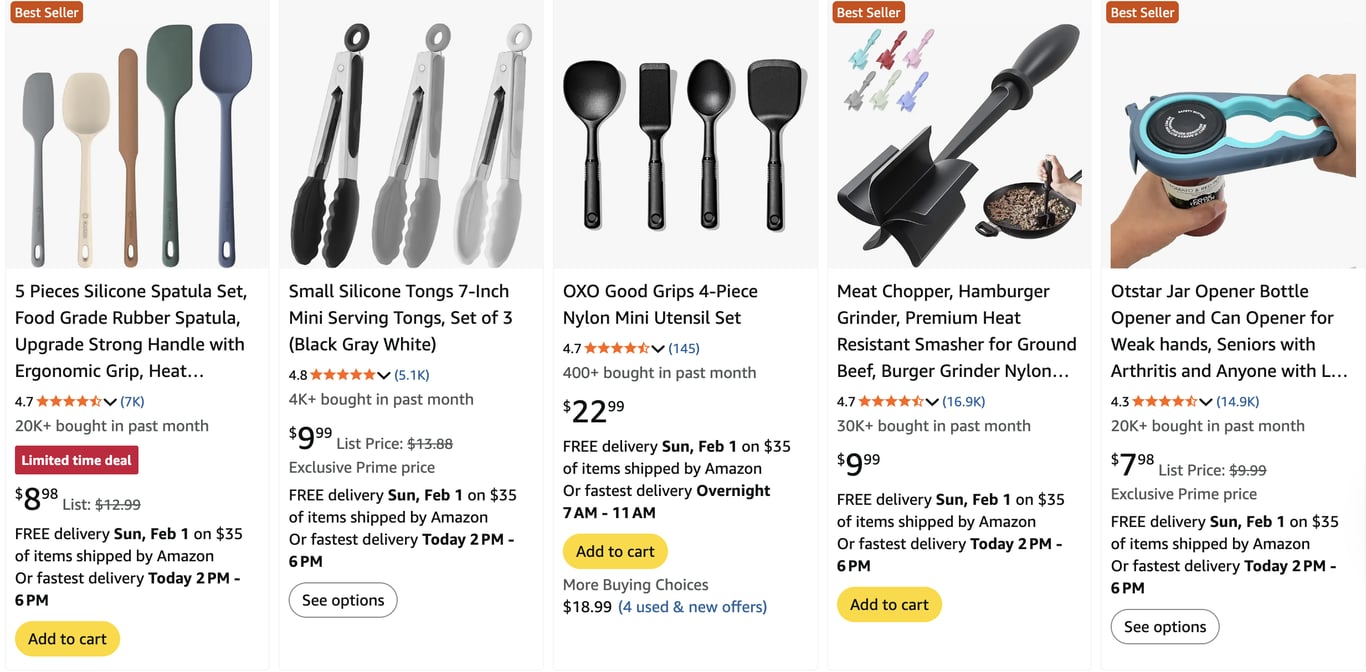
Next, you set up an online store with clear product listings, pricing, and shipping policies. Your store doesn’t need to be fancy, but it should feel trustworthy, with clean design, professional photos, and an easy checkout experience. While suppliers handle packing and shipping, your store and branding are what customers interact with.
From there, success comes from testing and refinement. Some sellers find a winning product quickly, while others take a few months of testing through ads or social content. Both are normal. The key is staying focused, learning the fundamentals, and improving your supplier relationships and product selection over time.
For a full step-by-step walkthrough with practical tips and examples, check out our guide on how to start a dropshipping business.
All of the tutorial content on this website is subject to Hostinger's rigorous editorial standards and values.

Alma is an AI Content Editor with 9+ years of experience helping ideas take shape across SEO, marketing, and content. She loves working with words, structure, and strategy to make content both useful and enjoyable to read. Off the clock, she can be found gaming, drawing, or diving into her latest D&D adventure.