What is organic traffic and how it works
Jan 09, 2026
/
Ariffud M.
/
8 min Read
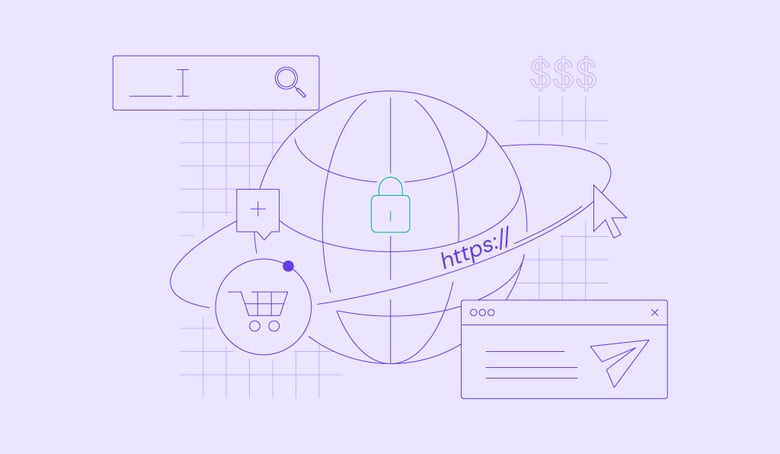
Organic traffic is the stream of visitors who land on your website by clicking unpaid search results on search engines like Google, Bing, or Yahoo.
For business and website owners, this “free traffic” is often the most valuable traffic source because it supports sustainable, long-term growth.
These visitors actively search for solutions you offer. This means they usually show higher intent and are more likely to convert into customers than casual browsers.
Organic traffic comes from search engine optimization (SEO), the practice of optimizing websites and content to naturally appear in search results, including traditional blue links and AI-driven features like Google’s AI Overview.
This sets organic traffic apart from paid traffic (which requires ad spend), direct traffic (where users manually type your URL), referral traffic (links on other websites), and social traffic (clicks on social media platforms).
Unlike these sources, organic traffic is earned through relevance and content quality rather than budget or promotion.
What are the key characteristics of organic traffic?
The key characteristics of organic traffic include its unpaid nature, high search intent, and long-term sustainability. These qualities come mainly from how SEO works and the user behaviors it attracts.
- Unpaid. Unlike paid ads, you can’t buy your way to the top of organic search results. According to Google’s guide to how search works, “Google doesn’t accept payment to crawl a site more frequently or rank it higher.” This means visits are earned through relevance, content quality, and alignment with ranking factors.
- Intent-driven. Organic searches tend to be highly specific. For example, a user searching for “how to migrate a website” has a clear goal. This strong intent improves traffic quality and often leads to deeper engagement and higher conversion rates than casual browsing.
- Sustainable. While organic keyword rankings can fluctuate, a well-optimized page can attract a steady stream of visitors for years without ongoing ad spend, as long as the content stays relevant, accurate, and up to date with search intent.
Due to these factors, organic traffic is a vital metric for website success. Consistent growth signals that your brand is building authority and effectively solving user problems.
What are the benefits of organic traffic?
Organic traffic brings credibility, stronger user engagement, cost efficiency, and sustainable growth to your website and brand.
Investing in organic reach offers clear advantages over paid methods because it aligns with how modern users browse and evaluate content online.
- Higher trust and credibility. Users often distinguish between sponsored listings and natural search results. Ranking high organically signals that your content is authoritative and relevant enough to earn that position. High-quality organic content may also appear in Google’s AI Overviews, which can expand visibility beyond traditional blue links.
- Better engagement. Because organic visitors actively search for a specific answer or solution, they’re more likely to interact with your content. This match between user intent and your content usually leads to deeper engagement and higher conversion potential.
- Cost-effectiveness. While SEO requires time and resources, you don’t pay for individual clicks. Once a page ranks well, it can attract thousands of visitors without increasing your per-click marketing spend, delivering a strong long-term return on investment (ROI).
- Sustainable growth. Unlike paid campaigns that stop generating traffic as soon as you pause spending, organic traffic builds a lasting foundation. A single high-quality article can continue driving traffic for years after publication.
Important! While engagement metrics like time on site can signal content quality, Google has confirmed that bounce rate, the percentage of users who leave a page without further interaction, is not a ranking factor. Google’s Gary Illyes has stated, “We don’t use analytics or bounce rate in search ranking.”
How organic traffic works
Organic traffic works by matching user search queries with relevant content in a search engine’s index, which then ranks that content based on a specific algorithm.
This process depends on the interaction between search engine systems, user behavior, and your website’s quality. To attract organic traffic, your site must align with how search engines operate.
For example, Google Search works in three stages: crawling (discovering new and updated pages), indexing (analyzing and storing content), and serving (showing the most relevant results to users).
Below is a step-by-step breakdown of how an organic visit happens:
- User search. A user types a question or phrase, known as a keyword, into the search bar – for example, “how to bake sourdough bread.”
- Algorithm retrieval. The search engine scans its index to find pages that match the user’s intent. Google retrieves this content from pages it has already crawled, analyzed, and stored.
- Ranking. The algorithm ranks the retrieved pages using hundreds of signals. As Google explains, “Relevance is determined by hundreds of factors,” which can include the user’s location, language, and device.
- SERP display. The search engine displays results on the search engine results page (SERP). Organic results usually appear as standard blue links below sponsored ads. For some queries, Google may also show an AI Overview, which is an AI-generated summary that cites relevant sources. Your organic content can appear as one of these citations.
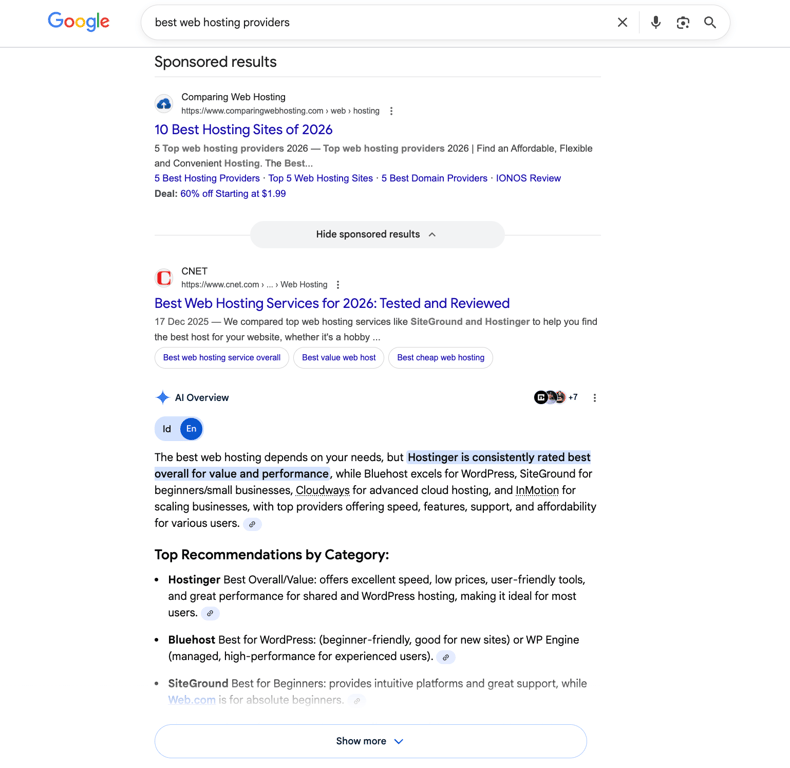
- User clicks. The user reviews the titles and descriptions and clicks the result that best answers their question.
This process shows why you can’t simply “get” organic traffic – you have to build it.
To do so, start with keyword research to understand what users are searching for, create high-quality blog posts that provide the best possible answers, and apply technical optimization so search bots can easily read and understand your site.
If you want to explore broader strategies for attracting visitors, check out our guide on how to drive traffic to your website.

What are the differences between organic traffic and other traffic types?
The main difference between organic traffic and other web traffic types is the source of the visit.
Organic traffic originates from unpaid search results, whereas other traffic types come from ads (paid traffic), typed URLs or bookmarks (direct traffic), links from other websites (referral traffic), or social media platforms (social traffic).
Organic traffic also depends on user search intent, while other sources rely more on brand recognition, external recommendations, advertising spend, or social engagement.
Organic vs direct traffic
Organic traffic comes from search engines when users click unpaid search results, while direct traffic comprises visitors who type your URL directly into their browser or use a saved bookmark.
The key difference lies in the intent – organic traffic facilitates discovery, while direct traffic often indicates brand familiarity.
Organic traffic plays a major role in attracting new users who aren’t familiar with your brand but are searching for a solution you offer.
It supports scalable growth based on search demand, but it’s more sensitive to algorithm updates and competitive rankings.
Direct traffic, by contrast, often reflects brand retention because users intentionally return to your site without relying on search engines or external links.
However, direct traffic is harder to grow since users must already know your brand or website.
Examples:
- Organic. A user searches for “how to start a blog” on Google and clicks your tutorial.
- Direct. The same user bookmarks the tutorial and returns a week later by clicking the bookmark or typing its URL into the address bar.
Organic vs referral traffic
Organic traffic depends on search engines to connect users with your content, while referral traffic comes from visitors who click links on other websites that point to yours.
The primary difference between organic and referral traffic lies in discovery versus endorsement.
Organic traffic relies on search engines to connect users with your content. High search rankings ensure a steady stream of visitors seeking specific answers, allowing for direct discovery without the need for a third-party intermediary.
Referral traffic, by contrast, comes from visitors who arrive via links on other websites.
Beyond driving referral traffic, these backlinks help signal relevance and authority to search engines, supporting long-term organic traffic growth.
Examples:
- Organic. A user searches for “email marketing statistics 2026” on Google and clicks your article.
- Referral. A marketing blog cites your statistics in an article and links to your page as the source, which a reader then clicks.
Organic vs paid traffic
Organic traffic comes from visitors who find your website through unpaid search results for specific keywords.
Paid traffic comes from advertising methods such as search engine marketing (SEM) or pay-per-click (PPC), where you pay to appear in search results for targeted keywords.
The key trade-off between these two traffic types is time versus money.
Organic traffic delivers strong long-term ROI. Once a page ranks, it can attract visitors without ongoing per-click costs. Users also tend to trust organic results more than sponsored ads, which helps build credibility.
But organic traffic takes time to grow – often taking months or longer – and gives you less control over exactly when and how your pages appear in search results.
In contrast, paid traffic provides immediate visibility and precise targeting options that organic methods can’t match. But it stops as soon as your ad budget runs out and you pause your campaigns.
Examples:
- Paid. You bid on the keyword “best web hosting for beginners,” and your landing page appears at the top of Google within the “Sponsored results” section.
- Organic. Months later, the same page ranks naturally for that keyword, so you can reduce ad spend while continuing to capture traffic.
Organic vs social traffic
Organic traffic comes from search engines, where users actively search for answers. Social traffic comes from users discovering your content while scrolling through social media platforms like Facebook, LinkedIn, or X.
Organic traffic is called “pull” marketing, since users seek you out, while social is “push” marketing, as you reach them in their feed.
Organic traffic attracts users with high intent. They have a specific problem and actively look for a solution. It’s also more sustainable, as a high-ranking page can continue to drive traffic over time.
However, it lacks the community-building and real-time interaction that social platforms offer.
Social media traffic, in contrast, typically has a shorter lifespan, often lasting only a few hours or days. But it enables direct engagement, showcases brand personality, and offers viral potential that search engines can’t replicate.
Examples:
- Organic. A user searches for “how to start a podcast” on Google and clicks your guide.
- Social. You share your “how to start a podcast” guide on X with a short tip from the article, and a follower clicks through to read the full post.
Best practices to increase organic traffic
The best practices for increasing organic traffic include targeting the right keywords, creating valuable content, optimizing technical SEO, improving Core Web Vitals, and building high-quality backlinks.
Start with the foundation: content and relevance. This process begins with thorough keyword research to identify high-volume, low-competition terms, especially long-tail keywords that reflect specific user intent.
Once you identify those keywords, create high-quality content that genuinely solves users’ problems and naturally incorporates them.
High-quality, original content not only satisfies search intent but can also attract authoritative backlinks, which serve as a strong signal of credibility.
For more actionable tips on growing organic traffic, read our guide on how to optimize your website.
What are the tools to measure and optimize organic traffic?
You can’t grow what you don’t measure. To make data-backed decisions, you need organic traffic analytics tools that show how many people visit your site and how they interact with it.
The essential tools for measuring and improving organic traffic are Google Search Console, Google Analytics 4, PageSpeed Insights, and third-party platforms like Ahrefs or Semrush.
- Google Search Console (GSC). This free Google tool helps you monitor performance before the click. Focus on metrics such as click-through rate (CTR) and impressions. For example, a high number of impressions but a low CTR often means your page title or meta description needs to be more compelling to earn the click. Impressions and clicks from AI Overviews and AI Mode are included in your overall search traffic data in GSC.
- Google Analytics 4 (GA4). While GSC focuses on search performance, GA4 tracks on-site user behavior. Pay close attention to engagement rate and conversions, as these metrics indicate whether your content aligns with user intent. To learn more about this tool, read our Google Analytics tutorial.
- PageSpeed Insights. Another free tool from Google, PageSpeed Insights, measures Core Web Vitals. Use it to identify performance issues that affect largest contentful paint (LCP), interaction to next paint (INP), and cumulative layout shift (CLS).
- Ahrefs or Semrush. These third-party tools support competitive analysis. They help you track keyword rankings and backlink profiles, making it easier to spot content gaps where competitors outperform you.
By consistently using these tools to monitor key performance indicators, you can move beyond guesswork and build a sustainable strategy that drives long-term growth.
All of the tutorial content on this website is subject to Hostinger's rigorous editorial standards and values.

Ariffud is a Technical Content Writer with an educational background in Informatics. He has extensive expertise in Linux and VPS, authoring over 200 articles on server management and web development. Follow him on LinkedIn.