15 software startup ideas
Sep 18, 2026
/
By Larassatti D.
/
10 min Read
Software startups have become one of the most compelling business models of the decade, combining high scalability with minimal overhead. Unlike traditional businesses constrained by physical inventory or brick-and-mortar locations, software products are built once to be maintained and distributed globally with near-zero marginal costs.
The global software market, expected to reach around USD 2,248.33 billion by 2034 (according to Precedence Research), validates this opportunity. This growth is fueled by the rise of remote work, the gig economy, AI integration, and digital-first business models.
To help narrow your focus, these software startup ideas are organized by skills, industry insight, and capital requirements:
- Best for founders with experience in productivity, content, or digital workflows
- SaaS tools for freelancers and remote teams
- AI-powered writing assistants
- No-code app builders for small businesses
- Micro-inventory management tools
- Freelancer reputation and verification platforms
- Well-suited for those with knowledge in operations, sales, or niche industries
- B2B workflow automation tools
- Vertical CRMs (for lawyers, dentists, and other professionals)
- Subscription management platforms
- Cross-platform order syncing tools
- Lower initial investment and easier entry points
- Creator economy tools (for influencers and streamers)
- Edtech microlearning platforms
- Healthtech apps for mental wellness
- Higher-complexity but high-impact opportunities
- Cybersecurity startups for SMBs
- Fintech solutions for micro businesses
- Anti-deepfake and content authenticity platforms
To start building your software startup, focus on solving a clear, specific problem for a distinct group of users. Validate the idea through research and feedback, then create a simple MVP to test the real market demand.
1. SaaS tools for freelancers and remote teams
Freelancers and remote teams often struggle with fragmented workflows, sometimes using five different apps just to manage one client. A unified SaaS application development project that integrates these functions into one dashboard solves a headache.
Indy is an example of this kind of software. It targets freelancers specifically with a suite of tools (contracts, proposals, and invoices) in one platform, undercutting the complex and expensive enterprise tools like Salesforce that freelancers don’t need.
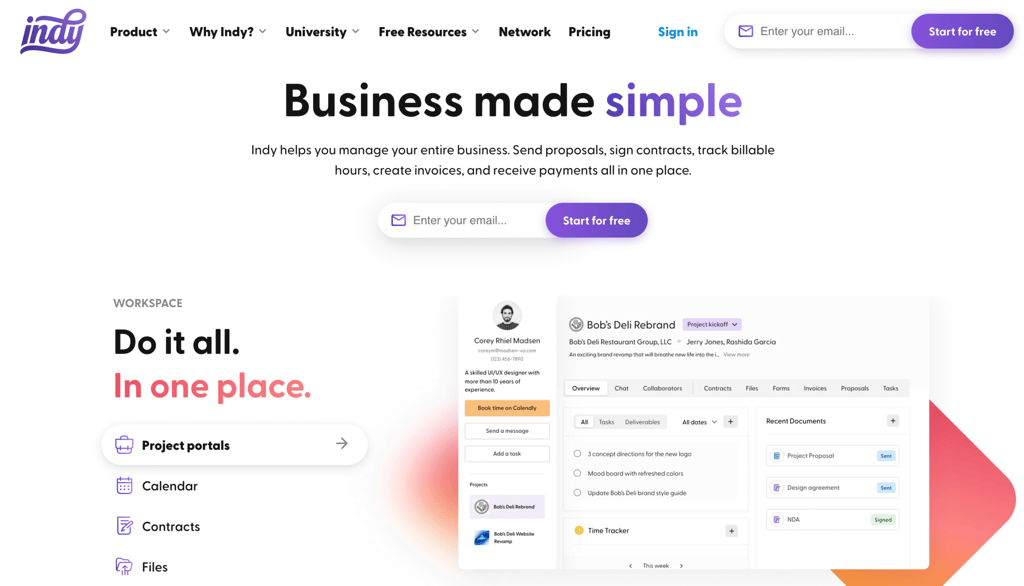
Remote teams face similar pain points in managing multiple clients across different time zones while juggling project timelines, resource allocation, and client communications. A tool that combines time tracking with automatic invoice generation based on tracked hours would solve their problem.
To come up with more ideas, observe which workflows consume the most time in a remote company’s business operations and build software that can simplify those.
➡️ Find other profitable micro SaaS ideas for inspiration.
2. AI-powered writing assistants
While tools like ChatGPT are already widely used, they often lack specificity in meeting the needs of certain industries. The opportunity lies in vertical AI, which focuses on solving problems within a single industry, including writing assistants trained on precise, niche-specific data.
Spellbook does this for corporate lawyers. It integrates directly into Microsoft Word to draft and review contracts, identifying risks and suggesting clauses based on legal precedents, which is still a hassle with a generic chatbot.
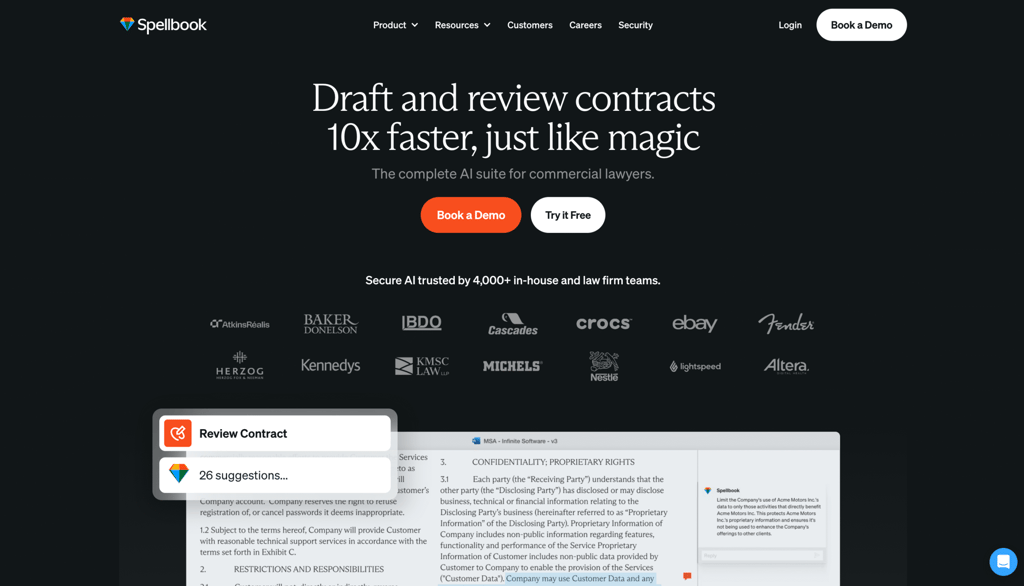
Each profession has its own unique constraints. To make a vertical AI tool valuable, build interfaces and workflows that match how professionals actually work, eliminating the friction of translating their needs into effective prompts.
3. No-code app builders with cross-platform export
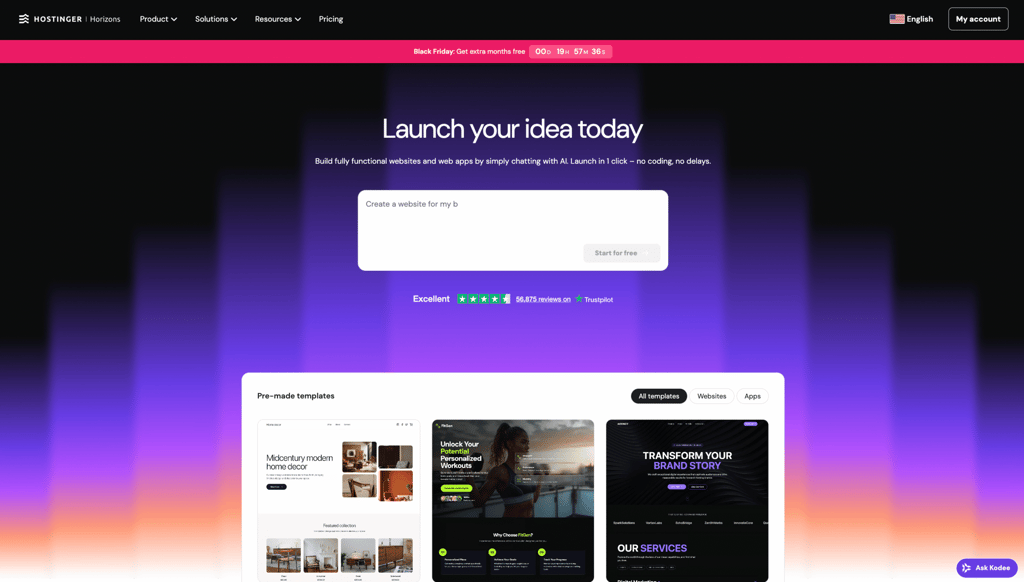
The recent popularity of no-code app-builders has proven market demand, but most limit founders to web-only deployment. Simple cross-platform export feature becomes a unique selling point to deliver.
A platform optimized for building once and adapting efficiently to browser extensions, progressive web apps (PWAs), and desktop apps would capture entrepreneurs currently blocked by technical complexity.
The differentiation is reducing deployment friction across platforms – not building another visual editor. Smart defaults and platform-specific templates handle the technical complexity, letting founders reach users wherever they are.
4. Subscription management platforms
Subscription businesses continue to proliferate, as recurring revenue provides financial predictability. But managing those recurring payments creates complexities, like:
- When a customer upgrades their plan mid-month, the system needs to calculate prorated charges.
- When credit cards expire or payments fail, automated retry logic prevents revenue loss.
- Businesses operating globally must apply different tax rates based on customer location while handling multiple currencies and payment methods.
Subscription management platforms automate this billing infrastructure, eliminating the need to build complex payment logic from scratch. RevenueCat carves out a specific niche by focusing on mobile app subscriptions, handling the intricate requirements of Apple’s App Store and Google Play’s billing systems.
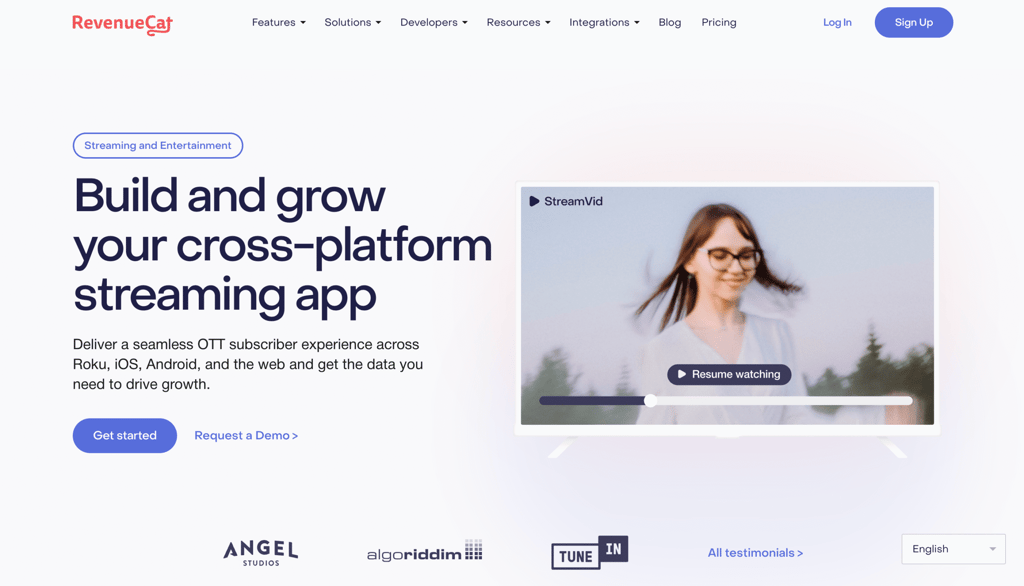
Look for broader opportunities in serving businesses transitioning from one-time sales to subscription models (like service providers, course creators, and companies selling digital products) that need subscription infrastructure without requiring a whole development team to implement it.
5. B2B workflow automation tools
B2B workflow automation tools serve as the connector between different software, automatically transferring data from one system to another based on predefined triggers. This reduces human error and allows employees to focus on creative work rather than copying and pasting.
Take, for example, a lead management task. If a user has to copy the captured leads into a spreadsheet manually, then into an email tool, and then into a Slack channel to notify the sales team, it’s a tedious process. An automation tool would instantly perform all three actions simultaneously in under a second.
While there are popular automation tools like n8n or Zapier, the opportunity lies in building a platform with pre-built, plug-and-play workflows for specific industries or small businesses.

6. Cybersecurity startups for SMBs
Small to medium-sized businesses (SMBs) are prime targets for cyberattacks because they often possess valuable data but lack the security budget of large corporations.
A cybersecurity startup for SMBs offers protection packaged in a simple, set-it-and-forget-it product that doesn’t require a dedicated security team to manage.
Huntress shows a good example in this space. They focus on managed detection and response (MDR) for SMBs, selling their services through IT resellers who manage the software for local businesses.

7. Fintech solutions for micro businesses
Traditional banks often overlook the pain points of micro businesses and solopreneurs, creating an opportunity for fintech startups focused on the self-employed: separating tax money, tracking expenses, and providing instant payouts.
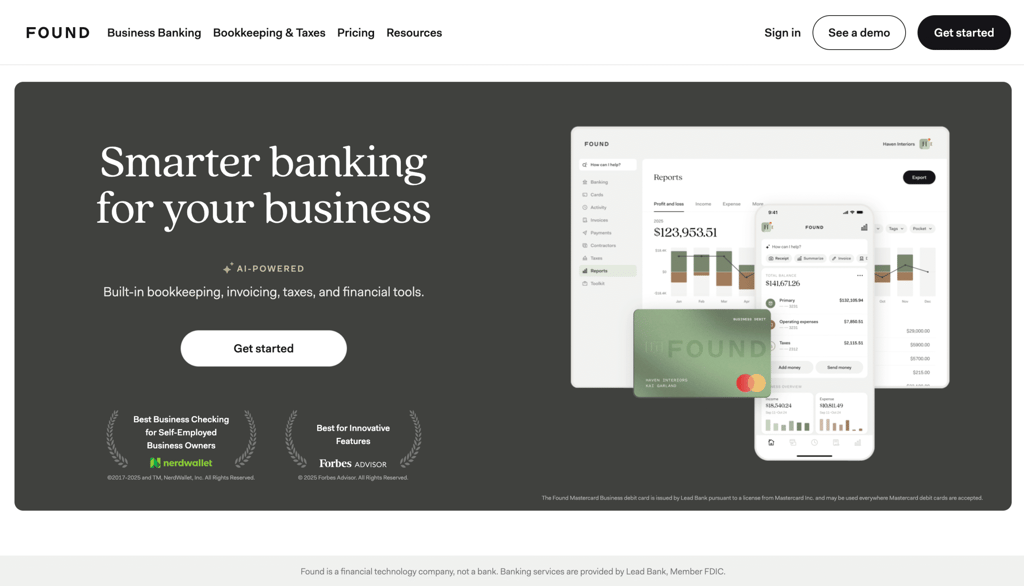
Found is an example of a banking app built specifically for self-employed individuals. It combines a business bank account with built-in bookkeeping and tax tools, automatically calculating the amount of tax you owe as you earn, solving the dreaded “tax surprise” problem for freelancers.
8. Healthtech apps for physical wellness
Most people quit the gym because it gets boring over time. Making gamified fitness activities solves retention problems by turning exercise into a competitive game or an immersive story. The opportunity here is to build a social platform for a specific activity (like hiking, jump rope, or corporate walking challenges) that relies on community features rather than just data tracking.
For example, Fantasy Hike appeals to walkers and hikers by letting their real-world walking distance progress them on a virtual journey to “Mount Fire,” inspired by The Lord of the Rings. It monetizes by selling the fantasy experience and progress tracking rather than just weight loss.

➡️ Follow a walkthrough to create a fitness app with Hostinger AI Builder.
9. Creator economy tools
Creators are one-person modern small businesses, but they often lack tools to manage their operations effectively. Tools that automate tasks like consolidating income streams into a single profit dashboard or managing licensing for user-generated content (UGC) can help streamline a creator’s workflow.
For instance, Passionfroot provides a solution that replaces the combination of spreadsheets and emails for creators. The software enables them to build a storefront for their sponsorships, allowing brands to book slots directly, which streamlines the most profitable part of a creator’s business.

Beyond managing sponsorships and analytics, creators also need help with content repurposing, brand deal workflows, community monetization, and revenue tracking across multiple platforms.
These kinds of solutions reduce administrative overhead, allowing creators to focus on what they do best – creating content.
10. Edtech microlearning platforms
While professionals are often stretched thin for hour-long lectures, edtech microlearning platforms deliver educational content in shorter, more easily consumable chunks that are ideal for mobile devices.
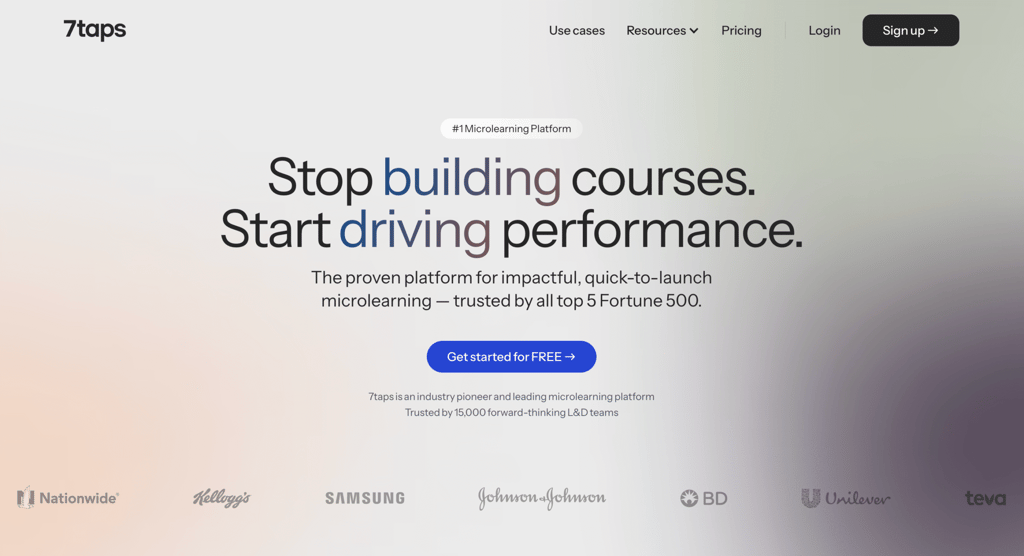
7taps captures this opportunity by providing a microlearning platform that allows companies to create bite-sized, story-format courses delivered in minutes, resulting in higher engagement rates among employees.
Narrowing your software to target niche educational content for specific industries would be a good start.
In the food and beverage industry, for example, restaurant staff need food safety certifications but can’t leave the floor for hour-long training sessions. Retail employees across multiple store locations require product knowledge updates that occur more frequently than quarterly training meetings.
These scenarios would benefit from mobile-first platforms that are offline-capable, provide easy-to-digest materials, and enable progress tracking without disrupting operations.
11. Vertical customer relationship management (CRM)
Unlike generic CRMs like HubSpot or Salesforce, a vertical CRM comes pre-configured with the exact workflows, terminology, and integrations that a particular profession needs.
For example, a construction company doesn’t need to track email open rates. Instead, they need to track permit approvals, subcontractor schedules, and material delivery dates. A vertical CRM for construction would address these needs seamlessly.
ServiceTitan is an example of a vertical CRM designed for home service trades. It handles everything from dispatching trucks to processing payments in the field.

12. Micro-inventory management tools
Micro-sellers are selling vintage clothes, handmade crafts, or imported goods directly through social media platforms like Instagram DMs, TikTok comments, or WhatsApp.
These sellers often don’t have any other choice but to painstakingly manage their sales on multiple spreadsheets or sticky notes. A mobile-first inventory tool designed specifically for chat-based commerce could fill the gap that complex ecommerce platforms don’t provide and reduce the manual workload.
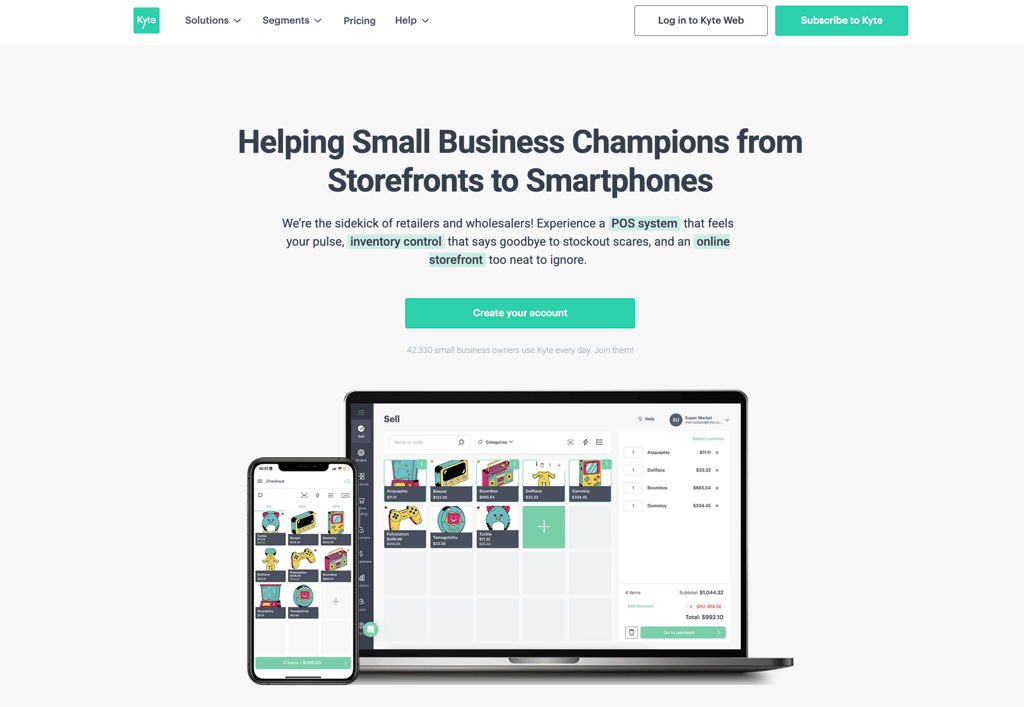
Kyte is a software example that utilizes this business model, providing a mobile POS and inventory app for smartphone-first retailers. It strips away the complexity of desktop-based ecommerce systems, allowing social sellers to manage orders, receipts, and inventory entirely from a mobile interface.
13. Cross-platform order syncing tools
Ecommerce businesses are scaling up by selling on multiple platforms simultaneously. The most significant pain point of this practice is inventory desynchronization, which can lead to accidental sales that cannot be fulfilled.
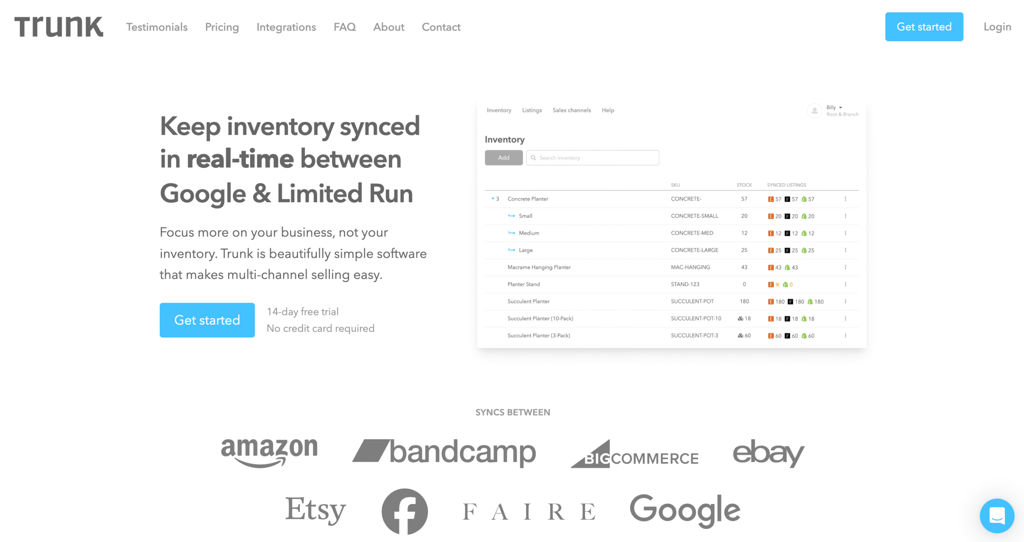
Trunk creates a niche by syncing stock levels in real-time. Unlike massive ERPs that cost thousands, Trunk focuses solely on the connection between platforms like Etsy, Faire, and Squarespace, making it an essential utility for small multi-channel makers.
In addition to product inventory, you can also consider building a platform that consolidates multi-channel sales data and calculates profit margins. This way, sellers would clearly see which platforms drive the most profit, where they should allocate inventory, and which channels are no longer worth the effort.
14. Anti-deepfake and content authenticity tools
As generative AI becomes mainstream, the risk of identity fraud and reputation damage skyrockets. This makes a B2B demand for software that can verify the authenticity of digital content or protect a brand’s media assets from being used to train unauthorized AI models.
Reality Defender is a platform example that scans audio, video, and image files to identify manipulation fingerprints, providing a probability score indicating AI-generated content.

Different industries face specific deepfake risks, creating opportunities to build authentication tools that integrate directly into existing workflows.
To name a few, insurance companies need to verify that accident photos haven’t been manipulated to inflate claims. News organizations must authenticate user-submitted videos before publishing to protect credibility. Financial institutions require assurance that loan application documents and IDs are genuine.
15. Freelancer reputation and verification platforms
Currently, a freelancer’s reputation is dependent on the platform they use. If a top-rated writer on Upwork gets banned or decides to leave, they lose years of reviews and data.
A portable reputation platform allows freelancers to aggregate their verified work history, client reviews, and earnings from multiple sources into a single, independent profile that they own and control.
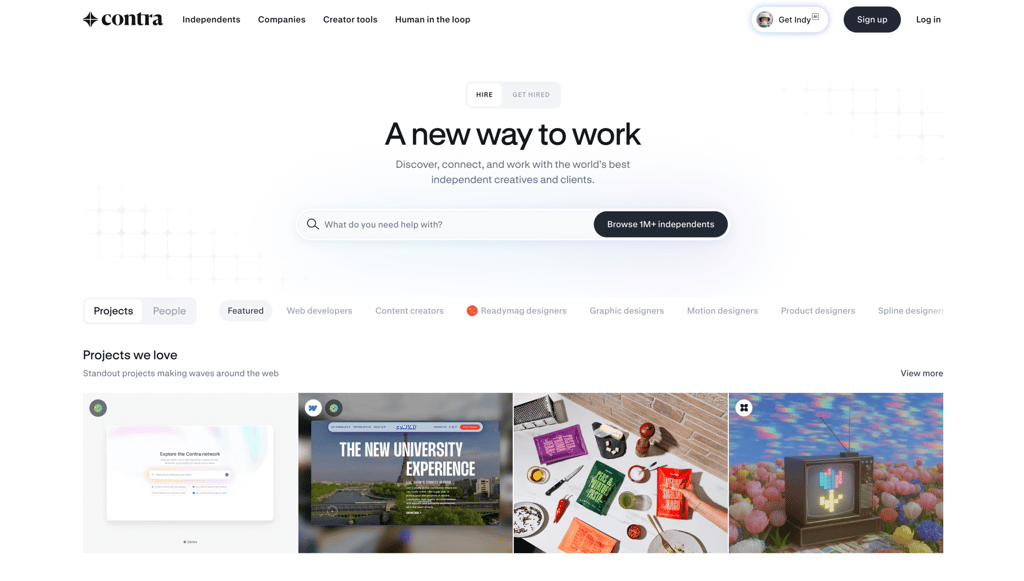
Contra addresses this by offering a commission-free freelancing platform where freelancers can build professional portfolios and receive verified payments without incurring platform fees, thereby giving them more control over their earnings and professional brand.
How to come up with profitable software product ideas
You don’t always need to reinvent the wheel to build a profitable business. Plenty of successful software startups aren’t based on never-before-seen ideas – they are simply better versions of what already exists. Opportunities lie in finding the specific features, pricing models, or user experiences that your competitors are neglecting.
Here are three strategies to help you find your next startup idea:
Solve existing problems in niche markets
Look for different industries that seem conventional, like HVAC repair, landscaping, waste management, or specialized manufacturing. These businesses are often still relying on fragile Excel spreadsheets, whiteboards, or pen and paper to manage complex logistics.
To find these gaps, start with observational research. Ask business owners in your network about the biggest bottlenecks in their daily jobs. Alternatively, examine the communities you are involved in and identify the repetitive administrative tasks that everyone dislikes doing.
Make use of new technologies
Innovation isn’t always about invention. It’s about using what already exists in a new way. With numerous software solutions offering application programming interfaces (APIs), you can integrate tools into your product without needing to build them from scratch.
This way, you can focus on the application layer. So, instead of building your own AI model, use an existing API (like OpenAI’s) to solve a hyper-specific problem.
An application example would be a software for vintage clothing sellers that uses image recognition AI. The user snaps a photo of a dress, and the software automatically detects the color, pattern, and estimated era, then drafts a product listing. You are selling the convenience, not the AI itself.
Identify gaps in B2B vs B2C tools
There is a quality gap between the apps we use personally (B2C) and the apps we use at work (B2B). Consumer apps, such as Instagram or Spotify, are visually appealing and intuitive, whereas business software is often slow and less user-friendly.
To find an opportunity, look for legacy business tools that you think can be improved. If you can build a solution that performs the same function but is easy and enjoyable to use, you can capture significant market share.
However, keep in mind that large enterprises are often slow to adopt new technology. So, it’d be better to target your initial audience as small and mid-sized businesses (SMBs) that are still exploring the best tools to support their growth.
How to turn a software idea into a startup
The first step to make a software project idea profitable is to define your business model. Think about how you will monetize the product. Will you charge a monthly subscription, a one-time fee, or a percentage of transactions?
Earlier, along with various software startup ideas, we shared examples of real software startups so you can study how they operate, what they offer, and how they make money. Use those insights to spot gaps in the market that your own startup could fill.
Next, create a visual model of your application, which is often just a clickable visual design that shows how the app looks and flows. Prototyping lets you test the user experience (UX) and address design flaws instantly, without incurring the high costs associated with development.
You can also test if there’s a demand for your product using the “fake door” method. Create a landing page that explains your product concept and its benefits. Add a contact form to collect email addresses of those who are genuinely interested in your product.
Once the interest is verified, build a minimum viable product (MVP), which is a functional version of your software that has just enough core features to be useful to early customers.
Launching your MVP allows you to get real user feedback immediately, as speed is your advantage. If you wait until the product is perfect, you may find out too late that you built the wrong thing.
➡️ Learn about the difference between software prototyping and MVP.
Next step: Start building your software
The biggest trap for new entrepreneurs is analysis paralysis, which occurs when they become stuck in an endless loop of research without taking any action. Too many options can lead to overwhelm, making it even harder to take the first meaningful step.
The truth is, you’ll never have all the answers before you begin. Real learning happens when you start building. You can learn more about why a bias toward action is essential in our Hostinger blog article.
You don’t need to be an expert systems architect to launch your first version. What you do need is a clear roadmap. Moving from idea to a working product involves choosing the right tech stack, setting up your development environment, and understanding the basics of software architecture.
If you’re ready to stop planning and start creating, our comprehensive guide on building a software product will walk you through both the technical and practical steps. It helps you get your product off the ground with a solid foundation from day one.

All of the tutorial content on this website is subject to Hostinger's rigorous editorial standards and values.

Larassatti Dharma is a content writer with 5+ years of experience in the web hosting industry. She has populated the internet with over 100 YouTube scripts and articles around web hosting, digital marketing, and email marketing. When she's not writing, Laras enjoys solo traveling around the globe or trying new recipes in her kitchen. Follow her on LinkedIn