30 creative ways to make money
Sep 18, 2026
/
By Ksenija
/
23 min Read

Creative ways to make money have never been more within reach. The digital economy has removed most of the old barriers: you don’t need capital, connections, or a business degree to start earning on your own terms.
These ideas start with something you already have. A skill you already use at work. A hobby people keep asking you about. A problem you’ve solved for yourself and could solve for others.
That starting point often leads to income built through digital products, content, online platforms, or small businesses designed to scale gradually.
Instead of committing to a full business right away, these ideas let you test whether something is worth your time. They’re flexible, affordable to start, and realistic to try alongside your current routine.
1. Start a niche blog
A niche blog is a website that focuses on one specific topic and serves a clearly defined audience. Rather than writing about everything from travel to finance, a niche blog commits to a single theme, problem, or interest and builds content around it consistently.
This focus makes niche blogs one of the top ways to make money online as they attract the right readers, rank for relevant search queries, and are easier to monetize.
You can make money blogging using one or more of the following methods:
- Display ads on your blog pages and earn money when visitors see or click them.
- Share affiliate links to products or services you recommend. When readers click and buy, you earn a commission.
- Create digital products like templates, guides, planners, or courses built around the same topic as your blog. They help readers solve a specific problem and can be sold repeatedly.
Profitable niches usually solve a specific problem or serve a clear lifestyle need, like home workouts for beginners in small apartments, meal prep for people with diabetes, budget travel for remote workers, or Notion templates for students.
Each of these targets a defined audience with repeat needs, which supports long-term growth.
Here is how to choose a blog niche that works best for you:
- Start with overlap – List topics you already know or enjoy, then check whether people spend money in those areas by looking at paid courses, tools, or products related to them.
- Check demand signals – Search your topic on Google, browse Reddit threads, scan YouTube comments, and explore marketplaces like Etsy or Amazon to see which questions and problems come up repeatedly.
- Test long-term potential – Confirm that the topic can sustain many articles, updates, and subtopics over time, rather than relying on one or two popular posts.
2. Sell print-on-demand products
Print on demand is a business model where you create products only after a customer places an order, so you don’t have to hold inventory or pay upfront for stock.
You upload a design, connect it to a supplier, and the supplier prints, packs, and ships the product only when an order comes in.
To make money with print on demand, you can either go through marketplaces or standalone stores.
Marketplaces
Marketplaces give you instant access to buyers and built-in traffic, but they limit branding and reduce margins through platform fees. Common examples include Etsy, Redbubble, and Amazon Merch on Demand.
These platforms work well for testing designs because customers are already searching for products. The downside is heavy competition and limited control over customer relationships.
Standalone stores
Standalone stores give you full control over branding, pricing, and customer data, but require you to generate your own traffic through content, ads, or social media.
No code development platform lets you build a branded store and connect it to print-on-demand suppliers. This approach takes more effort upfront, but it supports higher margins and long-term brand growth.
The most effective print-on-demand designs do one of three things: express identity, trigger emotion, or provide simple utility.
You’ll typically find these qualities in high-demand products like:
- Graphic T-shirts for specific professions or hobbies
- Phone cases with minimalist or meme-style designs
- Posters for home offices or dorm rooms
- Mugs with niche humor or motivational quotes
Before launching, research the phrases, jokes, or visuals your audience already uses in online communities, on social media, or in product reviews. Start by testing a small set of designs instead of releasing dozens at once.
Set a single price per product that covers production costs and platform fees, leaving enough margin to stay profitable.
Once a design shows consistent sales, expand the product range or move it to your own store to gain more control over pricing and branding.
3. Create and sell digital products
Digital products are assets you create once and sell repeatedly without physical production or shipping. Common formats include templates, planners, ebooks, checklists, and guides.
Ongoing costs are close to zero. Each sale brings in mostly profit because there are no ongoing production or shipping costs. You put in the work upfront to create and validate the product, then focus on promoting it instead of handling fulfillment.
That is why many creators choose to sell digital products alongside blogs, websites, or social media accounts.
Before you get into exploring how to create a digital product, spend some time understanding what successful digital products are.
The most profitable digital products save time, reduce friction, or provide clarity.
These can include:
- Notion or spreadsheet templates for budgeting, studying, or project management
- Printable planners for fitness, meal prep, or habit tracking
- Short ebooks focused on one problem
- Step-by-step guides for learning a skill or completing a task
Once you decide what you want to create, validate demand by:
- Browsing marketplaces like Etsy or Gumroad, and checking existing products, pricing, reviews, and sales volume.
- Scanning forums and communities such as Reddit and Discord to identify recurring frustrations and unmet needs.
Products that solve narrow, specific problems convert better and are easier to expand later through bundles, updates, or higher-tier versions.
Want a walkthrough of how to actually set up passive income streams? This video breaks down five ideas with specific earning targets, real examples, and a framework for combining them:


4. Monetize a personal website
If you already run a personal website, think of it as an asset that can work harder for you. Double down on the topics that resonate, expand the content people respond to, and build habits that give your audience a clear reason to keep coming back.
Here is how to monetize a website using the most common and reliable methods:
- Ads – Place ads on your pages and earn money when visitors view or click them.
- Affiliate links – Recommend relevant products or services using special links and earn a commission when visitors buy through them.
- Sponsorships – Partner with brands to feature their products or messages and earn income by giving them access to your audience.
Website ideas that generate consistent income usually follow a focused concept. These can include:
- A portfolio site for a writer, designer, or developer
- An educational site built around one skill or topic
- A comparison or review site within a specific niche
- A content-driven personal brand
To increase earnings, focus on traffic quality before traffic volume. Publish content that answers specific questions, guide your visitors toward relevant offers, and track which pages generate revenue.
5. Use AI tools to generate income
To make money with AI, start by using it to deliver work faster without compromising quality. Using AI tools, you can speed up content creation, design, and research, and take on more projects or sell the same output in a more scalable format.
AI works best when you treat it as support, not a replacement. Use it to generate drafts, ideas, layouts, or variations, then refine the result with your own judgment. This keeps your work accurate, consistent, and aligned with what the customer actually wants.
Common AI business ideas include:
- Writing content for clients, such as blog posts, product descriptions, newsletters, or landing page drafts.
- Designing simple visual assets, like social media posts, thumbnails, or presentation slides.
- Providing AI-assisted services, including editing existing content, summarizing research, setting up basic automations, or helping businesses use AI tools more efficiently.
- Selling AI-based digital products, such as prompt packs, templates, or simple workflows built for a specific niche, like real estate, ecommerce, or content creators.
To keep results professional, always review AI output, check facts, and remove anything that sounds generic. Avoid using copyrighted material, do not present AI-generated work as human-made when that matters, and follow platform rules. Ethical use protects trust, and trust is what keeps income consistent.
6. Sell photos online
If you take photos regularly, you can turn them into income by licensing images to businesses, publishers, and creators who need visuals for websites, ads, articles, and social media.
When you sell photos online, licensing defines how buyers can use your images. Most platforms rely on royalty-free licenses, which allow repeated use without extra payments. Some also offer rights-managed licenses, where usage is limited by time, region, or purpose.
Popular platforms for selling stock photos include:
- Shutterstock – A large marketplace with steady demand for business, lifestyle, and editorial images.
- Adobe Stock – Tightly integrated with Adobe Creative Cloud, which makes it popular with designers.
- iStock – Focuses on curated collections and performs well for polished commercial content.
Focus on photos that show real situations, specific professions, modern work environments, or relatable lifestyles. These images face less competition and attract buyers with clear intent.
Pro tip: To stand out, prioritize clean lighting, natural composition, and images that communicate a clear idea at a glance.
7. Start affiliate marketing
With affiliate marketing, you can earn commissions by recommending products or services and getting paid when someone makes a purchase through your referral link. You do not create the product or handle support. Your role is to connect the right offer with the right audience.
Affiliate marketing performs well in niches where people actively research solutions, including:
- Software and online tools
- Personal finance and budgeting
- Fitness and health equipment
- Home improvement and DIY
- Education and online learning
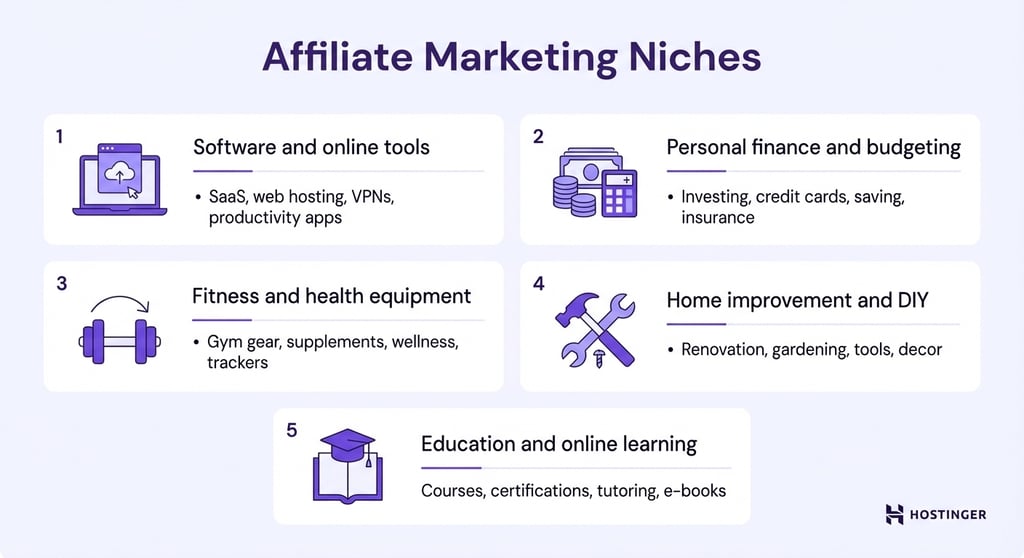
Each niche supports product comparisons, tutorials, and real-world use cases that naturally lead to affiliate links.
To avoid common mistakes, focus on alignment instead of chasing high commissions. Promoting unrelated products, hiding affiliate relationships, or relying on one traffic source limits growth.
Some of the best affiliate networks you can try out include:
- Amazon Associates – Works well for beginners and product-focused niches because of its wide catalog and high conversion rates.
- ShareASale – Offers a large variety of merchants across software, ecommerce, and services.
- CJ Affiliate – Focuses on established brands and suits content-driven websites with steady traffic.
- Impact – Provides advanced tracking and is commonly used by SaaS and subscription-based businesses.
8. Create an online course
If you have specific knowledge or experience, you can organize it into a structured online course with lessons people can follow step by step. Instead of answering the same questions repeatedly, you package what you know into a clear learning path that students can access on demand.
The golden rule to creating an online course is to start with one specific topic, rather than trying to cover everything at once. Short, focused courses usually perform better than long ones because students want progress they can see and apply quickly.
Online course topics that perform well often focus on hands-on, creative skills, such as:
- Calligraphy or hand lettering
- Illustration, digital art, or graphic design
- Photography or video editing
- Creative writing or storytelling
- Music production or songwriting
- Craft-based skills like pottery, crochet, or woodworking
To choose the right topic, look for questions people ask repeatedly, problems they are willing to pay to solve, and topics you can explain clearly. Start with a simple course outline, validate interest, and improve lessons based on student feedback.
You can publish and sell your online courses in two main ways: going through course marketplaces or hosting them yourself.
Course marketplaces – Marketplaces like Udemy and Skillshare give you access to an existing audience and handle payments and hosting, but they limit pricing control and branding. They work well for testing demand or reaching new learners quickly.
Self-hosted courses – Self-hosted courses give you full control over pricing, content, branding, and student relationships. This setup takes more effort upfront, but it supports higher margins and long-term growth.
9. Freelance creative services
By turning creative skills, such as writing, designing, or video editing, into freelance services, you can get paid for real work that clients already need.
Some of the best freelance websites where you can find clients include:
- Upwork – A large freelance marketplace with a wide range of creative and technical projects.
- Fiverr – Works well for productized services with a clear scope and fixed pricing.
- PeoplePerHour – Popular for short-term creative and digital projects.
Clients decide who to hire based on proof, which makes a strong portfolio essential. Your portfolio should show real examples of your work, explain the problem you solved, and highlight the result.
When setting prices, focus on project-based or package pricing instead of hourly rates. Clear pricing tied to deliverables helps clients understand what they are paying for and helps you avoid undercharging.
As your portfolio and demand grow, raise prices gradually and prioritize projects that offer better pay and long-term value.
10. Make money on Instagram
Instagram can become an income channel when your content attracts the right audience and keeps them actively engaging with your posts.
The most common ways to make money on Instagram include:
- Brand deals – Companies pay you to feature their products or services in posts, stories, or reels.
- Affiliate links – You earn a commission when followers buy through links you share.
- Own products or services – Sell digital products, courses, or freelance services directly to your audience.
A smaller account with high engagement tends to earn more than a large account with passive followers. Likes, comments, saves, and story replies signal trust, which directly affects conversions and brand interest.
Successful creators usually stick to a clear niche, such as:
- Sharing short workouts or routines within a fitness niche
- Explaining tools, skills, or concepts in simple educational formats
- Focusing on one lifestyle theme like travel, productivity, or food
- Reviewing products for a specific audience or interest group
Post regularly, focus on one content format at first, and repeat topics that already perform well. Study which posts drive saves or comments, then double down on that style. Over time, strong engagement will attract both brand opportunities and repeat income without relying on viral reach.
11. Start a podcast
You can turn regular conversations about one topic into a podcast people come back to, whether they listen or watch. Instead of chasing one-off views, podcasts allow you to grow through consistent episodes that build familiarity and trust over time.
Common podcast monetization methods include:
- Sponsorships – Brands pay to be mentioned during episodes or included as recurring partners.
- Premium content – Listeners pay for bonus episodes, early access, or ad-free versions.
- Listener support – Voluntary memberships or donations from loyal audiences.
Successful podcasts usually center around a clear format, such as:
- Interviews with experts in one industry
- Educational shows that explain one topic in simple terms
- Story-driven podcasts focused on one theme or audience
- Casual discussions built around a shared interest or community
Starting a podcast does not require complex equipment. Start with a simple setup, record consistently, and prioritize audio clarity over production effects. Publish on a regular schedule and promote new episodes through existing channels, such as social media or email.
12. Sell art online
Turning artwork into online listings opens up new ways to sell directly to your buyers, without relying on galleries or local events. With this method, you can reach buyers directly and choose how your art is produced, delivered, and priced based on what fits your style and goals.
You can sell art online in several formats:
- Physical art – Original paintings, drawings, or sculptures shipped directly to buyers.
- Digital art – Downloadable files such as illustrations, wallpapers, or design assets.
- Prints – Reproductions sold as posters, canvases, or framed prints, often fulfilled through print services.
Each option comes with different costs and margins. Pricing should reflect both the effort behind the work and how it is sold. Original pieces are usually priced higher due to their uniqueness, while prints and digital files work best at accessible price points that encourage volume.
Examine the following platforms to see which one fits your art format and pricing goals:
- Etsy – Gives you access to a large audience actively looking to buy art, but limits branding and takes a commission.
- Saatchi Art – Focuses on original and higher-end artwork, with built-in buyers and gallery-style presentation.
- Society6 – Works well for selling prints and art on products, while handling production and shipping for you.
- Your own online store – Gives you full control over pricing, branding, and presentation, but requires you to drive your own traffic.
Artists who earn consistently often build visibility around a clear style or theme, such as:
- Developing a recognizable visual identity as an illustrator
- Focusing on one genre or aesthetic as a digital artist
- Documenting the creative process and finished work as a painter
- Selling art tied to specific interests or communities as a designer
When you want to make money as an artist, promotion plays a key role. Share your work regularly on social media, show behind-the-scenes progress, and explain the story behind each piece.
13. Build a micro SaaS
A micro SaaS is a small software product designed to solve one narrow, specific problem for a clearly defined group of users.
Your product should aim to save users time, remove friction, or automate something they deal with every week or month. In these cases, creating a subscription model works well because users need ongoing access and are willing to pay regularly as long as the product continues to deliver value.
Micro SaaS ideas and products usually fall into categories such as:
- Tools that automate repetitive tasks for freelancers or small teams
- Simple dashboards that organize data from multiple sources
- Add-ons that extend existing platforms with missing features
Before building anything, validate the idea. Look for complaints, workarounds, or repeated questions in forums, communities, and reviews of existing tools.
Test interest in your micro SaaS with a landing page, waitlist, or early demo before committing to full development.
14. Create and monetize a web app
If you have an idea for a tool that would make work easier, turning it into a web app that people can access through their browser is a practical way to earn money online.
This could be anything from a meal-planning tool for busy parents to a writing prompt generator for authors, a social media caption helper, a fitness progress tracker, or a lightweight CRM for small businesses.
Web app ideas that work well often focus on narrow problems, such as:
- Organizing or visualizing data
- Automating simple tasks or workflows
- Supporting lightweight collaboration or tracking
- Extending existing platforms with small utilities
To monetize a web app, you’ll have two choices: freemium and subscription.
Freemium
With the freemium model, users get access to basic features for free, while advanced features, limits, or customization require payment. This works well when people need time to understand the value before committing.
Subscription
The subscription model means users pay a monthly or annual fee to keep using the app. This model fits apps that save time, automate tasks, or support ongoing workflows.
To make either of these models work, focus on user feedback. Start with a simple version, invite a small group of users, and observe how they actually use the app. Notice where they get stuck, which features they ignore, and what they request repeatedly.
Use that feedback to shape your pricing. Keep plans simple and tie pricing to usage or outcomes instead of feature lists. Avoid launching with too many tiers. As adoption grows, adjust pricing based on how users rely on the app and which features they consider essential.
15. Start dropshipping
Dropshipping is an ecommerce model where you sell products online without keeping inventory. Instead of storing or shipping items yourself, you list products in your store and pass each order to a supplier, who ships the product directly to the customer.
This setup keeps startup costs low and lets you focus on product selection, store setup, and marketing rather than logistics.
Dropshipping stores usually fall into a few clear categories, such as:
- Single-product stores built around one strong offer
- Niche stores focused on one audience or interest
- Curated stores selling a small range of related products
Margins on dropshipping items are usually thin, and competition is high, so product research should be your top priority when starting a dropshipping business. Look for products that solve a clear problem or support a specific use case, rather than novelty items.
Once you have a shortlist, check marketplaces like Amazon, Etsy, and AliExpress to confirm demand. Look for products with steady sales, consistent reviews, and repeat purchases, and avoid items with frequent complaints about quality or shipping times.
After validating demand, pricing becomes critical. Set prices high enough to cover supplier costs, platform fees, refunds, and advertising while still leaving room for profit.
Many beginners underprice products and rely too heavily on ads, which quickly eats into margins. Testing pricing early and adjusting based on conversion data helps avoid that trap.
16. Sell handmade crafts
If you want to start a craft business, turning a hobby into handmade products is a way to go, as you can earn from skills you already use in your free time.
Some of the most popular hobbies that make money:
- Making jewelry from metal, beads, or clay
- Creating candles, soaps, or skincare products
- Producing knitted, crocheted, or sewn items
- Crafting home decor items such as ceramics, prints, or wooden goods
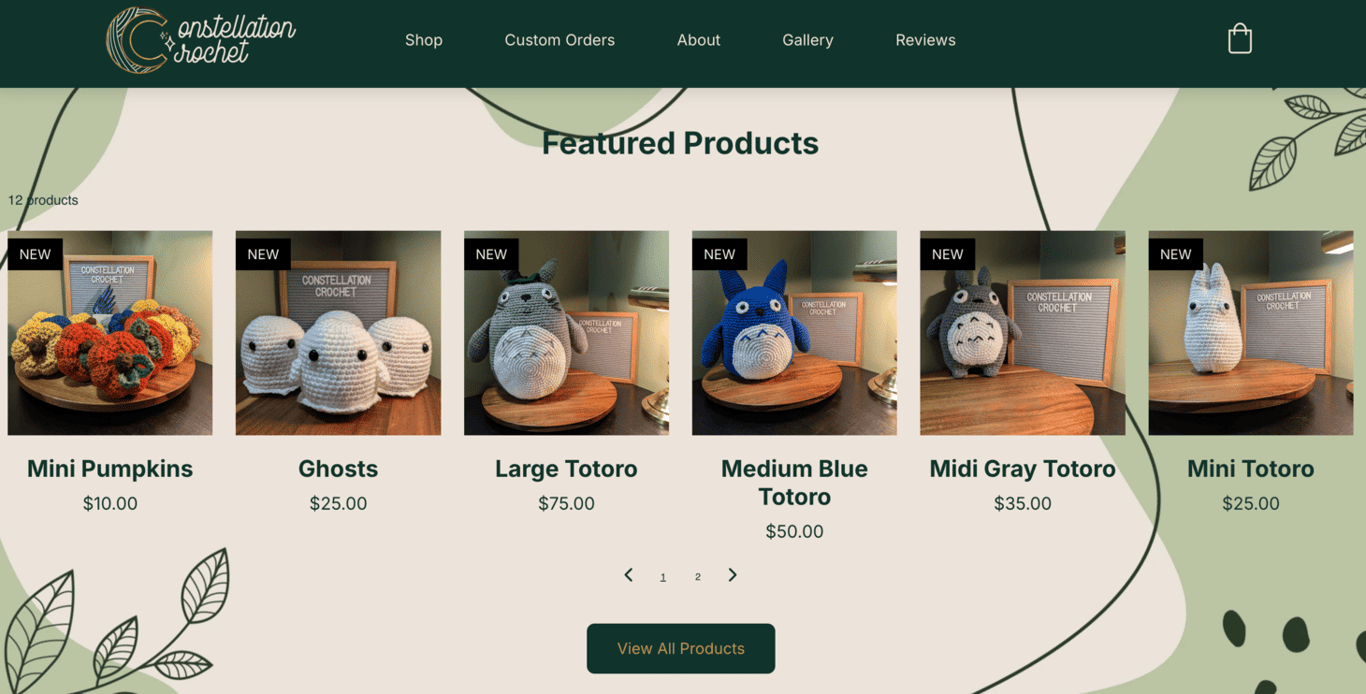
To price your products fairly, start by calculating all costs, including materials, packaging, tools, and the time it takes to make each item. Many beginners underprice their work by ignoring labor. A sustainable price reflects both effort and perceived value, not just material cost.
Next, focus on branding. Use natural light and neutral backgrounds to photograph your products so details are easy to see. Stick to the same color palette and visual style across all listings to make your work recognizable.
In each product description, clearly state what the item is, how it is made, and who it is for, including size, materials, and care instructions, so buyers know exactly what they are purchasing.
Once your listings are live, shift your attention to testing and improvement. Start with a small number of products and track what sells. For example, if you list five different necklaces and three sell within two weeks while two get no views, focus on creating variations of the popular designs.
17. Sell clothes online
Selling clothes online means offering clothing through digital platforms, where buyers choose items based on style, size, and fit.
There are three common ways to sell clothes online:
- Reselling – Sourcing secondhand or discounted clothing and selling it at a markup.
- Custom clothing – Creating or modifying garments, such as handmade pieces or print-on-demand clothes.
- Branded clothing – Designing your own clothing line and selling it under a unique brand.
Each model has different costs and margins. Reselling requires strong sourcing skills, custom clothing focuses on craftsmanship, and branded clothing depends heavily on marketing and brand identity.
Once you decide which model works for you, choose from the following platforms that fit your goals best:
- Depop – Works well for resale and vintage clothing, especially streetwear and trend-driven pieces.
- Poshmark – Suitable for branded and secondhand apparel, with buyers actively browsing by size and brand.
- Vinted – Popular for everyday resale and affordable clothing in many markets.
- Standalone stores – Work best for custom or branded clothing, where you control pricing, branding, and how collections are presented.
Successful clothing shops usually focus on a clear style or audience, such as:
- Vintage or secondhand streetwear
- Sustainable or ethically made clothing
- Niche apparel tied to a lifestyle or interest
- Minimalist or capsule wardrobes
Sourcing and presentation make a big difference. For resale, inspect items carefully and describe condition accurately. For custom or branded clothing, choose reliable suppliers and order samples before selling.
Start small by listing a limited selection and tracking what sells. Use customer feedback, return reasons, and repeat purchases to refine your pricing, sourcing, and product mix.
18. Start a print-on-demand store
A print-on-demand store is an online shop where you sell custom-designed products under your own brand, without keeping inventory. You upload designs to items like T-shirts, mugs, or posters, and a print-on-demand supplier produces and ships each order only after a customer buys.
Unlike selling print-on-demand products through marketplaces, running your own store means you control the brand, pricing, and customer experience.
Because you run the store yourself, traffic does not come automatically. You bring visitors through content, ads, email, or social media. This takes more effort than marketplaces, but it allows higher profit per sale and long-term brand growth.
Print-on-demand is profitable when it focuses on a clear niche, such as:
- Apparel for a specific profession or hobby
- Designs built around humor or quotes for a defined audience
- Minimalist artwork tied to one aesthetic or theme
- Products created for a community or lifestyle interest
Start with a small number of designs and track which products sell consistently. Adjust pricing and designs based on real sales data.
19. Become an online coach
Coaching online is a way to earn by helping people reach goals you already know how to achieve.
Instead of selling a product, you sell access to your expertise through structured conversations, accountability, and personalized advice.
When you are starting the online coaching business, you can choose between one of two forms:
- 1:1 coaching – Working individually with clients on tailored goals, challenges, or plans. This format allows deeper personalization and higher pricing.
- Group coaching – Coaching multiple people at the same time around a shared goal. Group programs scale better and often include live sessions, shared resources, and peer support.
Both coaching formats work best when your expertise is clearly defined. Choose one problem you help clients solve and describe the outcome in simple, concrete terms. Avoid broad claims and focus on what changes for the client after working with you.
Build authority through clarity and consistency. Share practical tips, real examples from your own experience, and repeat the same core ideas across your content and sessions. Over time, this consistency helps potential clients understand what you stand for and trust your guidance.
Online coaching works well in areas such as:
- Career or skill development
- Fitness, nutrition, or wellness
- Business, freelancing, or productivity
- Personal growth tied to a specific challenge
Client acquisition usually starts with visibility. Publish helpful content that addresses common problems your audience faces and shows how you think. This can be done through social media, email, or a personal website. Clear positioning makes it easier for potential clients to understand who you help and why your approach works.
20. Sell ebooks
Writing an ebook lets you package what you know into a product readers can download instantly from anywhere.
Because delivery happens automatically, you avoid inventory, shipping, and ongoing production work, which makes ebooks easy to scale and manage over time.
Formats that work well for selling books online include:
- Step-by-step guides that explain how to complete a task
- Practical playbooks focused on skills, tools, or workflows
- Short educational ebooks centered on one narrow topic
- Collections of tips, templates, or frameworks
Each format succeeds when the promise is clear, and the outcome is easy to understand before purchase.
Because production costs stay low, pricing becomes a strategic choice rather than a constraint. You can price ebooks affordably to encourage volume or bundle them with other products like courses or coaching. Instead of charging by length, set prices based on how useful and actionable the content is to the reader.
Once pricing is set, focus on promotion. Start by reaching people who already know you, such as subscribers on your email list or followers on social media. Announce the ebook with a clear message about who it is for and what problem it solves.
Share short excerpts, screenshots, or key takeaways on social platforms and link back to the sales page. On blogs or personal websites, publish a post that explains the main idea of the ebook and includes a preview or sample section.
21. Start an ecommerce business
An ecommerce business is an online store where you sell products directly to customers through your own website, setting your own prices and managing the customer relationship.
Common online business ideas include:
- Selling a small range of niche products for a specific audience – For example, a store that only sells ergonomic accessories for remote workers or grooming products for men with beards.
- Building a branded store around original or private-label items – Creating your own brand and selling products made for you by a manufacturer, such as skincare, supplements, or home goods with custom packaging.
- Curating products that solve one defined problem – Offering a focused selection of items that address a single need, like organization tools for small apartments or travel accessories for frequent flyers.
Once the store concept is clear, focus on your ecommerce operations. Manage inventory carefully, set up reliable fulfillment, and define clear return policies before scaling traffic. As orders increase, customer support and logistics quickly become bottlenecks if ignored early.
When starting an online business, validate the store before scaling. In the first week, monitor three metrics: conversion rate, average order value, and repeat visits. Use built-in store analytics to identify which products attract clicks but fail to convert.
Improve those pages first by tightening product descriptions, adding clearer images, and simplifying checkout steps. Expand the catalog only after one or two products convert consistently without paid ads.
22. Sell furniture online
Selling furniture online is the process of listing, selling, and delivering furniture products entirely through digital channels.
Start by choosing a narrow category. Furniture sells better when it targets a specific use case, such as:
- Small-space or apartment furniture
- Home office desks and storage
- Outdoor or patio furniture
- Handmade or custom wood furniture
The next step to selling furniture online is deciding how you’ll produce or source it. You might build pieces yourself, work with a local workshop, partner with a small manufacturer, or source ready-made designs from a supplier. Your production model will directly affect pricing, timelines, and logistics.
Once that’s clear, plan shipping early. Use flat-pack designs, local delivery, or white-glove delivery to control costs and reduce damage risk. Clearly display dimensions, materials, weight, and assembly requirements on every product page.
Test with a small collection and fulfill early orders manually to identify delivery issues. Improve packaging, delivery timelines, and communication before adding more items.
23. Offer online tutoring
With online tutoring, you help students learn through live calls or guided lessons and charge for each session or package.
Choose whether you focus on:
- Academic tutoring, such as math, science, or exams
- Skill-based tutoring, such as languages, software, or professional skills
To start an online tutoring business, decide how you will deliver sessions. Platforms like Preply, Wyzant, or Tutor.com help you reach students quickly but limit your pricing and branding options.
Running your own tutoring setup through Zoom, Google Meet, or a personal website gives you more control over pricing and schedules, but requires you to attract students through content, referrals, or outreach.
When setting prices, start by researching rates for tutors in your subject and experience level. Many beginners start with a competitive hourly rate, then move to lesson bundles or monthly packages as demand grows.
After the first few students, review session recordings or notes to identify where explanations break down. Refine lesson flow, examples, and pacing based on real questions instead of assumptions. Tutors who improve lesson clarity early increase retention and reduce the need for constant client acquisition.
24. Build an Amazon affiliate site
An Amazon affiliate site is a content-based project where you write about products sold on Amazon and include special links. When someone clicks one of those links and makes a purchase, you earn a small commission.
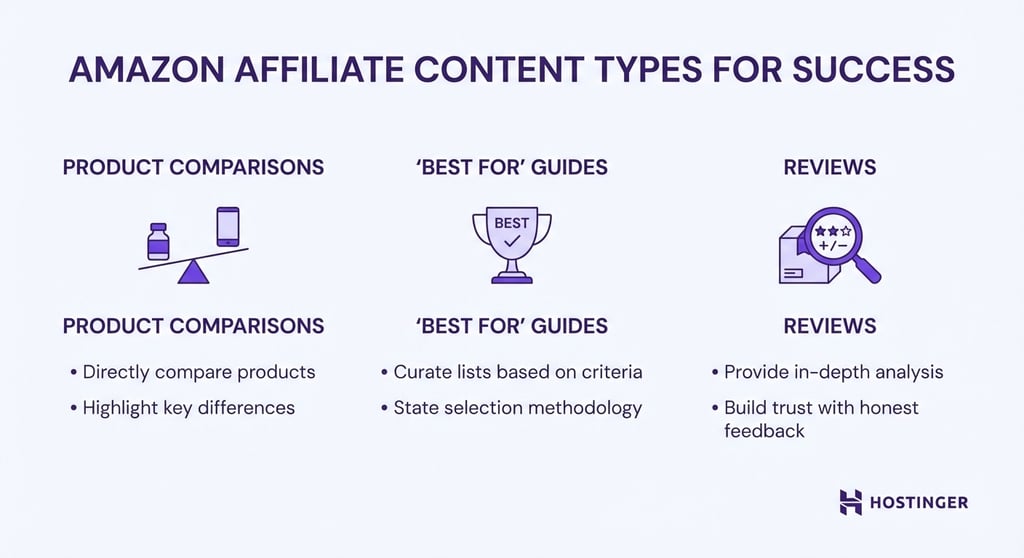
Successful Amazon affiliate sites usually publish:
- Product comparisons for specific use cases
- “Best for” guides with clear criteria
- Reviews that explain strengths and limitations
Write content that answers buyer questions directly. Explain who each product is for, who should avoid it, and why. Follow disclosure rules and avoid exaggerated claims.
When building an Amazon affiliate website, focus on improving existing pages before publishing new ones. Use search results to identify missing comparison points, unanswered buyer questions, or outdated product information.
Update top-performing articles every 30–60 days by refining headings, adding clearer verdicts, and improving internal structure. Pages that stay current convert better and maintain rankings longer.
25. Sell products on Amazon
Selling products on Amazon works by putting your products on Amazon’s marketplace and getting paid when customers buy them.
Products that perform well on Amazon include:
- Home organization items like storage boxes or drawer dividers
- Kitchen tools designed for one specific task
- Pet accessories with clear use cases
- Replacement parts or add-ons for popular products
Once you know what you are going to sell, focus on how you want to handle your orders by choosing between the following two options:
- Fulfillment by Amazon (FBA) – You send your products to Amazon’s warehouses, and Amazon stores, packs, ships, and handles customer support for each order. This option costs more but saves time and makes scaling easier.
- Self-fulfillment – You store the products yourself and handle packing and shipping when orders come in. This keeps costs lower at the start but requires more hands-on work as sales grow.
Before sourcing any product, research the competition. Check existing listings to understand pricing ranges, review counts, and common complaints. Look for gaps you can improve, such as better materials, clearer instructions, improved packaging, or more accurate product descriptions.
Source products from manufacturers, wholesalers, or vetted suppliers, and always order samples before listing. Test quality, packaging, and instructions as if you were the customer.
To start making money on Amazon, launch with one or two products, calculate all fees, and test pricing early. Improve listings based on conversion data and reviews before expanding.
26. Start a photography business
With a photography business, you charge clients for photo sessions, editing, and usage rights rather than selling physical items.
You can choose one primary niche, such as:
- Portrait or personal branding photography
- Event or corporate photography
- Product or ecommerce photography
- Real estate photography
To start a photography business, build a focused portfolio that shows only relevant work. Explain who you serve, what problems you solve, and how clients can book.
Price services based on time, usage rights, and deliverables. Offer add-ons such as editing, licensing, or recurring packages to increase income per client.
Test pricing and packages with a small group of clients before locking them in. Track how often clients choose upgrades, request revisions, or book repeat sessions. Use that data to adjust package structure, turnaround times, and add-ons.
27. Sell jewelry online
Selling jewelry online involves creating or sourcing jewelry and selling it through online platforms.
You can tap into a specific niche, such as:
- Minimalist everyday jewelry
- Statement or occasion pieces
- Handmade or ethically sourced designs
Once you decide to sell jewelry online, use consistent, high-quality photography to help buyers evaluate your pieces more effectively. Include close-ups, images that show scale on a person, and lifestyle shots so customers understand how each piece looks when worn. Always list materials, sizing, and care instructions clearly to reduce hesitation and returns.
Pay attention to which designs sell repeatedly and build new collections around those proven styles.
Set prices by accounting for material costs, labor time, packaging, platform fees, and how your brand is positioned in the market.
Notice which pieces sell consistently without promotions. These products indicate strong perceived value and point to the designs and styles worth expanding next.
28. Make money streaming
Making money streaming starts with going live and building an audience around a format people want to watch. On most major platforms, gaming and “Just Chatting” streams attract the largest crowds, but there’s also steady demand for music sessions, live art, fitness workouts, coding builds, and educational content.
Most streamers earn through a combination of:
- Subscriptions that provide recurring monthly income
- Donations during live sessions from engaged viewers
- Sponsorships, once the audience reaches a stable size
Choose your streaming platform carefully, because it shapes how you grow and earn.
Twitch is the most profitable if you focus on gaming or real-time interaction. YouTube supports both live streams and long-term discovery through replays. Platforms like Kick or Facebook Gaming suit creators building smaller, niche communities.
To make money streaming consistently, focus on interaction instead of reach. Track average concurrent viewers, chat activity, and watch time rather than follower count. Identify moments that trigger the most engagement and repeat those segments intentionally in future streams.
Streaming income scales slowly and depends on time and consistency. To test progress, stream on the same schedule for at least 30 days and review performance weekly. Adjust content length, pacing, and format based on viewer behavior.
29. Sell a website you built
Selling a website works by building something useful online, proving that it attracts visitors or revenue, and then transferring ownership to a buyer.
Before selling, increase the website’s worth by improving the areas buyers care about most:
- Grow steady organic traffic by publishing content that ranks for specific search queries
- Add clear monetization methods such as ads, affiliate links, or digital products
- Improve content quality and structure so pages are easy to read, navigate, and update
Track key metrics monthly, including traffic, revenue, and expenses. Document how the site earns money, how content is published, and which tools or services you’ve used, so the new owner understands how everything works.
Stability matters more than rapid growth. Websites sell for higher prices when traffic and income are consistent for several months. For example, a small content site earning a steady monthly income is often easier to sell than a site with higher income but large fluctuations.
To optimize before selling a website, focus on improving your top pages rather than adding new ones. Update content that already brings traffic, remove broken links, and simplify monetization placement.
30. Make money on social media
If you already spend time creating posts, videos, or stories, social media can become more than a creative outlet by directing that content toward products, services, or paid offers.
Social media income works best when you rely on more than one revenue stream instead of depending on a single platform or format. Diversifying how you earn protects your income when algorithms change or reach drops.
Most creators combine a few core methods:
- Earn affiliate income by recommending products that fit your content and audience
- Secure brand deals by partnering with companies that want access to your audience
- Sell digital products or services such as guides, templates, courses, or freelance work
- Offer subscriptions or memberships for exclusive content or direct access
Different platforms support these methods in different ways. For example, creators often make money on YouTube through long-form videos that promote affiliate links or their own products, while others make money on Spotify by building podcasts that lead listeners to subscriptions, sponsorships, or external offers.
Start with one monetization method that matches your strongest content format. For example, pair affiliate links with educational posts or promote a digital product through longer videos or threads.
Track performance based on actions, not reach. Monitor saves, clicks, replies, and conversions to see which posts actually generate income. Repeat formats that lead to sales or sign-ups instead of chasing new features.
Review your results every month and adjust based on data. Drop content that attracts attention but no conversions, and double down on what consistently drives outcomes.
How to turn creative ideas into sustainable income
Nearly 3 billion people are expected to shop online in 2026, which makes digital-first creative ideas easier to scale than ever. The opportunity is real, but sustainability depends on choosing ideas that grow over time instead of relying on one-off wins.
Use these checks to evaluate long-term potential:
- Confirm recurring demand – Search for the problem on Google, marketplaces, or social platforms and see if people ask about it consistently.
- Test scalability – Ask whether you can sell the same output to 10 or 1,000 people without doing the work 10 or 1,000 times.
- Define monetization early – Decide how the idea makes money before building it, whether through products, services, subscriptions, or partnerships.
Next, test the idea with the smallest possible version. Publish one piece of content, launch one product, or offer one paid service, and track what happens.
Measure repeat purchases, saves, comments, and referrals instead of likes or views. Once you see traction, shift from testing to improvement. Use feedback to refine pricing, messaging, and delivery.
Reinvest early profits into better tools, clearer content, or stronger distribution instead of chasing new ideas.
This article is a localized version of 30 creative ways to make money, originally published in English.

Ksenija is a digital marketing enthusiast with extensive expertise in content creation and website optimization. Specializing in WordPress, she enjoys writing about the platform’s nuances, from design to functionality, and sharing her insights with others. When she’s not perfecting her trade, you’ll find her on the local basketball court or at home enjoying a crime story. Follow her on LinkedIn.