How to install Docker on Ubuntu (Manual installation and VPS template)
Installing Docker on Ubuntu lets you run containers to build, test, and deploy applications in a clean, consistent environment.To install ...
How to use the Linux tee command with useful examples
Navigating Linux commands can be intimidating, but the more you learn, the easier it gets. The Linux tee command is ...

WordPress NGINX: everything you need to know about installing WordPress on Ubuntu
Nginx is an open-source web server that was first released in 2004 and is written completely in the C programming ...
How to use SFTP (ssh file transfer protocol)
FTP is the standard method of transferring files or other data between computers, but it’s becoming more and more outdated ...
How to configure an NGINX reverse proxy
NGINX is a high-performance web server widely recognized for its stability, rich features, and low resource consumption. As a reverse ...
How to set and list Linux environment variables
Linux environment variables are key-value pairs defining your system’s shell session and program behavior. They let system administrators easily...
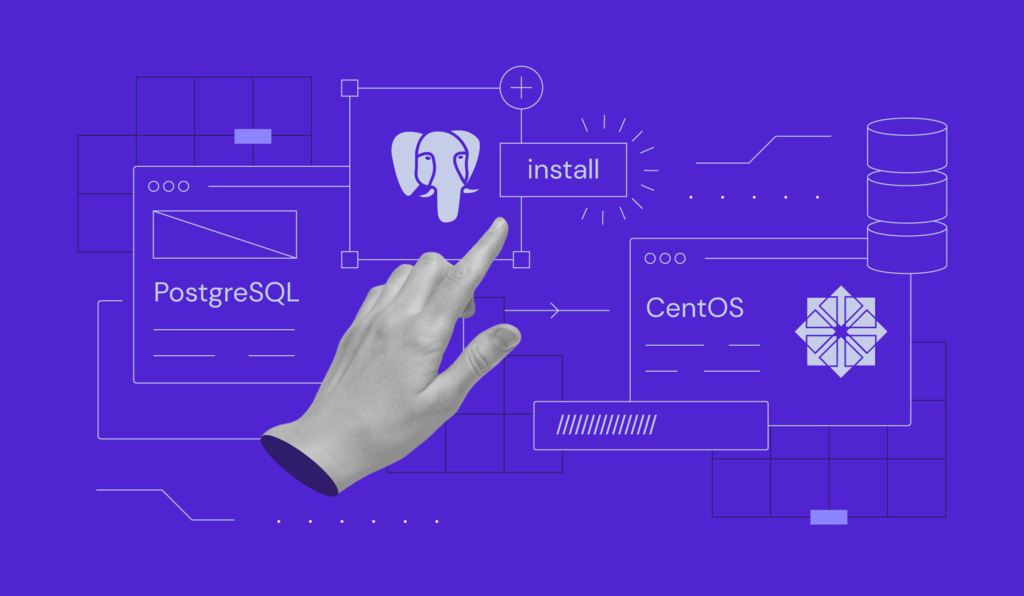
How to install PostgreSQL on CentOS 9 + create roles and databases
PostgreSQL is an open-source relational database management system (RDBMS) known for its capability to handle large amounts of data, making ...
How to install MongoDB on Ubuntu
MongoDB is one of the most popular open-source NoSQL database managers. It stores data in a formatted document instead of ...
How to remove all Docker images, containers, volumes, and networks
Docker images are the cornerstone of your Docker environment, serving as templates from which containers are created. However, these images ...