What is on-site SEO? How on-site SEO works
Mar 10, 2026
/
Ariffud M.
/
8 min Read

On-site SEO, also called on-page SEO, is the practice of optimizing individual web pages to improve search engine rankings and user experience.
It focuses on everything you can control directly on your website—from content and HTML elements to URLs and internal links.
Without on-site optimization, search engines can’t clearly interpret your content and are less likely to feature your website in search results.
At its core, SEO is about relevance and trust. On-site SEO handles relevance by optimizing what’s on your website, while off-site SEO focuses on trust signals from elsewhere on the web.
Together, they support key search engine ranking factors, but on-site SEO is where every successful SEO strategy starts.
Key components of on-site SEO include:
- Content optimization. Align text and media with search intent.
- HTML tags. Use accurate title tags, meta descriptions, and headings.
- URL structure. Create concise, descriptive URLs.
- Site architecture. Organize pages for clear, logical navigation.
All these factors influence how search engines evaluate your site. In other words, when you optimize on-page elements, you help search engine bots crawl, index, and rank your pages more effectively for the right audience.
On-site SEO key characteristics
On-site SEO involves optimizing elements such as title tags, meta descriptions, header tags, keyword usage, image optimization, URL structure, internal linking, and site speed.
Each element signals quality and relevance to search engines in a specific way.
- Title tags. HTML elements that define a page’s title in search results. Keep them unique and aim for 50–60 characters so they display fully on most devices. This range reflects industry best practices based on display width, not an official Google limit. Google indexes full titles regardless of length and may still use keywords from longer titles for ranking.
- Meta descriptions. Short summaries, usually 150–160 characters, that appear below the title in search results. Google’s John Mueller has confirmed that they don’t directly affect rankings. However, well-written descriptions can improve click-through rates (CTR), which can indirectly benefit your site by providing stronger engagement signals.
- Header tags. HTML markers (H1-H6) that define content hierarchy. Use one H1 for the main topic, then H2 and H3 tags for subtopics to keep content structured and easy to scan.
- Keyword usage. The strategic placement of search terms. Add keywords naturally in the first 100 words, headings, and URLs without overloading the page.
- Image optimization. The process of compressing image files, using formats like WebP, to improve website speed. It also includes adding descriptive alt text to support accessibility and help search engines understand image content.
- URL structure. The web address of a page made up of a protocol (https://), domain (yourdomain.tld), and path (/on-site-seo). A clear structure helps users and search engines understand what a page is about.
- Internal linking. Links that connect pages within your website. Internal links distribute link equity (the ranking value passed between pages) and help search engines discover pages that might otherwise stay hidden.
- Site speed. The time it takes for a page’s content to load. Loading time will affect your ranking, so make sure to optimize it.
User experience metrics now play a direct role in rankings, too. Search engines favor sites that work well on mobile devices and display readable content across all screen sizes.
For example, when a page loads slowly and users leave right away, it signals to Google that the result didn’t meet their expectations.
Beyond the basics, advanced on-site SEO uses semantic HTML and schema markup. These structured code formats help search engines understand content context, such as identifying a page as a recipe, product review, or event.
Schema markup doesn’t directly improve rankings, but it enables rich results, including star ratings and FAQs, that can increase CTR.
To maintain strong content quality and keyword relevance, follow these best practices:
- Align with search intent. Make sure your content matches what users want, whether they’re looking for information or ready to take action.
- Prioritize depth and value. Publish well-researched, comprehensive content instead of surface-level explanations.
- Format for readability. Use short paragraphs, clear headings, and bullet points to keep readers engaged.
- Maintain originality. Publish unique content to build long-term authority.
What is the difference between on-site SEO and off-site SEO?
The main difference between on-site SEO and off-site SEO comes down to location and control.
On-site SEO focuses on optimizing elements within your website, where you have full control. Off-site SEO, in contrast, builds your site’s reputation across external platforms, where your influence is indirect.
Off-site SEO includes efforts like earning backlinks and managing brand mentions. These signals help search engines decide whether your site is trustworthy and authoritative.
The goals of each strategy also differ:
- On-site SEO. Improving relevance, usability, and crawlability.
- Off-site SEO. Building website authority, credibility, and overall popularity.
Each approach covers different areas:
- On-site SEO. Content optimization, internal linking, site structure, and page speed.
- Off-site SEO. Backlinks, digital PR, social signals, and brand mentions.
These strategies work best together, not in isolation. High rankings need both. Strong content won’t perform without authority, and authority won’t deliver results without a technically sound, well-optimized site.
How on-site SEO works
On-site SEO works by optimizing the elements you control directly, including content, site structure, and HTML code. These improvements make your website more relevant to users and easier for search engines to understand.
This process follows a systematic approach.
You align content with search intent, make sure pages stay technically accessible through clean code and fast load times, and build a clear site hierarchy that helps search engines understand and rank your pages.
1. Run a website audit
Running a website SEO audit means taking a structured look at your site’s technical health, content quality, and user experience.
This process helps you spot friction points, such as indexing errors, slow page speeds, and keyword gaps, that limit performance.
Use tools like Screaming Frog, Ahrefs, or Google Search Console (GSC) to scan your site’s infrastructure.
These platforms generate actionable, data-backed reports that flag issues such as broken links, duplicate content, and missing meta tags that require quick attention.
Read our complete SEO audit checklist to learn more about how to identify and fix these issues step by step.
2. Optimize titles and meta descriptions
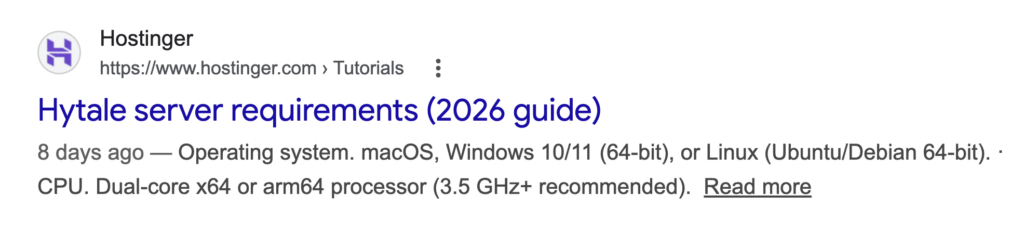
Title tags and meta descriptions act like your storefront window in search results. They’re often the first thing users see on the search result page, so they play a major role in whether someone clicks through.
Writing unique, compelling snippets for every page supports keyword optimization and directly influences CTR.
- Title tags. Place your primary keyword near the beginning to grab attention quickly. Avoid truncation by staying within the 50–60 character range. Cut filler words if needed.
- Meta descriptions. Use action verbs and clearly highlight the page’s benefit. If the description doesn’t accurately reflect the content, Google may rewrite it using text from the page itself.
3. Structure your content
Organize your page with a clear heading hierarchy to help readers and search engines understand what the page is about.
For starters, write headings that describe what each section covers. Remember, readers should understand your page’s structure by scanning headings alone.
For optimal SEO results, include relevant keywords naturally, but prioritize clarity over keyword placement.
Avoid skipping levels, such as jumping from H1 to H3.
Make sure the layout matches search intent. If the keyword suggests a quick answer, place the definition or summary near the top.
And lastly, follow on-page readability best practices by keeping paragraphs short, using bullet points, and breaking dense text with helpful visuals, such as images or videos.
4. Improve URLs and internal links
URL structure gives context to both users and search engines.
Create short, descriptive URLs that include your target keywords, such as yourdomain.tld/on-site-seo, instead of confusing parameters like yourdomain.tld/?p=123.
Internal linking strategies matter just as much. Use descriptive, keyword-relevant anchor text to connect related pages and show search engines how topics relate.
This approach helps distribute page authority and guides users naturally through your content, helping them stay on your site longer.
5. Optimize site performance
Google’s 2018 Speed Update made page speed a ranking factor for mobile searches. To improve load times, compress images with formats like WebP, enable browser caching, and minify CSS and JavaScript.
Use redirects only when necessary. Each redirect adds an extra HTTP request, which can slow page loading.
Your site also needs to be mobile responsive. As of July 2024, Google applies mobile-first indexing to all websites without exception. This means Google uses the mobile version of your content for indexing and ranking.
You should also meet Core Web Vitals requirements. These metrics often serve as tiebreakers. When content quality is similar between competing pages, a better page experience can give you an advantage.
For more practical guidance, check our SEO-friendly website tips. They cover performance improvements such as image optimization, faster load times, and cleanup of unused code.

6. Implement technical SEO
Technical SEO focuses on optimizing your website’s backend to create a strong foundation for your content. It helps search engines crawl, understand, and index your site more effectively.
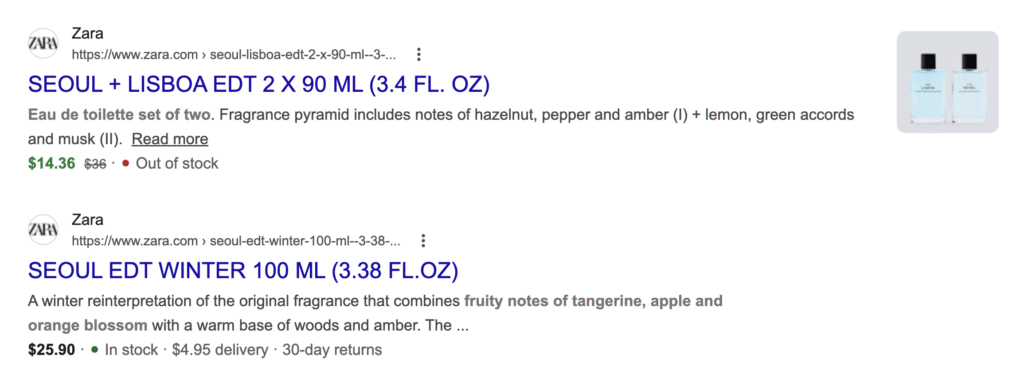
Start by adding schema markup for relevant content types on your site, such as products, reviews, or FAQs. This extra context can yield rich results on search engine results pages (SERPs).
To manage indexing, set canonical tags to tell search engines which version of a page to prioritize.
Configure your robots.txt file to guide crawlers, and submit an XML sitemap so search engines can discover your pages more easily.
Regularly check for crawl errors and fix anything that prevents search engines from accessing important pages.
Important! Google retired several schema types in June 2025, including Book Actions, Course Info, Claim Review, and Learning Video. Focus on supported schema types such as Product, LocalBusiness, Article, FAQ, and Review.
7. Measure and adjust
SEO is an ongoing process, not a one-time task. To stay on track, monitor key performance metrics using Google Analytics 4 (GA4) and GSC:
- Organic traffic. Aim for month-over-month (MoM) organic traffic growth of 5–10% as a healthy benchmark.
- Keyword rankings. Track movement for your target terms. Pages ranking in the top 10 positions usually drive the most traffic.
- CTR. The average organic CTR for position one is often around 27-39%. If top-ranking pages sit below 2%, there’s room to improve.
- Conversion rates. These vary by industry, but 2–5% is a common benchmark for organic traffic.
- User engagement. Time on page above two minutes and bounce rates below 40% often signal strong, relevant content.
Use this data to refine your strategy. For example, if a page gets high impressions but few clicks, update the title and meta description to better match search intent.
When a page performs exceptionally well, build on that success. Create related content, strengthen internal links, or feature the page more prominently across your site.
Types of on-site SEO techniques
The three main types of on-site SEO techniques are content optimization, technical SEO, and user experience SEO.
- Content optimization. Confirms your pages deliver value and stay relevant. It includes naturally incorporating keywords to match search intent, keeping content fresh with regular updates, and adding multimedia, such as videos, to increase engagement.
- Technical SEO. Focuses on backend improvements that help search engines crawl and index your site. Key tasks include creating an XML sitemap, configuring robots.txt, fixing crawl errors, and organizing site architecture into a clear, logical hierarchy.
- User experience SEO. Centers on how visitors interact with your site and aims to reduce bounce rates. This involves using responsive design for mobile users, improving page speed to meet Core Web Vitals, and simplifying website navigation with intuitive menus.
A real-world example for an online store would include compressing product images to improve load speed (user experience), adding schema markup for product details and reviews (technical), and writing unique descriptions for each item (content).
Common challenges and mistakes in on-site SEO
Common on-site SEO mistakes include keyword stuffing, duplicate content, poor site structure, meta tag errors, slow page speeds, and non-mobile-friendly site designs.
This often happens when website owners rely on outdated tactics or skip regular maintenance.
- Keyword stuffing. Forcing too many keywords into content hurts readability and can trigger ranking penalties.
- Duplicate content. Reusing the same text across multiple pages confuses search engines about which version to rank. Use canonical tags to specify the preferred page.
- Poor site structure. A cluttered hierarchy makes it difficult for users and search engines to find important content.
- Meta tag errors. Missing or duplicated title tags and meta descriptions lead to missed ranking and click opportunities.
- Slow website issues. Large images, heavy scripts, and broken links increase load times and reduce trust.
- Non-mobile-friendly design. Pages that don’t work well on smartphones frustrate users and affect rankings now that Google applies mobile-first indexing across all sites.
To avoid these issues, run regular audits of both content and technical setup. For example, schedule a small monthly check to catch quick fixes and a more detailed audit a few times a year.
Search algorithms change often, so stay up to date with the latest recommendations. A site that performed well two years ago may struggle today due to Google’s growing focus on helpful, people-first content.
Next steps for mastering on-site SEO
Once the basics are in place, move toward advanced optimization techniques like structured data and AMP pages to enhance visibility and performance.
Long-term growth depends on integrating both on-site and off-site strategies. To improve search visibility, pair on-site optimization with off-site strategies such as link building and digital PR.
For ongoing monitoring, use professional SEO tools such as Ahrefs, Semrush, or Moz. These platforms show what’s working, what’s not, and where competitors gain traction.
Set up a consistent performance tracking routine using GA4 and GSC. GA4 helps you understand user behavior and conversions, while GSC shows search performance, indexing status, and technical issues.
To keep your approach future-proof, read our AI SEO playbook for content, which covers how AI impacts content creation, optimization, and search visibility.
All of the tutorial content on this website is subject to Hostinger's rigorous editorial standards and values.

Ariffud is a Technical Content Writer with an educational background in Informatics. He has extensive expertise in Linux and VPS, authoring over 200 articles on server management and web development. Follow him on LinkedIn.