How to sell clothes online in India and make money
Mar 10, 2026
/
Simon L.
/
14 min Read
To sell clothes online in India, you can start through platforms like Instagram, WhatsApp, and online marketplaces, or build your own online store to grow a long-term clothing brand. Both paths work. Marketplaces and social media help you start quickly with low investment, while a website gives you control over pricing, branding, and repeat customers.
Selling clothes online usually involves choosing what type of clothing to sell, deciding where to sell it, and setting up simple systems for pricing, photos, delivery, and returns. Many Indian sellers begin from home with used clothes, boutique collections, or small manufacturing runs, then scale by adding online payments, courier shipping, and a dedicated store.
1. Research the online market
Before listing your first item, spend time understanding how the online clothing market works in India. This helps you avoid low-demand categories, price correctly in ₹, and choose platforms where Indian buyers already shop.
Define your target customer
Define your target customer before you sell anything. A college student buying oversized streetwear shops differently from a working professional looking for officewear, and both are different from a parent buying kids’ clothing in bundles.
Pick one clear buyer type to start with, such as:
- Women’s western wear for office and daily use
- Men’s casualwear and streetwear
- Kids’ clothing bundles (sizes 0–12 years)
- Ethnicwear and festive collections
- Plus-size fashion (often under-served in many cities)
Narrowing this down early will guide your pricing, product selection, and platform choice later.
Look at what’s trending
- Check what Indian shoppers are actually buying, not just what looks popular online.
- Use marketplaces as trend trackers. Search on Amazon, Flipkart, and Meesho for your category and note what appears repeatedly (styles, colours, fabrics, price points, and reviews).
- Use social media as a research tool. On Instagram and TikTok-style short video platforms, search hashtags and keywords around your niche (for example: “co-ord set”, “kurti set”, “oversized tshirt”, “cotton dress”).
- Check seasonal demand. Clothing demand in India shifts strongly around weather and festivals. Plan inventory around seasons (summer cottons, monsoon-friendly fabrics) and festive peaks (wedding season, Diwali, Eid, Navratri, Pongal/Onam depending on region).
- Validate with Google Trends. Compare a few product terms you’re considering and shortlist the ones with consistent interest, not one-week hype.
Learn from competitors
Studying sellers already doing well in India shows you what buyers expect and what complaints you can fix.
- Browse top sellers in your niche on Instagram stores, Meesho, and marketplace listings.
- Track pricing patterns by category and fabric (for example, cotton kurtis vs rayon kurtis vs co-ord sets).
- Read buyer reviews carefully and watch for repeated issues like:
- size mismatch and missing measurements
- low-quality fabric vs photos
- colour differences
- slow delivery or poor packaging
Create a simple spreadsheet with columns like:
- Item type
- Price range (₹)
- Fabric/material claims
- Photo style (flat lay/model/mannequin)
- Common complaints and what buyers praise
After reviewing 5-10 listings, you’ll notice clear patterns.
Find your opportunity
You don’t need a unique fashion line on day one. You need a clear reason a buyer should choose your listing over similar options.
Ask yourself:
- Is there a size range that sellers ignore (plus sizes, tall fits, kids bundle sizing)?
- Can you offer better clarity (real measurements, fabric close-ups, try-on photos)?
- Can you improve the trust signals (COD options on marketplaces, fast replies on WhatsApp, clear return rules)?
- Can you offer bundles (workwear sets, kids combos, “3 tops under ₹999”) to increase order value?
Small gaps like these are how a new clothing seller becomes a reliable store.
2. Select clothing items for sale
Once you understand the market, the next step is choosing what clothes to sell. In India, most successful beginners start small, test demand quickly, and avoid heavy upfront investment. The best option depends on your budget, access to stock, and how fast you want to start.
Start with what you already have
If you’re new, begin with clothes you already own or can source easily. This reduces risk and helps you learn pricing, customer behaviour, and delivery without pressure.
Selling from your own wardrobe or a small local source is common for:
- College students
- Homemakers
- Side hustlers starting from home
This approach lets you build confidence, reviews, and cash flow before investing in inventory.
Selling used clothes in India
Selling used or pre-owned clothes works best when items are clean, wearable, and clearly described.
Focus on:
- Good-condition branded clothing
- Occasion wear worn once or twice
- Kids’ clothes in bundles (sizes change fast, demand stays high)
Before listing:
- Wash and iron every item
- Check for stains, loose stitching, or fading
- Mention flaws clearly to avoid disputes
Used clothes sell faster when bundled. For example:
- “3 cotton tops – size M”
- “Kids wear combo (2–3 years)”
This increases order value and reduces per-item delivery costs.
Selling new clothes
Selling new clothes is the most common path for Indian online sellers who want to grow.
Common sourcing options include:
- Local wholesalers and markets
- Small manufacturers and tailors
- Boutique suppliers
- Direct-from-factory sourcing in limited quantities
Start with small batches, not bulk orders. Test 10–20 pieces first to see:
- Which sizes move fastest
- Which colours or fabrics get repeat interest
- What price range buyers accept
Always calculate your total cost before pricing:
- Purchase cost
- Packaging
- Platform commission (if applicable)
- Shipping and returns
This prevents underpricing and profit loss.
Selling print-on-demand clothing
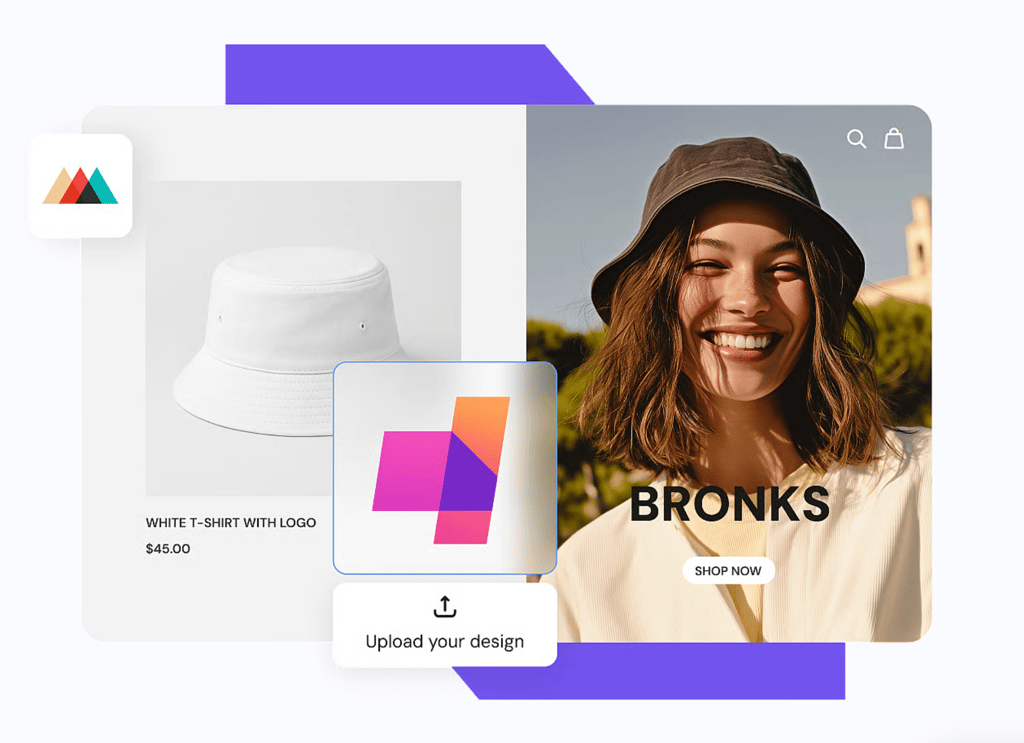
Print-on-demand lets you sell custom-designed clothing without holding inventory. You upload designs, and the provider prints and ships after each order.
Why POD is attractive:
- No upfront inventory costs
- Wide product selection (t-shirts, hoodies, leggings, hats)
- Seamless integration with Hostinger Website Builder
Challenges to expect:
- Margins are smaller compared to wholesale
- Quality depends on the POD provider
- Success requires strong branding and marketing
To learn the basics, read our guide on what print on demand is. If you’re ready to dive deeper, check out how to start a print on demand business.
Choose one category and test first
Avoid selling everything at once. Pick one clear category and validate demand.
Good starter categories in India include:
- Women’s daily wear and workwear
- Co-ord sets and casual dresses
- Kids’ clothing bundles
- Men’s t-shirts and casual shirts
- Ethnic-fusion wear for regular use
Once you see consistent orders, you can expand into new styles or collections with confidence.
3. Choose an online selling platform
Choosing where to sell your clothes is one of the most important decisions for an Indian seller. The right platform depends on how quickly you want to start, how much control you want, and whether your goal is side income or building a brand.
Most sellers in India follow a simple path: start where buyers already are, then move to a website once demand is proven.
Selling clothes through social media
Social media is the fastest way to start selling clothes online in India.
Instagram works well for showcasing outfits, reels, and daily drops. WhatsApp Business is commonly used to share catalogues, answer questions, confirm orders, and collect payments.
This model works best for:
- Home-based sellers
- Small boutiques
- Custom or made-to-order clothing
- Sellers starting with low budgets
Advantages:
- No platform fees
- Direct communication with buyers
- Easy trust-building through photos, videos, and stories
Limitations:
- Manual order tracking
- No automated inventory or checkout
- Harder to scale once orders increase
Social media selling is ideal for testing products, but it becomes time-consuming as volume grows.
Selling clothes on Indian marketplaces
Marketplaces give you instant access to buyers who are already searching to purchase.
Popular options in India include:
- Amazon and Flipkart for mass-market reach
- Meesho for reselling and budget-friendly clothing
- Etsy for niche, handmade, or export-focused fashion
Marketplaces are best for:
- Quick sales and visibility
- Sellers without an existing audience
- Testing pricing and demand
Advantages:
- Built-in traffic
- Trust through platform guarantees
- Logistics and payments handled
Limitations:
- High competition
- Platform commissions
- Limited branding and repeat customers
You control the product, but not the customer relationship.
Building your own online clothing store
Creating your own online store gives you full control. If you want to build a long-term clothing brand and keep more of the profits, creating your own store is the best option. With tools like Hostinger Website Builder, you can design a professional site and connect it to social media and print-on-demand services.
An online store is ideal when:
- You want full control over pricing and branding
- You sell repeatable styles or collections
- You plan to scale beyond social media
With your own store, you can:
- Accept online payments and COD
- Connect courier services
- Manage inventory automatically
- Build trust with policies, reviews, and branding
This approach takes more setup than social media, but it gives you long-term stability and higher profit margins.
Top platforms to sell clothes online
Tip: If you’re new, try a marketplace first to gain experience. Once you’ve made a few sales and understand your buyers, you can transition to your own online store for more control and higher long-term profits.
| Platform | Best for | Pros | Cons |
|---|---|---|---|
| Instagram + WhatsApp | Beginners, home sellers | No fees, fast setup, direct buyers | Manual work, limited scaling |
| Meesho | Budget clothing, reselling | Large buyer base, low entry barrier | Low margins, high competition |
| Amazon / Flipkart | High-volume sellers | Trust, reach, logistics support | Fees, strict policies |
| Etsy | Niche and export sellers | International buyers, handmade focus | Limited Indian demand |
| Own store (Hostinger Website Builder) | Brand building and scaling | Full control, better margins | Requires setup and marketing |
When to move from platforms to your own store
If you answer “yes” to two or more of these, it’s time to build your own store:
- You receive repeat customer inquiries
- You spend hours replying to DMs and messages
- You want to increase profit per order
- You want your brand to look more professional
Many Indian sellers start on Instagram or marketplaces, then shift to a website once sales are consistent. This transition helps you move from selling products to building a real online business.
4. Write compelling product descriptions
A product description answers one core question for Indian buyers: “Is this worth my money and will it arrive as expected?” Since customers can’t touch the fabric or try the fit, your description must remove doubt and build trust.
Be clear, not clever. Indian buyers prefer clarity over clever language. Avoid vague phrases like “premium feel” or “super stylish” unless you explain what they mean.
Key elements every clothing description should include:
- Type of item (kurti set, co-ord set, t-shirt, dress)
- Size and fit (with measurements in cm or inches)
- Fabric and lining details
- Colour (mention if it differs slightly due to lighting)
- Condition (new, unused, gently used)
- Wash and care instructions
- What’s included (single piece or full set)
Clarity reduces returns, COD rejections, and negative reviews.
Most importantly, write for benefits, not just features. Instead of only stating facts, connect them to the buyer’s needs:
- Feature: “100% cotton.”
- Benefit: “Soft, breathable cotton for all-day comfort.”
Think of how the buyer will use the item. A dress isn’t just “floral” – it might be “perfect for summer weddings or weekend brunch.”
Example – weak vs. strong description
❌ Weak: “Blue kurti, size M. Good quality fabric. Comfortable.”
✅ Strong: “Women’s straight-fit kurti in navy blue, size M. Made from breathable cotton fabric that stays comfortable throughout the day. Features a knee-length cut with side slits, suitable for office wear or daily use. Fabric is non-transparent and easy to maintain. Machine wash recommended.”
See the difference? The strong description answers questions before buyers even ask them.
For more detailed advice, explore our guide on how to write a product description.
5. Take high-quality product photos
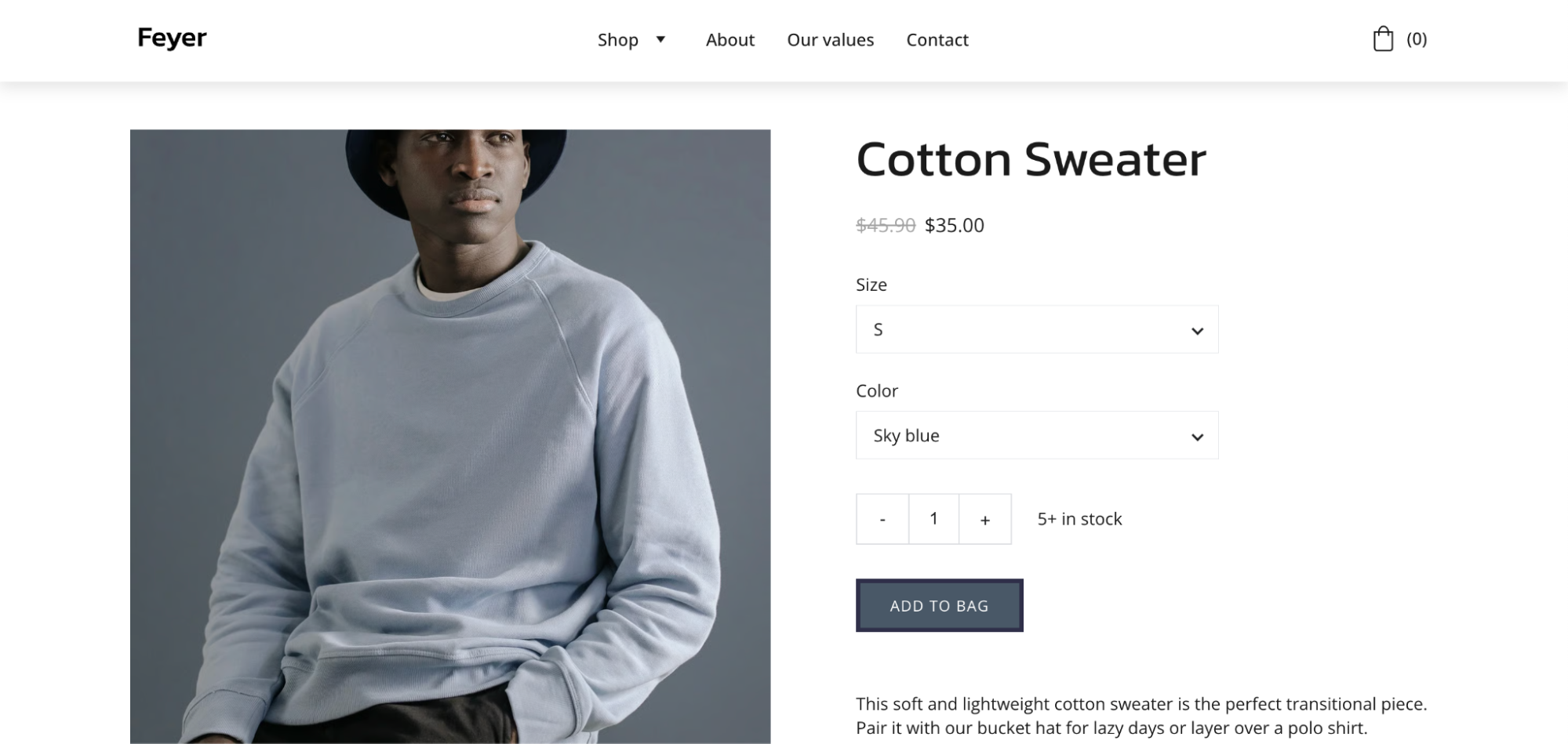
Product photos strongly influence whether Indian buyers trust your listing enough to place an order. Clear, honest images reduce questions, lower returns, and improve conversions, especially on mobile, where most shopping happens.
You don’t need expensive equipment. A modern smartphone with a good camera is enough if you pay attention to lighting, background, and styling.
How to set up your photo shoot:
- Shoot near a window using natural daylight
- Avoid harsh indoor lights or flash, which distort colours
- Use a clean, neutral background such as a plain wall, bedsheet, or table
Consistency matters more than perfection. Similar lighting and backgrounds across products make your store look reliable.
Buyers want to understand fit, length, and fabric before paying. Include:
- Front and back views
- Close-ups of fabric texture, embroidery, buttons, or prints
- A photo of the size and fabric tag
- Any minor defects, if applicable
Honest photos build trust and prevent disputes, especially for COD orders.
Pro tip
Add a scale reference (like holding the item or showing it on a hanger) so buyers understand its size.
- Flat lay. Place clothes neatly on the floor or a flat surface with good lighting.
- On a hanger. Works well for shirts, dresses, and jackets.
- On a model or mannequin. Best for showing fit and movement. If you can model the item yourself, it helps buyers visualize how it looks when worn.
Remember to keep your style consistent. Using the same background and lighting for every product makes your shop look professional and trustworthy. For more inspiration, check out our guide on the best product page designs.
6. Set up pricing for online selling
Pricing clothes online in India requires balancing affordability with profit. Buyers compare prices quickly, and even small differences can affect conversions, especially on marketplaces and social media.
Start with your total cost
Your price must cover all costs, not just the product.
Include:
- Purchase or production cost
- Packaging (bags, boxes, labels)
- Platform commission (if selling on marketplaces)
- Shipping and possible return costs
- Payment gateway or COD charges (if applicable)
For example, if a kurti costs ₹450 to source, ₹50 to pack, and ₹100 for shipping and platform fees, your base cost is ₹600. Pricing below this guarantees a loss.
Use realistic margins for India
For most beginner clothing sellers in India:
- 20-40% margin works for mass-market clothing
- 40-70% margin works for niche, boutique, or custom pieces
Avoid overpricing early. Buyers are more price-sensitive than brand-loyal when you’re new.
Example:
- Total cost: ₹600
- Selling price range: ₹749-₹899
Check competitor pricing before finalising
Always compare prices on the platform you’re selling on.
- Search similar products by fabric, style, and size range
- Note the average selling price, not just the lowest price
- Check reviews to see what buyers feel is “worth the money”
Price slightly lower or match the market when starting. Once you gain reviews and repeat customers, you can gradually increase prices.
Use bundles and sets to improve profits
Bundles work extremely well in India.
Examples:
- “2 cotton kurtis for ₹1,399”
- “Kids wear combo – 3 pieces under ₹999”
Bundles:
- Increase order value
- Reduce per-item shipping cost
- Make pricing feel more attractive
Apply simple pricing psychology
Small tweaks influence buying decisions:
- Use ₹799 instead of ₹800
- Show savings (“₹200 off”) instead of percentages
- Keep pricing clean and easy to understand
Avoid complicated discount structures that confuse buyers.
Review pricing regularly
If an item doesn’t sell within 20-30 days:
- Reduce the price slightly
- Improve photos or descriptions
- Bundle it with another item
Pricing is not fixed. Adjust based on demand, season, and feedback.
For a deeper breakdown, check our guide on how to price a product.
7. Market and promote your clothes
Marketing is what turns listings into sales. In India, most clothing businesses grow through organic promotion, not paid ads, especially in the early stages.
Start where Indian buyers already spend time
For clothing, Instagram and WhatsApp are the most effective channels.
- Instagram helps you showcase outfits through reels, photos, and stories. Short videos showing fabric movement, fit, or styling ideas perform better than static images.
- WhatsApp Business is used to share catalogues, confirm orders, answer questions, and build repeat customers. Many buyers prefer direct communication before purchasing.
This combination works well for home sellers, boutiques, and small brands.
Make your listings discoverable
Use clear, searchable titles and captions. Avoid vague names.
Instead of “New arrival,” use “Women’s cotton kurti set – daily wear” or “Oversized men’s t-shirt – pure cotton”. On Instagram, include relevant keywords and hashtags buyers actually search for, not just trending ones.
Use content to build trust, not just sell
Indian buyers want reassurance before paying.
Post content such as:
- Try-on videos
- Fabric close-ups
- Packing and dispatch clips
- Customer feedback and repeat orders
These signals reduce hesitation, especially for first-time buyers and COD orders.
Promote consistently without spending much
You don’t need a big budget to get traction.
Effective low-cost methods include:
- Posting regularly (3–5 times a week)
- Sharing new arrivals and restocks on stories
- Reposting customer photos or messages
- Responding quickly to DMs and comments
Consistency builds visibility and trust faster than occasional promotions.
Use marketplaces and platforms to boost reach
If you sell on marketplaces, stay active:
- Refresh listings
- Participate in platform promotions
- Maintain fast dispatch and good ratings
Marketplaces reward sellers who stay engaged and reliable.
Build repeat customers early
Repeat buyers reduce your marketing effort.
Simple ways to encourage repeat orders:
- Thank-you messages after delivery
- Small discounts on the next purchase
- Early access to new collections on WhatsApp
As your orders grow, moving to your own website helps you collect customer data, run offers, and promote without platform restrictions.
Even the best product won’t sell if no one sees it. Promotion is how you get your clothes in front of buyers, whether you’re on a marketplace or running your own store.
For more ideas, follow our in-depth guide on ecommerce marketing.
8. Decide how to handle orders, shipping, and returns
Managing orders, delivery, and returns correctly is essential for selling clothes online in India. Poor logistics lead to cancellations, COD losses, and negative reviews, even if the product is good.
First, decide how you will manage orders based on where you sell. Social media sellers usually track orders manually through WhatsApp or DMs. Marketplace sellers use the platform’s dashboard. Sellers with their own website rely on automated order and inventory systems. Manual tracking works at low volume, but automation becomes necessary as orders increase.
For shipping, most Indian sellers use courier partners instead of visiting post offices daily. Common options include courier aggregators, India Post for lightweight parcels, and local couriers for same-city deliveries. Before choosing a shipping option, always check delivery coverage, COD availability, and return-to-origin (RTO) charges, as failed deliveries directly affect profits.
Cash on Delivery (COD) is expected by many Indian buyers, but it carries higher risk. To reduce losses, confirm COD orders before dispatch, clearly communicate delivery timelines, and avoid shipping high-value items on COD until you build trust and repeat customers.
Packaging should be clean, secure, and practical. Use poly mailers or compact boxes, fold clothes neatly, and seal parcels properly to avoid damage. Simple, tidy packaging improves buyer perception and increases the chance of repeat orders.
Set a clear return or exchange policy before you start selling. Decide whether you allow returns, the time window (commonly 7-10 days), and who covers return shipping. Communicate this policy clearly on product pages, order confirmations, or WhatsApp messages to prevent disputes.
Finally, communication matters as much as delivery speed. Share tracking details once orders are shipped, inform buyers early about delays, and respond politely to questions or complaints. Quick and clear communication helps maintain trust even when problems occur.
9. Track sales performance
Tracking sales performance helps you understand what actually makes money and what quietly causes losses. Many Indian sellers focus only on orders, but profit comes from knowing the numbers behind each sale.
Start by tracking the basics regularly. Note how many items you sell each week or month, how much revenue comes in, and how much you spend on sourcing, packaging, shipping, platform fees, and returns. Always track profit, not just sales value, since COD returns and delivery charges can reduce earnings significantly.
Pay attention to how buyers interact with your products. If many people view or enquire about an item but few buy, pricing, photos, or descriptions may need improvement. If a product sells quickly, it signals strong demand and a price point buyers are comfortable with.
Use simple tools at the beginning. Marketplace dashboards show views, orders, and cancellations. For social media sellers, a basic spreadsheet with columns for cost, selling price, delivery charges, and profit is enough. If you run your own store, built-in analytics help you see where visitors come from and what they buy.
Review slow-moving items every 20-30 days. If something isn’t selling, reduce the price slightly, improve photos, or bundle it with another product. Seasonal items should be tracked closely so you don’t hold unsold stock after demand drops.
Over time, look for patterns. Identify which categories sell fastest, which sizes move more, and which price ranges work best for your audience. These insights help you stock smarter, price better, and grow without increasing risk.
Which platforms are best for selling clothes online?
The best platform for selling clothes online in India depends on how quickly you want to start, how much control you want, and whether your goal is short-term income or building a long-term brand. There is no single best option for everyone, but there is a best starting point for each stage.
Instagram and WhatsApp are the most common entry points for beginners, where buyers already exist, work best. They let you showcase products, talk directly to buyers, and get started with almost no upfront cost. This setup is ideal for home-based sellers, boutiques, and custom clothing, but it becomes difficult to manage as orders grow.
Marketplaces are best for quick sales. Platforms like Amazon, Flipkart, and Meesho already have buyers searching for clothes every day. They are suitable if you want volume and don’t want to spend time building an audience. The trade-off is lower margins, high competition, and limited control over branding and repeat customers.
An online store is best for building a brand. A website lets you control pricing, branding, customer data, and promotions. It works best once you have repeat buyers, consistent demand, or a clear niche. While it requires more setup than social media or marketplaces, it offers greater profit potential and long-term business stability.
How to decide which is best for you:
- If you are selling from home or just starting out, begin with Instagram and WhatsApp to test demand and pricing.
- If you want to close sales faster and are comfortable with platform rules, use marketplaces like Amazon, Flipkart, or Meesho.
- If you want to build a clothing brand, increase margins, and scale beyond platforms, create your own online store.
Many Indian sellers follow this exact progression: start on social media or marketplaces, then move to a website once sales are consistent. This approach reduces risk early and sets up long-term growth later.
For more advice on expanding beyond clothing, see our guide on how to sell stuff online.
How much can you make selling clothes online?
How much you earn selling clothes online in India depends on your platform, product type, and consistency. For most sellers, it starts as side income and grows steadily as they refine pricing, sourcing, and promotion.
Most sellers fall into one of these stages:
- Beginners and home-based sellers usually earn ₹5,000–₹25,000 per month. This includes people selling through Instagram, WhatsApp, or marketplaces with limited stock.
- Regular resellers and small boutique sellers often make ₹30,000–₹80,000 per month. These sellers source inventory regularly, manage deliveries actively, and understand pricing better.
- Established sellers with repeat customers or a website can earn ₹1,00,000+ per month. At this stage, profits improve through branding, bundles, lower return rates, and direct sales.
Several factors directly influence how much you can make:
- Platform choice: marketplaces bring faster sales but lower margins; your own store offers higher margins but needs marketing
- Clothing category: niche or problem-solving clothing usually sells better than generic items
- Pricing and cost control: shipping, COD returns, and commissions can reduce profit quickly
- Presentation quality: clear photos, sizing, and descriptions reduce returns
- Consistency: sellers who post, restock, and respond regularly earn more over time
Realistic expectations for beginners:
- Expect the first few months to be a learning phase
- Reinvest early earnings into better stock or packaging
- Focus on reducing mistakes before scaling
Selling clothes online in India is not instant income, but it can grow from side earnings into a reliable business when pricing, platforms, and operations are handled correctly.
Next steps for growing your online clothing business
Once you start getting consistent orders, the focus should shift from just selling to building something sustainable. Many Indian sellers begin on Instagram, WhatsApp, or marketplaces, then move toward starting an online business with their own website to manage growth, increase margins, and reduce platform dependency.
A website helps you centralise products, automate payments and shipping, and bring repeat customers back without relying entirely on social media algorithms or marketplace rules. This transition usually makes sense when you have repeat buyers, regular restocks, or want to scale beyond manual order handling.
Selling clothes online works best when you start small, learn from real customer behaviour, and upgrade your setup step by step. With the right platforms, pricing, and systems in place, a simple clothing side hustle can grow into a reliable online business.
All of the tutorial content on this website is subject to Hostinger's rigorous editorial standards and values.

Simon is a dynamic Content Writer who loves helping people transform their creative ideas into thriving businesses. With extensive marketing experience, he constantly strives to connect the right message with the right audience. In his spare time, Simon enjoys long runs, nurturing his chilli plants, and hiking through forests. Follow him on LinkedIn.



Comments
0 responses