How to make money without a job: Realistic ways to earn income independently
Mar 05, 2026
/
Alma
/
12 min Read
Learning how to make money without a job in India means building income beyond traditional employment. Instead of relying on a fixed paycheck, you earn money independently through clients, products, services, or systems you control.
It’s not easier work, but it is different work. Non-traditional income still requires effort, consistency, and skill-building.
In return, you gain a flexible income that isn’t tied to a boss, fixed schedule, or single employer. Some options can bring in money quickly, while others take months to become reliable, and income often varies along the way.
Here are five realistic ways people make money without a traditional job, ranging from short-term opportunities to long-term income streams:
- Freelance work. Offer skills like writing, design, coding, or virtual assistance directly to clients, or take on short-term tasks through gig platforms.
- Selling and flipping items. Sell items you already own, then move into buying undervalued products and reselling them for profit online or locally.
- Digital content and products. Build an audience through blogs, YouTube, podcasts, or social media, then earn through ads, sponsorships, affiliates, or your own products.
- In-person local services. Provide in-demand services like pet sitting, cleaning, yard work, or handyman help in your area and get paid quickly.
- Semi-passive income. Build longer-term income through digital products, affiliate sites, or other assets that can earn beyond your direct time.
1. Freelancing and gig-based work
Freelancing is one of the most direct ways to make money online without being an employee. You offer your skills directly to clients, work on a project-by-project basis, and build freelance income by invoicing for your work instead of working set hours for one company. This makes freelancing one of the most common flexible jobs for people earning independently.
Common freelance services include writing, graphic design, website development, video editing, social media management, data entry, and virtual assistance. Businesses across India regularly hire freelancers for short-term work such as creating marketing content, managing social media pages, or updating websites.
Income varies depending on your skills and experience. Many beginners earn ₹300 to ₹800 per hour for entry-level services such as virtual assistance or data entry. Skilled freelancers such as web developers, designers, and digital marketers often charge ₹1,500 to ₹5,000 per hour once they build experience and a strong portfolio. Full-time freelancers in India commonly earn ₹3,00,000 to ₹15,00,000 per year, depending on their specialization and client base.
There are two main ways to find freelance work.
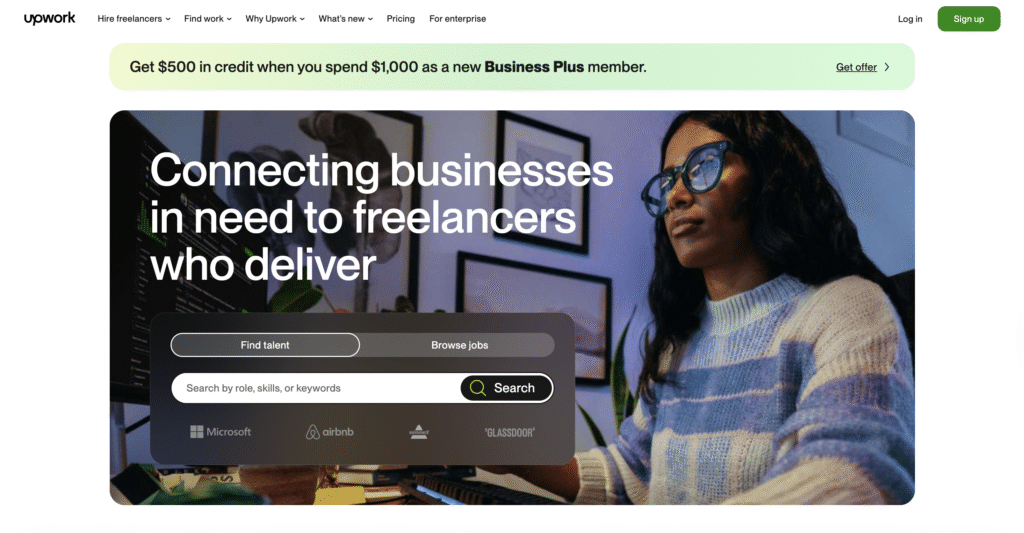
First, you can use freelance platforms that connect clients and freelancers. Popular platforms include Upwork, Fiverr, Freelancer, Truelancer, and WorkNHire. These platforms help beginners find clients quickly because businesses already search there for freelancers. They also provide payment protection and structured contracts.
Second, you can find clients directly by reaching out to small businesses, startups, and entrepreneurs who need help with marketing, design, or website management. Direct clients usually pay higher rates because you avoid platform fees and negotiate your own terms.
Important! Most freelance platforms charge 10%–20% service fees on your earnings. Many freelancers start on platforms to build reviews and experience, then move to direct clients within 6 to 12 months to keep more of their income.
Gig-based work is a related option that focuses on quick, short-term tasks instead of long projects. These tasks may include data entry, translation, resume writing, logo design, or social media scheduling. Some gigs can be completed within a few hours and paid immediately after delivery, which makes them suitable if you’re looking for ways to make money in an hour.
Some platforms also offer microtasks, such as completing online surveys, testing websites, or performing small data-labeling tasks, though these opportunities usually yield lower earnings than skilled freelance work.
When starting out, expect to spend your first few weeks building a strong profile and collecting reviews. Once you receive three to five positive client reviews, it becomes much easier to get regular freelance work because new clients trust your reliability.
You’re a good fit for freelancing if you:
- Already have a marketable skill like writing, design, coding, or social media management
- Can dedicate 10-20 hours per week to finding and completing client projects
- Are comfortable with income varying from month to month
- Prefer earning money through skills rather than waiting months for passive income
- Can manage communication, deadlines, invoicing, and client relationships
Freelancing is one of many ways people generate independent income. Other approaches include selling products online, offering local services, or starting small projects based on practical side hustle ideas, such as tutoring, digital product creation, or affiliate marketing.
2. Selling products and flipping items
Selling products online starts in a very ordinary and familiar place: with items you already own. You list them on online marketplaces or local platforms, see what sells, and decide whether it’s worth taking further by buying and reselling for profit.
Common platforms for selling used items include OLX, Quikr, and Facebook Marketplace. These marketplaces allow you to list products quickly and connect with buyers in your local area. Many transactions occur through direct messaging, and buyers typically pay via UPI apps such as Google Pay, PhonePe, or Paytm, making payments fast and convenient.
Most households have ₹20,000 to ₹1,00,000 worth of unused items that could be sold online. Electronics, branded clothing, small appliances, and furniture tend to sell the fastest because buyers already know their value.
Pro Tip
Items with original packaging sell for 20-30% more than identical items without boxes or manuals. Keep the packaging even if you think you'll never sell something. Future you will thank you.
Once you become comfortable with selling online, you can move into product flipping. Flipping means buying undervalued items and reselling them for profit. Sellers often find these deals through local marketplaces, wholesale markets, clearance sales, or bulk purchase discounts.
If you spend 5–10 hours per week sourcing and listing products, flipping can generate ₹10,000 to ₹60,000 per month in additional income. At a larger scale, experienced sellers who manage consistent inventory sometimes reach ₹80,000 to ₹3,00,000 monthly, especially when they specialize in high-demand products.
The math behind flipping is straightforward. For example, you might buy a used smartphone for ₹6,000, sell it for ₹9,000, and keep around ₹2,000–₹2,500 in profit after minor costs such as delivery or platform fees. One sale may not change much, but repeating this process regularly can create steady income.
Choosing the right online selling site also affects your profits. Each platform has different audiences and selling models:
- OLX and Quikr are best for local resale and quick transactions.
- Facebook Marketplace works well for selling items within local community groups.
- Meesho allows beginners to resell products without managing inventory by sourcing items from suppliers.
- Amazon India and Flipkart Marketplace provide access to a larger customer base but require more structured product listings and logistics. Some sellers also run dropshipping businesses, where products are sold online but shipped directly from suppliers to customers, allowing you to start an ecommerce store without managing inventory.
Your timeline depends on how you sell. Listing unused household items can generate cash within a few days. Flipping products usually takes one to four weeks per item, depending on demand and pricing. Reselling through platforms like Meesho or selling handmade items online may take longer because you need time to understand the market and build consistent product listings.
Some sellers also create and sell handmade products such as jewelry, candles, artwork, or clothing accessories. Many creators turn this into a small online brand once they start a craft business.
You’re a good fit for selling products if you:
- Enjoy spotting undervalued products or good deals
- Have ₹5,000–₹20,000 available for initial inventory when flipping items
- Can dedicate storage space for products before selling them
- Are comfortable photographing, listing, packaging, and shipping items
- Don’t mind experimenting to learn which products sell best in your local market
Understanding the full process, from pricing and listings to payments and delivery, helps you build a sustainable online selling workflow.
3. Content creation and digital products
Content creation allows you to earn money online by sharing knowledge, skills, or entertainment through digital platforms. Many creators start with blogs, YouTube channels, social media pages, or podcasts and gradually build an audience. Once people regularly follow your content, you can generate income through ads, sponsorships, affiliate marketing, or your own digital products.
Blogging is often the starting point because it lets you publish helpful guides, tutorials, or opinions while building long-term search traffic. However, many creators in India also grow audiences through YouTube videos, Instagram Reels, or niche social media pages focused on topics such as technology, finance, education, or small-business tips.
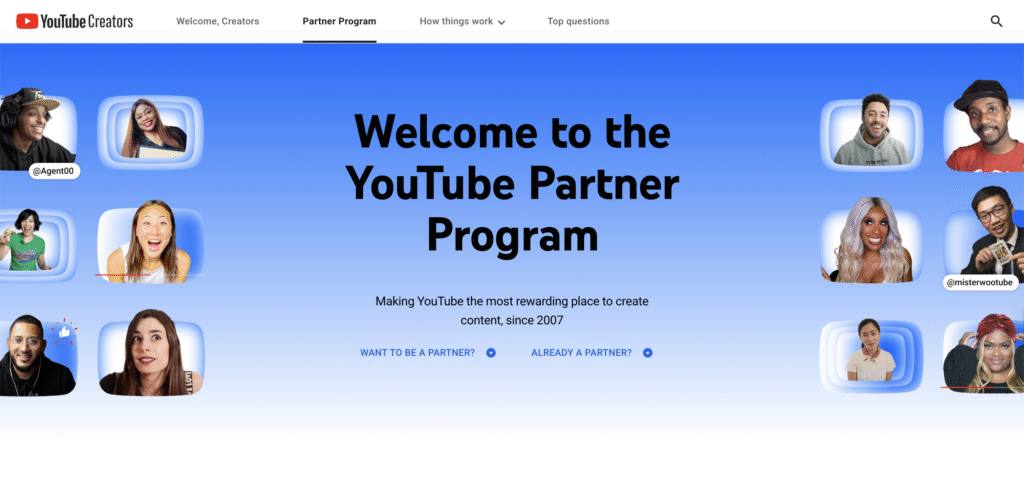
Content creation usually takes time to produce a consistent income. For example, YouTube requires 1,000 subscribers and 4,000 watch hours before creators can apply for monetization through the YouTube Partner Program. Reaching this threshold often takes several months of regular publishing.
Important! Content creation is not passive income, especially in the first one to two years. Expect to invest hundreds of hours before seeing meaningful returns.
- Display advertising. Blog owners can earn roughly ₹700 to ₹2,500 per 1,000 pageviews through advertising networks such as Google AdSense, depending on the niche and traffic quality. YouTube creators typically earn ₹200 to ₹600 per 1,000 views from ad revenue in many content categories.
- Sponsorships. Brands often pay creators to feature products or services. Smaller creators with 10,000–50,000 followers may earn ₹5,000 to ₹40,000 per sponsored post, while larger creators can command significantly higher rates.
- Affiliate marketing. Affiliate marketing allows you to promote products and earn a commission when someone makes a purchase through your referral link. Commission rates usually range from 3% to 30%, depending on the platform and product category.
- Digital products. Many creators eventually sell their own digital products such as ebooks, templates, courses, design assets, or exam preparation guides. These products are created once and sold repeatedly, which is why many creators choose to sell digital products such as Notion or Canva templates, study materials, and language-learning resources.
You’re a good fit for content creation if you:
- Have something you enjoy sharing or teaching, whether that’s home repairs you’ve learned over time, DIY projects, speedrunning a game, or a language you grew up speaking
- Can commit to creating content consistently for 12 to 18 months before expecting meaningful income
- Already have active income covering your bills while you build your audience
- Enjoy writing, filming, recording, or designing as part of your regular routine
- Are patient enough to treat the first year as an investment rather than immediate income
Many successful creators combine multiple income streams over time. For example, a blog might generate 40% of revenue from affiliate marketing, 30% from ads, and 30% from digital products, creating a more stable and scalable income model.
4. Offering local services without employment
Local services are among the fastest ways to make money without a traditional job, since people often need help with everyday tasks. Unlike online income methods that can take months to grow, local services can bring in money quickly once you start finding clients in your area.
Many people begin by offering simple services that require little startup cost. In India, common examples include home cleaning, tutoring, meal preparation, basic repairs, and photography services. These services solve practical problems for neighbors and local communities, which makes it easier to find clients through word of mouth or local online groups.
Here are several services that are accessible for beginners:
- Home cleaning services. Cleaning homes or apartments is one of the most common local services. Depending on the city and type of cleaning, a single job may pay ₹1,000 to ₹3,000 per visit, while deep cleaning services can bring ₹3,000 to ₹8,000 per project.
- Tutoring and coaching. Many students need help with school subjects, language learning, or exam preparation. Tutors often charge ₹300 to ₹1,000 per hour, depending on the subject and experience. Online tutoring sessions can also expand your reach beyond your local area.
- Meal preparation or tiffin services. Home-cooked meal delivery is popular in many Indian cities. If you enjoy cooking, preparing daily meals for office workers or students can earn you ₹5,000 to ₹30,000 per month, depending on the number of clients.
- Handyman and repair services. Skills such as appliance repair, furniture assembly, plumbing, and electrical repairs are consistently in demand. Depending on the complexity of the job, service providers often charge ₹500 to ₹2,000 per task.
- Photography services. Many people hire photographers for birthdays, family events, and small celebrations. Even beginner photographers can earn ₹3,000 to ₹15,000 per event, depending on the location and equipment.
Finding clients for local services is usually straightforward. You can promote your services through local Facebook groups, WhatsApp community groups, and neighborhood forums. Many service providers also list their services on platforms such as Urban Company, Justdial, or Sulekha, which connect local professionals with customers searching for nearby services.
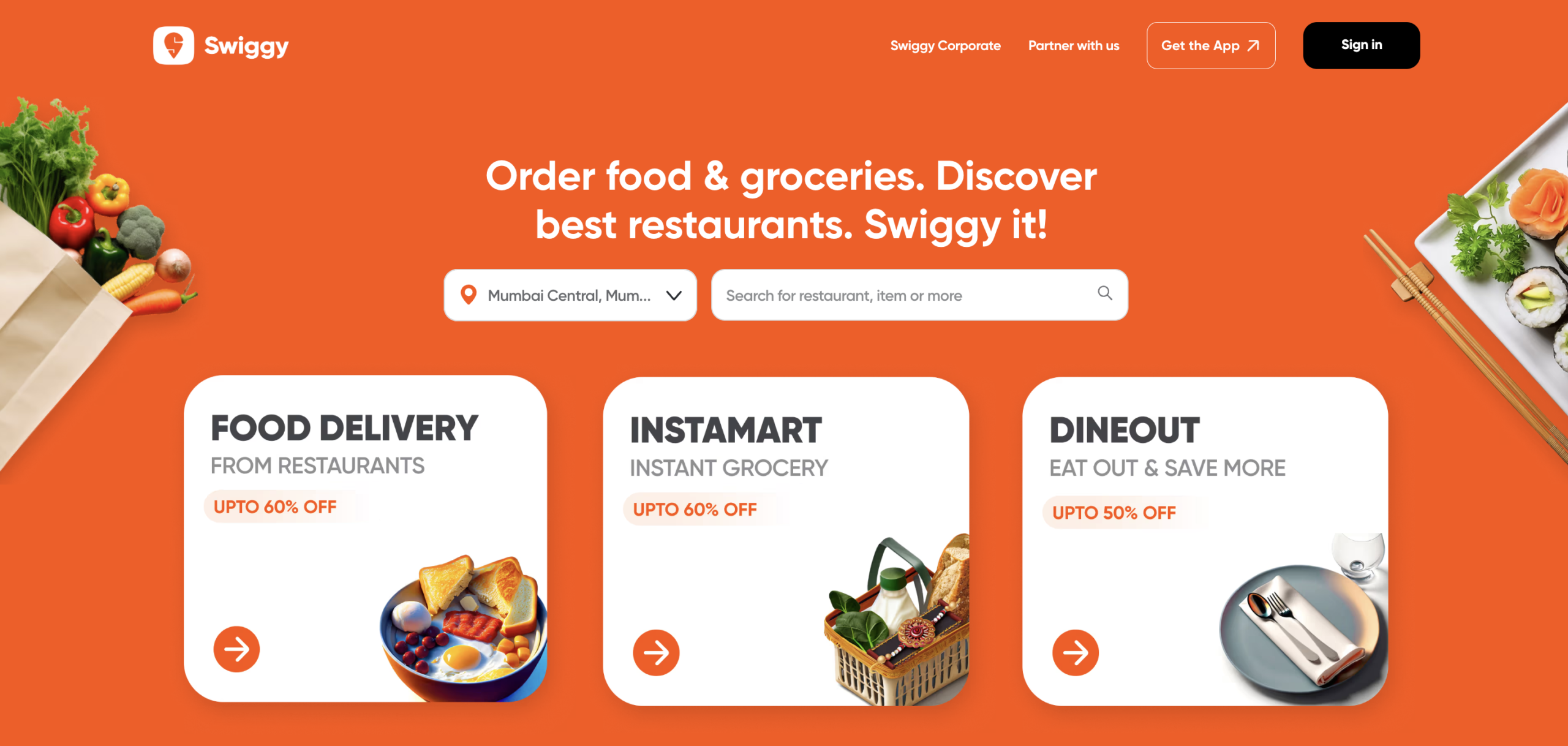
Gig-economy apps can also offer flexible work opportunities. Platforms such as Swiggy, Zomato, and Dunzo allow people to earn money by completing deliveries or errands, often with flexible schedules that let you work whenever you have free time.
You’re a good fit for local services if you:
- Need to start earning money quickly rather than waiting months for results
- Enjoy working with people in your local community
- Have practical skills such as teaching, cooking, repairing, or organizing
- Can travel within your area to reach clients
- Can provide reliable service so clients return regularly
When working with clients locally, basic safety precautions are important. Confirm the service details in advance, verify addresses before visiting new locations, and let someone know where you will be working. Clear communication about pricing and expectations helps avoid misunderstandings and builds trust with clients.
5. Semi-passive income options for the long term
Semi-passive income involves building something once that continues to generate income over time with minimal ongoing effort. Unlike active income methods such as freelancing or local services, these options usually take longer to start earning money but can become more stable as they grow.
Because of the longer timeline, semi-passive income works best after you already have a reliable income source covering your daily expenses. Think of these opportunities as systems you gradually build alongside your main income.
Here are three common semi-passive income ideas:
- Digital products and affiliate content. Creating helpful online resources can generate income for years once they gain visibility. Examples include ebooks, online courses, templates, and educational guides. Many creators also build blogs or niche websites that recommend products and earn affiliate commissions when readers make purchases through referral links. Income grows gradually as your content ranks in search engines or gains attention on social media.
- Renting assets you already own. If you have unused resources, you can turn them into income by renting them out. In large cities, people often rent out parking spaces, storage areas, spare rooms, or equipment. Once the listing is active and a renter is found, this income usually requires minimal daily involvement.
- Creative licensing. Photographers, designers, musicians, and video creators can upload their work to online marketplaces where people pay to license digital assets. Each time someone downloads or licenses your work, you receive a commission. Over time, building a larger portfolio increases the chances of consistent sales.at income.
Each option grows at a different pace. Renting out assets may generate income soon after listing, while digital products or affiliate websites usually require 6 to 12 months of consistent effort before producing regular income.
You’re a good fit for semi-passive income if you:
- Already have another income source while building long-term projects
- Are comfortable investing several months of work before seeing returns
- Have knowledge or skills that can be turned into educational content or digital resources
- Are willing to promote your work through search engines, social media, or communities
- Prefer building long-term income systems instead of trading time for money continuously
Many people combine semi-passive income with active income methods such as freelancing or selling products. This layered approach helps create more stable and diversified income streams over time.
Important considerations when making money without a job
Earning money without a traditional job gives you flexibility, but it also means you are responsible for managing your income and finances. Independent income can fluctuate from month to month, especially when you rely on freelancing, gig work, or selling products online. Some months may bring higher earnings, while others may be slower.
Because of this variability, budgeting and planning become more important than they are in traditional employment. Setting aside a portion of every payment helps you manage slow periods and unexpected expenses.
Taxes are another important factor. Freelancers and independent earners in India usually need to report their income when filing income tax returns, since payments from clients or platforms are not automatically taxed like a salary. Keeping simple records of your earnings and expenses throughout the year makes tax filing much easier.
It’s also important to understand how payment platforms work. Many online marketplaces and freelance platforms charge service fees, which can affect how much you actually earn. For local services or direct clients, payments often happen through UPI apps such as Google Pay, PhonePe, or Paytm, which allow instant transfers and easy payment tracking.
Another common challenge is platform dependency. If all your income comes from a single marketplace or client, changes in platform rules, account restrictions, or client demand can suddenly reduce your earnings. Diversifying your income sources helps reduce this risk.
You should also stay cautious about online job scams. Some websites promise extremely high earnings for minimal work or request upfront fees before offering tasks. Legitimate platforms do not ask for large payments before providing work opportunities. Always verify websites and avoid sharing sensitive personal information unless you trust the platform.
Here are several practical steps that help independent earners stay financially stable:
- Track income and expenses from the beginning
- Set aside a portion of every payment for taxes and emergencies
- Use trusted platforms and verify opportunities before accepting work
- Avoid relying on a single client, platform, or income source
- Build financial buffers to manage slower months
Planning for these realities helps you turn independent work into a more stable and sustainable income source over time.
What are the best practices for earning money independently?
Earning money independently becomes more reliable when you focus on practical income habits rather than chasing a single idea. The most effective approach is to start with income sources that pay quickly, such as freelancing, local services, or selling products. These methods help you generate cash flow while you experiment with longer-term opportunities.
One of the most important strategies is diversifying your income streams. Relying on only one client, platform, or product can create financial risk if demand suddenly drops or platform policies change. Combining several income sources, such as freelancing, selling digital products, and affiliate income, helps create a more stable income stream.
Developing valuable skills also increases your earning potential over time. Skills such as digital marketing, website creation, graphic design, writing, and video editing are consistently in demand. As your experience grows, you can raise your rates or move into higher-paying projects.
Strong financial habits are equally important. Tracking income and expenses from the beginning helps you understand which activities generate the most profit. Many independent earners use simple spreadsheets or budgeting apps to monitor payments and manage irregular income.
Consistency also plays a major role in long-term success. Publishing content regularly, maintaining good communication with clients, and delivering high-quality work help build trust and repeat business. Over time, this reputation can lead to higher-paying opportunities and steady clients.
Independent earners who follow these practices are more likely to build stable income streams rather than rely on unpredictable short-term work.
How to grow and stabilize your income without a job
Growing income without a job usually happens in stages. Early on, money often comes from short-term gigs or one-off work. Over time, you grow independent income by shifting toward repeat clients, retainers, products, or audiences that don’t require starting from scratch each month. This is how you scale income streams without simply working more hours.
Stability comes from layering income, not replacing it all at once. Combining services, products, or content-based income helps smooth out slow periods and supports financial stability without a job. Track your income to identify patterns and seasonality, making planning easier. Build a buffer before expanding so growth adds relief rather than pressure.
Once your income starts to feel steady, it’s worth organizing things so they don’t get overwhelming later. This usually means tracking your income, separating it from personal funds, and having a simple system in place, such as collecting payments in one account and tracking them in a basic spreadsheet.
If you’re aiming to turn independent income into something long-term, our guide on starting your own online business explains how to set things up in a way that’s easier to manage and scale over time.
All of the tutorial content on this website is subject to Hostinger's rigorous editorial standards and values.

Alma is an AI Content Editor with 9+ years of experience helping ideas take shape across SEO, marketing, and content. She loves working with words, structure, and strategy to make content both useful and enjoyable to read. Off the clock, she can be found gaming, drawing, or diving into her latest D&D adventure.


