20 best B2B lead generation strategies in 2026
Aug 04, 2026
/
By Justina B.
/
14 min Read

Content marketing, cold outreach, LinkedIn prospecting, and paid ads pull in leads at different stages of the buyer journey, helping you reach more decision-makers and fill your pipeline with leads who are ready to talk to sales.
B2B lead generation is the process of identifying and attracting businesses likely to buy your product or service and turning them into paying clients. Sales cycles are longer and involve multiple decision-makers, so a structured approach saves time and effort.
The process has five stages:
- Finding leads.
- Capturing their contact details.
- Nurturing them with relevant content.
- Filtering out who’s ready to buy.
- Closing the sale.
The right mix depends on your business model, target audience, and buyer journey. Use the strategies below to combine inbound, outbound, and hybrid tactics you can test and measure.
20 B2B lead generation strategies
These 20 strategies cover inbound, outbound, and hybrid approaches. Some work better than others depending on your business model and target audience, so test and adjust as you go.
1. Do account-based marketing
Account-based marketing focuses your sales and marketing efforts on a specific set of high-value target accounts rather than trying to reach everyone at once. You identify the companies most likely to buy, then create personalized campaigns for each.
Start by building a list of your best-fit accounts based on industry, company size, and revenue. Then create personalized content such as lead magnets, custom landing pages, and targeted ads. Tools like LinkedIn Sales Navigator help you find and connect with potential buyers.
It works especially well for B2B businesses with large contracts and longer sales cycles. But it works best when your sales and marketing teams agree on which companies to target, what messaging to use, and how to measure success.
Without that alignment, your outreach feels scattered, making it harder to maintain a personalized experience.
2. Utilize sales intelligence platforms
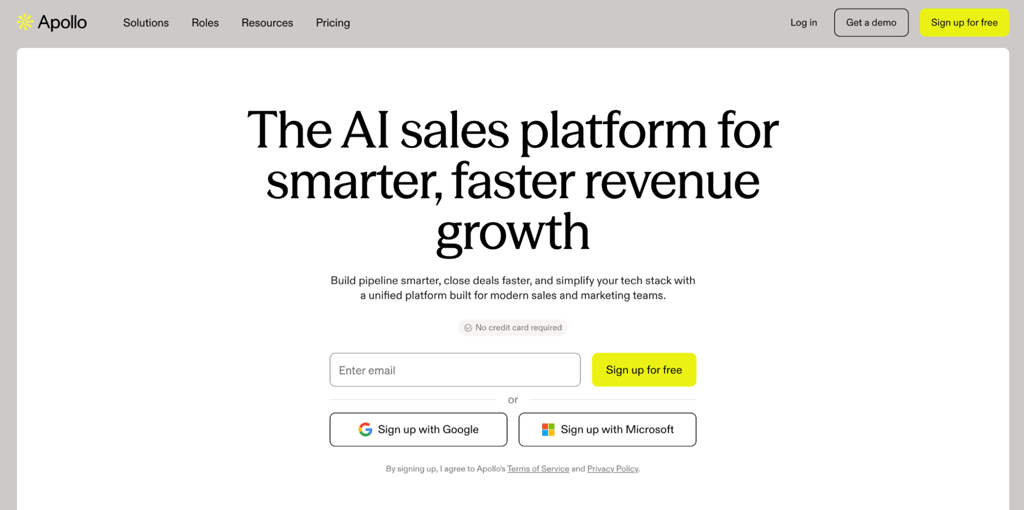
Sales intelligence tools such as ZoomInfo, Apollo.io, and Cognism provide company and contact data, technographic details, and intent signals. Your sales team spends less time researching and more time selling.
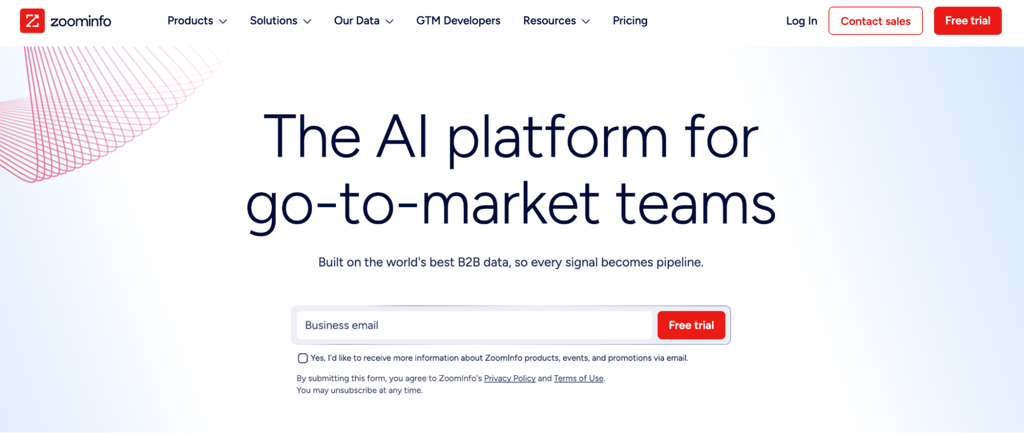
These platforms help you filter prospects by criteria such as industry, company size, job title, technology use, and recent funding rounds. Some also provide intent data that signals when companies are researching topics related to your product or service.
When evaluating sales intelligence platforms, look for features that match your workflow:
- Contact accuracy. Outdated emails and phone numbers waste your team’s time. Look for platforms with verified, regularly updated contact databases.
- Intent data. Platforms that track research signals related to your product can help you prioritize accounts that may already be exploring the category.
- CRM integration. Your sales intelligence tool should sync directly with your CRM, so your team doesn’t have to manually transfer data between systems.
- Filtering and segmentation. The more granular the filters, the more precisely you can build prospect lists that match your ideal customer profile.
The real value is in prioritization. Instead of working through a cold list, your team can focus on accounts that show a stronger fit or buying signals.
3. Use Google Ads to target leads
Google Ads lets you place your business in front of prospects who are actively searching for solutions you offer. By targeting queries that signal commercial intent, you can reach people who may already be evaluating options.
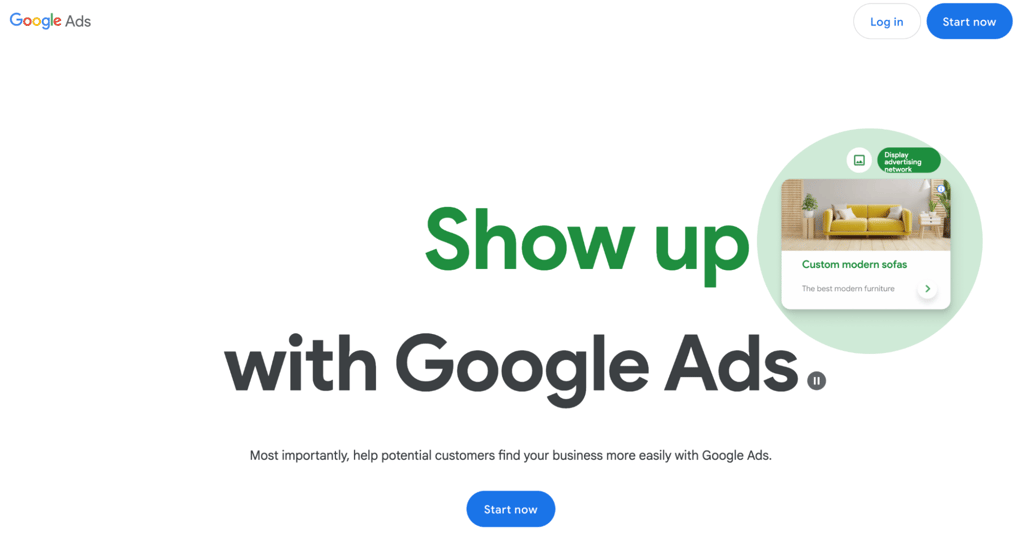
Start with keyword research using Google Keyword Planner to identify terms your target audience searches for. Focus on high-intent keywords that signal purchase readiness, like “B2B CRM software pricing,” rather than broad terms like “CRM.”
Google offers several ad formats, but responsive search ads are a good starting point for Search campaigns. They let Google test different headline combinations to find what performs best. Assets such as site links and callouts give searchers more information upfront.
Your ad is only half the equation. Send each ad to a dedicated landing page that matches the search intent. If someone searches for “B2B CRM software pricing,” a pricing page is more relevant than a general product overview.
Once your ads are running, check which keywords and copy drive the most conversions. Shift your budget toward what’s working, pause what isn’t, and test new variations to manage your cost per lead.
4. Optimize your CTAs
A call to action prompts visitors to take a specific step, like signing up for a demo, downloading a resource, or starting a free trial. Clear CTAs make the next action easier to understand.

Common CTA placements include:
- Above the fold.
- After a compelling section of content.
- At the bottom of the page.
Each CTA should deliver one clear value proposition. “Get your free SEO audit” is specific and benefit-driven. “Submit” tells the visitor nothing. Use contrasting colors and whitespace to make your CTAs visually distinct from the surrounding content.
Test your CTAs regularly. A/B testing button text, colors, and placements can show what resonates with your audience. Test one element at a time so you can attribute any change in performance to the variable you changed.
5. Build social proof
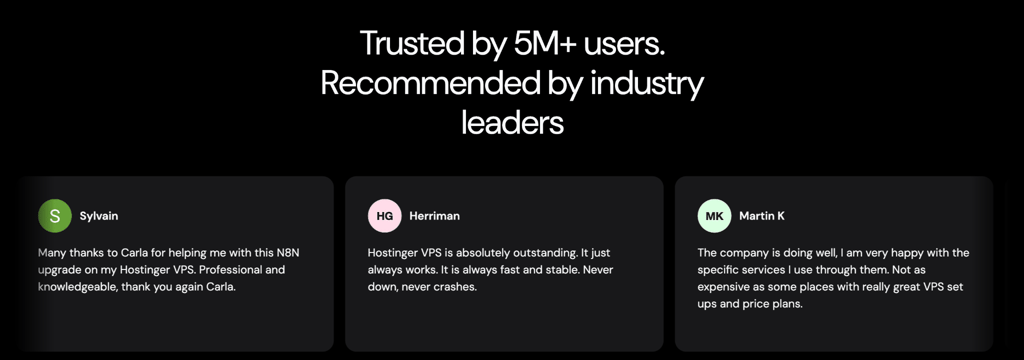
B2B buyers often research several options before committing. Social proof can reduce hesitation by showing potential buyers that other businesses already trust you.
There are several types of social proof that work well for B2B:
- Customer testimonials. Short quotes from real clients that describe specific results they achieved with your product or service.
- Case studies. Detailed stories that walk through a client’s challenge, the solution you provided, and the measurable outcome.
- Third-party reviews. Platforms like Trustpilot and G2 add extra credibility because you don’t control what’s posted there.
- Client logos. Displaying recognizable brand logos on your site signals that established companies trust you.
- Usage statistics. Numbers like “10,000+ businesses served” or “99.9% uptime” give prospects concrete reasons to trust you.
Display this social proof prominently on your landing pages, pricing pages, and homepage. Place the most relevant proof near the decision it supports, such as a testimonial beside a demo CTA.
On blog posts and content pages, social sharing buttons help visitors share your content with their networks. Avoid placing them on dedicated landing pages, though, where they can distract from your primary CTA.
6. Take care of Q&As
Participating in Q&A platforms like Quora and Reddit positions your business as a helpful authority in your industry.
Focus on questions that relate directly to problems your product or service solves. Give detailed, actionable answers rather than vague advice. Include your expertise and real-world examples to stand out from generic responses.
To find the right questions, search for your main keywords on both platforms and sort by recent activity. On Reddit, identify the subreddits where your target audience is most active. On Quora, follow topics related to your industry and turn on notifications for new questions.
This approach can also build brand recognition over time. Useful forum answers may continue attracting readers after you publish them.
7. Publish case studies and original research
Case studies and original research establish your credibility by showing how you solve real problems and what you have learned from your own data.
A strong case study covers a client’s problem, your solution, and the measurable results. Use real numbers: “We helped Company X keep 32% more customers over six months” beats “We helped a client improve retention.”
Structure your case studies consistently so readers know what to expect:
- The challenge. What problem was the client facing before they came to you? Be specific about the business impact.
- The solution. What did you do to solve it? Walk through the process step by step.
- The results. What measurable outcomes did the client achieve? Use real numbers, percentages, and timeframes.
- A client quote. A direct quote from the client adds authenticity and lets the reader hear the experience in someone else’s words.
Original research, like industry surveys or data reports, also earns backlinks and referral traffic when other sites reference your findings. Links are also one of the signals Google uses to understand and rank pages.
You don’t need a big budget to do this. Pull trends from your own customer data, support tickets, or sales numbers, then turn them into a short report or blog post. Even focused, original findings can give other publishers something worth citing.
8. Test creative outreach methods
Standard B2B outreach emails can look similar in a potential buyer’s inbox. Personalizing the message around one prospect’s situation makes the outreach more relevant.
Try these creative outreach approaches:
- Personalized video. Record a short video that addresses the prospect by name and references a specific challenge their company faces. Tools like Vidyard and Sendspark can help you create and share these videos at scale.
- Custom audit or analysis. Run a quick audit of the prospect’s website, social media, or ad campaigns and share the findings in your first message. This shows competence, not just interest.
- Industry-specific insights. Share a data point or trend that’s relevant to the prospect’s industry. This positions you as someone who understands their world, not just someone trying to sell.
Keep it professional. Study your target audience before going too creative. A playful GIF might work for a marketing agency but fall flat with a law firm. Match your approach to your prospect’s industry and communication style through B2B email marketing best practices.
9. Target leads on LinkedIn
LinkedIn is useful for B2B lead generation because it combines professional profiles with targeting tools for roles, companies, industries, and seniority levels.
Set up your company page and personal profiles with clear descriptions of what you offer. Post content that shows your expertise, like industry insights, client results, and practical tips. Comment on posts from the people you want to reach to build familiarity before reaching out.
Post useful content consistently rather than publishing filler to meet a daily quota. Focus on formats that make expertise easy to scan:
- Text posts with a strong opening line.
- Carousel documents that break down a process.
- Short posts that share a specific lesson or result.
LinkedIn Ads and Sales Navigator give you additional tools to find and engage with high-value prospects. Sales Navigator’s advanced filters let you build highly targeted lead lists based on specific criteria, like recent job changes or company growth.
You can also save leads and get alerts when prospects change roles or companies. This will give you a natural reason to reach out.
10. Use alternative social media platforms
LinkedIn isn’t the only social platform that can support B2B lead generation. Other channels can work when they match where your audience already spends time and how they prefer to consume content.
Go where your audience already is. Instagram works well for visual industries, YouTube for demos and educational content, and X for real-time industry conversations. You can promote your website for free across all of them.
Choose platforms based on where your potential customers actually are, not where everyone else is posting. It is better to maintain a few relevant profiles consistently than spread your team across channels it cannot support. Tailor your content to each platform’s format and audience expectations.
That doesn’t mean creating something new for every channel. Repurpose what works. A blog post can become a LinkedIn carousel, a YouTube explainer, and a series of X posts. You stretch your content budget while keeping your messaging consistent.
11. Embed interactive demos
Interactive demos let potential buyers test your product before talking to sales. Because B2B purchases can involve several stakeholders, a shareable demo can also help prospects show the product internally.
Unlike a static screenshot or explainer video, an interactive demo puts the prospect in control. They click through real features, explore workflows relevant to their role, and see how the product fits their needs before booking a live demo.
Tools like Navattic and Storylane let you build guided product walkthroughs without engineering resources. You record your product’s interface, add tooltips and click paths, then embed the demo on your landing pages, pricing pages, or email campaigns.
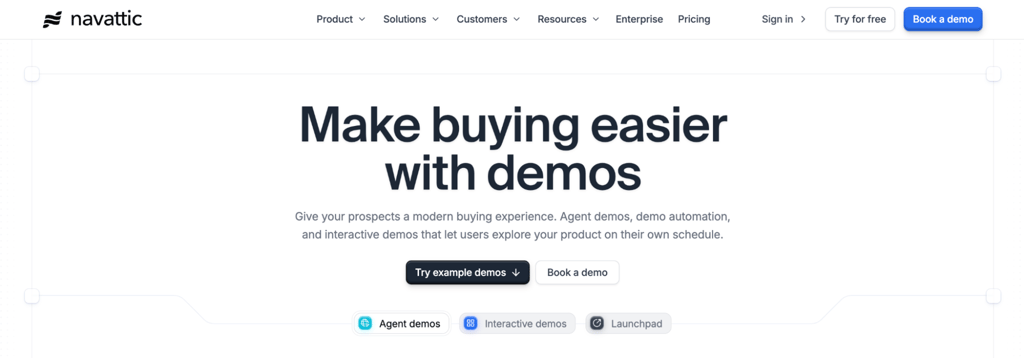
Place your demos where buying decisions happen. A demo embedded on a pricing page helps prospects evaluate the product. You can link a demo from an outbound email or share it after a sales call.
Track which features prospects interact with most. If everyone skips your reporting dashboard but spends time on integrations, that tells your sales team what to emphasize in follow-up conversations.
12. Optimize for long-tail keywords
Long-tail keywords are highly specific phrases that reflect a clear search intent and have lower search volume than broad terms. They often contain several words, but what makes them “long-tail” is their specificity, not their length.
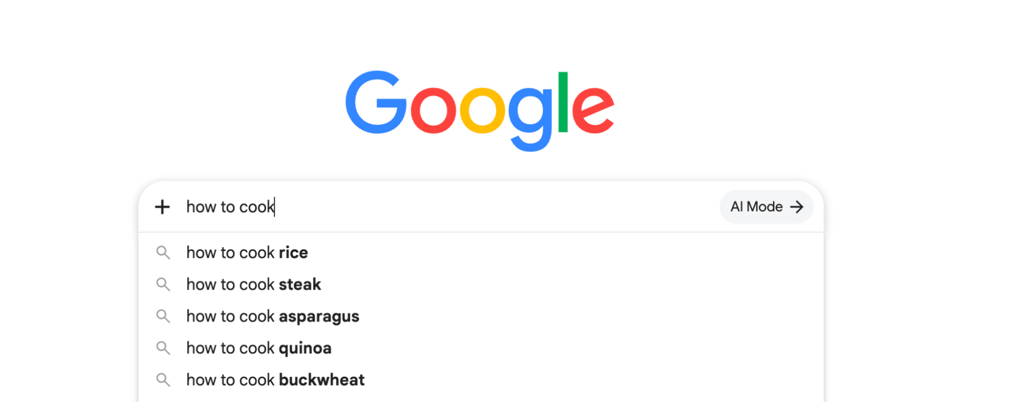
For example, “project management software” is broad and highly competitive. “Project management software for remote marketing teams” targets a specific audience with a specific need, which may make it easier to create content that closely matches search intent.
Find long-tail keywords using tools like Semrush or Ahrefs. You can also type a broad keyword into Google and check the autocomplete suggestions, “People also ask” section, and related searches at the bottom of the results page.
Once you’ve found your target keywords, create dedicated content for each one. A focused blog post, landing page, or resource page gives search engines and readers a clear match between the query and the page.
Make sure each piece is genuinely helpful rather than stuffed with keywords. Search engines prioritize content that satisfies the user’s intent over content that simply repeats the target phrase.
13. Start a referral program
A referral program turns your existing customers into a lead generation channel by rewarding them for recommending your product to others. In B2B, referrals also carry the context of an existing business relationship.
Offer rewards your customers actually care about, such as account credits, exclusive features, or cash. Google Workspace, for example, offers cash rewards for eligible referrals and first-year savings for referred customers; reward rates vary by country and plan.
Don’t wait for customers to find your referral program on their own. Ask at natural moments, like after a successful onboarding, a positive support interaction, or a strong quarterly review, when the customer has a recent reason to recommend you.
14. Email sign-ups
Email marketing can help you generate and nurture B2B leads. Embedding sign-up forms in your content and landing pages lets you collect contact information from visitors who are already interested in what you offer.
Someone who willingly gives you their email address has shown enough interest to opt in. Treat that as a signal to nurture the contact with content relevant to what they signed up for.
A good email marketing tool makes this easier. Hostinger Reach lets you create AI-assisted campaigns, track engagement, and collect subscribers through forms that sync contacts into Reach.
But the tool only works if people subscribe. Instead of relying on a generic “Sign up for our newsletter”, offer a clear reason to join your list:
- Ebooks and guides. In-depth resources on a topic your audience cares about.
- Templates and checklists. Ready-to-use tools that save them time.
- Exclusive data or reports. Original research that they can’t get anywhere else.
- Free tools or trials. Access to a product feature that solves a specific problem.
Make your sign-up forms visible but not annoying. Place them in your content or in a sidebar, rather than in a pop-up that interrupts the reading experience.
If you do use pop-ups, consider exit-intent or delayed triggers so the form does not interrupt visitors as soon as the page loads.
15. Create target audience profiles
Understanding exactly who you’re selling to supports every other strategy on this list. Start by building an ideal customer profile that describes the type of company you want to work with, then create buyer personas for the individuals within those companies.
Your ideal customer profile focuses on firmographic data:
- Industry and sub-industry.
- Company size and employee count.
- Annual revenue range.
- Geographic location.
- Tech stack and tools they already use.
Buyer personas go deeper into the people who make purchasing decisions:
- Job title and seniority level.
- Day-to-day responsibilities.
- Biggest pain points and frustrations.
- Goals and success metrics.
- How they research and evaluate new tools.
Strong profiles help you create more targeted campaigns, write more relevant content, and focus your outreach on the companies most likely to buy. They also help your sales team personalize their pitch based on each potential customer’s specific situation.
Review and update your profiles periodically and after major changes to your market, your product, and your customer base. Profiles based on outdated assumptions lead to campaigns that miss the mark.
16. Build a social media community
An online community gives you a space to interact with your audience and turn one-time visitors into engaged followers. Facebook groups, LinkedIn groups, Discord servers and Slack communities all work well for B2B.
Post content that encourages discussion rather than just broadcasting updates. Ask questions, share industry news, and invite members to share their experiences. When people feel like active participants, you have more opportunities to build an ongoing relationship with them.
Each platform attracts a different type of community. LinkedIn leans toward professional discussions, Facebook groups toward casual conversation, and Slack or Discord toward real-time chat. Test where your audience is most active rather than assuming.
Reward engaged members with early access to new features, exclusive content, or recognition. These small gestures can strengthen the relationship and make community members more likely to refer others to your business.
As your community grows, moderation becomes important. Set clear rules about self-promotion, spam, and off-topic posts. Consistent moderation helps keep the community useful and reduces the risk of low-quality posts driving members away.
17. Make use of video marketing
Video can help B2B prospects understand what you offer by showing products, customer experiences, or complex ideas visually. Product demos, customer testimonials, and educational explainer videos all help prospects understand what you offer and why it matters.
Different video formats serve different purposes:
- Product demos. Show your product in action and focus on the features that solve your audience’s biggest pain points. Keep the video as short as the explanation allows.
- Customer testimonials. Let real clients describe their experience in their own words. These can fit naturally on landing pages and in email campaigns.
- Explainer videos. Break down complex topics or processes. These work well on blog posts, YouTube, and social media.
- Webinars. Longer-form presentations that dive deep into a topic. Record them and repurpose them as on-demand content to capture leads.
Keep your videos focused. Lead with the most important information so viewers get value even if they don’t watch until the end.
Publish videos on YouTube and your own website. You can also embed product demos or testimonials on relevant landing pages and include video links in email campaigns.
Optimize your videos for search by including relevant keywords in the title, description, and tags. Add captions for accessibility and SEO. On YouTube, use a custom thumbnail that clearly shows what the video covers. It’s often the difference between a click and a scroll.
18. Collaborate with micro-influencers
Micro-influencers are creators with roughly 10,000 to 100,000 followers. Unlike prominent personalities, their audiences are more niche and more likely to trust their recommendations.
Their niche focus can make a partnership feel more relevant to a specialized audience, especially when the creator already discusses the problems your product solves.
Before reaching out to a micro-influencer, evaluate whether they’re a good fit:
- Audience relevance. Do their followers match your ideal customer profile? A large following doesn’t help if the audience isn’t in your market.
- Engagement rate. Look at likes, comments, and shares relative to follower count. High engagement means the audience is paying attention.
- Content quality. Does their content align with your brand’s standards and values?
- Past partnerships. Have they worked with other B2B brands? Check how those collaborations performed.
Find micro-influencers in your industry who already create content related to your product category. Offer them free access to your product in exchange for an honest review or a collaborative content piece. If the creator receives free access, payment, or another benefit, make sure the relationship is clearly disclosed where applicable.
If your partners want an easy way to send prospects to your site, you can generate a QR code for them to share.
19. Make use of cold emails
Cold email means reaching out to potential clients who don’t know you yet. Your message competes with other inbox traffic, so it needs to earn attention quickly. A strong cold email is short, relevant, and asks for one small thing.
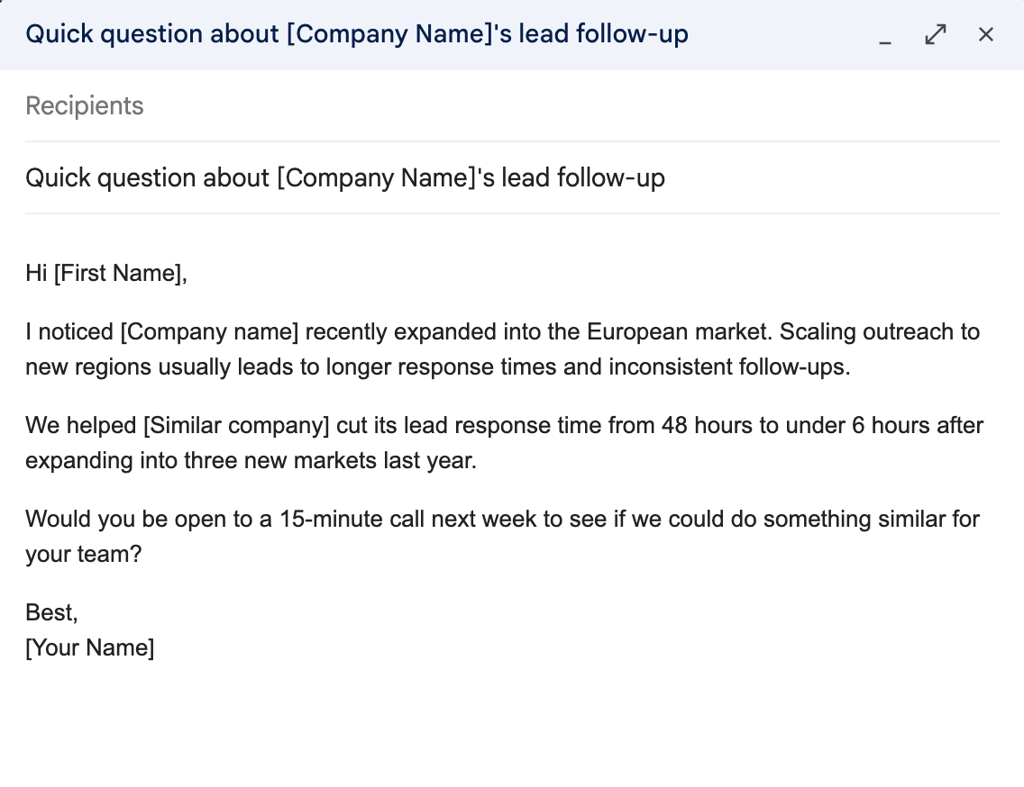
Personalize every message. Reference something specific about the recipient’s company, role, or recent activity to show you’ve done your research. Identify yourself clearly and explain why you’re reaching out in the first two sentences.
Your subject line influences whether the recipient decides to open the email. Keep it short, specific, and relevant to the recipient. Avoid all-caps, excessive punctuation, or anything that looks like spam.
Focus on one clear value proposition per email. Highlight a specific pain point the recipient likely faces and briefly explain how you can solve it. Keep the message concise and end with a low-commitment ask, such as “Would you be open to a 15-minute call next week?”
Plan a follow-up sequence and space the messages out rather than sending them back-to-back. Each follow-up should add new value or offer a different angle rather than repeat the original message. Stop when continued outreach is no longer useful or appropriate.
20. Offer free incentives
Free incentives work as useful lead magnets as they give visitors a clear reason to share their information. Ebooks, templates, checklists, and exclusive industry reports all work well as B2B lead magnets.
The key is usefulness and relevance. Don’t offer generic content people can easily find on other blogs. In-depth guides, proprietary data reports, or free tools that solve a specific problem give the visitor a clearer reason to exchange contact details.
HubSpot free CRM is one example of this approach. It provides a usable free product and offers paid CRM tiers for businesses that need more advanced features as they grow.
Whatever format you choose, make sure the incentive is relevant to your product or service. A free SEO checklist works if you sell SEO tools. A free design template works if you sell website-building software.
If the people signing up would never buy from you, your sales team invests time chasing contacts who only wanted the freebie. That takes focus away from leads who are actually ready to buy.
What are the best tools to generate B2B leads?
The right tools cut the manual work out of prospecting, outreach, and follow-up. Most B2B teams use a combination of CRM software, email automation, and data enrichment platforms to keep their pipeline moving.
CRM software
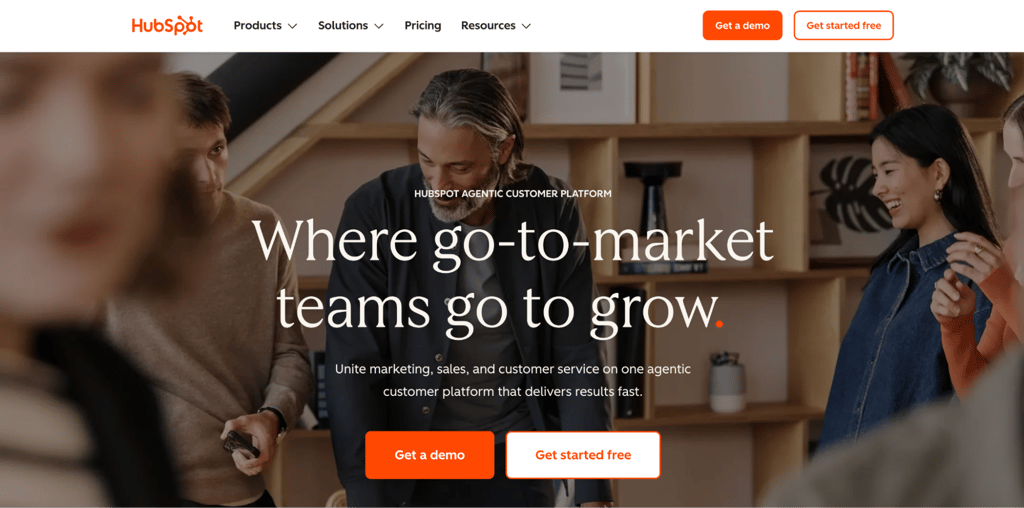
A CRM like HubSpot, Salesforce, or Pipedrive stores your lead data, tracks interactions, and shows where each prospect sits in your pipeline. Pick one that integrates with your email and calendar so nothing gets missed.
Email automation
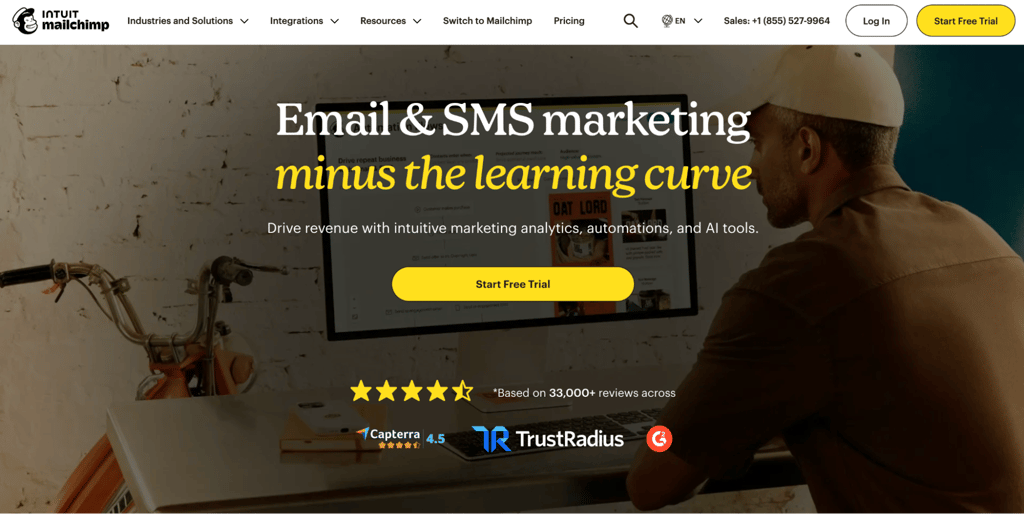
Tools like Mailchimp and ActiveCampaign offer advanced segmentation, CRM integrations, and complex workflow builders suited for larger B2B operations.
If you’re a smaller team getting started with email campaigns, Hostinger Reach is a simpler option with AI-assisted email creation and Smart Sending on paid plans.
Sales intelligence
Platforms like ZoomInfo, Apollo.io, and Cognism provide verified contact data, company details, and buying intent signals. They help your team prioritize prospects who are actively looking for a solution.
AI-powered business tools
AI tools can handle repetitive tasks like writing outreach emails, qualifying leads, and personalizing follow-ups. Hostinger’s AI agents offer seven specialized agents covering sales, customer support, and content creation, making them a good fit for small businesses.
No single tool does everything. Start with a CRM as your foundation, add email automation to nurture leads, then layer in sales intelligence and AI tools as your pipeline grows.
How to turn B2B leads into customers?
Start with one inbound and one outbound strategy. Run them consistently and measure three numbers: cost per lead, lead-to-customer conversion rate, and average time to close.
Use those metrics to decide where to investigate or invest further.
A high cost per lead, low conversion rate, or long time to close can point to different problems, so review targeting, offer quality, follow-up, and channel performance before changing the budget.
Focus matters more than using every available channel. A small team is usually better served by running a few strategies consistently, measuring them, and adding a new channel only when the current process is producing data.
Lead generation and lead nurturing are separate but connected parts of the funnel. Lead volume only helps if your follow-up sequence and sales handoff can support it, so fix slow or generic follow-up before scaling acquisition.
Review your ideal customer profile and buyer personas regularly. Markets shift, buying committees change, and the channels your prospects use today might not be the ones they use six months from now.
All of the tutorial content on this website is subject to Hostinger's rigorous editorial standards and values.

Justina is a Content Writer passionate about marketing, with a background in social media and customer success management. She also loves reading books, traveling and exploring new places as well as cooking, and trying out new recipes. Follow her on LinkedIn.