How to sell cookies online and make your passion into a real business
Dec 18, 2025
/
Matleena S.
/
11 min Read
Whether you’re baking classic chocolate chip cookies or creating unique gluten-free and vegan treats, taking your cookie business online opens up a world of opportunities.
Selling cookies online lets you reach more customers, build your brand, and turn your passion into profit. In this guide, we’ll show you how to get started with just nine straightforward steps – from choosing the right cookies to sell and navigating legal requirements to building your online store and marketing your products.
By the end, you’ll have a solid plan to set up and grow your online cookie business.
1. Decide what cookies to sell
Don’t have a specialty recipe yet? No worries – it’s never too late to find your cookie niche so you can stand out in a competitive market!
By offering cookies that cater to specific dietary needs or preferences, you can tap into all sorts of demographics. Think about how your product can appeal to a broad audience while still offering something distinct. You could also consider creating seasonal varieties or custom orders for special events.
Make sure your cookies have a unique selling point (USP). This could be anything from using organic ingredients to crafting beautifully designed and decorated cookies for weddings or events.
2. Build your brand
Next, it’s time to build a strong brand that stands out in the online market.
If you don’t have one already, choose a name that clearly reflects your cookies or the special touch you bring to them. For example, if you bake gluten-free cookies, consider names like Gluten-Free Goodies or Cookie Bliss. Keep it simple, easy to remember, and relevant to your target audience.
Next, design a logo that aligns with your brand’s personality. You don’t need to hire a professional designer – tools like Hostinger Logo Maker let you create a simple logo with icons like cookies, rolling pins, or even a whisk to emphasize the homemade feel. Make sure your logo looks good on your website, packaging, and social media.
Lastly, define a brand voice that speaks directly to your audience. If your cookies are indulgent and playful, use fun and friendly language. For example, in your product descriptions, you could say something like:
Our chocolate chip cookies are packed with more chips than you can count!
On the other hand, if you focus on health-conscious or vegan options, your tone should reflect that with words like wholesome and nutritious.
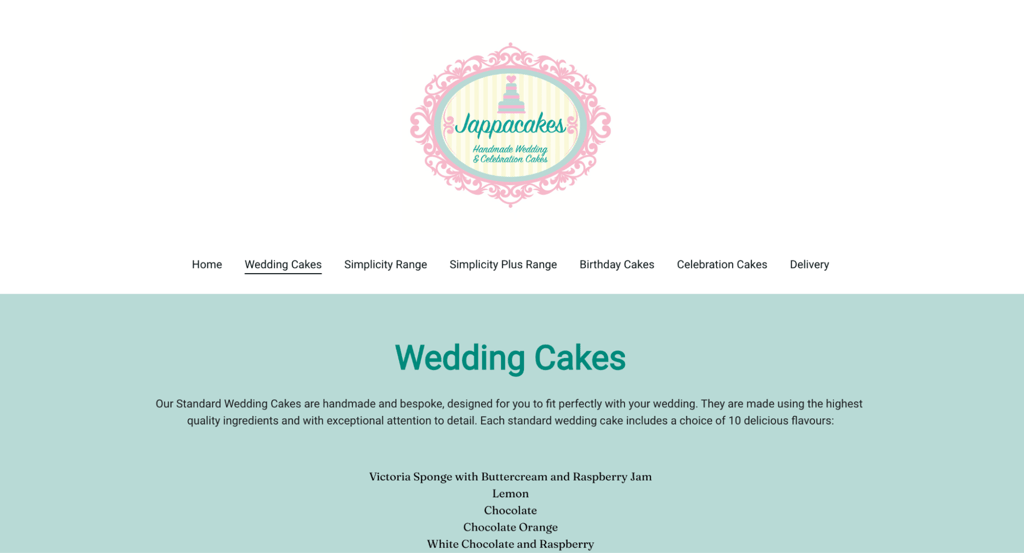
When building your brand, aim for consistency in your visuals and messaging, just like Jappacakes.
They’ve created a strong brand identity that is playful and cohesive, helping them stand out. Once you’ve got a logo, color palette, and tone that reflects your cookie business’s personality, use it consistently across your website, packaging, and social media to create a unified experience for your customers.
3. Register your business and get the necessary permits
Before you start selling online, you must ensure that your cookie business is legally compliant. Depending on your location, there are certain legal steps you’ll need to take to operate a food business from home or a commercial kitchen.
For example, here’s a breakdown of the general legal process in the US:
- Register your business. Choose a business structure – for instance, sole proprietorship or limited liability company (LLC) – and register your business name with your state or county government. This step is essential for establishing your business and handling taxes.
- Obtain a business license. Depending on your state, you may need a general business license to operate legally. Check with your local county or city clerk’s office to understand specific requirements.
- Apply for a food handler’s permit. If you’re preparing cookies at home or in a commercial kitchen, most states require you to complete a food safety course and obtain a food handler’s permit or certification. This ensures that you’re knowledgeable about safe food handling practices.
- Understand local cottage food laws. Many states in the US have laws that allow individuals to sell homemade baked goods, like cookies, from their home kitchen. These laws often include restrictions, such as where you can sell (online, farmers’ markets, and so on) and how much revenue you can generate annually. Research your state’s specific cottage food laws to ensure compliance.
- Pass health inspections. In some states, especially if you’re operating under cottage food laws, a health inspector may need to inspect your home kitchen to ensure it meets sanitation and safety standards.
- Check zoning regulations. If you’re baking from home, check with your local zoning office to ensure that operating a home-based food business is allowed in your area. Some residential zones may restrict the operation of food businesses.
We recommend visiting the Food and Drug Administration (FDA)’s website for more information on how to properly set up a US-based food business.
4. Choose an eCommerce platform
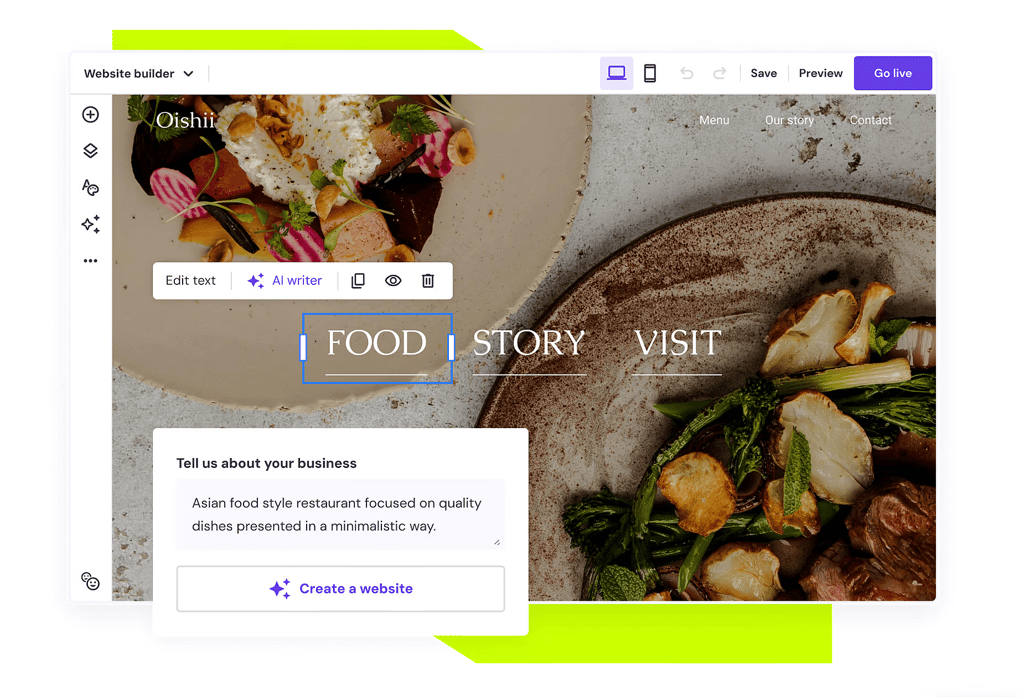
To sell cookies online, you need an eCommerce platform that’s easy to set up and manage.
Hostinger’s eCommerce AI website builder is ideal for cookie businesses because it’s simple to use and requires no technical skills.
Its customizable templates let you quickly design a store that matches your cookie brand’s vibe, whether you want a playful look for kids’ birthday treats or a more elegant feel for gourmet gift boxes.
The platform offers mobile optimization, ensuring your store looks great on smartphones, where many customers shop.
With built-in eCommerce features, you can manage payments, track orders, and even create promotional landing pages with ease. Plus, secure checkout and SSL certificates protect your customers’ data, helping you build trust.

5. Build your online store
With your brand ready and platform chosen, it’s time to set up your cookie store.
Start by uploading high-quality photos of your cookies. Close-up shots that showcase texture and details are key to making your products irresistible. Use good lighting and creative angles to make them stand out.
Next, write compelling product descriptions that highlight key features like ingredients, flavors, and any dietary information. Keep them short, but make them mouthwatering, like this:
Packed with gooey chocolate chips, these cookies melt in your mouth with every bite.
As for payments, Hostinger Website Builder makes it easy to set up payment options, including credit cards, PayPal, and more. Ensure your checkout process is seamless so customers can order quickly.
For more detailed guidance, you can check out our guide on how to make a bakery website.
6. Package, price, and label your cookies
Proper packaging and labeling are crucial for both legal compliance and customer satisfaction.
Start by selecting packaging that protects your cookies from breaking or becoming stale. Airtight containers or vacuum-sealed packaging can help preserve freshness, and using bubble wrap or padding inside the box prevents damage during transit.
In terms of pricing, you need to consider the cost of ingredients, packaging, and shipping. Factor in your time and any overhead costs like kitchen space or utilities. Research similar businesses to see what they charge, but make sure your pricing aligns with your product’s quality and uniqueness.
For a deeper dive into product pricing strategies, check out our guide on how to price a product.
When it comes to labeling, it’s essential to follow local and federal regulations.
For example, in the United States, the Fair Packaging and Labeling Act (FPLA) requires that your labels clearly state the product name, ingredients, weight, and allergen information. This transparency builds trust with customers and avoids potential legal issues.
Packaging not only protects your cookies during shipping but also serves as a key branding element. Consider investing in attractive, sturdy packaging that reflects your brand’s identity while ensuring the cookies arrive fresh and intact.
Custom labeling can help differentiate your business and boost sales. A well-designed label that includes your logo, social media handles, and a short message about your brand can enhance customer experience and encourage repeat purchases.
Personal touches, like handwritten thank-you notes, can also leave a lasting impression. For inspiration on building a strong brand presence, explore our guide on the importance of product branding.
7. Choose your shipping method
Shipping baked goods, especially cookies, requires careful planning to ensure that your products arrive fresh and intact. The key is to choose a shipping method that balances speed and cost while maintaining the quality of your cookies.
For shipping perishable items, expedited shipping options like 2-day or overnight delivery are often the best choices.
You’ll also need to factor in the cost of shipping when setting your prices. Many online businesses pass these costs on to customers or build them into the overall product price. Be transparent about your shipping options and delivery times to set the right expectations for your customers.
Pro tip
If you’re just starting out, consider offering free shipping as a promotional strategy. Customers are more likely to make a purchase when shipping is included, but be sure to calculate how this will impact your profit margins.
8. Develop a marketing strategy
To successfully sell cookies online, you need to create a marketing plan that focuses specifically on your cookies’ unique appeal. Begin by identifying where your target audience spends time and how best to engage with them.
Here’s a detailed breakdown of cookie-specific marketing strategies:
Social media marketing
Start by leveraging visually-driven platforms like Instagram, TikTok, and Pinterest. Cookies can be incredibly photogenic, so make sure you invest in high-quality photos and videos that highlight their texture, flavor, and packaging:
- Instagram. Post photos of your freshly baked cookies, creative packaging, or even cookie-decorating tutorials. You can also use Instagram Stories and Reels to show time-lapse videos of you baking or packaging orders. Use cookie-related hashtags like #cookiegram, #bakersofinstagram, and #customcookies to reach your audience.
- TikTok. Short, engaging videos showing the cookie-making process or your unique designs can go viral on TikTok. For example, you could showcase a cookie of the week or create videos where you respond to popular trends in the baking world.
- Pinterest. This is a great platform to showcase beautifully decorated cookies for events like weddings, birthdays, and holidays. Create pins for different cookie themes (holiday-themed, vegan cookies, or gift boxes) to inspire users planning their own celebrations.
Suggested reading
Follow our detailed guide on how to make money from your Instagram account.
Build a cookie-centric email list
Email marketing can be an effective tool for nurturing your cookie business. Offer a small incentive, like a discount or free sample, in exchange for visitors signing up to your email list.
Once you have a list of subscribers, send them updates about new cookie flavors, special promotions, or seasonal cookie collections – for instance, Christmas cookies or Valentine’s Day-themed treats.
Regularly update your customers with tempting images and descriptions of limited-time cookies, or even send them sneak peeks of new recipes you’re working on. If you need more ideas, check out our guide on how to create an email newsletter.
Consider sending personalized offers for birthdays or anniversaries, such as a special discount on a custom cookie order. This adds a personal touch that customers appreciate, especially when buying cookies as gifts.
Influencer marketing
Consider collaborating with local food bloggers, Instagram influencers, or TikTok creators who have a passion for sweets or baked goods. Offer to send them a sample of your cookies in exchange for a review or shout-out.
When influencers post about your cookies, they’ll reach a wider audience that’s likely to be interested in trying them. Make sure to target influencers who align with your cookie niche – whether that’s vegan treats, beautifully decorated cookies, or gourmet flavors.
Paid advertising
For paid advertising, focus on platforms like Facebook and Google Ads, where you can target people who have shown interest in baking, desserts, or specific dietary needs like gluten-free or vegan products.
- Facebook Ads. Create ads with visuals that showcase your best-selling cookies. You can target specific audiences based on their cookie preferences, such as dessert lovers or gluten-free food enthusiasts. Consider running seasonal promotions – holiday cookies, for example – to generate interest.
- Google Ads. Use Google Shopping ads to list your cookie products so they show up when users search for terms like buy cookies online or custom cookie gifts. Make sure your product descriptions and titles include key details, such as flavors, ingredients, and special features, such as vegan or allergen-free. Follow our guide on how to create a Google Ads campaign if it’s your first time running a PPC campaign.
Local marketing ideas
Even though you’re selling online, local marketing can still play a huge role in your cookie business. Partner with local cafes or boutique shops to offer your cookies as part of their selection. This helps you build brand awareness in your community while driving traffic to your online store.
You can also attend farmers’ markets or local food festivals to introduce your cookies to a broader audience and hand out business cards with your online store’s URL.
For example, you could offer online exclusive cookie flavors that people can only order from your website, encouraging both local and online customers to explore your full product range.
Consider using local connections as a marketing tool, much like Banana Bread in Birmingham.

By tying their business to the city and emphasizing their handmade, local products, they’ve built a strong, community-driven brand. You can do the same by highlighting your local roots and engaging with local customers to create a strong, loyal following for your cookie business.
9. Scale your cookie business
Once you’ve established a solid foundation for your online cookie business, it’s time to think about scaling and expanding your operations.
Growing your business can open up new revenue streams, help you reach a larger audience, and increase your profits. Here’s how you can scale your cookie business strategically:
Expand your product line
Start by introducing new cookie varieties or expanding into complementary products. This could mean adding seasonal flavors, offering cookie gift boxes, or even creating cookie-related merchandise like branded tins or custom packaging.
- Seasonal products. Add limited-time cookies for holidays, such as Halloween-themed sugar cookies or peppermint-flavored cookies for the winter season.
- Gift boxes. Bundle cookies into gift sets for special occasions like birthdays, weddings, or corporate events. Customizable packaging can make these an attractive option for people looking for personalized gifts.
- Related products. Think about upselling with complementary items like cookie-decorating kits, hot chocolate packs, or even branded merchandise like mugs or aprons.
Offer wholesale and catering services
One of the most effective ways to scale is by offering wholesale options to local cafes, restaurants, or boutique stores. Wholesale lets you sell cookies in bulk, providing a consistent stream of revenue. Create pricing tiers based on order quantities to incentivize larger purchases.
Additionally, catering for events such as weddings, birthdays, or corporate gatherings is a great way to get your cookies in front of more people. Specialize in custom cookies for themed parties, creating a unique selling point for your catering services.
Set up subscription boxes for recurring revenue
A subscription-based model can provide you with a steady stream of recurring revenue. Offer monthly or quarterly cookie subscriptions, where customers receive a box of freshly baked cookies delivered to their door. You can offer different themes, such as Cookie of the Month or seasonal boxes, keeping things fresh and exciting for your customers.
By setting up a subscription service, you create long-term customer relationships while making it easier to predict your cash flow.
Collaborate with other small businesses
Teaming up with other small businesses can open up new opportunities for cross-promotion and sales. For example, partner with local coffee roasters to sell cookie-and-coffee bundles, or work with event planners who need custom cookies for weddings and corporate events.
By collaborating with complementary businesses, you can expand your reach and tap into new customer bases.
Streamline operations and automate
As your business grows, it’s important to streamline operations to handle increased demand. Consider investing in baking equipment to increase your production capacity or hire additional help during busy seasons.
You can also use automation tools to handle repetitive tasks like invoicing, customer communication, and inventory management. Hostinger Website Builder integrates with various tools to automate order processing, making it easier for you to manage growing sales without getting overwhelmed.
Keep an eye on your finances as you scale. As demand increases, ensure that you’re not overspending on ingredients, packaging, or shipping. Efficiently managing your budget will support your efforts and help maintain sustainable growth.
Focus on customer retention
It’s easier and more cost-effective to keep existing customers than to attract new ones. Focus on building strong relationships with your current customer base through loyalty programs, referral incentives, or personalized offers based on their past orders.
Consider offering discounts for repeat purchases or a reward system where customers can earn points for every order. A referral program, where customers get a discount for referring friends or family, can also help you organically grow your customer base.
Conclusion
Starting an online cookie business may seem challenging, but with the right plan, you can turn your delicious treats into a profitable venture.
By following the nine steps outlined in this guide, you’ll learn how to:
- Choose the perfect cookie niche that sets you apart.
- Legally register your business and comply with food safety standards.
- Build a strong brand and choose the best eCommerce platform.
- Set up a professional online store using tools like Hostinger Website Builder.
- Package, label, and ship your cookies to customers.
- Develop a marketing strategy that promotes your unique products.
- Scale your business through wholesale, catering, and subscription models.
These steps will help you navigate the process of selling cookies online and turning your baking skills into a thriving business.
How to sell cookies online FAQ
Where can I sell cookies online?
You can sell cookies on your own eCommerce website, built with platforms like Hostinger Website Builder. Having your own website gives you full control over branding, customer experience, and pricing.
How do I price cookies?
Pricing cookies involves considering the cost of ingredients, packaging, and shipping, along with your time. Research your competitors to find a competitive price point. To attract more customers, you can offer discounts for bulk orders or special occasion boxes.
How much do homemade cookies sell for?
Homemade cookies generally sell for $2–$5 per cookie. However, gluten-free or vegan cookies or custom designs can fetch higher prices. It’s important to consider the time and effort it takes to bake and decorate your cookies when setting prices.
Is a cookie business profitable?
Yes, a cookie business can be highly profitable if you manage your costs well and focus on quality and customer service. By offering unique cookie flavors or catering to specific dietary needs, you can tap into niche markets that are willing to pay more for specialty products. Additionally, keeping your overhead low by starting as a home-based business and scaling gradually will help you maintain healthy profit margins.
All of the tutorial content on this website is subject to Hostinger's rigorous editorial standards and values.


Matleena is a seasoned Content Writer with 5 years of content marketing experience. She has a particular interest in emerging digital marketing trends, website building, and AI. In her free time, Matleena enjoys cups of good coffee, tends to her balcony garden, and studies Japanese. Follow her on LinkedIn

Comments
0 responses