How to create an email marketing strategy for ecommerce businesses
Dec 08, 2025
/
Larassatti D.
/
9min read
Ecommerce email marketing is a core strategy for promoting your products or services. Unlike social media or paid ads, it gives you full ownership of your communication channel, so you can build direct, lasting relationships without depending on third-party platforms.
When done right, email marketing does more than just increase your ecommerce revenue. It helps you build stronger relationships, re-engage past customers, and stay connected with your audience.
The good news is, you can start doing it with a simple setup. Follow these steps to develop an effective ecommerce email marketing strategy:
- Set clear objectives. Establish what you want to achieve before you start.
- Pick a suitable email marketing tool. Choose a platform with features that support your ecommerce goals.
- Grow your subscriber base. Grow your audience by capturing new sign-ups.
- Group your audience into segments. Divide your audience into groups for more targeted messaging.
- Plan your email campaigns. Design and write emails that convert.
- Set up email automations. Set up automated emails for high-impact customer actions.
- Track and analyze your campaign performance. Track and analyze key metrics to see what’s working.
- Run A/B tests to improve your results. Experiment with different email elements to improve results.
Start simple, stay consistent, and keep refining your email marketing strategy. Over time, these small steps can make a big difference in your ecommerce success.
1. Define your email marketing goals
Before launching any email marketing campaign, it’s essential to define what success looks like by setting realistic goals. Make sure your goals are specific, measurable, achievable, relevant, and time-bound (SMART), so it’s easier to evaluate their impact over time.
Instead of saying “increase sales,” set a goal like “increase monthly sales from email campaigns by 15% in the next quarter.”
Here are a few more examples of ecommerce email marketing goals:
- Grow an email list by 500 new subscribers within three months through pop-ups and lead magnets.
- Boost sales by 20% over the next quarter using targeted product recommendation emails.
- Improve customer retention by increasing repeat purchases by 10% with loyalty or post-purchase campaigns.
- Reduce cart abandonment to under 40% by sending a two-step follow-up sequence.
- Drive more traffic to product pages by achieving a 25% click-through rate on promotional newsletters.
It’s also important to align your goals with your business stage and your purpose for starting email marketing. Setting goals that fit your current capacity helps you stay focused and measure progress meaningfully.
For instance, a new store might focus on building an email list, while an established one might aim to increase repeat purchases. These differences also determine which metrics you’ll use to evaluate success.
Once your goals are set, you’ll have a clear sense of direction for every step that follows.
2. Choose the right email marketing platform
Turning your strategy into action starts with choosing the right email marketing platform, as it determines how you’ll capture and manage your list as well as track campaign performance.
For ecommerce businesses, it’s especially important to choose a tool that supports automation, segmentation, and analytics. These features enable you to send personalized messages at the right time, track customer behavior, and accurately measure campaign performance, which are crucial for influencing buying decisions and building stronger customer relationships.
Here are some of the top email marketing tools worth considering for ecommerce:
- Hostinger Reach. Ideal for those just starting to develop their email marketing strategy. It’s beginner-friendly and AI-powered, which makes designing and managing email campaigns almost effortless, even if this is your first time doing it. Compared to other platforms that are tailored for ecommerce, the pricing is also more affordable.
- Omnisend. Tailored for ecommerce businesses, Omnisend is an omnichannel marketing tool that goes beyond email by offering SMS marketing and push notifications as well. This helps you reach your customers through multiple touchpoints, creating a seamless and consistent brand experience across all channels.
- Klaviyo. Another email marketing tool designed for ecommerce, Klaviyo is one of the email tools that offer hyper-personalization features. It provides deep customer insights and advanced segmentation features, allowing you to tailor every campaign to your audience’s behavior, purchase history, and preferences.
3. Build your email subscriber list
A large and engaged email list is one of the most valuable assets for an ecommerce business. It’s a direct communication channel with your customers and prospects, which is something social media algorithms or paid ads can’t provide.
To maximize the effectiveness of your email marketing channel, prioritize building a high-quality list over simply growing a large one. Attracting subscribers who are genuinely interested in your content leads to higher engagement, better open rates, and ultimately, more conversions.
Here are three ways you can build a quality mailing list for your ecommerce business:
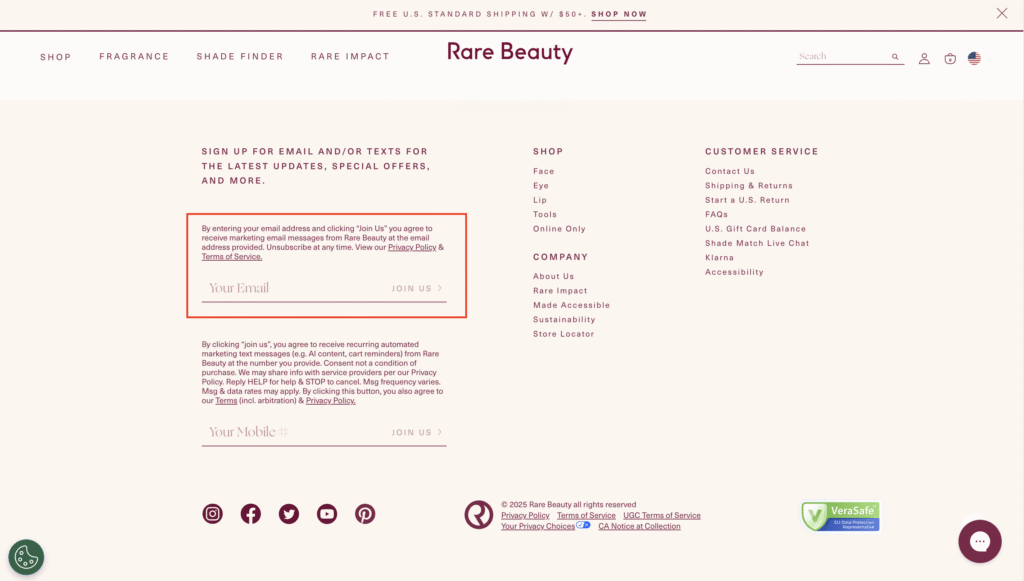
- Add sign-up forms in high-traffic areas where visitors are most likely to see them, such as your homepage, blog sidebar, product pages, or footer. Keep forms easy to fill out and clearly highlight the benefits of subscribing, such as receiving exclusive offers or updates.
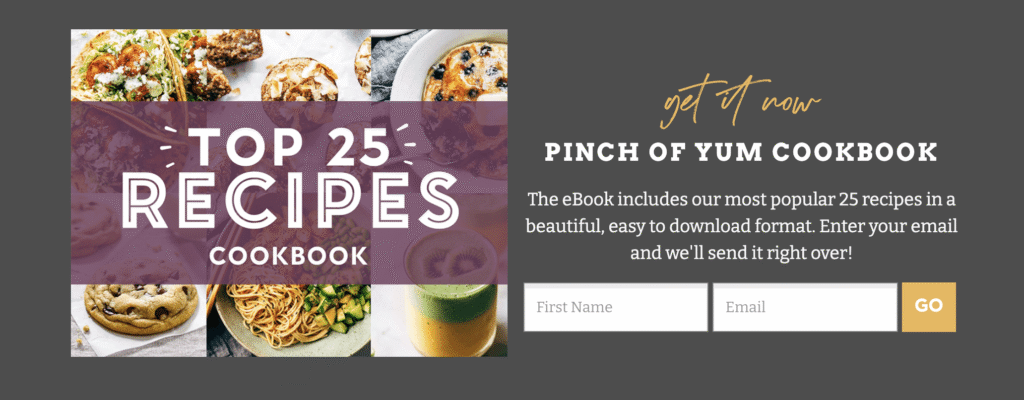
- Offer a compelling lead magnet by giving visitors something valuable in exchange for their email address. This could be a discount code, a free guide, an exclusive checklist, or a how-to video. Lead magnets are most effective when they solve a problem or provide instant value, encouraging visitors to share their emails.
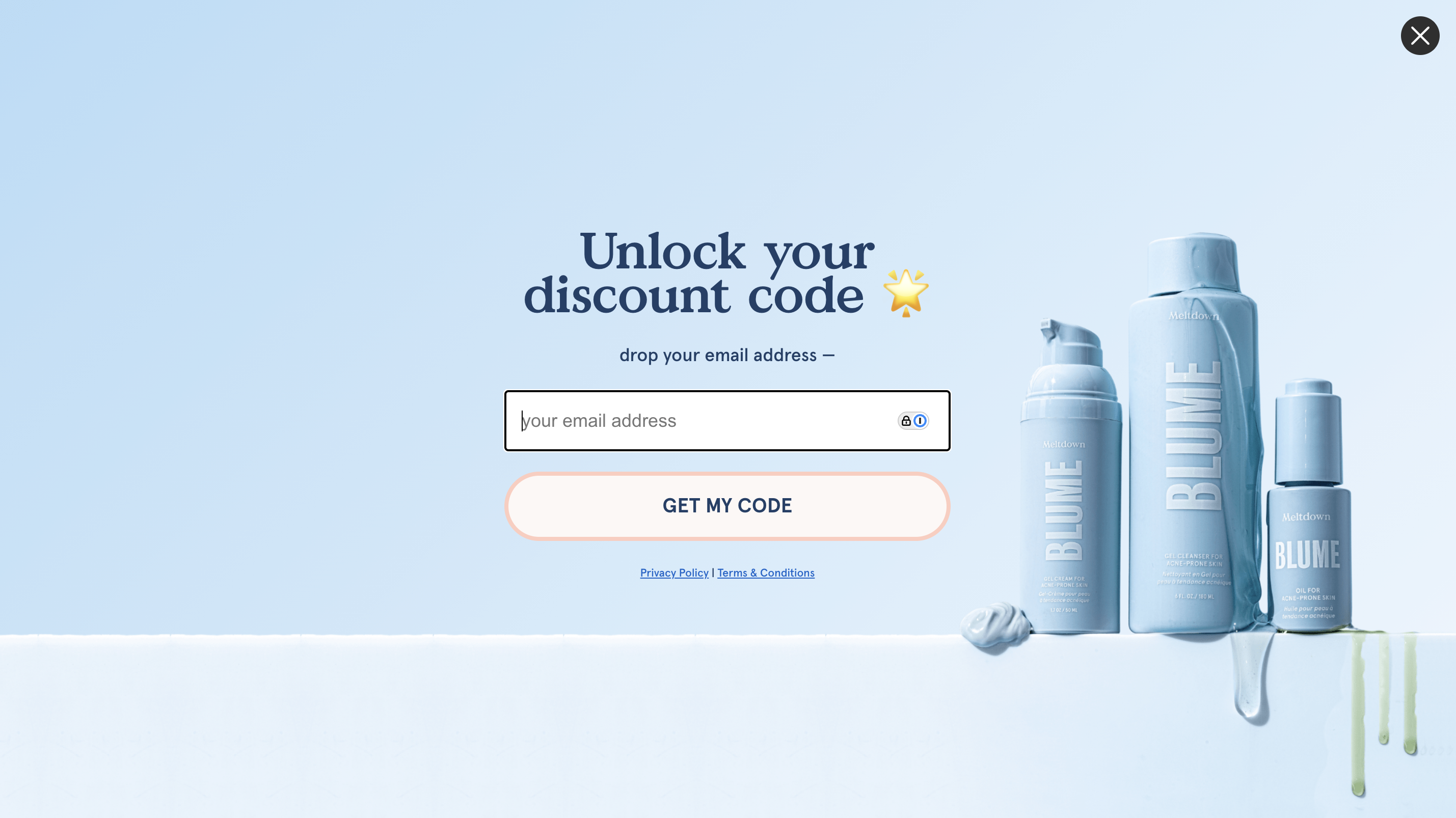
- Use pop-ups and slide-in forms strategically. For example, show a form when a visitor is about to leave your site (exit-intent), after they’ve scrolled through key content, or after a certain amount of browsing time.
➡️ For more inspiration and actionable strategies, take a look at our complete guide on how to build an email subscriber list.
4. Segment your subscribers
Email segmentation is the practice of dividing your mailing list into smaller, more specific groups based on shared characteristics or behaviors. This step lets you curate relevant and personalized email content, rather than sending the same generic message to everyone.
For instance, when you segment customers based on their interests or purchase stage, your messages naturally become more relevant. A first-time visitor might receive a welcome discount to encourage their first purchase, while repeat buyers could get early access to new arrivals or loyalty rewards.
You can segment your audience in various ways, depending on your business goals and the data available:
- Purchase history. Target customers who have purchased a specific product or service.
- Shopping behavior. Segment users based on browsing patterns, such as those who viewed specific products or categories but haven’t completed a purchase.
- Engagement level. Differentiate between highly engaged subscribers who frequently open and click your emails versus those who rarely interact.
- Demographics. Use location, age, gender, or other demographic data to tailor content.
- Lifecycle stage. Segment subscribers based on their position in the customer journey, such as first-time buyers, repeat customers, or loyal VIPs.
Keep in mind that how you segment your audience will also depend on what email marketing tool you use. If you’re just getting started, keep it simple. Group your audience into categories such as new subscribers, those collected from an offline event, or inactive users.
As your list grows and you get more comfortable with your platform’s features, you can start creating more detailed segments for even better personalization.
5. Create your email campaigns
Creating ecommerce email campaigns that work is all about clarity, relevance, and action.
Each campaign should serve a clear purpose, like welcoming new subscribers, announcing a sale, recovering abandoned carts, or nurturing loyal customers with exclusive offers.
Think of your email calendar as part of your overall marketing rhythm: send more frequent messages during key seasons, such as holidays or product launches, and focus on educational or community-driven content during slower periods.
Once you’ve mapped out your campaigns, start creating the email content by striking the right balance between design and strategy.
Start with an attention-grabbing subject line that sets the tone, then follow with a concise and relevant message. Make your offer or product highlight clear and guide readers toward action with a strong call-to-action (CTA), such as “Shop Now,” “Grab the Deal,” or “View Collection.”
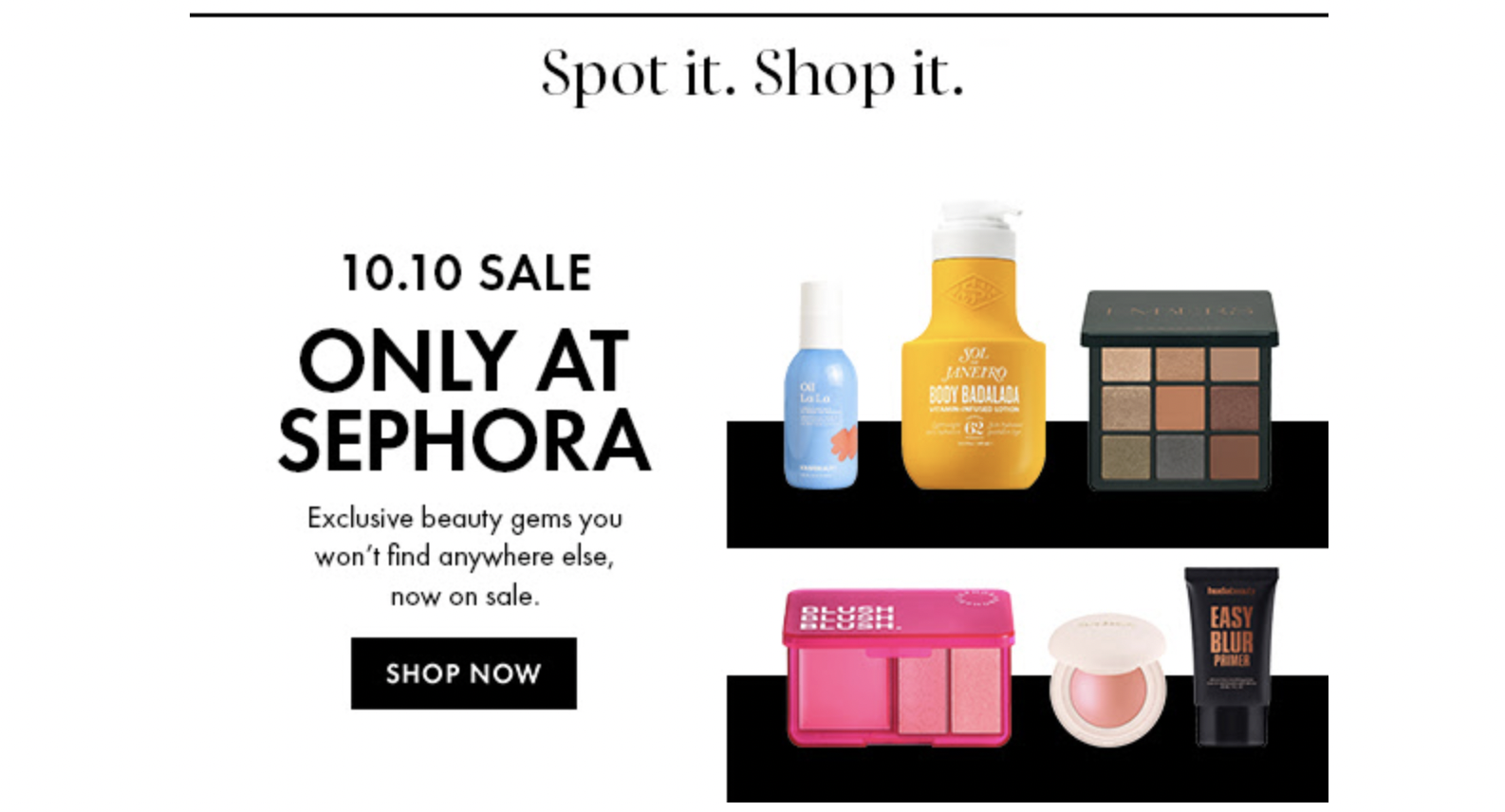
When you write ecommerce emails, focus on clarity and user experience. Keep your design clean, use visuals that complement your message, and use short, benefit-driven copy.
Don’t forget to make your emails look great on mobile, as over 60% of email opens now occur on smartphones.
6. Automate your email for key moments
Email marketing automation for ecommerce helps you stay connected with customers at the right time, based on their behavior or stage in the buying journey.
Common examples include welcome emails for new subscribers, abandoned cart reminders for shoppers who didn’t complete checkout, post-purchase follow-ups to thank customers, and win-back campaigns to re-engage inactive buyers.
Automation ensures that your ecommerce email campaigns feel timely and personal, even as your business grows. It helps you maintain consistency, increase efficiency, and boost sales with minimal effort.
With today’s email marketing tools, setting up automation is an easy task. If you’d like to learn how to make your campaigns run on autopilot, check out our in-depth guide on ecommerce email marketing automation.
7. Test your email performance
Monitoring your email performance metrics gives you insight into what’s working, what needs improvement, and how you can optimize your strategy for better results. Depending on the goals you’re currently aiming for, the metrics may vary.
In general, these are the common email marketing metrics:
- Open rate. The percentage of subscribers who opened your email. This metric primarily reflects how effectively your subject line and preheader text capture your audience’s attention. A low open rate indicates that your subject lines need improvement or that your emails are landing in the spam folder.
- Click-through rate (CTR). The percentage of people who clicked on a link within your email. CTR measures how engaging and relevant your content is to your audience. Higher CTRs indicate that your message, visuals, and CTA are compelling enough to drive interaction.
- Conversion rate. The percentage of subscribers who completed a desired action, such as making a purchase or signing up for an event. This metric shows the real impact of your campaigns on your bottom line.
- Bounce rate. The percentage of emails that couldn’t be delivered. A high bounce rate can signal issues with list quality, such as outdated or invalid email addresses, and may affect your sender reputation.
- Unsubscribe rate. The percentage of subscribers who opt out. While it’s normal to have some unsubscribes, a sudden spike can indicate that your content isn’t resonating or that you’re sending emails too frequently.
Regularly reviewing these metrics provides insights needed to make data-driven decisions, rather than relying on assumptions. From there, you can take the next step by experimenting with A/B testing to discover what resonates best with your audience.
8. Run A/B tests to optimize your campaign
A/B testing, also known as split testing, is a method of comparing two versions of an email to see which one performs better. In an A/B test, version A is sent to one segment of your audience, and version B is sent to another.
The test results help you determine which version resonates best, so you can send the winning email to your entire list.
In ecommerce email marketing, there are several elements you can test, such as:
- Subject line variations. “50% Off Today Only” vs. “Your Exclusive 50% Discount Awaits.”
- CTA placement or wording. “Shop Now” vs “Claim Your Deal” or placing the button at the top vs the bottom of the email.
- Email layout. Single-column vs. multi-column design, or including product images vs. text-only content.
- Send time. Testing different times of day or days of the week to see when subscribers are most likely to engage.
A/B testing is beneficial because even small changes to your content can have a significant impact on engagement and conversions. For example, testing subject lines can reveal which phrasing drives more opens, while experimenting with CTA wording or placement can increase click-through and purchase rates.
Over time, consistent A/B testing helps you refine your campaigns, gain a deeper understanding of your audience, and maximize your email marketing return on investment (ROI).
Why email marketing works for ecommerce
Email marketing works for ecommerce because it’s personal, measurable, and scalable. Unlike social media platforms that are subject to algorithm changes, email lets you reach customers directly in their inboxes, making it one of the most cost-effective marketing strategies for online stores.
Moreover, according to our ecommerce statistics, many businesses are increasingly investing in personalized email marketing. This trend highlights one of email marketing’s strongest advantages – the ability to tailor messages based on customer behavior and preferences.
Whether it’s product recommendations inspired by previous purchases or exclusive offers for returning shoppers, personalized emails help create a more meaningful connection with your audience.
Besides, email marketing offers various benefits for ecommerce businesses:
- Increased revenue. Targeted email campaigns can drive repeat purchases, promote new products, or recover abandoned carts, turning casual browsers into paying customers.
- Stronger brand awareness. Regular emails keep your brand top of mind. Sharing product updates, seasonal promotions, or helpful content helps establish your brand identity and reinforces trust with your audience.
- Enhanced customer retention. By sending personalized offers, loyalty rewards, and post-purchase follow-ups, you nurture long-term relationships. Engaged subscribers are more likely to return, make repeat purchases, and even recommend your store to others.
- Actionable insights. Email campaigns provide valuable data on subscriber behavior, preferences, and engagement. These insights help you refine your messaging, improve segmentation, and create campaigns that resonate with your audience.
What are the types of ecommerce email campaigns?
Ecommerce businesses can use a range of email campaigns to engage customers at various stages of their purchasing journey. Here are some types of email campaigns you can use:
- Welcome emails that introduce new subscribers to your brand and set expectations for what they can expect from your communications.
- Promotional or seasonal emails, which are designed to drive sales during key events, product launches, or holidays.
- Abandoned cart emails that encourage shoppers to complete purchases they left behind, helping recover lost revenue.
- Post-purchase emails thanking customers, providing order details, and suggesting complementary products to encourage repeat purchases.
- Re-engagement emails, which target inactive subscribers with special offers or updates to encourage them to return and maintain engagement.
- Newsletters and loyalty campaigns to keep your audience informed about your brand and strengthen long-term customer relationships.
To explore all the different ways you can connect with your customers, check out our article on the types of email marketing campaigns, along with real-life examples.
What are the best practices for ecommerce email marketing?
To maximize the effectiveness of your campaigns, follow these ecommerce email marketing best practices:
✅ Use a professional sender name. Make sure your emails come from a recognizable name or brand, which helps build trust and increases open rates.
✅ Craft concise subject lines and preview text. Avoid spammy words and keep the preview text under 140 characters to give recipients a clear reason to open your email.
✅ Leverage dynamic content. Personalize emails using variables, such as the recipient’s name or product recommendations, to make your messages feel more relevant.
✅ Design mobile-friendly templates. Create branded email templates optimized for mobile devices and tailored to each segment, ensuring a seamless experience for all subscribers.
✅ Ensure compliance and transparency. Include an unsubscribe link, real contact information, and proper email authentication protocols (SPF, DMARC, DKIM) to comply with email laws and protect deliverability.
To learn how to put it into action using Hostinger Reach, watch this Hostinger Academy video:


All of the tutorial content on this website is subject to Hostinger's rigorous editorial standards and values.

Larassatti Dharma is a content writer with 4+ years of experience in the web hosting industry. She has populated the internet with over 100 YouTube scripts and articles around web hosting, digital marketing, and email marketing. When she's not writing, Laras enjoys solo traveling around the globe or trying new recipes in her kitchen. Follow her on LinkedIn


