Copywriting vs content writing: What are the differences?
Mar 10, 2026
/
Larassatti D.
/
6 min Read

The main difference between copywriting and content writing is intent: copywriting is designed to drive action, while content writing is designed to educate and inform.
Both are forms of digital writing, but they use different techniques and serve different roles in a content marketing strategy.
Copywriting focuses on persuasion, so it’s concise and designed to drive actions like filling out a form, signing up, or making a purchase. So, it’s mainly used on webpages, landing pages, ads, and CTAs.
Content writing, on the other hand, is long-form and informational. It appears in articles, blog posts, and guides that help audiences understand topics, solve problems, and build trust over time.
Copywriting and content writing differ across three important aspects:
- What each is: Copywriting is conversion-focused. Content writing is education-focused.
- How each works: Copywriting uses persuasive messaging and clear calls to action, while content writing relies on depth, structure, and value-driven information.
- When each is used: Copywriting is used when you want immediate results, while content writing supports long-term growth, visibility, and authority.
What is the difference between copywriting and content writing?
Copywriting and content writing differ in purpose: copywriting drives immediate action, while content writing educates and builds trust over time.
Copywriting is meant to persuade someone to do something – buy, sign up, click, or respond.
Content writing is meant to educate and inform, helping people understand a topic, solve a problem, or make better decisions over time.
This difference matters because the two methods support different business goals.
Copywriting focuses on conversions and short-term results, whereas content writing focuses on building trust, increasing visibility, and nurturing long-term growth.
The two can be used simultaneously, but they’re not interchangeable. Using the wrong one at the wrong time leads to wasted effort.
If you’re planning a content marketing strategy, understanding the differences helps determine what to invest in, who to hire, and how to structure their website and marketing approach.
Key characteristics of copywriting vs content writing
See the table below to compare copywriting vs content writing across multiple attributes.
| Attributes | Copywriting | Content writing |
| Tone and style | Direct, concise, benefit-focused | Informative, explanatory, value-driven |
| Audience targeting | Conversion-ready users with high purchase intent | Awareness and consideration-stage audiences |
| Typical formats | Landing pages, ads, CTAs, sales pages, emails | Blog posts, articles, whitepapers, ebooks |
| Content length | Short to medium | Medium to long-form |
| Performance metrics | Conversions, click-through rates, sales | Traffic, engagement, rankings, assisted conversions |
Put simply, copywriting should capture value, while content writing should create value.
Investing in copywriting is suitable where conversions matter most, while content writing works well for long-term growth and visibility.
How copywriting works
Copywriting speaks directly to a specific audience and goal, and then makes it as easy as possible for them to take the next step.
To achieve this, you need to:
- Identify the target audience and marketing goal. Copywriting starts by defining who you’re speaking to and what you want them to do. A homepage headline, for example, has a very different goal than an email promotion or a product page.
- Research the product, service, or brand message. This step focuses on understanding the offer, competitive positioning, and user objections. Strong copy is rooted in why your product or service matters and what problem it solves better than others.
- Craft a clear, concise, and persuasive headline and body. The headline captures attention, while the body copy reinforces value and addresses doubts. Every sentence should move the reader closer to action, not simply provide information.
- Incorporate a call to action (CTA). Copywriting always tells the reader what to do next, whether that’s “Start a free trial” or “Request a quote.” The CTA should naturally bridge interest and action.
- Edit and optimize for impact. Copy is refined for clarity, scannability, and performance. This often includes A/B testing headlines, CTAs, or page layouts to improve conversion rates over time.
How content writing works
Content writing uses a structured approach to produce long-form content that focuses on education, discoverability, and long-term relevance rather than immediate action.
A content writing process follows these steps:
- Define the topic based on audience needs. Topics are chosen based on what people are actively searching for and what aligns with your expertise. This is how content supports user intent, an important element of making your content search engine optimization (SEO) friendly.
- Perform detailed research. Strong content is grounded in accurate, well-sourced information. Research ensures your content is trustworthy and genuinely helpful, not just surface-level commentary.
- Organize the content for clarity and flow. Structure matters in long-form content, as it improves readability. Clear headings, logical progression, and scannable sections help readers understand the content more easily, keeping them on your page longer.
- Write informative, engaging, and value-rich content. Focus on providing depth and usefulness. Good content answers questions thoroughly and helps readers solve real problems, which is key to driving organic traffic through search.
- Optimize for SEO and readability. Content is refined to support visibility, including internal links, keyword alignment, and formatting. This increases the chances of ranking and helps readers get on top of Google search results.
- Edit and update content regularly. Unlike copy, content is only valuable if it stays relevant. As the information you researched may change at any time, regularly checking and updating articles helps maintain accuracy, rankings, and long-term performance.
Both copywriting and content writing work best when you have your own website. You can publish articles that increase website traffic through search and create landing pages to convert visitors.
If you’re new to building websites, a no-code website builder lets you launch quickly to start publishing, testing, and growing.

Types and examples of copywriting
All copywriting focuses on driving action, but there are various types, each serving a different purpose. The following are the most common types of copywriting:
- Direct response copywriting is designed to generate an immediate response, such as a purchase, sign-up, or download. It’s commonly used when creating a landing page and running an ad campaign, where sales conversions are used to measure performance.

- Brand copywriting is a part of a bigger business’s effort to build a brand that stands out over time. It focuses on shaping how a business sounds and feels across platforms, influencing how people perceive and remember the brand.

- Social media copywriting is written to hook people, spark interest, and encourage engagement or clicks with short, compelling messages.

- Email copywriting blends persuasion with personalization and is often part of broader email marketing campaigns. Email copywriting focuses on nurturing leads and prompting action directly in the inbox.

Across all these types, copywriting tends to be short, focused, and outcome-driven. Whether it’s an ad, a landing page, or a CTA button, the goal is to guide the audience toward action.
Even brand copywriting, when it doesn’t prompt an immediate response, still influences behavior by shaping how the audience perceives and remembers the brand.
Types and examples of content writing
Content writing can take many formats to educate and inform. Here are the most common types of content writing, with examples to show how they’re used in practice:
- Blog posts are among the most flexible and widely used content marketing formats. They’re used to tell experiences, answer common questions, or share insights.

- Articles are more structured and research-driven than blog posts, often published to demonstrate expertise or thought leadership. When approached with SEO-friendly content writing principles, they can attract traffic while reinforcing your site’s credibility and authority.

- Whitepapers provide in-depth, authoritative analysis on a specific problem or solution. They’re commonly used in B2B industries to support complex buying decisions.

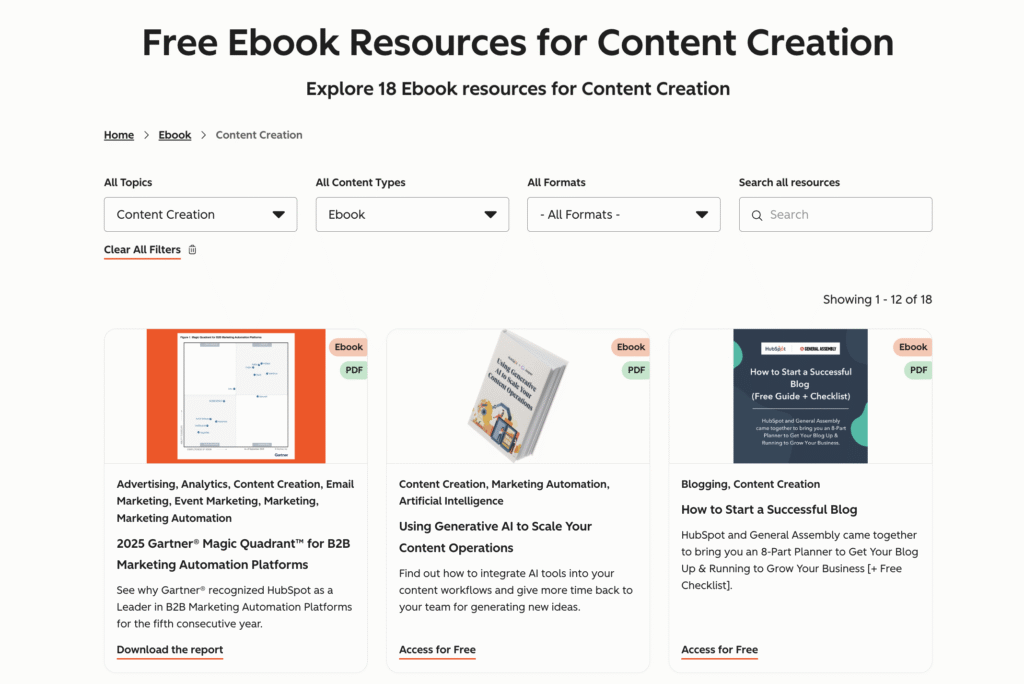
- Ebooks package long-form knowledge into a downloadable resource, often used in exchange for an email signup. Follow our guide on how to create an ebook if you’re planning to practice this content writing type.
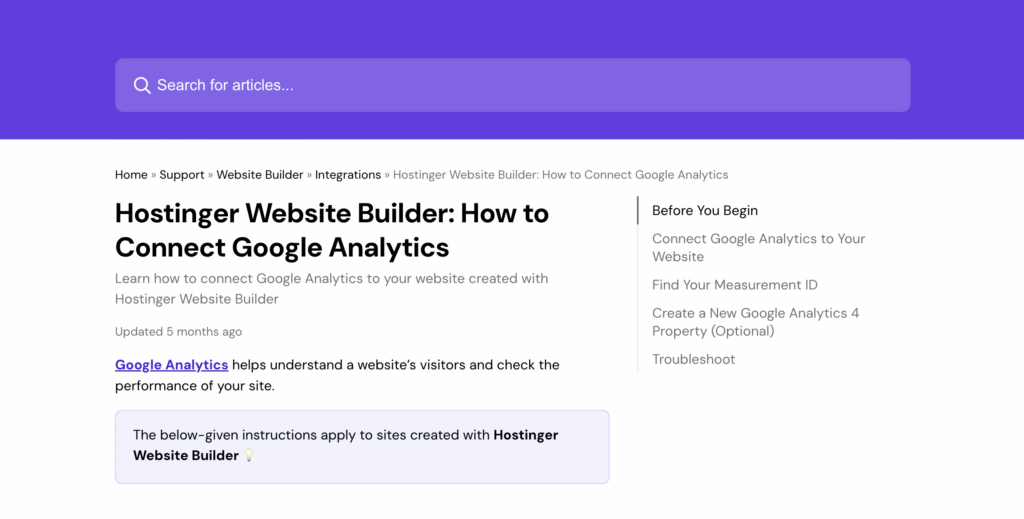
- How-to guides focus on step-by-step instructions and practical advice. They help users solve specific problems and build confidence in your expertise. This type of content writing also helps retain your existing customers.
Content writing strengthens search visibility and brand authority by educating audiences at scale. This means your business can demonstrate expertise through multiple content forms, beyond just one-to-one sales conversations.
When you publish content consistently with the right strategy, your content will become a growth engine for supporting lead generation, conversions, and long-term customer relationships.
How to use copywriting and content writing to grow your business
Understanding the difference between copywriting and content writing is only useful if you know how to apply it.
Copywriting is best for:
- Driving conversions with landing pages, CTAs, and sales-focused web pages.
- Promoting products or services through ads, product descriptions, and email newsletters.
- Guiding quick user actions such as email sign-ups, trial registrations, or bookings.
Content writing is best for:
- Growing organic traffic through optimizing articles for search engines, which also increases brand awareness when your content ranks at the top of search results.
- Educating your audience through how-to content that solves real problems and builds trust.
- Establishing brand authority by consistently publishing quality content across topics that are relevant to your business.
To get the best results, combine content writing to attract and educate your audience with copywriting to convert and sell.
Content brings people in by answering questions and building trust, while copywriting guides them toward clear next steps through CTAs, landing pages, and promotional offers.
Start a blog to grow your business
If you’re wondering what blogs are used for beyond sharing updates, they can be growth engines for businesses that know how to use them well.
With 76% of marketers using blogs to distribute content, it’s a clear sign that blog is an effective marketing channel.
Through a blog, you can combine the two writing approaches naturally. It’s also one of the easiest channels to start with.
A blog lets you publish multiple types of long-form content that attract organic traffic and support the awareness and consideration stages of the buyer’s journey.
At this stage, blog content helps potential customers discover your brand, understand their problems, and evaluate possible solutions through educational articles.
When paired with strong copywriting, that same traffic can then be guided into the conversion stage – using CTAs, landing pages, and offers to turn informed readers into leads or customers.
The connection between the two is natural. Blog posts can link to relevant landing pages or include CTAs that gently lead readers to the next step.
Moreover, consistently publishing high-quality blog content attracts organic traffic, establishes your expertise, and nurtures leads throughout the buyer’s journey.
By maintaining this in the long term, you can position your brand as a go-to resource in your space and create assets that compound in value over time.
Unlike paid ads that stop working when the budget runs out, quality blog content continues attracting customers long after you hit publish.
We’ve put together a list of blog ideas to give you inspiration on what content to write next.
If you need help setting up your blog, we also have a step-by-step guide to building one.
Good luck!
All of the tutorial content on this website is subject to Hostinger's rigorous editorial standards and values.

Larassatti Dharma is a content writer with 4+ years of experience in the web hosting industry. She has populated the internet with over 100 YouTube scripts and articles around web hosting, digital marketing, and email marketing. When she's not writing, Laras enjoys solo traveling around the globe or trying new recipes in her kitchen. Follow her on LinkedIn

