Ecommerce website cost: a 2026 breakdown
Mar 05, 2026
/
Simon L.
/
13 min Read
Ecommerce website development costs in India typically range from ₹15,000 to more than ₹10 lakh, depending on the platform, design complexity, and features required for the store. A basic ecommerce website built with templates usually costs ₹15,000–₹50,000, mid-level online stores with custom design and integrations often cost ₹1–₹5 lakh, and enterprise ecommerce platforms with advanced functionality can exceed ₹10 lakh.
Several components determine the total ecommerce website cost, including:
- Domain name and hosting
- Ecommerce platform and software tools
- Website design and development
- Payment processing and transaction fees
- Marketing and customer acquisition
- Shipping, warehousing, and inventory management
- Maintenance, integrations, and security
Each cost category affects both the initial setup budget and the long-term operating expenses of running an online store. Understanding these components helps businesses choose the right ecommerce platform, control development costs, and scale their store efficiently.
Costs breakdown
In general, website costs vary significantly based on your specific needs and requirements, and ecommerce ones are no exception.
Here’s a breakdown of the ranges to consider:
Essential ecommerce costs
| Item | Description | Cost range |
|---|---|---|
| Domain | Your website’s address | ₹600–₹2,500/year |
| Hosting | Where your website files are stored | ₹69–₹2,500/month |
| Ecommerce platform | Software for your online store | ₹129–₹25,000/month |
| Design | Website themes and customizations | ₹0–₹5,00,000 one-time |
| Transaction fees | Fees for online payments | 2%–3% per transaction |
Additional ecommerce costs
| Item | Description | Cost range |
|---|---|---|
| SEO and marketing | Attracting customers to your store | ₹0–₹2,00,000/month |
| Shipping | Delivery costs and platform fees | Depends on package size, weight, and distance |
| Warehousing | Product storage and fulfillment space | ₹15–₹50 per sq ft/month |
| Inventory management | Systems to track and manage products | ₹1,000–₹40,000/month |
| Website maintenance | Ongoing website updates | ₹0–₹80,000/month |
| Integrations | Connecting with other services and systems | ₹0–₹2,00,000 one-time |
| Contingencies | Buffer for unexpected expenses | 10–20% of the total budget |
Total costs
The total cost of an ecommerce website includes two main components: the initial development cost and the ongoing monthly operating cost.
The initial cost to build an ecommerce website in India typically ranges from ₹15,000 to over ₹10,00,000, depending on the platform and customization level:
- Basic ecommerce website: ₹15,000–₹50,000 using templates or website builders
- Mid-level ecommerce store: ₹1,00,000–₹5,00,000 with custom design and integrations
- Enterprise ecommerce platform: ₹10,00,000+ for fully custom development
After launch, ecommerce businesses also need to budget for monthly operating costs, including hosting, software subscriptions, marketing, and maintenance.
For many small and medium-sized online stores, running costs typically range between ₹1,000 and ₹10,000 per month when using an all-in-one ecommerce website builder.
Larger ecommerce businesses with custom infrastructure, paid marketing campaigns, and advanced integrations may spend ₹20,000–₹1,00,000+ per month depending on store size and operational requirements.
Now, let’s dig deeper into each of these categories.
Essential ecommerce cost components
Before you can start selling online, you’ll need to invest in these core elements.
Ecommerce domain name and hosting
When building an ecommerce website, two basic components you need are a domain name and web hosting.
A domain name is your website’s address online, such as yourstore.com or yourstore.in, and it helps customers find your business easily. Many businesses in India choose .in or .co.in domains because they signal a local presence and build trust with Indian customers, especially for regional brands and small businesses.
Pricing depends on the domain extension you choose, where you register it, and the name’s popularity.
Here’s a breakdown of what you’ll pay for different types of domains:
- Regular .com domains: ₹800–₹1,200/year
Ecommerce-specific TLDs (.store, .shop): ₹1,500–₹2,500/year
Country domains (.in, .co.in): ₹600–₹1,000/year
Premium domains: ₹10,000+
Try our domain name generator to see how much your preferred domain name would cost.
Domain Name Checker
Instantly check domain name availability.
Web hosting costs
Web hosting is a service that stores your website files and makes them available online. Good hosting keeps your site fast, secure, and always accessible.
Like domains, different types of hosting are available depending on your needs and preferences.
Here is a rundown of hosting costs:
- Web hosting. Your website shares server space and resources with other websites. From ₹69.00/month to ₹699.00/month.
- Virtual Private Server (VPS) hosting. You get dedicated resources on a shared server. From ₹599.00/month to ₹4999.00/month.
- Cloud hosting. Uses multiple connected servers for better performance. From ₹599.00/month to ₹5499.00/month.
Ecommerce platform cost
Every ecommerce platform offers different pricing based on your business size, how many products you sell, and the features you need.
Here’s a breakdown of the different ecommerce platform solutions and the costs associated with each.
- Hostinger’s Ecommerce Website Builder. Starting at ₹149.00/month, you get hosting and built-in ecommerce tools to sell up to 500 products. Easily upload images to generate product details with AI, offer 100+ payment methods, and pay no transaction fees.
- Shopify. Subscription fees typically range from ₹2,400/month to ₹24,000/month, with the Shopify Plus enterprise tier starting around ₹1,90,000/month. Transaction fees between 0.6%–2% apply unless you use Shopify Payments. Apps for extra features usually cost ₹800–₹8,000/month or more.
- WooCommerce. WooCommerce itself is a free WordPress plugin, but you’ll need hosting and setup. Premium themes usually cost ₹4,000–₹16,000, while plugins typically range from ₹3,000–₹16,000 depending on functionality.
- BigCommerce. Plans generally start around ₹2,500/month and can reach ₹24,000/month for advanced tiers, with no platform transaction fees. The platform automatically upgrades plans as your store’s sales volume increases and includes features like multi-currency support and mobile-responsive templates.
While several options are available, the best choice and overall cost depend on your specific needs and budget.
Website design and ecommerce development
Your ecommerce website’s design is like your digital storefront. Just as a physical shop needs clear navigation, attractive layouts, and mobile-friendly pages to convert visitors into customers, an online store does too. For example, a clothing boutique, home bakery, handicraft store, or electronics reseller needs a clean product catalog and simple checkout to encourage purchases.
Well-designed ecommerce sites with good UI/UX elements can increase conversion rates. These design elements include simple navigation, streamlined checkouts like a one-click checkout, and a mobile-responsive design.
Here’s what you need to consider when designing your website:
Template design costs
Ready-made ecommerce templates typically range from free to ₹25,000 for a one-time purchase.
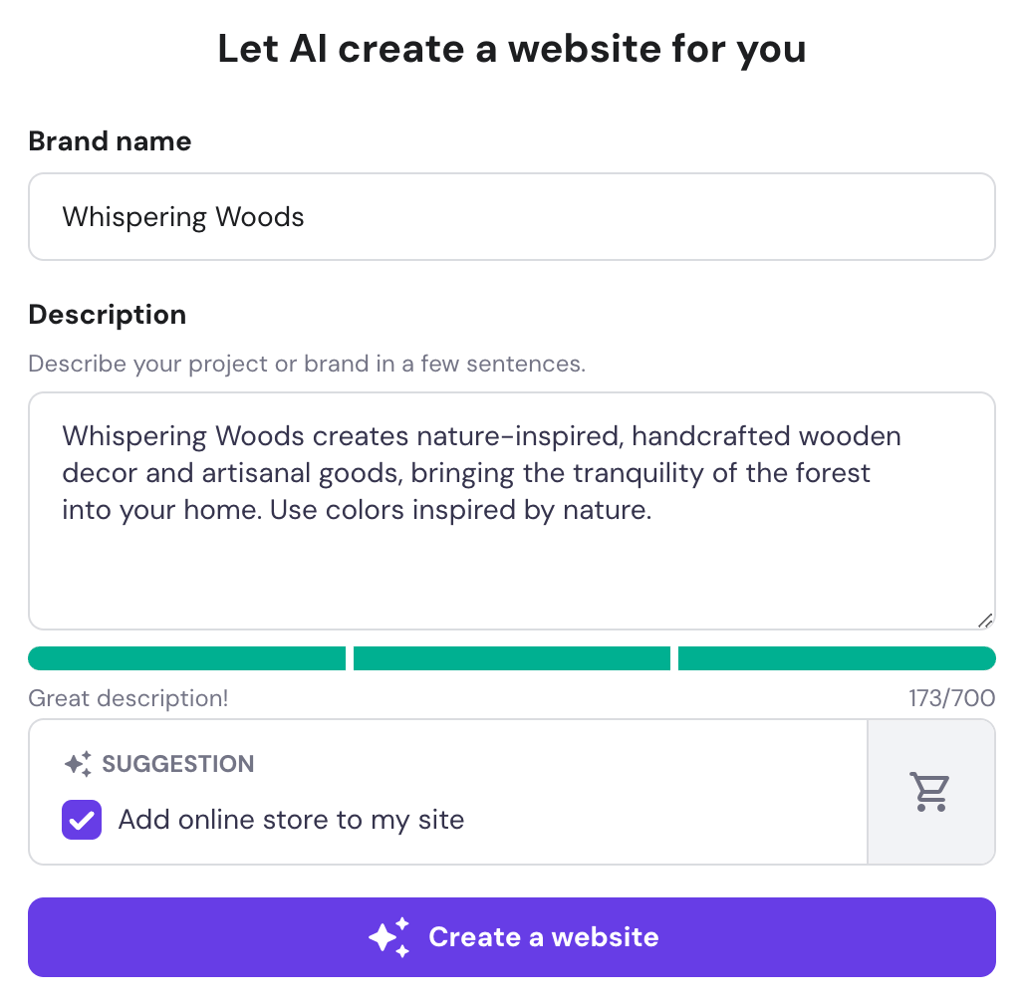
A good alternative is to use AI to create personalized templates. For example, Hostinger’s Ecommerce Website Builder uses AI to create a layout with matching colors, product images, and content blocks based on your description.
These templates work well for many small businesses, such as home bakers selling cakes online, boutique clothing brands, handmade craft stores, or small electronics resellers launching their first online shop.
Custom design costs
Custom ecommerce website development can range from ₹80,000 to ₹40,00,000 or more, depending on the level of customization and complexity.
Frontend developers create what customers see and interact with, such as product galleries, transitions and hover effects, and product filtering options. Frontend features range from ₹80,000 to ₹16,00,000 or more.
On the other hand, backend developers build everything behind the scenes that powers the ecommerce store. This includes payment systems, inventory management, customer accounts, and connections to other services. Backend developers cost ₹8,00,000 to ₹40,00,000+, depending on the complexity.
You can hire freelance developers through platforms like Upwork or Toptal. Check their reviews and verify if they can work on your specific project before hiring.
Key differences
The price gap between templates and custom designs reflects essential differences:
- Uniqueness. There may be many other stores using the same template, while custom designs are unique to your brand.
- Customization. Templates are built with preset options, while custom designs are tailored to your specific needs.
- Functionality. Hiring a developer lets you build custom features that templates may not support.
- Scalability. Custom sites can be built to grow with your business, while templates may need major changes as you scale.
Payment processing
Payment processing is a key part of running any online store. Understanding the fees helps you make smart choices that protect your profits.
Here’s a breakdown of the main costs:
Transaction fees
Transaction fees are charged on each sale and usually include a percentage of the order value, sometimes combined with a small fixed fee per transaction.
For example, Shopify Payments typically charges 2.9% per transaction on the Basic plan and 2.4% on the Advanced plan. In some regions, a small fixed fee per order may also apply, depending on the payment provider. If you use a third-party gateway instead of Shopify Payments, Shopify adds an extra fee of around 0.5%–2% on top of the gateway’s charges.
In India, popular payment gateways such as Razorpay, PayU, and Cashfree usually charge around 2%–3% per transaction for card payments. Many also support UPI payments, which often have lower processing fees depending on the provider and transaction volume.
On the other hand, platforms like WooCommerce and Hostinger’s Ecommerce Website Builder don’t charge platform transaction fees, meaning you only pay the payment gateway’s processing fees and keep more of your revenue.
Payment gateway fees
Payment gateways process online payments and transfer the money from your customer’s card, UPI, or digital wallet to your business account. Most gateways charge a percentage of the transaction amount and sometimes a small, fixed fee per order.
In India, ecommerce businesses commonly use payment gateways such as Razorpay, PayU, and Cashfree, which support credit cards, debit cards, UPI, and digital wallets. These providers usually charge around 2%–3% per successful transaction, depending on the payment method and transaction volume.
Globally, Stripe and PayPal are among the most widely used payment gateways. Stripe’s standard pricing is around 2.9% per transaction, often with an additional small fixed fee depending on the region and payment method. PayPal’s fees are typically higher, around 3.49% per transaction, with extra charges for international payments and currency conversion.
Fees comparison table
For a ₹8,000 order (roughly equivalent to a $100 order), here’s how payment processing fees may vary depending on the ecommerce platform and payment gateway you use.
| Platform/Gateway | Fee breakdown | Total fee |
|---|---|---|
| Shopify Basic (Shopify Payments) | 2.9% per transaction | ₹232 |
| Shopify Basic (Razorpay) | 2% (Razorpay) + 2% (Shopify third-party fee) | ₹320 |
| Hostinger’s Ecommerce Website Builder (Razorpay) | 2% per transaction | ₹160 |
| WooCommerce (Razorpay) | 2% per transaction | ₹160 |
As you can see, payment processing fees vary depending on the ecommerce platform and payment gateway you choose, and platforms that charge additional transaction fees can significantly increase your total costs.
Additional and variable ecommerce costs
Beyond the essential costs, your online store will need further investment to grow and stay competitive.
SEO and marketing
Marketing expenses are often one of the most significant costs you’ll face.
Focusing on long-term digital marketing strategies like SEO (Search Engine Optimization) will build lasting brand recognition, generate sustainable traffic, and improve customer retention.
Let’s break down the costs of effective marketing.
SEO
SEO is improving your website’s ranking in search engines by using the right keywords and creating helpful content.
The costs vary based on your approach and resources:
- Do-it-yourself: ₹0–₹40,000/month for SEO tools and subscriptions.
- Hire a freelancer: ₹40,000–₹1,60,000/month for an SEO specialist.
Some ecommerce platforms, like Hostinger’s Ecommerce Website Builder, offer built-in AI tools that suggest ways to boost your SEO without extra subscriptions.

Paid advertising
This is where you pay for ads on search engines like Google, social media platforms like Facebook, or websites where your target audience hangs out.
- Google Ads: ₹40,000–₹8,00,000/month, depending on competition.
- Social media ads: ₹15,000–₹80,000/month on platforms like Instagram, Facebook, or TikTok.
- Marketplace ads: ₹25,000–₹2,40,000/month for Amazon, Etsy, or eBay placements.
Organic social media
Social media marketing involves growing your brand on platforms like Instagram, Facebook, and YouTube by posting engaging content and interacting with followers. Many small ecommerce businesses, such as fashion boutiques, skincare brands, and home decor stores, use social media to showcase products and drive traffic to their online store.
- Management tools. Around ₹1,200–₹24,000/month for scheduling tools such as Hootsuite, Buffer, or Zoho Social, which help you plan and publish content across multiple platforms.
- Content creation. Between ₹0–₹80,000/month, depending on whether you create content yourself or hire help. Costs may include design tools like Canva, freelance graphic designers, and photo or video editing services.
- Influencer partnerships. Typically ₹4,000–₹4,00,000 per post, depending on the influencer’s follower count, engagement rate, and niche. Smaller micro-influencers (10K–50K followers) often charge lower rates, making them popular among small ecommerce brands.
Content marketing
Content marketing involves creating helpful blog posts, videos, or guides that attract customers and demonstrate your authority.
- Blog content: ₹0–₹40,000 per article depending on writer expertise.
- Helpful videos: ₹4,000–₹80,000 per video depending on equipment and editing.
- Guides and resources: ₹0–₹80,000 if hiring writers and designers.
Average marketing costs
For new ecommerce businesses, the average marketing costs range from ₹40,000–₹80,000 per month for the first year. But the ecommerce marketing budget might vary depending on the business size and stage of growth.
A typical starter marketing budget might look like this:
- SEO: ₹4,000–₹40,000/month
- Paid ads: ₹40,000/month
- Social media tools: ₹1,500–₹8,000/month
- Content marketing: ₹8,000–₹32,000/month
While you could handle all the marketing yourself to save money, remember that your time is valuable, especially with other crucial business tasks demanding your attention.
Investing in digital marketing can free you up and help your business gain traction.
Logistics and fulfillment
Let’s explore what costs are involved and how they change as your business grows.
Shipping costs
Shipping is one of the most obvious expenses for online stores, affecting both your profits and customer satisfaction.
Depending on your shipping service, Light packages under 2 kg usually cost ₹60–₹150 per shipment within India. Heavier packages or pallet shipments can cost ₹1,500–₹6,500 or more, depending on distance and logistics provider.
Many shipping platforms, such as Shiprocket, integrate directly with ecommerce platforms and payment gateways like Razorpay, allowing stores to automate order processing after payments are confirmed.
Your shipping costs will also depend on the speed of delivery, the package size and weight, and the distance between the warehouse and your customer.
As your business grows, shipping costs per package usually decrease due to carrier volume discounts.
Warehousing costs
Warehousing costs include the physical storage space for your products as well as the systems used to organize and manage inventory efficiently.
In India, renting warehouse space typically costs ₹15–₹50 per square foot per month, depending on the city, location, and facility type. Some logistics providers also offer pallet-based storage, which can cost around ₹200–₹800 per pallet per month.
Many small ecommerce businesses begin by storing inventory at home or in small rented units. As order volumes increase, businesses often move to larger warehouses or third-party fulfillment providers that handle storage, packing, and shipping.
While total warehousing expenses increase as your business grows, the cost per order usually decreases because fixed expenses are spread across more orders.
Inventory management costs
Inventory management includes all activities from receiving products to preparing them for shipment.
These costs might involve:
- Receiving inventory. Around ₹200–₹600 per SKU pallet, depending on the warehouse or fulfillment provider.
- Pick and pack operations. Usually ₹20–₹80 per order, depending on the product size and fulfillment partner.
- Labor costs. Warehouse staff typically earn ₹150–₹500 per hour, depending on experience and location.
- Inventory management software. Typically ₹1,000–₹40,000 per month, depending on the features and number of products tracked.
When starting out, many small ecommerce businesses manage inventory manually using spreadsheets or simple tracking tools.
As stores grow and product catalogs expand, inventory operations become more complex. Businesses often adopt inventory management software and automated fulfillment systems to track stock levels, prevent overselling, and streamline order processing.
Maintenance and security
Running an ecommerce site requires ongoing attention to keep it working properly and securely.
Here’s a breakdown of the ecommerce website maintenance costs you should plan for.
Ecommerce platforms
Ecommerce platforms like Hostinger’s Ecommerce Website Builder include regular security updates and system maintenance as part of your monthly subscription.
These platforms handle technical upgrades behind the scenes, provide data protection measures like SSL certificates, and add new features continuously without requiring any effort from you.
This hands-off approach lets you focus on running your business rather than managing technical details.
Custom websites
Self-hosted ecommerce websites built with WooCommerce or Magento require more hands-on maintenance compared to all-in-one ecommerce platforms.
With these solutions, you are responsible for updating the core software, plugins, and themes regularly to maintain security, compatibility, and store performance.
When professional help is needed, developer support in India typically costs ₹500–₹5,000 per hour, depending on the developer’s experience and the task’s complexity. Managed maintenance services usually range from ₹40,000–₹1,50,000 per month for ongoing updates, monitoring, and technical support.
Regular maintenance is essential for ecommerce stores. Neglecting updates can expose your website to security vulnerabilities, plugin conflicts, and performance issues, leading to downtime or lost sales.
Integration and software
Like most things in ecommerce, the costs associated with software integrations can vary depending on your business’s scope, features, and complexity.
API integration costs explained
API (Application Programming Interface) integration is the standard way to connect your ecommerce store with other business software. Most services offer API access, allowing different systems to communicate and share data easily.
There are several ways to implement API integrations:
- Do it yourself. If you already have development skills, you can build integrations at no additional cost. However, learning resources, courses, or documentation tools may cost up to ₹40,000 if you’re starting from scratch.
- Hire freelance developers. Depending on the complexity of the integration, costs typically range from ₹4,000 to ₹4,00,000 per integration.
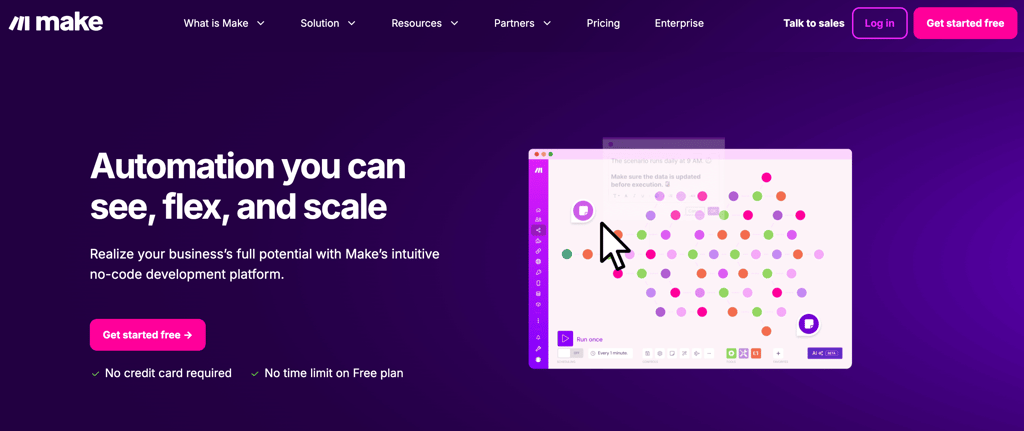
- Pre-built integration tools. Tools like Zapier and Make allow quick integrations with little to no coding. These tools usually offer free plans, with paid plans starting at around ₹700/month.
Common software integrations
There are a lot of integration options available, and while you don’t need all of these, here are some common integrations to consider as your business grows:
- CRM. Connect your ecommerce store to customer systems like Salesforce or HubSpot. These systems help you track customer activity and run personalized marketing campaigns. Pricing typically starts at around ₹1,200/month.
- Email marketing. Email marketing platforms like Mailchimp, Klaviyo, and Zoho Campaigns let you automate newsletters, product promotions, and abandoned-cart recovery emails. Costs usually range from ₹1,200 to ₹60,000/month, depending on the number of contacts and automation features.
- Inventory management. Inventory tools synchronize stock levels across your store and multiple sales channels. Platforms such as Odoo or Zoho Inventory offer free plans, with advanced features starting at around ₹2,400/month.
- Shipping and fulfillment. Shipping automation platforms help generate shipping labels and connect your store with logistics providers. Tools like ShipStation, Shippo, or Shiprocket typically range from free plans to around ₹8,000/month, depending on order volume.
- Accounting. Accounting software connects ecommerce sales data with financial records to simplify bookkeeping and tax reporting. Popular tools include QuickBooks, Xero, and Zoho Books, with pricing starting at around ₹240/month and reaching ₹9,500/month for advanced plans.
- Payment gateways. Connect your ecommerce store with providers such as Razorpay, PayU, or Cashfree to accept credit cards, debit cards, UPI, and digital wallets online.
Contingency costs
One of the most overlooked parts of building an ecommerce business is setting aside money for unexpected expenses.
Why contingency planning is important
Technical challenges, changing requirements, and unforeseen problems are common in ecommerce. A contingency budget provides a safety net, allowing you to navigate uncertainties without cutting important features or goals.
Common unexpected expenses might include:
- Technical issues. Problems may arise during development that require extra time or developers to solve, such as database errors or security issues with third-party tools.
- Scope changes. As your project moves forward, you might identify new features that weren’t in the original plan, like adding a wishlist feature or support for different currencies.
- Integration bugs. Connecting payment systems, shipping calculators, or inventory management sometimes gets more complex than expected.
- Performance optimization. Your site may need additional work or a better hosting plan to handle unexpected traffic surges.
- Security enhancements. New security threats might require additional protective measures.
How to budget for contingencies
Don’t let unexpected costs derail your goals. Here are practical strategies to build a solid contingency plan:
- Build a contingency fund. Set aside 10-20% of your ecommerce website budget for unexpected expenses.
- Prioritize your features. Identify “must-have” versus “nice-to-have” elements to know what can be delayed or cut while keeping core features.
- Use a phased approach. Launch products in stages rather than all at once, allowing you to test systems, manage costs, and adjust based on what you learn.
- Choose flexible solutions. Select platforms and partners that make it easy to scale so you can adjust your approach if financial issues occur without having to start over.
Cost optimization tips
Setting up an ecommerce site can be a significant investment, but with good planning, you can minimize costs without sacrificing quality.
Here are practical ways to optimize your expenses.
Reduce initial setup costs
- Choose the right solution. Identify your current business needs and decide which solutions are appropriate. Platforms like Hostinger’s Ecommerce Website Builder are ideal for beginners, offering all-in-one functionality, while advanced users might prefer self-hosted options like WooCommerce.
- Use built-in themes. Save money by using built-in designs that work on mobile and look professional. These layouts allow you to make simple adjustments rather than paying for expensive custom features.
- Go with yearly plans. If your budget allows you, pay yearly for essential services like hosting, domain names, and email tools to get discounts. Choose plans that fit your current needs and only upgrade when your store’s growth demands more resources.
Manage ongoing expenses
- Audit apps and software usage. Regularly check which apps, software, and services you’re actually using and remove unused ones from your setup. Look for solutions that do multiple functions instead of having many single-purpose tools.
- Balance DIY with strategic outsourcing. Learn to handle simple updates and basic SEO yourself, but hire professionals for specialized work like custom adjustments or specific designs.
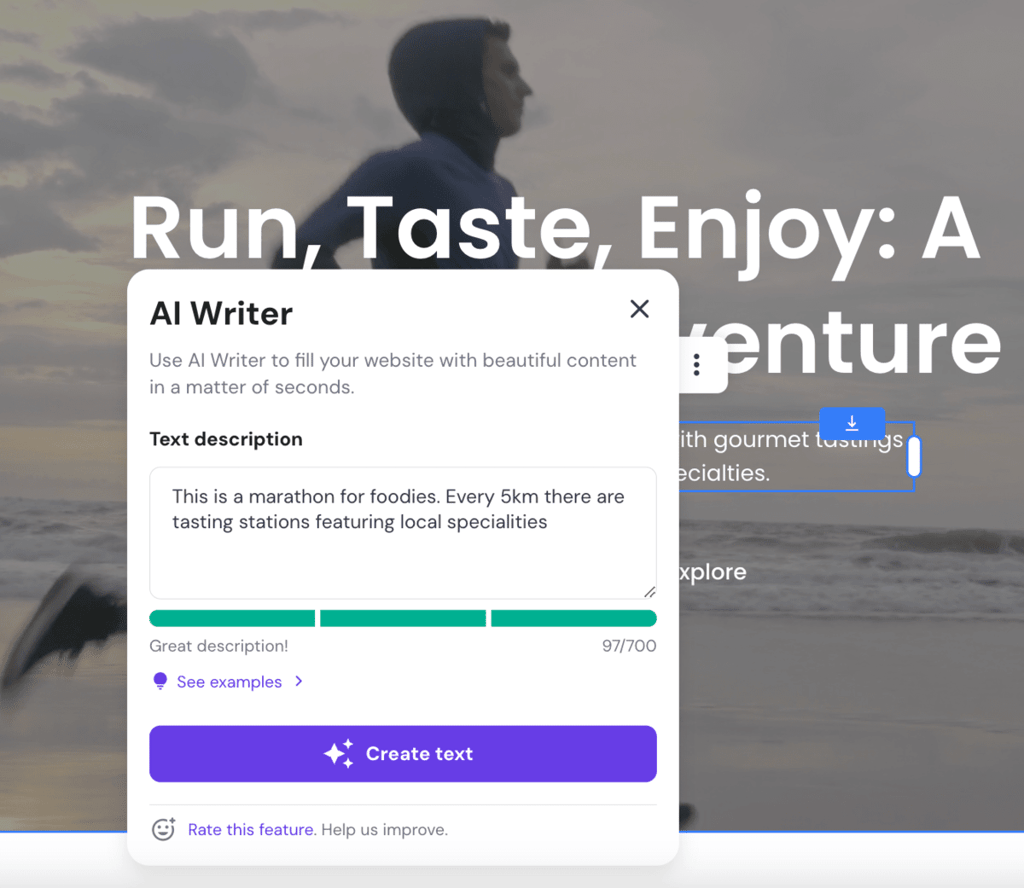
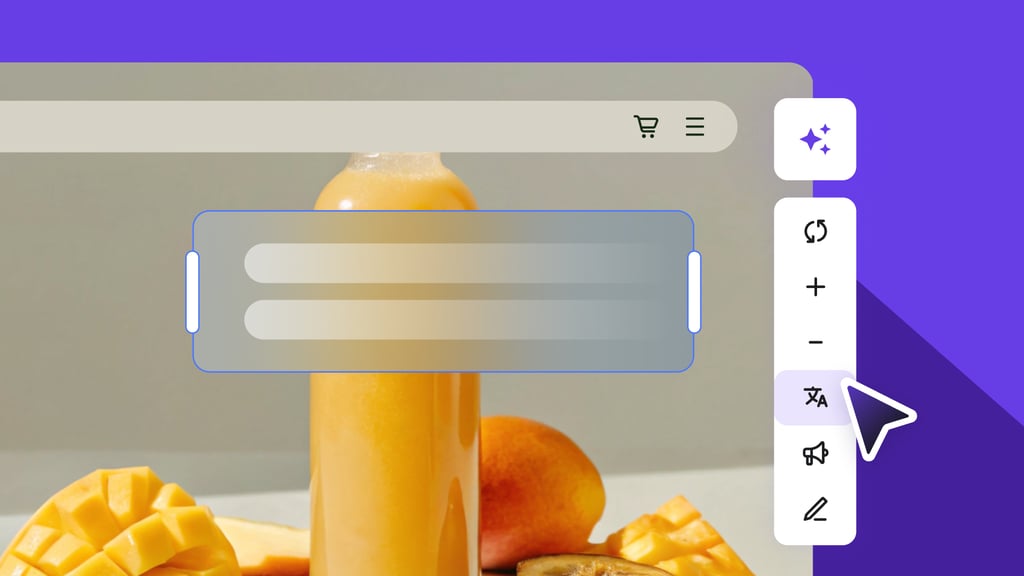
- Use AI tools. Hostinger’s ecommerce AI suite includes a website builder for quick store creation, tools for editing images and writing product descriptions, plus SEO assistance and heatmap analytics – all for much less than hiring professionals.
How to build your ecommerce website without overspending
Understanding ecommerce website costs is the first step. The next step is choosing the right way to build your ecommerce store.
Many new businesses overspend on development because they assume ecommerce requires custom coding. In reality, most small and medium-sized stores launch successfully using all-in-one ecommerce website builders that include hosting, design tools, and payment integrations in a single platform.
For example, Hostinger Website Builder lets you create a complete online store with:
- built-in hosting and security
- AI tools for generating product descriptions and images
- support for 100+ payment methods
- zero platform transaction fees
This type of solution significantly reduces the costs of starting an ecommerce business because you don’t need separate services for hosting, development, or store management.
All of the tutorial content on this website is subject to Hostinger's rigorous editorial standards and values.

Simon is a dynamic Content Writer who loves helping people transform their creative ideas into thriving businesses. With extensive marketing experience, he constantly strives to connect the right message with the right audience. In his spare time, Simon enjoys long runs, nurturing his chilli plants, and hiking through forests. Follow him on LinkedIn.
Comments
0 responses