How to link CSS to HTML files in web development
To link CSS to HTML, use the <link> tag within the <head> section of your HTML document, which creates a reference to an external CSS...
Types of CSS: inline, external and internal definitions and differences explained
CSS defines the front-end appearance of your website. There are several types of CSS, among them are inline and external CSS.In short, the main...

10 best practices to make a website mobile-friendly
Ensuring your website is as user-friendly on any mobile device as on a traditional desktop is key to standing out against the competition.This is...
Lossy vs lossless image compression
Image compression is a method used to reduce the size of images, which can improve the loading speed and the overall performance of a website.To help...
What is website caching and how does it work?
Website caching is a method of improving page load time by storing temporary, ready-to-use copies of web content in a more easily accessible location....
What is JSON: understanding syntax, storing JSON data and downloadable cheat sheet
JSON (JavaScript Object Notation) is a text-based file format designed for data interchange. It represents structured data based on the JavaScript...
Comprehensive Dreamweaver tutorial: what it is and how to use it for web development
When starting out with website development, you’ve probably heard about WYSIWYG (what you see is what you get) editors. The temptation to build...
What is CSS and how does it work?
Cascading Style Sheets (CSS) is a rules-based programming language developed by the World Wide Web Consortium (W3C) in 1996 for a simple reason. The...
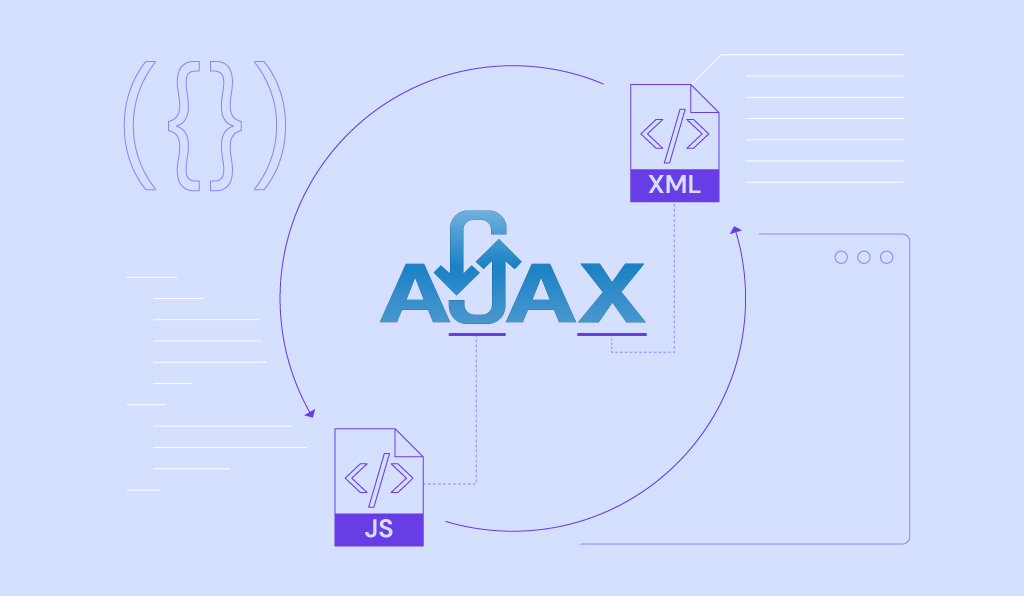
What is AJAX and how does it work?
The term AJAX stands for Asynchronous JavaScript and XML. Understanding AJAX is essential for web developers since it is commonly used in popular web...
12 best HTML editors compared
An HTML editor is a tool that allows developers and designers to create, edit, and manage HTML code efficiently. While a simple text editor like...