How to make money with ChatGPT
Mar 10, 2026
/
By Ksenija
/
11 min Read

People make money with ChatGPT by using it to create content, automate tasks, and build services that solve real business problems.
Companies and entrepreneurs need a consistent flow of blog posts, product descriptions, marketing emails, ad copy, and reports to attract customers and run their businesses.
Creating all of this content takes time, and ChatGPT speeds up drafting, research, and organization, allowing freelancers and small teams to produce it faster.
That time advantage creates earning opportunities for freelancers, consultants, creators, and small business owners, whether they’re providing writing services, selling digital products, building chatbots, running marketing campaigns, or automating business communication.
1. Offer freelance writing services using ChatGPT
If you already have strong writing skills, ChatGPT helps you deliver freelance writing projects faster while maintaining quality.
Instead of starting every project from scratch, you can use ChatGPT to:
- Generate structured outlines based on a client brief
- Expand bullet points into full article sections
- Suggest headlines and subheadings
- Rewrite paragraphs for clarity or tone
- Draft variations of product descriptions or email copy
This approach speeds up the early stages of writing. You spend less time drafting and more time refining, positioning, and aligning the content with the client’s goals.
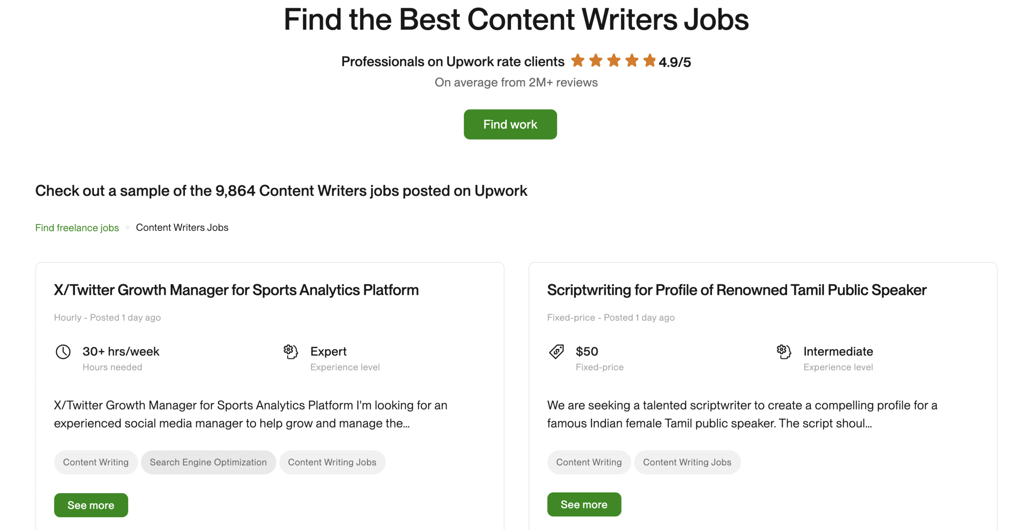
To make money online using ChatGPT, find freelance writing opportunities on platforms such as:
- Upwork – best for long-term contracts and higher-budget clients looking for experienced professionals.
- Fiverr – ideal for offering clearly defined writing packages, such as blog posts or product descriptions, at set prices.
- Freelancer – suited for bidding on short-term writing projects across a wide range of industries.
- PeoplePerHour – popular with small businesses seeking flexible, project-based content support.
Quality control remains your responsibility. Clients expect content that is accurate, original, and aligned with their brand voice.
To protect your credibility, always apply the following ethical practices:
- Edit AI-generated drafts thoroughly.
- Add your own insights or examples.
- Check for plagiarism.
- Verify facts and statistics.
- Follow any client guidelines regarding AI usage.
ChatGPT should support your writing process, not replace your judgment. When you combine AI speed with careful editing and strategic thinking, you deliver work that clients trust and continue paying for.
Pro Tip Avoid marketing yourself as a “low-cost AI writer.” Competing on speed and price pushes you into commodity territory. Instead, package your service around outcomes, such as increasing organic traffic, improving conversion rates, or producing SEO-optimized content. Position yourself as a strategist who uses AI, not as someone selling AI output.
2. Create and sell AI-generated content
Instead of offering writing as a service, you create assets such as ebooks, guides, social media content bundles, or newsletters and sell them directly.
ChatGPT helps you create:
- Ebook drafts
- Step-by-step guides
- Social media caption packs
- Newsletter content with recurring themes
- Content calendars with post ideas and outlines
The key is choosing a focused topic with clear demand. For example, instead of writing a broad ebook about marketing, create a short guide on email marketing for local gyms or Instagram content ideas for real estate agents.
Once your content is ready, you can package and sell it through:
- Digital marketplaces such as Gumroad, Etsy, or Payhip
- Freelance platforms offering pre-built content bundles
- Your own website using an ecommerce setup
- Email newsletters with paid subscription tiers
Presentation matters. A well-formatted PDF, a clear table of contents, a professional cover design, and concise descriptions make your product feel credible.
Because you are selling a finished product, not a draft, the content must meet professional standards. Before publishing or listing it for sale:
- Edit for clarity and logical flow
- Remove repetition and generic phrasing
- Add real examples, case studies, or personal insights
- Verify facts and statistics
- Adapt tone to your target audience
Your competitive advantage is not the raw AI output. It’s how you structure the information, add context, and tailor it to a specific audience. When you combine clear positioning with thoughtful editing, AI-generated content becomes a digital product you can sell rather than just generated text.
Important! Some marketplaces and clients require disclosure of AI-assisted content. Before listing digital products or offering services, review platform policies to avoid account restrictions or removal.
3. Develop chatbot services for businesses
Businesses often struggle to respond quickly to customer questions, especially outside working hours. That creates an opportunity to offer ChatGPT-powered chatbot services that handle common inquiries, qualify leads, and improve engagement without hiring additional staff.
Customize chatbots for tasks such as:
- Answering frequently asked questions about products, pricing, or policies
- Collecting contact details before handing conversations to a human agent
- Booking appointments for service-based businesses
- Recommending products in ecommerce stores
- Providing basic troubleshooting guidance
The value comes from tailoring the chatbot to the company’s specific processes. A restaurant may need reservation handling and menu information, while a SaaS startup may require onboarding guidance and feature explanations. The more aligned the chatbot is with real customer scenarios, the more useful it becomes.
Local businesses and early-stage startups are strong target markets. Most of these businesses share similar challenges, such as:
- Receiving repetitive inquiries through websites or social media
- Lacking dedicated support teams
- Wanting faster response times without increasing payroll
- Needing simple automation rather than complex AI systems
Approach these businesses directly, show how automated responses reduce workload, and frame the chatbot as a practical efficiency tool rather than a replacement for human interaction.
Once a business agrees to move forward, your role shifts from pitching the value to implementing the solution through three core steps:
- Configuration – connect ChatGPT via a chatbot platform or API, and deploy it on a website or messaging application.
- Training and prompt design – provide structured instructions, brand tone guidance, and sample Q&A pairs so responses stay relevant and accurate.
- Testing and monitoring – review conversations regularly, refine prompts, and update information as products or policies change.
Maintenance is ongoing. You need to adjust responses based on real user interactions, correct inaccuracies, and ensure the chatbot reflects the latest business information.
Because this service requires both initial implementation and continued oversight, you can structure your pricing in three different ways:
- One-time setup fees
- Monthly maintenance retainers
- Performance-based agreements tied to lead generation or response efficiency
4. Offer tutoring or coaching with ChatGPT assistance
If you already teach, coach, or mentor others, ChatGPT can help you prepare lessons faster and improve the learning experience. Instead of creating materials from scratch, use it to generate lesson plans, practice exercises, and supporting resources.
For example, you can use ChatGPT to:
- Draft lesson outlines based on a student’s skill level
- Create quizzes with answer keys
- Generate practice questions with step-by-step explanations
- Simplify complex concepts into clearer language
- Prepare discussion prompts for coaching sessions
ChatGPT can also support personalized learning. If a student struggles with a specific concept, you can quickly generate alternative explanations, additional examples, or targeted exercises. If they progress faster, you can produce more advanced practice material without rebuilding your curriculum.
Used this way, AI supports your teaching instead of replacing it.
Online tutoring is especially in demand where students need structured guidance and repeated practice, such as language learning, mathematics, coding, standardized test preparation, and career-oriented skills like digital marketing or data analysis.
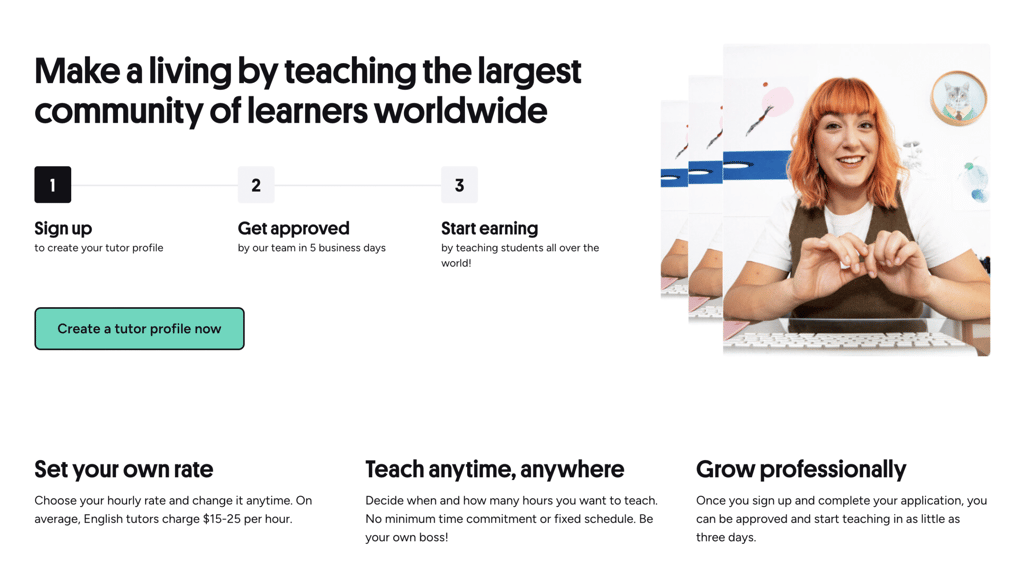
Find tutoring clients on platforms like:
- Preply – popular for language tutoring and one-on-one virtual lessons.
- Wyzant – suited for academic subjects and test preparation.
- Superprof – a broad marketplace covering academic, creative, and professional skills.
- Cambly – focused on English conversation practice.
If you want more control over pricing and positioning, you can create and sell an online course on your own website with a booking system, or host structured programs on platforms such as Teachable or Thinkific.
This approach combines live coaching with pre-recorded lessons, giving students both flexibility and direct access to you.
Quality control still matters. Educational content must be accurate, level-appropriate, and clearly structured. Before using AI-generated materials with students, review them carefully, verify factual information, and adjust tone to match your teaching style.
5. Create marketing campaigns and ad copy
Businesses constantly run promotions, launch products, and test new offers. That creates steady demand for ad copy, email sequences, landing page messaging, and social media posts.
If you understand basic marketing principles, you can use ChatGPT to draft campaign assets faster and offer them as a paid service.
It is especially useful for generating first drafts and variations, such as:
- Ad headlines and descriptions for search or social campaigns
- Full email sequences for product launches or lead nurturing
- Social media posts aligned with a specific promotion
- Landing page sections focused on benefits and objections
- Multiple copy angles for A/B testing
Instead of writing every variation manually, you can ask ChatGPT for several versions, then work on the strongest one. This speeds up campaign production while still allowing you to control positioning and messaging. And that’s what makes this service valuable.
Marketing agencies often run multiple campaigns simultaneously and need a steady flow of ad copy, email sequences, and social posts. Small businesses, on the other hand, may not have an in-house copywriter but still rely on regular promotions to stay visible.
If you can deliver campaign drafts quickly and adapt them to different brand voices, you solve a capacity problem for them.
You can position your service around:
- Campaign-based packages for product launches
- Monthly retainer agreements for ongoing content
- Copy optimization and A/B testing support
ChatGPT can accelerate idea generation and content production, but it does not replace strategic thinking. Ad copy must reflect the brand voice, comply with advertising policies, and avoid misleading claims. Before delivering any campaign materials, review the drafts carefully, adjust tone and messaging, and verify that statements align with legal and platform guidelines.
6. Build niche websites with AI-generated content
Instead of selling services to clients, you can use ChatGPT to build your own niche website and monetize the traffic over time. The idea is simple: focus on a specific topic, publish helpful content consistently, and turn your audience into revenue.
A niche site works best when it targets a clearly defined subject rather than a broad category. For example, instead of starting a general “fitness” blog, you might focus on home workouts for beginners, meal plans for busy professionals, or strength training for people over 40. A narrow focus makes it easier to rank in search engines and attract readers with specific intent.
ChatGPT can help with tasks such as:
- Generating outlines for articles
- Expanding topic ideas into full drafts
- Creating comparison tables or summaries
- Rewriting sections for clarity
- Producing variations of titles and meta descriptions
Once traffic grows, you can monetize the website in several ways.
Many niche site owners rely on display advertising networks that pay based on impressions or clicks. Others rely on affiliate marketing to promote products and earn a commission when readers purchase through tracked links. If the topic aligns with your expertise, you can also sell your own digital products or services directly from the site.
Search engine optimization plays a central role in this model. Publishing AI-generated content without a strategy can lead to thin, repetitive, or low-value pages.
To reduce that risk, follow these best practices:
- Focus on answering specific search queries clearly.
- Avoid publishing near-duplicate articles.
- Add original insights, examples, or data.
- Structure content with clear headings and logical flow.
- Update older posts as information changes.
Search engines evaluate usefulness, not whether AI assisted in drafting. When your content demonstrates depth, clarity, and relevance, it can compete effectively. The key is treating ChatGPT as a drafting assistant while you remain responsible for research quality, structure, and long-term strategy.
7. Automate routine business communications
Many businesses spend significant time drafting repetitive emails, proposals, follow-ups, and internal reports. That repetition creates an opportunity to offer communication automation services powered by ChatGPT.
Instead of writing every message manually, you can use ChatGPT to generate structured drafts for:
- Client outreach emails
- Sales follow-ups
- Project proposals
- Monthly performance reports
- Internal status updates
The value is not just speed. It’s consistency. When you define clear prompts and templates, responses follow a consistent tone, structure, and messaging standard. That reduces errors, shortens turnaround time, and makes communication more predictable across teams.
To implement this properly, you can connect ChatGPT to workflow tools that automatically trigger content generation.
Common options include:
- Zapier or Make for connecting apps and automating tasks.
- CRM platforms such as HubSpot or Salesforce for generating email drafts inside sales pipelines.
- Email marketing platforms like Mailchimp or ActiveCampaign for drafting campaigns and automated sequences.
- Custom API integrations using tools like OpenAI’s API for businesses that need fully tailored automation setups.
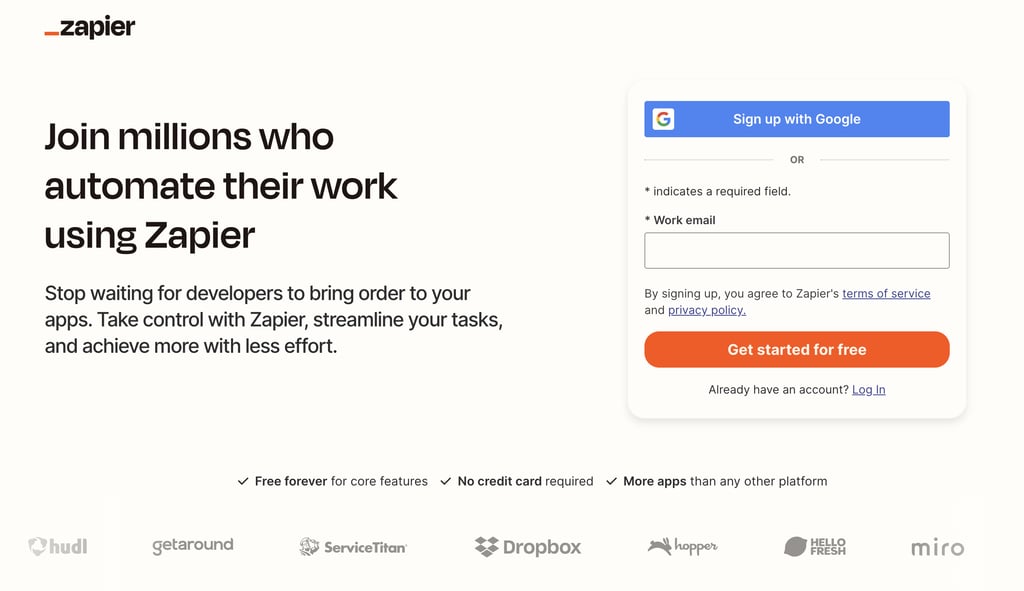
These tools allow ChatGPT to generate draft emails when a new lead is added, create summaries after meetings, or prepare proposal templates based on form inputs.
Even with automation in place, human review is still essential. Automated drafts should be checked for tone alignment, factual accuracy, and contextual relevance before being sent. The goal is to reduce manual effort while maintaining professional standards.
When structured correctly, communication automation becomes a recurring service. You can charge for setup, ongoing optimization, or workflow management. The value you provide is not just writing assistance but operational efficiency supported by thoughtful oversight.
8. Provide translation and localization services
Businesses expanding into new markets often need more than direct translation. They need content adapted to local language nuances, cultural expectations, and buying behavior. This creates an opportunity to offer translation and localization services supported by ChatGPT.
ChatGPT can assist by helping you:
- Translate website pages, product descriptions, and blog posts
- Rewrite marketing copy to match cultural tone and context
- Adapt slogans or headlines so they feel natural in another language
- Generate region-specific variations of email campaigns or ads
- Simplify complex text before translating it for clarity
The goal is not to rely on raw machine translation, but to speed up the first draft and reduce repetitive work. You then refine the output to ensure accuracy, tone alignment, and cultural relevance.
Demand for localization is especially strong in sectors such as ecommerce, digital marketing, and publishing. Ecommerce brands often translate product catalogs and checkout pages when entering new countries. Marketing agencies adapt ad campaigns and landing pages for different regions. Publishers localize articles, newsletters, and educational materials to reach broader audiences.
Offer this service through freelance marketplaces such as Upwork or Fiverr, by partnering directly with ecommerce brands, or by working with marketing agencies that manage international campaigns.
Quality control is critical. Automated translations may miss idiomatic expressions, regulatory differences, or culturally sensitive wording. Before delivering any project, review the text carefully, verify terminology, and adjust phrasing so it reads naturally to native speakers.
Important! In regulated industries such as healthcare, finance, or legal services, mistranslations can create compliance risks. Always verify terminology with native professionals before publishing.
9. Create interactive stories and games
If you enjoy storytelling, you can use ChatGPT to create interactive stories where readers actively choose what happens next. These stories are typically published on websites, mobile apps, or indie game platforms, where readers click buttons, select dialogue options, or choose between different actions to move the story forward.
For example, imagine a mystery story hosted on a website. At the end of a scene, the reader sees two options:
- Search the abandoned house
- Follow the stranger down the street
Each button leads to a different page with a new scene. Those scenes can branch again, creating multiple storylines and endings. Instead of writing one linear script, you build a structured decision tree.
In this setting, you can use ChatGPT to:
- Write character dialogue for different player choices
- Generate multiple outcomes for the same situation
- Outline branching story structures
- Expand side plots or alternative endings
- Develop consistent backstories and world details
The advantage is speed. You can prototype story paths quickly, test narrative directions, and expand the world without rewriting everything manually. Your role is to organize the branches logically and maintain narrative consistency so the experience feels intentional.
The format you choose determines how you generate revenue. Some creators publish interactive fiction on platforms such as itch.io or Steam as indie games and charge a one-time purchase fee.
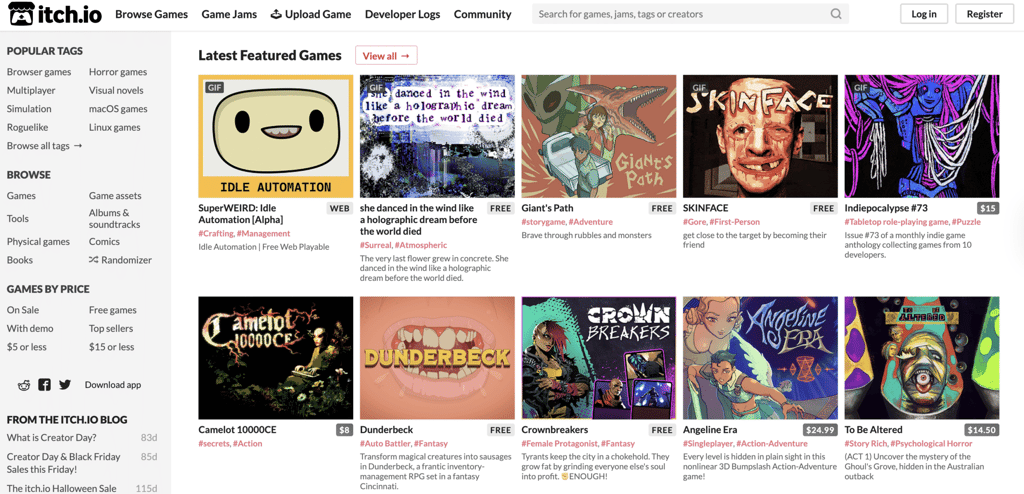
Others release episodic stories through mobile storytelling apps or subscription platforms like Patreon, where readers pay for early access or ongoing installments. You can also host interactive stories on your own website and monetize through ads, memberships, or premium access to exclusive storylines.
The strength of interactive storytelling is engagement. Instead of passively reading, users actively shape the outcome. That increases time spent with the content and encourages replay value, as readers return to explore different paths.
10. Offer consulting to implement ChatGPT in workflows
Some businesses are interested in using ChatGPT but don’t know where to start. That gap creates an opportunity to offer consulting services focused on integrating AI into their daily operations.
Instead of selling a single deliverable, you advise companies on how to use ChatGPT effectively in areas such as:
- Customer support automation
- Marketing content production
- Internal knowledge bases
- Sales communication workflows
- Reporting and documentation processes
Your role begins with identifying practical pain points. For example, a company may struggle with slow customer response times, inconsistent email communication, or repetitive internal reporting. Rather than suggesting generic AI adoption, you assess where time is being lost and where structured prompts or automation can reduce manual effort.
Once the gaps are clear, you design customized solutions. That might include building prompt libraries for support teams, creating standardized email templates for sales departments, or integrating ChatGPT into CRM and helpdesk systems.
This type of consulting requires a working understanding of:
- Prompt design and output refinement
- Basic workflow automation tools
- Data privacy and compliance considerations
- The operational structure of marketing, support, or sales teams
You don’t need to be a full-time developer, but you should understand how APIs, integrations, and process documentation work at a practical level.
To market these services, position yourself as an AI workflow specialist. Many consultants find clients through LinkedIn outreach, freelance platforms such as Upwork, or by partnering with agencies that want to add AI implementation to their service offerings.
What skills do you need to make money with ChatGPT?
Using ChatGPT alone does not create income. The difference comes from how well you guide it, refine its output, and apply it to real business problems.
Prompt engineering is the foundation. You need to know how to give precise instructions, define tone and constraints, and iterate on outputs. Clear prompts reduce generic responses and minimize editing time. The better your prompts, the more usable the first draft becomes.
Content editing and quality control are equally important. AI-generated text often needs tightening, restructuring, and fact-checking.
You should be able to:
- Remove repetition and vague phrasing
- Improve logical flow
- Verify claims and statistics
- Adapt tone to match a brand or audience
Basic technical knowledge expands your service options. Understanding how APIs connect tools, how automation platforms like Zapier or Make trigger workflows, and how simple integrations work allows you to build solutions beyond writing. You don’t need advanced programming skills, but you should understand how systems connect.
Marketing and business awareness help you create work that delivers results. When you understand how companies attract customers, structure offers, and measure performance, you can design AI-supported solutions that support revenue goals rather than simply producing content.
To develop these skills, focus on practical experimentation. Test different prompt structures, analyze how small wording changes affect outputs, and experiment with simple automation workflows. Over time, these experiments will show you how AI fits into real business processes.
ChatGPT accelerates execution, but your expertise determines the outcome. The stronger your skills, the more valuable and sustainable your AI-based income becomes.
This article is a localized version of How to make money with ChatGPT, originally published in English.

Ksenija is a digital marketing enthusiast with extensive expertise in content creation and website optimization. Specializing in WordPress, she enjoys writing about the platform’s nuances, from design to functionality, and sharing her insights with others. When she’s not perfecting her trade, you’ll find her on the local basketball court or at home enjoying a crime story. Follow her on LinkedIn.