23 best website management tools in 2026
Website management tools span a wide range of platforms, including content management systems (CMS), website builders, analytics tools, SEO platforms,...

How to fix the “This site can’t provide a secure connection” error (6 methods)
The “This site can’t provide a secure connection” error appears when your browser can’t establish a secure HTTPS connection...

How to check a website for viruses: identifying and removing virus infections from a site
With the ever-increasing and evolving web threats, knowing how to check a website for viruses is necessary for every website owner. Thankfully, the...

How to choose a web host and find the best hosting provider
Every website needs web hosting to go online, so finding the most suitable one is crucial to optimize performance.With over 260 web hosting providers...

What is a website maintenance plan? Key elements explained
A website maintenance plan is a comprehensive guide that lists actionable tasks to maintain and improve a site’s performance. This includes...

10 ways to fix INET_E_RESOURCE_NOT_FOUND Error
INET_E_RESOURCE_NOT_FOUND is an error code Windows users may encounter when the visited websites can’t load. While it usually occurs on...

What is shared hosting and how does it work?
Shared hosting is a web hosting service where multiple websites share a single physical server and its resources, including CPU, RAM, storage, and...

ERR_CONNECTION_CLOSED: what it is and 3 ways to fix it
ERR_CONNECTION_CLOSED indicates that the connection to the website is disrupted because of a server or hosting service flaw. The target host cannot...
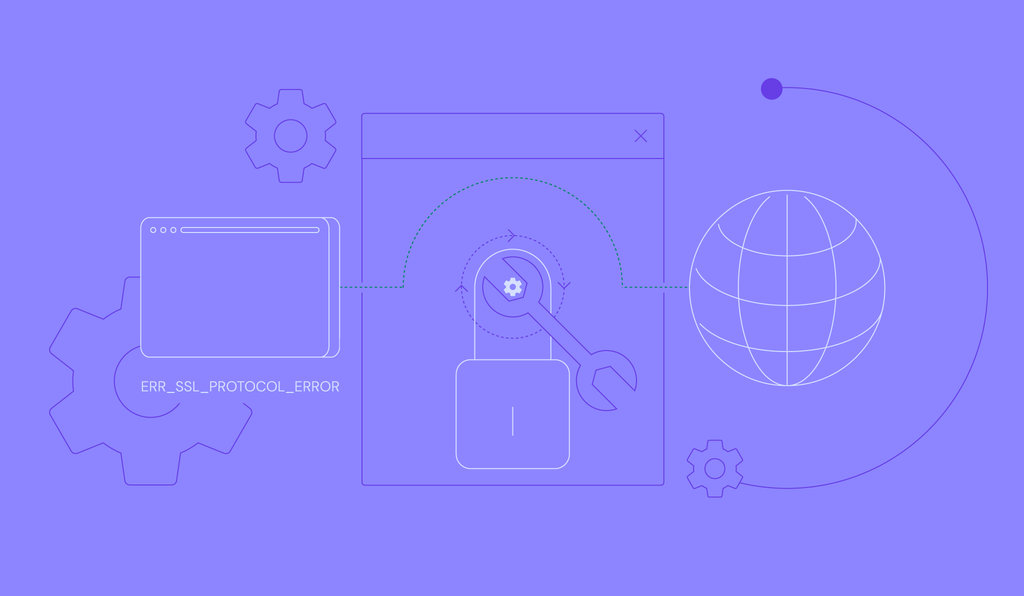
ERR_SSL_PROTOCOL_ERROR: What it means and 11 ways to fix it
ERR_SSL_PROTOCOL_ERROR is a browser error that prevents users from establishing a secure connection with a website. It typically occurs due to an...