How to start a print-on-demand business: A step-by-step guide
Oct 14, 2026
/
By Matleena S. & Auksė Ž.
/
11 min Read
While there are many ways to kickstart a print-on-demand business, it generally starts with choosing a niche, deciding what products to sell, and creating designs your audience will love. Next, you partner with a print provider for printing and shipping, then set up your online store. Price your products wisely and promote them on social media or ads to spread the word.
Interested? Let’s dive deeper into each step so you have everything you need to set up for success.
How to start a print-on-demand business
Print-on-demand (POD) is a great way to earn extra income without dealing with inventory headaches. While you’ll need to put in some work upfront ‒ like designing products and setting up your store ‒ the payoff is worth it. You only print and ship items after a sale, keeping things simple and low-risk.
The right platform can make everything run even smoother, giving you more time to focus on growing your clothing brand.
Here’s how to get started and set your POD business up for success.
1. Choose your niche
A niche is a specific part of the market your products will cater to. Focusing on a niche allows you to:
- Target a specific audience. By narrowing your focus, you can tailor your marketing efforts to attract a smaller group of people, making your business more competitive.
- Stand out from the competition. A unique niche helps differentiate your business from the multitude of other POD stores.
- Build a loyal customer base. By catering to a specific interest or passion, you can create products that resonate deeply with your target market, encouraging loyalty and repeat purchases.
To choose a niche, start by identifying your interests and passions. Consider your hobbies, areas of expertise, and what excites you. For example, if you love hiking, your niche could be outdoor and hiking-themed apparel and accessories.
Next, conduct market research to understand the demand and competition. Some effective market research strategies include:
- Examining social media trends. Use Instagram and Pinterest to see what people are talking about. Search for hashtags related to your interests to find popular trends.
- Using Google Trends. Look up potential ecommerce trends and niches to see how their popularity changes over time. For example, search for terms such as eco-friendly products to gauge interest in relevant products.
- Conducting keyword research. Tools like Ahrefs or Semrush can help you find high-traffic keywords related to your interests. Look for terms with a decent search volume but low competition.
- Doing product searches on marketplaces. Browse popular items on Amazon, Etsy, and eBay to identify niches that are currently in demand.
Analyzing the competition can give you insights into their marketing strategies and products’ unique values. Let’s say you’re interested in pet-themed products. Check out popular stores selling pet apparel and accessories to see what’s working and find market gaps your own store can fill.
Next, validate your niche idea by seeking feedback from potential customers. Use social media polls, forums, or surveys to ask for opinions. Engage with niche-related communities on platforms like Facebook groups.
Finally, consider the profitability of your niche. Evaluate the pricing of products and calculate potential profit margins.
Need some ideas? Here are some niche examples you can consider:
- Fitness and health. Products related to specific sports, workout routines, or healthy living, such as yoga mats, water bottles, and apparel with motivational quotes.
- Pets. Products for pet owners, such as apparel featuring specific breeds, pet accessories, and personalized items like t-shirts with funny dog quotes or custom pet portraits on mugs.
- Hobbies. Items related to hobbies like gaming, gardening, photography, or cooking, such as gaming-themed hoodies, gardening tool kits, and custom aprons for chefs.
- Professions. Products that cater to specific professions, such as teachers, nurses, or engineers, such as funny teacher-themed tote bags or engineer-themed coffee mugs.
- Lifestyle and culture. Products that reflect a particular lifestyle or cultural identity, such as veganism and sustainability.
2. Decide what to sell
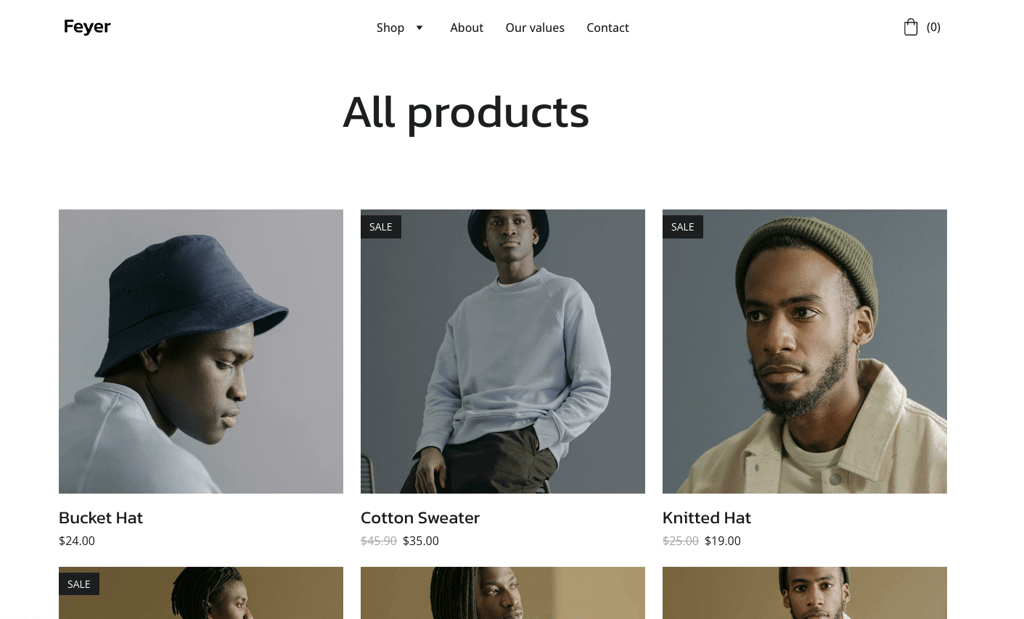
The type of items you want to sell should fit your niche and appeal to your target audience.
For instance, if your niche is yoga-themed apparel, you might focus on selling t-shirts, leggings, and tote bags with yoga-inspired designs. Matching your products to your niche helps create a cohesive brand and makes your marketing efforts more effective.
Sustainable and eco-friendly products are becoming increasingly popular and can attract environmentally conscious customers.
If sustainable practices align with your niche, consider offering products made from organic cotton, recycled materials, or other sustainable sources. Highlighting the eco-friendly aspects of your products can differentiate your brand and appeal to a growing market segment.
Popular POD products
Here are some popular POD products to inspire your selection:
- T-shirts. A staple in the POD industry, t-shirts are versatile and popular among all demographics.
- Hoodies. Great for cool weather, hoodies are a popular choice for casual wear.
- Phone cases. Highly customizable and always in demand, phone cases are a great way to showcase unique designs.
- Mugs. Perfect for personalized gifts, mugs are popular for both personal use and as gifts.
- Tote bags. Useful and fashionable, tote bags are popular, especially the eco-friendly and reusable options.
- Leggings. Ideal for niches related to fitness, yoga, and active lifestyles.
- Posters and art prints. These products are great for home decor niches and can feature a wide range of designs.
3. Create your designs
The designs on your products attract customers and make them stand out, so it’s worth ensuring they look great.
There are several approaches to creating designs for your POD products:
- Do-it-yourself (DIY). If you have graphic design skills, create your own designs using tools like Adobe Illustrator, Photoshop, or Canva. DIY designs let you customize products to match your vision and brand.
- Use premade designs. Purchase ready-made designs from websites like Creative Market or Etsy. This is a good option if you’re not confident in your design skills or if you want to save time.
- Hire a designer. This is the way to go if you want professional-quality designs catered to your exact vision. Websites like Fiverr and Upwork can connect you with professionals to create those custom designs for you.
Validate your designs
Before finalizing your designs, it’s important to validate them to ensure they resonate with your target audience. Here are a few ways to get feedback:
- Social media polls. Use Instagram Stories or Facebook polls to ask your followers which designs they prefer.
- Focus groups. Gather a small group of people from your target market to review and give feedback on your designs.
- Surveys. Send out surveys to your email list or post them in relevant online communities to gather opinions.
Legal considerations
When creating designs, it’s essential to avoid trademark infringement and copyright issues. To make your designs legally sound, create your own artwork or ensure you have the right to use any images, fonts, or graphics. Avoid using copyrighted material, such as logos, characters, or artwork from other creators without permission.
Always check for existing trademarks before finalizing a design to ensure it doesn’t infringe on anyone else’s intellectual property. Taking these precautions helps protect your POD business from legal issues and maintains the integrity of your brand.
4. Choose a print provider
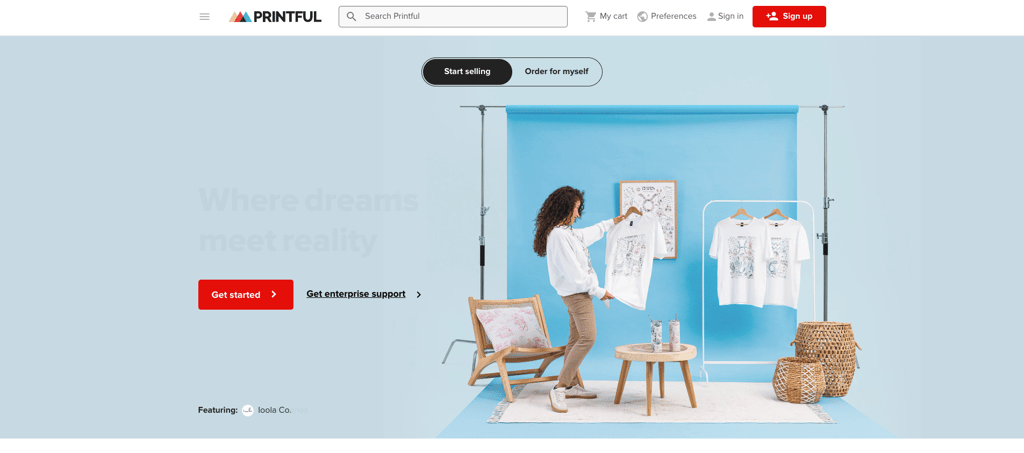
Your print-on-demand provider will handle the production, printing, and shipping of your products, so you must choose the one that best meets your needs.
When choosing the best print provider for your POD business, consider these factors:
- Product range. Ensure the provider offers a variety of products that align with your niche. For example, if your niche is yoga, check if it offers yoga mats, leggings, and other relevant items.
- Printing techniques. Look for providers that use high-quality printing methods like direct-to-garment (DTG), sublimation, or screen printing. The technique used can affect the durability and vibrancy of your designs.
- Turnaround times. Consider how quickly the provider can produce and ship your products. Faster turnaround times mean quicker delivery for your customers, which can improve satisfaction and encourage repeat orders.
- Shipping rates and packaging. Compare shipping costs and see if the provider offers branded packaging options. Affordable shipping rates and attractive packaging can enhance the customer experience.
- Fees and returns policy. Understand the costs involved, including production, shipping, and any additional fees. Also, check the provider’s returns policy to ensure it aligns with your customer service standards.
- Platform integration. Ensure the provider integrates seamlessly with your ecommerce platform. This integration can streamline your operations and simplify order management through an all-in-one dashboard.
- Scalability. If you’re planning to enter the global market, make sure your partner has the capacity to support you in getting there.
Here are some popular print-on-demand services to consider:
- Printful. Renowned for high-quality prints and excellent customer service, Printful offers a broad product range and integrates with various ecommerce platforms. It also provides branding options like custom labels and packaging inserts. Hostinger’s Unlimited plan includes Printful integration so you can create a website using AI, upload your designs, and sell your choice of over 400 products right from within Hostinger dashboard.
- Printify. This company is known for its wide range of products and integrations with major ecommerce platforms. Printify offers competitive pricing and multiple print providers, giving you flexibility in choosing the best fit for your needs.
- Modalyst. Specializing in fashion and apparel, Modalyst offers unique products and fast shipping. It’s a good choice if your niche focuses on trendy or high-fashion items.
Before committing to a print provider, it’s wise to order samples of your products. This allows you to evaluate the print quality, material, and overall product presentation.
You should also consider reading online reviews and joining POD forums or communities to hear about other business owners’ experiences with different providers. For a head-to-head on the two most popular providers, our Printful vs Printify comparison covers quality, pricing, and shipping.
Want more tool recommendations for research, branding, and design before you set up your store? This video walks through niche research tools, design generators, and compares Printful against other print providers.
5. Set up your print-on-demand store
Once you have chosen your products and print provider, it’s time to set up your website.
Creating an attractive, user-friendly, and functional landing page or business website is essential because it serves as the central hub for your brand. It informs customers about your products and directs them to your print-on-demand store.
Having your own website also allows you to control your brand’s narrative and enhance your marketing efforts. It helps establish credibility, differentiate your brand from competitors, and create a cohesive brand identity, all of which contribute to building customer trust and loyalty.
Build a landing page with Hostinger AI Builder
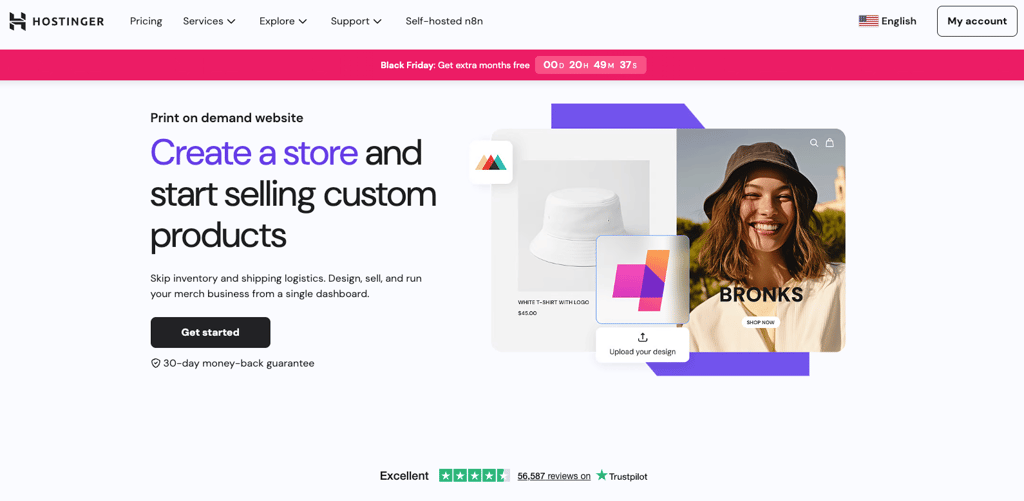
The user-friendly Hostinger AI Builder is an excellent choice for beginners looking to set up their first website.
It eliminates the need for coding knowledge by providing an intuitive drag-and-drop interface, making it easy for anyone to create a professional-looking print-on-demand website for just ₹199.00/month.
You’ll also have access to our AI tools for making repetitive tasks easier, like creating engaging copies for your pages or generating meta titles and descriptions to boost SEO. With built-in marketing integrations, your online store will kick off strong and gain traffic in no time.
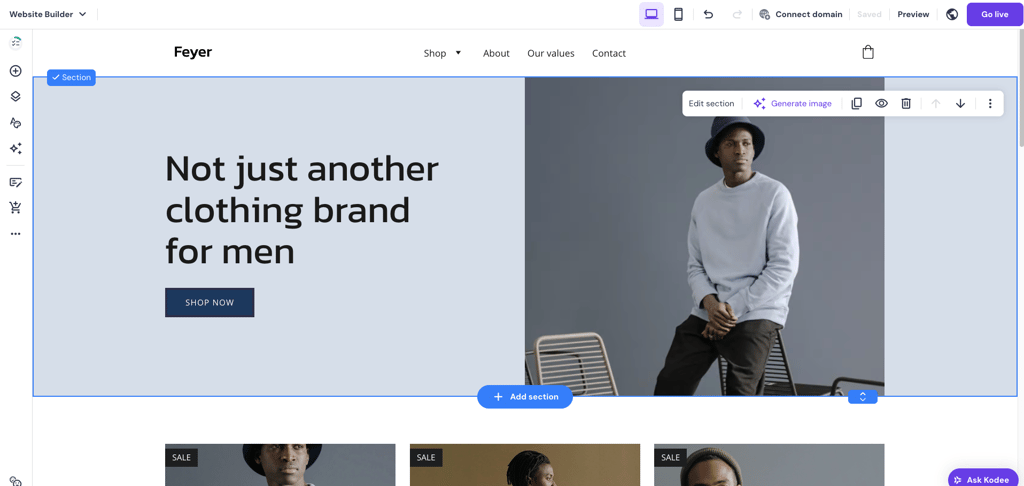
Get started by choosing the Unlimited plan to unlock all the AI tools, ecommerce features, and print-on-demand integration. Next, pick a domain name that’s memorable and matches your brand. After completing your purchase, follow the on-screen steps to set up your account.
Once you have access to Hostinger dashboard, it’s time to create your landing page. Designing your online presence with Hostinger AI Builder is a straightforward process. Here’s how:
- Navigate to the Website section in Hostinger dashboard and click Add website → Hostinger AI Builder.
- Follow the onboarding flow. You can either use the AI builder or choose a template that best reflects your niche and business.
- Use the drag-and-drop editor to adjust elements like colors, fonts, and page layouts to align with your brand and design idea. The grid system keeps everything aligned, creating a clean, professional look.
- Add buttons that link to your online store. Label these buttons with clear calls-to-action like Shop Now or View Our Collection to direct visitors to your POD store.
- Preview your store for a final check, and hit Go Live to publish your landing page.
Don’t forget to connect your landing page to your print-on-demand store. Simply add links or buttons on your landing page that direct customers to your POD store’s product pages. Use custom CTAs to guide visitors to make purchases, as personalized CTAs convert 42% more visitors than generic ones.
Read our tutorial for actionable tips on how to create a landing page that converts.

6. Price your products
When setting your prices, factor in all your costs ‒ from production and shipping to design and marketing. Consider the value your products offer and compare your prices with similar items in the market. Aim for a price that covers your expenses, stays competitive, and secures long-term profit.
Example formula:
Cost of goods sold (COGS): $10
Shipping cost: $5
Desired profit margin: 50%
Selling price: (COGS + shipping cost) * (1 + desired profit margin) = ($10 + $5) * 1.5 = $22.50
Suggested Reading
Check out our guide on how to price a product for more tips and best practices.
7. Market your products
Now that your POD online store is up and running, it’s time to spread the word. Here are some of the most effective ways to promote your products:
- Word of mouth. Encourage happy customers to share their experiences with your products. You can incentivize this by offering discounts or referral bonuses.
- Social media. Build your presence on popular platforms by posting often, engaging with followers, and using relevant hashtags to boost visibility. Share behind-the-scenes content, testimonials, and user-generated posts to build a community around your brand.
- Content marketing. Creating valuable content related to your niche helps build credibility, share product knowledge, and attract potential customers. This can include blogging, videos, and infographics.
- Influencer partnership. Collaborate with influencers in your niche to reach a wider audience. They can review your products, share them with their followers, and create authentic content to promote your brand.
- Email marketing. Build an email list to stay connected with customers and share updates, promotions, and valuable content. Offer a discount for new subscribers and keep them engaged with news on product launches and special offers. To make the process easier, Hostinger Reach lets you create and send newsletters, set up automated campaigns, and monitor results all from one place. If you’re new to email campaigns, check out our step-by-step guide on creating a newsletter to get started.
- Paid advertising. Platforms like Facebook Ads, Google Ads, and Instagram Ads can help you reach a larger audience. Pairing this with other marketing methods allows you to drive both organic and paid traffic to your store.
Suggested Reading
Need help planning your marketing campaigns? Our guide on how to market your digital products can give you some pointers to start and scale your efforts.
8. Provide excellent customer service
Outstanding customer service is essential for building trust and loyalty among your customers. Happy customers are more likely to return and recommend your store to others.
Here’s how to provide excellent customer service in your print-on-demand business:
- Be responsive. Quickly respond to customer inquiries and concerns. Aim to reply to emails and messages within 24 hours. Set up automated responses to acknowledge receipt of inquiries and provide estimated response times.
- Handle complaints gracefully. Address customer issues professionally and empathetically. Offer solutions such as refunds, replacements, or discounts on future purchases.
- Personalize communication. Address customers by name and customize messages to make them feel valued. Personalized communication can make a big difference in customer satisfaction. Consider sending thank-you emails after purchases, mentioning specific items they bought and expressing appreciation.
- Provide clear information. Ensure your website has clear information about shipping, returns, and FAQs. This transparency helps manage customer expectations and reduces confusion.
- Follow up. Check in with customers after their purchase to ensure they are satisfied. This can be done through follow-up emails or surveys.
9. Monitor the performance of your online store
Regularly analyzing your business performance is crucial for understanding what’s working and what needs improvement. By monitoring key metrics, you can make informed decisions to optimize your operations and increase profitability.
The Key Performance Indicators (KPIs) a print-on-demand business should commonly monitor include the following:
Traffic
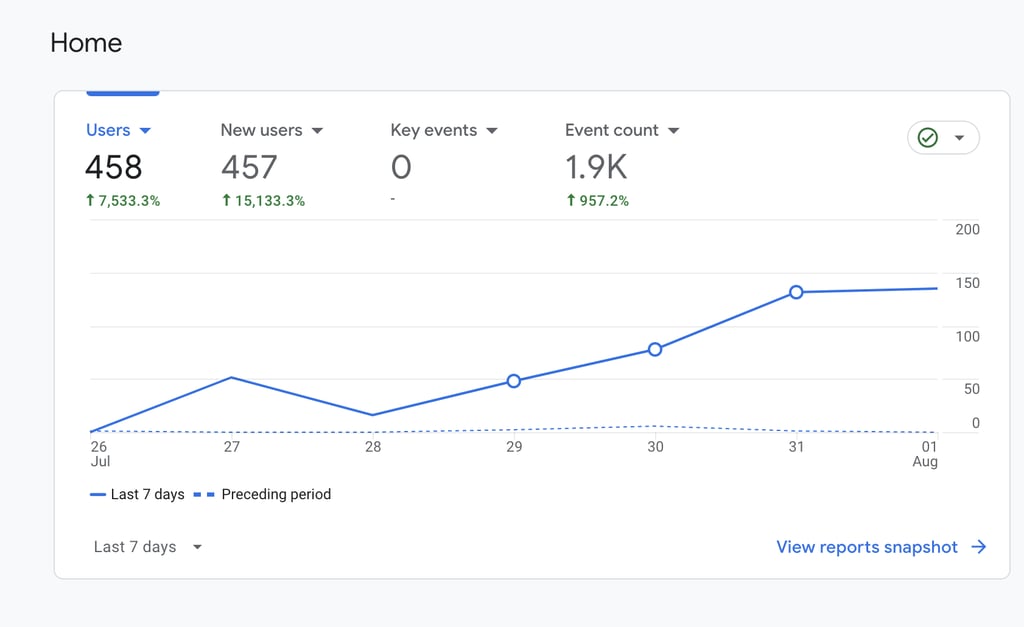
Track the number of visitors to your site. Use tools like Google Analytics to understand where your traffic is coming from and which pages are most popular.
For example, if you notice a spike in traffic after a social media campaign, you can invest more in similar strategies.
Conversion Rate (CR)
Measure the percentage of visitors who make a purchase. A low conversion rate might indicate issues with your website’s user experience or product offerings.
If your conversion rate is low, consider optimizing your product pages with better images, descriptions, and clear calls to action.
Average Order Value (AOV)
Calculate the average amount spent per order. Increasing your AOV can significantly boost your revenue.
Offering bundle deals or free shipping on orders over a certain amount are among many methods you can try to drive purchases. To explore more ways to icrease your profit margins and grow your income sustainably, read our guide on how to make money with print on demand.
Customer Acquisition Cost (CAC)
Determine how much it costs to acquire a new customer. Lowering your CAC can improve your profit margins.
If your CAC is high, focus on more cost-effective marketing strategies like organic social media or referral programs.
Customer Lifetime Value (CLV)
Estimate the total revenue you expect to earn from a customer over their lifetime. Increasing CLV can enhance long-term profitability.
You could implement loyalty programs or subscription models to encourage repeat purchases and increase CLV.
Return rate
Monitor the percentage of products returned by customers. A high return rate might indicate quality issues or mismatched customer expectations.
If returns are frequent for a specific product, review its description, images, and sizing information to ensure accuracy.
How much does it cost to start a print-on-demand business?
Starting a print-on-demand business usually costs between $200 and 500 initially.
Website costs can be as little as ₹199.00/month with Hostinger AI Builder.
Design tools generally cost $20-50/month. Ordering product samples can cost another $20-50. For marketing, expect to spend $50–100, but you can start for free using word-of-mouth and social media.
You might also need to cover business registration costs, depending on your country’s legal requirements.
Is print-on-demand a profitable business model?
Yes, print-on-demand can be highly profitable. The key is choosing a strong niche, creating designs people love, and marketing your products well. Profit margins usually range between 20 and 50%, depending on your pricing and costs.
Turn your ideas into profit
Starting a print-on-demand business is an easy way to enter ecommerce without needing a large upfront investment or inventory. With creative design ideas and a reliable print provider, you can start earning extra income from this business model.
For better visibility and credibility, consider creating an online store where people can browse your products and place orders. Use social media to promote your business and engage with potential customers, and don’t forget to provide excellent customer service to keep them coming back for more.
Track your store’s performance, refine your products, and stay flexible as trends change. You’ve got this.
This article is a localized version of How to start a print-on-demand business: A step-by-step guide, originally published in English.
All of the tutorial content on this website is subject to Hostinger's rigorous editorial standards and values.

Matleena is a seasoned Content Writer with 5 years of content marketing experience. She has a particular interest in emerging digital marketing trends, website building, and AI. In her free time, Matleena enjoys cups of good coffee, tends to her balcony garden, and studies Japanese. Follow her on LinkedIn

Auksė Žirgulė is Vice President of Product at Hostinger, where she focuses on innovating products that help people build and grow their online presence. She currently leads Hostinger AI Builder and Hostinger Ecommerce. Passionate about solving real customer problems, Auksė enjoys turning customer insights into products that drive both user value and business growth. Follow her on LinkedIn.