How to make money on Spotify: 7 ways to turn streams into revenue
Apr 20, 2026
/
By Ksenija
/
8 min Read

Making money on Spotify means earning income from music, podcasts, or playlists through Spotify payouts and the revenue opportunities that come from the audience artists build there, including merch sales, tickets, sponsorships, and other fan-supported offers.
While Spotify pays royalties for eligible streams, the platform often works best as a discovery engine that helps creators turn listener attention into multiple income streams.
Artists release tracks that generate streaming royalties through distributors and publishing rights, podcasters monetize episodes with ads or subscriptions, and playlist curators build niche audiences that attract brand partnerships.
One important detail: Spotify applies a minimum stream eligibility requirement before a track can participate in the royalty distribution pool. The commonly referenced benchmark is around 1,000 streams per track within a year, though policies can change.
Seven practical methods show how to make money on Spotify, including streaming royalties, podcast monetization, merch sales, live shows, and brand deals.
1. Earn from streaming royalties (music)
The most direct way you earn money on Spotify is through streaming royalties generated when people play your music. Every eligible stream contributes to the platform’s royalty pool. That money is then distributed to the people who own the rights to the song.
In practice, you receive recording royalties through your distributor or label, while songwriting royalties are paid through a publisher or performing rights organization (PRO).
Those streams come from releasing music that people choose to play again and again. That can include singles, EPs, or full albums, but many artists also build steady listening through instrumental beats, ambient music, focus tracks, or niche genres with loyal audiences.
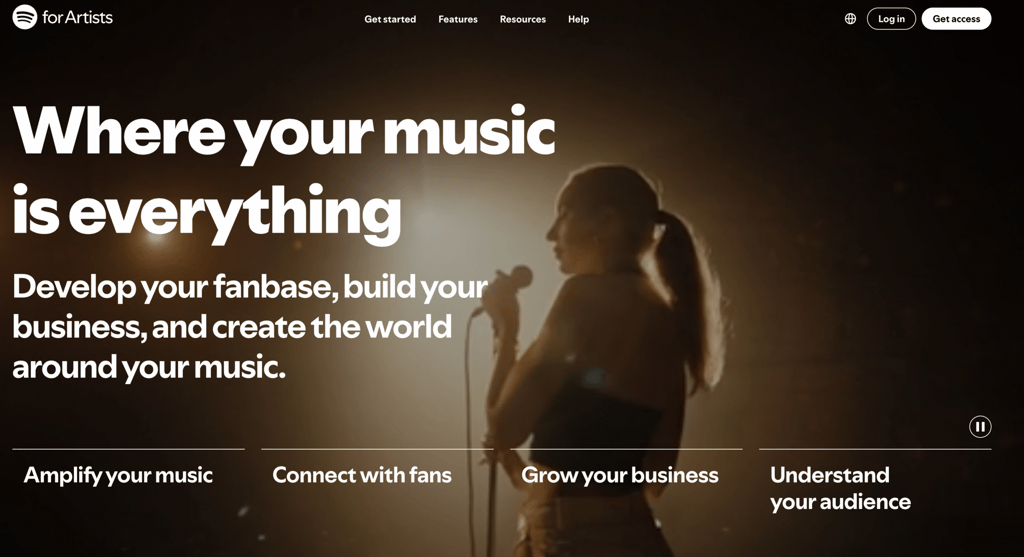
Consistent releases increase your chances of landing in Spotify’s discovery surfaces, such as Release Radar or algorithmic playlists, which bring in more listeners over time.
To make money as an artist, you need to set up both sides of the song:
- Upload your music through a distributor. Your distributor sends your track to Spotify and collects the recording royalties attached to the master recording.
- Register the songwriters and compositions. A publisher or performing rights organization (PRO) handles the publishing royalties tied to the underlying song.
- Make sure your payout details are complete. That includes your royalty splits, tax details, and payment information with each service you use.
Once this setup is in place, eligible streams can generate both recording and publishing income.
Important! Spotify applies a minimum stream eligibility rule before a track participates in the royalty distribution pool. Currently, the benchmark is around 1,000 streams per track within a year, though the policy can change. Always check Spotify’s official track monetization eligibility page for the most current guidance.
While streaming royalties are the most direct income source, many creators combine them with other creative ways to make money from their Spotify audience, such as merch, live shows, or sponsorships.
2. Monetize podcasts with Spotify’s built-in programs
If you run a podcast, Spotify lets you earn through advertising programs available inside Spotify for Creators.
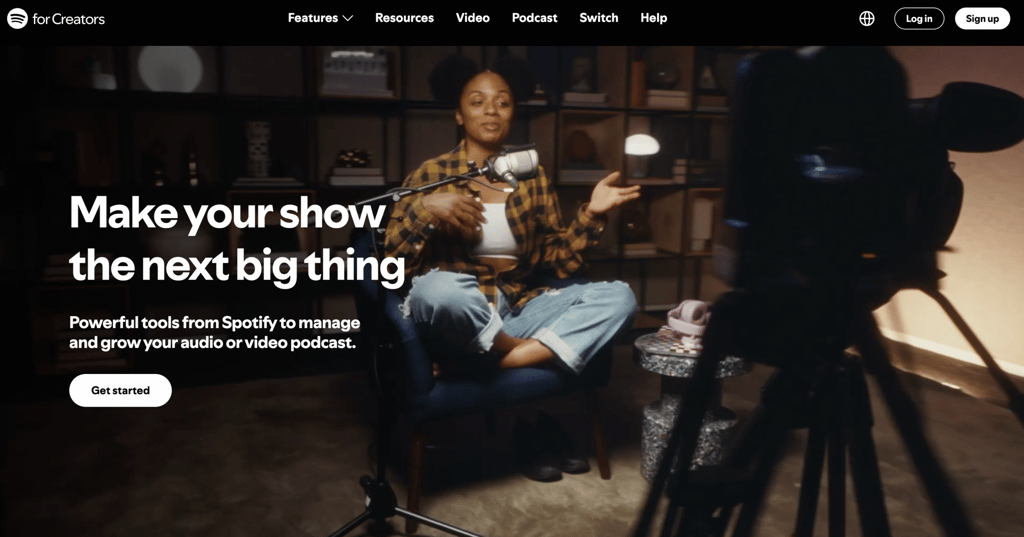
Podcast income usually comes from ads placed in your episodes and sponsorship deals tied to your audience. As your listener base grows, brands may also pay for host-read ads, episode sponsorships, or ongoing brand partnerships connected to your show.
You can start a podcast for the audience you want to build by choosing one of the following formats:
- Interview podcasts where you bring in guests and discuss a specific niche or industry
- Commentary shows that share opinions, news analysis, or reactions to trends
- Educational podcasts that teach a skill or explain complex topics in simple terms
- Serialized storytelling with episodes that follow a narrative or theme
- Video podcasts that appear directly on Spotify alongside the audio version
Important! Podcast monetization programs on Spotify vary by country and creator eligibility, and available options change over time. Always verify your current monetization options inside Spotify for Creators and review the program terms before planning revenue projections.
3. Sell merch through your Spotify artist profile
If people already listen to your music on Spotify, your artist profile can also help you sell merchandise directly to those fans and expand your creative side hustle revenue.
By connecting a merch store integration to your profile, you can display products right where listeners are discovering your music. Your Spotify profile acts as the discovery surface, while the sale happens through the store connected to your merch integration.
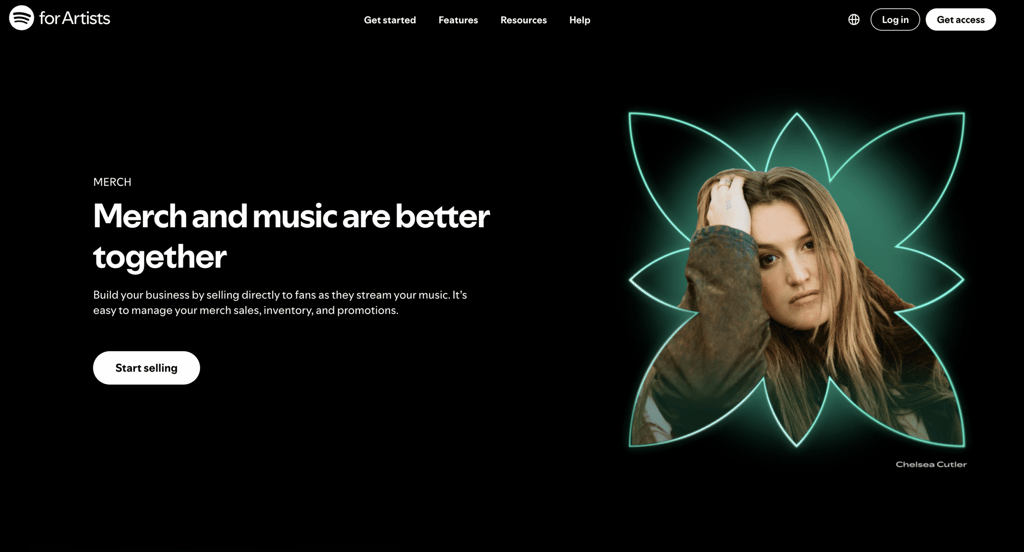
When someone visits your profile to listen to a track or explore your catalog, they can also see featured products and click through to buy them.
The products themselves can be simple or more creative, depending on your audience.
Common merchandise that you can sell includes:
- T-shirts and hoodies with your logo, artwork, or lyrics
- Posters and vinyl records for fans who collect physical releases
- Limited edition drops tied to a new single, EP, or album launch
- Signed items or special bundles that combine music and merchandise
- Tour-exclusive merch that fans can only buy during a specific campaign or event
Pro Tip Time your merch drops around a release window. When you launch a new single, EP, or album, pin merch that matches the theme or artwork of that release so fans immediately see it when they visit your profile.
4. Promote live shows and sell tickets (Spotify as demand generation)
Your Spotify profile can also help you turn listeners into people who show up to your shows. When someone discovers your music, they often check your profile before deciding whether to attend a concert. In that moment, Spotify acts as proof that you have an active audience and a growing catalog.
The events themselves can take different forms depending on where you are in your career. You might promote:
- Local gigs in clubs or small venues
- Tour dates across multiple cities
- Festival appearances where new audiences discover your music
- Livestream concerts for fans who cannot attend in person
- VIP experiences or meet-and-greet upgrades
Spotify doesn’t process the ticket sale itself. Instead, your profile connects listeners to ticketing partners or external ticketing platforms where the purchase actually takes place. Your music brings people in, and the ticket provider handles the checkout.
To make this work, keep your profile updated so fans immediately see what you’re promoting. A clear artist bio, a pinned release, visible tour dates, and consistent visuals across your profile all help listeners connect your music with the live experience you’re offering.
5. Curate playlists and monetize as a curator
Playlists can also become a source of income when you build a focused audience around a specific type of music.
Instead of releasing music yourself, you curate tracks that fit a specific mood, genre, or audience. As the playlist grows, it can turn into a discovery spot that artists and brands want to be featured on.
The key is choosing a clear niche and consistently updating the playlist. For example, you might curate:
- Mood playlists for focus, relaxation, or studying
- Genre micro-niches like underground house, indie folk, or lo-fi beats
- Workout playlists designed for gyms, running, or training
- Local scene playlists highlighting artists from a specific city
- “Sounds like” discovery lists built around artists with a similar style
Once your playlist gains followers, you can start monetizing the audience around it in a few practical ways.
Some curators work with brands or artists that want exposure inside a popular playlist. For example, an artist might pay for a featured placement or promotion package, as long as the partnership is clearly disclosed.
Others use playlists as a traffic source. The playlist description or curator profile can link to your website, newsletter, or social channels, where you promote affiliate products, services, or other content that generates income.
A third approach is brand sponsorships. If your playlist attracts a specific audience, for example, gym listeners, study music fans, or electronic music lovers, companies may pay to be mentioned in the playlist description or promoted alongside it.
Warning! Avoid selling fake streams or participating in pay-for-stream schemes. Artificial streams violate Spotify’s policies and can lead to removed tracks, lost royalties, or account restrictions.
6. Use brand deals, sponsorships, and affiliate offers
Another way to make money online from your Spotify presence is through brand deals and affiliate partnerships tied to your audience. Once you have listeners who consistently follow your music, podcast, or playlists, companies may pay to reach that audience through your content.
These collaborations can take several forms depending on what you create. For example, you might include:
- Sponsor reads in podcast episodes where you mention a product or service
- “Presented by” sponsorships attached to a playlist or podcast series
- Social media promotions on platforms like TikTok or Instagram that drive people to your Spotify content
- Affiliate links where you earn a commission when listeners buy a recommended product through your links
Spotify helps you build an audience, while the brand partnership generates the income around that audience.
What sponsors usually look for before working with you is:
- A clear niche audience rather than a general listener base
- Consistent content and release schedule
- Proof of reach, such as listener analytics or audience screenshots
- A brand fit between your content and the company’s product
When those pieces are in place, brand partnerships can become one of the highest-paying revenue streams connected to your Spotify presence.
7. Offer paid subscriptions / direct fan support
Some listeners want more than your public releases. Paid subscriptions allow you to offer exclusive content to fans who are willing to support your work regularly. Instead of relying only on streams or ads, this model creates recurring income from your most dedicated audience.
The idea is that you keep your regular content public, while subscribers get access to extra material.
Depending on what you create, that might include:
- Subscriber-only podcast episodes
- Early access to new releases
- Behind-the-scenes recordings or studio sessions
- Extended interviews or bonus podcast segments
- Demo archives or unreleased tracks for music fans
Once a listener subscribes, the payment is processed through Spotify’s creator system. The platform collects the subscription fee, takes its service share where applicable, and sends the remaining earnings to your creator payout account.
Before you can receive money, you need to complete a basic payout setup. This includes verifying your identity, adding tax information, and connecting a payment processor such as Stripe, which transfers the earnings to your bank account.
After that, the system runs automatically: fans subscribe, payments are processed each month, and the earnings are deposited into your payout account while your subscribers continue receiving the exclusive content you publish.
How Spotify payments work
Spotify earnings depend on rights ownership, stream eligibility, and how the platform distributes its revenue.
The important thing to understand is that Spotify does not pay a flat fee per play. Instead, it collects money from subscriptions and ads, places it into a shared royalty pool, and distributes that pool to rights holders based on their share of total streams.
When someone plays your track, the revenue tied to that stream becomes part of the royalty calculation. That money is then split between the recording rights and the publishing rights, because the sound recording and the underlying song are treated as two different assets.
Royalty type | Who receives it | How you get paid |
Recording royalties | Owner of the master recording | Paid through your distributor or label |
Publishing royalties | Songwriters and publishers | Collected through a publisher or PRO |
In most cases, Spotify does not pay artists directly. The platform sends recording royalties to your distributor or label, which then pays your share based on your agreement. Publishing royalties are handled separately through the organizations that manage the songwriting rights.
You may see people online claiming Spotify pays a specific amount per stream, such as $0.003 or $0.004 per play. In reality, there is no fixed pay-per-stream rate. Spotify distributes revenue from subscriptions and ads into a royalty pool, and your share depends on factors like:
- The country where the stream happens
- Whether the listener uses Spotify Premium or the free ad-supported version
- The total number of streams across the platform during that payout period
Because of this system, two tracks with the same number of streams can generate different earnings.
Spotify also applies eligibility rules before a track participates in the royalty distribution pool. Tracks that stay below the minimum stream threshold during a payout period may not generate royalties.
The commonly referenced benchmark is around 1,000 streams per track within a year, though the policy can change, so it’s always worth checking Spotify’s official monetization guidance.
A few practical points help clear up common confusion around Spotify earnings:
- You do not need Spotify Premium to earn money. Creators earn based on listener activity and eligibility, not their own subscription plan.
- Playlist curators earn outside the platform. Revenue comes from sponsorships, promotions with disclosure, or traffic sent to other platforms.
- Artificial streams and pay-for-stream schemes violate Spotify’s rules. They can lead to removed tracks, withheld royalties, or account restrictions.
Spotify works best as a distribution and discovery platform that feeds multiple income streams rather than a simple per-stream payment system.
How to maximize your Spotify earnings
Maximizing your Spotify earnings requires increasing streams while converting listeners into long-term fans. More streams generate higher royalty payouts, but sustainable income grows when listeners repeatedly engage with your music by following your profile, saving songs, and returning to new releases.
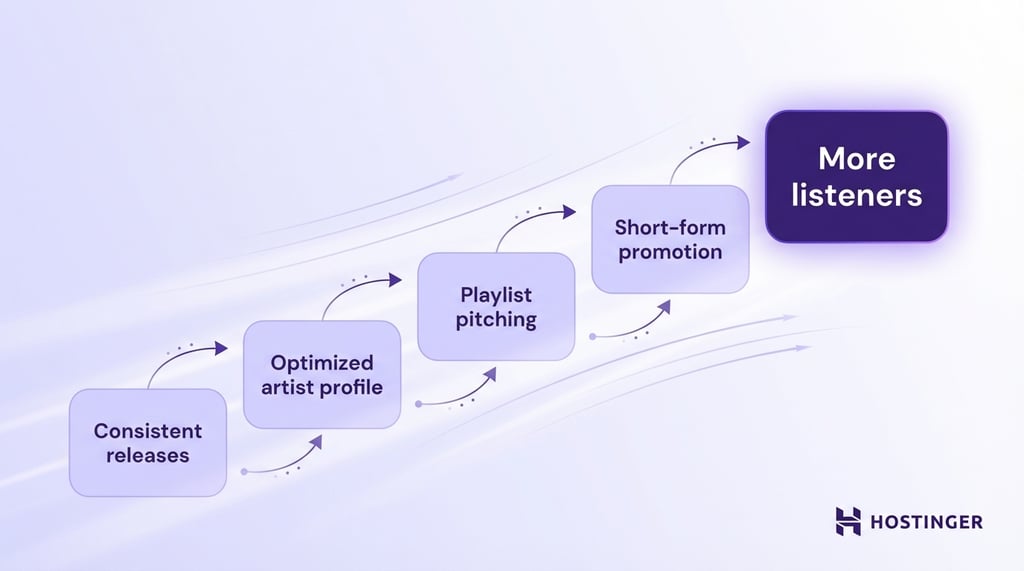
Artists who earn consistently usually focus on three connected actions: releasing music regularly, optimizing their Spotify presence, and promoting songs outside the platform. Consistent releases help Spotify’s discovery systems surface your tracks, while a clear artist profile and strong branding convert new listeners into followers.
Promotion also extends beyond Spotify. Short-form video platforms, social media campaigns, and playlist placements introduce your music to new audiences and drive traffic back to your catalog. When listeners save tracks, follow your profile, or add songs to playlists, Spotify’s algorithm receives stronger engagement signals, leading it to recommend your music more often.
Over time, this discovery cycle supports multiple revenue streams. Streaming royalties increase alongside audience growth, while engaged fans are more likely to buy merchandise, attend live shows, or support artists through fan memberships and subscriptions.

This article is a localized version of How to make money on Spotify: 7 ways to turn streams into revenue, originally published in English.
All of the tutorial content on this website is subject to Hostinger's rigorous editorial standards and values.

Ksenija is a digital marketing enthusiast with extensive expertise in content creation and website optimization. Specializing in WordPress, she enjoys writing about the platform’s nuances, from design to functionality, and sharing her insights with others. When she’s not perfecting her trade, you’ll find her on the local basketball court or at home enjoying a crime story. Follow her on LinkedIn.