
How to use the Linux cat command
The cat command is one of the most useful commands in Linux – it is used for displaying, combining, and manipulating text files.Its versatility...
How to create and remove Linux symlinks for files and directories
A symbolic link, or symlink, is a special file type in Linux that points to another file or directory. Similar to Windows shortcuts, symlinks provide...

How to use the Linux rsync command to streamline remote file synchronization
Copying files from one device to another can be a cumbersome task. Fortunately, you can simplify this process on Linux using the rsync command.rsync,...
What is the wget command and how to use it (12 examples included)
This guide teaches you how to use the wget command on Linux. It provides 12 examples of wget commands in action to help you use them. Once...
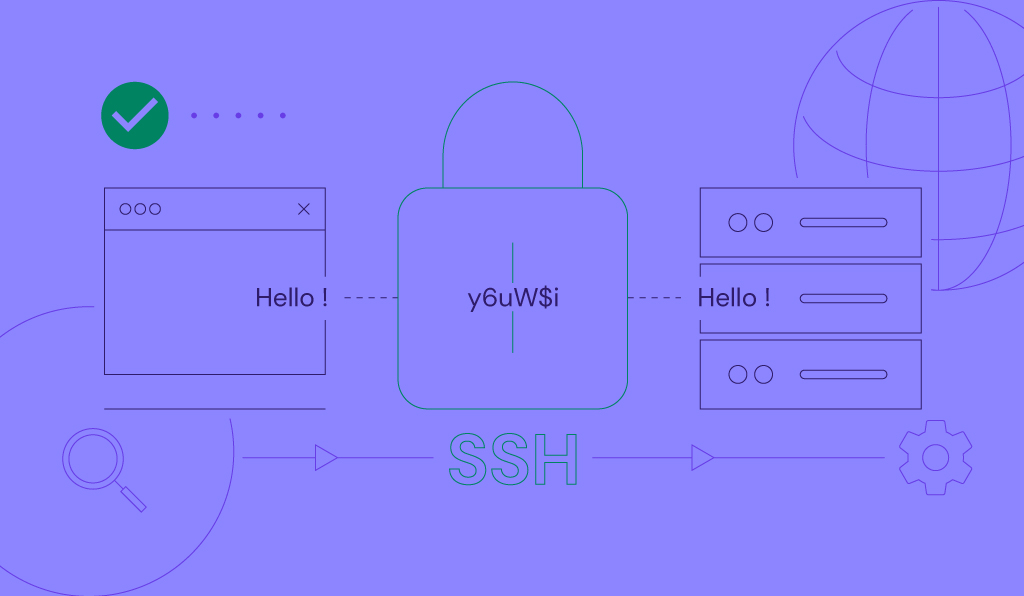
What is SSH? Understanding SSH and its encryption techniques
SSH (secure shell protocol) is an encrypted protocol for accessing and managing remote systems, such as a server, over the Internet. It’s...
How to use the Linux locate command to find any file
If you’re using Linux for the first time, you might be confused about how to search for files and directories on your computer. There are two...