30 ecommerce website examples with fantastic designs for 2026
Oct 11, 2026
/
By Justina B. & Hasna A.
/
18 min Read
Ecommerce website examples like Crate & Barrel, Glossier, and Zenni show how online stores use clear product navigation, customer photos, and virtual try-on tools to improve the shopping experience. Smaller brands like Graza and Grainne Morton demonstrate how focused product ranges and strong visual identities can work just as well.
These examples cover fashion, beauty, home goods, digital products, subscription businesses, and online marketplaces. Each highlights useful design choices, from organizing product categories to helping customers compare options and complete purchases.
The best ecommerce websites do more than look attractive. They make products easy to find, provide the information customers need, and simplify the journey from browsing to checkout.
1. Zulu Longines
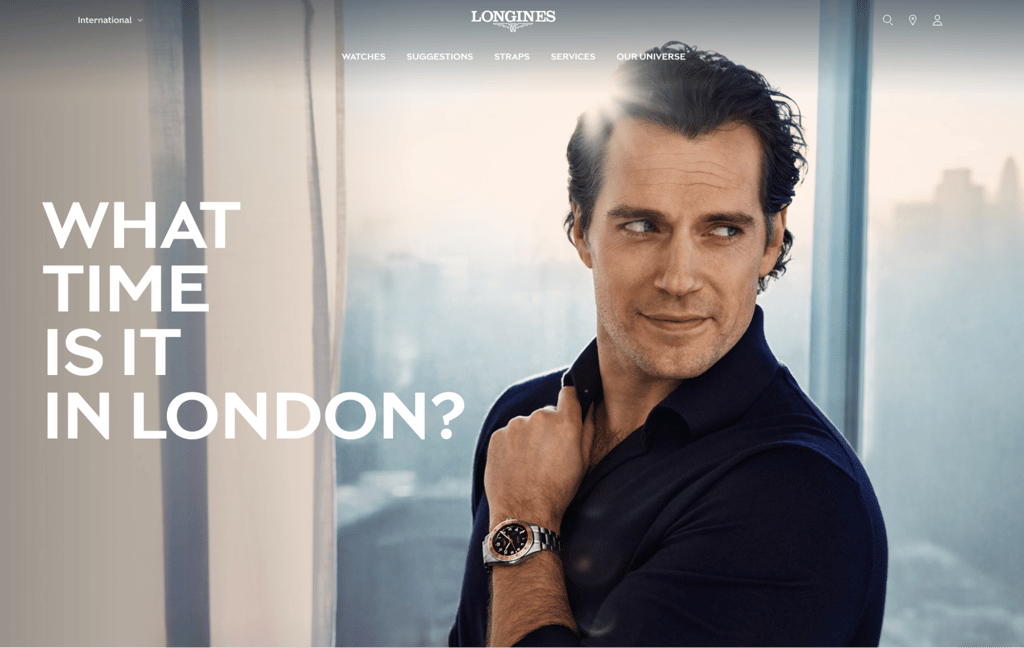
The Zulu Longines microsite is a single-product launch landing page for the Spirit Zulu Time 1925 GMT watch, celebrating 100 years of Longines dual-time watchmaking. It connects the brand’s aviation heritage with modern elegance.
Rather than a generic hero banner, the page opens with an interactive “What time is it there?” module that cycles through cities such as London, Sydney, Hong Kong, and New York, letting visitors experience the watch’s dual-time-zone function rather than simply reading about it.
What makes Zulu Longines’ design stand out:
- Scroll-triggered animations. Moving objects like planes and a world map appear as you scroll, creating an immersive journey through aviation history.
- Serif typography. The use of serif fonts in headings and quotes reinforces Longines’ elegant, heritage-driven brand image.
What can you learn from Zulu Longines’ website:
Zulu Longines shows how a brand with a deep history can use interactive storytelling to make its archive feel like a selling point. Period-appropriate typography and scroll-driven animations tie the products directly to the moments that made them iconic.
2. Potion
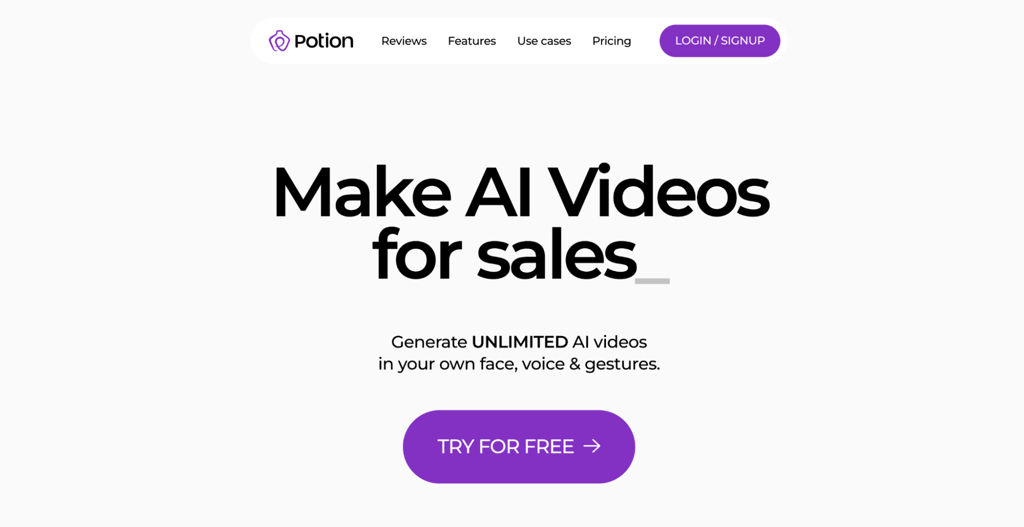
Potion is an AI-powered, personalized video platform that lets sales and marketing teams generate videos at scale using their own faces and voices. The site uses plenty of white space to direct attention to calls to action, paired with a mixed color palette and bright accent tones.
With 82% of consumers using social media for product discovery, the site adopts a visually engaging style that mirrors the short-form content people encounter on social platforms. Parallax scrolling and subtle 3D animations help create that dynamic experience without noticeably affecting performance.
How Potion’s design stands out:
- 3D looping animations. Potion’s cat mascot uses claymorphism, a style in which elements look as if they’re molded from clay, adding personality and depth.
- Interactive elements. Objects on the integrations page can be dragged, rotated, and moved freely, encouraging visitors to explore the interface.
What can you learn from Potion’s design choices:
For online services, thoughtful animations and interactive elements can showcase product capabilities and create a more memorable browsing experience.
3. Help Scout
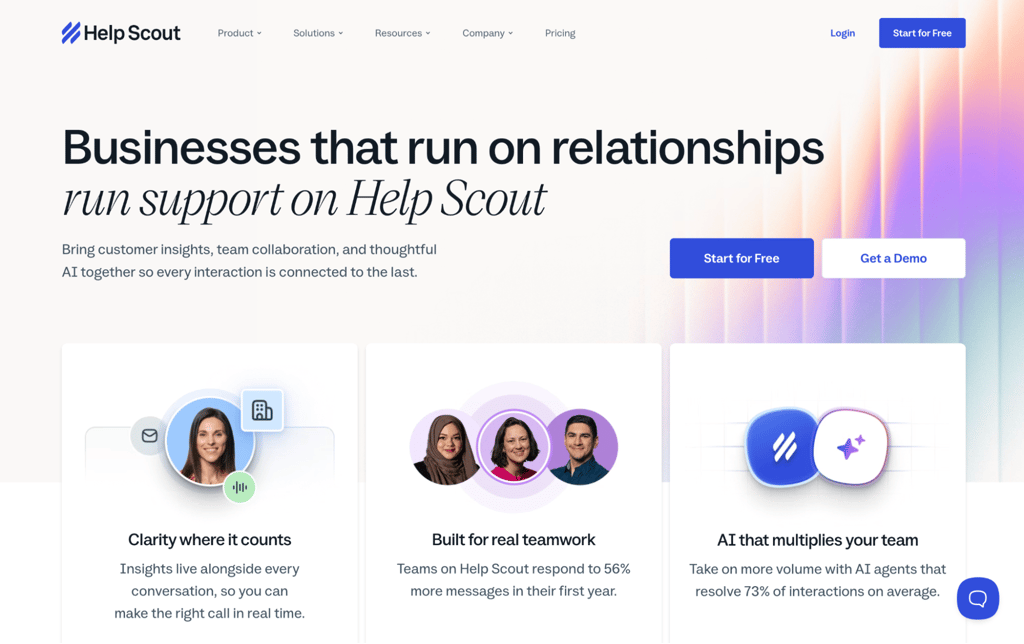
Help Scout is a strong example of a B2B SaaS website that keeps its product presentation clear and focused. The layout highlights the product’s key selling points right away, with clean web design, strategically placed CTA buttons, and illustrated icons that complement the text.
What makes Help Scout’s design stand out:
- Detailed navigation. Each menu item includes a short description, so visitors know exactly what they’ll find on each page before clicking.
- Hover effects. Additional product details only appear when users hover over specific icons, keeping the page uncluttered while still providing depth.
What can you learn from Help Scout’s website:
Detailed menu descriptions and expandable product features help visitors navigate complex B2B sites without feeling overwhelmed.
4. Bite Toothpaste Bits
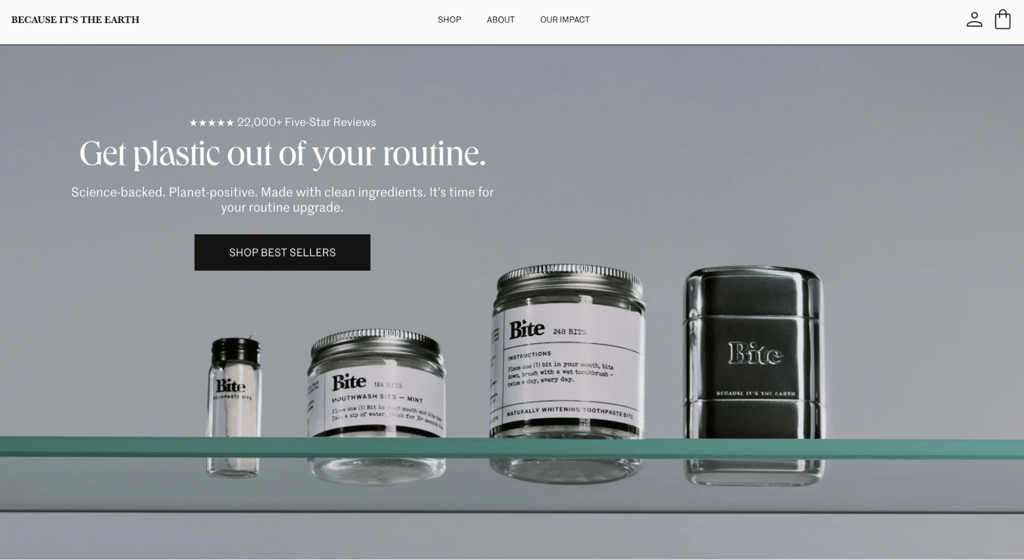
Bite’s online shop immediately communicates sustainability as a core value. The homepage positions the brand as eco-conscious while reflecting the growing ecommerce trend toward ethical shopping.
How Bite Toothpaste Bits’ design stands out:
- Seamless product photography. Bite’s product images use the same background color as the surrounding page, creating the illusion that each product fills the entire screen. It’s a simple technique that makes a small product lineup feel premium and intentional.
- Strong messaging. Sustainability appears throughout subheadings, testimonials, and CTAs, reinforcing the brand’s identity throughout the browsing experience.
What can you learn from Bite Toothpaste Bits’ design choices:
Consistent brand messaging across headings, testimonials, and CTAs helps communicate your values and build trust with visitors.
5. Black Star Pastry
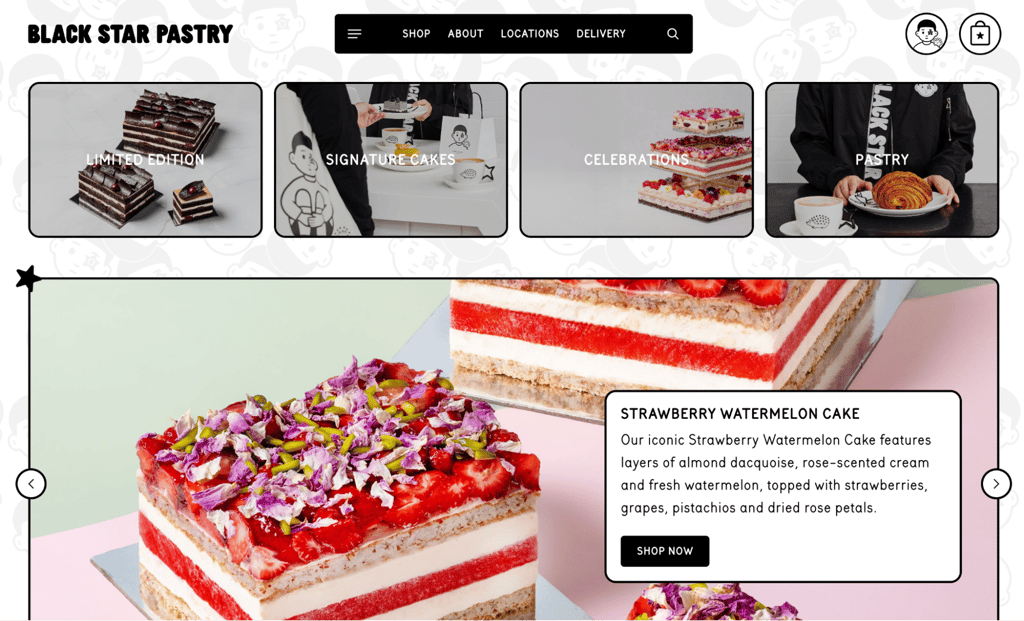
Black Star Pastry’s online store uses a whimsical aesthetic from the logo to the typography and icons. The design uses bold black-and-white contrast, playful Noritake illustrations, and a distinctive typographic style that blends Eastern and Western pop-culture references.
What makes Black Star Pastry’s design stand out:
- Custom brand illustrations. Hand-drawn characters and star motifs appear throughout the site, from the announcement bar to the newsletter section. It gives the brand a personality that stock icons or standard Shopify templates can’t replicate.
- Real product images. Product photos of desserts with high contrast and saturation, making them pop against the black-and-white background.
What can you learn from Black Star Pastry’s website:
A strong visual identity, from custom illustrations to styled product photography, can make even a niche bakery’s online store feel like a brand you’d remember.
6. Aesop
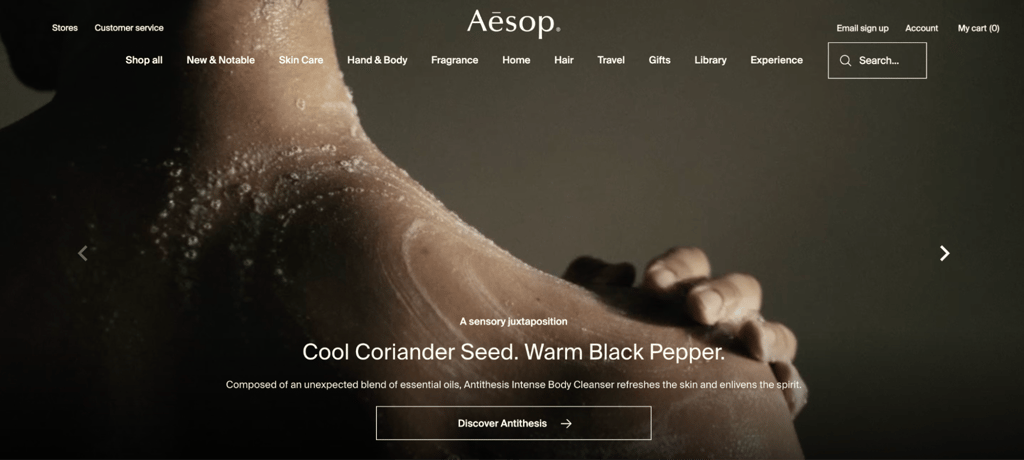
Aesop is an Australian brand selling skincare, haircare, and body care products. Its ecommerce site mirrors the calm, curated atmosphere of its brick-and-mortar stores through an editorial layout with muted earth tones and refined typography.
Product pages read more like magazine spreads than catalog entries. Ingredient lists, usage instructions, and pairing suggestions sit alongside high-quality photography.
How Aesop’s design stands out:
- Asymmetrical layouts. The site avoids rigid grids in favor of staggered content blocks, creating a dynamic structure that feels curated rather than templated.
- Shoppable navigation. Products appear directly in the menu, allowing returning customers to add items to their cart without visiting a separate product page.
What can you learn from Aesop’s design choices:
A restrained, editorial approach to ecommerce design builds trust for premium brands. Reducing visual clutter helps keep attention on the products and their presentation.
7. Gymshark
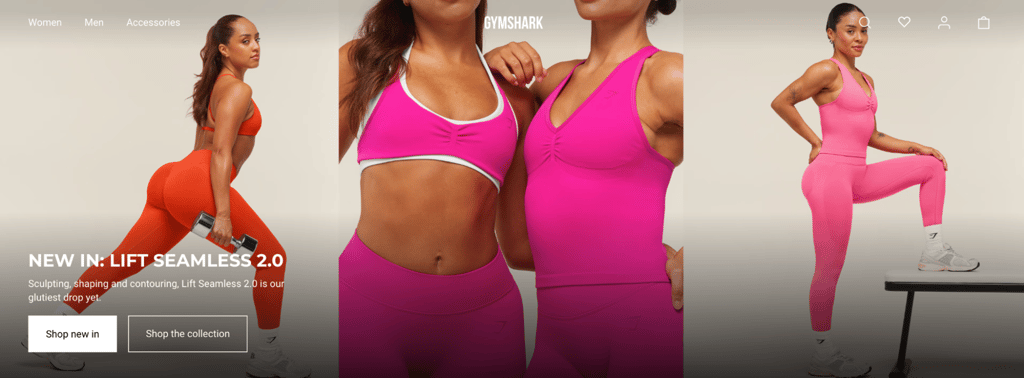
Gymshark is a fitness apparel brand that has grown from a garage startup into a global DTC company with customers around the world. Its ecommerce site reflects that energy with a crisp, mobile-first layout and bold athlete photography.
The site guides shoppers by goal and category, making it easy to find the right gear fast.
What makes Gymshark’s design stand out:
- Social proof integration. Gymshark’s social media presence extends to its ecommerce site through sections that encourage customers to share photos from Instagram and TikTok. User-generated content helps showcase real customers wearing the products and adds social proof to the shopping experience.
- Rotating promotional bar. A banner at the top of the page cycles through current offers, such as free shipping thresholds, student discounts, and referral bonuses, keeping visitors informed without cluttering the layout.
What can you learn from Gymshark’s website:
Integrating user-generated content into your online store turns customers into brand ambassadors and gives new visitors proof that real people buy and wear your products.
8. Bellroy
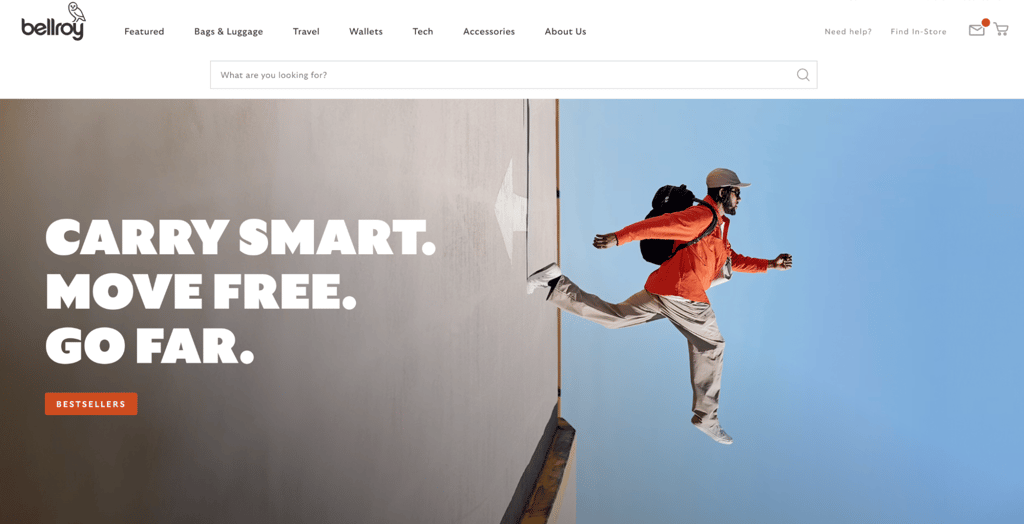
Bellroy sells wallets, bags, and everyday carry accessories with a design philosophy centered on thoughtful simplicity. Its ecommerce site mirrors that approach by using interactive demonstrations instead of static product images.
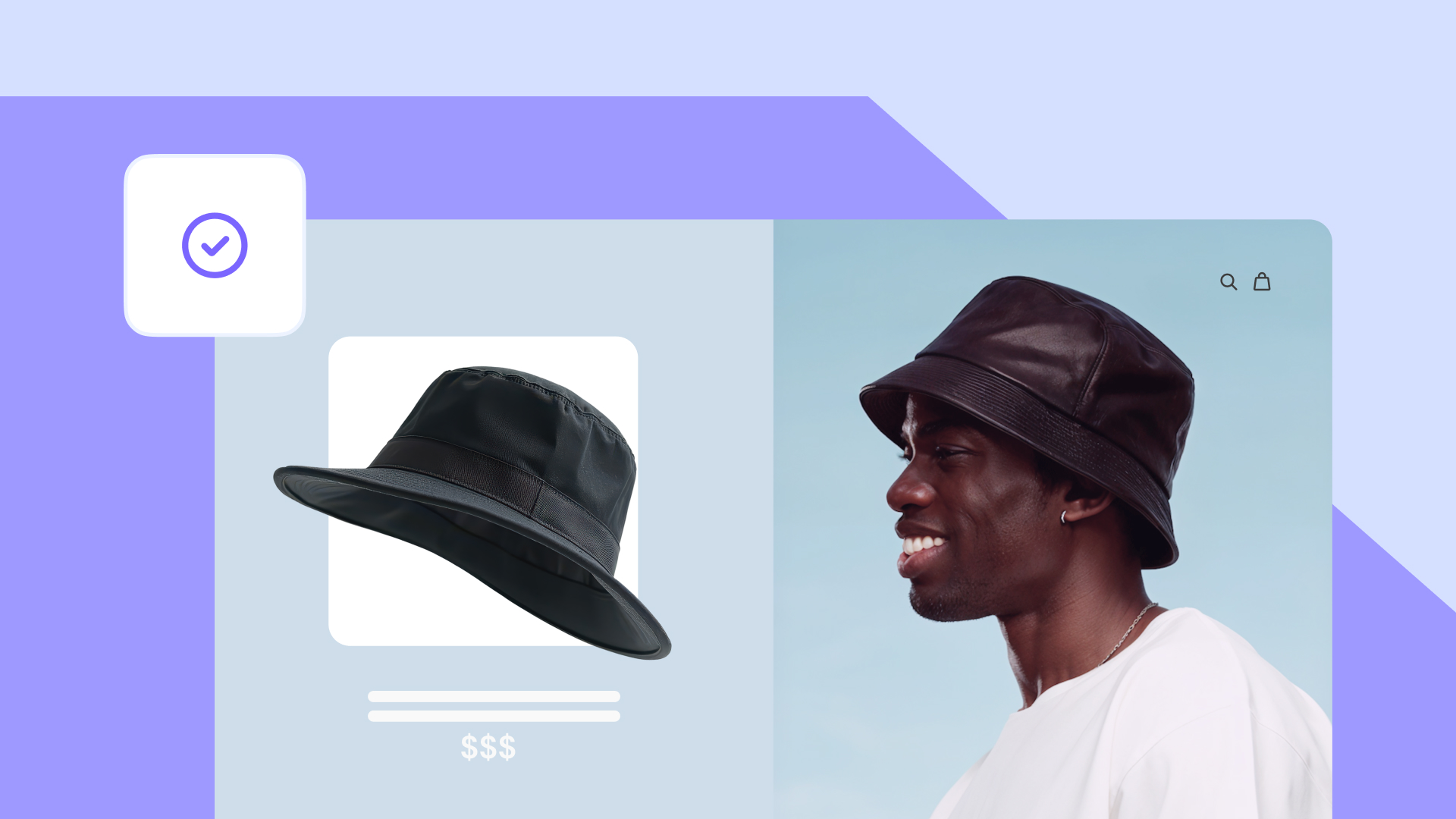
The homepage pairs a studio product shot with a lifestyle photo side by side. That way, you see how each product looks on a shelf and out in the real world.
How Bellroy’s design stands out:
- Sustainability transparency. Bellroy highlights its commitment to ethical business practices and responsible material sourcing across the site. It gives shoppers the context they need to feel confident about their purchase before they reach the product page.
- Animated explainer content. Short animations walk you through product features such as card access, coin pocket design, and materials, reducing the need for lengthy product descriptions.
What can you learn from Bellroy’s design choices:
Interactive product demonstrations are more convincing than written descriptions. If your product solves a visible problem, let customers see the difference for themselves.
9. Glossier
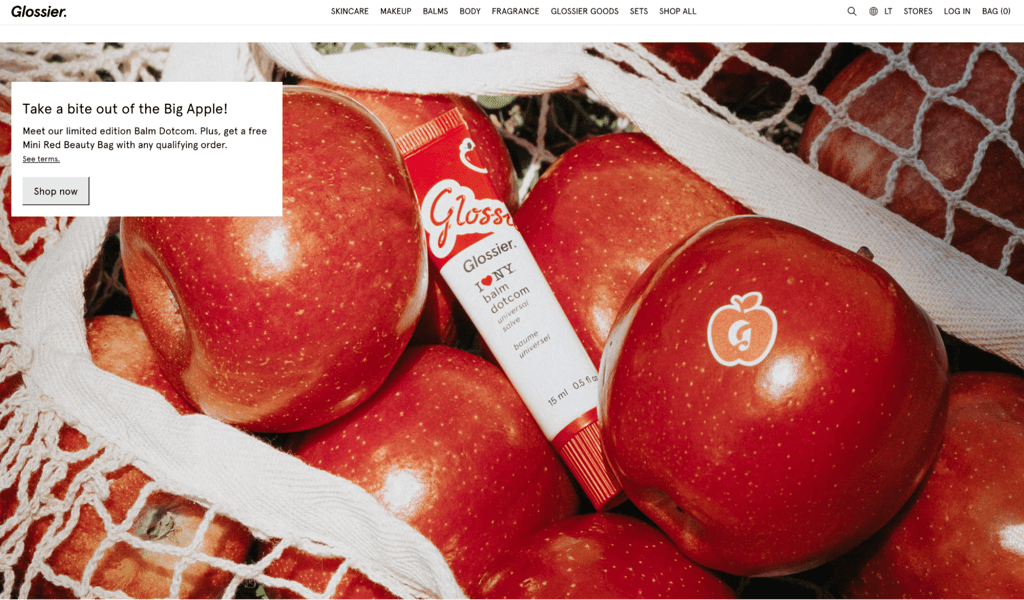
Glossier started as a beauty blog and grew into one of the most recognized DTC brands online. Its ecommerce site reflects that community-first approach through a soft pink-and-white palette, conversational copy, and customer photos integrated throughout the product pages.
The signature blush-pink palette and casual, first-person copy give every page a tone that feels more like a friend’s recommendation than a product listing. Even the product names and descriptions read conversational rather than clinical.
What makes Glossier’s design stand out:
- Community-driven product pages. Customer photos showing different skin tones and types appear alongside professional shots, giving shoppers a broader view of how products look on real people.
- Minimalist product pages with hover animations. Product cards stay clean and text-light until you interact with them. Hovering reveals color options and details with smooth transitions, keeping the interface quiet until the shopper asks for more.
What can you learn from Glossier’s website:
Community-driven features like UGC, conversational copy, and approachable design turn a store into a destination, not just a checkout.
10. Patagonia
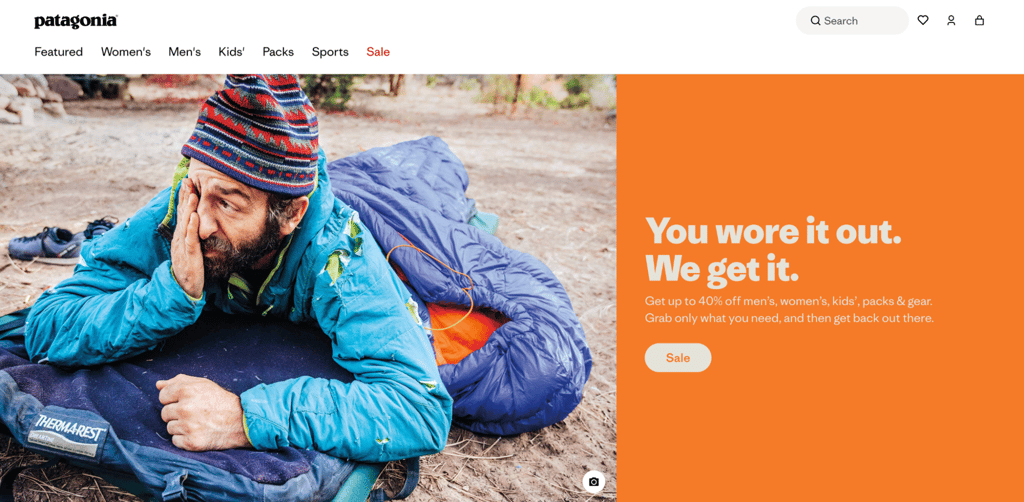
Patagonia sells outdoor clothing and gear for climbing, surfing, trail running, and everyday wear. Its ecommerce site integrates activism campaigns and environmental storytelling throughout the shopping experience, while keeping product categories prominently featured alongside its mission-driven content.
Product pages include detailed information about materials, supply chain, and environmental impact alongside standard sizing and fit guides.
How Patagonia’s design stands out:
- Mission-first storytelling. Editorial content about environmental causes sits above product grids, reinforcing brand values before pushing a sale.
- Contextual filters. The product filtering system adapts to activity type and material preferences, making it easy to find gear that fits your specific needs.
What can you learn from Patagonia’s design choices:
If your brand has a strong mission, lead with it. Customers who connect with your values become loyal buyers, not just one-time shoppers.
11. Zeuss
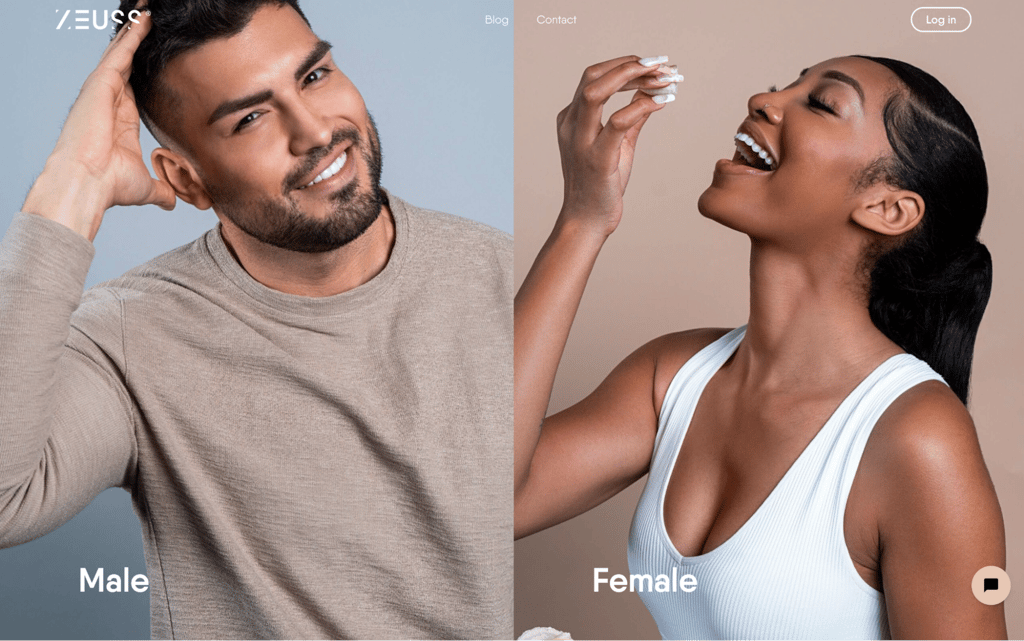
Zeuss is a telehealth platform. It connects patients with licensed physicians for personalized prescriptions covering areas such as weight loss, hair loss, skincare, and hormone health.
The site uses an animated split-screen layout on its landing page, combining high-quality model photography with product visuals, creating a polished, lifestyle-oriented presentation.
What makes Zeuss’ design stand out:
- Horizontal scrolling. Pages combine vertical and horizontal scrolling, with a scroll button that guides users through product benefits in a less traditional yet intuitive way.
- Toggle headings. Expandable sections let Zeuss organize information hierarchically while keeping the interface clean. Visitors click to reveal only what interests them.
What can you learn from Zeuss’ website:
A split-screen layout works well when you’re promoting a small number of key products and want to direct each customer to the most relevant page immediately.
12. Make Architects
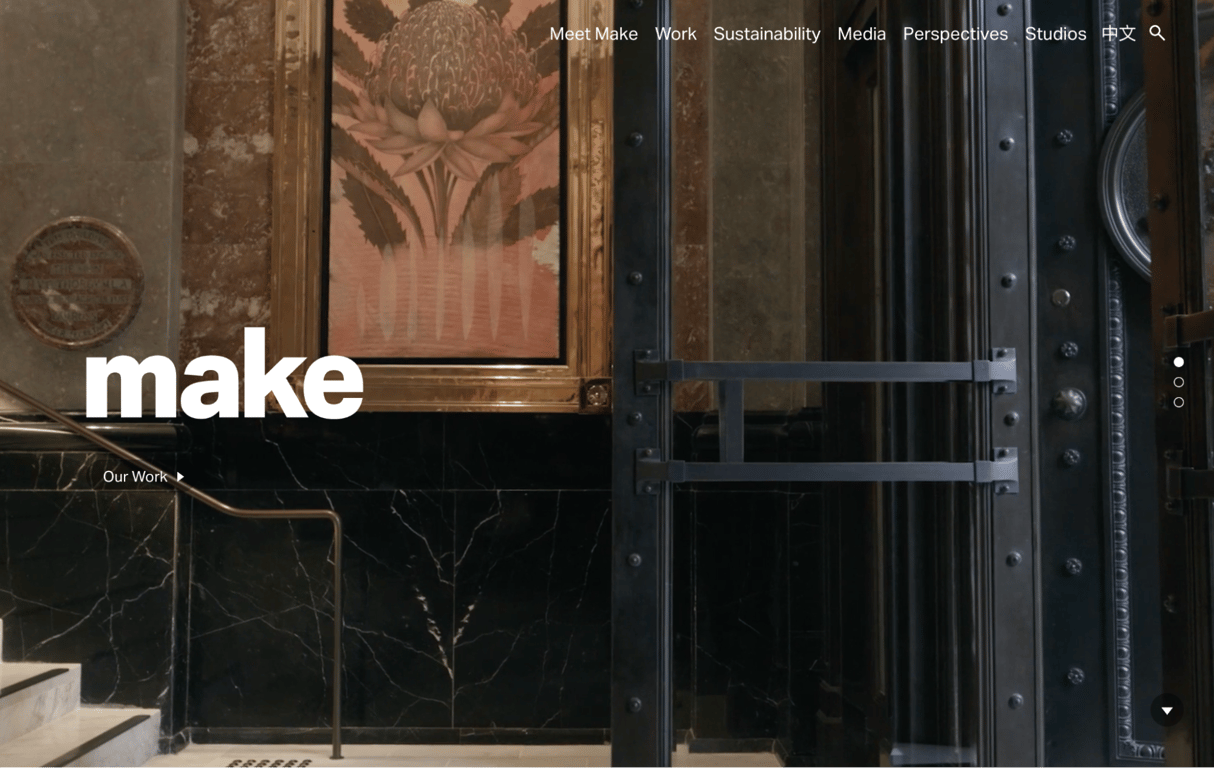
Make Architects is an international architecture practice known for its collaborative, partner-led approach to design. Its portfolio site also serves as a sales tool, with large images of past projects overlaid with the brand’s value proposition and a brief company history.
How Make Architects’ design stands out:
- Background videos. Homepage videos add movement and atmosphere, making the site feel more alive than static image galleries.
- Step-by-step project processes. Visitors can follow each project from sketches to finished work through photos, videos, and detailed descriptions.
What can you learn from Make Architects’ design choices:
Showing behind-the-scenes processes builds transparency and trust, especially for service-based businesses where the result matters as much as the journey.
13. Crate & Barrel
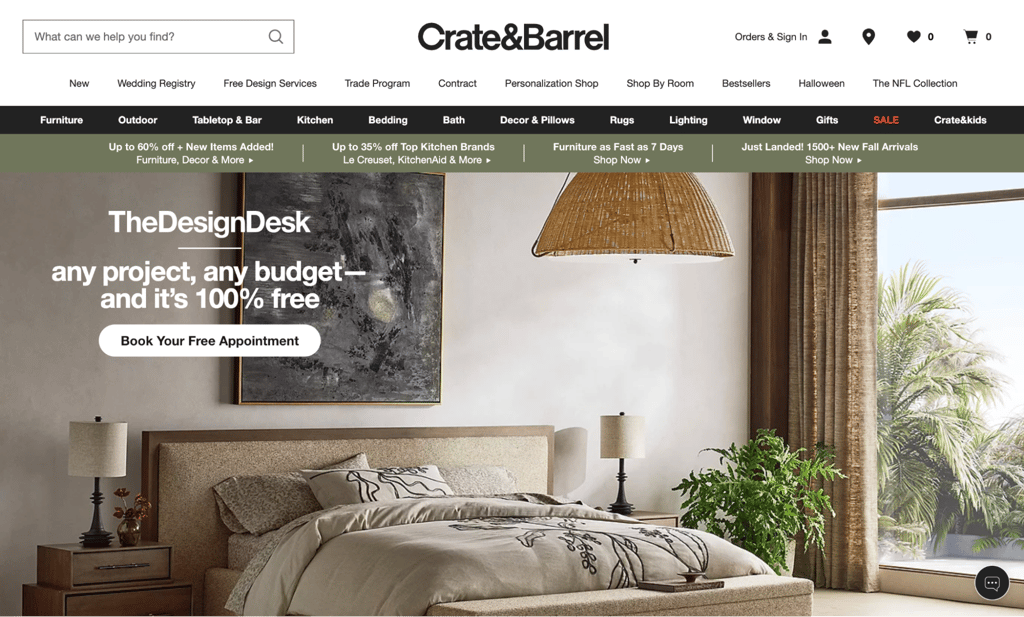
Crate & Barrel sells home essentials from furniture and kitchen electrics to decor, bedding, and dining. A light, clean interface with a mega menu and homepage category blocks helps visitors find what they need quickly across thousands of products.
What makes Crate & Barrel’s design stand out:
- Images in the navigation menu. Featured product photos appear alongside categories, helping shoppers preview items before clicking through.
- Detailed filtering and sorting. A comprehensive system lets visitors filter by features, price, and material, making it easier to narrow down a large catalog.
What can you learn from Crate & Barrel’s website:
Large ecommerce catalogs benefit from clear navigation systems, such as breadcrumbs, mega menus, and advanced filtering, to help shoppers find products more easily.
14. Allbirds
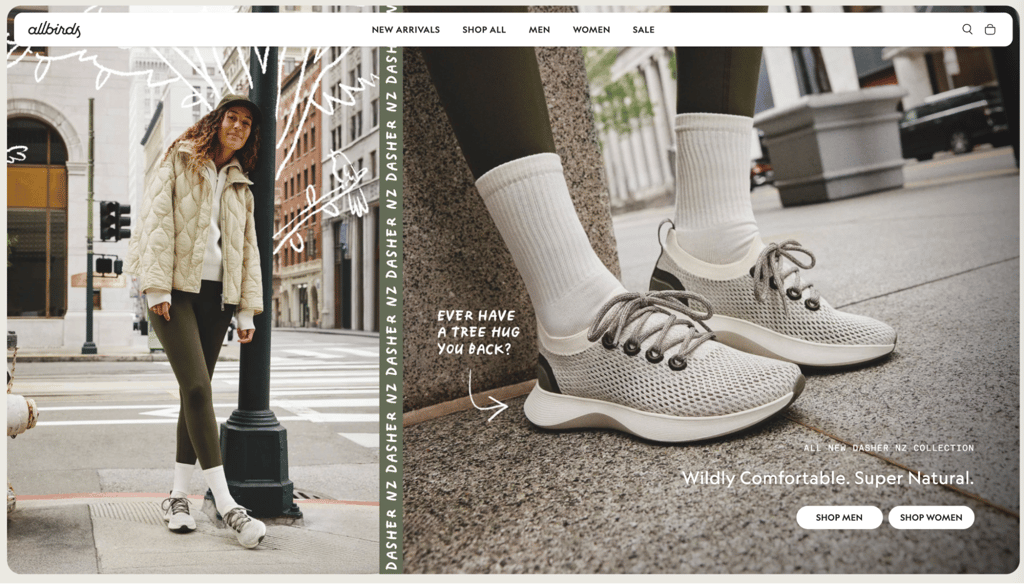
Allbirds built one of the most recognized footwear brands by building its online clothing store around simplicity and sustainability. Warm-toned editorial photography and a clean layout put the focus on materials and environmental practices.
In March 2026, Allbirds sold its brand, trademarks, and assets to American Exchange Group for $39 million, closing a decade-long run as an independent company.
How Allbirds’ design stands out:
- Informative product pages. Allbirds product pages emphasize detailed descriptions covering key features, materials, and sourcing, paired with close-up photos that help customers understand the products.
- Detailed review system. User reviews with fit ratings give shoppers additional information when buying shoes online, helping them make more confident purchase decisions.
What can you learn from Allbirds’ design choices:
Allbirds showed that transparent material sourcing on every product page can set a brand apart from competitors and build loyalty with values-driven shoppers, while naturally strengthening ecommerce SEO through descriptive, specific product language.
15. Nike
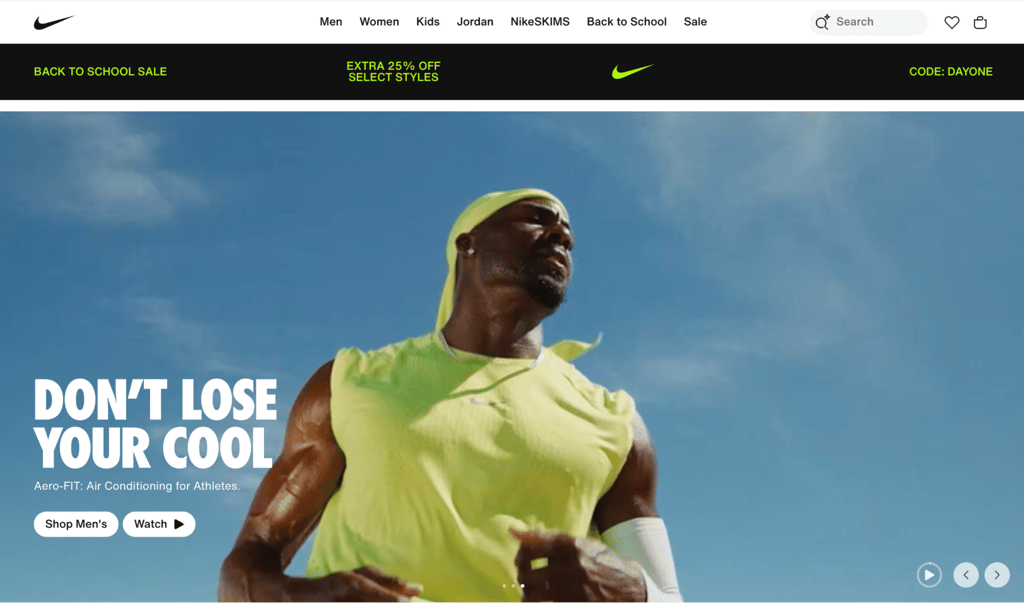
Nike’s ecommerce platform balances bold campaign storytelling with clean product browsing. The homepage uses full-bleed video backgrounds and rotating promotional banners, while product listing pages use ample white space and a mostly monochrome palette to keep the focus on the merchandise.
What makes Nike’s design stand out:
- Campaign-driven homepage. Large video hero sections and seasonal promotions pull visitors into the brand’s world, while clean category pages keep the focus on the project.
- Guest checkout with membership incentives. Nike offers guest checkout for quick purchases, but actively encourages account creation by reserving perks like free returns for Nike Members. It’s a smart balance between reducing friction and building long-term loyalty.
What can you learn from Nike’s website:
Offering guest checkout removes a major barrier for first-time buyers, but pairing it with member-only perks gives shoppers a reason to create an account on their next visit.
16. Frans Hals Museum
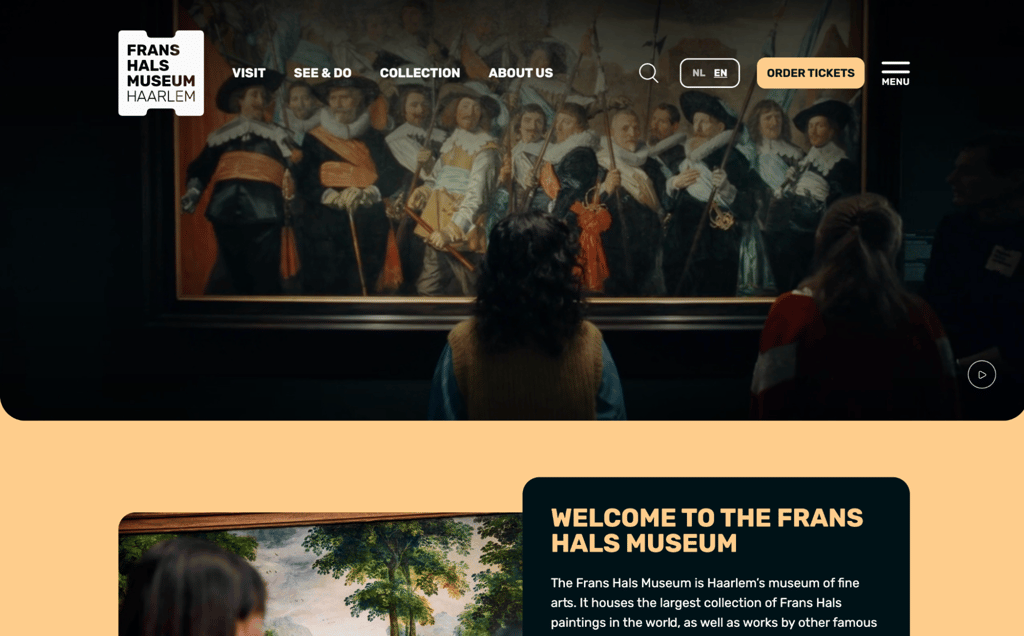
Frans Hals Museum’s site showcases the breadth of its collection, spanning 16th- and 17th-century Dutch masters through to modern and contemporary art. The web design mirrors that range by pairing a bold, colorful interface with clean black text for readability.
How Frans Hals Museum’s design stands out:
- Bright color palette. Saturated background colors create visual energy and reflect the museum’s mix of historical and modern work. The bold tones give the site a distinctive personality that sets it apart from more traditional cultural institution websites.
- Side navigation icons. Persistent icons along the edge of the page provide visitors with quick access to key sections such as events, tickets, and opening hours without cluttering the main content area.
What can you learn from Frans Hals Museum’s design choices:
A bold color palette can make a cultural or niche ecommerce site feel distinctive and memorable, as long as text contrast stays high enough for readability.
17. The Scott Resort & Spa
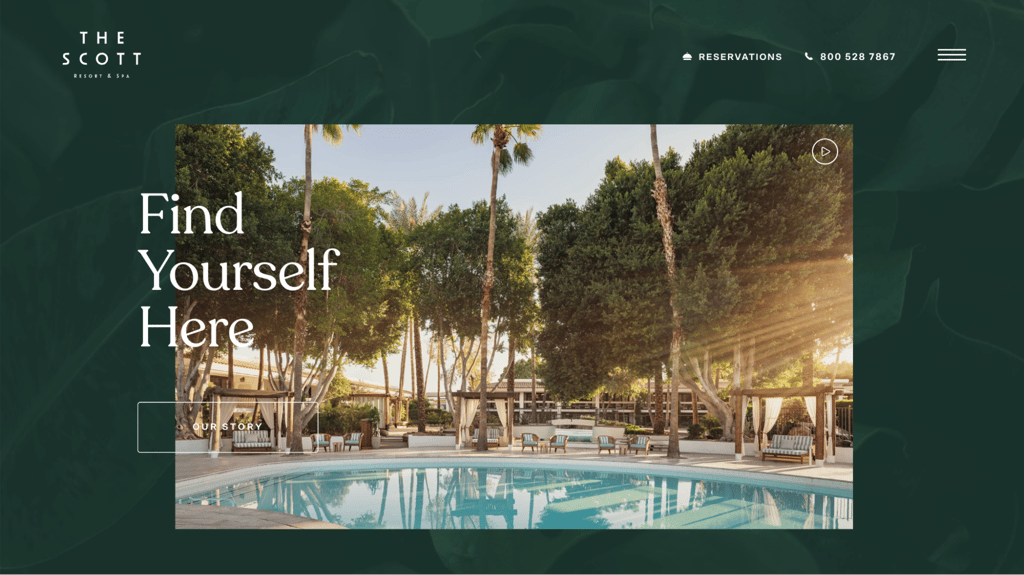
The Scott Resort & Spa is a boutique hotel in Scottsdale, Arizona, offering rooms, dining, spa treatments, pools, and event spaces. Its site blends the eclectic influences of Old Havana and New Orleans with Bauhaus-inspired design, using rich warm tones, lush greenery imagery, and full-width photography throughout.
What makes The Scott Resort & Spa’s design stand out:
- Striking photography. Full-width image galleries showcase the resort’s atmosphere and design character. Every section, from the rooms to the on-site restaurant The Canal Club, uses professional photography that captures the property’s distinct personality.
- Compact icon-based navigation. A simple three-line menu icon keeps the interface clean while letting the photography and content remain the main focus. Visitors can still access key sections such as bookings, dining, and spa information.
What can you learn from The Scott Resort & Spa’s website:
Invest in professional photography that reflects your brand’s identity. For hospitality and service businesses, original visuals can communicate atmosphere, quality, and experience more effectively than design elements alone.
18. uMake
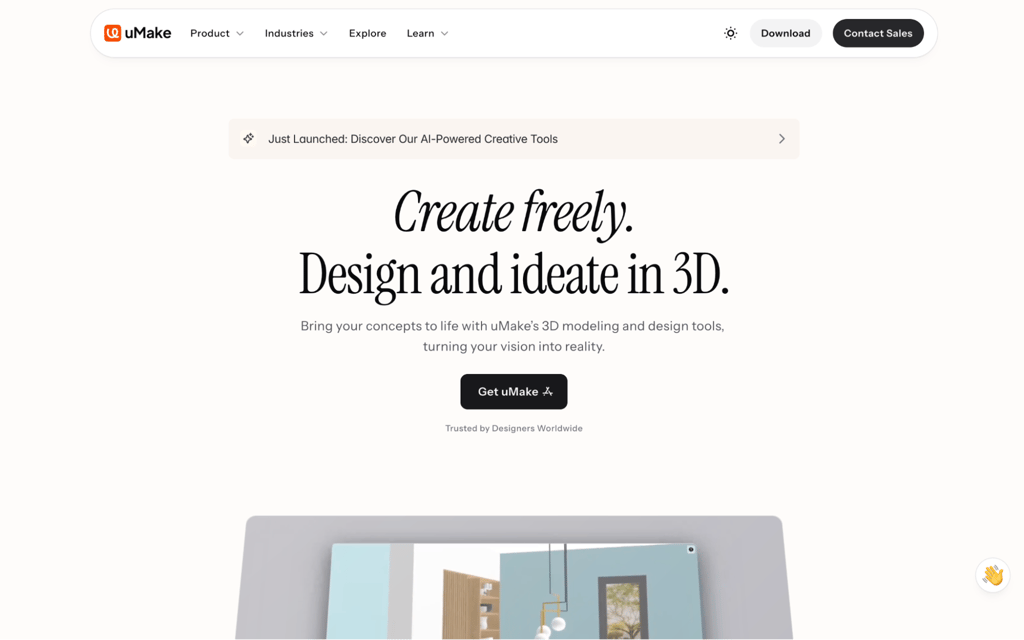
uMake is a 3D modeling and CAD app for iPhone, iPad, and Mac, used by architects, interior designers, and product designers. Its website reflects the capabilities of the product through interactive 3D visuals and demonstrations.
Short hero videos on the homepage demonstrate the app in action, while three-dimensional graphics appear in icons, thumbnails, and section headers.
How uMake’s design stands out:
- 3D elements throughout. The entire site matches the product’s core selling point by using three-dimensional graphics everywhere.
- Glassmorphism. Semi-transparent elements with a glassy blur effect appear on the sticky navigation bar and hero shots, giving the site a polished, modern look.
What can you learn from uMake’s design choices:
Your website design can reinforce your product’s value by reflecting what you offer. If you sell creative tools, demonstrate that creativity in your site’s visual approach.
19. Vitra
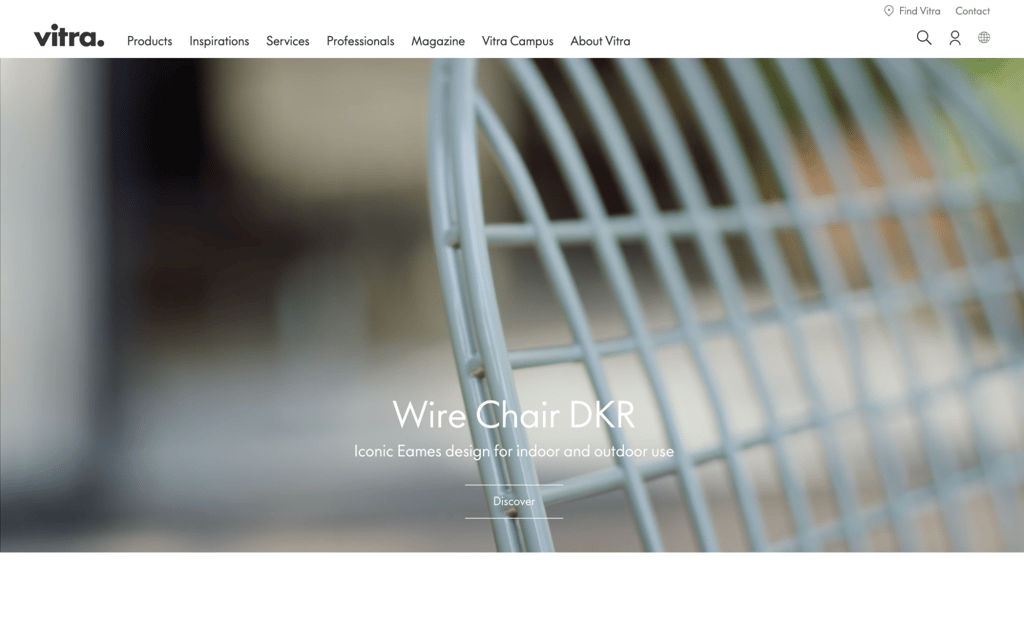
Vitra is a Swiss furniture company designing for both workspaces and living spaces. The site organizes navigation by product type and use case, so visitors can browse by what they need rather than digging through a general catalog.
What makes Vitra’s design stand out:
- Product finders. Vitra’s “Find My Vitra” platform offers multiple guided quizzes, including an office chair finder, a lounge chair finder, and a gift finder. Each helps customers narrow down their options by answering a few questions.
- Shoppable pictures. Visitors can add products from editorial photos directly to their wishlist by clicking “Shop the Look.”
What can you learn from Vitra’s website:
Creating helpful tools, such as product finders or shoppable images, removes friction from the buying process and helps customers find what fits their needs. These are the types of ecommerce features worth investing in.
20. Display
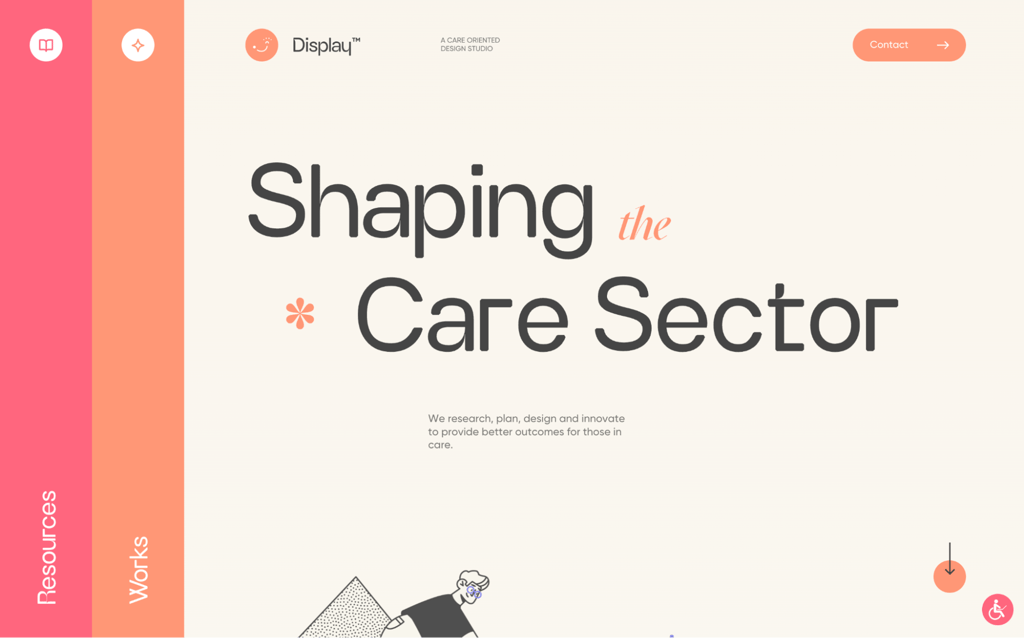
Display is a disability-oriented design studio that partners with service providers in the disability sector to create inclusive digital products. Its site puts web accessibility into practice through warm tones, built-in accessibility tools, and subtle animations.
How Display’s design stands out:
- Customizable accessibility tools. The site includes options for screen reader optimization, color saturation adjustments, and text display settings, giving visitors control over how they experience the content.
- Oversized navigation menus. Large vertical navigation panels provide clear, spacious link targets that are easier to use for visitors with motor or visual impairments.
What can you learn from Display’s design choices:
Accessibility features expand your potential customer base and meet growing compliance requirements in many regions. If you’re planning to build an ecommerce website, design accessibility from the start.
21. Mack & Pouya
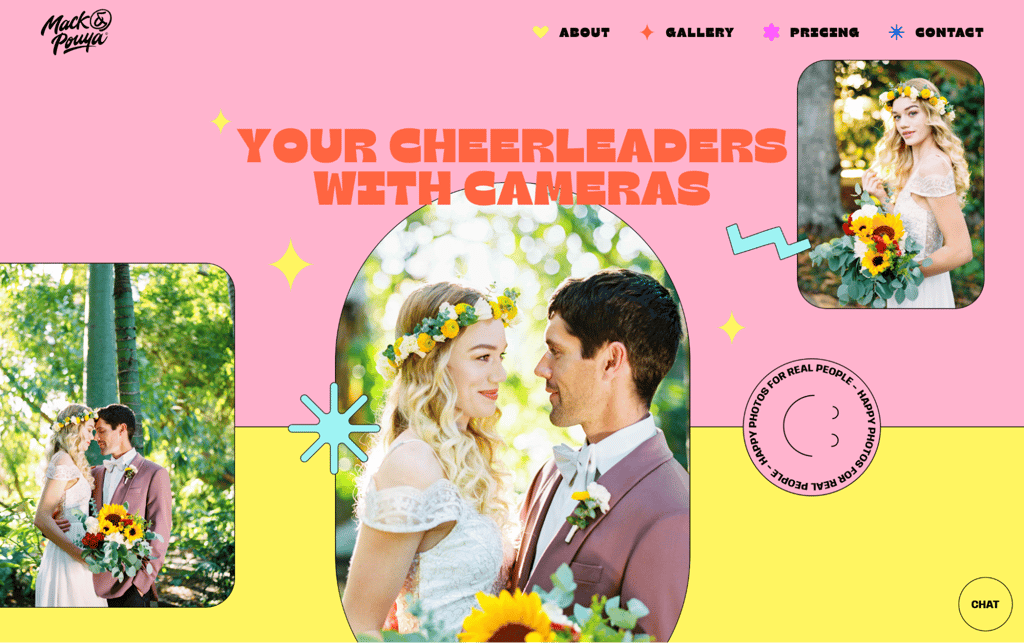
Mack & Pouya’s wedding photography site combines a visual portfolio with booking and pricing information. Built with Webflow, the one-page website uses interactive design elements and animations that reflect the duo’s energetic, fun-first shooting style.
What makes Mack & Pouya’s design stand out:
- Bright color palette. While most photography sites go minimalist, Mack & Pouya stand out with colorful tones that match their energetic shooting style.
- Price calculator. An interactive calculator lets customers personalize packages by adjusting service hours, add-ons, and location, giving them full control over the final price.
What can you learn from Mack & Pouya’s website:
Research how competitors present their services, then create something that reflects your own brand identity. A unique marketing tool, such as a price calculator, can add value to the customer experience.
22. Zenni
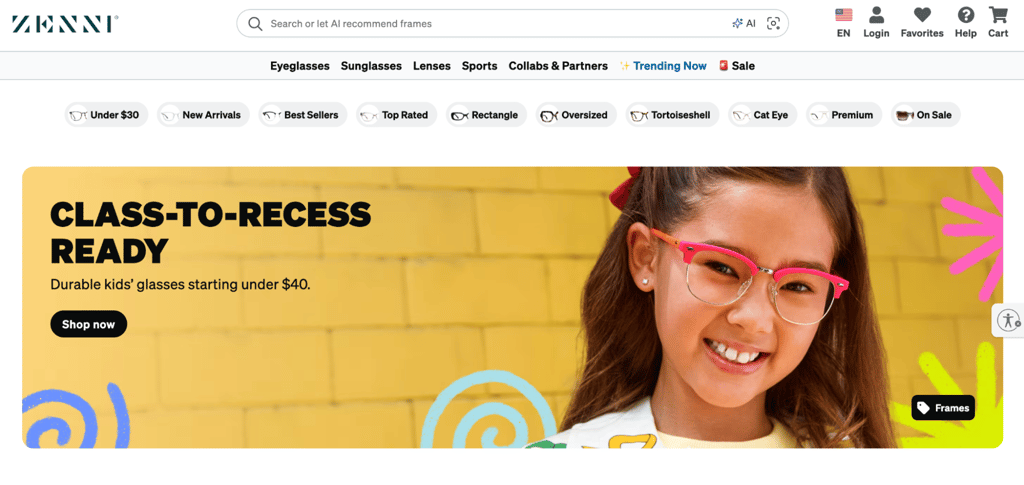
Zenni is a pioneer in affordable eyewear with a standout ecommerce feature: virtual try-on technology using augmented reality. Customers use their own devices to see how frames look on their faces before purchasing.
How Zenni’s design stands out:
- Virtual try-on. AR-powered technology lets customers test different frames in real time, helping solve a common hesitation when buying eyewear online.
- Step-by-step lens customization. After picking a frame, shoppers configure their prescription type, lens material, and coatings through a guided flow. Each step narrows the options down, turning an overwhelming decision into a few manageable choices.
What can you learn from Zenni’s design choices:
Online stores selling wearable products can use virtual try-on technology to bridge the gap between online and in-store shopping.
23. Heveya
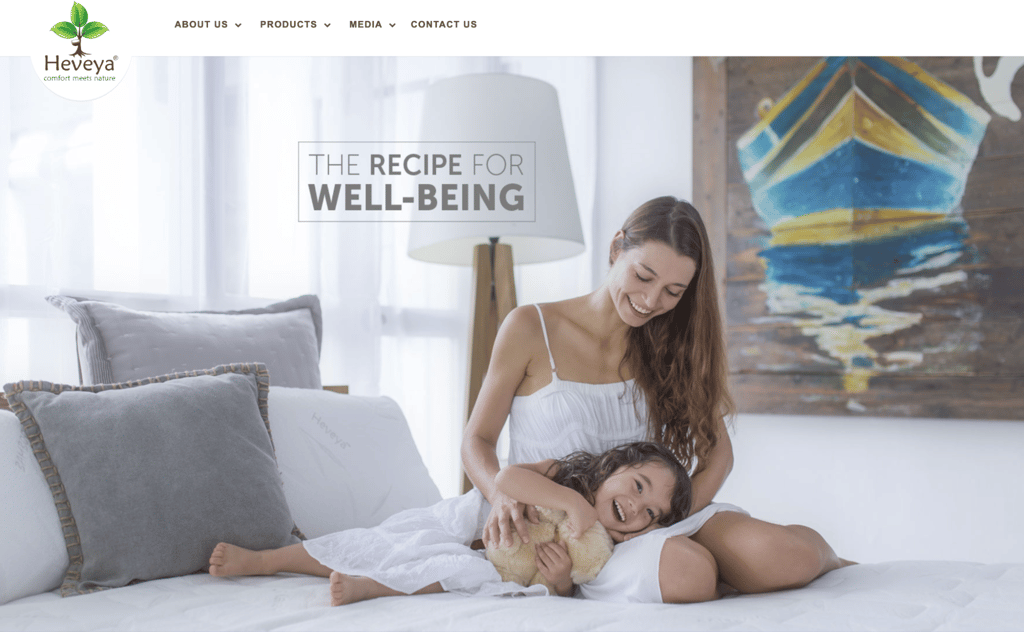
Heveya is a premium organic latex mattress and natural bedding brand with showrooms across Asia and the Middle East. Its site emphasizes material transparency, guiding customers through the benefits of organic latex with detailed product pages and video content.
Mattresses are a high-consideration purchase, especially when customers cannot physically experience the product before buying. Heveya addresses this challenge by offering video showroom tours and detailed material breakdowns that help online shoppers feel confident buying without visiting a store.
What makes Heveya’s design stand out:
- Material-first product pages. Each product page explains what the mattress or pillow is made from, how it’s sourced, and why organic latex matters, giving customers the technical detail they need to justify a premium purchase.
- “Look inside” transparency. Heveya highlights the removable mattress cover and invites customers to inspect the materials inside. The product pages break down each layer, from the comfort top to the support core, so shoppers understand exactly what they’re paying for.
What can you learn from Heveya’s website:
For high-consideration products that customers typically want to test in person, detailed material information and video tours can reduce hesitation and build confidence in online purchases.
24. Notebook Therapy
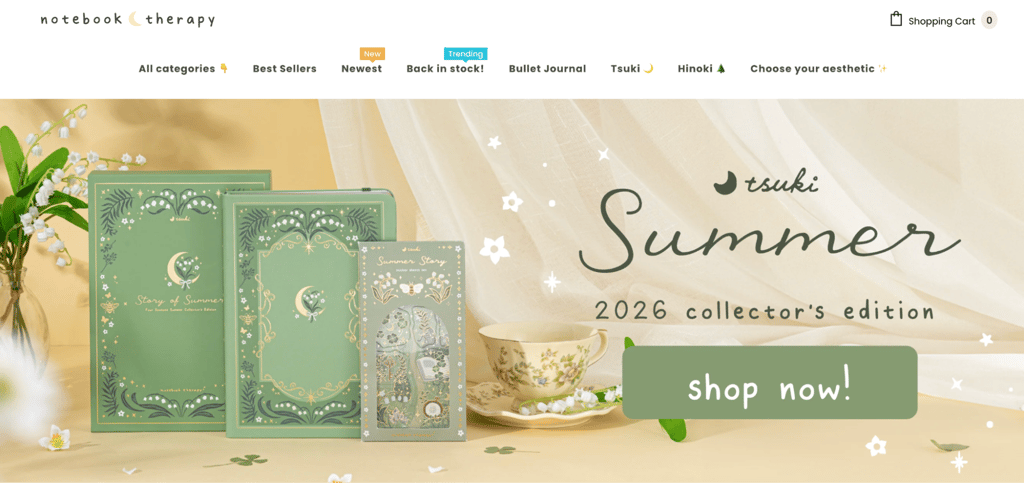
Notebook Therapy sells Korean and Japanese stationery through a Shopify Plus store, one of several popular ecommerce platforms that fully embraces its cute, playful brand identity. Pastel illustrations and sticker-like thumbnails keep the visual language consistent across every page.
How Notebook Therapy’s design stands out:
- Limited-edition product drops. “Back in stock” badges and seasonal collections appear throughout the store, creating a sense of urgency. It turns stationery shopping into an event rather than a routine purchase.
- Strong social integration. With over one million Instagram followers, Notebook Therapy bridges its social community and storefront by prominently featuring its Instagram feed on the site and encouraging customers to share their own photos.
What can you learn from Notebook Therapy’s design choices:
A consistent visual identity helps ecommerce stores communicate their brand personality and create a more cohesive shopping experience.
25. 5S
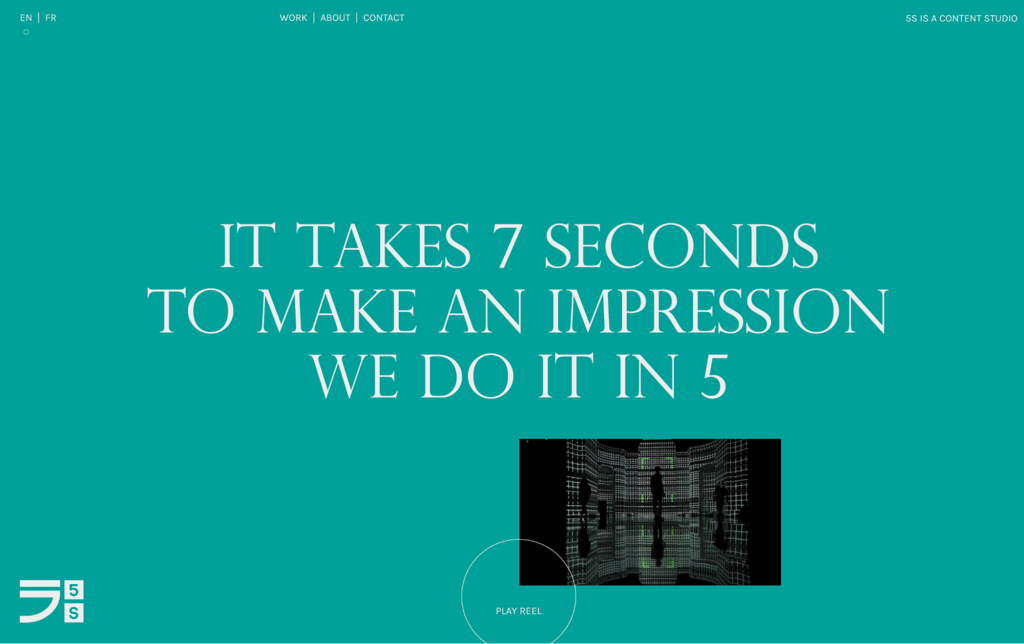
5S is a Montreal-based content studio that blends strategic insight with story-driven production for brands and agencies. Its site makes a strong first impression through bold serif headlines, auto-play video, and sticky scrolling effects that reflect the studio’s creative capabilities.
What makes 5S’ design stand out:
- Color palette changes. Clicking the background or refreshing the page shifts the entire site’s colors through five distinct combinations, adding an interactive element that encourages exploration.
- Layering animations. Video content initially sits behind text, then moves to the foreground as you scroll, creating a sense of depth without adding complexity.
What can you learn from 5S’ website:
User-triggered features, such as color changes, add personality to your site and encourage visitors to explore and interact.
26. Boost
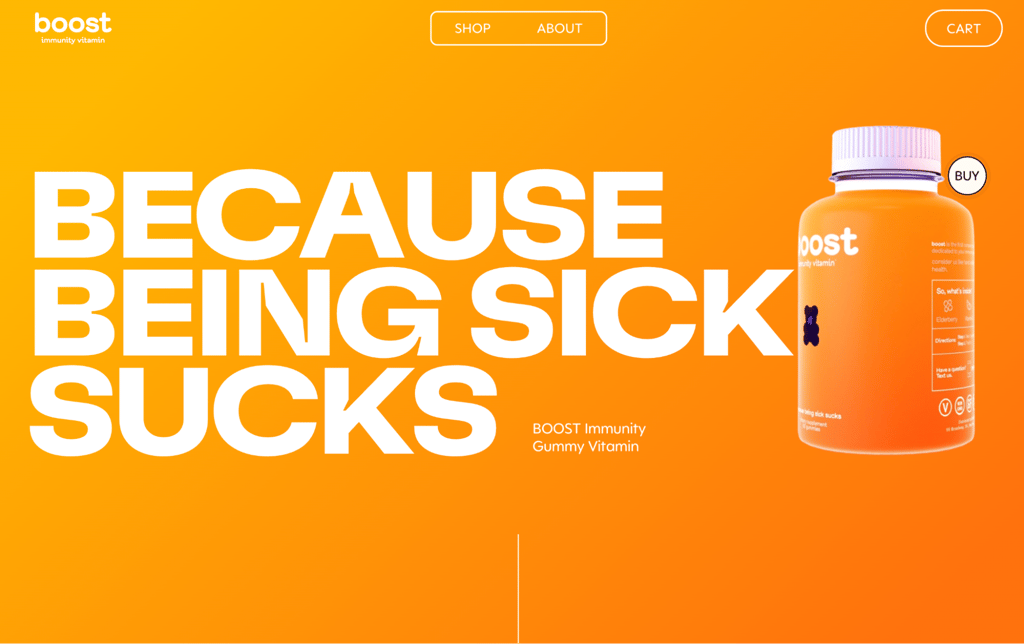
Boost is a New York-based DTC brand that sells immunity gummy vitamins containing elderberry, vitamin C, and zinc. Its online store matches the product’s energy with a bold color palette, punchy copy, and a distinctive brand personality throughout.
How Boost’s design stands out:
- Hero typography. A typographic hero section leads the homepage, communicating the brand’s loud, confident identity without leaning on standard product photography.
- Personality-driven copy. The site uses a conversational tone that feels more personal than traditional supplement marketing. That voice carries through from headlines to FAQ answers, keeping the brand consistent at every touchpoint.
What can you learn from Boost’s design choices:
Your website’s color palette, typography, and messaging should reinforce your product’s personality and core promise. When your design choices align with what you offer, the brand experience feels more consistent.
27. AYO
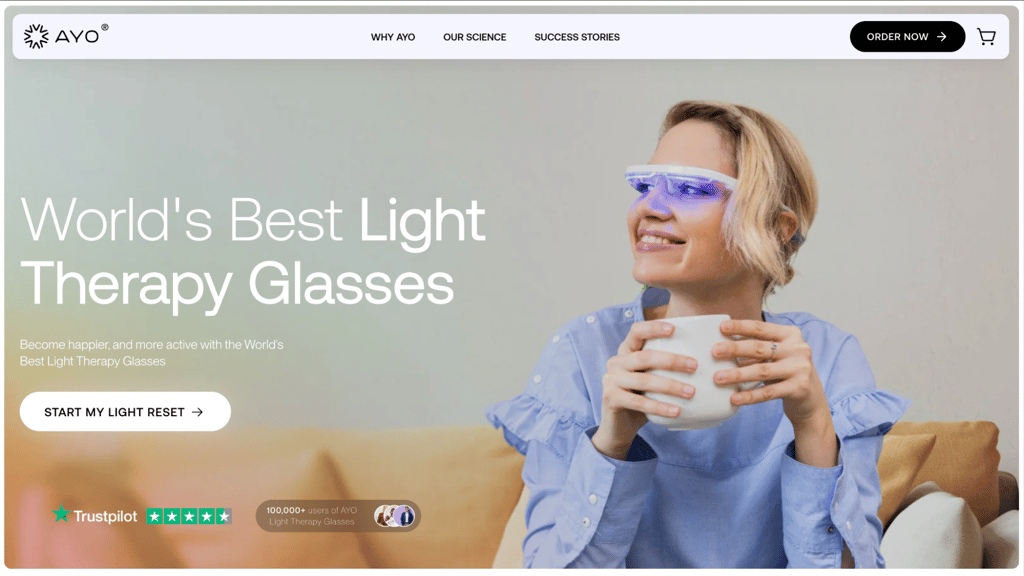
AYO sells light-therapy glasses designed to improve sleep, energy, and circadian health. Its ecommerce site uses contemporary design to explain the science behind the product without overwhelming visitors.
What makes AYO’s design stand out:
- Proof before purchase. The homepage highlights approval from sleep experts worldwide and links to a dedicated science page, earning trust before asking for a sale. For a health product, that credibility does the heavy lifting.
- Contrasting light and dark sections. The site alternates between light and dark backgrounds throughout its pages, reinforcing the brand’s connection to circadian rhythm and the balance between daytime energy and nighttime rest.
What can you learn from AYO’s website:
Customize your site’s visual storytelling to match what your product actually does. When design choices reinforce the product’s purpose, the whole experience feels more cohesive.
28. Pitch Tents
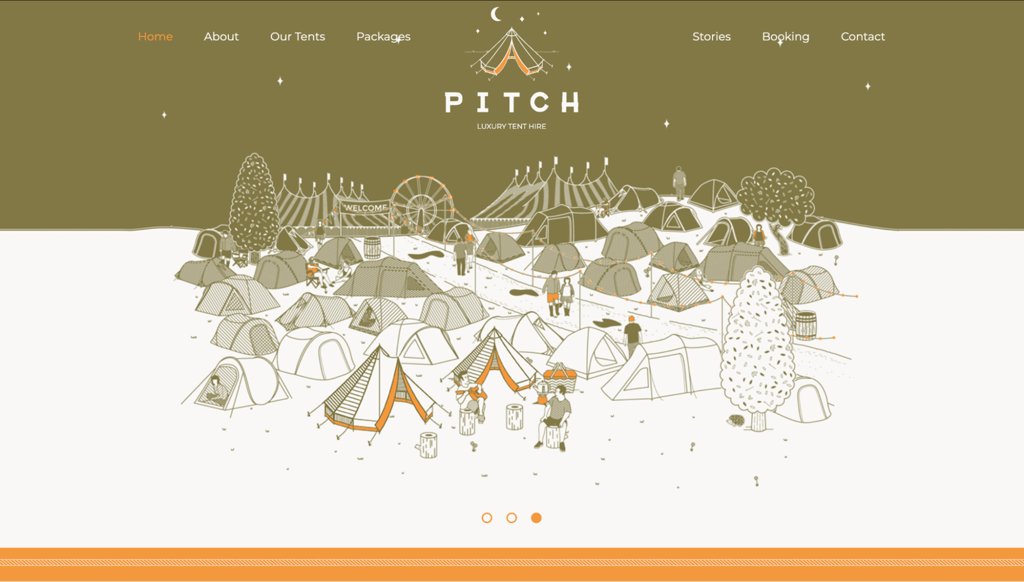
Pitch Tents is a UK-based luxury bell tent hire company that provides glamping setups for weddings, festivals, corporate events, and private parties. Built on WordPress, the site uses custom illustrations alongside event photography to sell the outdoor luxury experience.
How Pitch Tents’ design stands out:
- Illustrated hero scenes. Stylized, non-photographic artwork for key sections such as weddings and festivals gives the brand a distinctive look that sets it apart from competitors that rely solely on event photography.
- Event-specific landing pages. Each event type gets its own dedicated section with tailored imagery and copy, so visitors planning a wedding see different content than someone booking a festival setup.
What can you learn from Pitch Tents’ design choices:
Custom illustrations work well when standard photography can’t fully capture the experience you’re selling. Combining them with real event photos gives visitors both the aspirational feel and the practical view of the service.
29. Flyers
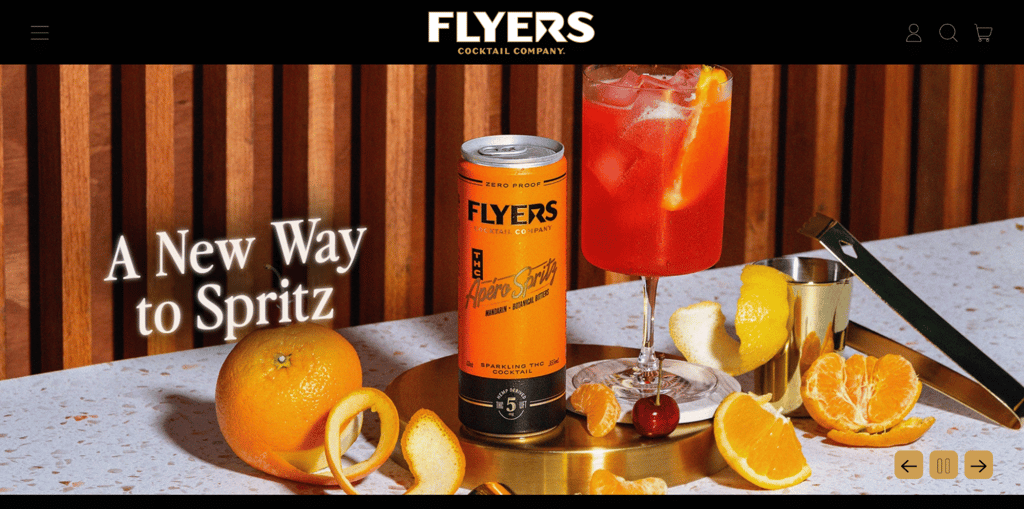
Flyers sells hemp-derived THC cocktails and zero-proof, mixologist-crafted canned drinks available in 5mg and 10mg options across flavors like Ol’ Fashioned, Margarita, and Italian Spritz. The Awwwards-nominated site leads with bold product imagery and a design built around summer nostalgia.
What makes Flyers’ design stand out:
- Retro style. The nostalgic summer holiday aesthetic matches the product’s target audience and creates an emotional connection before the customer reads a single product description.
- Product-forward homepage. The full product lineup appears on the homepage with clear flavor descriptions and dosage options, allowing visitors to browse the entire range without leaving the page.
What can you learn from Flyers’ website:
Build your branding strategy before designing your online store. When the visual identity matches the product and audience, the experience feels intentional rather than generic.
30. Grainne Morton
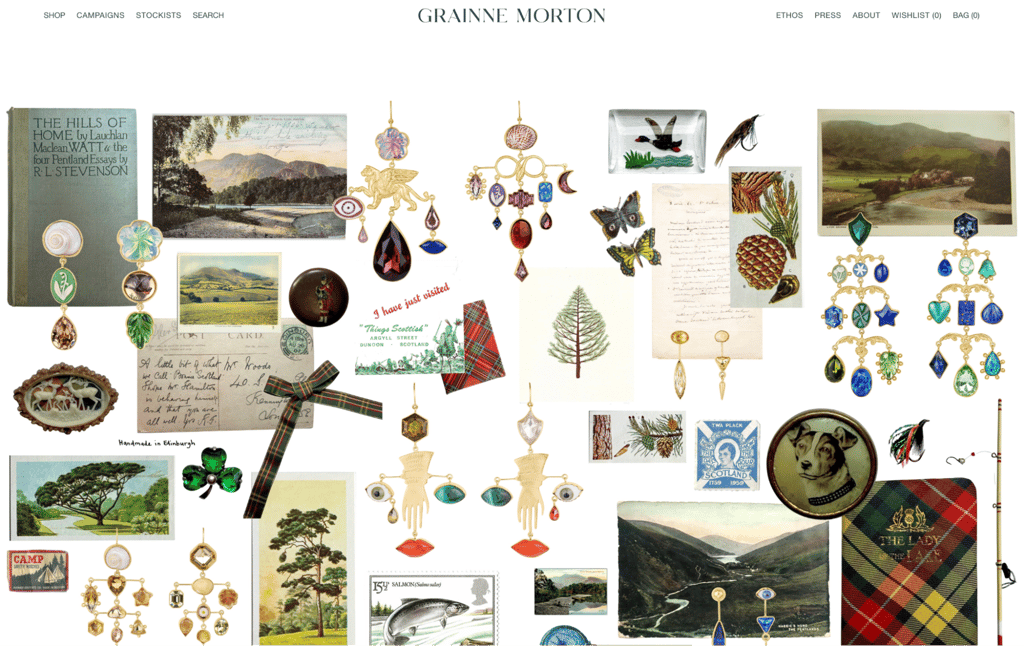
Grainne Morton is an Edinburgh-based jeweler crafting handmade pieces from vintage found objects and precious metals. The site pairs full-bleed editorial photography with a structured grid layout and an earth-toned palette that reflects the brand’s handcrafted identity.
How Grainne Morton’s design stands out:
- “Ready to ship” labels. Each product is clearly marked as either available now or made to order. For a handcrafted jewelry brand where most pieces are one-of-a-kind, this small label sets the right expectation and signals the artisan nature of the work.
- Side shopping cart. Adding a product to the bag triggers a sidebar with cart details, so customers can review items without leaving their current page.
What can you learn from Grainne Morton’s design choices:
A sidebar shopping cart keeps the buying flow smooth and prevents customers from losing their place while browsing a curated collection.
What makes a great ecommerce website design?
Great ecommerce website design combines visual appeal with usability, functionality, and trust. The best online stores make it easy for customers to discover products, understand their value, and complete purchases with confidence. These six elements form the foundation of a successful ecommerce experience.
Clear online store navigation
Self-explanatory menu labels like Home, Products, Blog, and Contact make navigation easier to understand. For stores with large catalogs, a mega menu like Crate & Barrel’s lets shoppers see subcategories at a glance.
Place the search bar at the top-right or top-center of the page. Adding autocomplete suggestions with thumbnail images significantly speeds up product discovery.
Breadcrumbs help visitors track where they are within your site’s structure and also help search engines understand your page hierarchy. Pair these with comprehensive filters for price, color, and material, plus sort-by options, to improve product findability.
Smooth shopping cart and checkout process
A complicated checkout flow pushes customers away before they complete their purchase. Fewer steps, clearer progress, and less required information all help move shoppers from cart to confirmation faster.
Place the shopping cart icon in the upper-right corner and display the number of items in the cart. A sidebar cart like Grainne Morton’s lets customers review their selections without leaving the page they’re browsing.
For multi-step checkouts, a progress indicator showing each stage helps customers understand where they are in the process. Keep the number of steps as low as possible, and offer guest checkout to remove account-creation friction.
Consistent online business branding
Brand consistency means your values, identity, and messaging stay uniform across every channel. Consistent branding strengthens recognition and creates a more cohesive customer experience.
Strong branding starts with clear business goals, a memorable brand name and custom domain, a consistent voice and tone, and uniform visual elements like logos and color palettes. You can learn more about how to build a brand that resonates with your audience.
Allbirds built its brand around sustainability-conscious consumers who care about natural materials and environmental impact, and its site reflected that with material transparency and eco-focused messaging throughout.
Mack & Pouya use bright colors while most wedding photography competitors go minimalist. Both approaches work because they’re intentional and consistent.
Readable and engaging content
Most visitors scan rather than read, so making content easy to skim is essential. You can improve scannability by:
- Keeping paragraphs and sentences short.
- Highlighting important information with bold formatting.
- Using bullet points instead of dense text blocks.
- Adding images to break up and support written content.
Interactive content takes engagement even further. Vitra’s product finders and Bellroy’s interactive product sliders both give visitors a reason to stay on the page longer and engage with products directly.
Mobile-first online shopping
Mobile shopping is now a core part of ecommerce, and search engines prioritize mobile-friendly websites in their rankings. A responsive mobile-friendly website isn’t a nice-to-have. It’s a requirement for both conversions and SEO.
Start with a responsive ecommerce website template or theme on your platform. Mobile-friendly templates adjust automatically to any device, so you won’t need a separate mobile site. Make sure CTA buttons, forms, and navigation menus are touchscreen-friendly by adjusting sizes, spacing, and tap targets.
Transparency and security
Without proper ecommerce security, hackers can steal payment details and personal data from online stores. Many shoppers won’t return to a store after a data breach, so security failures directly hurt both revenue and reputation.
Every online store should have an SSL certificate, a secure payment gateway, and transparent data collection policies. Check the privacy regulations that apply to your audience’s region, like GDPR for EU customers.
Make is a good example of transparency in action. Its footer includes clear links to privacy policies and terms of use, and the site explains how personal information is protected in plain, scannable language.
How to choose the best platform to design your ecommerce website
The best ecommerce platform depends on your products, catalogue size, budget, and how customers will purchase from your store.
When comparing ecommerce platforms, focus on the features needed to manage your business and provide a reliable shopping experience:
- Store design. Look for customisable templates, mobile-friendly layouts, and control over product and category pages.
- Product management. Check support for physical goods, digital downloads, subscriptions, variants, and inventory.
- Payments and checkout. Compare supported payment methods, checkout options, transaction fees, and payment processing costs.
- Order fulfilment. Consider shipping settings, delivery options, and digital product delivery.
- Marketing and analytics. Look for SEO tools, promotions, customer insights, and other features relevant to your business.
For an AI-assisted starting point, Hostinger AI Builder lets you generate a website based on your business needs and customize its design without coding. You can use it to create the essential pages, organize your content, and establish your brand’s online presence.
When you’re ready to sell, you can add Hostinger Ecommerce to your website. It provides tools for selling physical and digital products, subscriptions, and other supported product types, with a central dashboard for managing products, orders, and customers.
This approach lets you start with a website and introduce ecommerce functionality as your business develops, rather than building everything from scratch.
This article is a localized version of 30 ecommerce website examples with fantastic designs for 2026, originally published in English.

Justina is a Content Writer passionate about marketing, with a background in social media and customer success management. She also loves reading books, traveling and exploring new places as well as cooking, and trying out new recipes. Follow her on LinkedIn.

Hasna is passionate about tech, culture, and the written word. She hopes to create content that helps people succeed on the web. When not writing, rearranging, or polishing sentences, she enjoys live music and overanalyzing movies.