70 small business ideas you can start in 2026
May 10, 2026
/
Justina B.
/
33 min Read

Profitable small business ideas for 2026 include low-cost service ventures such as virtual assistant work, freelance writing, social media management, and tutoring. Digital products like templates and ebooks are also strong options, with low overhead and no shipping costs.
Other solid choices include hands-on services like cleaning, pet care, and home repairs, as well as running online stores through dropshipping or selling handmade goods.
A small business idea works when it matches a real skill you have, serves people who’ll pay for it, and doesn’t need a complicated setup to get started.
What makes these ideas work in 2026 is that most of them can be tested quickly and scaled from there. You don’t need a big team, a storefront, or years of experience to start earning. The bar to launch has never been lower, and that’s the opportunity.
Most businesses take two to three months to land consistent clients, often starting with referrals and local outreach. Startup costs range from nearly zero for service-based ideas to a few hundred dollars for those that need equipment or stock. No matter your background or budget, you’ll find something that fits.
Digital and creative services
1. Virtual assistant services
Virtual assistants handle the administrative load that keeps business owners from focusing on actual work. You don’t need a formal qualification to start. If you’re organized, reliable, and can communicate clearly, you have what it takes. Common tasks include:
- Managing email inboxes and calendars.
- Scheduling meetings and appointments.
- Research and data entry.
- Handling invoices and basic admin.
- Answering customer messages.
You can package your services in two ways: charge by the hour for flexible, one-off tasks, or offer a monthly retainer for clients who need regular help. Retainers are more stable and easier to budget for on both sides.
To find your first clients, try job boards like Upwork or Fiverr, or reach out directly on LinkedIn. To look professional from day one, find out how to make a small business website and start building your online presence.
2. Freelance writing and editing
Freelance writers create content for blogs, product pages, email newsletters, case studies, and more. You can choose to specialize in one niche like tech, health, or finance, or stay general and take a wider range of work.
Specialists can often charge more because they bring real subject-matter expertise, but generalists can build a larger client base faster.
If you’re just starting, build writing samples quickly by creating a few pieces on topics you know well, even if they’re unpublished. Set a simple pricing structure. A flat rate per article or per word is easier to sell than hourly rates for writing.
If you know how to write SEO-friendly content, that could benefit you too because clients want writers who can drive organic traffic and rank higher on Google. Skills like keyword research and structuring articles around search intent help you stand out and charge higher rates.
3. Copywriting for sales pages
Copywriting is writing that’s designed to convince people to take an action, whether that’s buying a product, signing up for a list, or booking a call. Remember that copywriting is different from regular content writing because every word is focused on conversion. The most in-demand assets are:
- Landing pages.
- Email sequences.
- Product descriptions.
- Paid ad copy.
Showing a client that a page you wrote increased their sales or sign-ups is worth more than any portfolio. When you’re starting, offer to rewrite one piece for a small business at a low rate, document the before-and-after results, and use those metrics in every future pitch.
Copywriters who can show clear, measurable outcomes earn some of the highest rates in freelance writing.
4. Social media management
Social media managers handle the day-to-day work of keeping a brand active online. That means building a content calendar, writing and scheduling posts, replying to comments, and reporting on what’s working. Many small businesses know they need to post consistently, but simply don’t have the time, which is where you come in.
There are two ways to position this service: “done for you,” where you handle everything, or “coaching,” where you teach the business owner to manage it themselves.
Your choice shapes everything, from your pricing to the type of clients you’ll attract. Think about whether you’d rather run accounts day-to-day or guide someone through the process once a week.
Done-for-you is more hands-on but commands a higher price. A smart way to get your first client is to pitch one industry you already understand, like a local restaurant, a gym, or a hair salon, so you can speak their language from the start. Social media automation tools can help you work more efficiently as you scale.
5. UGC content creation
UGC stands for user-generated content. As a UGC creator, you make short video clips that brands use in their ads and social posts, things like product demos, unboxings, or “hook” videos designed to stop people scrolling.
Even if you’re just starting out and still building your audience, paid work is within reach. Brands care about how well your content performs, not how many people see it on your own profile.
The key difference from influencer work is that brands pay for the content itself, not your following. Your audience size doesn’t matter.
What brands want are short, authentic-looking clips that feel spontaneous rather than polished. A good starting portfolio has five to ten example videos. You can film these yourself using products you own, or buy cheap items just to demo them.
Treat this portfolio as your calling card, since most brands will ask to see samples before they offer you any paid work. The stronger your examples, the easier it is to charge a fair rate from the start.
Once you’ve got a few solid clips, share them somewhere brands can actually find you. A simple website works better than scattered links across social platforms, and you don’t need to be a designer to put one together. Once it’s live, you can promote your website for free through social channels, SEO, and online communities to get more eyes on your samples.
6. Graphic design services
Graphic designers create visual assets that businesses need to look professional – logos, brand kits, social media templates, presentation decks, and flyers. The most in-demand work for small business clients tends to be logo and brand identity design, followed by social content templates they can reuse. As a starting designer, you can charge around $200 for a basic logo package and around $1,000 for a full brand identity kit, depending on what’s included.
Niching by industry makes it easier to get referrals. If you design for fitness businesses, happy clients will likely refer you to other gym owners they know. Present your work in a simple graphic design portfolio with clear before-and-after examples where possible, and include the type of business and the problem you solved for each project.

7. Brand identity packages
A brand identity package is often one of the first things a new small business needs – and it goes well beyond a logo. A complete package typically includes:
- Logo variations (main, stacked, icon-only).
- A defined color palette.
- Typography choices.
- Simple guidelines for how to use everything consistently.
Run a short discovery session before designing anything. Ask about their audience, competitors, tone, and any visual references they like. This prevents you from going in the wrong direction and having to redo work.
Turn the answers from that session into a short written brief you both sign off on before any design work starts. This gives you something concrete to point back to if feedback later drifts away from the original goals.
Agree upfront on how many revision rounds are included. Two rounds are standard, so scope creep doesn’t turn a fixed-price project into an open-ended one.
8. Video editing services
Video editors turn raw footage into polished, publish-ready content. The most requested formats right now are short-form clips for TikTok, Instagram Reels, and YouTube Shorts, as well as longer YouTube edits, brand ads, and event highlight reels.
A clean workflow makes this business sustainable. Start with a brief from the client, deliver a first cut, collect feedback, and limit revisions to two rounds unless they pay for more.
Once your workflow is solid, pricing becomes the next thing to get right. Charge too little, and you’ll burn out. Charge too much without a clear package, and clients will hesitate.
For individual videos, a 30–60 second edited reel typically runs from $150. Monthly packages, where you deliver 8–12 short videos, can go from $800, depending on the volume and complexity. Packages create a predictable income for you and reward clients who commit.
9. Podcast editing and production
Podcast editors clean up raw audio recordings by removing filler words, background noise, and dead air, then export the final file ready to publish. A full service often includes:
- Audio cleanup and noise removal.
- Adding intro and outro music.
- Writing show notes.
- Creating audiogram clips for social media.
- Uploading to platforms like Spotify and Apple Podcasts.
The most efficient way to run this is as a monthly retainer. A podcaster who releases episodes weekly or biweekly needs consistent, reliable help.
Retainers also give you a predictable income and free you from constantly chasing new work. Once a few clients are on monthly plans, your schedule and cash flow start to feel a lot steadier.
Package your offer around a set number of episodes per month, a fixed turnaround time, and a clear list of deliverables, so the client knows exactly what they’re getting every month.

10. Resume and LinkedIn profile writing
A paid resume service includes more than just tidying up someone’s existing CV. You’d start with an intake call to understand the client’s career goals and target roles, then rewrite the resume from scratch using clear, achievement-focused language and formatting that passes through automated screening software called ATS (applicant tracking systems).
LinkedIn profiles follow the same principle: a professional headline, a compelling summary, and experience written to attract the right opportunities.
The real value comes from choosing a lane rather than writing for everyone. A generalist competes on price, while a specialist competes on expertise.
You can specialize by role or industry. Nurses, software engineers, and marketing professionals each use different vocabulary, metrics, and achievement framing – which is exactly what a specialist understands. Specialists can charge significantly more because they know what hiring managers in that field are actually looking for.
11. Selling digital art and commissions
Digital artists can sell their prints, offer custom portrait commissions, or license their work for use in products and branding. A clear menu of what you offer, including portrait styles, illustration types, and turnaround times, makes it much easier for buyers to say yes without a lot of back and forth.
Commissions need clear policies: how many revisions are included, what format the final files come in, whether commercial use is allowed, and what happens if the client doesn’t respond.
Once the policies are in place, the next step is getting seen by the right people. Clients almost always want to see proof of your style before they’ll commit to paying for custom work.
Building a portfolio site with examples sorted by style, plus genuine reviews from past clients, does most of the selling for you. Social media is also a natural channel. Showing your process in short video clips tends to attract commissions organically.
Tech and web services
12. SEO consulting
An SEO consultant helps businesses show up higher in Google search results. In practice, that means making sure the client has an SEO-friendly website. This means mapping out the right keywords to target, fixing on-page issues like page titles, headings, and internal links, and creating a plan for new content.
Results usually take three to six months to show up, since search engines need time to crawl changes and reassess a site’s authority. Setting that expectation upfront protects you from clients who expect overnight jumps to page one.
It’s practical work, not magic, and anyone who promises guaranteed rankings in 30 days is overselling.
A straightforward first-month plan for a new client might look like: start with the SEO audit, identify the top five issues hurting their visibility, fix those, and agree on a content or link-building plan for the next 90 days.
This kind of structured approach shows clients exactly what they’re paying for and gives you a clear path to measurable wins. It also helps you avoid the trap of working reactively on whatever feels urgent that week.
If you’re new to the field, start by learning what SEO is. The fundamentals travel further than any single tactic.
13. Local SEO setup for small businesses
Local SEO helps nearby businesses show up when someone searches “plumber near me” or “best pizza in [city].” A lot of local business owners don’t properly set up their Google Business Profile, the listing that appears on Google Maps, so there’s a lot of room to help.
Your service can include:
- Setting up and optimizing the Google Business Profile.
- Making sure the business is listed correctly across directories.
- Helping gather customer reviews.
- Creating simple location-based service pages.
To measure progress, track things like profile views, map clicks, and phone calls rather than just rankings, which can vary by location and device. Set realistic expectations with clients: local SEO takes weeks, not days.
14. Web design services
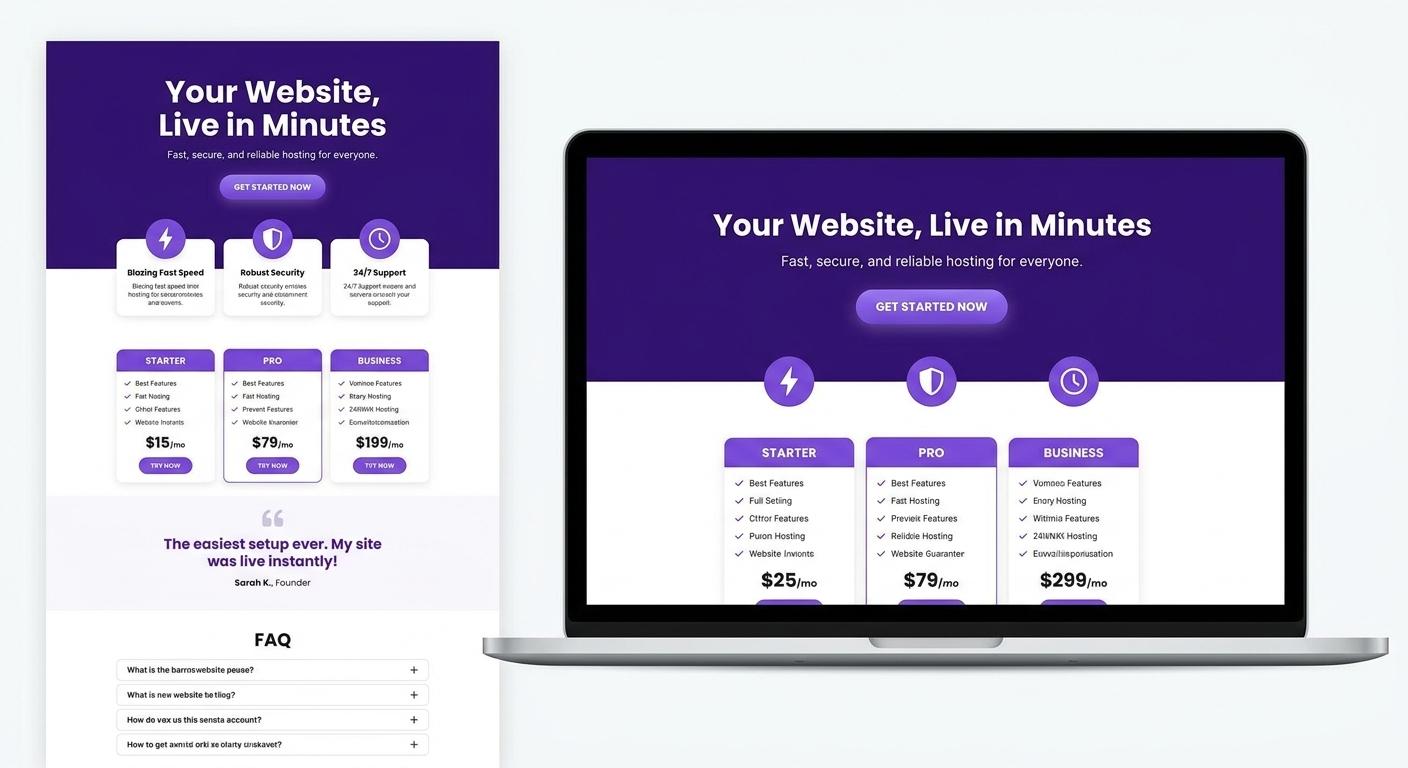
Web designers build websites for clients who can’t or don’t want to do it themselves. A typical project includes designing a set number of pages, but it often extends to writing basic copy (or editing what the client provides), handling basic SEO setup, and handing over the finished site. A clear scope means fewer headaches for everyone.
Once you learn how to design a website, set the prices. A three-page starter site typically runs under $500, a five-page business site about $1,000, and a full package with a blog and contact forms, anywhere from $1,500 upward. You can speed up delivery significantly by starting with a good template and a pre-built checklist instead of starting from scratch each time.
15. WordPress site setup services
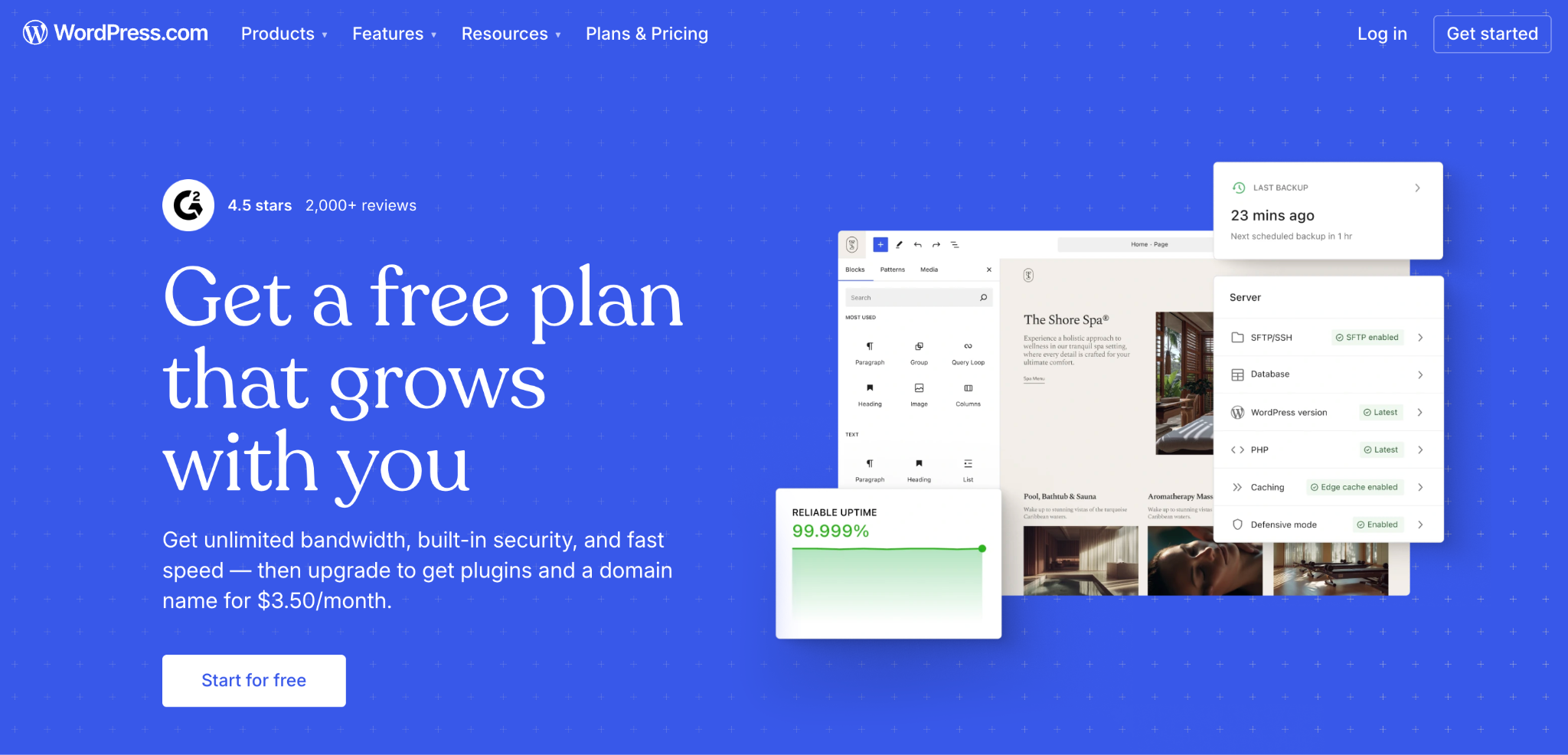
Many people buy a hosting plan and a domain, but have no idea what to do next. That’s where WordPress setup services come in. Clients typically need a theme installed and customized, a small set of essential plugins added for contact forms, security, speed, and SEO, and some basic security settings configured.
Understanding how to host a website helps you troubleshoot issues quickly and give clients solid advice on their setup. Be clear with clients about what’s included and what isn’t. Ongoing maintenance, plugin updates, and design changes after handover are separate services. A monthly maintenance plan is a natural add-on where you handle updates, backups, and monitoring for a flat fee.
16. IT support for small businesses
Many small businesses don’t have a tech person on staff. That means when a computer won’t connect to the network, email stops working, or someone needs a new device set up, there’s no one to call. If you have the know-how, this is exactly the gap you can fill. Tasks range from:
- Setting up new laptops and devices.
- Configuring email accounts.
- Setting up cloud backups.
- Troubleshooting everyday issues.
You can offer on-call support, charging per hour or per visit, or a monthly support plan that covers a set number of hours. Monthly plans are better for you because the income is predictable, and better for clients because they’re not anxious about calling you.
17. Cybersecurity checks for small teams
Most small businesses don’t think about security until something goes wrong. A simple security check can help them fix the most common risks before they become expensive problems. You don’t need advanced skills to offer this. Beginner-friendly packages focused on the basics can provide real value.
A good starter package might include:
- Reviewing the team’s password practices.
- Walking them through basic phishing awareness (how to spot fake emails).
- Checking that devices are using up-to-date software.
The deliverable could be a simple report with a traffic-light system, green for things that are fine and red for things to fix, plus a one-hour session to walk through the fixes together. Be clear about what you won’t cover, so clients don’t expect a full enterprise security audit.
18. App or software development
If you can code, there’s consistent demand for developers who can build small, focused tools. You can create things like a custom booking form, a simple internal dashboard, or a minimum viable product (MVP) for a startup idea. Begin with small projects. Starting with contained, well-scoped projects keeps the work manageable and lets you build a portfolio fast.
Before you write a single line of code, validate demand. Does the client actually need this, or are they excited about an idea that solves a problem no one has? A clear written spec agreed before work starts is what prevents the project from expanding indefinitely. Learning how to make a web app is a practical starting point for most of the projects that small clients actually need.
19. Automation setup for businesses
Automation means setting up systems that handle repetitive tasks without anyone having to do them manually. In real life, that looks like a new lead filling out a form and automatically getting added to a spreadsheet and receiving a welcome email, or a weekly sales report getting pulled together and emailed to the team without anyone doing it manually.
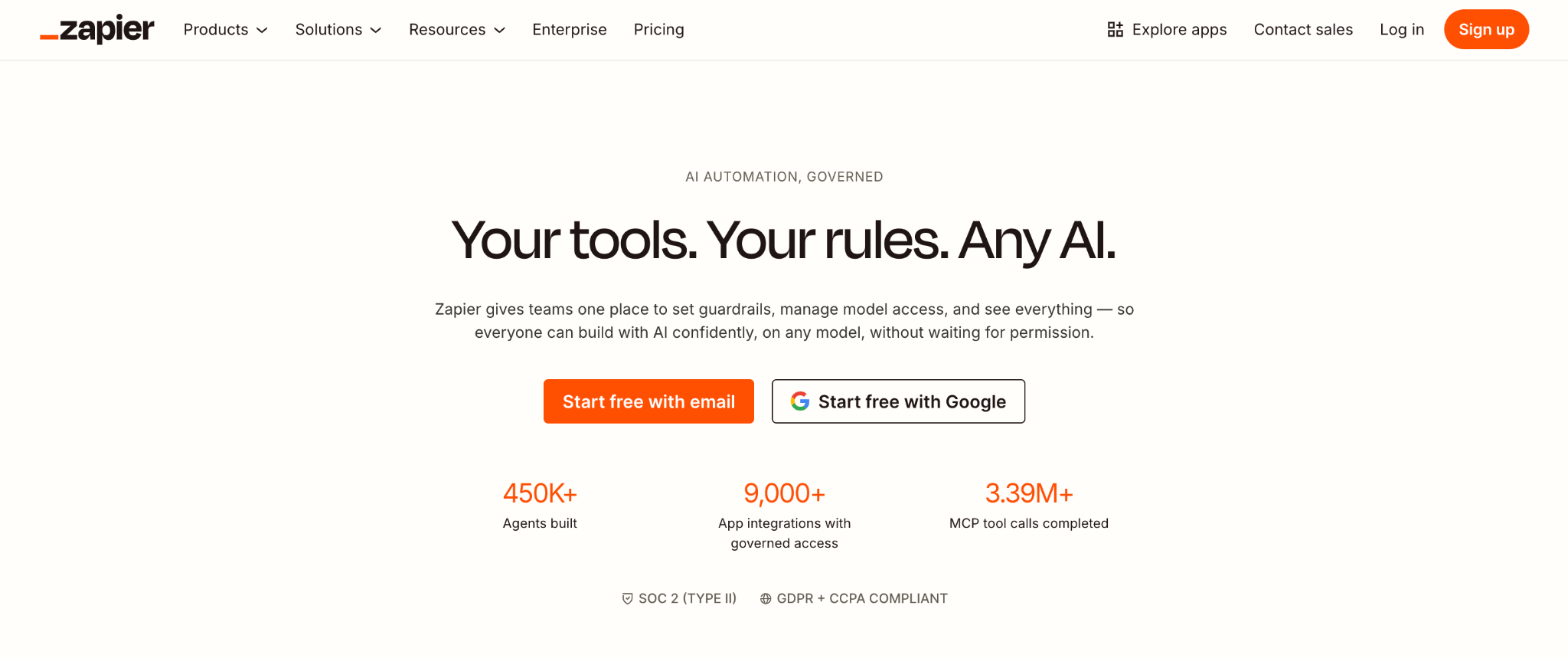
The easiest processes to start with are lead capture, follow-up emails, and simple data reporting. No-code automation platforms like Zapier and Make make this accessible even if you’re not a developer.
Once you’ve built a few workflows for one client, you’ll spot similar opportunities across every business you work with. Most small companies have the same repetitive tasks eating up their week, which makes it easier to sell the same fixes again and again.
You can price this work by workflow or offer a monthly retainer for businesses that want ongoing improvements. Staying on top of the latest automation trends helps you keep your offer fresh and competitive.
20. Data analytics consulting
Data consultants help businesses understand what their numbers actually mean. Instead of leaving a pile of spreadsheet data unused, you help clients set up dashboards, track the right metrics, and make decisions based on what the data shows. Common tools include Google Looker Studio, Tableau, and Google Analytics.
The most important thing is to tie everything back to decisions, not just numbers.
Raw numbers on their own don’t move a business forward. What makes your work valuable is the ability to turn those numbers into clear next steps the client can actually act on.
A client doesn’t need to know that their website had 10,000 visits last month. They need to know which pages are driving sales and which ones are losing people. Positioning your work around “decisions you can make with this data” is a much stronger sell than promising dashboards and reports on their own.
Ecommerce and product-based businesses
21. Online course creation
Creating an online course is a way to package what you know into something people can learn from at their own pace. To sell courses online, focus on a narrow, specific outcome. “Get your first freelance client in 30 days” beats “everything about freelancing” every time. A narrow scope makes it easier to build the course and easier for students to decide to buy.
Before you record anything, create an online course platform and validate demand with a simple waitlist page. If people sign up, build the curriculum with short modules, clear steps, and templates where possible. Get feedback from your first students and improve before you scale.
22. Selling templates and downloads
Digital downloads are one of the best low-overhead businesses you can run. You create something once, like a spreadsheet template, a Canva social media kit, or a project planning checklist, and sell it unlimited times. There’s no inventory, no shipping, and no custom work for each buyer.
Digital products that sell well solve a specific problem for a specific type of person. A “freelance invoice template for designers” will outsell a generic invoice template every time.
The more specific your audience, the easier it is to price the product based on the value it delivers rather than the time it took to make. A designer will pay more for something built for their exact workflow than for a one-size-fits-all file.
You can also increase your average order value by bundling related products. Sell the invoice, the client onboarding checklist, and the project proposal template together for a higher price.
23. Print-on-demand store
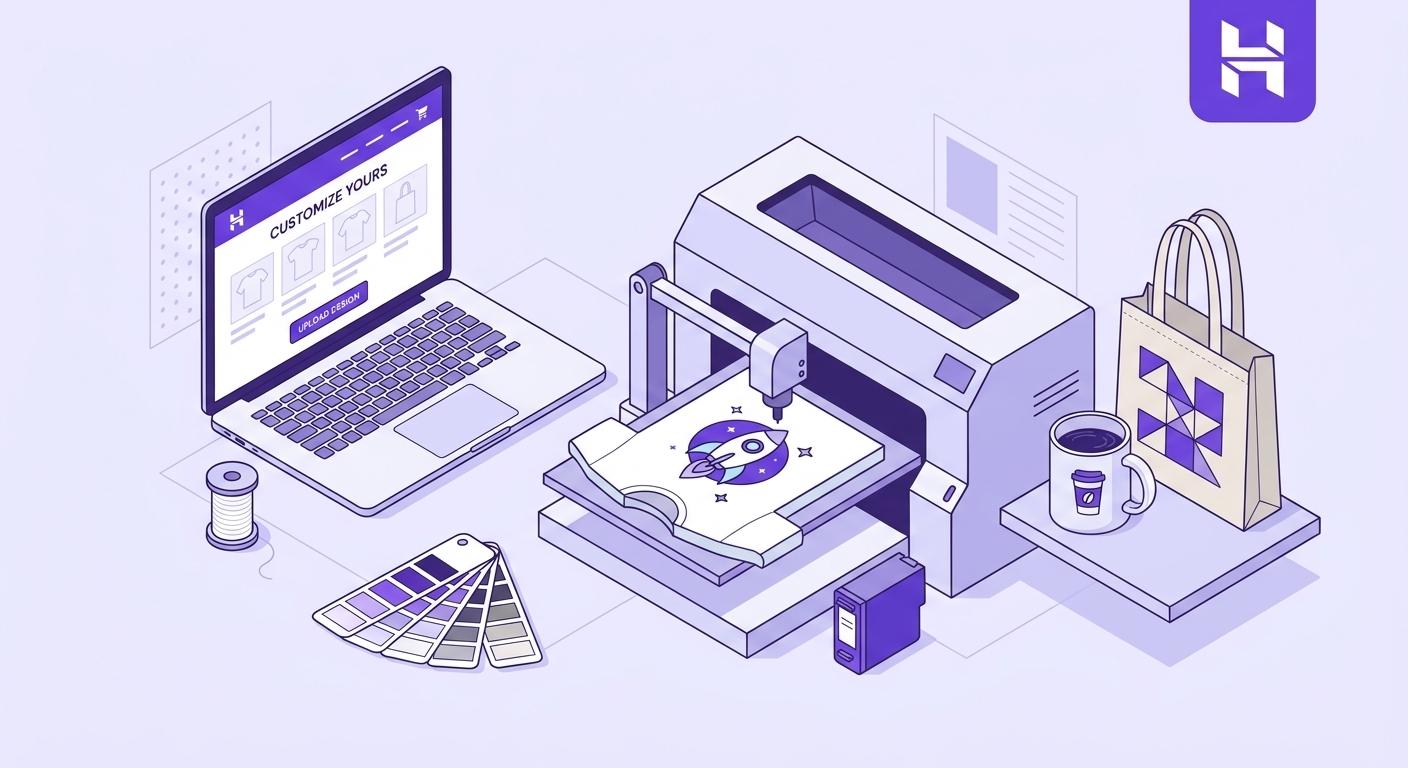
Print on demand lets you sell custom-designed products like T-shirts, mugs, tote bags, and posters without holding any stock. When someone orders, the print-on-demand supplier prints and ships it directly to the customer. You handle the designs and marketing; they handle the rest.
The most profitable stores pick a specific niche and go deep. A general “funny quotes” store is hard to market. A store for dog owners who hike, or for people who work in healthcare, is much easier to target.
Niche stores also build a community around them, which leads to repeat customers and word-of-mouth sales. That kind of loyalty is almost impossible to earn when your designs try to appeal to everyone.
Validate designs quickly by running small paid promotions before investing time in a big collection. Bundling products or creating gift sets can help raise your average order value, since individual print-on-demand margins can be thin.
24. Dropshipping store
Dropshipping means you sell products online without ever holding stock. When a customer buys from your store, you order it from a supplier who ships it directly to them. It’s a low-cost way to start an ecommerce business, but margins are thin, and competition is high, so positioning matters.
A clear brand and a focused niche, rather than “everything cheap,” make it much easier to market and build trust.
To start a dropshipping business, create a small catalog of five to ten products and test a few suppliers before committing. The biggest risks are supplier reliability and long shipping times, both of which lead to bad reviews. Place test orders to check quality and delivery speed before adding products to your store.
25. Subscription box business
A subscription box business means curating a set of physical products around a theme. Think indie book picks, pet treats, or wellness teas, and shipping a new box to subscribers on a regular schedule. Customers aren’t just paying for products. They’re paying for someone to do the research, pick the best things, and deliver a consistent, themed experience every month. Theme, quality, and reliability are everything.
The smart way to validate this is with preorders. Before you buy any inventory, create a simple page describing the box and ask people to pay upfront to reserve their spot. If 50 people pay, you know the demand is real. If 3 people sign up, you’ve saved yourself from a warehouse full of unsold stock.
Preorders also give you useful feedback before you commit to suppliers or packaging runs. Early subscribers often share what they liked or wished had been included, which helps you refine the next box before costs start to climb.
Frequency (monthly vs. quarterly) and sourcing are the main levers to manage costs once you’re up and running.
26. Handmade goods on marketplaces
Selling handmade goods on marketplaces means turning a craft or hobby into a storefront – without needing to build your own audience from scratch. Platforms like Etsy put your products in front of buyers who are already looking for handmade items.
That built-in traffic is a real advantage, but it also means you’re competing with thousands of other sellers in the same category. Standing out comes down to how well you present your work, not just the quality of what you make.
The key is treating your listings like a small business: clear photos with consistent lighting, accurate descriptions, firm pricing that accounts for your time and materials, and shop policies that reduce back-and-forth questions.
Pick a product line you can make consistently and in batches, rather than highly custom one-offs, especially when starting. Repeatable products let you get faster and more efficient over time. Craft ideas to sell offer plenty of starting points if you’re not sure what to make.

27. Customized gifts and personalization
Personalized gifts like engraved items, custom prints, and name-on-everything products sell well year-round, with obvious peaks around holidays and celebrations. What clients are really buying is the emotional value of something made just for them or someone they love.
The operational challenge is proofing and revisions. Build a simple order form that collects everything you need upfront, including names, dates, fonts, and colors, so you’re not chasing down details after payment.
Setting these expectations in writing from the start keeps the process smooth for both sides.
Send a proof before you make anything, and be clear about how many rounds of changes are included. This avoids expensive mistakes and protects your time.
Photography and visual media
28. Photography services
Photography is one of those businesses where the niche directly affects income. Product photography, corporate headshots, and real estate photography tend to pay more per hour than general portrait or event work. That doesn’t mean the others aren’t worth pursuing. It just helps to know where you want to focus.
Start by creating a photography website and adding a portfolio. Then, set up a simple contract and a clean system for delivering files, which usually means providing a gallery link. A typical booking includes the shoot session and a set number of edited images delivered within an agreed timeframe.
Clients often assume more is included than you’ve planned for, so putting the details in writing protects both sides. A short, signed agreement covering deliverables, timing, and payment terms keeps the working relationship professional.
Getting the scope agreed upfront, how many images, how many looks, and how quickly, prevents disputes.
29. Videography services
Videographers handle the full production process – from filming on location to delivering a finished, edited video. Common packages include event highlight reels, short social media ads, real estate walkthroughs, and corporate interview pieces. The range of work is wide, so it’s worth deciding early which type you want to specialize in.
Scope creep is the biggest risk in video work. Be specific in your quotes:
- How many filming hours.
- How many edited minutes.
- Revision rounds.
- In what format files will be delivered.
As a starting videographer, a 1–2 minute promo video typically runs around $500, while a half-day shoot with basic editing can go for $800 or more. A short creative brief before every project aligns expectations and makes editing faster. Use a professional file delivery method, not a WeTransfer link that expires, so clients can access their files reliably.
30. Real estate photography
Real estate photographers shoot properties for agents who need listings that stand out online. Speed and consistency matter most in this niche. Agents often need photos within 24 hours of a shoot, and they want a consistent look across every listing so their brand stays recognizable.
Add-ons like 360° virtual tours, floor plans via a partner service, or short video walkthroughs can meaningfully increase your per-job revenue.
Those extras also make you harder to replace, since most agents would rather book one person for everything than juggle multiple vendors. The more services you offer, the stickier the client relationship becomes.
The best way to build recurring work is to become the go-to photographer for one or two active agents. Deliver quality work fast, be easy to work with, and those agents will bring you every new listing rather than shopping around each time.
Home and property services
31. Home staging services
Home stagers rearrange, refresh, or furnish properties to help them sell faster and for more money. The service is sold on results. A staged home typically spends fewer days on the market and attracts higher offers, which is a compelling pitch to both sellers and their agents.
Price your service per room or per project, and always document your work with before-and-after photos. That portfolio is your best sales tool. Building a relationship with a handful of local real estate agents is the most efficient way to get a steady stream of referrals, since they have a constant need for the service and a direct interest in the outcome.
32. Short-term rental management
Short-term rental managers take care of the day-to-day work so hosts don’t have to. That includes messaging, cleaning coordination, and listing management. Property owners care most about two things: good reviews and high occupancy. Everything you do should serve those two goals. Your service typically covers:
- Writing and optimizing listings.
- Managing guest messages.
- Coordinating cleaners between stays.
- Monitoring and responding to reviews.
You can charge a percentage of booking revenue, usually 10–25%, or a flat monthly fee. Percentage-based pricing is more common because it aligns your interests with the owner’s. You both benefit when the property earns more. Before taking on a property, walk through it and assess whether it’s genuinely guest-ready, since a poorly maintained property will cost you more time than it’s worth.
33. Cleaning service
Residential cleaning is one of the most accessible service businesses to start. It has low startup costs, consistent demand, and repeat clients who need you weekly or biweekly. Commercial cleaning for offices and retail spaces has bigger contracts but also more competition and a longer sales cycle.
Basic supplies and reliable transport are your main startup costs. Pricing is typically per clean based on home size or hourly. Your first clients will almost always come from personal referrals and local reviews, so doing great work on your first few jobs and asking happy clients to leave a Google review is your most important marketing activity early on.

34. Deep cleaning and move-out cleaning
Deep cleaning and move-out cleaning are one-off, higher-paying jobs. Clients are usually tenants who need to get their deposit back, landlords preparing a property for new tenants, or homeowners who want a thorough clean before selling. The scope is much more detailed than a regular cleaning and includes inside appliances, windows, walls, and grout. The price reflects that.
Create a detailed checklist of everything included in your service so clients know exactly what to expect. A deep clean typically covers:
- Inside appliances (oven, fridge, microwave).
- Windows and window sills.
- Walls and skirting boards.
- Grout and tile scrubbing.
- All standard cleaning tasks.
Quoting is faster when you have a clear checklist. You can walk a property and give a price in minutes. Add-on services like carpet cleaning or window washing are natural upsells that increase your revenue per visit.
35. Pressure washing
Pressure washing removes dirt, mold, and grime from driveways, patios, siding, fences, and decks. It’s seasonal in colder climates, with spring and summer being peak times, but in warmer areas, it’s a year-round business. The equipment is the main startup cost, but you can often recoup that within your first few jobs.
Your best customers are homeowners preparing to sell, landlords with rental properties, and commercial property managers. Rather than quoting individual surfaces, sell packages. For example, driveway plus patio plus front path, because bundled jobs are more profitable per hour and easier to schedule back-to-back in one neighborhood.
36. House painting services
Painters work on either interior or exterior jobs, and most specialize in one or the other. Interior painting is available year-round and is less weather-dependent. Exterior painting is seasonal in many areas, but often commands higher prices per job.
Accurately estimating is one of the most important skills in this business. Underquoting hurts your margins while overquoting loses jobs. The most common reason for callbacks is poor surface preparation. Filling holes, sanding, and priming properly before painting reduces the need to redo work. Setting these expectations with clients upfront and including prep work in your quote protects both your time and your reputation.
37. Landscaping and lawn care
Lawn care businesses earn well because the work is recurring. A client who pays you for a weekly mow and monthly garden cleanup is worth far more over a year than a one-time job. Build your schedule around recurring routes, with clients in the same neighborhood on the same day, to cut travel time and fuel costs.
Simple packages work best:
- A basic weekly cut and edge.
- A premium package with fertilizing and seasonal cleanup.
- An optional one-time garden tidy for new clients.
Seasonal upsells like leaf removal, mulching, and winterizing add revenue without requiring new clients. Word of mouth travels fast in residential neighborhoods when the work is visible and consistent.
38. Handyman services
Handymen handle the small jobs that homeowners don’t want to tackle themselves, including picture hanging, furniture assembly, door hinge fixes, bathroom caulking, flat-pack furniture, and simple installations. The niche works best when you pick a focused set of services rather than claiming to do everything.
Pricing typically includes a minimum call-out fee plus an hourly rate after that. Building trust is everything in this business. Before-and-after photos posted online, combined with reviews from happy clients, are more effective than any paid advertising for getting local work. Respond to enquiries fast, since people searching for a handyman usually need one soon.
39. Furniture assembly service
Furniture assembly is a simple, in-demand service, especially in cities with a high density of young renters who are regularly moving and furnishing new spaces.
Price by item or hourly, with many assemblers doing both and charging a minimum per visit. A pre-visit checklist sent to the client asking for the brand, model number, and room lets you confirm you have the right tools and helps avoid surprises on arrival. Strong communication and showing up on time go a long way in this business.
40. Moving help
Moving help businesses handle the physical labor of moving: loading, unloading, and carrying. You don’t need a truck to start. Labor-only moves, where the client rents their own truck, have lower overhead and work well for small moves or anyone who just needs extra hands.
Transparent pricing is important here. Charge by the hour with a clear minimum, and be upfront about what’s included, like stairs, heavy items, and distance.
Once your pricing is clear, the next thing to manage carefully is your calendar. Moves rarely finish exactly on time, and a single delay can ripple into the rest of your day.
Scheduling needs to be tight, since overlapping jobs can cause serious problems for clients with moving deadlines. As you grow, adding a truck expands your service, but it also adds cost and complexity, so it’s worth starting lean and scaling from there.
41. Junk removal
Junk removal is driven by people clearing out homes, renovating, or moving. It’s physically demanding but profitable, and there’s consistent demand in most areas. Volume-based pricing is standard. Customers pay based on how much space their junk takes up in your vehicle.
The main things to sort out before you start are:
- Responsible disposal.
- Knowing your local recycling centers.
- Donation drop-off points.
- Landfill fees.
- Any local permits required for hauling.
Being able to offer same-day or next-day service is a genuine competitive advantage, since most clients want the junk gone fast.
42. Home organization service
Home organizers help people sort out spaces that have become overwhelming. That could be overstuffed closets, chaotic kitchens, home offices buried under paperwork, or garages that haven’t been usable for years. Clients hire you because they’re stuck, not because they don’t care, so the work requires both practical skill and empathy.
Charge by the room or by the project. Show results clearly with before-and-after photos, with the client’s permission, because this kind of visual proof is your most effective marketing content. People also want to know the system you leave behind. Showing that your work creates a long-term solution, not just a one-day tidy, justifies your pricing.
Personal and lifestyle services
43. Mobile car detailing
Mobile detailers come to the client’s home or workplace to clean and detail their car, which is more convenient than a fixed-location car wash and justifies a higher price. Basic packages cover an exterior wash and interior vacuum. Premium packages include full interior shampoo, seat treatment, paint correction, and ceramic coating.
The key to making each job profitable is setting travel fees for clients outside your area and being honest about how long each service tier takes.
Underestimating time is the fastest way to turn a good rate into a bad one. Track how long each service actually takes on your first few jobs, then adjust your pricing before you lock in long-term clients.
Equipment, including a pressure washer, wet/dry vacuum, polisher, and chemicals, is your main startup cost. Once you have five or ten regular clients, referrals tend to build naturally.
44. Mobile phone repair
Mobile phone repairers fix cracked screens, dead batteries, broken charging ports, and water damage, which are the four most common problems. You don’t need a shop to start. Many repairers work from home or visit clients on location, keeping overhead low.
Sourcing reliable parts is critical, and it’s worth testing several suppliers before committing. Offering a short warranty on your work, typically 30 to 90 days, builds trust with new clients.
A warranty is only as good as the policy behind it. Customers will ask what happens if the same issue comes back, and having a clear answer ready makes you look professional rather than caught off guard.
Clear, written repair policies covering what you cover and what happens if a repair doesn’t fix the problem protect both you and the customer and reduce difficult conversations later.
45. Appliance repair
Appliance repair is a specialized trade that can be very lucrative when you focus on a specific type of appliance. Washing machines, refrigerators, ovens, and dishwashers are the most common. Generalist repairers spread themselves thin, while specialists are faster, more confident, and easier to market.
Charge a diagnostic fee upfront, even if the client decides not to proceed with the repair. This covers your time and prevents low-quality jobs from eating into your schedule. A short phone or online screening process asking what appliance, what the symptom is, and how old it is helps you filter out jobs where the repair cost would exceed the value of the appliance.
46. Pet sitting and dog walking
Pet sitting and dog walking means caring for someone else’s animals, either in their home or on scheduled walks, while the owner is at work or away. It’s a trust-based business, since owners are handing you access to their home and the well-being of their animals, so the setup process matters.
A meet-and-greet before the first booking, where you meet the pet and the owner, ask about routines and any issues, and exchange emergency contacts, builds confidence on both sides.
Services can include drop-in visits, overnight stays, or daily dog walks. Regular, weekly clients are the most valuable. They provide a predictable income and are much easier to serve than one-off bookings. Reviews and references from a few happy clients are the most effective marketing in this business.
47. Dog grooming
Dog groomers bathe, brush, clip, and style dogs. You can run this business from a purpose-built space at home for lower overhead, from a mobile grooming van for premium pricing and more flexibility, or eventually from a salon. The main startup investment is equipment: a grooming table, tub, dryer, and clippers.
The most popular services are the full groom (bath, cut, blow-dry, nail trim) and the express bath and tidy. Returning clients who book every four to eight weeks for the same breed are the backbone of any grooming business. Safety protocols for anxious or reactive dogs are important to think through before you open for business, including how you’ll handle a dog that becomes distressed.

48. Home daycare
Running a home daycare means caring for children during the day while their parents are at work. It can be a very rewarding business, but it comes with real responsibilities. Check your local licensing requirements and safety rules before you start, as these vary significantly by location.
Structure your pricing around daily or weekly rates, with clear policies on illness, holidays, and late pickups. Parents want to know their child is in a safe, consistent environment with a predictable routine.
That predictability is what parents are really paying for. A well-run day looks simple from the outside, but it’s the structure behind it that keeps families coming back.
Being clear and transparent about how you run your days, including activities, meals, and nap times, reduces anxiety for parents and sets the right expectations from day one.
49. Senior companion care
Companion care for seniors involves non-medical support: keeping someone company, helping with light tasks, going for walks, playing games, or simply being there for conversation. It’s distinct from medical care and personal care, so it’s accessible to people without a nursing background.
Trust is built through background checks and references, which you should have ready before your first client meeting. Families are often the ones hiring, and they’ll want to know their loved one is safe and genuinely cared for. Regular updates and honest reporting go a long way toward building long-term working relationships that provide stable, predictable income.
50. Errand runner and concierge service
Errand runners handle the tasks their clients don’t have time for. That includes grocery shopping, pharmacy trips, picking up dry cleaning, waiting for deliveries, booking appointments, and researching purchases. Your best clients are busy professionals and seniors who value their time more than the cost of your service.
Set clear limits on what you will and won’t do, and price based on time plus any reimbursable expenses. Without clear boundaries, requests can grow into something unmanageable. A simple booking system, even just a shared calendar and payment link, keeps jobs organized and ensures you’re not overextended.
51. Laundry pickup and delivery
Laundry services pick up dirty laundry, wash, dry, and fold it, then return it. It sounds simple, but the operational side, including turnaround times, order tracking, and pricing, needs to be tight to run smoothly.
Start with a small, manageable route of clients in your area. Price per pound or per bag, since per bag is simpler and easier for clients to budget for. Set clear turnaround times of 24 or 48 hours and stick to them consistently. Late returns, even once, erode trust quickly. Subscription-style clients who book the same day each week are your most valuable customers.
52. Personal fitness training
Personal trainers design and deliver workout programs for individual clients. The trainers who build the most stable businesses pick a specific type of client, like busy parents who want to get fit in 30 minutes, beginners who are nervous about gyms, or athletes training for a specific event, and tailor everything around that person’s needs.
Structure your service as packages:
- Ten sessions.
- Three months.
- A recurring monthly subscription.
Packages are more profitable than pay-per-session pricing and create better outcomes for clients because they commit to a longer process.
Clients stay motivated when they can see how far they’ve come. Without a way to track progress, it’s easy for them to lose faith in the program before the results fully show up.
Simple progress tracking using measurements, photos, and performance benchmarks gives clients visible proof that the program is working and makes retention much easier. You can also make money as a fitness influencer for additional revenue beyond in-person sessions.
53. Yoga or Pilates instruction
Yoga and Pilates teachers can work in-person, online, or both. Formats include private one-to-one sessions, small group classes, and corporate wellness sessions for teams. Each has a different price point and requires a different kind of marketing.
Memberships, where clients pay a monthly fee for a set number of classes, are better for your income than drop-in pricing because they create predictable revenue. Fill your classes first through referrals and local partnerships with gyms, wellness studios, community noticeboards, and Facebook groups before spending money on ads.
Once your regular classes are full, it’s worth looking at bigger contracts that can stabilize your income. Business clients tend to book further ahead and pay more reliably than individual students.
Corporate wellness sessions are particularly worth pursuing because they’re often booked as recurring blocks rather than one-off classes.
Food and events
54. Meal prep service
Meal prep services prepare batches of food for clients who want to eat well but don’t have time to cook. For this business, the niche you focus on, whether that’s fitness nutrition, family-friendly meals, or dietary needs like gluten-free or plant-based, shapes your marketing, your menu, and your pricing.
Use a preorder model: clients place and pay for their order by a set deadline, then you shop and cook for exactly what’s been ordered. This cuts waste and reduces the financial risk of cooking food that doesn’t sell. Check your local food safety regulations before you start, since home-based food businesses are regulated differently depending on where you are. Alternatively, you can sell food online alongside local delivery.
55. Personal chef services
Personal chefs cook for individual clients regularly, either on a weekly meal prep basis or for special occasion dinners. Unlike catering, this is an intimate, personalized service. Clients often have specific dietary preferences, health goals, or family requirements that a good chef builds around.
Offer different packages: a weekly meal prep service where you spend around three hours cooking and fill a client’s fridge for the week, versus a dinner party experience where you arrive, cook, serve, and clean up. Per-meal or per-day pricing works well. An intake questionnaire covering dietary restrictions, food dislikes, health goals, and kitchen equipment prevents disappointing surprises after the first visit.
56. Catering
Catering businesses prepare and serve food for events like corporate lunches, private parties, and birthdays. Picking an event niche to start helps enormously. Corporate box lunches, for example, are simpler to execute and more repeatable than multi-course dinner parties.
Quoting accurately is the skill that makes or breaks profitability. Your price needs to cover ingredients, labor, packaging, delivery, and setup, plus a margin. The easiest way to build a portfolio when you’re new is to cater small events for friends and family, not for free but at a slight discount in exchange for photos and an honest review.
57. Home bakery
Home bakers sell custom cakes, celebration cookies, pastries, or specialty breads, usually through social media or local word of mouth. Small-batch production from a home kitchen keeps overhead low, but it requires discipline to price correctly from the start.
The most common mistake is underpricing. When you account for ingredients, packaging, your time, energy, and any local licensing costs, the price needs to reflect all of it.
Use preorders for custom items so you’re not baking on speculation. To give your bakery a more professional presence online, create a bakery website to help you showcase your menu, accept orders, and connect with your customers.
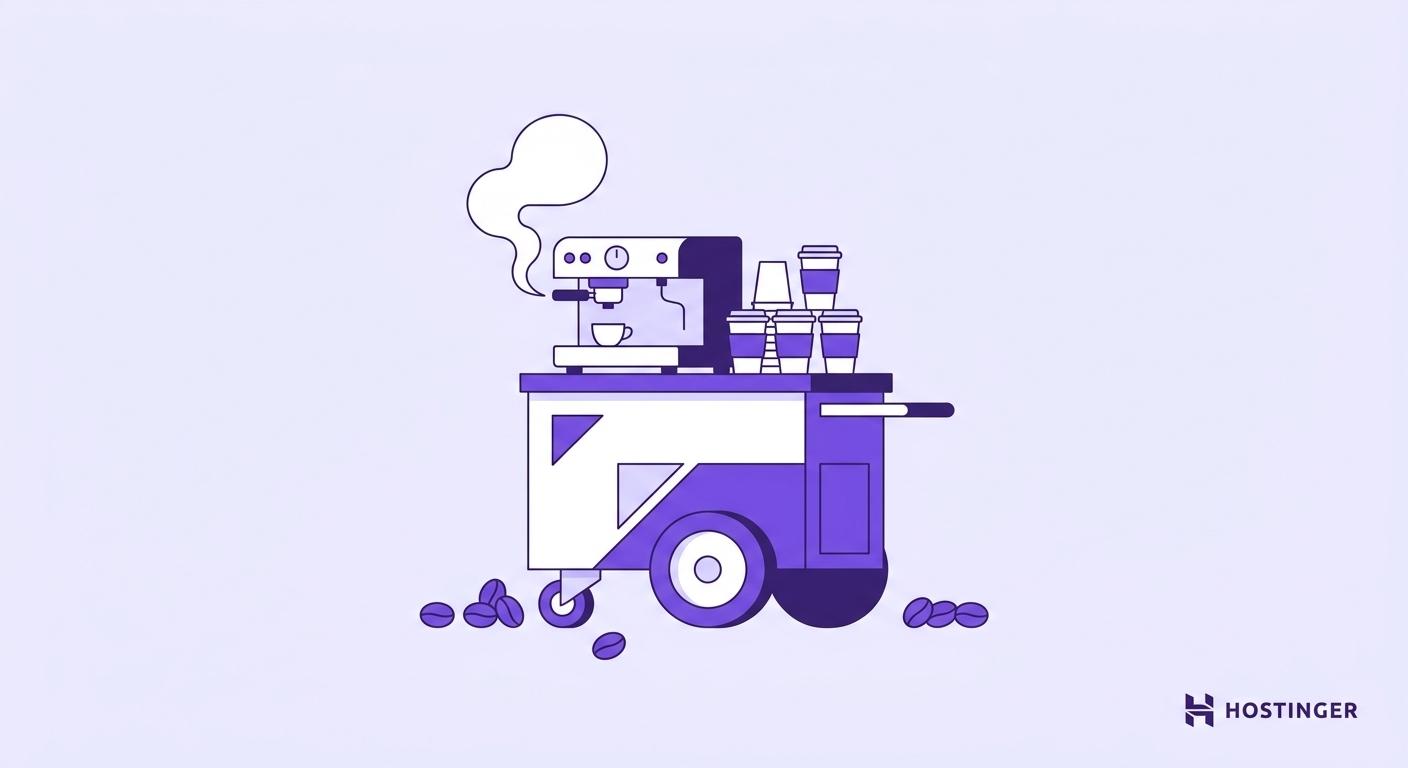
58. Coffee cart or pop-up stand
A coffee cart or pop-up stand is a low-barrier way to sell drinks without the cost of a fixed café space. Profitability in this format depends heavily on three things: foot traffic, speed of service, and product simplicity. A tight menu of five to eight drinks served quickly earns more per hour than a complex menu with long queue times.
Before investing in equipment, test your chosen location with a short trial of one or two days to see whether the foot traffic is real and consistent. Farmers’ markets, office districts, events, and sports venues are typically the strongest locations. Once you find a spot that works, repeatability and consistency are what build a loyal following.
59. Food truck business
Food trucks are one of the most recognizable small business formats, but they require more upfront validation than most. Before you invest in a truck and equipment, confirm that your menu is genuinely scalable. Can you make 80 portions of it in a fast service window? You’ll also want viable locations or event bookings lined up before you launch.
Routes and schedules matter enormously. Customers become loyal when they know exactly where to find you on a given day. Posting your weekly schedule consistently on social media is one of the most effective marketing tools a food truck can use. Research your local permit requirements early, as they vary significantly and can affect where and when you operate.
60. Mobile bartending
Mobile bartenders bring a full bar service to private events like birthdays, corporate parties, weddings, and garden parties. You arrive with equipment, serve drinks for the duration of the event, and pack down at the end. The host gets a professional bar experience without the complexity of a venue.
Package pricing based on hours and number of guests keeps your quotes clean and easy to compare. Add-ons that increase your revenue per booking include cocktail menu design, a specialty drink named for the event, and non-alcoholic mocktail options.
Once your packages are set, the next challenge is getting in front of people who book events regularly. Word of mouth from one good event tends to bring in the next two or three.
The best channels for new bookings are event planners, wedding coordinators, and venue managers. Reach out to them directly, since they’re constantly recommending suppliers to clients.
61. Vending machine business
Vending machines earn money passively once they’re placed, selling snacks, drinks, or specialty items without you needing to be there. The catch is that location determines almost everything. A machine in a high-traffic office building or a gym with 500 members can turn a real profit, while a machine in a quiet hallway earns very little.
Start with one machine to test a location before buying more. Research foot traffic, talk to the location owner, and understand what products the people there actually want. Snacks and drinks are the safest starting categories because demand is reliable.
Treat that first machine as a live experiment rather than a finished business. The data you collect in those first few months, like which products sell out fastest and what times are busiest, is what turns a guess into a smart second purchase.
Once you’ve proven a location works, adding a second machine is much lower risk than starting with five.
62. Event planning
Event planners take the stress of organizing an event off their client’s plate by handling logistics, vendor coordination, timelines, and troubleshooting on the day. The types of events easiest to start with are small corporate gatherings, birthday parties, and milestone celebrations, where the stakes are manageable and the scope is clear.
Clients expect a clear deliverable list. Packages help with this.
- “Coordination only” means you manage logistics, but they choose vendors.
- “Full planning” means you handle everything from initial concept to final cleanup.
Either way, be clear upfront about what you’ll handle, what the client decides, and what’s outside the scope. A dedicated event website makes it easier for potential clients to find you, see your work, and get in touch.
63. Wedding services
Weddings are a large, specialized market with a huge range of roles, including coordinator, decorator, photographer, content creator, and florist. Rather than trying to do everything, pick one lane and become known for being excellent at it.
A narrow focus also makes it easier to price your work with confidence, since you’re not competing with generalists on cost. Couples are willing to pay more for a specialist they trust with one part of their day.
Couples do a lot of research before booking wedding vendors, so a clear niche, strong photos, and fast, warm communication are your most important assets.
Packages with clear inclusions, covering exactly what’s included, how many hours, and what files or products the couple receives, speed up the booking decision. A fast, personal response to enquiries also matters. Many couples make a shortlist and book whoever replies first with a great impression.
On top of that, knowing how to create a wedding website lets you offer couples a complete package, from planning the day to sharing all the details online.
64. DJ services
DJs provide music and atmosphere for events like weddings, birthday parties, corporate events, and club nights. Pricing is driven by the length of the event, the gear required, and travel distance. A four-hour wedding reception in a well-equipped venue is priced differently from an outdoor festival that requires you to bring a full sound system.
Handle playlists and requests in a structured way. Provide a form where clients submit must-plays, do-not-plays, and the general vibe they want. This makes the night smoother for both of you and reduces the chance of awkward requests mid-event.
Happy clients are also your best source of new work. Once the event ends and the energy is still high, they’re far more likely to leave kind words if you simply ask.
After every event, ask for a review. A consistent stream of five-star reviews on Google or social media drives more bookings than almost any other marketing effort.
Coaching, consulting, and education
65. Online tutoring
Online tutoring means teaching a subject or skill directly to a student, on your schedule, from anywhere. The best tutors niche down, focusing on a specific subject and learner type. The narrower you go, the easier it is to find clients willing to pay for specialist help. Platforms like Preply, Tutor.com, and Wyzant make it straightforward to list your services and attract your first students.
Structure your first lesson like a short diagnostic: find out what the student already knows and where they’re struggling, then build a plan from there. Start your online tutoring business by offering a small discount for the first session in exchange for an honest review. Testimonials from early clients go a long way.

66. Language coaching
Language coaches help people speak and communicate with more confidence in a non-native language, rather than focusing primarily on grammar rules. Common offers include conversational practice sessions, business language coaching for professionals who need to write emails or present in English, and test preparation for exams like IELTS or TOEFL.
Sell packages instead of single sessions. A ten-session package gives the student a clear pathway and gives you a predictable income. Progress is also easier to demonstrate over ten sessions – and a student who can see they’ve improved is far more likely to continue or refer someone they know.
Packages also make it easier to market what you do, because the outcome becomes the selling point rather than the hours spent.
Position your offer around a specific outcome. “Go from nervous to confident in workplace English” is more compelling than “English lessons.”
67. Bookkeeping services
Bookkeepers help small businesses keep their finances organized by recording transactions, reconciling bank statements, managing invoicing software, and producing monthly reports that show where money is coming in and going out.
The role is about keeping the books accurate and up to date, so owners always know where they stand financially. Accountants then use that clean data to file taxes, offer strategic advice, or handle more complex financial planning.
It’s not accounting or tax advice, and it’s important to be clear about that boundary with clients.
Your best clients are local businesses and freelancers who know they need to stay on top of their numbers but don’t have time. A monthly retainer for a set number of hours is the most common pricing model.
Pricing usually depends on transaction volume and how messy the books are when you take over. Most bookkeepers quote a flat monthly rate after a quick review of the client’s accounts.
Be clear from the start about what’s included (bookkeeping) and what isn’t (filing taxes or giving tax advice), so clients know when they need to bring in an accountant.
68. Business consulting
Business consultants help owners and managers solve specific, costly problems. The keyword is “specific.” A consultant who helps small ecommerce businesses reduce customer return rates is much easier to market and sell than a consultant who helps businesses “grow and improve”, so pick your lane.
A strong entry-point offer is an audit plus a roadmap: you spend a defined amount of time assessing the problem, then deliver a clear written plan. This is lower risk for the client than a long engagement and gives you a paid way to get to know their business before proposing ongoing work.
The audit also positions you as an expert rather than a task-taker. Once the client sees the quality of your thinking, the conversation naturally shifts toward bigger, longer-term work.
Price based on the value of the outcome, not just your time, and always tie your work back to a business result the client cares about.
69. HR consulting
HR consultants help growing businesses build the people processes they don’t yet have, like a structured hiring process, an onboarding program, employment contracts, and basic workplace policies. Many small businesses run on informal systems until they have to hire, and that’s when things break.
Packaging this into a defined sprint makes it tangible and easy to buy. For example: “In four weeks, I’ll help you build a hiring process and onboarding program that you own and can run yourself.” Clients understand exactly what they’re getting and when it ends, which removes the open-ended anxiety that can make people hesitate to hire a consultant.
70. Career coaching
Career coaches help people make intentional moves, whether that’s transitioning to a new field, getting better at interviews, or figuring out what they actually want to do next. The coaches who stand out pick one specific outcome and build their whole offer around it, rather than offering vague “career support.”
To start an online coaching business you first need to build a repeatable framework. It gives your clients a consistent experience and makes it easy to explain exactly how your program works. From there, structure your offer as a multi-session package. “Eight sessions to confidently land a new job in a different industry” is easier to sell than hourly sessions with no clear arc.

How to choose the right small business idea
Choosing the right small business idea means matching what you’re good at with what people will pay for. Start by writing down:
- What do you know how to do.
- What problems have you solved for other people.
- What you’ve been paid for in the past.
Then check whether people are actively searching for help with those things. On Google, look for autocomplete suggestions and ‘People also ask’ results. On job boards, check how many listings exist for that type of work. In social media groups, see how often people ask for recommendations.
Budget and time matter too. If you have more time than money, service-based ideas like virtual assistant work, tutoring, or cleaning are a natural fit. If you have some budget to invest, product-based ideas like print on demand or dropshipping give you more to work with from the start.
How to turn a small business idea into a real business
Turning a small business idea into a real business requires a clear offer, a way to reach customers, and a simple process for delivering your service or product consistently.
Before you launch, define your offer. Look at competitors, browse platforms like Upwork or Etsy, and see what people are charging for similar work. That’s usually enough to set a realistic price and understand what customers expect to get your online business started.
Not every business needs a website right away. Some ideas work perfectly on marketplaces or platforms like Etsy, Fiverr, or Airbnb. If your idea needs its own online presence, start simple. A basic website with a payment method and a contact form is enough.

Justina is a Content Writer passionate about marketing, with a background in social media and customer success management. She also loves reading books, traveling and exploring new places as well as cooking, and trying out new recipes. Follow her on LinkedIn.