
What are multi-agent systems?
A multi-agent system is a software architecture in which multiple autonomous agents work toward a shared goal. Each agent is responsible for a...

11 best no-code AI agent builders to automate your workflows
A no-code AI agent builder lets you create AI agents through a visual interface without writing code. Teams use them to automate work like sales...
What is agentic AI in marketing, and how does it work?
Agentic AI in marketing describes autonomous agents that read real-time data, decide on the next best action, and execute multi-step campaign tasks...
AI Assistant vs. AI Agent: What’s the Difference?
An AI assistant responds to prompts, while an AI agent pursues goals. Assistants generate answers, drafts, and summaries one request at a time. Agents...
AI agents vs. LLM: What’s the difference?
An LLM is a language model that interprets a prompt and generates text, code, or other structured outputs. An AI agent builds on an LLM by adding...
Types of AI agents explained
AI agents can be grouped by how they perceive information, make decisions, and carry out tasks.Each type uses a different approach to selecting...
Single-agent vs. multi-agent systems: What’s the difference?
The main difference between a single-agent and a multi-agent system is how AI completes a task.A single-agent system relies on one AI agent to handle...
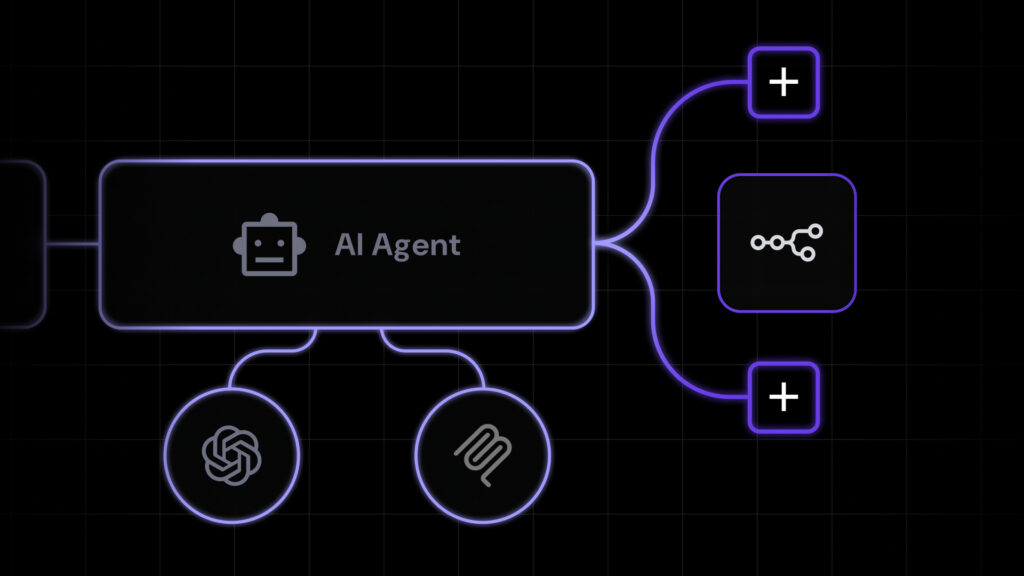
Agentic AI vs. generative AI
Generative AI creates content, while agentic AI completes tasks. Generative AI responds to prompts by producing text, images, code, audio, or other...
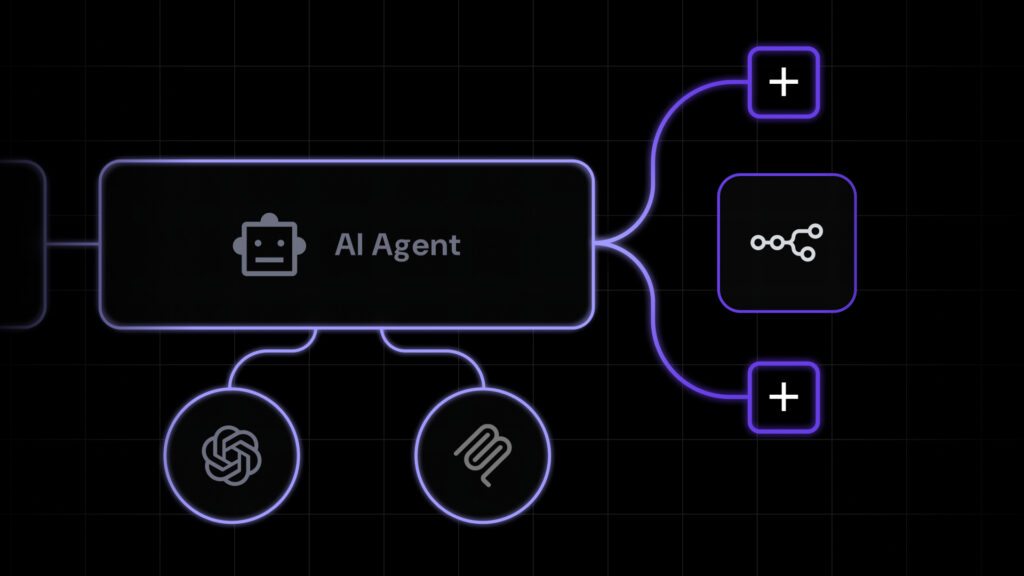
What is an LLM agent?
An LLM agent is an AI system that combines a large language model with planning, memory, and external tools to complete tasks autonomously.Unlike a...
What are AI agents and how do they work? With examples
AI agents, also known as autonomous software systems or intelligent digital assistants, are programs designed to independently perform tasks and make...