How to sell clothes online and make money
Mar 10, 2026
/
Simon L. & Miglė C.
/
13 min Read
To sell clothes online, you have two main options: use marketplaces like Poshmark, eBay, or Depop, or build your own online store with platforms such as Hostinger Website Builder.
Both approaches can be profitable – marketplaces give you quick access to ready-made audiences, while your own store offers full control and brand-building potential.
The process involves researching the market, deciding what type of clothes to sell, and choosing where to sell them.
You’ll also need to write compelling product descriptions, take professional photos, and set the right prices. Promoting your clothes, managing orders, and tracking sales performance will determine how successful your online clothing business becomes.
1. Research the online market
Before listing your first item, spend some time learning about the clothing market online. This step will help you avoid dead ends and position your clothes where buyers are already looking.
Define your target customer before you sell anything. Think about who you want to reach – a student shopping for trendy streetwear has very different needs than a parent looking for affordable kids’ clothes. Narrowing this down early will guide your platform choice and pricing later.
Look at what’s trending
- Check marketplace insights. Platforms like eBay and Poshmark highlight trending categories – this shows you what’s actually selling right now.
- Use social media as a research tool. Search hashtags like #vintagestyle or #slowfashion to see which items people are wearing and sharing.
- Check seasonal demand. Use Google Trends to compare terms (e.g., “summer dresses” vs. “winter jackets”) and prepare your inventory around peak seasons.
Learn from competitors
Don’t reinvent the wheel – study what’s already working.
Browse a few top-rated sellers in your niche. Note their pricing, product descriptions, and photography style. Read customer reviews carefully – complaints about size details or shipping speed show you where you can stand out.
Create a simple spreadsheet with columns for “Item type,” “Price range,” “Photo style,” and “Customer feedback.” After checking just 3–5 competitors, you’ll already see clear patterns.
Find your opportunity
Ask yourself:
- Is there a style, size, or niche not well covered?
- Can you offer faster shipping, better-quality photos, or more detailed size guides?
- Do you have unique stock, like vintage pieces or limited designer items?
Spotting these small gaps is where your clothing shop can stand out from the crowd.
2. Select clothing items for sale
Once you know the market, the next step is choosing what to sell. Your options include used clothes, new items, or print-on-demand (POD) products. Each path has different startup costs and levels of involvement, so the best choice depends on your goals.
Start with what you already own. If you’re brand-new, selling used clothes from your closet is the fastest way to begin. It’s risk-free, teaches you how platforms work, and helps you build seller ratings before investing money.
Selling used clothes
When selling used clothes online, it’s essential to select items in good condition, free from stains, holes, or signs of heavy wear.
Focusing on recognizable brands or trending styles can further boost their appeal, and carefully washing, ironing, and photographing them will also increase their marketability.
This approach is ideal for those looking to earn income with minimal setup when selling used clothes online. Consider bundling similar items, such as “3 summer tops, size M,” to expedite sales and increase order value.
Selling new clothes
To move beyond simply reselling, consider expanding your inventory by purchasing wholesale from suppliers, which allows you to buy in bulk and sell at a higher profit margin.
Alternatively, you can differentiate your offerings through niche sourcing, such as finding unique items at vintage shops or estate sales. Regardless of your approach, always meticulously calculate all costs, including the purchase price, shipping, and platform fees, before setting your resale price.
It’s also wise to test small batches of new inventory first to gauge your audience’s interest before committing to larger orders.
Selling print-on-demand clothing
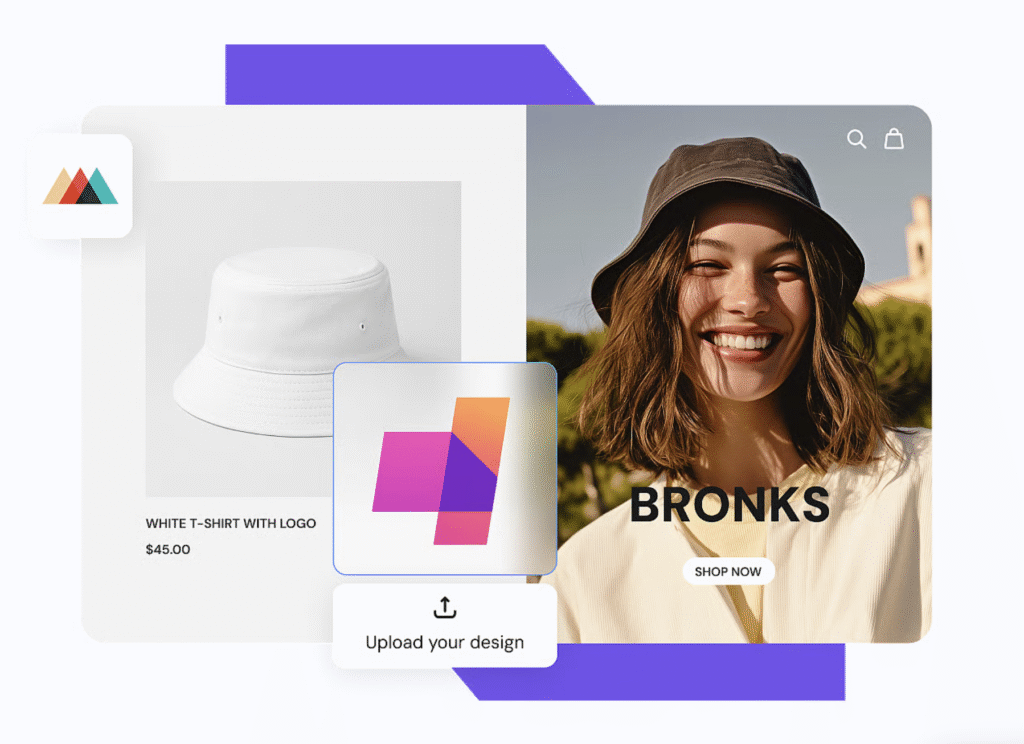
Print-on-demand is a low-risk way to build a clothing brand without keeping stock. With services like Printful, you upload designs, connect to your store, and the provider prints and ships items as orders come in.
Why POD is attractive:
- No upfront inventory costs
- Wide product selection (t-shirts, hoodies, leggings, hats)
- Seamless integration with Hostinger Website Builder
Challenges to expect:
- Margins are smaller compared to wholesale
- Quality depends on the POD provider
- Success requires strong branding and marketing
To learn the basics, read our guide on what print on demand is. If you’re ready to dive deeper, check out how to start a print on demand business.
3. Choose an online selling platform
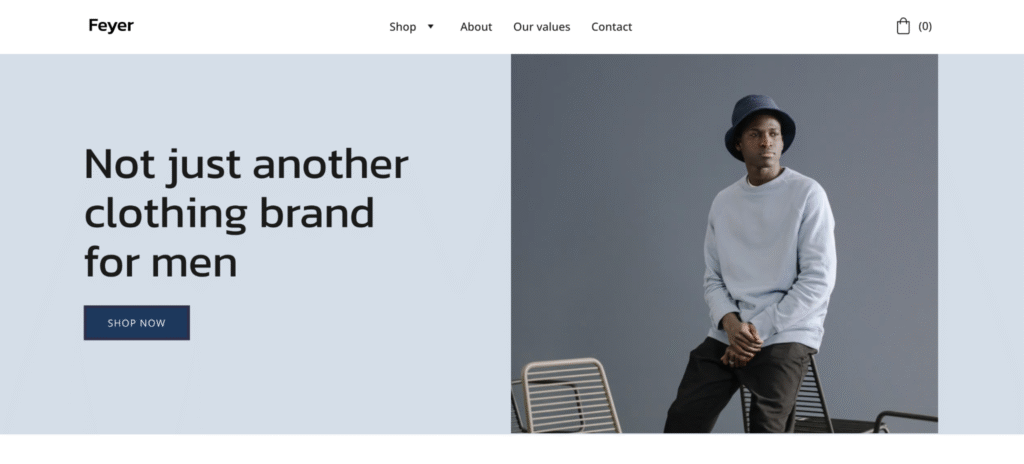
Choosing where to sell your clothes is one of the most important decisions you’ll make. The right platform depends on how fast you want to start, how much control you want over your brand, and how much effort you’re willing to put into marketing.
Marketplaces give you instant access to shoppers. Apps like Poshmark, Depop, and eBay already have millions of users searching for clothes daily. You’ll face competition, but it’s the easiest way to start selling quickly.
An online store gives you full control. If you want to build a long-term clothing brand and keep more of the profits, creating your own store is the best option. With tools like Hostinger Website Builder, you can design a professional site and connect it to social media and print-on-demand services.
Top platforms to sell clothes online
Tip: If you’re new, try a marketplace first to gain experience. Once you’ve made a few sales and understand your buyers, you can transition to your own online store for more control and higher long-term profits.
| Platform | Best for | Pros | Cons |
| eBay | Auctions and secondhand items | Huge global audience, flexible pricing formats (auction or fixed price) | Seller fees, competitive environment |
| Poshmark | Fashion-focused resale | Social features like sharing and following, built-in fashion audience | High commission (20% on sales over $15), limited to certain countries |
| Depop | Vintage and streetwear | Popular with Gen Z, community-driven vibe | Lower average selling price, shipping is seller’s responsibility |
| Etsy | Handmade, vintage, and custom fashion | Niche audience that values unique items, SEO-friendly listings | Listing fees and transaction fees, competitive for popular categories |
| Vinted | Everyday secondhand clothes | No selling fees, easy-to-use mobile app | Limited reach (not available in all countries) |
| Own store (Hostinger Website Builder) | Branding and scaling your business | Full control over design, pricing, and customer relationships; better margins | Requires upfront setup, ongoing marketing, and more effort |
Want full control over your clothing business? Learn how to make an online store with Hostinger Website Builder and start selling under your own brand from CA$ 5.59.

4. Write compelling product descriptions
A good description does more than state what the item is – it convinces shoppers they need it. When selling clothes online, buyers can’t touch the fabric or try items on, so your words must fill that gap.
Be clear, not clever. Shoppers want to know the size, material, condition, and style – avoid vague phrases like “super cute top” that don’t tell them much.
Key elements every clothing description should include:
- Type of item – shirt, hoodie, dress, jeans
- Size and fit – list exact measurements (bust, waist, inseam) to reduce returns
- Material – cotton, polyester, denim, wool, blends
- Condition – new with tags, gently used, vintage
- Care instructions – machine wash, dry clean only
- Unique details – pockets, embroidery, stretch fabric, eco-friendly materials
Most importantly, write for benefits, not just features. Instead of only stating facts, connect them to the buyer’s needs:
- Feature: “100% cotton.”
- Benefit: “Soft, breathable cotton for all-day comfort.”
Think of how the buyer will use the item. A dress isn’t just “floral” – it might be “perfect for summer weddings or weekend brunch.”
Example – weak vs. strong description
❌ Weak: “Blue hoodie, size M. Worn a few times but in good condition.”
✅ Strong: “Classic unisex hoodie in navy blue, size M. Made from a soft cotton blend that feels comfortable all day. Features a front pocket and adjustable drawstring hood – ideal for casual outings or lounging at home. Gently used, no visible wear. Machine washable.”
See the difference? The strong description answers questions before buyers even ask them.
For more detailed advice, explore our guide on how to write a product description.
5. Take high-quality product photos
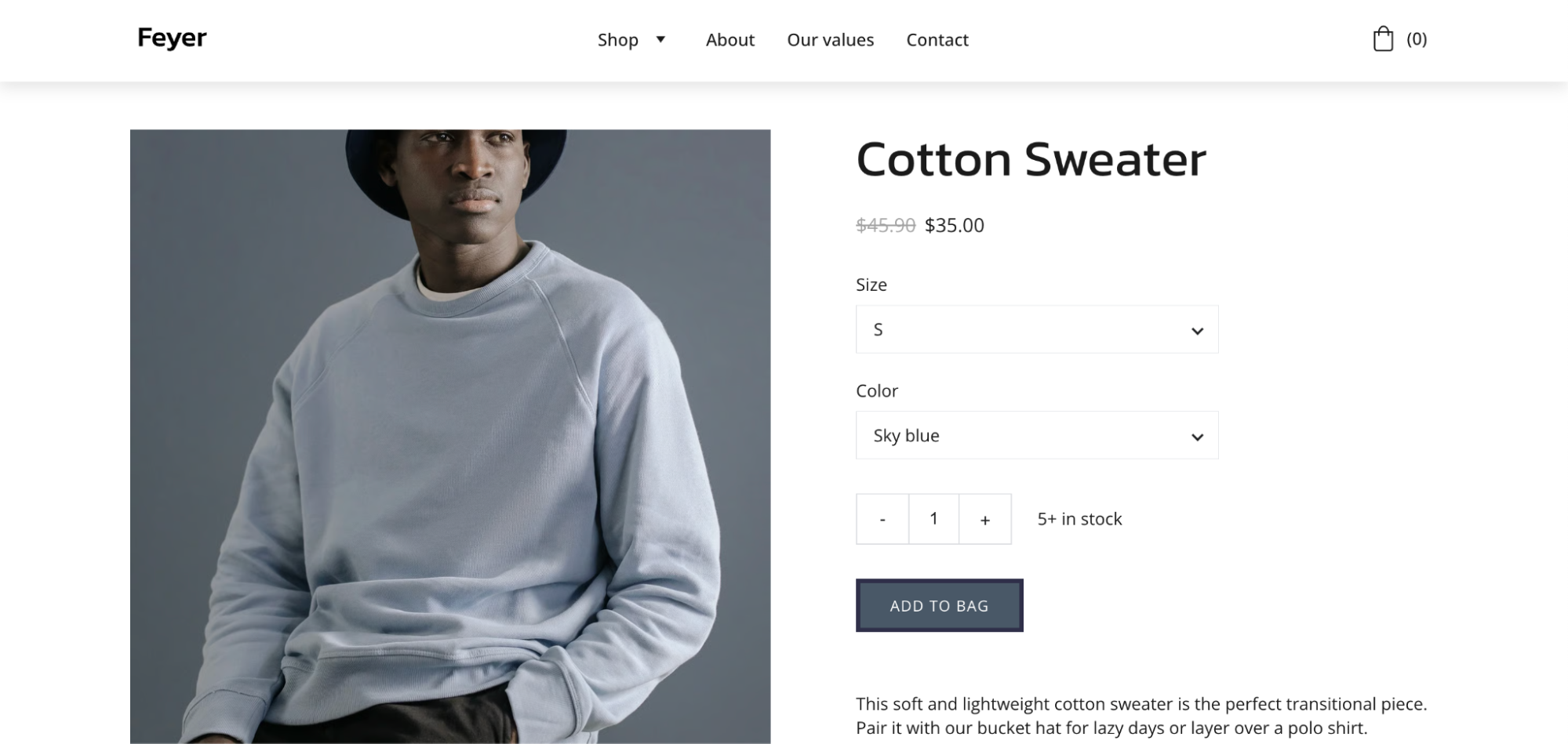
Your photos are the first thing buyers notice – often before they even read your description. A great photo can make the difference between someone clicking “Buy” or scrolling past your listing.
You don’t need expensive equipment. A modern smartphone with a good camera is enough if you pay attention to lighting, background, and styling.
How to set up your photo shoot:
- Lighting is everything. Natural light near a window works best. Avoid yellow indoor lights or flash, which can distort colors.
- Use a neutral background. A white wall, simple backdrop, or clean sheet keeps the focus on the clothing.
- Stabilize your camera. If possible, use a tripod or set your phone on a stable surface to avoid blurry images.
Show every angle and detail. Buyers want to feel confident about what they’re purchasing. Include:
- A full front and back photo
- Side views and close-ups of details (buttons, zippers, logos, fabric texture)
- A photo of the clothing tag (size and material)
- Any flaws – honesty builds trust
Pro tip
Add a scale reference (like holding the item or showing it on a hanger) so buyers understand its size.
Style your items for impact:
- Flat lay. Place clothes neatly on the floor or a flat surface with good lighting.
- On a hanger. Works well for shirts, dresses, and jackets.
- On a model or mannequin. Best for showing fit and movement. If you can model the item yourself, it helps buyers visualize how it looks when worn.
Remember to keep your style consistent. Using the same background and lighting for every product makes your shop look professional and trustworthy. For more inspiration, check out our guide on the best product page designs.
6. Set up pricing for online selling
Pricing is more than guessing a number – it’s about covering your costs, staying competitive, and convincing buyers they’re getting value. Set your prices too high and items won’t sell, too low and you lose profit.
Always start with your costs. At minimum, your price should cover what you paid for the item (or materials if new) plus any platform fees and shipping if you’re covering it.
Three simple pricing strategies for clothing sellers:
- Cost-based pricing. Add up your total cost (purchase, cleaning, packaging, shipping, and platform fees) and add a markup.
Example: If it costs $8 total to prepare and ship a shirt, and you want a 50% margin, list it for $12–15. - Competitive pricing. Look at what similar items sell for on your platform. Price slightly below if you want a quick sale, or match the average if you want to build trust.
Example: If most vintage Levi’s jeans sell for $40–50, you might price yours at $45. - Value-based pricing. For unique items or branded pieces, price based on the perceived value to the buyer. A rare vintage jacket may only cost you $20 at a thrift shop but could easily sell for $100+ if styled well and marketed as a collectible.
Tips for smarter pricing:
- Bundle items. Selling “3 summer tops, size M” often fetches more than listing each separately.
- Use odd pricing. $19.99 feels cheaper than $20, even though the difference is small.
- Consider promotions. Offer discounts for followers, first-time buyers, or bulk purchases to increase conversions.
Remember to track your sales and experiment. If an item doesn’t sell after 30 days, lower the price slightly or refresh the photos and description.
For a deeper breakdown, check our guide on how to price a product.
7. Market and promote your clothes

Even the best product won’t sell if no one sees it. Promotion is how you get your clothes in front of buyers, whether you’re on a marketplace or running your own store.
In fact, according to the latest digital marketing statistics, over 50% of marketing budgets are spent on online ads.
The good news? You don’t need a big ecommerce marketing budget to start – consistency matters more than spending.
Start by making your listings discoverable. Use clear titles with keywords buyers are searching for. For example, instead of “Cute Top,” write “Women’s Floral Summer Blouse – Size M.” Keywords like “vintage,” “oversized,” or “sustainable” can help attract the right audience.
Free promotion strategies for beginners
- Use social media platforms. Instagram and TikTok are perfect for showcasing styled outfits, while Pinterest works great for long-term discovery.
- Share in online communities. Join Facebook groups or Reddit forums for thrifting, reselling, or sustainable fashion and engage genuinely (don’t just drop links).
- Create a content marketing strategy. Ecommerce content marketing helps you build trust with new buyers and make your store more visible in search engine results.
- Promote within marketplaces. Many platforms reward active sellers – share or “bump” your listings, follow other sellers, and participate in community features like Poshmark’s parties.
- Collect reviews early. A few positive reviews can drastically increase buyer trust and lead to more sales.
- Think about an email marketing strategy. If you’re running your own store, set up an email list early. A simple “10% off your first order” pop-up can turn casual browsers into long-term customers.
Paid promotion strategies (when you’re ready)
- Boost listings. Marketplaces like eBay and Etsy let you promote items so they appear higher in search results.
- Run social media ads. Facebook and Instagram ads let you target specific age groups, locations, and interests (like “streetwear fans” or “sustainable fashion”).
- Work with micro-influencers. A small Instagram or TikTok account with 5,000 engaged followers can drive more sales than a big influencer with little trust. Offer them free items in exchange for content or affiliate commissions.
For more ideas, follow our in-depth guide on ecommerce marketing.
8. Decide how to handle orders, shipping, and returns
Once customers start buying, you need a reliable system for getting clothes to them quickly and handling returns smoothly. Good logistics not only keep buyers happy – they also earn you repeat customers and positive reviews.
Decide if you’ll ship yourself or use a service:
- DIY shipping (self-fulfillment). You package and ship items from home. This works well if you’re selling a small number of clothes or just starting out.
- Fulfillment services. With marketplaces or platforms like Printful, shipping is handled for you. This saves time but usually comes with fees.
DIY shipping checklist:
- Packaging. Use poly mailers or recycled boxes that protect clothing while keeping costs low. For premium items, consider tissue paper or branded packaging for a professional touch.
- Labels. Buy shipping labels online (through eBay, Etsy, or USPS) to save time and money compared to post office rates.
- Tracking numbers. Always provide tracking so buyers feel secure about their purchase.
Pro tip
Weigh your packages in advance and check shipping rates on different carriers (USPS, UPS, FedEx) – small weight differences can affect costs significantly.
A clear return policy is crucial for building buyer confidence, even when selling used clothes.
Standard return options include accepting returns within 14 or 30 days, with the buyer typically covering return shipping unless the item is damaged or not as described.
Adhere to the platform’s established return rules to avoid penalties for marketplaces. If you operate your own store, the return policy should be clearly written on your website, concise, and easy to comprehend.
Maintaining fast and polite communication with buyers is key, as they tend to be more understanding of delays or issues when responses are quick and respectful.
9. Track sales performance
Once you start selling, it’s tempting to just keep listing items and hope for the best. But to grow, you need to know what’s actually working. Tracking your sales performance helps you focus on profitable items, refine your pricing, and adjust your marketing strategy.
Start simple – track the basics:
- Total sales. How many items you sold this week or month.
- Revenue vs. profit. Don’t just track how much money came in – subtract costs (purchase, shipping, platform fees) to see what you really earned.
- Conversion rate. How many people viewed your item vs. how many actually bought it. Low conversions may mean your photos, descriptions, or pricing need improvement.
Tools for beginners:
- Marketplace analytics. Most platforms like eBay, Etsy, and Poshmark give you dashboards showing views, favorites, and sales.
- Google Analytics. If you run your own store, connect it to track where visitors come from and what they buy.
- Spreadsheets. Keep a simple sheet with columns for item, cost, sale price, fees, and profit. Over time, patterns will emerge.
Pro tip
Record not just numbers, but notes. For example: “Black hoodie sold fast after I changed the main photo” or “Vintage dress only sold after I dropped the price by $10.” These insights help you improve with each new listing.
Pay attention to:
- Best-sellers. Double down on categories or styles that sell quickly.
- Slow movers. If an item hasn’t sold in 30–60 days, lower the price, improve the photos, or bundle it with something else.
- Seasonal trends. Notice if certain clothes (jackets, swimsuits) sell better at specific times of year, and plan your listings ahead of the season.
Remember, tracking sales is like direct feedback from your customers. The more closely you listen, the better you’ll get at selling clothes online.
Which platforms are best for selling clothes online?
The best platform depends on your goals, budget, and how much effort you want to put into building a business. There’s no single “right” answer – instead, think about whether you want to start fast with a ready-made audience or build your own long-term brand.
Marketplaces are best for quick sales. If you’re just starting, platforms like Poshmark, eBay, Depop, or Vinted are beginner-friendly. They already have millions of active buyers, so you don’t need to worry about marketing right away.
An online store is best for building a brand. If you want more control over your profits and customer experience, creating your own store with Hostinger Website Builder is the smarter choice. You’ll need to market it yourself, but you’ll also keep more of the earnings and grow a brand people remember.
How to decide which is best for you:
- If you’re selling used clothes: Start with Poshmark, Depop, or Vinted. They make it simple to list items and connect with buyers interested in secondhand fashion.
- If you’re testing new products: Use eBay or Etsy. Their huge audiences let you see if your items attract buyers before committing to a full store.
- If you’re starting a clothing brand: Build your own store. It’s the best way to sell clothes online if your goal is scaling, creating a recognizable brand, and keeping more profit.
It’s important to note that many sellers start on a marketplace to gain experience and quick cash flow, then gradually move to their own store for brand growth.
For more advice on expanding beyond clothing, see our guide on how to sell stuff online.
How much can you make selling clothes online?
Income from selling clothes online can range from a little side cash to a full-time business. How much you earn depends on the platform you choose, the type of clothes you sell, and how much effort you put into marketing and operations.
On average, here’s what sellers can expect:
- Casual sellers on resale apps (Poshmark, Depop, Vinted) often make $50–$500 per month, depending on how much they list.
- Dedicated resellers who source inventory regularly may earn $1,000–$3,000+ per month, especially if they sell in-demand brands.
- Owners of online stores or clothing brands can potentially make thousands per month, but this requires consistent marketing, strong branding, and managing logistics.
Factors that influence your earnings:
- Platform choice. Marketplaces bring quicker but smaller profits, while your own store offers higher margins but requires more effort.
- Clothing type. Designer brands, vintage finds, or niche items (like streetwear or sustainable fashion) often command higher prices than basic fast fashion.
- Quality and presentation. Well-maintained clothes with professional photos and detailed descriptions sell faster and at better prices.
- Marketing consistency. Sellers who actively promote on social media and refresh listings tend to make more than those who “list and forget.”
Realistic expectations for beginners:
- If you’re cleaning out your closet, treat it as a way to earn extra cash.
- If you’re reselling or starting a print-on-demand clothing line, view the first few months as testing and learning rather than immediate big profits.
- Over time, as you refine your process and scale your listings, income can grow steadily.
Selling clothes online isn’t a “get rich quick” scheme, but with the right platform, niche, and consistency, it can grow from side income to a sustainable business.
Can social media help boost my online clothing sales?
Yes – social media can dramatically increase your clothing sales. Platforms like Instagram, TikTok, and Pinterest act as free storefronts where you can showcase your products, build trust, and reach new buyers without needing a big advertising budget.
Think of social media as your virtual fitting room. It lets shoppers see how clothes look in real life, get styling ideas, and imagine themselves wearing them.
How to use Instagram for clothing sales:
- Post high-quality outfit photos and short videos (Reels) showing how your clothes look when worn.
- Use relevant hashtags like #VintageFashion or #StreetwearStyle to reach niche audiences.
- Add product details in captions (size, price, link in bio).
- Encourage customers to tag you in photos wearing your items – this creates authentic social proof.
- Switch to an Instagram business account so you can track insights like reach and engagement.
How to use TikTok for clothing sales:
- Create short, fun videos showing “before and after” outfit transformations.
- Use trending sounds and challenges to increase visibility.
- Share behind-the-scenes clips, like packaging orders or thrifting finds – people love seeing the process.
- Add your store link in your bio and use captions like “Shop this look” to guide buyers.
How to use Pinterest for clothing sales:
- Create boards like “Summer Outfits” or “Vintage Finds” and pin your product photos.
- Use descriptive titles like “Black Floral Maxi Dress – Size M” for better search visibility.
- Link every pin directly to your product listing.
Pinterest is especially powerful for fashion because pins stay searchable for months or even years. Check our guide on how to sell on Pinterest for a step-by-step breakdown.

Simon is a dynamic Content Writer who loves helping people transform their creative ideas into thriving businesses. With extensive marketing experience, he constantly strives to connect the right message with the right audience. In his spare time, Simon enjoys long runs, nurturing his chilli plants, and hiking through forests. Follow him on LinkedIn.

Miglė Cicėnaitė-Jocė is a Product Manager for Hostinger's Website Builder. She is on a mission to redefine website creation, focusing on the AI flow and its features, and is always eager for product feedback and market insights to improve the user experience. Follow her on LinkedIn.