10 trending products for dropshipping
Apr 27, 2026
/
By Alma
/
14 min Read
Certain product categories consistently trend in dropshipping because they align with how people already shop – solving small daily frustrations, upgrading essentials, or fitting naturally into routines.
Items that feel practical, easy to understand, and simple to demonstrate tend to convert faster than products that require explanation or lifestyle changes.
The most reliable trending products aren’t random viral hits. They’re tied to repeat use, predictable seasonal demand, or ongoing replacement cycles. When you focus on categories backed by clear buying behavior – rather than short-term hype – you create a store that’s easier to market and scale.
Here are 10 trending products for dropshipping and why they continue performing:
- Health and wellness essentials. Routine-driven fitness and recovery items support repeat use and reorders, making them more stable than one-time impulse products.
- Sustainable lifestyle products. This category continues growing as buyers replace disposables with reusable alternatives aligned with their values.
- Smart home devices. Smart bulbs, cameras, and voice assistants sell steadily as connected technology becomes a standard home upgrade.
- Trend-led fashion accessories. Lightweight accessories move quickly because social platforms accelerate style cycles and discovery.
- Baby care and safety items. These remain reliable because parents prioritize trust, safety, and convenience year-round.
- Everyday pet care products. Emotional buying and frequent repeat needs keep this category performing consistently.
- At-home workout gear. Compact equipment stays in demand because it fits modern schedules and small living spaces.
- Mobile accessories and add-ons. Steady sales come from constant device upgrades and natural wear-and-tear replacement cycles.
- Travel and outdoor essentials. Predictable seasonal spikes align with vacations, festivals, and warm-weather activities.
- Creative DIY kits and supplies. Hobby-driven buyers look for structured projects they can complete successfully, often leading to repeat purchases.
1. Health and wellness products
Health and wellness products sell well because they address ongoing wellness needs rather than one-time purchases. Supplements, massage tools, and therapeutic items support daily health routines that people maintain long-term.
According to Fortune Business Insights, the global home fitness equipment market is projected to grow from $12.88 billion in 2025 to $22.99 billion by 2034.
Recent demand spikes show the strongest growth in recovery and stress-relief products: massage guns, posture correctors, and heating wraps. Quality considerations are critical when starting a dropshipping business in this category because buyers use these products daily.
Look for suppliers providing verified ingredient lists for supplements, safety certifications for therapeutic devices, and consistent build quality across batches. Check supplier reviews specifically mentioning product durability and material safety, not just shipping speed.
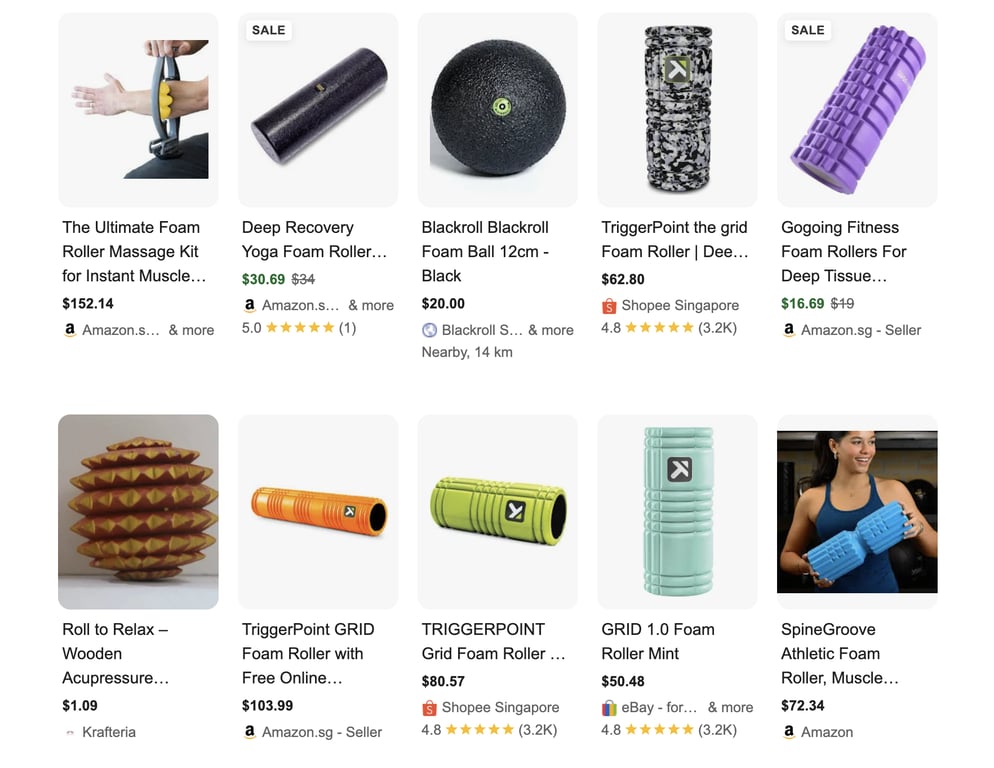
These are strong starting points for health and wellness products:
- Massage guns with adjustable speed settings. Recovery-focused tools buyers use after workouts or long workdays – designed for relief, not performance.
- Foam rollers for muscle recovery. Low-effort wellness tools that support stretching and soreness relief without requiring a full workout mindset.
- Posture correctors for desk workers. Clear problem-solution fit for daily discomfort from sedentary routines – addresses the pain people feel right now.
- Heating or cooling therapy wraps. Popular for muscle relief and joint comfort without requiring active exercise – fits into rest and recovery naturally.
- Compression sleeves or socks. Wellness accessories buyers use for recovery, circulation, and everyday comfort – especially appealing for travel and long days on your feet.
- Acupressure mats or massage balls. Simple, at-home tools for relaxation and tension relief that work without instruction or motivation.
2. Eco-friendly and sustainable products
According to recent market reports, the global sustainable products market is estimated at about $430 billion in the mid‑2020s and is projected to reach roughly $650 billion by 2029. That growth shows up in how people shop: more buyers actively choose reusable bags over plastic, stainless containers over disposables, bamboo alternatives over single-use items.
What makes this category powerful is that sustainability often becomes the primary reason for buying. When someone picks a reusable silicone bag over cheaper plastic, they’re not just storing food – they’re reducing waste in a way they can see and feel good about.
That emotional component creates a willingness to pay slightly more, improving your margins without the need for constant discounting. Many recent surveys show especially strong demand from Gen Z and Millennial buyers in Western markets, particularly for everyday swaps that don’t require major routine changes.
Durability is the entire value proposition. If a “sustainable” product wears out quickly, buyers feel misled and return it immediately – and that quality failure undermines the environmental claim completely. Long-term use has to back up the sustainability messaging, or the whole appeal collapses.

Consider these products for building your sustainable lineup:
- Reusable silicone food storage bags. Replaces single-use plastic with a multi-year product buyers reuse daily – clear value that’s easy to explain and justify.
- Reusable grocery and tote bags. High-frequency use items where durability becomes the main differentiator – buyers notice quality fast because they use these constantly.
- Bamboo toothbrushes. Simple, low-friction swap that reduces everyday waste without asking buyers to change their morning routine.
- Beeswax food wraps. Easy-to-demonstrate alternative for food storage and lunch prep that photographs well and feels tangibly different from plastic wrap.
- Refillable personal care containers. Fits travel, gym, and sustainability use cases without requiring lifestyle change – just smarter packaging for what people already carry.
- Biodegradable kitchen utensils. Practical upgrade buyers justify when replacing worn-out tools – timing matters here since it’s often a replacement purchase, not a new need.
3. Smart home gadgets
Smart home gadgets sell because connected technology has become part of everyday life, not because it’s trendy. Most buyers aren’t experimenting anymore – they’re adding devices to homes that already use smart lighting, plugs, or security tools.
Smart home adoption continues to expand as connected devices move from novelty to standard household upgrades. For you as a seller, this means you’re not explaining why someone needs smart home tech; you’re helping them choose which devices can solve their issues.
Home gadget products sell best when they solve a clear, immediate problem, such as lighting control, security, or everyday convenience. Buyers want upgrades that feel useful right away. A smart bulb that works in minutes will outsell a whole-home system that takes hours to install and configure.
Many returns happen because the setup is confusing or the compatibility isn’t clear. If a device doesn’t clearly support Alexa or Google Assistant, or requires multiple apps to work, buyers get frustrated fast. Clear instructions, simple app control, and obvious compatibility details protect reviews and margins.
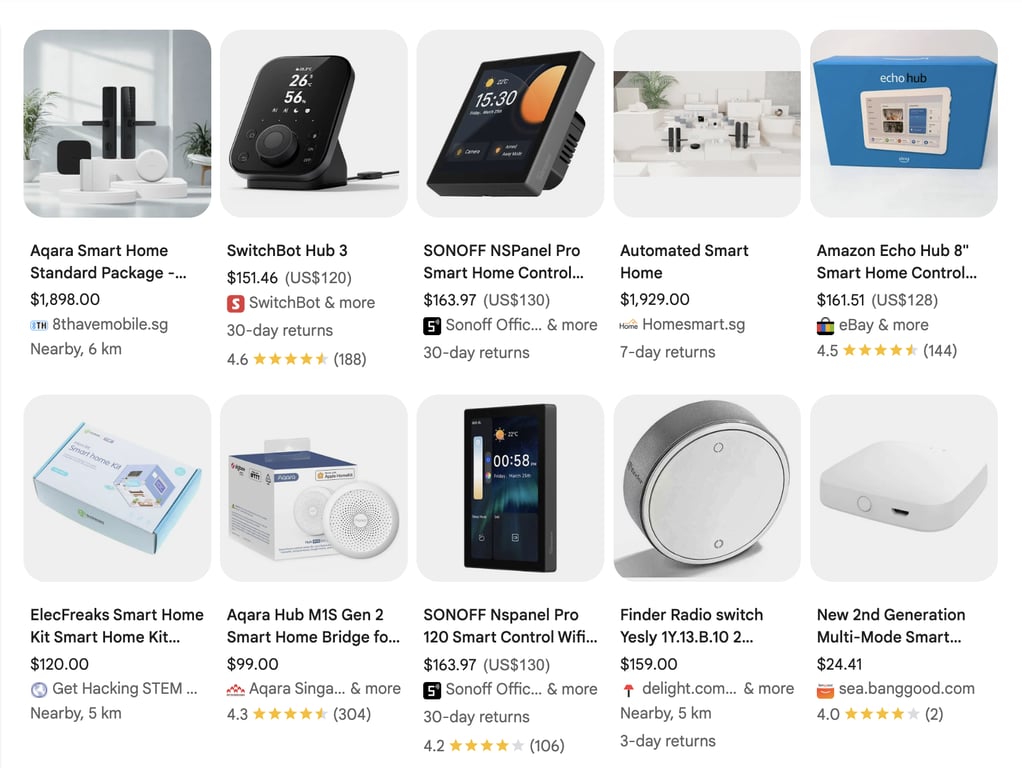
Here are six solid starting items for selling smart home devices:
- Smart LED light bulbs. Often a buyer’s first smart device, with easy upsell potential to more rooms once they see how it works – low barrier to entry, high repeat purchase likelihood.
- Wi-Fi smart plugs. Simple “turn anything smart” solution with immediate visible benefit – plug it in, connect it, control any device remotely in under five minutes.
- Smart speakers with voice assistant support. Central control point for lighting, plugs, and daily routines that buyers can expand around as they add more devices.
- Indoor security cameras. Strong motivation driven by home safety and peace of mind – emotional purchase that justifies premium pricing and fast decision-making.
- Video doorbells. Clear everyday use case that’s easy to explain in one sentence – see who’s at your door from your phone, wherever you are.
- Motion-activated smart lights. Convenience and safety upgrade without complex setup – works automatically once installed, fitting seamlessly into existing routines.
4. Fashion accessories
Fashion accessories move quickly because social media has shortened style cycles from seasons to weeks. A product trending on TikTok today can peak within a month and fade just as fast. That speed creates opportunity, but timing determines whether you ride momentum or enter a saturated market.
Social platforms don’t just shape trends – they control discovery. Industry reports, including those from Global Market Insights and others, show that the fashion accessories market is worth hundreds of billions globally, and that buyers increasingly purchase where they discover products.
That means research and marketing happen in the same place: monitor what gains traction, then sell directly into that audience.
If you don’t want to rely on fast-moving trends, focus on timeless pieces and steady seasonal demand instead. Minimalist jewelry, simple chains, and quality sunglasses hold demand longer than flashy statement items. Sunglasses spike in summer, while jewelry and hair accessories generate steady sales year-round.
Returns usually come down to perceived quality. Accessories must look premium in person, feel solid, and match online photos exactly. When the finish feels cheap or lighter than expected, buyers return it immediately, and reviews drop fast.
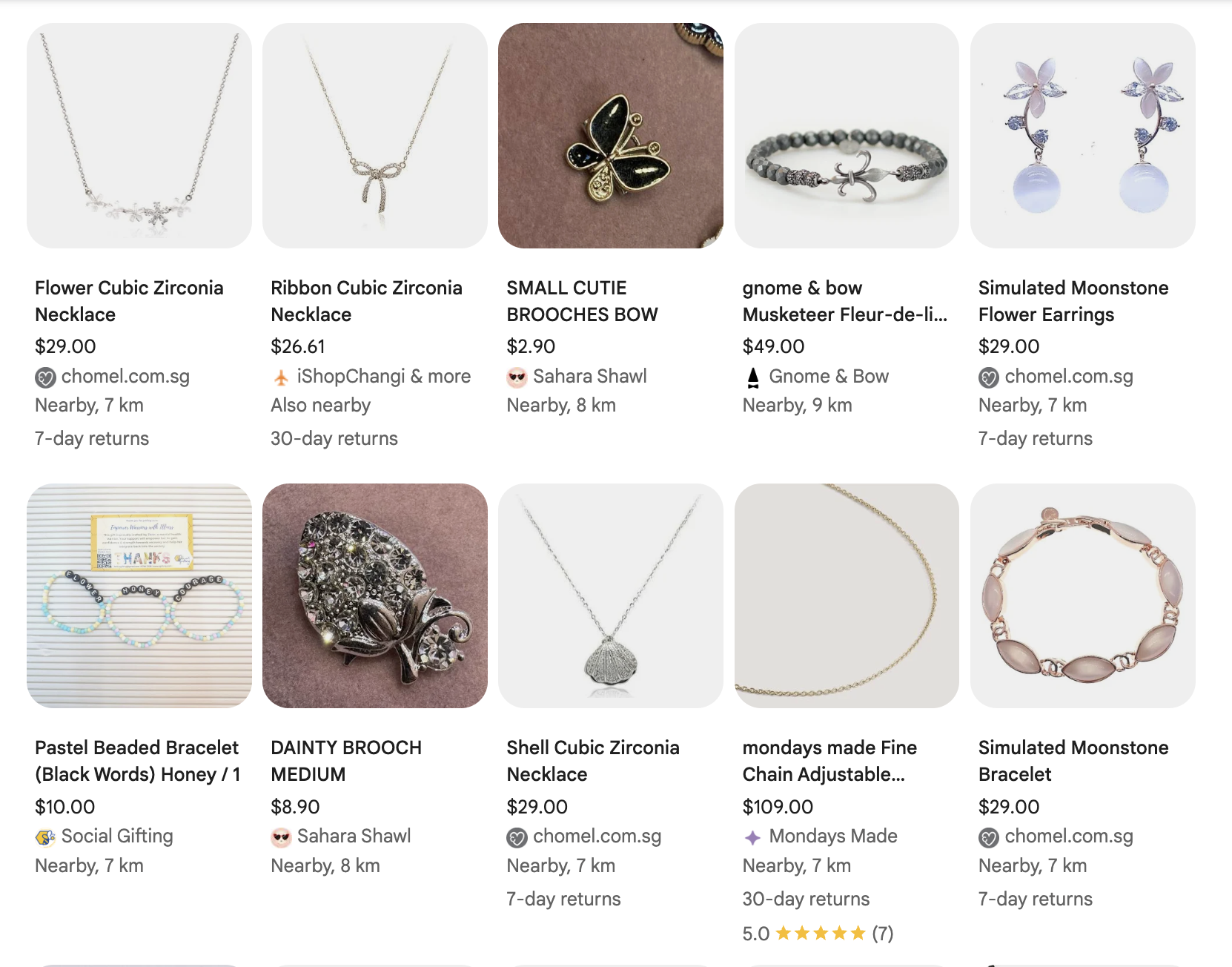
Here are fashion accessories to consider for your store:
- Minimalist jewelry. Clean designs work across age groups and outlast short-lived trends – think simple chains, thin rings, small pendants that layer well.
- Interchangeable watch bands. “New look, same watch” upgrades are easy to justify – appealing to people who already own smartwatches or classic timepieces.
- Sunglasses with UV protection. Function plus style, with strong seasonal lift in warmer months – practical purchase that also signals taste and personality.
- Hair clips and styling accessories. Lightweight items that move quickly as trends cycle on social media – low cost means buyers purchase multiple styles at once.
- Compact crossbody bags. Practical daily-use accessory that photographs well in lifestyle content – functions as both fashion item and utility purchase.
- Simple fashion belts. A low-cost way for buyers to refresh outfits without buying new clothing – works as both a functional and a style upgrade.
5. Baby and childcare products
Baby and childcare products remain in steady demand because parents don’t pause buying. Babies grow, routines change, and essentials need constant replacement. Once you earn a parent’s trust with one product, they’re far more likely to return for the next stage rather than shop around.
Online sales continue to grow steadily as parents prioritize convenience and reorder trusted essentials. What sets this niche apart: parents buy deliberately, as safety and reliability matter more to them than price or marketing.
Parents closely inspect materials, age recommendations, and certifications before buying. Once a product earns trust, parents reorder without hesitation, creating customer lifetime value that trend-driven categories can’t match.
Supplier choice is crucial here. Look for manufacturers providing verified safety documentation, consistent materials, and protective packaging. One poorly made product doesn’t just cause a return; it poisons trust in your entire store. Parents talk to other parents, and word spreads fast.
Important! Do not source baby products without verified safety documentation (such as CPSIA – Consumer Product Safety Improvement Act for the U.S., or EU Toy Safety Directive for Europe). One compliance issue can shut down your store overnight.
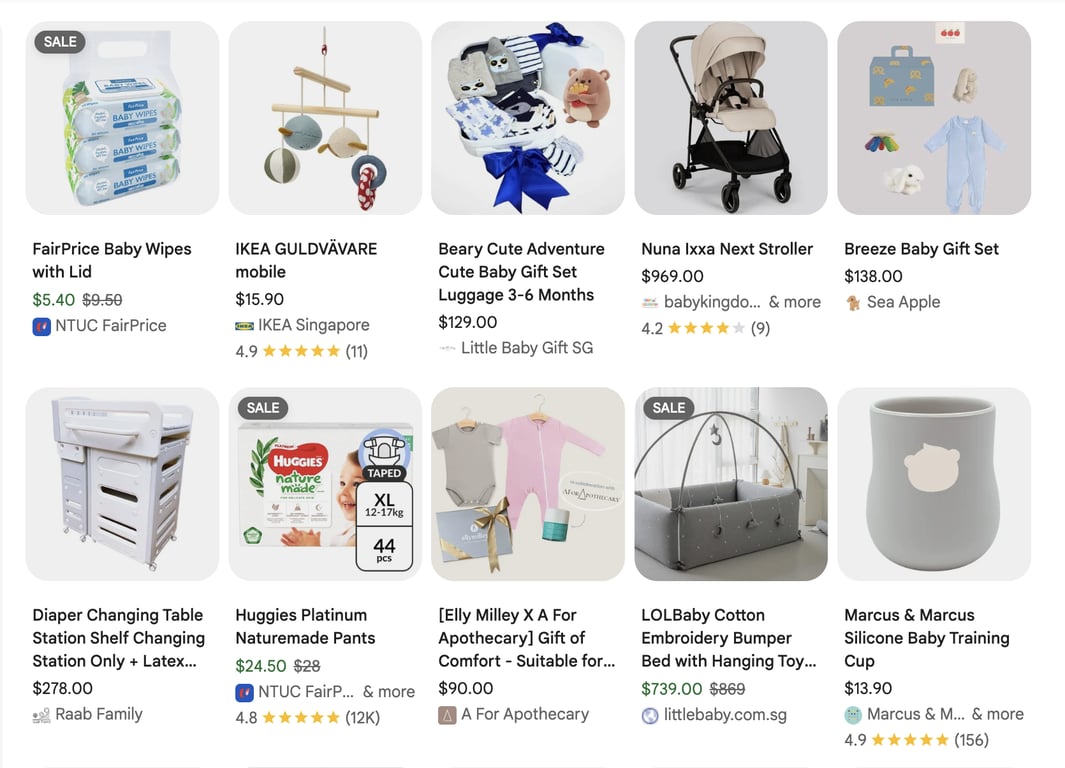
Here are baby products you can start selling in your shop:
- Silicone feeding sets. Parents prioritize easy cleaning and clear material safety details – BPA-free, dishwasher-safe, and durable enough for daily use.
- Non-toxic teething toys. Certification and material transparency drive purchase confidence here more than design or color – parents want proof, not promises.
- Baby-proofing corner guards. An evergreen need as babies start crawling, buyers often purchase multiples once they see how many sharp corners exist in their home.
- Safety locks for drawers and cabinets. Problem-solver parents purchase in sets, not one-offs – once they commit to childproofing, they buy comprehensively.
- Stroller organizers. Convenience upgrade for parents managing daily outings – keeps bottles, snacks, and essentials accessible during walks and errands.
- Soft sensory toys. Popular for early development and gifting, especially for newborns – combine safety with engagement in ways parents appreciate and relatives buy as presents.
6. Pet supplies
Pet supplies perform well because they combine emotional buying with built-in repeat demand. Once something becomes part of a pet’s daily routine – food mats, grooming tools, slow feeders – owners reorder automatically. Unlike novelty items, practical products generate steady revenue over time.
Industry analyses suggest that global online pet care sales are already in the tens of billions of dollars annually and continue to grow, driven more by quality and care than by price alone.
Owners pay for comfort, safety, and peace of mind. Products that solve one clear problem– shedding on furniture, dogs eating too fast, long walks without water – earn trust quickly and justify higher prices.
Quality determines whether customers return. A toy that tears or a loose harness destroys confidence immediately. Durable products that hold up over months build loyalty, and that long-term trust matters more than being the cheapest option.
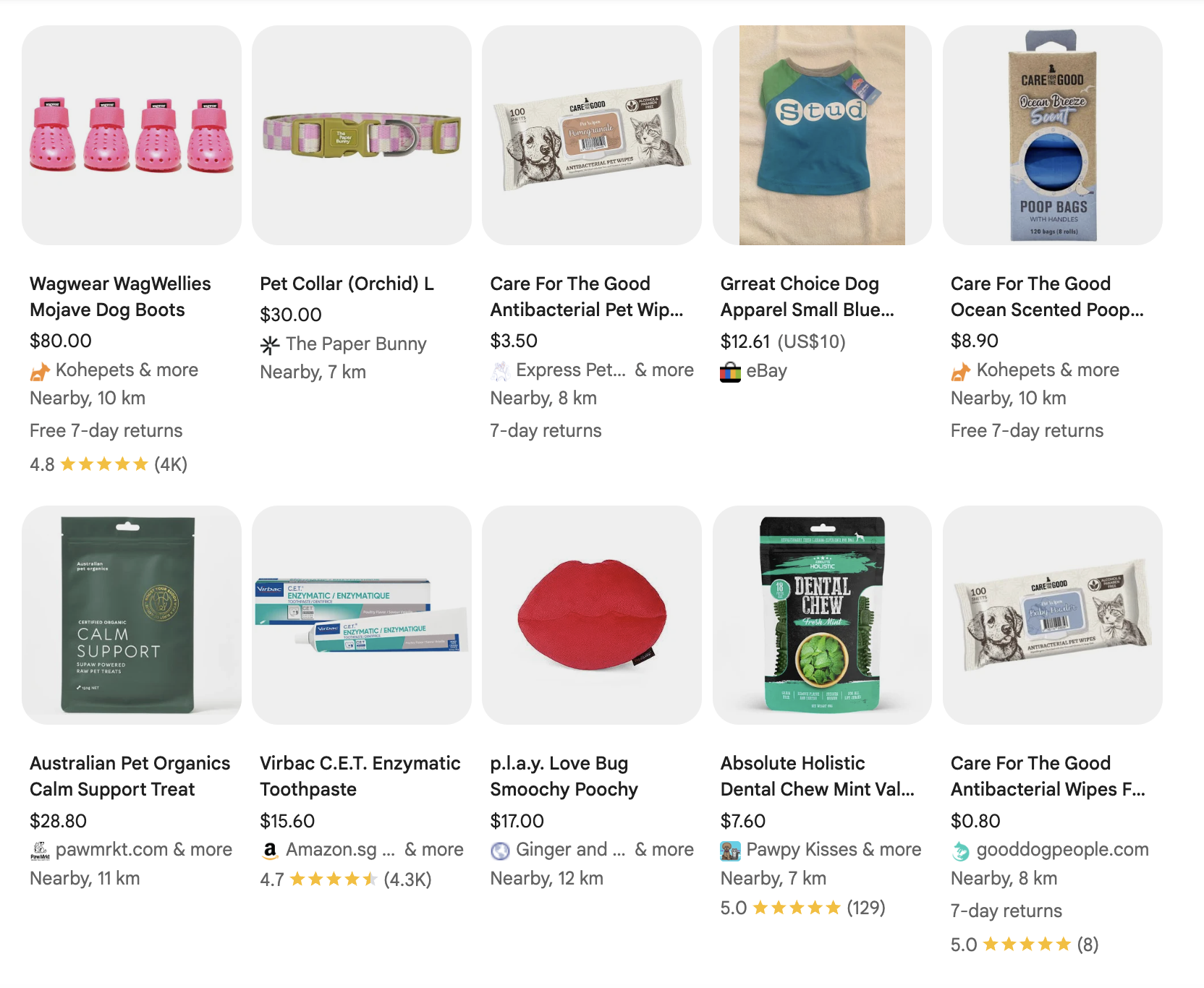
The following items are strong starting points when it comes to selling pet supplies:
- Deshedding grooming brushes. Addresses a daily pain point pet owners actively search for – reduces fur on furniture and clothes, with visible results after first use.
- Interactive pet toys. Strong emotional appeal that drives impulse buys and reorders – keeps pets entertained, which reduces boredom and destructive behavior owners want to avoid.
- Slow-feeder bowls. Clear health benefit that’s easy to understand and explain – prevents bloating and vomiting in dogs who eat too quickly, solving a problem many owners experience.
- Portable pet water bottles. Obvious use case for walks, parks, and travel – compact design makes it easy to carry and use on the go.
- Adjustable pet harnesses. Safety-driven purchase where fit and comfort matter more than aesthetics – reduces pulling and protects pets during walks.
- Pet car seat covers. “Responsible owner” upgrade buyers justify easily – protects the car interior from fur, dirt, and scratches during rides.
7. Home fitness equipment
Home fitness equipment sells because workouts have to fit into real life – work schedules, family time, limited space, and inconsistent energy. Buyers choose gear they can use at home without commuting to a gym or committing to long sessions.
The market continues to grow as buyers favor compact, space-efficient equipment. That shift reflects a change in priorities: people want flexible fitness options that don’t require dedicated rooms or major lifestyle adjustments.
Products that support consistency outperform those that demand intensity. Resistance bands and yoga mats sell better than treadmills because they’re easy to start, quick to store, and adaptable to different skill levels. Equipment that works for beginners and still challenges experienced users stays relevant longer.
Small usability details determine whether equipment gets used. A mat that slides or grips that feel uncomfortable quietly reduces motivation until the product gets ignored. Comfort and practicality turn gear into a habit; inconvenience sends it under the bed.
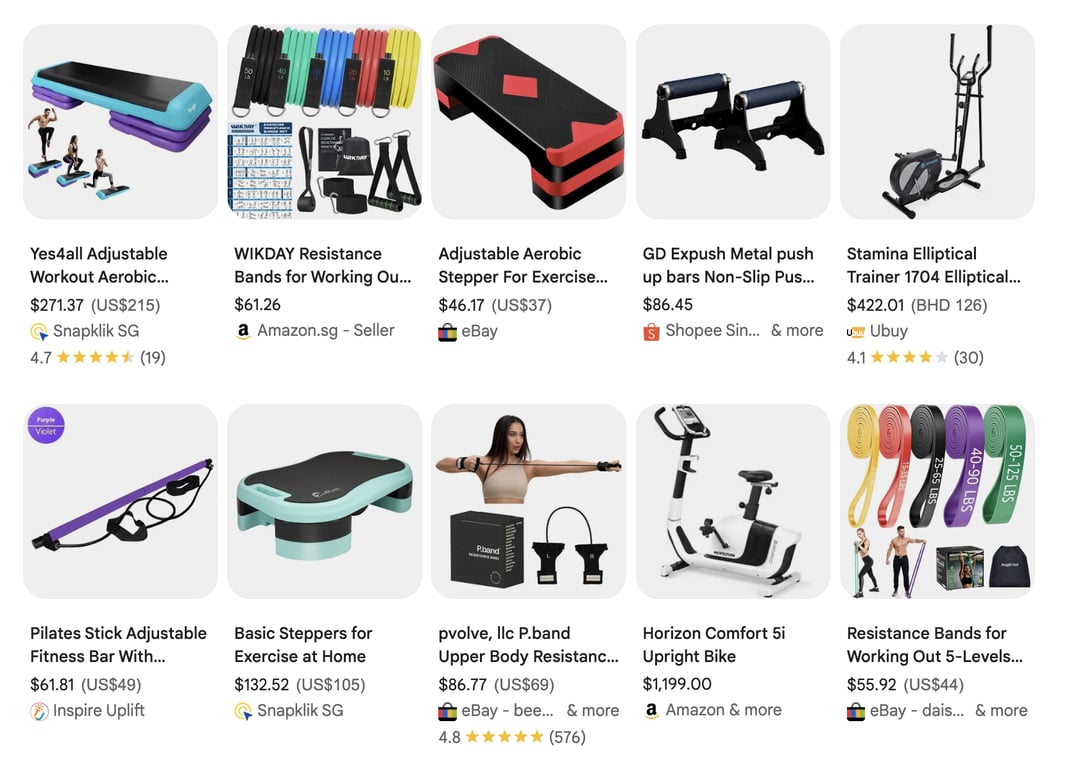
Keep in mind that compact and versatile equipment works best for dropshipping. Here are some solid options to sell:
- Resistance band kits. One set supports progression from beginner to advanced – different resistance levels mean buyers don’t outgrow the product quickly.
- Non-slip yoga mats. Grip and thickness matter more than color or branding here – buyers notice quality immediately when the mat stays in place during use.
- Adjustable ankle weights. Space-saving gear that replaces multiple fixed weights – fits easily in drawers and works for various exercises.
- Push-up boards. Visual benefit makes them easy to market and understand – color-coded hand positions guide users through different muscle targets.
- Jump ropes with counters. A simple cardio tool with built-in progress tracking – appealing to buyers who want measurable results without complicated equipment.
- Core sliders. Compact, easy to ship, and ideal for small-space workouts – works on carpet or hardwood, adding versatility without extra cost.
8. Phone accessories and gadgets
The global mobile phone accessories market is estimated at $115.82 billion in 2025 and projected to reach $186.10 billion by 2032, according to Coherent Market Insights. That scale reflects how essential these products have become.
Phone accessories sell consistently because they wear out, break, or become incompatible faster than phones themselves. Screen protectors scratch, cases yellow, and charging cables fray, triggering quick replacement purchases. That ongoing cycle creates steady, year-round demand instead of relying on trends or seasonal spikes.
Compatibility determines conversions. Buyers want clear confirmation that a case fits their exact model, like iPhone 15 Pro, not vague labels like “iPhone 15 series.” Specific model listings and clear, benefit‑driven product descriptions that sell reduce hesitation and prevent returns.
Design still influences choice. Cases, chargers, and mounts are visible every day, so they need to look intentional and well-made. Products that balance durability with clean design stay relevant longer than purely utilitarian options.
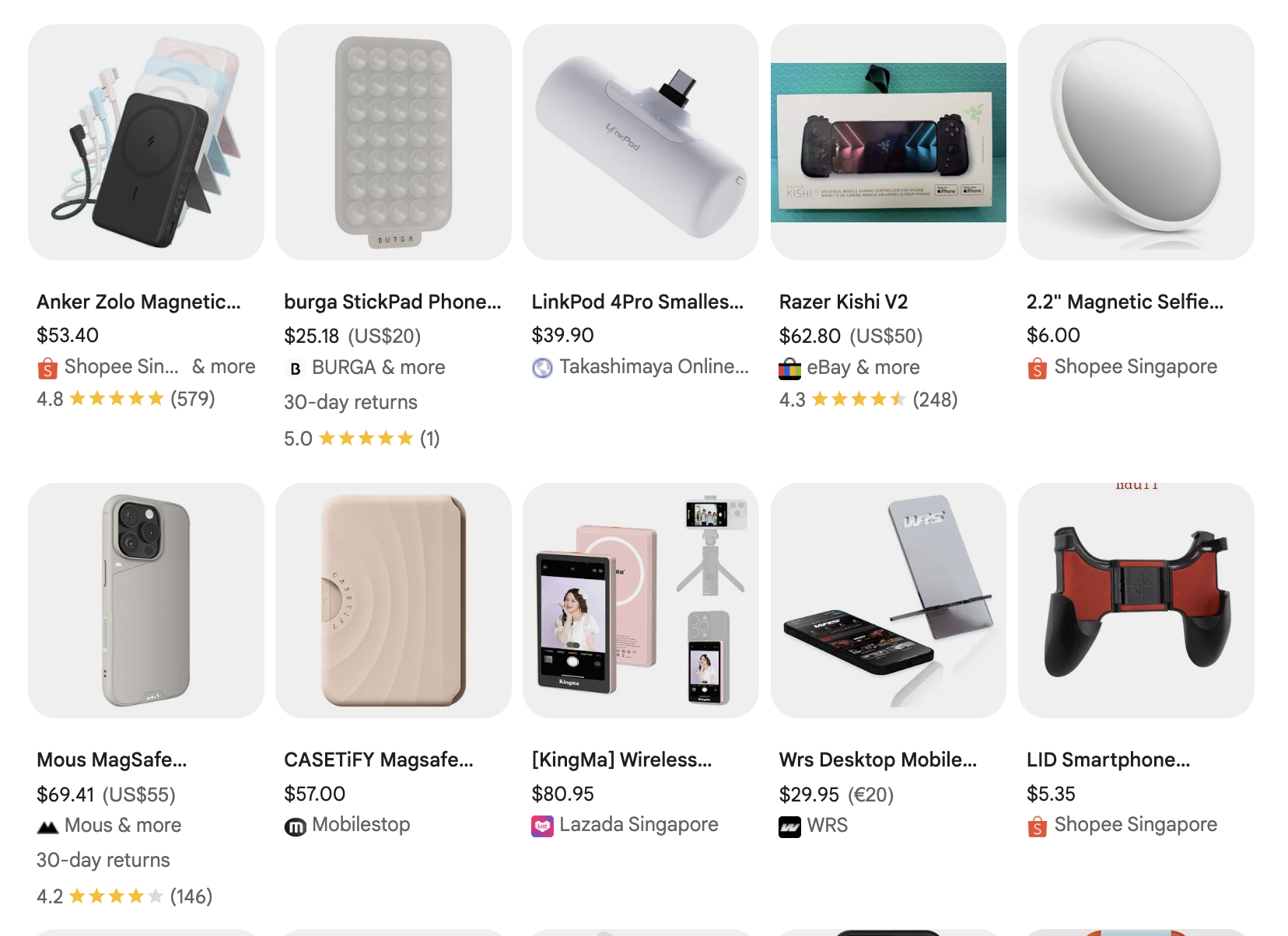
Consider these phone accessories and gadgets for your shop:
- Wireless charging pads. A convenience upgrade that buyers adopt once and keep using – eliminates cable wear and makes charging effortless.
- Shock-resistant phone cases. Protection-first purchase that gets replaced every 6-12 months as cases yellow, crack, or lose grip.
- Screen protectors. High-frequency replacement item when scratches or cracks appear – buyers often purchase multiple at once as backups.
- Magnetic phone mounts. Clear navigation use case that’s easy to demonstrate – works for cars, desks, and bedside tables.
- Power banks. Practical work and travel item buyers often upgrade as battery capacity improves or existing units lose charge retention.
- Charging cable organizers. Low-cost add-on that improves order value – solves tangles and cable damage, a problem every phone owner experiences.
9. Outdoor and travel gear
Outdoor and travel gear benefits from predictable seasonal demand tied to trips and warm-weather activities, but many items also solve everyday organization problems, keeping them in demand year-round.
Interest spikes around summer planning, but packing cubes, portable hammocks, and collapsible bottles continue moving because they make regular travel easier.
The market here continues expanding as casual outdoor recreation grows beyond hardcore camping. That broadening audience is your opportunity: you’re reaching weekend warriors, festival-goers, and business travelers wanting better gear for trips they’re already taking.
Function beats features decisively. Products that make packing easier, save luggage space, or solve one obvious problem convert faster than complex multi-tools with attachments buyers won’t use. Simplicity wins because people instantly picture using these items on their next trip.
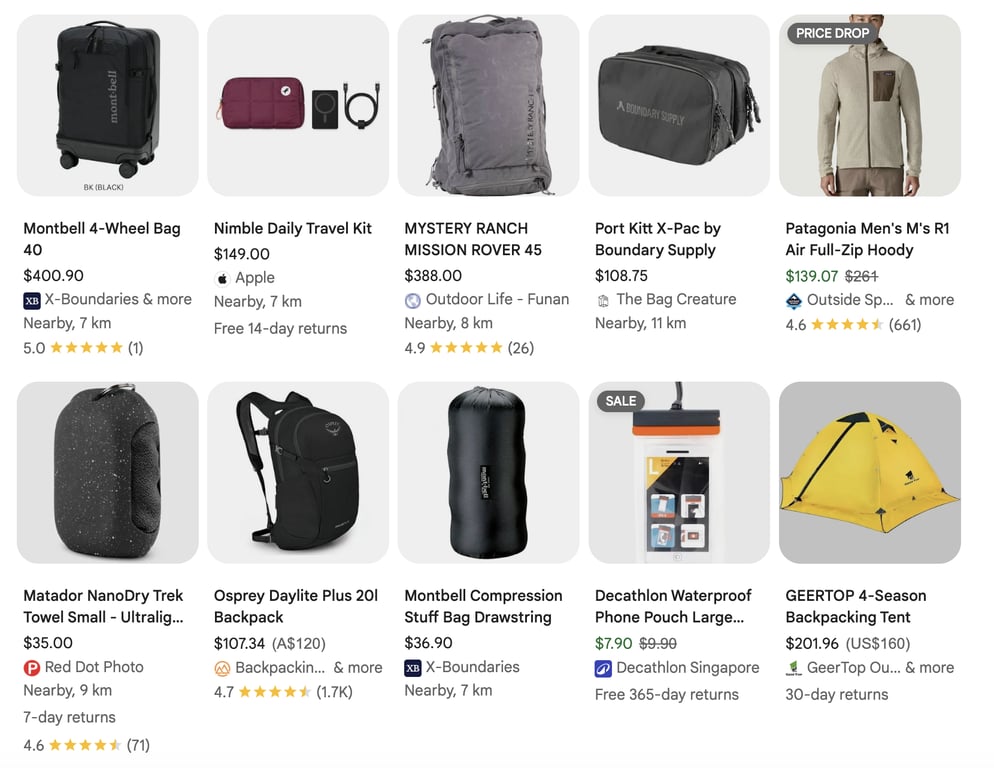
Here are solid outdoor and travel gear options to consider selling:
- Travel packing cubes. Simple organizers that solve a universal packing problem: help clothes stay organized and visible in suitcases.
- Portable hammocks. Clear leisure use case with strong visual appeal – easy to set up in parks, backyards, or campsites.
- Compression travel pillows. Comfort upgrade buyers justify on long trips – reduces neck pain and packs down small when not in use.
- Collapsible water bottles. Space-saving design fits both travel and hiking needs – takes up minimal room in bags when empty.
- Compact camping lanterns. Practical item useful beyond camping – works for power outages, outdoor events, and emergency kits.
- Waterproof dry bags. Obvious protection benefit for water activities – keeps phones, wallets, and clothes dry during kayaking, beach trips, or rainy hikes.
10. DIY and craft supplies
DIY and craft supplies are a great choice for dropshipping because buyers want creative downtime that feels productive without expensive commitments. These products support accessible creativity – hands-on projects that offer a break from screens without requiring professional skill.
The category continues growing as home crafts become a mainstream way to relax. Structured beginner kits convert especially well because they remove guesswork.
If you want repeat customers, focus on kits that feel achievable from the start. When someone opens the box and can begin immediately – without hunting for extra tools or watching tutorials first – they’re far more likely to complete the project and come back for more.
Packaging and kit quality are major drivers of customer satisfaction in this niche. Missing pieces, crushed supplies, or unclear instructions turn excitement into refunds immediately. Well-organized, complete kits set expectations properly and build trust from the first project.
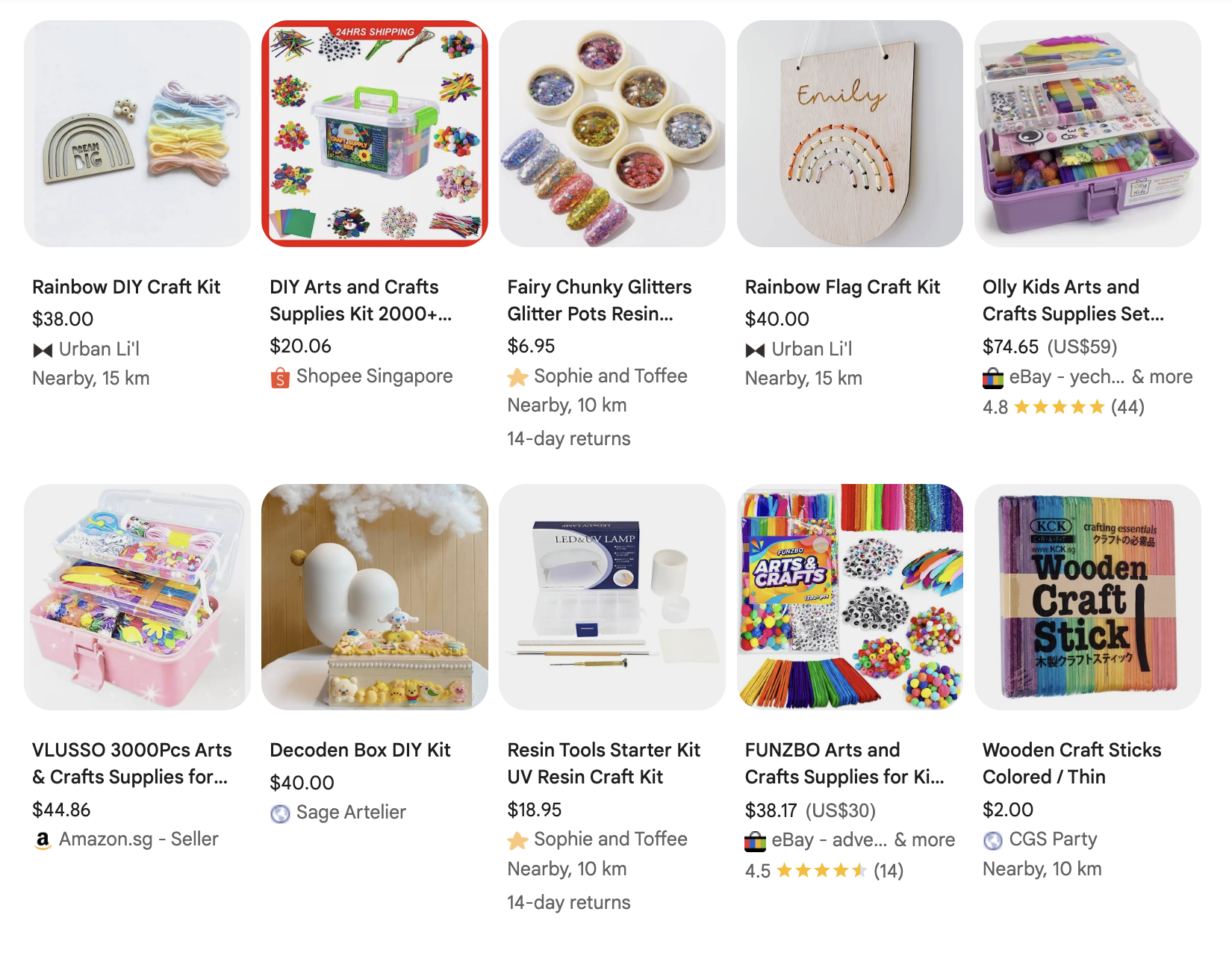
Consider the following DIY and craft supplies if you’re looking to sell in this category:
- Candle-making kits. Starter product that leads to ongoing supply purchases – buyers often experiment with different scents and styles after their first successful batch.
- Paint-by-numbers sets. Finishable project that photographs well for social sharing – appeals to beginners who want creative results without advanced skills.
- Embroidery kits. Beginner-friendly entry into a repeat hobby – simple stitching patterns build confidence and lead to more complex projects.
- Resin molds. Tool-style product that supports multiple future projects – buyers purchase resin, pigments, and additional molds as they continue crafting.
- Jewelry-making supplies. Strong personalization and restocking behavior – buyers create pieces for themselves and as gifts, driving frequent reorders.
- DIY tool starter kits. “Everything in one box” appeal for beginners – removes the intimidation of figuring out which supplies to buy separately.
How to spot trending products?
You can spot trending products by combining data signals with real-world buying behavior, not chasing whatever went viral yesterday. The difference between sustainable trends and flash-in-the-pan moments comes down to recognizing patterns that repeat versus spikes that disappear.
One practical way to start is by browsing a marketplace where trending items already surface. The video below walks through using Temu for hands-on product research:


Here are the signals worth your attention:
- Search momentum holds consistently over months. Google Trends shows interest on a 0-100 scale, with 100 marking peak popularity. When a trend stays above 60 for several months, it usually indicates real demand supporting inventory investment. Sharp spikes collapsing within days or weeks are almost always hype cycles, leaving you with unsellable stock.
- Multiple sellers are testing and scaling the same product. Shopify data and marketplace listings reveal what’s actually converting into sales. When you see multiple established stores pushing the same product with different angles or price points, that’s strong evidence it works; sellers don’t keep pouring ad spend into unprofitable items. Follow the money, not the hype.
- The product appears repeatedly across different content formats. Tools like TikTok Creative Center help spot demand patterns early. When the same item appears in problem-solving videos, lifestyle demonstrations, before-and-after comparisons, and unboxing content, buyers already understand its value before reaching your store. That pre-existing awareness significantly shortens your sales cycle.
- Demand rises outside predictable seasonal patterns. Some spikes are calendar-driven and predictable: fitness gear every January, travel accessories before summer. Real opportunities appear when products show sustained growth outside expected seasons, often signaling fundamental behavior shifts rather than temporary calendar effects.
What are the best marketing strategies for trending dropshipping products?
Trending products sell fastest when your marketing shows the outcome immediately, not when it spends time explaining features. Buyers scrolling through ads or listings decide in seconds based on whether they can instantly picture the product solving their problem.
Here’s what consistently converts:
- Lead with the visible result, not the product. Show someone’s organized desk (not the organizer), a pet’s clean fur (not the brush), a traveler’s packed suitcase (not the packing cubes). If viewers can’t grasp the benefit in the first three seconds, they’ll keep scrolling.
- Default to short-form video for paid ads and organic content. Social clips, influencer partnerships, and paid ads perform best when they compress the entire buying decision into 15-30 seconds: problem, solution, result. That format matches how people consume content on discovery platforms.
- Build urgency around genuine timing factors. Seasonal connections (“before summer travel”), restocking timelines (“limited quantity until next shipment”), or time-sensitive needs work well for this purpose. Fake countdown timers feel manipulative and permanently damage trust.
- Test small, scale proven winners. Start every product with modest budgets, testing different angles and messaging. Watch conversion signals closely; add-to-cart rates and completed checkouts matter more than clicks. Scale only combinations proving they can profitably convert traffic.
- Optimize every element for mobile first. Most buyers discover and purchase on phones, which means visuals, copy, and checkout must work perfectly on small screens. Using a platform like Hostinger Website Builder, which includes templates designed for a mobile-friendly website and built-in checkout, reduces technical friction and keeps the focus on conversions.
- Add authentic social proof early and consistently. Even modest review counts (10-20 verified purchases) significantly outperform flawless pages with zero reviews. Buyers trust other buyers more than your marketing copy. Set clear expectations, follow up promptly, and provide genuinely helpful support; these build momentum that turns early customers into repeat buyers.
Trend cycles move fast, but strong online selling strategies transform temporary momentum into sustainable businesses surviving beyond individual product lifecycles.

This article is a localized version of 10 trending products for dropshipping, originally published in English.

Alma is an AI Content Editor with 9+ years of experience helping ideas take shape across SEO, marketing, and content. She loves working with words, structure, and strategy to make content both useful and enjoyable to read. Off the clock, she can be found gaming, drawing, or diving into her latest D&D adventure.