
More posts by Ksenija Drobac Ristovic

AI Assistant vs. AI Agent: What’s the Difference?
An AI assistant responds to prompts, while an AI agent pursues goals. Assistants generate answers, drafts, and summaries one request at a time. Agents...
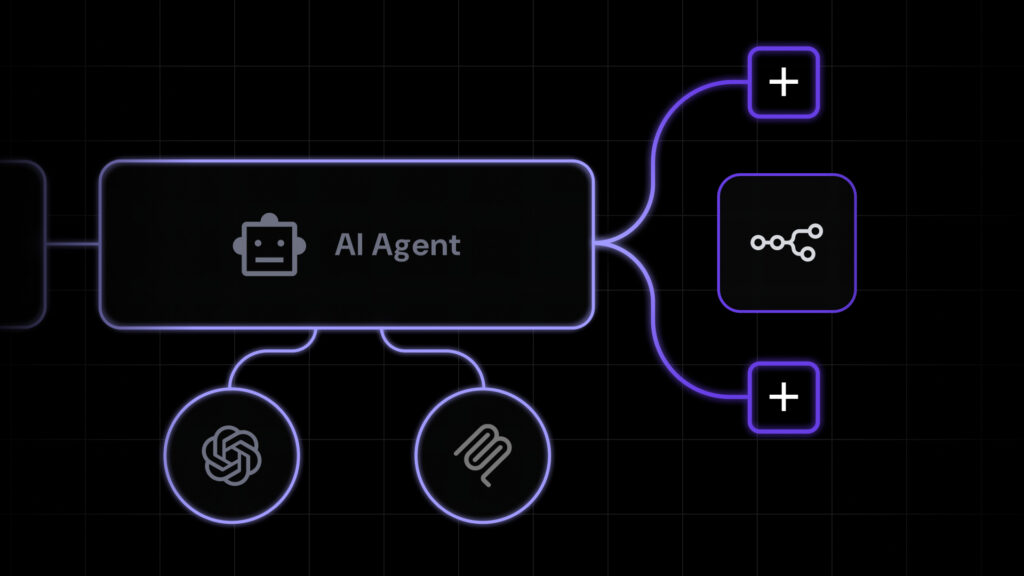
AI agents vs. LLM: What’s the difference?
An LLM is a language model that interprets a prompt and generates text, code, or other structured outputs. An AI agent builds on an LLM by adding...
What is AI for content marketing?
AI for content marketing applies artificial intelligence to support every stage of the content lifecycle, from researching and planning topics to...
What are OpenClaw skills?
OpenClaw skills are installable packages that add reusable capabilities to OpenClaw. Each skill contains instructions for a specific tool, workflow,...
Types of AI agents explained
AI agents can be grouped by how they perceive information, make decisions, and carry out tasks. Each type uses a different approach to selecting...

What is an email API and how it works
An email API is a software interface that integrates email functionality into applications. The API exchanges requests and responses with an email...
Top AI marketing tools: Features and use cases
AI marketing tools help businesses create content, improve search visibility, manage campaigns, automate customer communication, and analyze...
Single-agent vs. multi-agent systems: What’s the difference?
The main difference between a single-agent and a multi-agent system is how AI completes a task. A single-agent system relies on one AI agent to handle...
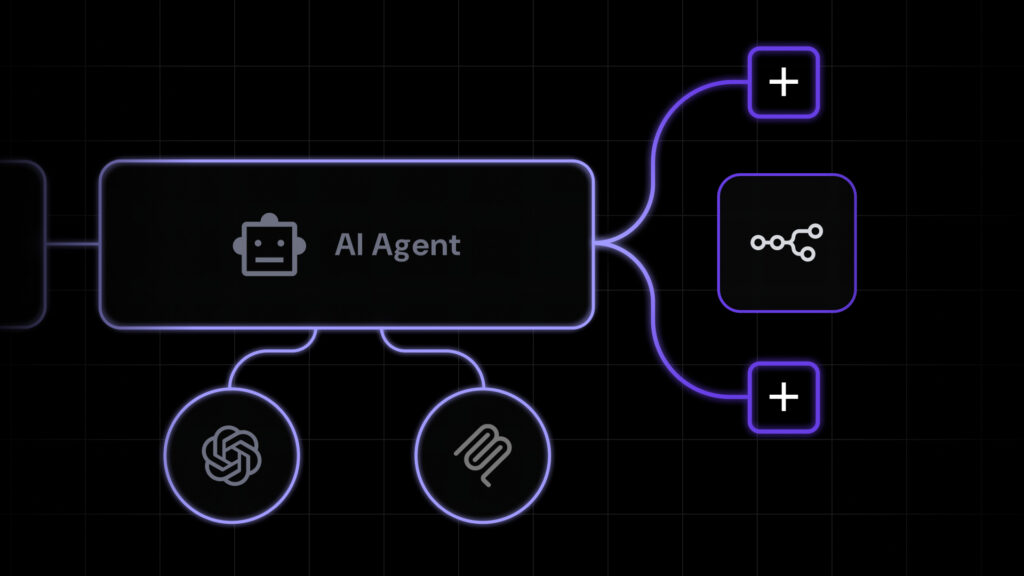
What are agentic workflows?
Agentic workflows are AI-driven processes where an AI agent plans, executes, evaluates, and adjusts a series of actions until it completes a goal....
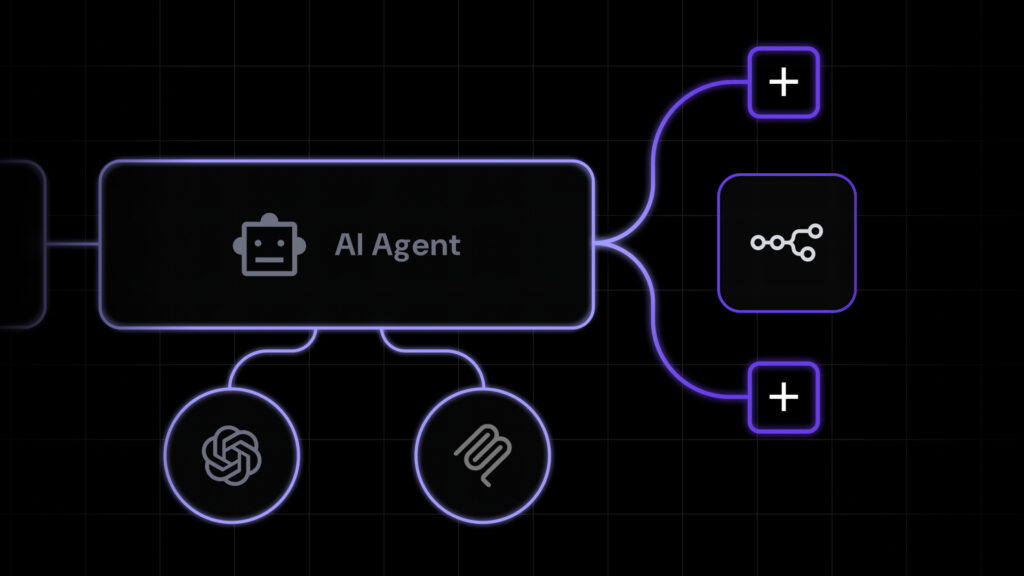
Agentic AI vs. generative AI: Key differences and when to use each
The main difference between agentic AI and generative AI is their purpose: generative AI creates content, while agentic AI takes actions to achieve a...