What is ecommerce packaging? Learn how to handle safe product shipping
Mar 10, 2026
/
By Simon L.
/
10 min Read
Ecommerce packaging is the collection of materials, such as corrugated boxes, padded mailers, and poly bags, that safely deliver your products from your warehouse to your customer’s doorstep.
Unlike traditional retail packaging, which fights for attention on a crowded shelf, ecommerce packaging has a different job. Its primary mission is survival. It needs to withstand the journey from a distribution center into the customer’s hands – all without the product inside getting a scratch.
But it’s not just about protection. For an online business, this package is often the only physical interaction a customer has with your brand. Good packaging builds trust, reduces returns due to damage, and can even turn a boring delivery into an exciting unboxing moment customers share on social media.
The core components include:
- Outer packaging. The shipping box or mailer that takes the beating.
- Inner protection. Bubble wrap, kraft paper, or air pillows to keep things snug.
- Sealing. Heavy-duty tape to keep the box shut.
- Labeling. The shipping label that tells the carrier where to go.
Ecommerce packaging explained
Ecommerce packaging keeps products safe through sorting facilities and delivery trucks, survives rough handling, and sets the tone for your customer’s unboxing experience.
Your packaging decisions ripple through your entire operation. Choose the right materials and sizes, and you’ll speed up fulfillment, reduce shipping costs, and minimize damage rates.
Go with oversized boxes or inadequate protection, and you’ll face slower packing times, higher shipping fees, and frustrated customers dealing with broken products.
Getting this right means finding the sweet spot between protection, cost-efficiency, and customer delight, which helps you improve ecommerce customer experience across the board.
Ecommerce packaging vs retail packaging
The main difference between ecommerce and retail packaging is where the product lives before reaching the customer.
Retail packaging sits on shelves competing for attention. It needs bold graphics, clear product visibility, and an eye-catching design.
Ecommerce packaging travels through distribution networks, carrier facilities, and delivery routes. It needs durability, stackability, and shipping efficiency.
Here are the key differences:
- Materials differ significantly. Retail packages often use thinner cardboard, plastic clamshells, or display-friendly formats that wouldn’t survive a cross-country journey. Ecommerce requires sturdier corrugated boxes, protective cushioning, and weather-resistant materials.
- Cost structures flip. Retail packaging invests in printing and shelf appeal. Ecommerce packaging focuses on dimensional weight, protective materials, and labor efficiency.
- Branding works differently. Retail packaging shouts for attention among competitors. Ecommerce packaging creates memorable moments through textures, custom printing, inserts, and that satisfying feeling when someone opens a well-designed package. The priority shifts from immediate visual impact to shipping resilience and delivery experiences.
How ecommerce packaging works
Ecommerce packaging works by matching the right protective materials to each product, packing items securely to prevent damage, and ensuring everything arrives safely at the customer’s door.
Let’s walk through each stage.
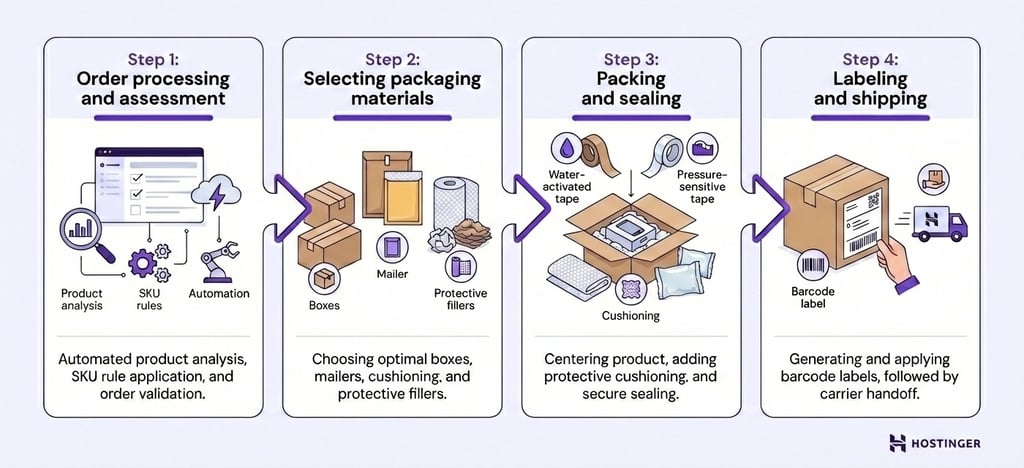
Step 1: Order processing and product assessment
Every packaging decision starts with understanding exactly what you’re shipping. Product dimensions, weight, and fragility dictate whether you need a simple padded mailer or a reinforced box with heavy cushioning.
To keep things efficient, define this for each product.
- Assign rules. Give each product in your catalog predefined packaging requirements.
- Standardize. Your warehouse team should have a clear protocol: heavy items get stronger boxes, fragile products get extra padding, and soft goods go in cost-effective mailers.
- Automate. Let your shipping software tell the packer exactly which box size to grab.
Step 2: Selecting packaging materials
Choosing the right materials is a balancing act between cost, durability, and sustainability.
- The box (outer layer). Match the box grade to the product since corrugated boxes are rated by strength. Don’t pay for heavy-duty cardboard when shipping lightweight, non-fragile items. Instead, use a poly mailer to save on materials and shipping costs.
- The filler (inner layer). Protective materials fill the gaps, literally. Bubble wrap, air pillows, kraft paper, or foam inserts prevent products from shifting.
- The trade-off. Better protection costs more upfront but reduces expensive returns and damage claims. Many businesses find that spending an extra $0.20 on packaging saves them $20.00 in replacement costs later.
Step 3: Packing and sealing
Proper packing prevents the most common cause of shipping damage: items bouncing around inside an oversized box.
The goal is snug protection. Products should sit centered, surrounded by enough cushioning to absorb impacts from any direction. A good rule of thumb is the shake test: if you shake the packed box and hear the item move, it needs more filler.
When it comes to sealing, the tape matters:
- Standard tape. Works for most lightweight shipments.
- Water-activated tape. Creates a bond with the box, making it much stronger and tamper-evident. This is essential for heavy or high-value packages.
- Security tape. Shows evidence if someone has tried to open the package during transit.
Step 4: Labeling and shipping
Product labeling is the bridge between your warehouse and the customer’s doorstep. A carrier label includes routing barcodes, tracking numbers, and the destination address.
- Placement. Ensure labels are placed on the largest flat surface of the box. Never wrap a label around a corner, as scanners won’t be able to read the barcode.
- Workflow. Once labeled, the package enters your outbound workflow. It is staged, scanned, and handed off to the carrier.
Types of ecommerce product packaging
Types of ecommerce product packaging include corrugated boxes, mailers, and protective fillers. Each serves a specific purpose depending on what you’re selling.
Choosing wisely dramatically impacts your costs and customer satisfaction.
Boxes for ecommerce packaging
The corrugated box is the workhorse of the industry. You’ll see terms like “single-wall” (standard strength) or “double-wall” (extra heavy-duty).
- Standard RSC (Regular Slotted Container). The typical box where flaps meet in the middle. These are best for bulkier items, heavy shipments, and logistics where protection and low cost matter more than the “wow” factor.
- Subscription boxes (mailer boxes). These have a self-locking lid and open like a pizza box. They look premium and deliver a pleasant unboxing feel, but are more expensive per unit than RSCs and take longer to fold and assemble, which can increase your labor costs during fulfillment.
Mailers for ecommerce packaging
If a product doesn’t need a box, don’t use one. Mailers are lighter, cheaper, and take up a fraction of the storage space in your warehouse and in a delivery truck.
- Poly mailers. Thin, plastic, waterproof bags. Perfect for clothes or soft goods that can’t break on impact.
- Padded mailers. Envelopes lined with bubble wrap or shredded paper. Ideal for small, semi-fragile items like books, jewelry, or makeup.
If sustainability is your goal, look for 100% paper-padded mailers, which are often filled with shredded paper. Regular mailers are usually paper on the outside with plastic bubbles inside, making them a nightmare to recycle because the layers have to be separated.
Protective packaging materials
This is the “void fill” that goes inside the outer package. Its job is to cushion and immobilize the product so it doesn’t bounce off the box walls.
- Kraft paper. A roll of brown paper that packers crumple up to fill empty space. It’s the most eco-friendly option because it’s easily recyclable.
- Air pillows. Small plastic bags filled with air. Extremely lightweight, which saves on shipping costs but may not always be eco-friendly.
- Inserts. These are custom-molded trays designed to fit your specific product perfectly. Made of cardboard, pulp, or foam, these offer the highest level of protection and are best for high-volume, high-value products.
Product packaging examples
Here are some real-world examples of how successful brands use packaging to solve specific problems.
Apparel and fashion ecommerce packaging examples
Fashion brands often prioritize weight and branding over heavy-duty protection.
- The setup. A tough, water-resistant poly mailer serves as the outer shell. Inside, the item is folded neatly and often sealed in a clear, thin bag. This inner bag protects the fabric from warehouse dust and humidity, and usually holds the barcode sticker for scanning.
- Why it works. Clothing isn’t fragile, so boxes are usually a waste of money. Poly mailers are incredibly light, which keeps shipping costs low. If you put a t-shirt in a box, you pay to ship air – if you put it in a bag, you only pay for the shirt.
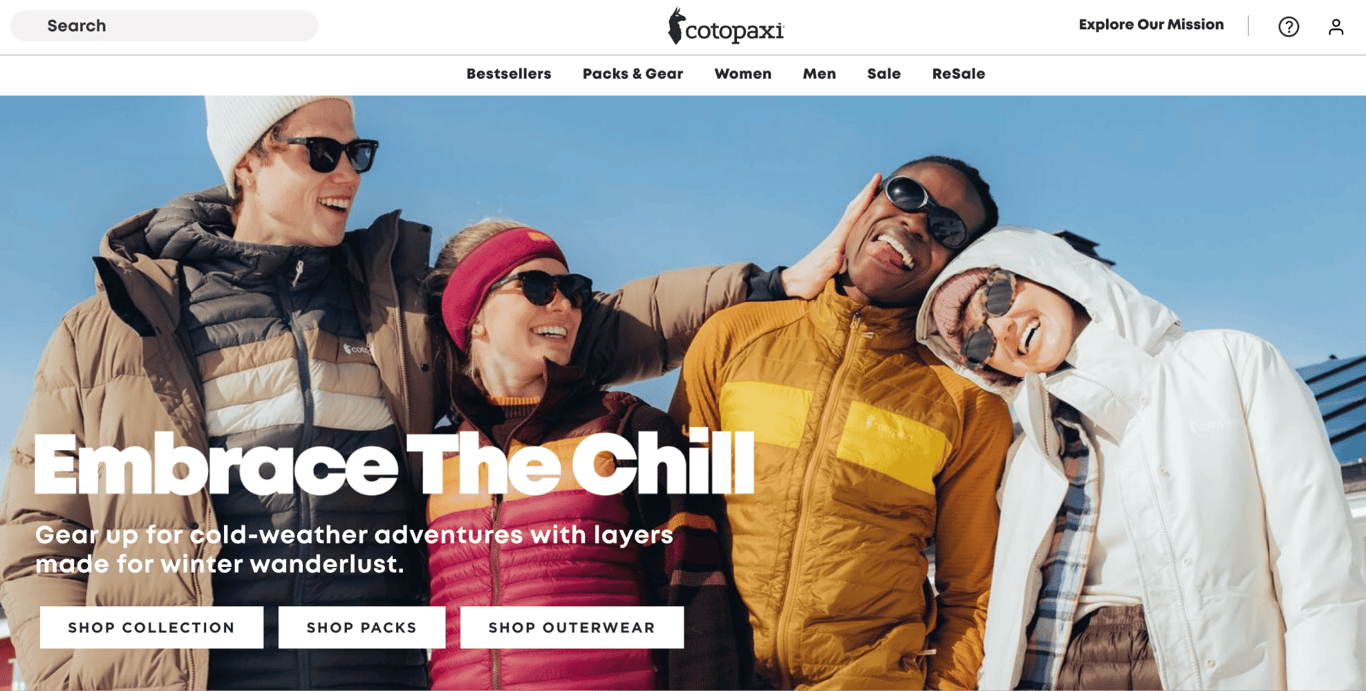
Real-life example: Cotopaxi
The outdoor gear brand often uses simple, clearly labeled, recycled materials. Their packaging is minimal – often just a recycled poly bag – which aligns perfectly with their eco-conscious brand values.
It tells the customer that they didn’t waste resources sending the item to them. This turns a regular ecommerce packaging into a brand statement.
Fragile product ecommerce packaging examples
For breakables, the goal is shock absorption.
- The setup. A sturdy corrugated box, often double-walled for extra crush resistance. The product is wrapped in bubble wrap, then surrounded by at least 2 inches of void fill, like packing peanuts, crumpled kraft paper, or air pillows.
- Why it works. The “box-in-a-box” method or heavy cushioning ensures that if the carrier drops the package, the shock is absorbed by the packaging materials, not the glass. It creates a cushion similar to a car, sacrificing the box to save the product.
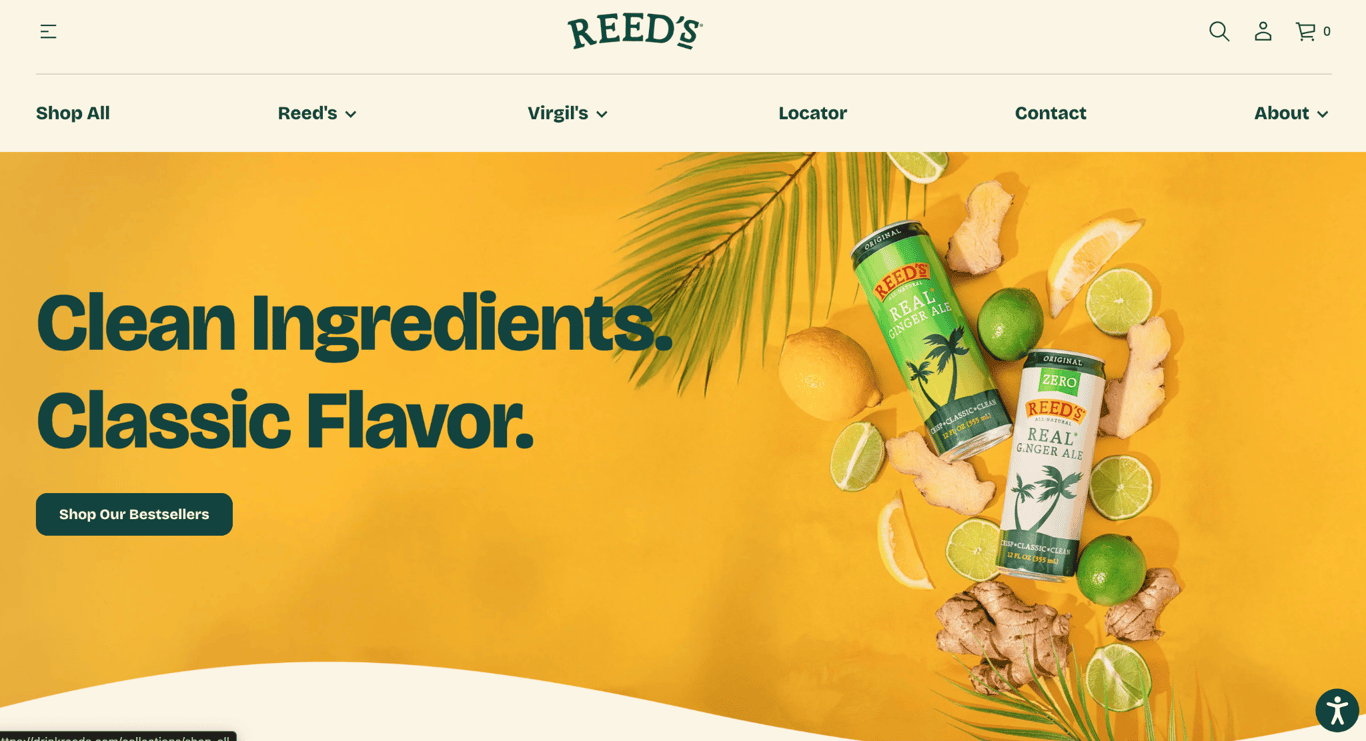
Real-life example: Reed’s
Shipping glass bottles is a nightmare, so Reed’s uses molded pulp inserts, almost like tough egg cartons, that fit the bottles perfectly. These inserts separate the bottles so they don’t touch and lock them in place to prevent vibration. This allows them to ship heavy, liquid-filled glass bottles without them shattering in transit.
Subscription and DTC brand packaging examples
Here, the packaging is part of the product experience.
- The setup. A custom-printed mailer box with a self-locking lid. Inside, products are held in place by a custom cardboard insert or nestled in tissue paper. There is almost always a welcome card or printed message on the inside lid that greets the customer.
- Why it works. It turns an ordinary delivery into a gift-like event. Since subscription models rely on customers staying signed up for months, this premium feeling reinforces the value of the subscription.
Real-life example: Dollar Shave Club
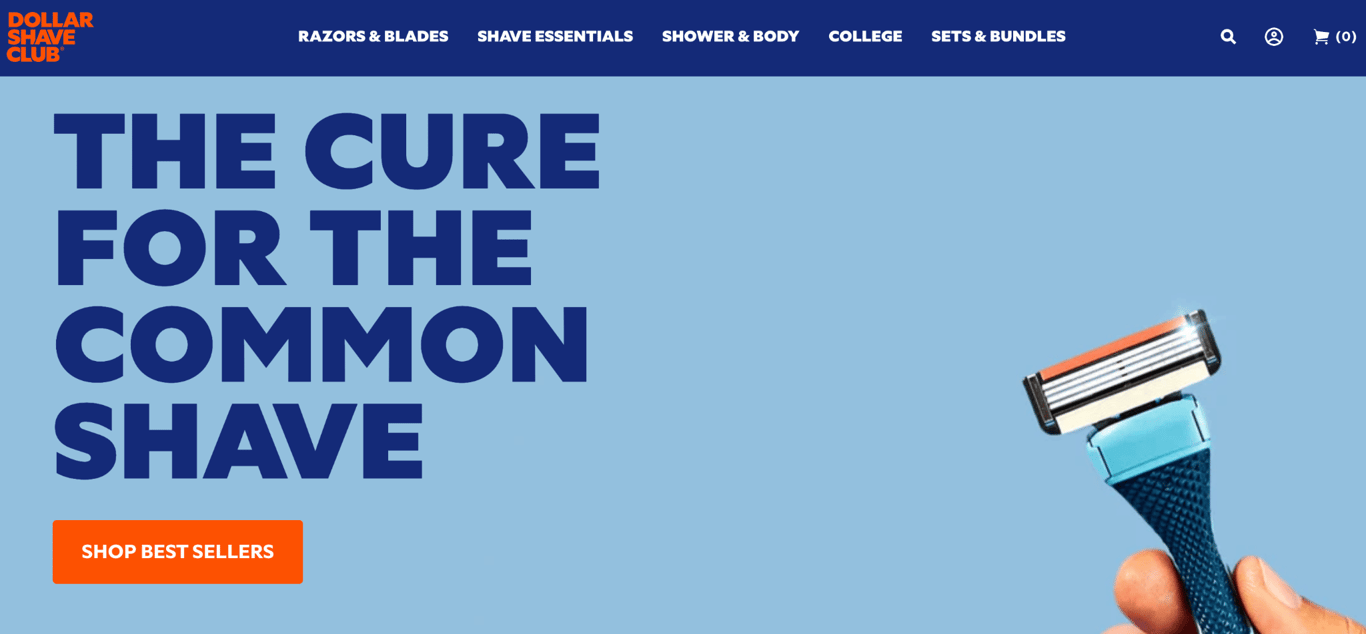
They became famous partly because of their clever packaging. Their boxes are simple and brown, and the text inside is witty. The razors snap into a custom cardboard tray, giving the kit a sense of organization and a well-presented look. It doesn’t feel like you bought a razor from a pharmacy – it feels like you joined an exclusive club.
Materials used in ecommerce packaging
Materials used in ecommerce packaging include cardboard, plastic, and increasingly, sustainable alternatives.
Choosing the right one is a balancing act between budget and brand values.
Cardboard and paper-based materials
This is the gold standard for recyclability. Corrugated cardboard is incredibly strong because of the wavy layer sandwiched between two flat liners. Kraft paper is used for wrapping and void fill.
- Pros. Easily recyclable (customers can toss it in their recycling bin), it offers excellent structural protection and acts as a blank canvas for branding.
- Cons. Heavier than plastic (which can increase shipping costs), takes up more warehouse space, and isn’t waterproof.
- Use cases. Almost any product weighing over 1lb (about 450g), fragile items requiring impact protection, or brands prioritizing an eco-friendly image.
Plastic-based materials
Plastic is still king for waterproofing and weight reduction. Poly mailers, air pillows, and bubble wrap are the main players here.
- Pros. Cheap to buy, extremely lightweight (keeps shipping costs down), and completely waterproof.
- Cons. Hard to recycle (often requires special drop-off points), offers zero crush protection, and creates “plastic guilt” for eco-conscious customers.
- Use cases. Apparel, bedding, plush toys, and durable goods that don’t need a rigid box for protection.
Sustainable ecommerce packaging materials
Brands are increasingly moving toward materials that are biodegradable and environmentally friendly. This includes materials such as cornstarch-based biodegradable mailers, mushroom-grown inserts that replace Styrofoam, and recycled ocean plastics.
- Pros. Significantly reduces environmental impact, builds massive brand loyalty with eco-conscious shoppers, and future-proofs your business against regulations on plastic waste.
- Cons. Generally more expensive than standard materials. Some compostable materials have a shorter shelf life, which means if they are stored in a hot, humid warehouse for too long, they can begin to degrade before you even use them.
- Use cases. Eco-friendly brands use these to signal their values. If your customer base cares about the planet, this is non-negotiable sustainable product packaging.
How much does product packaging cost?
Product packaging costs generally range from $0.50 to $2.50 per order for standard materials, but this can vary wildly based on volume and customization.
For a typical ecommerce business, packaging materials usually account for about 10% to 20% of total fulfillment costs.
Packaging material costs
Here is a rough breakdown of what you might pay per unit if you aren’t buying in bulk:
- Standard corrugated box ($0.70 – $1.50). The price fluctuates based on size and wall strength. A small box for a mug is cheaper, while a double-walled box for a monitor costs significantly more.
- Poly mailer ($0.15 – $0.50). The budget option. Since it’s essentially an industrial-strength plastic bag, it costs pennies compared to cardboard.
- Tape/label ($0.05 – $0.10). It seems negligible, but high-quality adhesive and thermal shipping labels add up over thousands of orders.
- Void fill ($0.20 – $0.50). This varies wildly. Crumpled kraft paper is cheap, while custom foam inserts or biodegradable peanuts drive up the price.
- Custom-branded box (Add $0.30 – $1.00 per unit). You’re paying for the wow factor. This surcharge covers printing plates, ink, and often a higher-quality cardboard finish to ensure the colors stand out.
Packing labor and operational costs
If your box requires complex assembly, like folding multiple intricate flaps or arranging three different inserts, it might take a packer 2 minutes instead of 30 seconds to pack a single order.
- The math. If you pay a packer $15/hour, every extra minute spent struggling with a box costs you $0.25.
- The bottleneck. It’s not just about saving a few cents. Inefficient packaging leads to slower fulfillment times, which creates a bottleneck. If your team can only pack 20 orders an hour instead of 60, you just can’t scale during peak seasons like Black Friday without hiring three times as many staff.
How to calculate ecommerce packaging costs
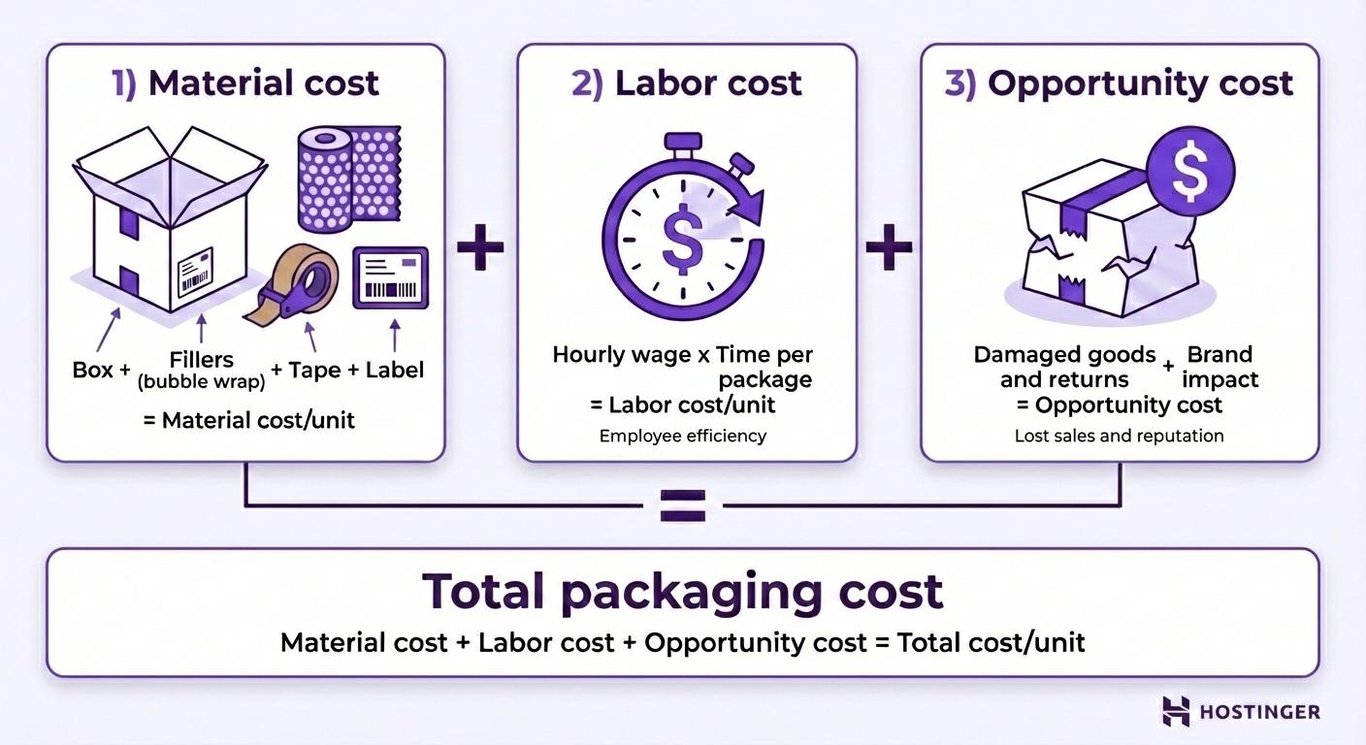
To find your actual cost per order, you need to look beyond the box price. Use this formula to see the full picture:
- Material cost. Add up the cost of the box, fill, tape, and label.
- Labor cost. Take the packer’s hourly wage and divide it by the orders they can pack per hour. The faster the packing, the lower this cost.
- Opportunity cost. Find out the cost of damaged goods divided by total orders. This is the failure tax.
Once you have these numbers, add them together to get your total packaging costs.
Run this calculation for your current setup. You might discover that paying $0.20 more for a box that is easier to seal (material cost) actually saves you $0.50 in packing time (labor cost), lowering your total bill.
On the other hand, if you use a cheap box that saves you money upfront but causes a 5% increase in breakage, this formula will show you how that savings is actually eating into your profits.
Best practices for ecommerce packaging
Best practices for ecommerce packaging include choosing the correct box size, rigorous testing to prevent damage, and elevating the overall customer experience.
- Right-size your packaging. Don’t ship a toothbrush in a shoebox. Large boxes cost more with carriers, meaning you pay for the space they take up, not just their weight.
- Stick to standard sizes. Limiting box sizes to 5-7 standard options simplifies warehouse operations, enables bulk buying discounts, and speeds up packing decisions.
- Test your packaging. Before you ship 100 orders, do a drop test. Pack a box and drop it from shoulder height onto concrete. If the product breaks, rethink your void fill.
- Invest in thoughtful branding. Consider basic elements like branded tape, stickers, or thank-you cards to make an impact. Scale up to custom-printed boxes once order volume justifies the investment.
- Track packaging metrics. Monitor damage rates, customer feedback about packaging, cost per package, and packing time. These metrics reveal optimization opportunities and justify packaging investments to stakeholders.
The easiest way to handle ecommerce packaging
For many growing businesses, the easiest way to handle packaging is to stop doing it yourself and outsource it entirely to third-party logistics providers (3PLs).
These 3PLs handle everything: sourcing packaging materials, storing inventory, picking items when orders come in, packing them properly, printing labels, and handing packages to carriers.
They’ve already optimized packing processes, negotiated bulk material pricing, and built efficient warehouse operations.
These providers handle holiday surges without you hiring temporary staff, and can usually pack faster and more accurately than in-house operations, learning as they go.
Reduced overhead means no warehouse leases, no packing equipment purchases, and no inventory management headaches.
For many growing ecommerce businesses, outsourcing fulfillment accelerates growth while reducing operational complexity. You get to focus on product development and marketing instead of managing packing stations.
Other hidden ecommerce costs beyond packaging
Packaging is just one piece of your ecommerce cost puzzle. As you grow, watch out for these hidden expenses that catch businesses off guard:
- Ecommerce platform costs. Your choice of platform sets the baseline for your ongoing expenses. Finding the best ecommerce platform involves balancing built-in features with monthly subscription fees and transaction costs.
- Ecommerce security. Trust is expensive to lose. Investing in ecommerce security isn’t optional – you need to budget for SSL certificates, fraud detection tools, and regular backups to keep customer data safe.
- Shipping surcharges. Residential delivery fees, fuel surcharges, oversized package penalties, and peak-season carrier pricing can significantly impact margins.
- Integration and automation costs. These matter when connecting your store to fulfillment systems, email marketing platforms, or accounting software.
- Returns management. Processing returns, restocking inventory, and potentially disposing of damaged items is often an unexpected, hidden cost.
Even basic operational overhead, such as customer service staff, product photography for listings, and regular website updates, contributes to your total cost of doing business.
Understanding these interconnected costs helps you build realistic financial projections and identify the highest-impact areas to optimize.
So, take a holistic view of your ecommerce operation, and you’ll make smarter decisions about where to invest your time and resources.

All of the tutorial content on this website is subject to Hostinger's rigorous editorial standards and values.

Simon is a dynamic Content Writer who loves helping people transform their creative ideas into thriving businesses. With extensive marketing experience, he constantly strives to connect the right message with the right audience. In his spare time, Simon enjoys long runs, nurturing his chilli plants, and hiking through forests. Follow him on LinkedIn.


Comments
0 responses