Vibe coding vs traditional coding: Key differences
Mar 10, 2026
/
Matleena S.
/
6 min Read
Software development is changing fast. One of the latest trends is vibe coding – a new, AI-assisted way to build apps using natural language prompts instead of manually writing code.
While traditional coding is still the foundation of most development projects, vibe coding is gaining popularity, especially for fast, lightweight builds.
If you’re starting a new project or exploring how to launch an app, knowing the differences between vibe coding and traditional coding will help you choose the right approach.
What is vibe coding?
Vibe coding is an AI-assisted method of creating software using natural language prompts instead of code. It lets users describe what they want in plain language, and an AI tool turns those ideas into functioning code or apps.
This approach is powered by tools like Hostinger Horizons, which allow creators to generate web apps quickly, even with little to no coding experience. An AI app builder like Hostinger Horizons commonly handles tasks like layout, logic, and styling automatically, making it easier to build something fast without starting from scratch.
The main benefits of vibe coding are:
- Simplicity – just write prompts
- Speed – go from idea to prototype in minutes
- Automation – most logic and UI are handled by the tool

What is traditional coding?
Traditional coding is the classic method of software development. It involves writing detailed instructions for computers using programming languages like Java, Python, or C++.
This approach gives developers complete control over how the application works. You write the logic, structure the data, build the interface, and manually debug the code. Popular frameworks like React, Laravel, or Django help speed up development, but everything still depends on the developer’s skills.
Key characteristics of traditional coding:
- Requires strong technical knowledge
- Manual debugging and testing
- High flexibility and customization
Key differences between vibe coding and traditional coding
Now that we’ve defined both methods, let’s take a closer look at how vibe coding and traditional software development differ in practice.
The key differences between these two methods often come down to:
- Learning curve
- Development speed
- Flexibility and control
- Scalability
- Security
- Use cases
Learning curve
Vibe coding is beginner-friendly, meaning you don’t need coding experience to get started. The key advantage here is that users only need to provide prompts in plain language, and the AI takes care of generating the necessary code. This lowers the barrier to entry for individuals with no programming background and accelerates the development process.
Traditional coding requires a steep learning curve. Developers must master programming languages (like Java, Python, or C++), understand frameworks, and grasp the logic behind software development. While this offers more power and flexibility, it’s a considerable investment in time and effort for anyone looking to dive into development.
Development speed
Vibe coding is rapid, allowing you to create software in a fraction of the time compared to traditional coding. Since the AI handles much of the heavy lifting – such as writing code, designing layouts, and automating logic – the process is significantly faster. This makes vibe coding platforms ideal for building quick prototypes or MVPs (minimum viable products) where speed is a priority.
With traditional coding, development tends to be slower due to the need to manually write and test each line of code. Although there are tools and frameworks that help speed up the process, development is still far more time-consuming than the AI-powered approach of vibe coding. This method is better suited to long-term, complex projects that require extensive coding and debugging.
Flexibility and control
Flexibility is limited when vibe coding. The tools you use are designed to follow a specific structure and workflow, which means you are somewhat restricted to what the platform offers. While this can be a great advantage for simple projects, it limits your ability to customize every aspect of your application.
Full control is the hallmark of traditional coding. Developers have complete freedom to create software that fits their exact vision, making it ideal for highly customized projects. Whether you’re building a unique feature, integrating complex systems, or crafting a tailored user experience, traditional coding offers the maximum level of flexibility.
Scalability
Vibe coding is suitable for small to medium-sized projects that don’t require extensive customization or intricate systems. While it works well for MVPs, personal projects, and simple apps, it’s less effective for scaling to larger, more complex applications. As the size and complexity of your project grow, you may outgrow the capabilities of vibe coding tools.
Traditional coding is the best choice for large-scale, complex systems. It supports projects that need to scale efficiently and handle large amounts of data or traffic. For example, enterprise-level applications, complex databases, and high-traffic websites benefit from the scalability that traditional coding provides.
Security
Security is managed by the platform when vibe coding, which is both a benefit and a limitation. While many platforms handle basic security measures like encryption and access controls, they may not offer the depth of security customization required for sensitive or high-risk applications. As a result, vibe coding may not be the best choice for projects where security is a top concern.
Traditional coding provides complete control over security. Developers can implement custom security measures tailored to the needs of the project, such as fine-grained access control, encryption standards, and security protocols. This makes traditional coding ideal for high-stakes applications like financial systems, healthcare platforms, and enterprise software.
Use cases
Vibe coding is ideal for fast prototypes, personal projects, and small-scale applications, especially when you need to quickly build functional tools or apps without coding expertise. It’s perfect for internal tools, quick MVPs, and simple projects where speed and simplicity are key.
On the other hand, traditional coding excels in creating full-featured applications, enterprise software, and performance-critical systems. It’s the go-to choice for projects that require high levels of customization, scalability, or integration with existing infrastructure, making it essential for larger, more complex applications that need to perform efficiently and meet specific business needs.
Differences between no-code, low-code, and vibe coding
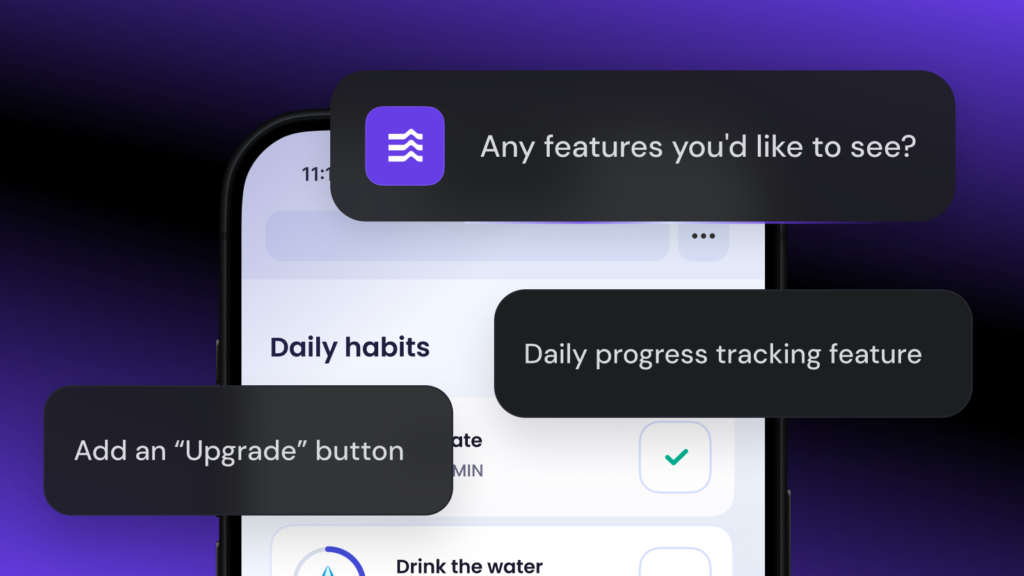
The key differences between no-code, low-cod, and vibe coding lie in the interface and intent:
- No-code tools let users build apps visually with drag-and-drop elements, without writing any code.
- Low-code platforms still rely on visual interfaces but allow some custom scripting for more control.
- Vibe coding skips visual builders and uses natural language prompts, powered by AI, to generate the code or app logic.
In short:
- No-code: build with UI
- Low-code: build with UI + some code
- Vibe coding: build by typing what you want
What are the benefits of vibe coding vs traditional coding?
| Feature | Vibe coding | Traditional coding |
| Ease of use | Very easy – anyone, even without technical skills, can start by writing prompts. | Requires technical knowledge of programming languages and frameworks. |
| Speed | Fast to build simple tools, MVPs, and prototypes. Can go from idea to working version in hours or days. | Slower – the process involves detailed planning, design, and testing over weeks or months. |
| Flexibility | Limited by the tool’s capabilities and the AI’s understanding, but often sufficient for basic apps. | Fully customizable – you control every aspect of the project, from structure to optimization. |
| Best for | Simple tools, MVPs, prototypes, personal projects, testing ideas quickly. | Large-scale applications, performance-heavy systems, and production-ready software. |
| Cost | Lower upfront cost – minimal or no need for hiring developers or purchasing expensive tools. | Higher development costs due to the need for skilled developers, extensive planning, and software licenses. |
| Control | AI handles most of the logic, with limited user control over the underlying code. | Full control over code, customization, and optimization, allowing for greater fine-tuning. |
| Who can use it? | Anyone with basic tech savvy can vibe code. No need for formal coding skills. | Only skilled developers or those with coding experience can handle traditional coding. |
| Maintenance | Limited – depends on the AI tool’s capabilities. May require manual intervention as features grow. | Full control over maintenance, ensuring stability and adding new features over time. |
| Scalability | Suitable for small-scale projects and MVPs, but may struggle as the project grows. | Highly scalable for complex, growing applications, though it requires more effort to optimize. |
| Examples | A freelance graphic designer builds a portfolio site; a podcaster creates a clip generator; or a small business owner makes an invoicing tool. | A multinational ecommerce site; a social media platform; or an enterprise-level CRM system. |
What are the use cases for each development type?
Choosing between vibe and traditional coding depends on your project goals. Here are the most common scenarios for each:
Use cases for vibe coding
- Personal projects and side tools – Need to build a tool for your blog, portfolio, or small business? Vibe coding can get you there fast, without having to learn to code.
- Rapid prototyping – If you want to test an idea or share a proof of concept with stakeholders, vibe coding helps you launch quickly and refine later.
- Throwaway software – For internal dashboards, one-off automations, or reports, vibe coding reduces time and effort.
- Speed-focused projects – When you need something working now, AI tools like Hostinger Horizons deliver results faster than traditional development.
Use cases for traditional coding
- Enterprise-level applications – Complex systems like CRMs, fintech apps, or platforms with custom logic benefit from the control traditional coding offers.
- Performance-sensitive projects – Apps with strict performance, storage, or security requirements need fine-tuning that only traditional coding allows.
- Highly customized products– If your app needs very specific behaviors, designs, or integrations, traditional development gives you the freedom to build exactly what you want.
Conclusion
Vibe coding and traditional coding offer two very different paths to building software. Vibe coding is fast, accessible, and ideal for quickly bringing ideas to life – even if you’ve never written a line of code. Traditional coding, on the other hand, gives you full control, making it the go-to approach for complex, large-scale, or highly customized projects.
If your priority is speed, simplicity, or rapid experimentation, vibe coding tools like Hostinger Horizons are a great place to start. But when you need fine-tuned performance, advanced features, or full ownership over your codebase, traditional development is still unmatched.
There’s no one-size-fits-all answer – choose the method that fits your project, skill level, and goals best.

Matleena is a seasoned Content Writer with 5 years of content marketing experience. She has a particular interest in emerging digital marketing trends, website building, and AI. In her free time, Matleena enjoys cups of good coffee, tends to her balcony garden, and studies Japanese. Follow her on LinkedIn