Print on demand vs dropshipping: Which one is better for your online store?
Mar 10, 2026
/
Simon L.
/
7 min Read
The main difference between print on demand and dropshipping is that print on demand allows you to sell custom-designed products that are made to order, whereas dropshipping involves selling existing products from a third-party supplier.
Both models let you start an online store with a low initial investment and no inventory management.
Dropshipping generally offers higher profitability because wholesale costs are lower, and you have a much wider product selection since you can sell any existing item.
In contrast, print on demand gives you complete brand control. Since products feature your unique designs, you can build a distinct identity, attract a loyal audience, and compete on originality rather than just price.
Print on demand is better for creators, artists, and brands that want to sell custom-designed merchandise. Dropshipping is better for entrepreneurs who want to offer a wide variety of products quickly and focus on marketing rather than design.
Print on demand vs dropshipping: What is the difference in the business model?
The difference in the business models comes down to what you sell and how the order is fulfilled. With print on demand, an order triggers a production request, where your partner prints your design onto a blank product, packages it, and ships it.
In dropshipping, an order triggers a shipping request, prompting the supplier to find the existing product in their warehouse, package it, and ship it. The dropshipping process is often faster since the product already exists and doesn’t require customization.
How does print on demand work?
The print-on-demand business model works by letting you create and sell products with your custom designs while a third-party partner handles all production and shipping after you make a sale.
First, create a design using software like Adobe Illustrator or user-friendly tools like Canva or AI.
Next, upload that design to a print-on-demand supplier’s platform and apply it to their blank products, such as hats, bags, or posters.
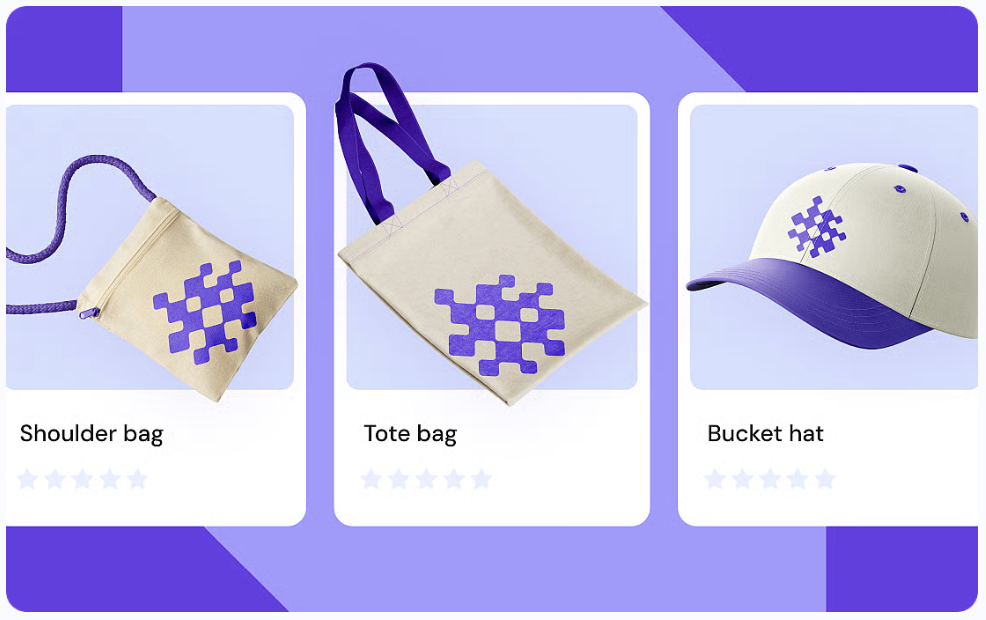
Then, list those products on your online store. For example, you can use Hostinger’s print-on-demand website builder to create your ecommerce site and sync it directly with Printful to manage your listings and orders smoothly.
When a customer makes a purchase, the order is automatically sent to the supplier’s platform, where they handle the printing, packaging, and shipping on your behalf. You only pay them after your customer pays you. Note that shipping rates vary between platforms and products.
How does dropshipping work?
The dropshipping business model lets you sell products in your store that are actually sourced and shipped by a third party. When you make a sale, that partner sends the item directly to your customer.
First, you need to find a supplier and choose the products you want to sell. You can find these companies on marketplaces like AliExpress or through specialized directories like SaleHoo.
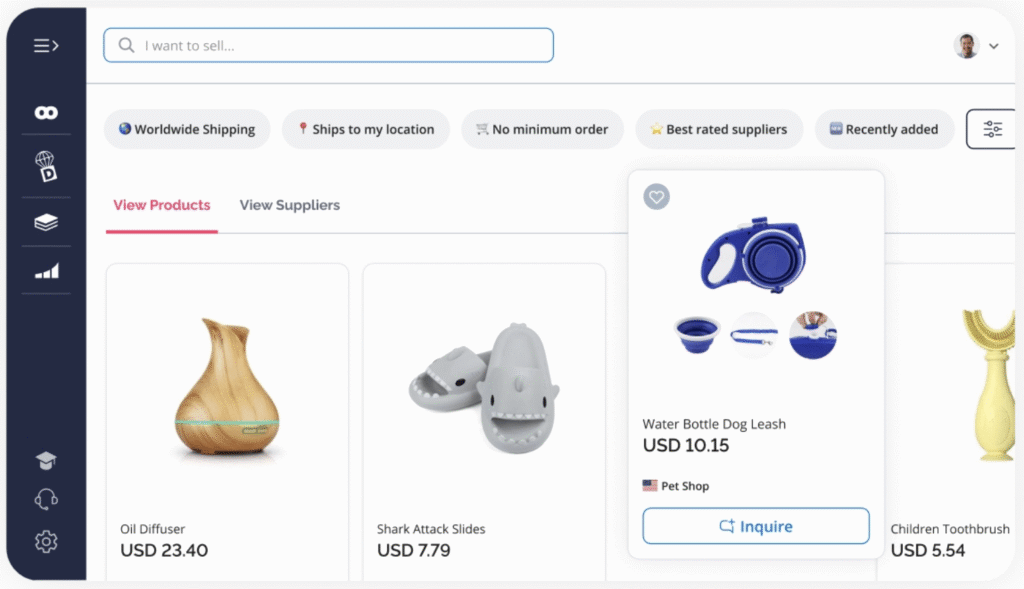
When researching, look for partners with reliable shipping times, high product quality, and positive seller reviews.
Next, you list those products on your ecommerce site. When a customer places an order, you forward it to your partner and pay them the wholesale price. This is often handled automatically by an app or integration, like AliDrop, which connects your store directly to the AliExpress network.
That company then ships the product directly to the customer from its warehouse. Your profit is the difference between your retail price and the wholesale price you paid.
What are the advantages of print on demand over dropshipping?
The main advantages of print on demand over dropshipping are more flexible branding options, simpler supplier management, and the ability to sell completely custom-designed products.
- Total brand control. Your designs are unique to you. This makes it much easier to build a loyal following and a brand that stands out – unlike dropshipping, where you often sell the same products as competitors.
- Custom branding options. Many print-on-demand companies let you add custom tags, stickers, or pack-in slips to your orders at an additional cost. This creates a professional, branded unboxing experience that’s nearly impossible to get with most dropshipping partners.
- Simpler supplier logistics. You typically partner with just one or two companies that design and ship your products. In dropshipping, you might deal with dozens of different vendors to build a varied catalog, which can complicate shipping and quality control.
- Unique products. Since the product has your unique design, you’re creating something that customers can’t find anywhere else. This shifts focus from price competition to brand appeal.
- Ease of testing ideas. You can upload a new design and list it on your store in minutes. This lets you test new product ideas or niche concepts without any financial risk or commitment.
What are the disadvantages of print on demand over dropshipping?
The disadvantages of print on demand compared to dropshipping are longer shipping waits for your customers, higher product costs that eat into your profits, and less control over your products and logistics.
- Slower fulfillment. The product has to be printed after a customer places an order. This adds 2-5 business days to the fulfillment time before shipping even begins, which is significantly slower than a dropshipping supplier that simply needs to grab an item off a shelf.
- Lower profit margins. Custom printing can be expensive. A plain dropshipped t-shirt might cost $5 wholesale, but a custom-printed one from a print-on-demand company might reach $15. This cuts your potential profit margins and forces you to build a strong brand to justify a higher price.
- Limited product range. Your product options are limited to what your partner offers as blank items. You can’t just decide to sell an electronic gadget if your print-on-demand partner doesn’t stock it.
- Complex returns. Since each item is custom-printed, you can’t restock a returned item. This often means absorbing the cost of returns or refunds unless the product is defective.
- Dependency on supplier quality. Your brand’s reputation is tied to your partner’s print quality and consistency. A poor print job or a faded design directly reflects on you.
What are the advantages of dropshipping over print on demand?
The advantages of dropshipping over print on demand are higher potential profit, a nearly unlimited range of products, much faster shipping speeds, and more scalable and well-established operations.
- Higher profit margins. Since you’re selling mass-produced items, the wholesale cost is generally much lower. It’s common to see 30-50% profit margins in dropshipping, giving you more money to spend on marketing.
- Massive product variety. You can sell anything. From kitchen gadgets and electronics to furniture and apparel, you can source products from thousands of suppliers worldwide to build a vast catalog that fits your niche.
- Faster fulfillment. The products already exist and are sitting in a warehouse. A good vendor can process and ship an order within 24-48 hours, which is much closer to the standard ecommerce experience customers expect.
- Established product quality. You’re selling products that already exist and often have reviews. This allows you to vet the quality before you decide to sell an item, reducing the risk of customer complaints.
- Easier to scale. Because the fulfillment process is so fast and product sourcing is so flexible, it’s often easier to scale a dropshipping business. You can add new product lines or increase ad spend without worrying about production bottlenecks.
What are the disadvantages of dropshipping over print on demand?
The main disadvantages of dropshipping versus print on demand are facing intense competition and having little control over your branding or product quality. On top of that, you have to manage complex supplier logistics and may struggle to build customer loyalty or accurately predict costs.
- Intense competition. Since it’s easy to start, you’re often competing with hundreds of other stores that sell the exact same products. This can lead to price wars, forcing you to lower your margins to compete.
- No product control. You have no control over the product quality, packaging, or branding. If your partner ships a low-quality item in a beat-up box, your brand gets the negative review, not them.
- Complex supplier management. If a customer orders three items from three different vendors, you have to coordinate and pay for three separate shipments. This can frustrate customers and complicate your customer service.
- Low customer loyalty. When you sell the same products as everyone else, it’s hard to build a brand around those products. Customers are often loyal to the product, not the store, and will buy from whoever offers the best price.
- Variable shipping costs. Dealing with multiple suppliers means that shipping costs and times are unpredictable. This can eat into your profits and lead to customer complaints about why one item arrived in two days and the other will take three weeks.
Which one requires less initial investment: Print on demand or dropshipping?
Both models require an extremely low initial investment, but print on demand is slightly cheaper to start.
While some dropshipping suppliers or directories charge monthly fees, most major print-on-demand platforms like Printful are free to use, making the barrier to entry almost nonexistent.
Both models eliminate the most considerable cost of ecommerce: buying and managing inventory. The only essential startup costs are your ecommerce platform or website hosting and a domain name.
Which one is more profitable: Print on demand or dropshipping?
Dropshipping is generally more profitable than print on demand because of lower product costs, resulting in higher potential profit margins.
The wholesale cost of a mass-produced item from a dropshipping company is much lower than the cost of a single, custom-printed item from a print-on-demand supplier.
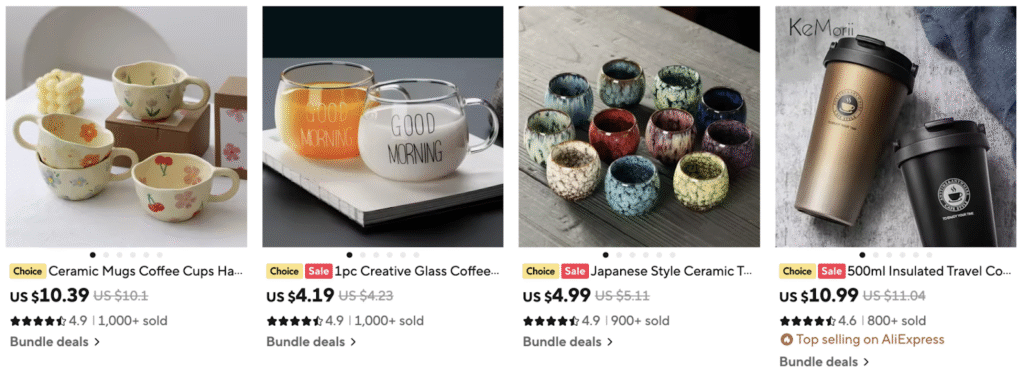
For example, a dropshipped mug on AliExpress might cost you $4, allowing you to sell it for $12 and gain a $8 profit.
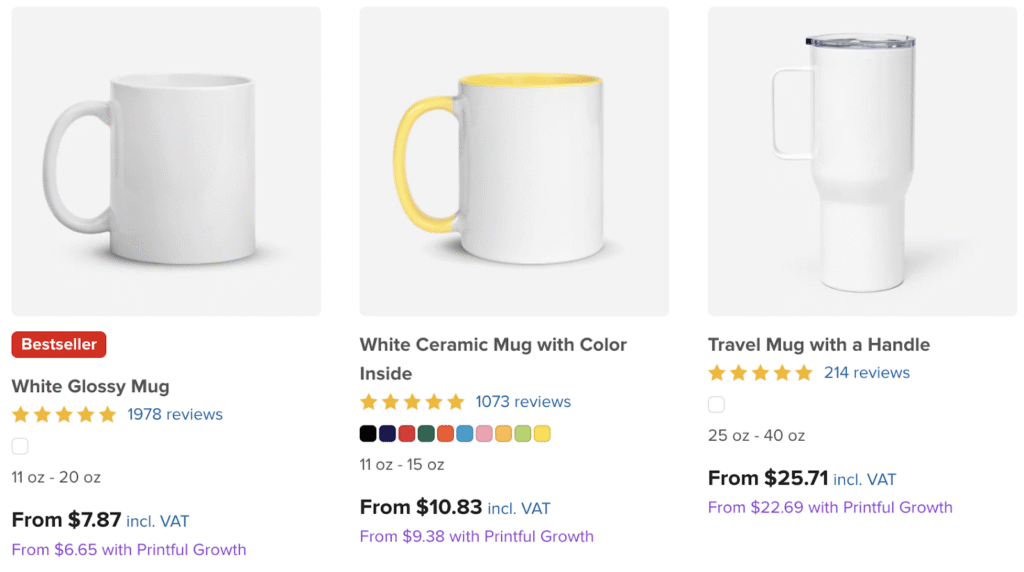
On the other hand, a custom-designed mug on Printful might cost you $7, forcing you to sell it for $15 just to make the same $8 profit.
But this high margin comes with a catch. Hundreds of other stores might be selling the exact same dropshipped mug, so you can easily get drawn into a price war, forcing you to lower your price to compete.
With print on demand, the advantage is that no one else is selling your unique design. Since you aren’t in a direct price competition, you can build a brand that justifies the higher price.
While print on demand is profitable, dropshipping gives you more profit to begin with, even if you have to work hard to protect it from competition.
Which one offers more product selection: Print on demand or dropshipping?
Dropshipping offers a significantly larger product selection because you can source products from thousands of different companies across countless niches.
With print on demand, your selection is limited to the specific blank products your supplier offers. These are typically simpler items ready for customization, like apparel (t-shirts, hoodies, hats), drinkware (mugs, water bottles), phone cases, tote bags, and posters.
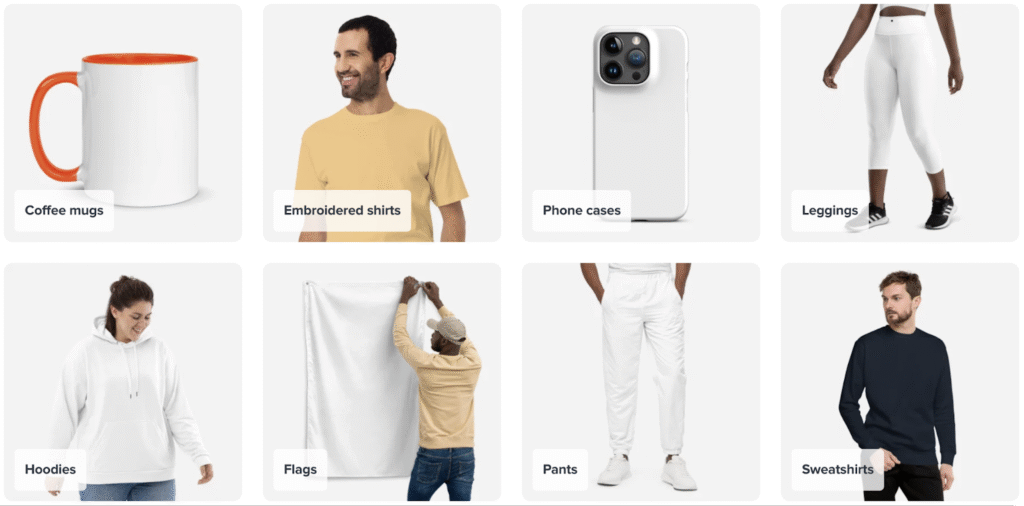
With dropshipping, you can sell all the same types of products as print on demand, just without your custom designs on them.
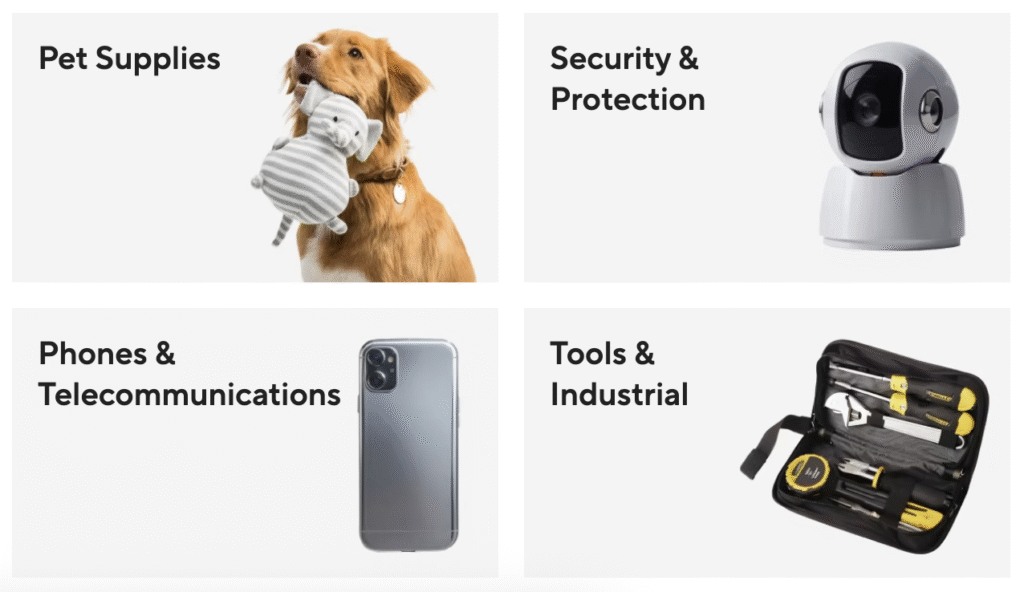
Beyond that, dropshipping lets you sell complex items that print on demand can’t support, such as electronics (like smart watches or drones), kitchen appliances (like blenders or coffee makers), tools, furniture, or specialty hobby gear.
How to choose which business model to start?
Choose a business model based on your primary goal, your personal skills, and the type of brand you want to build.
- Choose print on demand if you’re an artist, designer, or creator who wants to build a unique brand and sell your own designs. It’s perfect for fostering a community and monetizing your creativity.
- Choose dropshipping if you want to focus on marketing rather than design. It’s a great fit if you enjoy finding trends and running ads and want to build a large-scale retail operation.
Both models are excellent ways to get into ecommerce without the financial risk of buying inventory. Regardless of which path you’re leaning toward, the next step is to set up your online store.
If you’re ready to sell your own designs, learn how you can start a print-on-demand business. If you’d rather focus on marketing and curation, read our guide on how to start a dropshipping business.

Simon is a dynamic Content Writer who loves helping people transform their creative ideas into thriving businesses. With extensive marketing experience, he constantly strives to connect the right message with the right audience. In his spare time, Simon enjoys long runs, nurturing his chilli plants, and hiking through forests. Follow him on LinkedIn.