How to make money while traveling
Oct 15, 2026
/
By Alma
/
11 min Read
To make money while traveling, you need to build a steady stream of income – something that isn’t tied to a desk, a city, or an employer. Relying on savings or short-term gigs won’t last long. The goal is to create a reliable way to earn money, whether you’re hiking the Andes or working from a café in Boracay.
Many long-term travelers do this by combining different ways of earning. For example, you might balance a freelance web development project with a travel vlog that makes money through ads and sponsorships. The great thing about these opportunities is that all you need is a laptop, good Wi-Fi, and a skill people are willing to pay for.
Freelancing, remote jobs, content creation, and online businesses give you the flexibility to earn money while you travel. But that’s not all – monetizing your local travel experiences or taking seasonal jobs abroad can also provide a steady income.
With the right approach, you can keep chasing sunsets in Bali, wandering through ancient streets in Rome, or trekking hidden mountain paths, without constantly worrying about running out of funds.
1. Start freelancing online
Freelancing means selling your skills directly to clients remotely, on your schedule, from wherever you happen to be. It is one of the most accessible ways to start making money online because you can use the professional skills you already have.
The most in-demand categories include writing, web development, graphic design, and digital marketing. Writing and web development tend to pay the highest hourly rates for beginners. Other roles, like virtual assistance (VA), are easier to break into and can quickly build into a steady paycheck.
Of all these categories, freelance web development generally sees the most consistent demand – clients across almost every industry need developers, which means less time hunting for work and more time actually doing it.
If you’ve done any of these in a regular job, you’ve already got a starting point. Start by creating profiles on Upwork, Fiverr, and LinkedIn. Keep your profile focused on one or two specific services to help you stand out to clients. A sharp, specific profile converts much better than a vague one.
The best freelance websites connect you with clients across every skill category, so spending time there will also show you what’s in demand.

Your first projects might not pay top rates, but they are necessary. Small jobs build the portfolio and reviews you need to unlock higher-paying clients. Most freelancers raise their rates by 20%–30% every few months as their reputation grows.
2. Get remote jobs with stable income
Remote employment is different from freelancing. Instead of managing multiple clients, you work for one company from anywhere. This provides a predictable paycheck that makes budgeting for travel much easier.
Common remote roles include online teaching, customer support, and social media management. VA jobs are especially useful for travelers because the hours are often flexible across time zones.
Teaching and social media management are among the most popular among travelers because they fit an irregular schedule so well. Customer support and digital marketing come with more structured hours, but the trade-off is steadier, more predictable pay.
For teaching English specifically, a TEFL certification (Teaching English as a Foreign Language) can help you qualify for platforms like VIPKid, iTalki, and Cambly. The certification takes four to six weeks and allows you to build an online tutoring business with recurring monthly income.
Most of these roles are available as both full-time and part-time positions. Full-time remote work gives you the most stability, but part-time suits travelers who want to combine employment with freelancing or content creation on the side.
Time zone management matters more in remote employment than in freelancing. If your employer is in New York and you’re in Southeast Asia, you’re looking at a significant gap. Be upfront about your location and availability during the hiring process. Most remote-friendly employers are flexible, but they need to know what to expect.
3. Build income through content creation
Content creation is one of the most appealing ways to make money while traveling, and one of the slowest. Meaningful income takes 6–12 months minimum – the creators who get there focus on building an audience first and making money out of content second.
Once you have built a solid audience, you start earning by combining a few methods, such as running ads, affiliate marketing, brand sponsorships, and selling your own digital products. Each one becomes available at a different stage of growth, so picking a niche and publishing consistently early on matters far more than production quality.
Of all these methods, a travel blog gives you the most long-term control because it’s the one platform you actually own. And for the blog to rank on Google and attract sponsors, it needs its own domain and website. Hostinger AI Builder takes care of both – you can have your domain registered and your site up in under an hour, with no coding required.
Once your site is live, the next step is to make it findable. Learning the basics of SEO – keyword research, structuring content around what people actually search for – is what makes a blog start gaining traction.
If video is more your style, consider a YouTube travel channel. Growth relies on watch time and consistency, with the YouTube Partner Program offering monetization through ads, memberships, and sponsorships once you reach 1,000 subscribers and 4,000 watch hours.
Travel content, such as destination guides, vlogs, and gear reviews, tends to perform well because these segments keep viewers watching longer, boosting watch time.
Outside of YouTube, making money on social media platforms depends less on formal programs and more on the audience you build. TikTok and Facebook both have creator funds and in-stream ad programs that activate once you hit their minimum thresholds.
You can also start making money on Instagram through brand deals and affiliate links from around 5,000–10,000 engaged followers.
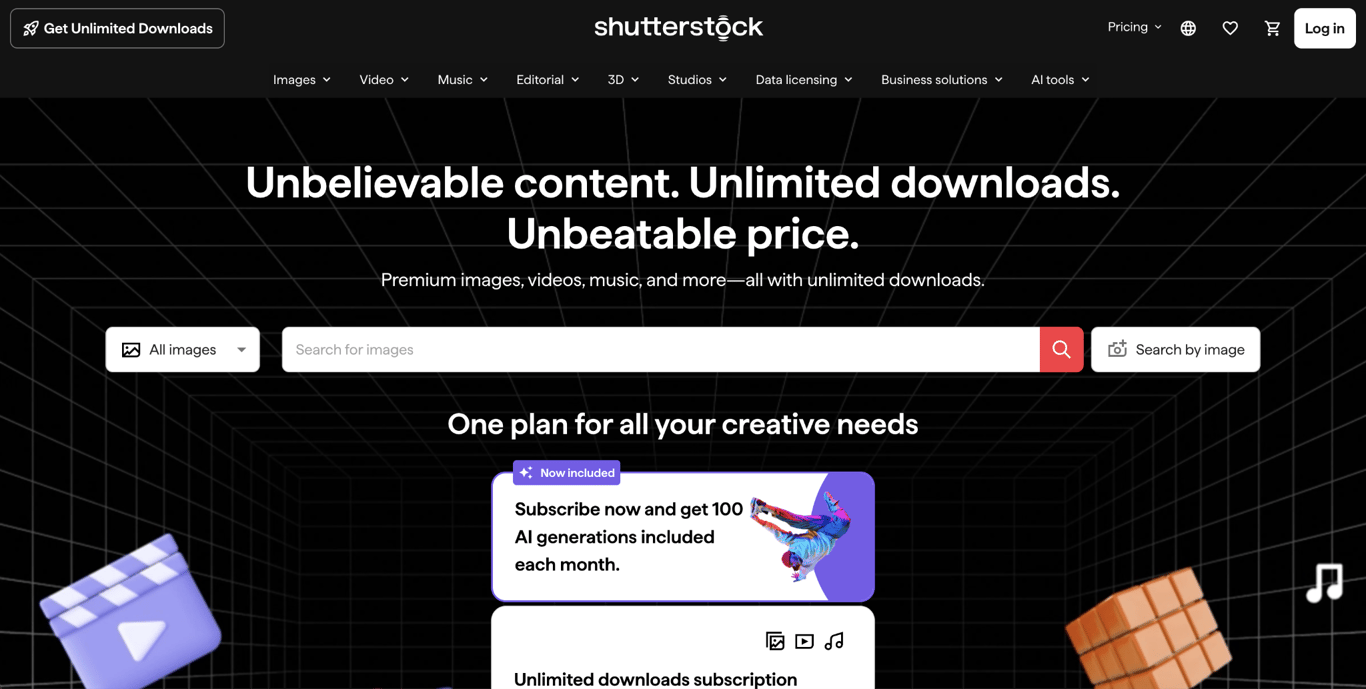
Don’t overlook stock photography and footage either. Platforms like Shutterstock, Adobe Stock, and Pond5 let you sell the same images and clips multiple times – it won’t replace a salary, but for content you’re already shooting, it’s easy passive income.
4. Start online businesses you can run from anywhere
Online businesses offer the most freedom because they can run whether you’re at a coworking desk or sitting on a beach.
While they require significant effort to set up at the start, they can be more profitable and easier to grow than trading your hours for a freelance paycheck.
One of the most accessible online business ideas is dropshipping. You sell physical products without holding any inventory – when a customer orders, your supplier ships directly to them. Profit is smaller than it looks at first glance, but the key to a successful dropshipping business is picking a product that people are already searching for.
If you want to keep more of the profit and manage less on a daily basis, selling digital products is a good option. These are items you create once and sell over and over again. For example, you could sell a PDF guide to the best photo spots in Bali or a digital travel-planning spreadsheet.
A niche website takes the longest to build but provides the most stability over time. You pick a specific topic, drive traffic through SEO, and earn through display ads and affiliate links. It’s a long-term asset that generates steady income with minimal daily upkeep once it is established.
For example, a site dedicated to “solo female travel in Japan” can continue earning money from hotel referral commissions years after the articles were written.
To keep your business growing without taking up all your time, you should use software and hire help for the repetitive tasks you can’t do yourself. Using automated tools and outsourcing keep your business running even when you are on the move.
5. Take seasonal or location-based jobs abroad
Not every travel income stream is digital. You can apply for seasonal and location-based jobs that pay you and include accommodation or meals, but whether you can legally take them on depends on your visa and local labor laws.
Working holiday visas make this legal and accessible in many countries. Australia, New Zealand, Canada, Japan, and several European nations offer these to young adults, allowing you to work legally for 6–12 months. Check visa eligibility for your passport before making any plans, as requirements vary.
The most common entry-level roles are hospitality and hostel work – front desk shifts, bar work, cleaning – often with free accommodation included. You could trade five hours of front-desk work at a hostel for a free private room and breakfast, which effectively wipes out your biggest daily expense.
Fruit picking and agricultural work follow a similar pattern: often seasonal and sometimes paid at piece rates or short‑term contracts, and widely available in Australia and Europe.
If you have certifications, ski and dive instructing pays considerably better and tends to come with a tight-knit seasonal community. Cruise ships and yachting are a step up in structure – contracts run 4–9 months with room and board fully covered, and you’re constantly moving between destinations.
Gig economy apps – rideshare, delivery, task platforms – can fill gaps between more stable arrangements, but always confirm your visa permits paid work before signing up. The rules vary widely, and violations can have consequences that follow you long after you’ve moved on.
Work exchanges like Workaway or WWOOF (World Wide Opportunities on Organic Farms) connect travelers with hosts who offer rooms and meals in exchange for help. They’re useful for stretching your budget but aren’t a substitute for actual income.
6. Monetize your travel experiences locally
The longer you stay somewhere, the more you know it – often better than most tourists. That local knowledge is genuinely worth something. There are a few ways to turn that local knowledge into income:
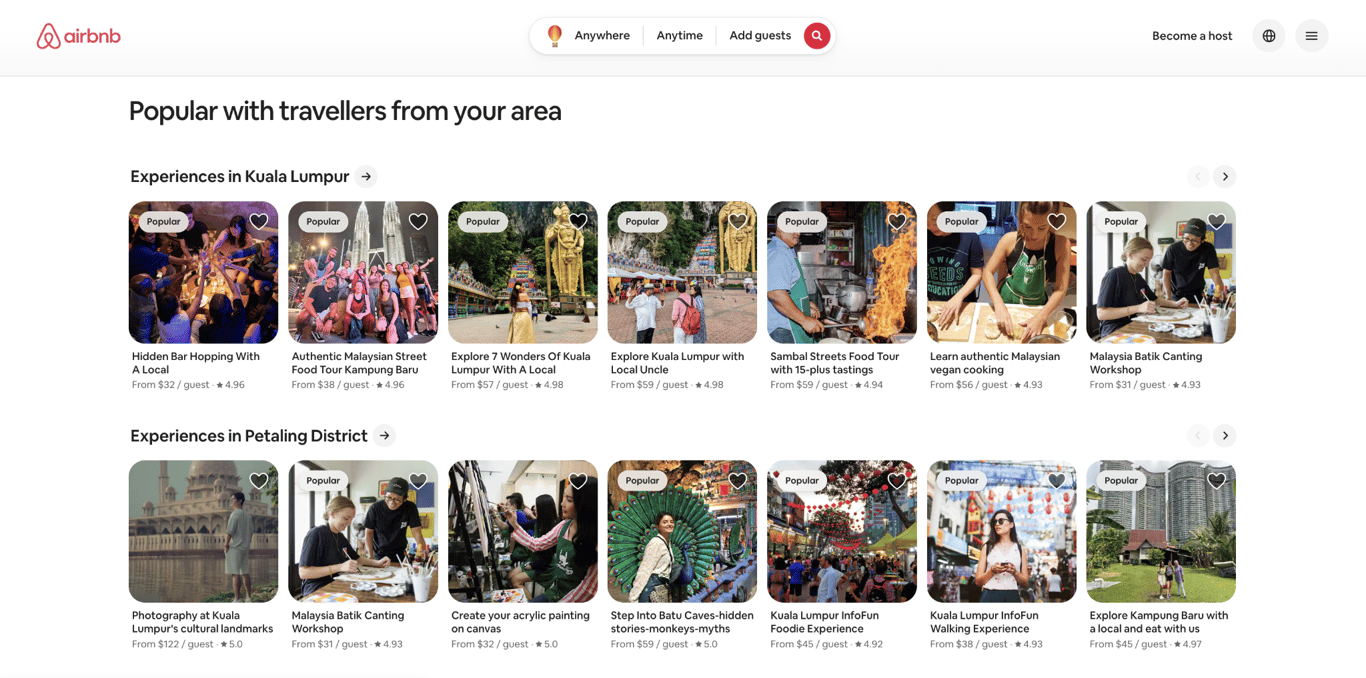
- Becoming a tour guide is one of the most direct ways to make money from your travel experience. Whether you run informal walking tours, food experiences, or photography walks, platforms like Airbnb Experiences and GetYourGuide connect you with paying visitors. You set the price and schedule, and offer something you actually know well – no formal qualifications required.
- Teaching a skill – yoga, cooking, a second language, diving, photography – can be done informally or through local studios and tour operators. Some travelers run beach yoga sessions or café language exchanges on a cash basis with minimal setup. Teaching yoga abroad or running dive lessons are among the most popular local gigs for travelers with the right background.
- Pitching local businesses directly is an underrated way to turn your travel skills into a paycheck. Hostels, boutique hotels, and tour operators often need help – managing their socials, handling English-speaking guest communications, running front desk shifts – but can’t justify a full-time hire. If you’re staying somewhere for a few weeks, walking in with a specific offer for a fixed period is often all it takes. It’s one of the most practical side hustle ideas for covering your expenses while you’re based in one place.
How much you earn from these methods differs a lot by destination and demand.
Warning! In some countries, even informal paid work can violate your visa, so always check your current visa and work‑permit conditions before you take on any local gig.
What do you need to prepare before you start traveling?
The biggest mistake people make is booking that one-way ticket before they’ve tested anything. Building income before you quit your job is what determines whether this plan of making money while traveling actually works or not.
First, validate your income streams. Freelance on weekends. Start posting content before you leave. Launch your digital product while you still have a salary. If something is earning even $200–$500 a month before you go, you know it has legs.
Secondly, build a financial cushion of three to six months to absorb unexpected costs. Without that runway, one slow month can force bad decisions.
Thirdly, choose a destination with a lower cost of living to stretch your initial earnings. A $1,500 monthly income feels very different in Chiang Mai versus London.
Beyond money, your setup matters just as much. Your laptop is your business – don’t cut corners on it. Bring a backup device for emergencies, a portable WiFi hotspot or global SIM card for unreliable connections, and a VPN for secure access on public networks.
On the banking side, set up Wise or Revolut before you leave – both handle international transfers and multi-currency spending with low fees. PayPal is widely accepted for freelance payments, so have that ready too.
Take the time to understand your home country’s tax filing requirements as well. Many countries still require you to file even when living abroad, and it’s far easier to sort that out beforehand than to untangle it later.
Essential tools for working remotely
Once you’re on the road, the right tools are what keep your work running smoothly. These are the ones most digital nomads rely on daily:
Tool | Category | What it does |
Slack | Communication | Team messaging with clients and employers |
Zoom | Communication | Video calls and remote meetings |
Notion | Project management | Tasks, notes, and content planning in one place |
Trello | Project management | Visual task boards for tracking client work |
Wise | Payments | Low-fee international transfers and multi-currency accounts |
PayPal | Payments | Widely accepted by freelance clients worldwide |
NordVPN / ExpressVPN | Security | Encrypted connection on public WiFi |
Google Drive / Dropbox | Backup | Cloud storage in case your laptop is lost or stolen |
Coworker.com | Coworking | Find coworking spaces across 160+ countries |
Airalo | Connectivity | Global eSIM – buy local data plans without swapping SIM cards |
Set these up before you leave. Getting locked out of a payment platform or scrambling for a VPN from a café in a country with restricted internet is a headache you don’t need.
Mistakes to avoid as a digital nomad
Most of these digital nomad mistakes don’t come from bad decisions. They come from moving too fast, pricing too low, or assuming things will work out without a plan. These are the ones that cost the most time and money:
- Quitting your job before proving your income. If your income stream hasn’t earned anything yet, you don’t have a business – you have a plan. Stay employed until at least one stream is generating consistent revenue. The proof of concept has to come before the leap.
- Chasing passive income before building active income. Don’t get distracted by the passive income dream too early. Building a niche site or a course takes months of unpaid work. Focus on active income like freelancing to pay your bills today. You can build the “sleep-income” side of things once your basics are covered.
- Underpricing your services. Freelance pricing mistakes are especially common early on – travel excitement and the rush of landing clients can push you to accept rates that don’t add up. Research market rates before you pitch. Charging too little trains clients to expect it – and burns you out faster than anything else.
- Relying on a single client or income stream. One client feels stable until they go silent. One income stream feels fine until the platform changes its policy or cuts rates. Build multiple income streams as early as you can – even a small second source adds meaningful protection.
- Ignoring legal requirements. Working on the wrong visa, missing tax obligations, and getting your payment account locked are three separate problems that can each follow you for years. The rules around visas, tax residency, and platforms like PayPal and Stripe vary widely – know them before you go.
Challenges of working while traveling
Working and traveling at the same time is genuinely rewarding – but it’s rarely as seamless as it looks online. Here’s what to expect, and what to do about it:
- Expect some months to be leaner than others, especially when you’re starting out. Freelance and content income fluctuates – some months are great, some are thin. Prioritize retainer clients (clients who pay a fixed monthly fee for ongoing work) and recurring revenue models. Predictable income significantly smooths out the dry spells.
- Managing time zones while traveling. If your clients or employer are 8+ hours away, scheduling calls and hitting deadlines gets complicated fast. Batch your communication – set fixed windows for calls and use async tools like Loom or Notion comments to stay aligned without being on call around the clock.
- Unreliable WiFi and power outages. Depending on hotel or café WiFi is a real risk. Coworking spaces give you reliable internet and backup power. Keep a portable hotspot charged and your mobile data plan topped up – treat them as your emergency fallback, not a last resort.
- Productivity dips from constant movement. When you’re somewhere new every week, focus suffers. Structure helps more than willpower here. Plan your week each Sunday, set consistent work hours, and keep sightseeing to after your core work is done – not before. This is how most people avoid remote work burnout on the road.
- Isolation and lack of professional structure. Working alone in unfamiliar places can get lonely faster than most people expect. Nomad communities – Nomad List, Facebook groups, coworking spaces – connect you with people doing the same thing. Cities like Lisbon, Bali’s Canggu, and Medellín have established digital nomad community scenes you can tap into almost immediately.
How to build long-term travel income online
One of the most flexible ways to on how to make money while traveling is by building an income online, mainly because you aren’t limited by your physical location. Earning money on the internet allows you to grow your income without necessarily doubling your workload.
For example, a digital guide you write once can be sold to a thousand people just as easily as it is sold to ten. This can help keep your bank account healthy even while you spend your afternoon wandering the sun-drenched streets of Barcelona or catching the sunset from a beach in Bali, instead of being glued to a desk.
To build a sustainable setup, you should stack your income sources over time rather than relying on a single one. Start with freelancing to cover your daily expenses. Layer in content creation to build a following and establish your expertise. Then add digital products or a niche site to generate revenue that doesn’t require your constant presence.
Moving from trading your time for money to building systems that earn for you takes effort, but every small step builds your future freedom. Every client you help and every article you publish creates more choices for your lifestyle, as you are no longer tied to a single boss, city, or currency.
If you are not sure where to begin, look at what you already enjoy doing. There are more hobbies that make money than most people realize, but the secret is turning that skill into a professional offer.
Pick one talent you already have – like writing, design, or organization – and start by offering it as a service on a freelance platform, or even start an online business with it.
This article is a localized version of How to make money while traveling, originally published in English.
All of the tutorial content on this website is subject to Hostinger's rigorous editorial standards and values.

Alma is an AI Content Editor with 9+ years of experience helping ideas take shape across SEO, marketing, and content. She loves working with words, structure, and strategy to make content both useful and enjoyable to read. Off the clock, she can be found gaming, drawing, or diving into her latest D&D adventure.