Understanding Different Types of Recurring Revenue Models: How to Measure Success + Tips
Mar 10, 2026
/
Will M.
/
9 min Read
Many businesses charge a monthly fee or subscription for premium content, resulting in a recurring revenue stream.
Recurring revenue models can encourage customer loyalty and give your business more stability, facilitating long-term planning. There are also many ways to set up recurring revenue business models, meaning it’s easy to find the best fit for your niche.
In this article, we’ll look at the 10 main types of recurring revenue business models. We’ll also discuss the advantages and disadvantages of using this method and share best practices and key metrics to use when implementing it in your business.
Download checklist: How to start an online business
What Is a Recurring Revenue Model?
A recurring revenue business model is a system in which a business receives regular payments for its goods and/or services. This can amount to the company’s entire profit or only a portion of it. Software and digital services are often good candidates for a recurring revenue business model. Subscriptions and memberships are some of the most common ways to generate reoccurring revenue.
Types of Recurring Revenue Models
Before we talk about how to implement a recurring revenue model, it’s important to have a good understanding of all the different approaches available. This will help you find the right option for your business.
1. Subscription-Based Model
Great for: eCommerce, content
Let’s start with one of the most popular options, the subscription-based business model.
In this setup, a customer pays a fixed fee on a recurring basis in order to receive a product or service until they cancel their subscription. Monthly subscriptions are common, but payments can be collected daily, weekly, monthly, or even annually.
Subscription services in the past focused on physical goods, like a weekly magazine. Some of these subscriptions still exist, but digital versions have become more commonplace.
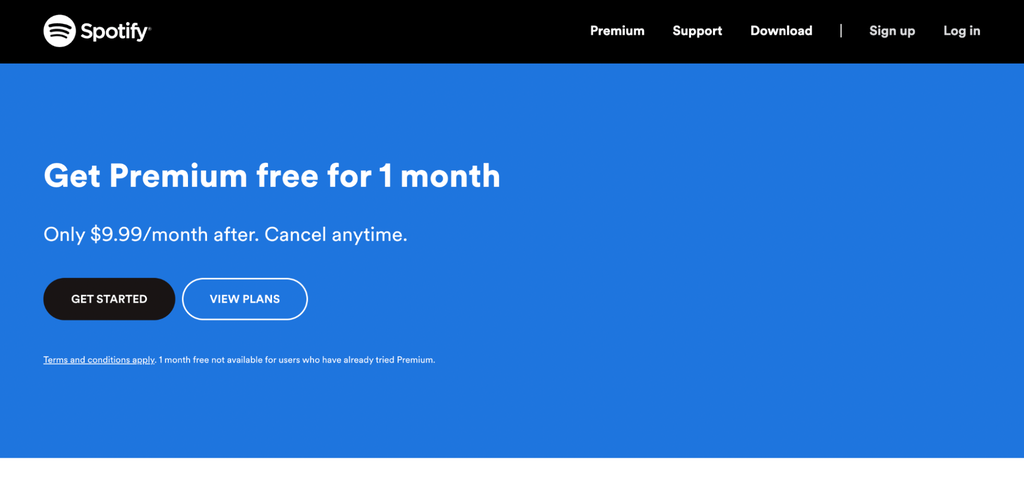
In fact, research shows that subscription eCommerce services, like those provided by Netflix and Spotify, have grown by 65% between 2021 and 2022.
Both subscription businesses provide users with regular content subscriptions, with access to films, podcasts, music, and more.
2. Freemium Model
Great for: software products
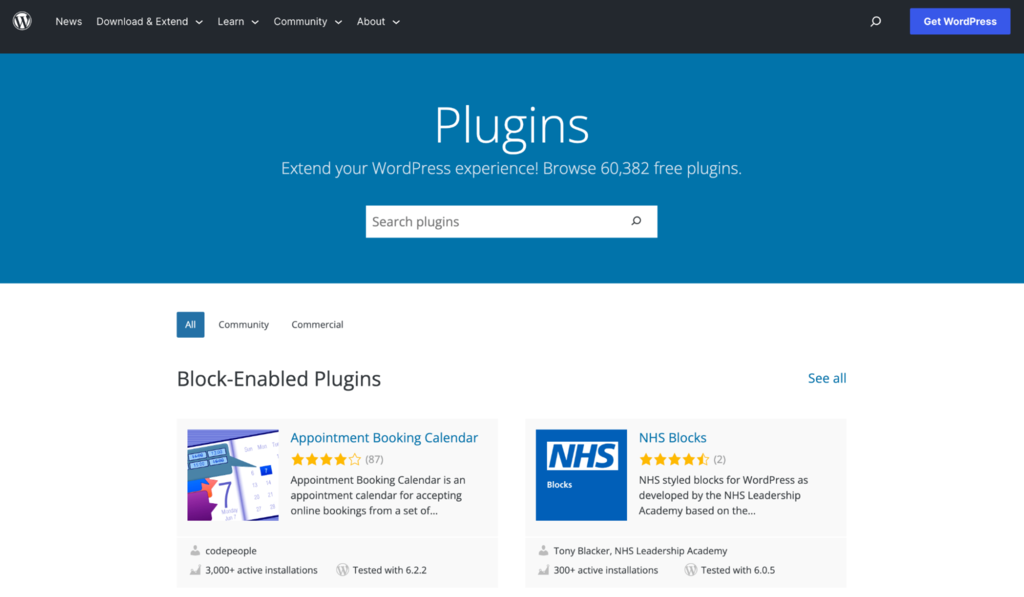
In the freemium business model, a business offers both free and paid versions of a product. Typically, software companies use this kind of pricing structure, but you can offer anything on a freemium basis. Many WordPress plugins, for example, operate on a freemium model.
The free version is often more limited than the paid version of the product. The premium option will typically provide more flexibility and control regarding functionality and customization.
The main benefit of this approach is that you can give customers a preview of the product or service. It’s also possible to omit essential features from the free version to persuade customers to buy the premium option.
However, this might not be a viable option for smaller businesses, as they’ll need a certain level of financial stability to offer a product in this way. It’s also not as easy to plan for predictable cash flow or monthly revenue with this recurring revenue business model.
3. Membership Model
Great for: online creators, personal brands
In a membership-based business model, users make recurring payments in order to remain a member of a community or service.
With the subscription model, you typically get a service that’s meant to be used by an individual, like a Spotify subscription.
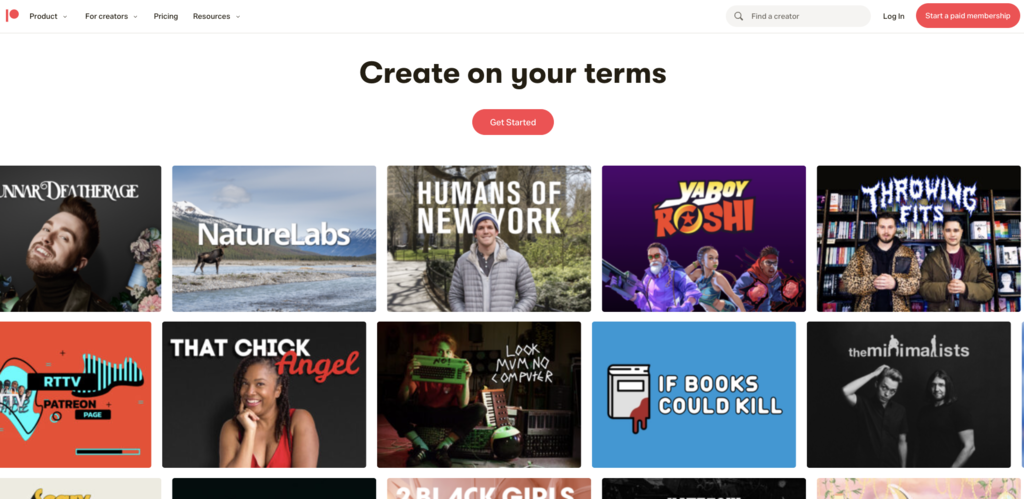
Meanwhile, a membership program can include a regular subscription element, but it also needs that sense of community. For instance, platforms like Patreon and YouTube offer membership services, enabling people to pay to become members of a creator’s community.
Members can often choose from different membership tiers, each having different perks, like early access to content, exclusive videos, or live chat.
4. Pay-Per-Use Model
Great for: products with infrequent use, SaaS companies
Pay-per-use is a recurring revenue business model that requires users to pay only when they use a product or service.
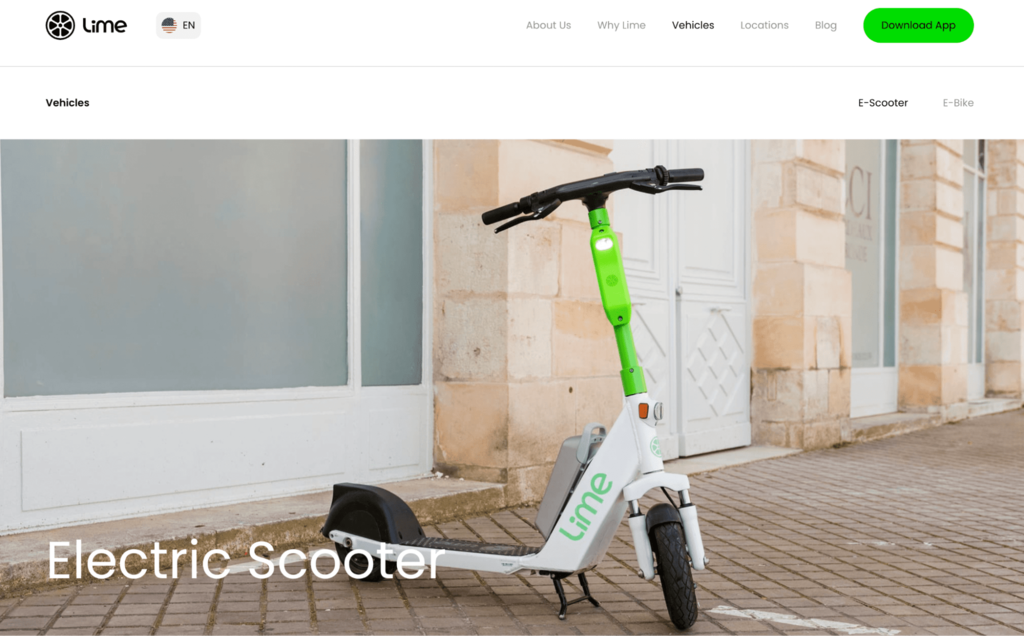
This approach can be useful when your business offers one-off goods or services. One well-known company that employs the pay-per-use model is the electric scooter and bike-sharing app Lime.
This popular service lets people use electric scooters and bikes on a pay-per-use basis. Essentially, they pay a flat fee each time they pick up a vehicle and then pay an additional fixed rate per minute driven.
The pay-per-use model is also popular in Software as a Service (SaaS) companies.
5. Usage-Based Model

Great for: service providers, B2B businesses
The usage-based business model is very similar to the pay-per-use model. However, the main difference is that you don’t need to pay a flat rate for each use.
With this approach, users are typically billed regularly based on usage, like for the number of credits used or the number of searches made. OpenAI uses this type of pricing, making it easy for clients to estimate how much they will spend in any given month.
6. Tiered Billing Model
Great for: service providers, agencies, software companies
Tiered billing is one of the most popular ways to generate recurring revenue and a sustainable profit margin. With this strategy, the business offers a variety of payment plans, each with a slightly different set of features.
These tiered plans usually cater to a specific buyer persona, such as a freelancer or a small business.
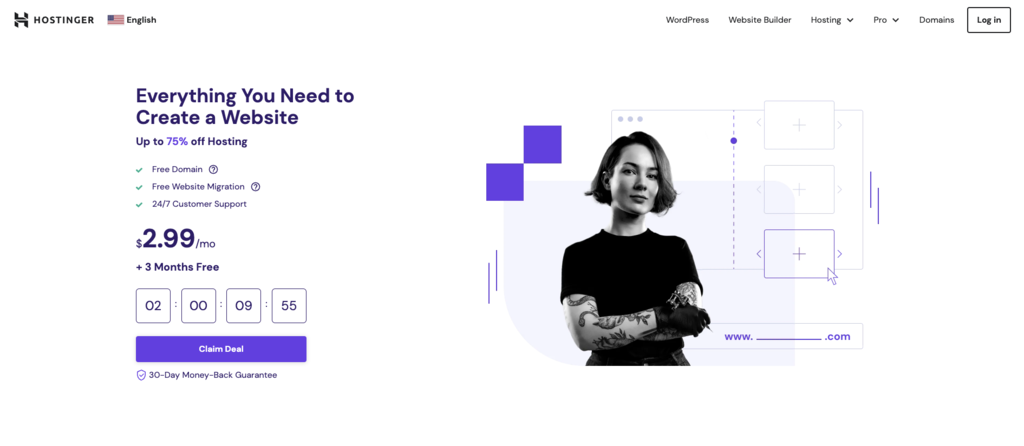
For example, hosting plans at Hostinger are tiered. With tiered plans, the more you pay, the more you get, allowing for various upselling opportunities later on in the customer’s buyer journey.
7. One-Time Purchase
Great for: single-purchase items
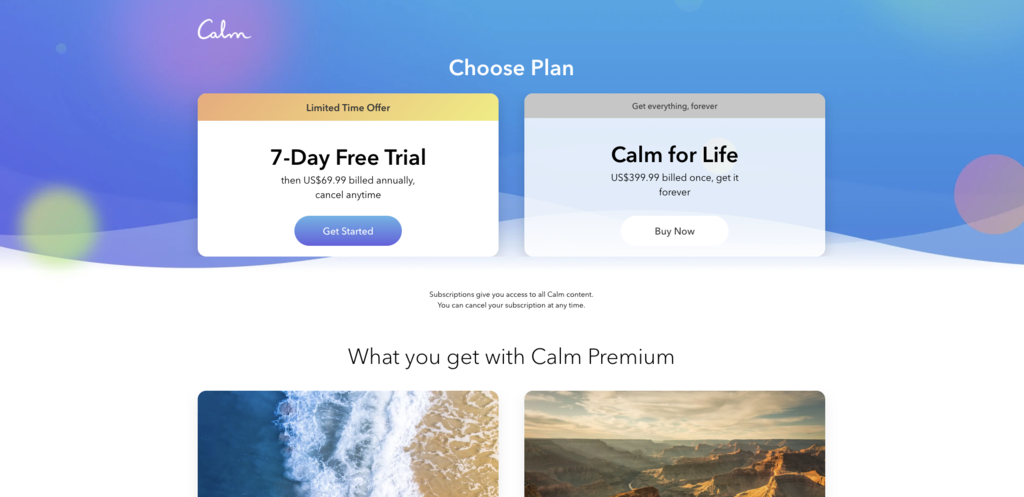
With this revenue model, clients pay a one-time fee and have unlimited access to the product or service. Often, one-time purchases are offered alongside free trials or a subscription model.
Using a one-time purchase model, it’s also possible to increase the average order value of each customer compared to a monthly subscription model.
8. Dynamic Model
Great for: customizable SaaS businesses, large web development agencies
If your business needs don’t fit into any of the recurring revenue strategies we’ve discussed so far, you may want to look at a dynamic model.
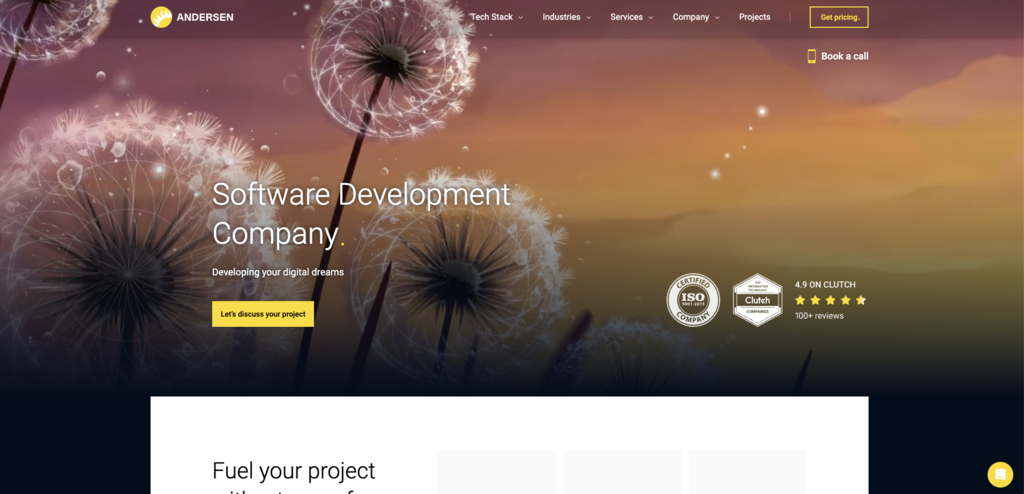
With this approach, often, the pricing is only available upon request, and both parties are looking for a long-lasting business relationship. Dynamic models are often a popular pricing model for agencies. The only guarantee is that payment for goods or services will be regular or recurring.
The exact recurring fee could change monthly based on usage or other factors. This may be a good model for businesses that offer highly customized services, such as SaaS for a large web development agency.
9. Consumables Model

Great for: niche B2C brands, eCommerce
So far, we’ve mostly talked about recurring revenue for services – both physical and digital – but it’s important to also mention the consumables model.
This model is applied to products that can be consumed on a recurring basis. “Book of the month” and “snack of the month” clubs are good examples of these types of recurring revenue businesses.
People typically sign up to become members and then receive a consumable on a rolling monthly contract until they cancel their subscription.
10. Hard Contract Model
Great for: service providers, physical goods
Unlike some of the recurring revenue strategies we’ve covered so far, the hard contract approach doesn’t allow for wiggle room.
Essentially, users sign up for a service for a specified period of time and then pay on a recurring basis. The frequency of payments will be determined by the contract.
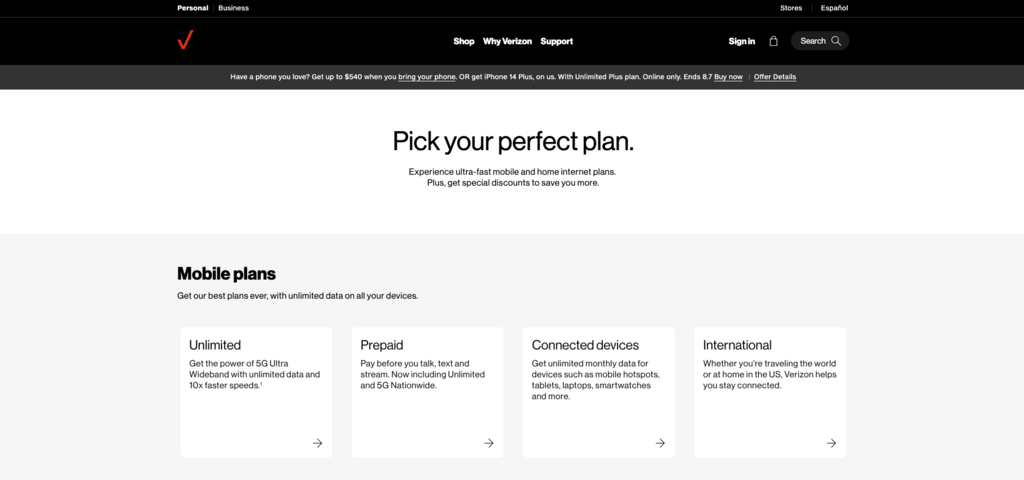
Usually, hard contracts have a longer duration period, like a year or two. If you decide to cancel the contract, you’ll probably have to pay a fee in order to leave. Phone companies, such as Verizon and AT&T, typically have a hard contract model.
The Advantages of Using a Recurring Revenue Model
Now that we’ve gone over the 10 types of recurring revenue business models, let’s look at the advantages of implementing a recurring revenue stream into your business.
Consistent Cash Flow
For many, the biggest benefit of adopting a recurring revenue model is that it can provide the business with consistent cash flow. As a result, you can plan better for the future and establish a sense of stability in your business.
Suggested Reading
Customer Lifetime Value Increase
When recurring payments are built into the business model, the customer lifetime value can increase. That means that your lead generation strategies will have a higher return on investment (ROI) since each customer becomes more valuable.
Improve Client Retention
Naturally, when customers are part of a recurring payment plan, they’re more likely to use your services, which can help boost client retention. Plus, you can offer more benefits to thank them for their loyalty.
Suggested Reading
Scalability
When you’re trying to scale your business, a recurring revenue strategy can be very effective. For example, add more features and benefits to the membership or offer add-ons to existing subscriptions to make more money.
The Difficulties of Implementing a Recurring Revenue Model
Next, let’s consider the difficulties of implementing a recurring revenue model for your business.
Difficulty in Obtaining Customers
While using a recurring revenue model can ultimately help with customer retention, you may find it hard to obtain customers initially. However, this just means you need to work on perfecting your product or service. This way, you can provide something with real value – something that keeps people coming back.
Setting the Correct Price
If you don’t set an appropriate price for the product or service, people might not be willing to pay for it on a regular basis. Therefore, be very careful when determining your pricing and consider costs, competition, value, and ROI.
Maintaining Customer Satisfaction
One of the main problems with a recurring revenue model is that it can be hard to maintain customer satisfaction. This is likely more true for content-based services or products that require a lot of customer support.
To counteract this, make sure to always keep your content fresh and offer the highest quality customer experience possible.
Managing Renewals
When it comes to recurring revenue, managing renewals can make or break your future income. That’s because this system requires people to make regular payments that they may forget about.
Setting up auto-renewal subscriptions can help to retain customers. However, you should always communicate clearly with clients about the conditions when inviting them to opt-in to automatic renewals/payments. Otherwise, you could end up losing their trust.
Measuring the Success of a Recurring Revenue Model
Once you implement a recurring revenue model, it’s important to monitor its performance. This way, you can adjust and optimize your strategy if necessary.
Here are a few metrics to track:
- Monthly Recurring Revenue (MRR). Monthly recurring revenue (MRR) measures the total regular or predictable revenue the business generates on a monthly basis.
- Customer Acquisition Cost (CAC). This metric quantifies the costs associated with getting a client. This usually refers to the marketing budget required to convert a visitor into a paying customer.
- Churn Rate. This refers to the number of customers that leave your business during a given period of time. High churn rates are usually a sign that customers aren’t happy with your business.
- Customer Lifetime Value. This refers to the net profit that each customer generates. With recurring customers, this number is usually higher.
- Average Revenue per User (ARPU). To calculate this metric, divide the total revenue by the total number of customers. This is useful if you use a simple recurring revenue model for the entire business.
- Gross Margins. This is the total profit percentage after subtracting costs. This can be useful when determining pricing.
- Net Promoter Score (NPS). To get your NPS, conduct a survey asking clients how likely they are to recommend your business. This is usually done on a scale of 1-10, and it can help measure customer happiness and loyalty.
All of these metrics can help determine whether the recurring revenue model you’ve chosen is the right one for your business.
Recurring Revenue Model Best Practices
Once you’ve decided on the right recurring revenue model for your business, it’s important to follow some best practices.
Here are a few tips to help you implement and optimize your recurring revenue strategy.
Recognize Revenue Opportunities
Almost any company can use recurring revenue models, but some businesses are better suited to it than others. Assess your current business model and adjust it to accommodate a recurring revenue approach.
For example, if you run a membership site and only charge a single lifetime fee, adjust your pricing and include an affordable monthly subscription plan. This could lower the financial barrier for many people while simultaneously creating recurring income for the business.
Alternatively, if you sell physical items, design a monthly club that provides customers with a combination of new and popular products.
Use a Customer-Centric Approach
When considering a recurring revenue model, you should design it to be as customer-centric as possible. For instance, if you have multiple buyer personas with differing budgets, it would make sense to offer tiered plans.
Additionally, if you’re attempting to transition to a recurring revenue model, you wouldn’t want to upset existing customers by forcing them into something they did not originally agree to. Communicate the benefits of the recurring subscriptions instead to nurture existing customer relationships.
Leverage Data Analytics
There are many straightforward eCommerce metrics available to track the progress of your new recurring revenue model. However, you can also use more sophisticated tools to collect and analyze data.
For instance, you may want to know more about user behavior, such as bounce rates and time on site. Google Analytics 4 is a popular free tool for measuring useful eCommerce analytics. The better you understand how customers act, the better you can adjust your pricing and other business aspects to better serve them.
Invest in Integrated Software
If you’re implementing a recurring revenue model for the first time, chances are you’ll need to audit and upgrade software and tools for the best compatibility.
Ideally, use an integrated tool that enables you to monitor and manage everything in one place. This could include order and inventory management, shipping and taxes, marketing, and analytics.
Develop a Pricing Strategy
Be strategic with your pricing. Charging too much too fast can scare customers away, while undercharging can damage profit margins.
In order to generate recurring revenue, always keep your buyer personas in mind. Remember that opting into a recurring payment plan can be a big deal for some customers.
Monitor Customer Churn and Retention Rates
One way to check if your recurring revenue model works is by monitoring customer churn and retention rates. Churn refers to the number of customers that are opting out of regular payments during a specific period of time. This number should be as low as possible.
It’s also important to monitor customer retention rates. This way, you can focus on what customers like about your product or service and make changes to increase customer satisfaction.
Conclusion
Whether you’re a freelancer or run a small business, implementing a recurring revenue model can be an excellent way to boost customer relationships and gain financial stability. There are different approaches you can take based on your needs and budget.
Some of the most popular types of recurring revenue business models include subscription-based, membership-based, and tiered billing. Once you’ve chosen the right model, you can measure its success using simple metrics like monthly and annual recurring revenue and customer lifetime value. It’s also a good idea to monitor the churn rate.
As long as you track your performance and follow some best practices, you should be able to reap the benefits of a recurring revenue model.
Recurring Revenue Models FAQ
In this section, we will cover some of the frequently asked questions about recurring revenue business models.
What Types of Companies Are Best Suited to Use the Recurring Revenue Model?
Almost any type of company can implement a recurring revenue model, but it’s common practice among Software as a Service (SaaS) businesses. A recurring revenue model works well for content subscriptions, membership sites, freemium online tools, and even physical products.
How Do You Calculate Recurring Revenue?
To calculate annual recurring revenue, you simply need to add up the business’s total revenue and then divide it by the number of users. If you offer a mixed payment system, exclude users who aren’t subscribed to a monthly plan.

Will Morris is a staff writer at WordCandy. When he's not writing about WordPress, he likes to gig his stand-up comedy routine on the local circuit.