How to start an ecommerce business without money
May 22, 2026
/
Simon L. & Auksė Å.
/
18 min Read
You can start an ecommerce business without money by choosing a business model that doesn’t require inventory, such as dropshipping, print-on-demand, and selling services online. Free tools and platforms help you identify your niche, create your store, and reach your target audience.
Using AI-powered website builders and effective marketing strategies, you can build a professional online presence and reach customers worldwide without spending money.
In this article, we’ll explore proven business models that require no inventory, walk through essential steps to launch your online store, and share proven strategies to attract customers and grow your business.
Ready to turn your entrepreneurial dreams into reality without the financial stress? Let’s get started.
Why start an ecommerce business with no money?
Starting an ecommerce business with no money lets you test and validate your business idea without putting your savings on the line. Here’s why it works well:
Minimize risk with zero-budget ecommerce
Many ecommerce businesses struggle when they invest heavily in inventory and advertising before validating demand for their products.
Zero-budget ecommerce lets you test market interest first, then invest in growth once you’ve proven there’s demand.
This low-risk approach lets you:
- Test your business ideas without losing a lot of money.
- See if people actually buy your products and services before spending on inventory.
- Change direction quickly if something isn’t working instead of being stuck with products you can’t sell.
- Make mistakes that teach you important business skills instead of costing you money.
Maintain control with a lean ecommerce startup
A lean ecommerce startup focuses on minimizing costs and testing ideas quickly rather than seeking large investments upfront. This approach allows you to maintain complete control while learning what actually works in your market.
This can help you to:
- Prioritize long-term customer relationships instead of focusing on quarterly targets.
- Make business decisions that match your values without having to compromise.
- Take calculated risks based on what customers tell you instead of what investors want.
- Grow naturally based on real demand instead of artificial goals.
Learn and adapt quickly with no funds
Starting without money often forces you to get creative and find solutions that well-funded startups might skip by purchasing ready-made solutions.
When you can’t buy your way out of problems, you develop skills that can become lasting advantages.
Zero-budget entrepreneurs often develop:
- A deep understanding of their market through talking directly with customers.
- Creative problem-solving skills that can reduce operational costs.
- Sharp financial management skills from prioritizing profitable activities.
- Comprehensive knowledge of their business by handling everything themselves.
Choose a business model that requires no inventory
One of the most important steps in starting an ecommerce business without money is choosing a business model that requires no inventory.
What is an ecommerce business model?
An ecommerce business model is simply the way your business makes money – whether you buy products to resell, create them yourself, connect buyers with sellers, or sell your own services and expertise.
Your business model determines everything from your startup strategy and profit margins to how much time you’ll spend on different activities like customer service and marketing.
What are no-inventory business models?
These are ecommerce approaches where you sell products without buying, storing, or handling any physical inventory yourself. Instead, you have suppliers, printing companies, or digital platforms handling everything behind the scenes, and shipping products when customers actually buy them from you.
With this approach, you can:
- Start selling immediately without waiting for inventory to arrive.
- Test different products and niches without financial commitment.
- Scale based on actual customer demand, not warehouse space.
- Focus your energy on marketing and customer service instead of logistics.
The ecommerce business models below let you build an online store without touching inventory or spending money upfront.
1. Print-on-demand
A print-on-demand business lets you sell custom products like t-shirts, mugs, and phone cases without buying any inventory upfront.
Here’s how it works: To start a print-on-demand business, you create the designs and upload them to platforms like Printful or Printify, which connect with your website or online store. Customers shop and buy from your store, but when they place an order, the platform automatically prints your design on the product and ships it directly to your customer.
You set your selling price, the printing company takes its production cost and fee, and you keep the difference as profit.
What makes print-on-demand ideal:
- No need to buy blank products or printing equipment upfront.
- You can test a variety of designs on different products without financial risk.
- Shipping is handled automatically by your printing partner.
- Easy to start since most platforms integrate directly with Etsy, Amazon, or your website.
- Perfect for testing what designs customers actually want.
Potential challenges:
- Lower profit margins compared to bulk purchasing.
- Less control over product quality and shipping times.
- Limited customization options depending on your printing partner.
- Higher per-unit costs mean you need higher sales volumes to scale.
Who should consider print-on-demand? This ecommerce business model works best for creative people who enjoy making unique designs regularly.
It’s perfect for targeting specific groups like hobby enthusiasts, fans of particular shows or bands, or local communities where custom products are especially appealing.
2. Dropshipping
Dropshipping involves selling products from suppliers without ever touching the inventory. When a customer places an order in your store, you simply forward the details to your supplier, who ships the product directly to your customer.
Your role is simple: You act as the connection between customers and suppliers. Focus on marketing, customer service, and processing orders, while suppliers handle storing inventory, packaging, and shipping.
What makes dropshipping attractive:
- Start selling immediately with zero product costs.
- Access thousands of items from multiple suppliers.
- Try different products and niches without financial commitment.
- Unlimited scaling potential without needing warehouse space.
- Easily add holiday or seasonal items without getting stuck with unsold inventory.
Potential challenges:
- Lower profit margins compared to buying products in bulk.
- Limited control over shipping times and product quality.
- High competition since anyone can sell the same products.
- Customer service complications if suppliers are unresponsive.
- Success depends mainly on supplier reliability and stock availability.
Who should consider dropshipping? This model works best for people who are strong at marketing and attracting customers. It’s also excellent for testing whether people want specific products before investing in your own inventory.
3. Affiliate marketing
Affiliate marketing lets you earn commissions by promoting other people’s products. You recommend products through your website, social media, or email list, and earn a percentage of each sale.
Your role is straightforward: Connect potential customers with products they need. You don’t create, buy, or ship anything – you simply earn money when someone makes a purchase through your recommendation.
What makes affiliate marketing appealing:
- Zero product or inventory costs means you can start promoting immediately.
- Continue earning from content you created months ago.
- No customer service is required as the product owner handles all the support.
- High earning potential with expensive products and recurring commissions.
- Low-risk testing of different niches and products.
Potential challenges:
- No control over the product quality or the companies you promote.
- Commission rates vary dramatically from 2-3% up to 50%.
- Building an audience can take considerable time before seeing significant income.
- Success depends on other companies’ programs and payment reliability.
- Income can vanish if affiliate programs change terms or shut down.
Who should consider affiliate marketing? This low-cost ecommerce business model works best for people who enjoy creating content and building audiences, such as bloggers, YouTubers, and social media influencers.
For example, if you create content about starting online businesses, you can earn at least 40% commissions through the Hostinger affiliate program by recommending website-building tools to your audience.
Want to compare your options?
Check out our guide on affiliate marketing vs dropshipping to see which model fits your goals.
4. Selling digital products
Selling digital products involves creating downloadable items like ebooks, online courses, templates, software, or digital art that customers can purchase and access instantly. Once created, these products can be sold over and over again without additional production costs.
Here’s the process: You create the digital product once, upload it to your store or platform, and customers download it immediately after purchase. There’s no shipping, inventory management, or physical handling required.
What makes digital products effective:
- High profit margins are possible since production costs are low.
- Instant digital delivery without shipping delays.
- Unlimited inventory since you can sell the same product to thousands of customers.
- Easy scaling without additional production time or expenses.
- Complete control over pricing, updates, and product features.
Potential challenges:
- Significant upfront time investment to create quality products.
- Risk of customers sharing or pirating your products illegally.
- Competitors can create similar products once they see what’s working.
- Customers might expect access to updated versions, requiring ongoing product maintenance.
Who should consider digital products? This model works best for experts who can package their knowledge or skills into valuable resources. For example, Mamaworld offers ebooks with recipes and advice that help busy parents, showing how expertise can be turned into profitable digital products.

Ready to get started?
Learn more about how to sell digital products online and turn your expertise into profit.
5. Offering services online
Offering services online means selling your expertise, time, or skills directly to clients through digital channels.
What you’re actually selling: Instead of physical or digital products, you’re selling your knowledge and time to solve problems or complete tasks for others. This includes consulting, freelance writing, graphic design, virtual assistance, coaching, or any service you can deliver remotely.
What makes online services stand out:
- Using skills and knowledge you already have to start earning.
- High profit margins since you’re selling your time and expertise.
- Flexible pricing options like hourly, per project, or through monthly retainers.
- Opportunity to build long-term client relationships that create recurring revenue.
- Complete control over your schedule and which clients you work with.
Potential challenges:
- Limited scalability since you mainly get paid for your time.
- Constant need to find new clients to maintain a steady income.
- Full responsibility for client management and project delivery.
- Income can be unpredictable without a consistent client pipeline.
Who should consider online services? This model works best for professionals with marketable skills like writing, design, marketing, programming, or consulting.
Bisi Otulana is an excellent example of someone who offers services online. He has built a successful business with his photography skills, working with notable clients and creating visually stunning work.
Get inspired by his story:


Need more inspiration?
Check out these professional services website examples to see how successful service providers attract and convert clients online.
6. Sell pre-owned or handmade items
Selling pre-owned or handmade items is all about turning things you already own or can create into profitable products. This includes vintage clothing, collectibles, refurbished electronics, handcrafted jewelry, or any unique items you can source locally or make yourself.
Here’s how it works: You find items at garage sales or thrift stores, create them by hand, and then sell them online. The key is spotting items that have a higher resale value than what you paid or spent on materials.
What makes this approach worthwhile:
- Start with items you already own so you have instant inventory without upfront costs.
- Higher profit margins on unique or rare items that competitors can’t offer.
- Low competition since each item is one-of-a-kind or of limited quantity.
- Develop valuable skills in sourcing, pricing, and market research.
- An environmentally friendly approach that reduces waste.
Potential challenges:
- Time-intensive process of sourcing or crafting each individual item.
- Unpredictable inventory, as you never know what you’ll find or when.
- Difficult to scale since you can’t easily replicate successful products.
- Storage space is required for inventory until items sell.
- Some costs may be necessary to source products or materials.
Who should consider this model? It works best for people who enjoy treasure hunting, have an eye for valuable items, or possess crafting skills.
Take Ayscrim Studios, which has built a thriving ecommerce business by handcrafting vintage-style clocks inspired by 60’s and 70’s pinball machines. Their items are unique and can command premium prices from enthusiastic collectors.

Want to explore further?
Learn how to start an online thrift store and build a sustainable resale business.
Essential steps to launch your ecommerce store with no money
After you’ve chosen your business model, it’s time to build your store and start selling.
Each of the steps we’ll discuss uses free tools and proven strategies that actually work. You don’t need expensive software, premium themes, or paid advertising to get started – just time, effort, and the right approach.
Step 1: Define your niche and target audience
Your niche is the specific market segment you’ll serve, and your target audience is the group of people most likely to buy from you. Getting this right shapes every other decision about your business.
Start with what you know. Identify problems you can solve or topics you understand deeply. The most successful niches combine existing knowledge with proven market demand and good profit potential.
How to find your niche for free:
- Use Google Trends to see if interest in your topic is growing or declining.
- Browse Reddit communities related to your interests and note common complaints or questions.
- Check Facebook groups in areas that interest you and look for recurring problems that people need solved.
- Look at existing competitors and products in categories that interest you.
- Search YouTube for popular channels in your potential niche and analyze their most-viewed content.
- Use Google Keyword Planner to see how many people are searching for solutions in different topics you’re considering.
Define your target audience by answering:
- Who specifically has the problem you’re solving?
- What age group, gender, and income level are they?
- Where do they spend time online?
- What other products or services do they already buy?
- What language and tone resonates with them?
The more specific you get, the easier it becomes to create content and products that truly connect. For example, “marketing agency” is quite a broad niche, but Agência PITO has found success by specializing in branding and marketing for healthcare companies. This gives them a clear focus and allows them to stand out in their field.
Discover how they made it work:
Step 2: Research profitable products
To have a successful ecommerce business, you need to sell products with proven demand, manageable competition, and decent profit potential.
The key is not to guess what people want but to look at what they’re actively purchasing right now.
Here are free product research methods to try:
- Check Amazon’s bestseller lists and “customers also bought” sections in your niche.
- Browse eBay’s “sold listings” to see what items are selling and at what prices.
- Use Google Trends to compare different product ideas and spot seasonal patterns.
- Search Etsy for trending items in your category and analyze successful listings.
- Monitor social media hashtags related to your niche to spot emerging trends.
Evaluate each product using these key criteria:
- Search volume. Are people actively looking for this product online?
- Competition level. Can you realistically compete with existing sellers?
- Profit margins. Will you make enough money after all costs and fees?
- Shipping considerations. Is the product easy and affordable to ship?
- Market trend. Is demand growing, stable, or declining?
Document your findings in a simple spreadsheet with product names, search volumes, competition levels, and profit estimates. This helps you make informed decisions based on data, not hunches.
Step 3: Choose an ecommerce platform or marketplace
Once you know what products you want to sell, you need a place to sell them online. You have two main options: use an ecommerce platform to build your own store or sell through existing marketplaces where customers already shop.
Building your own store
The best ecommerce platforms let you create your own branded online store with complete control over design, customer data, and the shopping experience.
They often come with:
- Automated site creation with product pages, checkout systems, and professional designs.
- AI content tools that write product descriptions and generate images automatically.
- Drag-and-drop editors that let you modify designs without coding knowledge.
- Integrated ecommerce features that handle payment processing, inventory tracking, and order management.
- SEO tools that automatically improve your store’s search engine visibility.
Hostinger’s ecommerce website builder is an excellent option for building your own store, offering these AI-driven features in a user-friendly package that’s particularly good for beginners.
Popular marketplaces
Marketplaces give you instant access to millions of existing shoppers, but with less control over store design and potentially higher fees.
Different marketplaces work better for different business models and product types:
- Facebook Marketplace. Great for local sales and building your initial customer base.
- Instagram Shopping. Perfect if your audience is already active on social media.
- Etsy. Ideal for handmade, vintage, or unique items.
- eBay. Works well for pre-owned items and auction-style selling.
- Amazon. Massive audience with high competition.
Making your decision
Consider these key factors when choosing:
- Does it integrate with your ecommerce business model?
- What are the transaction fees and monthly costs?
- How easy is it to customize your store’s appearance?
- Does it offer built-in marketing tools and analytics?
- Can you easily add products and manage inventory?
A smart approach is to begin with one platform to test your business idea, then add more channels once you’re generating steady sales.
Step 4: Build your online presence
Creating an online presence across multiple channels helps customers find your products easily.
You don’t need expensive branding agencies or premium tools to look professional online – just time and effort focused on the right areas.
Create your brand identity
Your brand identity is how customers recognize and remember your business. It includes your business name, logo, colors, fonts, messaging, and overall visual style.
A consistent approach on your website, social media, packaging, and any other places customers see your business makes you look professional and helps build trust.
Here’s how to create your brand identity:
- Choose a memorable business name that’s easy to spell and remember.
- Design a professional logo using tools like Hostinger’s free logo maker.
- Pick 2-3 brand colors that reflect your niche and use them consistently.
- Write a clear brand message that explains what you sell and why it matters.
- Create a business email using your brand name to look more professional.
Draw inspiration from Indira Prieto, who just happens to be a branding expert. It’s no surprise that her branding checks all the boxes: memorable business name, vibrant imagery reflecting her style, and a clear message about what she offers.

Establish your social media presence
Social media platforms are often the places where many customers discover new businesses and check credibility before making purchases.
An active, professional presence on the right platforms can drive significant traffic to your store.
Here’s what you need to do:
- Set up business accounts on platforms where your target audience spends time.
- Use the same profile picture, cover photo, and bio across all platforms for consistency.
- Post regularly about your products, behind-the-scenes content, and helpful industry tips.
- Engage authentically by commenting on relevant posts and joining conversations.
- Share customer reviews and testimonials to build social proof.
Following this approach, Indira maintains a presence on LinkedIn to attract business clients, uses Instagram to showcase her visual design work, and stays active on Dribbble where potential clients search for design talent.

Build credibility through helpful content
Creating valuable content positions you as an expert in your field and gives potential customers a way to know, like, and trust you.
When you consistently help people solve problems, they’re more likely to buy from you when they need what you’re selling.
Here’s what you can do:
- Write helpful blog posts or social media content related to your niche.
- Answer common questions your target audience frequently asks.
- Share your expertise and knowledge to establish yourself as trustworthy.
- Create simple videos or tutorials showing your products in action.
- Document your business journey to connect with other entrepreneurs.
Indira perfectly follows this approach by regularly sharing helpful branding tips on her social media channels. She positions herself as a trusted expert while genuinely helping other business owners improve their visual identity.

Step 5: Create compelling listings without pro photos
You don’t need professional photos to have great product listings. Focus on clear descriptions, honest details, and creative ways to showcase your products using the equipment you already have.
Take better photos with basic equipment
Good product photos don’t require expensive cameras or studio setups. With some simple techniques, you can create images that clearly show your products and help customers make confident buying decisions.
- Use natural light from windows instead of harsh indoor lighting.
- Shoot during golden hour (early morning or late afternoon) for warm, flattering light.
- Create simple backgrounds using white sheets, poster board, or clean surfaces.
- Take multiple angles showing the product’s size, texture, and key features.
- Include shots showing the product in use or styled with other items.
Write descriptions that sell
Your product descriptions should highlight benefits and help people understand exactly what they’re buying and why they need it.
- Lead with the main benefit or problem your product solves.
- Use bullet points to highlight key features and specifications.
- Include dimensions, materials, and care instructions.
- Address common questions or concerns customers might have.
- Write like you’re talking to a friend, not reading from a manual.
Key elements that boost conversions
These additional elements help customers feel confident about their purchase and can significantly increase your sales without costing extra money.
- Display customer reviews and ratings prominently near your product images.
- Include videos showing the product in action or being unboxed.
- Show size comparison photos using everyday objects like coins or hands.
- Highlight any discounts or special offers with clear pricing.
- Mention shipping information and estimated delivery times.
- Provide a return policy and guarantees to reduce purchase anxiety.
- Address common concerns about the product, ordering process, or shipping timelines with a FAQ section.
Remember that authenticity often beats perfection. Customers appreciate honest photos and clear details that show exactly what they’ll receive, even if photos aren’t magazine-quality.
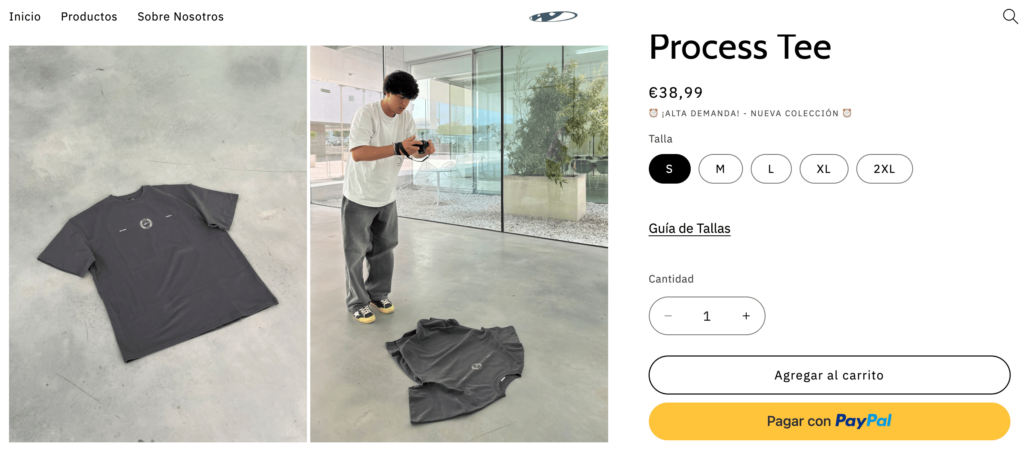
Aware Corp effectively demonstrates these ideas. Their listings have photos of their products from multiple angles, including behind-the-scenes shots, and provide clear information about products, shipping options, and return policies.
This transparent approach builds trust and helps customers make confident purchasing decisions.
Step 6: Implement free marketing strategies
Marketing doesn’t require a big budget – it requires creativity and consistent effort. The best free marketing strategies focus on building genuine relationships and providing real value to your target audience.
Content marketing
Content marketing involves creating valuable information that helps your audience solve problems or achieve something. When you consistently provide helpful content, people start to see you as an expert and are more likely to buy from you.
- Create helpful blog posts, videos, or social media content related to your niche.
- Share tips, tutorials, and behind-the-scenes content that showcases your expertise.
- Answer questions in Facebook groups, Reddit communities, and industry forums.
- Start a YouTube channel demonstrating your products in use.
- Write guest posts for blogs that your target audience reads.
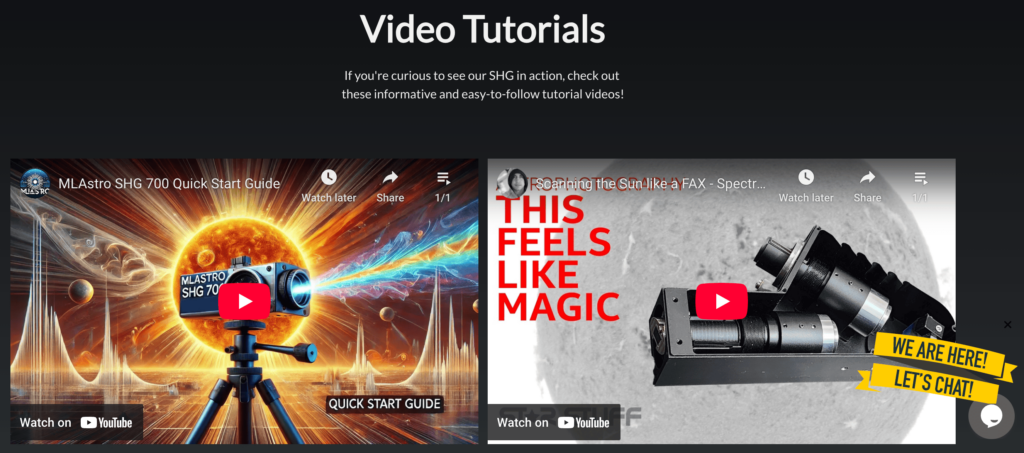
MLAstro uses effective content marketing through their YouTube video tutorials, building a loyal audience that trusts their expertise and turns to them for astrophotography products.
Search engine optimization (SEO)
SEO helps your content and product pages appear when potential customers search for topics related to your niche. Having an effective SEO strategy means more people can discover your business organically without needing to pay for ads.
- Research keywords related to your niche using Google Keyword Planner.
- Include these keywords naturally in your blog posts, product descriptions, and product names.
- Optimize your page titles and descriptions to clearly explain what each page offers.
- Make sure your website loads quickly and works well on mobile devices.
- Set up your Google My Business profile if you serve specific geographic areas.
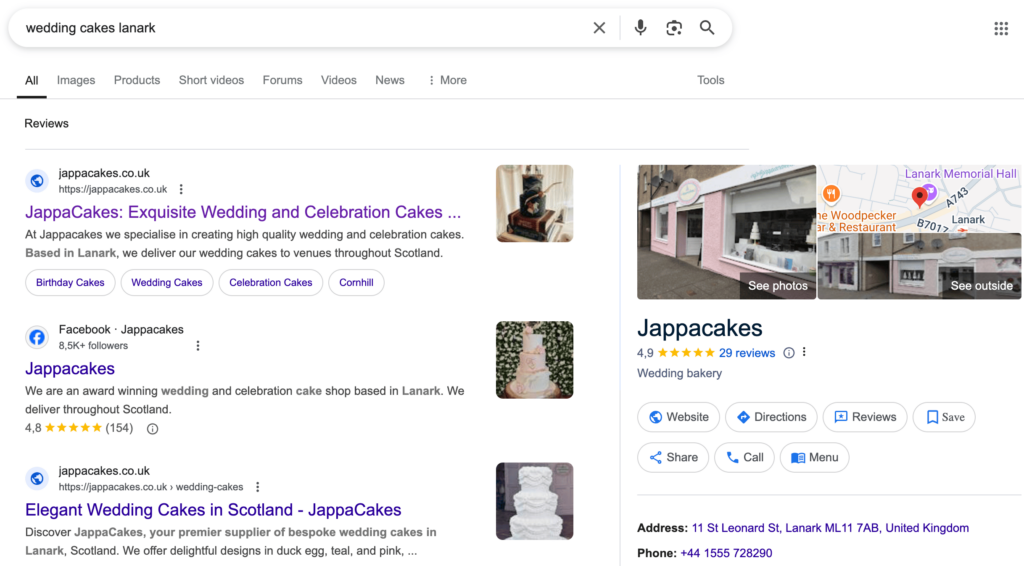
Jappacakes, a wedding cake company from Lanark in Scotland, is a perfect example of SEO success.
They’ve used relevant search terms throughout their website content and page titles without making it sound robotic or forced.
The results speak for themselves – when couples search for wedding cake services in their area, Jappacakes dominates the first page of Google results, capturing most of the local search traffic without spending a penny on paid ads.
Influencer marketing
Influencer marketing involves partnering with content creators who genuinely recommend your products to their followers. This approach works because people are more likely to buy something their favorite creator suggests than click on a random ad.
- Find influencers with engaged followers in your niche using tools like HypeAuditor, Modash, and Upfluence.
- Focus on engagement rates over follower counts.
- Offer them free products in exchange for honest reviews and posts.
- Track results using unique discount codes for each influencer.
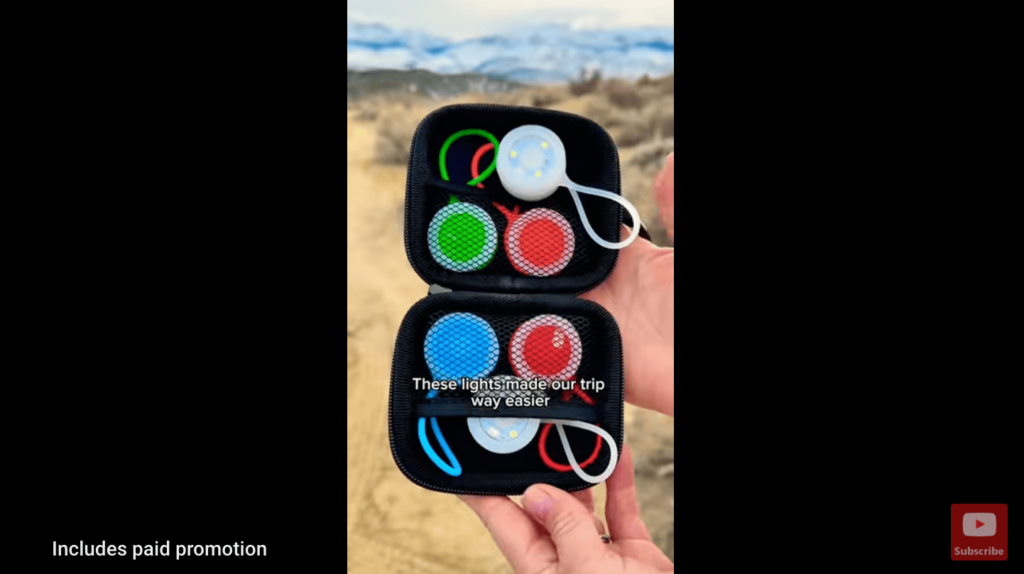
Darkwing Tech does this well by partnering with Project RV: Living Lost to showcase their lights during real camping and hiking adventures, reaching outdoor enthusiasts with authentic product use.
Step 7: Focus on excellent customer service
When you handle customer service yourself, it costs nothing but your time and attention, yet it’s one of the most powerful tools for building a successful ecommerce business. That’s because happy customers can become repeat buyers and create word-of-mouth marketing that money can’t buy.
Deliver proactive support
As a solo entrepreneur, you can provide the kind of personalized, responsive service that larger companies struggle to match. Your direct involvement shows customers they’re dealing with a business owner who truly cares.
- Respond to customer inquiries within a reasonable time, ideally within 24 hours.
- Use your genuine voice and personality in communications rather than corporate-speak.
- Be proactive about addressing potential issues before customers have to complain.
- Follow up personally after purchases to ensure satisfaction and gather feedback.
- Create a simple FAQ page addressing the most frequent customer concerns.
Take ownership of issues
How you handle complaints and issues can turn frustrated customers into loyal advocates. The key is focusing on solutions rather than excuses.
- Take responsibility for issues – customers appreciate dealing directly with someone who can make decisions.
- Offer solutions immediately rather than making customers wait for approvals.
- Turn complaints into opportunities to show the personal touch that sets small businesses apart.
- Stay calm and solution-focused during difficult conversations.
Build long-term relationships
Building lasting customer relationships means treating each person as an individual, not just another transaction.
Learning how to improve ecommerce customer experience through personal touches and genuine care creates loyal buyers who become your biggest fans.
- Remember repeat customers’ preferences and purchase history.
- Send personalized recommendations based on their previous orders.
- Create a simple loyalty program offering discounts for repeat purchases.
- Ask for feedback regularly and actually implement suggested improvements.
- Celebrate customer milestones or achievements when appropriate.
Step 8: Track, analyze, and adapt your no-cost approach
Success in ecommerce comes from figuring out what’s working and doubling down on it while cutting out the things that aren’t bringing results.
Tracking your performance helps you make smart decisions based on actual numbers and customer behavior, not guesswork.
Essential metrics to monitor
These key numbers tell the story of your business performance and show you exactly where to focus your improvement efforts.
- Traffic sources. Which marketing channels bring you the most customers?
- Sales conversion rate. What percentage of visitors actually buy from you?
- Best-selling products. Focus your efforts on items that are most popular with customers.
- Customer acquisition cost. How much time and effort does it take to get each new customer?
- Return customer rate. Measure how well you’re building long-term relationships.
Free tools for tracking performance
You can get comprehensive business insights using free tools that provide professional-level data about your customers and sales.
- Google Analytics to understand website traffic, user behavior, and conversion paths.
- Sales data from your ecommerce store or marketplace accounts.
- Social media insights to see which content performs best and when your audience is most active.
- Email open rates and click-through rates if you’re building an email list.
- Simple spreadsheets to track daily sales, expenses, and profit margins.
Analyze and adapt
Analyzing your data regularly helps you work smarter by focusing on strategies that actually drive results.
- Review your metrics weekly to spot trends and opportunities quickly.
- Test different product descriptions, prices, or photos to see which ones convert better.
- Adjust your marketing efforts based on which channels drive the most sales.
- Discontinue products that consistently underperform to focus on winners.
- Scale up strategies that show consistent positive results.
For example, if social media drives most of your traffic, invest more time in content creation for those channels. When certain products sell well together, create bundles or cross-sell opportunities. If customers frequently ask the same questions, update your product descriptions to address them.
Common pitfalls when starting ecommerce with no money
Even with zero upfront costs, new ecommerce entrepreneurs often make predictable mistakes that can slow down or derail their success.
The good news? These challenges have straightforward solutions that won’t cost you extra money.
Underestimating the time commitment for your ecommerce business
Many new entrepreneurs underestimate how much daily effort successful ecommerce actually requires.
Common time-related mistakes:
- Underestimating the time needed for product research, creating listings, and customer service.
- Trying to manage too many sales channels at the same time.
- Not blocking out dedicated time for business activities in your schedule.
- Hoping for quick profits when most successful ecommerce businesses take time to build up.
Solutions that work
The key is treating your ecommerce venture seriously while setting realistic expectations about the time investment required for success.
- Treat your ecommerce business like a part-time job with consistent daily hours.
- Focus on one platform and one business model until you’re generating steady income.
- Use time-blocking to dedicate specific hours to different business activities.
- Set realistic expectations, like giving yourself 6-12 months to gain momentum.
Neglecting legal and ethical considerations for your store
Starting for free doesn’t mean you can skip important business requirements that protect both you and your customers.
Legal oversights to avoid:
- Not registering your business name or getting the required licenses.
- Ignoring tax obligations and record-keeping requirements.
- Using copyrighted images or product descriptions without permission.
- Failing to create proper terms of service and privacy policies.
Preventative measures
These common mistakes might seem minor but they can lead to serious issues down the road. Taking care of legal basics early protects your business and gives customers confidence.
- Research your local business registration requirements and comply with them from day one.
- Keep detailed records of all income and expenses for tax purposes.
- Use royalty-free images from free sites like Unsplash or Pixabay, or take photos yourself.
- Create basic legal pages using free templates from services like Termly.
Giving up too early on your zero-investment ecommerce venture
Most ecommerce businesses take time to gain consistent sales. Without seeing early sales or clear progress, it’s easy to quit before your business gains real momentum.
Common reasons people quit too early
- Expecting overnight success and getting discouraged by slow initial growth.
- Comparing their beginning stage to other businesses’ established success.
- Not tracking progress regularly, so they don’t notice small improvements.
- Switching strategies too frequently instead of giving approaches time to work.
How to stay committed
Building momentum requires patience and persistence. These strategies help you maintain motivation during the inevitable slow periods that all businesses experience.
- Set small, achievable milestones and celebrate when you reach them.
- Connect with other new entrepreneurs who understand the challenges.
- Track your progress weekly to see gradual improvements over time.
The path from zero to profitable business isn’t always smooth, but a lot of successful entrepreneurs started exactly where you are now – with more dreams than resources. What matters isn’t where you’re starting, but that you’re starting at all.

Simon is a dynamic Content Writer who loves helping people transform their creative ideas into thriving businesses. With extensive marketing experience, he constantly strives to connect the right message with the right audience. In his spare time, Simon enjoys long runs, nurturing his chilli plants, and hiking through forests. Follow him on LinkedIn.

Auksė Žirgulė is the Head of Website Builder at Hostinger, where she focuses on creating real value for customers. With a career that started in QA, her journey into product management broadened her perspective and deepened her understanding of what it takes to build a successful product. Auksė is known for her energetic approach and a passion for leading teams to achieve impressive growth. Follow her on LinkedIn.