How to start a cookie business: A step-by-step guide
Mar 10, 2026
/
Nurul S. & Miglė C.
/
10 min Read

Starting a cookie business is a great way to turn your love of baking into a profitable venture. In this article, we’ll go through the steps to do that.
- Understand the cookie market
- Identify your unique selling point (USP)
- Choose your business name
- Plan your finances
- Set up your cookie production space
- Handle legal and health regulations
- Perfect your cookie recipes
- Price your cookies for profit
- Design your cookie packaging
- Build a website and social media accounts
- Promote your cookie business
- Scale your cookie business for growth
From planning to executing, the goal of this article is to help you understand the foundation and start your cookie business confidently.
1. Understand the cookie market
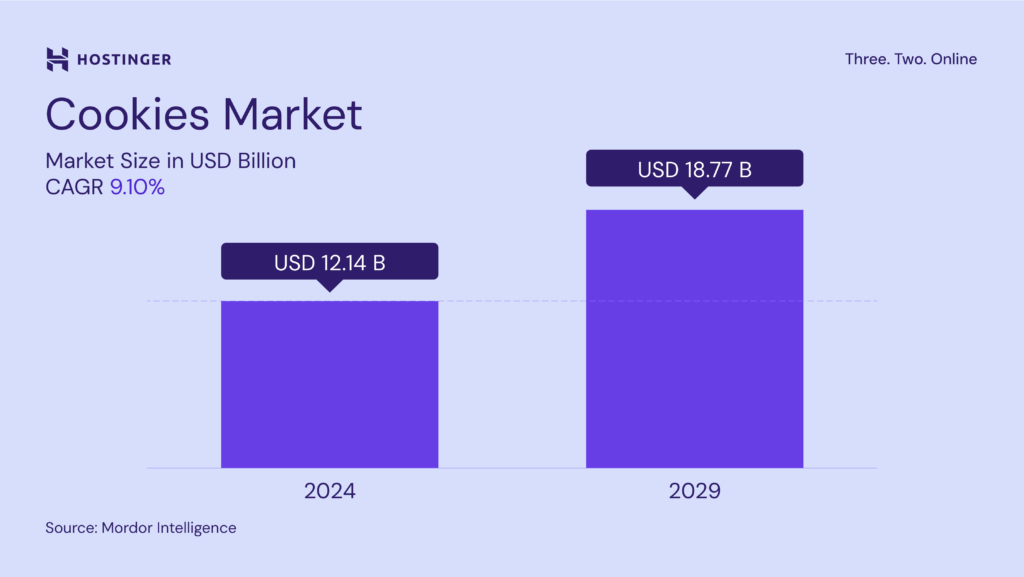
To build a successful cookie business, start by learning about the market. The cookie industry is experiencing steady growth, projected to increase from $12.14 billion in 2024 to $18.77 billion by 2029. Shifting customer interests and evolving food trends are behind this growth.
Start with market research to understand what’s popular. You can do this in a few ways:
- Analyze competitors locally and online. Visit local cafes or bakeries and check similar online businesses to see popular flavors, packaging, and pricing. This will help you understand customer preferences and find ways to stand out.
- Survey your network. Ask friends or family about their favorite cookie flavors and preferences for valuable feedback.
- Check online trends. Instagram, Pinterest, and TikTok help reveal current trends. For example, look up hashtag #cookietok on TikTok to discover popular cookie styles and flavors. Going through content under Others searched for can also help find what’s trending.

2. Identify your unique selling proposition (USP)
A unique selling proposition (USP) is what sets your cookies apart in a busy market. It helps customers see why they should choose your cookies over others. To figure out a strong USP, you first need to know who your target customers are and what they value most.
Start by identifying who is most likely to buy your cookies. Ask yourself:
- Who are they? Are they families looking for nostalgic treats, individuals with dietary restrictions, or people who love indulgent, premium snacks?
- What do they care about? Health-conscious customers might prioritize natural or organic ingredients, while others might look for bold flavors and luxury packaging.
Use insights from Step 1 to define your ideal audience. For example, if you see a growing demand for gluten-free cookies, your target audience could be health-conscious individuals or those with dietary needs.
Once you’ve identified your audience, tailor your USP to meet their needs:
- For cookie enthusiasts seeking comfort, focus on homemade classics like chocolate chip or oatmeal cookies. Think of Famous Amos and their classic recipes.
- For trendsetters, offer bold and unique flavors like matcha white chocolate or lavender honey. A brand example is Crumbl.
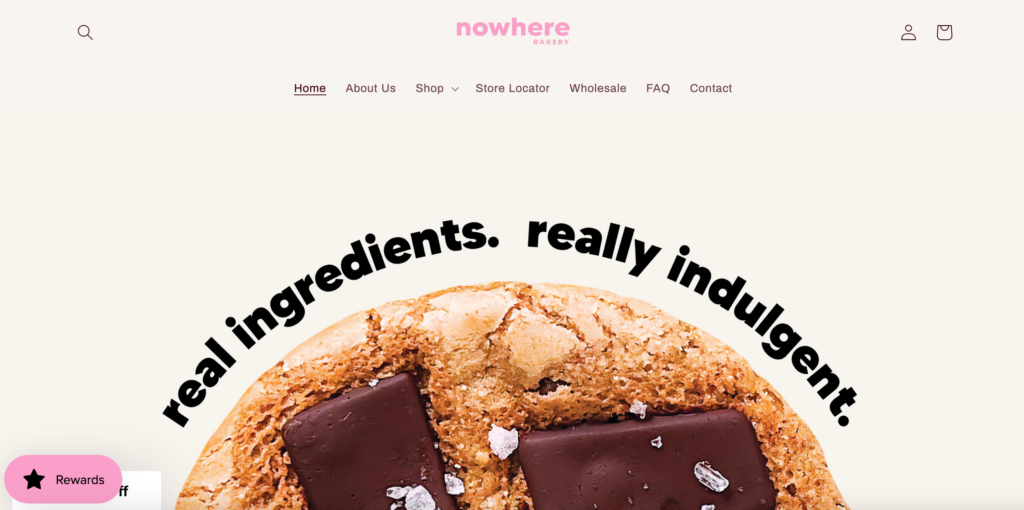
- For health-conscious buyers, emphasize organic, gluten-free, or low-sugar options. Nowhere Bakery is a great example of summarizing its USP through the slogan “real ingredients. really indulgent.”
Now that you have a clear USP, it’s time to reflect that uniqueness in your business name, which we’ll cover in the next step.
3. Choose your business name
Your business name is one of the first things customers notice, so it should capture the essence of your cookies and make a lasting impression. Here are some tips to help you choose the right name for your cookie business:
- Brainstorm relevant words. Think of words related to cookies, flavors, or the experience you want customers to enjoy, like comfort, indulgence, or freshly baked.
- Keep it simple. A short, easy-to-remember name helps customers recall your brand easily.
- Align it with your USP. For example, if your USP is offering gluten-free cookies, a name like “Purely Gluten-Free” might be a better fit than something too generic.
- Add a personal touch. To make the name stand out, consider adding something unique to you, like a family name or a local reference.
Once you’ve chosen your business name, take a few important steps to ensure it’s market-ready. Test its appeal by getting feedback from potential customers to ensure it’s memorable and resonates with your target audience.
Next, check for trademarks to avoid legal complications. Make sure the name isn’t already in use by another business in your industry.
Finally, verify domain name and social media availability. Secure the matching domain and social media handles to maintain consistent branding and make it easier for customers to find you online. More on this in Step 10.
4. Plan your finances
Proper finance planning helps you anticipate costs, secure necessary funds, and set realistic profit goals for your cookie business. Here’s how to get started:
Calculate startup costs
First, list the core expenses you’ll need in order to launch your business. Typical costs include:
- Ingredients and packaging. Estimate how much you’ll spend on ingredients for each batch of cookies and on packaging materials like boxes, bags, and labels.
- Baking equipment. Consider essentials like mixers, baking trays, ovens, and other tools, especially if you’re setting up a home kitchen for baking.
- Permits and licenses. Research local health and business licenses to understand registration fees. More about this in Step 7.
- Marketing. Plan for initial marketing expenses, whether creating a website, running social media ads, or designing promotional materials.
Explore funding options
After determining your startup costs, explore your funding options. Here are a few possibilities:
- Personal savings. Many business owners start with their savings. This is often the most straightforward option with no debt involved.
- Loans from friends or family. Borrowing from loved ones is a flexible way to get started, often with little or no interest. Just be upfront about repayment to keep things smooth.
- Crowdfunding. Platforms like Kickstarter or Indiegogo allow you to raise funds by pre-selling cookies or offering other rewards to supporters.
- Small business loans. If you need additional capital, small business loans might be available from banks or local credit unions. Just be mindful of interest rates and repayment terms.
A simple business plan can help you organize these financial details, giving you a clearer view of costs and funding needs. Download our guide to start.
Download business plan template
5. Set up your cookie production space
Compared to other food business ideas, a cookie business is relatively flexible in terms of production space. There are two options you can consider – home or commercial kitchen.
| Considerations | Home kitchen | Commercial kitchen |
| Cost | Lower startup costs (no rent, uses existing baking equipment) | Higher setup and rental costs (specialized equipment and space fees) |
| Production capacity | Small batches only. Local home baking laws may limit how much you can produce and where you can sell. | Great for high-volume production, suitable for wholesale and scaling the business |
| Legal compliance (more on Step 7) | Easier to comply with but may have rules about selling directly to customers (e.g., markets or events). | Must be fully compliant with food safety regulations, allowing sales to stores, online, or in bulk. |
| Ease of setup | Quick to start using your existing kitchen and equipment. | Takes time for inspections and setup, but ready for larger production right away. |
If you want to start quickly and keep costs low, a home kitchen is the best option for testing recipes and building your customer base.
If you’re ready to scale or meet wholesale demands, a commercial kitchen will provide the space and compliance needed for larger operations.
6. Handle legal and health regulations
Before you start selling cookies, it’s essential to ensure your business operates legally and complies with health regulations.
Legal regulations
Start by selecting the proper business structure. For many small businesses, forming a Limited Liability Company (LLC) is a great choice as it protects your personal assets and simplifies the legal process.
If you’re outside the U.S., check the LLC equivalents, such as a Private Limited Company (Ltd) in the UK or similar structures in your country.
You’ll also need to register your business name, obtain a business license, and secure any required permits from your local government. These steps ensure your cookie business is recognized and operates legally in your area.
Health regulations
Depending on your setup, health regulations may vary:
- Home kitchen. Check local home baking laws to understand what’s allowed, such as selling directly to customers at markets or events. These laws also outline food safety standards specific to home-based operations.
- Commercial kitchen. If you’re renting a commercial space, you’ll need to meet stricter health department requirements, such as regular inspections and permits.
Regardless of where you bake, ensure your production space is clean and meets food safety standards. This includes proper sanitation practices, safe storage of ingredients, and clear labeling of allergens.
By addressing both legal and health regulations, you can confidently run your business, knowing it complies with local laws and prioritizes customer safety.
Suggested
Check out these food safety regulations if you’re located in one of these regions:
U.S. food and drug administration
Australia and New Zealand food standards
UK food safety guides
7. Perfect your cookie recipes
Baking for business requires thinking beyond taste. It’s about creating recipes that are profitable, consistent, and compliant. Here are a few tips to start:
- Create signature cookies. Focus on a few standout recipes that highlight your brand’s personality. Whether it’s comforting classics, bold flavors, or health-conscious options, these will become your signature offers.
- Ensure compliance. Check local food laws to ensure you’re using the right ingredients. For example, in the U.S., certain states don’t allow bakers to use meringue. Instead, opt for regular cookie glaze (water and icing sugar).
- Test and refine. Bake an initial batch and share it with friends, family, or potential customers. Encourage honest feedback to fine-tune taste, texture, and presentation.
- Think ahead. Choose versatile cookie recipes that are easy to scale for larger batches while maintaining quality and cost-efficiency.
8. Price your cookies for profit
Start by calculating your costs. Add ingredients, labor, packaging materials, and production expenses like kitchen rental or utilities. If you offer delivery or shipping, include those costs as well.
Once you know the total cost per cookie, add a markup based on your desired profit margin – typically 30-50%. For example, if each cookie costs $1.50, pricing it at $2.10 gives you a 40% profit margin.
Here are a few quick tips for pricing your cookies:
- Set bulk pricing. Offer a discount on bulk orders to encourage larger purchases.
- Adjust seasonally. Specialty or holiday flavors can be priced higher due to demand.
- Monitor competitors. Look at similar cookie businesses to ensure your pricing stays competitive.
Additionally, consider your desired profit and target customers when setting the right price. For more detailed guidance, check out this article on how to price a product.
9. Design your cookie packaging
Attractive cookie packaging design is one of the factors people pay attention to when choosing a vendor. Consider the following tips when designing your cookie packaging:
- Choose a material. Look at cookie packaging designs like boxes, bags, or reusable containers. These options can keep your cookies fresh while matching your brand.
- Make it unique. Add your logo, slogan, or brand colors. For cost-efficient options, consider designing it yourself using tools like Canva. If you’re looking for a polished, professional look, hiring a designer may be a worthy investment.
- Consider cookie size and fit. Use packaging that fits your cookies perfectly to avoid damage or excess space. For tips, check out this guide on choosing the right cookie bag.
- Stay within budget. Remember to budget your spending. Consider bulk options for discounts and compare prices between suppliers.
- Add labels. Include an ingredients label with allergen information. This not only complies with regulations but also builds trust with your customers.
10. Build a website and social media accounts
A website and social media accounts are essential for selling cookies online. They help you connect with customers, showcase your products, and increase your online sales.
Create your website
To create a good website for your cookie business, start by planning the layout. Decide what pages you need, such as a product page, order form, about page, and contact information. Check out other cookie business websites, like Cookie Co. and Dunk Cookies, for inspiration.
Next, choose a platform. For an easy start, use Hostinger eCommerce Website Builder. Costing CA$ 5.59/month, it has various features and functionality to easily manage product orders and payments.
The builder also includes built-in order tracking, and with 0% transaction fees, you’ll keep 100% of your profits – no hidden costs.
Thanks to its AI-powered builder, you don’t have to worry about designing each page. Just add a business description, and the builder will automatically generate a professional, ready-to-use website for you.

Create your first website with Hostinger AI Website Builder using our free trial. Explore all its features and see how easy it is to get started.
Next, ensure the cookie business name is available as a domain. This helps maintain consistent branding and makes it easier for customers to find your website. Use the tool below to check if your desired name is available.
Domain Name Checker
Instantly check domain name availability.
If your domain name isn’t available, consider other variations or try using a different extension like .net or .co instead of .com.
Create social media accounts
Social media is a powerful tool to promote your cookies and connect with customers. Start small and focus on platforms that suit your audience:
- Instagram. Post cookie photos, behind-the-scenes baking, and seasonal specials to captivate your followers.
- TikTok. Create fun, bite-sized videos showcasing your baking process, unique cookie designs, or trending recipes to reach a younger, trend-focused audience.
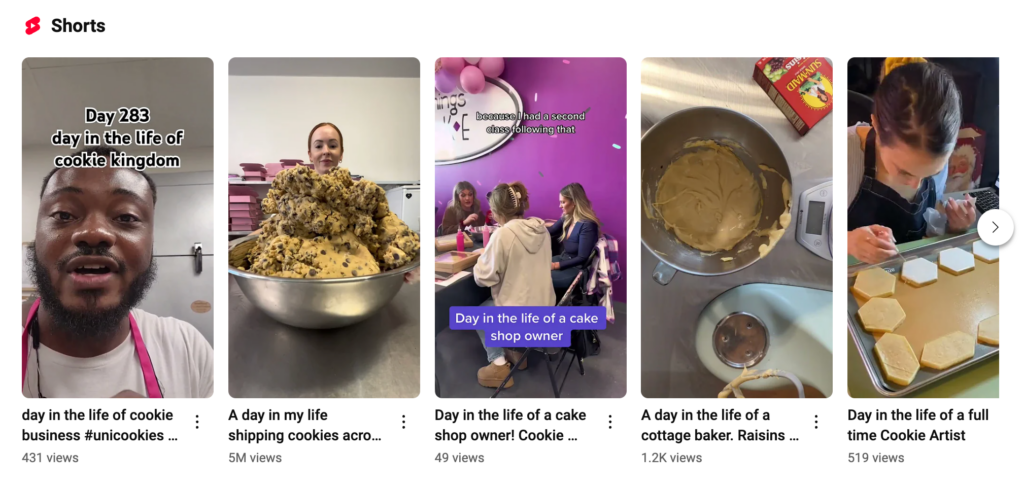
- YouTube. To engage your audience, share short videos like “a day in the life of a business owner” or tutorials on cookie decorating.
Keeping your business name consistent across your website and social media makes it easier for customers to find and recognize you. Choose handles that match your domain name for a professional online presence.
Suggested reading
For a detailed guide to ensure everything is set up smoothly, check out our website launch checklist.
11. Promote your cookie business
Promoting your cookie business starts with showcasing what makes it unique, whether it’s your flavors, presentation, or story.
Share your brand’s story – why you started, your passion for baking, and what makes your cookies unique. Let’s divide the ways to share your brand story in two – offline and online.
For offline strategies, here are the things you can do:
- Pop-up events or farmer’s markets. Set up a booth at local events to meet potential customers face-to-face. Hand out samples and build relationships in your community.
- Collaborations. Partner with local coffee shops, grocery stores, or even influencers who align with your brand to reach new audiences.
For online strategies, you can share your brand story through your website pages and social media posts:
- Share the story on your website’s About page. Like Levain Bakery, use this space to tell the story of how the business started and what drives your passion for baking.
- Post social media updates related to your story. Share behind-the-scenes photos of your kitchen, post about the inspiration behind a new recipe, or showcase customer testimonials and reviews.
Some strategies, like hosting cookie-making workshops, combine offline and online promotion. To do this, you can offer small workshops where customers can learn baking techniques or decorate cookies.
Post your class schedule on your website, similar to how Sugar Lab Bakeshop does with theirs.

12. Scale your cookie business for growth
Once your cookie business is established, it’s time to think about growth. Scaling doesn’t have to be overwhelming – focus on small, manageable steps that align with your brand and resources.
Expand your product line
Add new products like seasonal flavors, themed gift boxes, or custom cookie orders for events. Check out Kukiko Cookies’ custom cookie order, where customers can choose from various customizable elements.
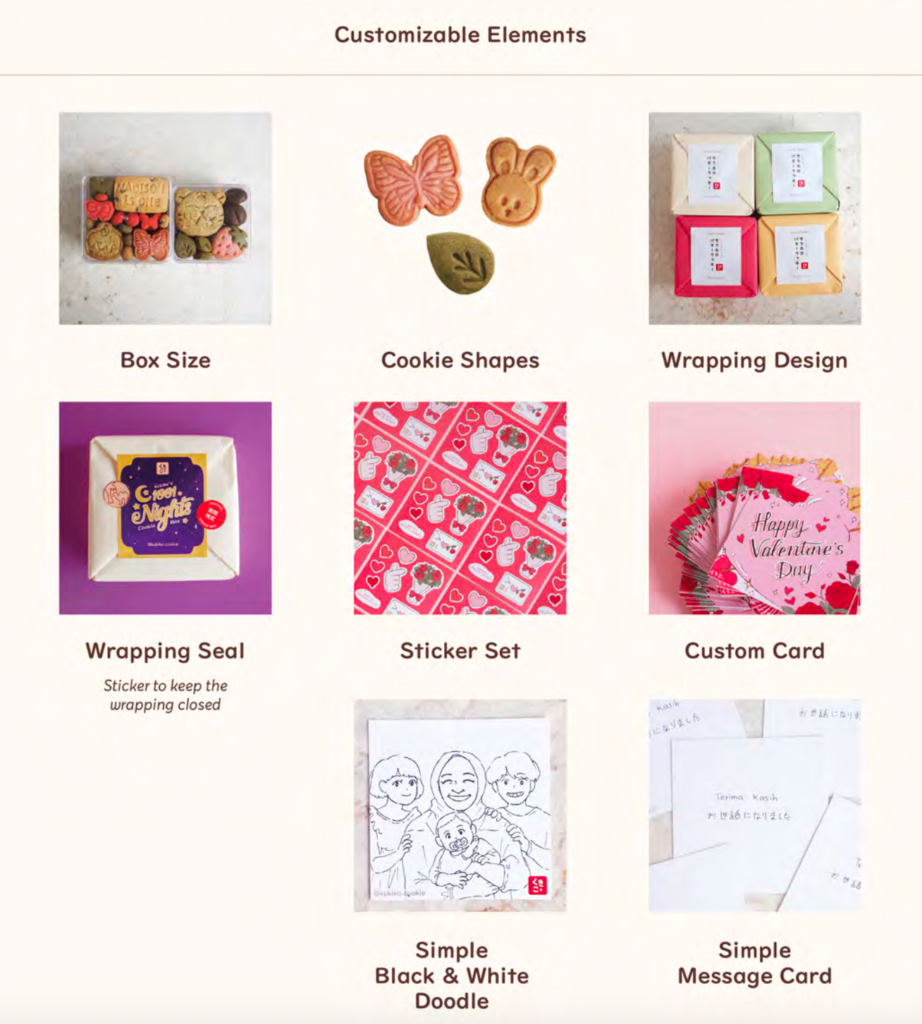
Another example is introducing a limited-edition holiday flavor, which can excite customers and encourage repeat purchases.
Explore wholesale opportunities
Partner with local cafés or gift shops to stock your cookies. Wholesale deals can provide steady income and expand your reach without requiring a storefront.
Streamline operations
As demand grows, consider upgrading equipment or renting a commercial kitchen to handle larger orders efficiently. You can hire part-time staff to help with baking, packaging, or deliveries.
Track what’s working
Monitor sales data and customer feedback to identify your best-performing products and marketing strategies. Focus on what boosts growth the most while tweaking the areas that aren’t performing as well.
Conclusion
Starting a cookie business is an exciting journey that lets you turn your love for baking into a rewarding venture.
Whether you’re starting from a home kitchen or a commercial space, planning and consistency are key. Take small, manageable steps to grow your business while focusing on quality and customer connections.
Enjoy the journey, stay creative, and share your passion through your cookie business!
How to start a cookie business FAQ
How profitable is a cookie business?
The profitability of a cookie business depends on pricing, production scale, and demand. Home-based setups keep expenses low, so you can see profits quicker than commercial spaces.
How much does it cost to start a cookie business?
Startup costs vary, but you can begin with around $10,000 – $25,000. This includes ingredients, packaging, baking tools, and permits. Starting with a small kitchen or production setup can save money, and you can expand as your business grows.
How do you start a cookie business from home?
Set up your home kitchen, comply with legal and health requirements, and perfect a few signature recipes. Create eye-catching packaging, set prices that cover costs and earn profit, and use social media or local markets to promote and sell your cookies.
Can I bake cookies at home and sell them?
Yes, many places allow home-baked goods for sale, but regulations vary by location. Check your local health and food safety requirements, as some areas may restrict where or how you can sell, such as only allowing sales at markets or direct orders.

Nurul Siregar has over 3+ years of experience in the tech industry with a passion for writing about digital marketing. Nurul enjoys reading fiction novels and making digital illustration in her free time. Follow her on LinkedIn.

Miglė Cicėnaitė-Jocė is a Product Manager for Hostinger's Website Builder. She is on a mission to redefine website creation, focusing on the AI flow and its features, and is always eager for product feedback and market insights to improve the user experience. Follow her on LinkedIn.