How to price a product to make a profit
Mar 10, 2026
/
Nurul S.
/
7 min Read
Effective product pricing is an essential part of any business. The right price should cover costs and ensure long-term profitability and sustainability. In this article, we’ll provide strategies and expert tips to help price your product and make a profit.
1. Evaluate costs
Start by understanding the costs of producing and selling your product, whether a physical item or a service. Here are the key cost types to consider:
- Materials. The basic materials to make your product or provide your service. Break these down into individual cost components, not one bulk sum.
- Labor. Fees for workers, consultants, or freelancers to deliver your products or services.
- Marketing and advertising. Costs to promote your business, like digital ads, influencer collaborations, and content creation.
- Shipping or transportation. Costs for delivering products or providing services include packaging, transportation, and logistics.
- Overhead. General business expenses include rent, utilities, insurance, and other non-production-related costs.
It’s important to separate your fixed and variable costs. Fixed costs, like rent or insurance, stay the same regardless of your production or sales volume. Variable costs, like labor or materials, fluctuate based on production levels.
When calculating variable costs, list all expenses that increase with production. Determine the cost per unit and multiply it by the total number of units produced.
For example, if it costs $5 per unit and you make 1,000 units, your total variable cost would be $5,000. Understanding these costs helps you price your products accurately. For a real-life example, read our detailed guide on pricing crochet items.
Your cost structure might differ slightly for online businesses. While you may save on physical storefront costs, you need to factor in expenses like web hosting and eCommerce platform fees.
Download checklist: How to start an online business
2. Determine desired profit
Once you’ve calculated your costs, the next step is to set a profit margin that aligns with your business goals. For instance, if your industry typically operates with a 20% profit margin, use that as a starting point.
Use the following formula to determine the selling price based on your desired profit margin:
Selling Price = Total Cost / (1 – Desired Profit Margin)
If your product costs $50 and you aim for a 30% profit margin, calculate the final selling price with this formula:
Selling Price = 50 / (1 – 0.30) = 50 / 0.70 ≈ 71.43
In this case, you’d need to set the selling price at approximately $71.43 to achieve a 30% profit margin. This formula helps ensure your pricing covers all costs and reaches profit goals.
After calculating, review the price to ensure it aligns with customer expectations and market trends.
Expert Tip
Sphere IT’s strategy ensures that every item sold covers expenses and contributes to achieving desired profit margins. We start with cost-plus pricing, where the markup reflects the product’s value and current market conditions.

3. Understand your customers
Understanding your customers is key to setting the right price. Identify their demographics, such as age and income level, and what they value most in a product. Do they prefer getting the best deal due to price sensitivity, or do they value quality and are willing to pay more?
Expert Tip
As the owner of Adaptify AI, I’ve priced over 50 SaaS products. The key is knowing your customer’s perceived value. In fintech SaaS, after interviewing 50 clients, $149/month was seen as “expensive but worth it” for productivity gains, though costs indicated a $50-200/month range.

Price-sensitive customers focus on getting the lowest price possible. They’re likely to compare prices across different brands and may be swayed by minor price differences.
Value-oriented customers seek a balance between price and quality. These customers are ready to pay a higher price if they receive better value.
Once you’ve identified your customer type, apply psychological pricing techniques. One effective method is charm pricing where you set prices below a round number. For example, pricing an item at $9.99 instead of $10.
This technique appeals to price-sensitive customers by making the price seem lower. Value-oriented customers perceive it as a smart deal, emphasizing their value for their money.
Another helpful strategy is bundle and discount pricing. It involves offering multiple products at a lower price or applying discounts to individual items.
With bundle or discount pricing, price-sensitive customers maximize their purchases with minimal cost. Meanwhile, value-oriented customers appreciate the added value of getting more products or services for a reasonable price.
For discount pricing, you can make the flow more appealing by creating discount vouchers. Offer these to customers who have previously purchased from you or provide them as a promotional deal for first-time buyers on your website.
If your business involves online sales, using a website builder that supports your pricing strategy is crucial. For example, Hostinger Website Builder offers built-in tools for managing product pricing and applying discounts. This makes implementing strategies like bundle and discount pricing easier on your site.
To set your discount, go to Store manager → Discounts → Add discount. Choose between a percentage or a fixed amount, depending on your needs.
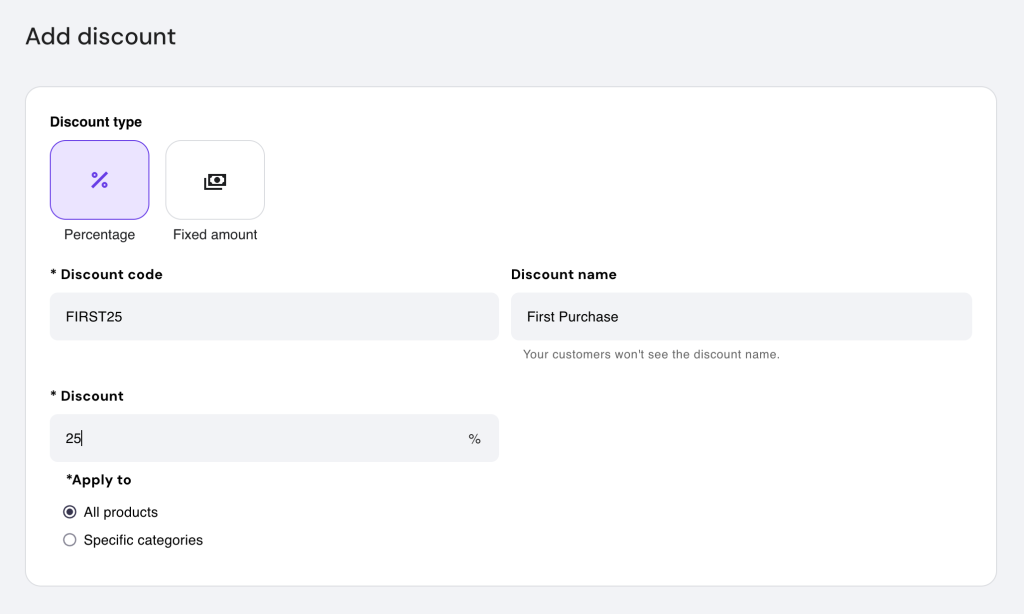
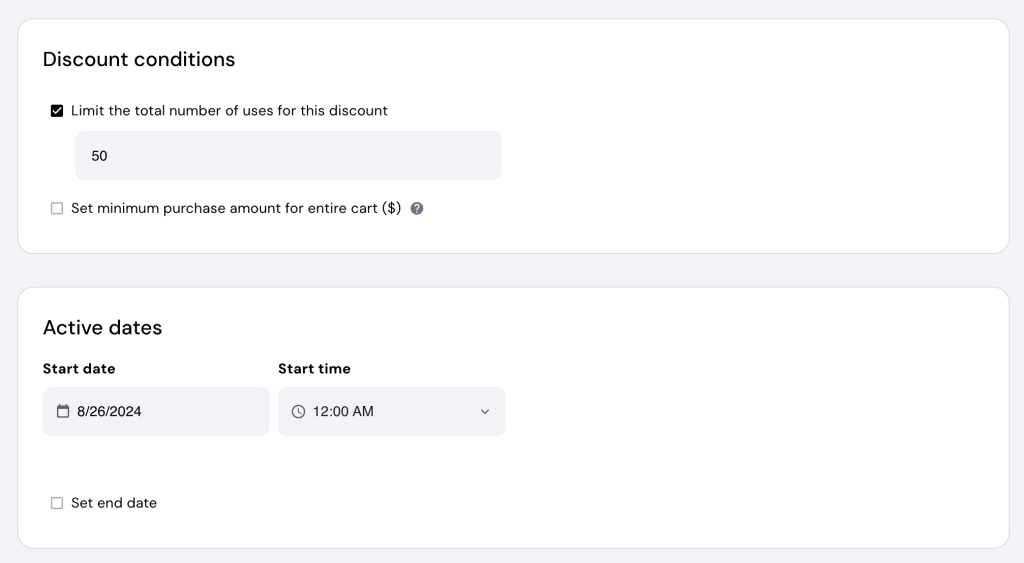
Maintain an overall profit margin. Limit the number of use and active dates to ensure the discount doesn’t affect your business’s profitability.
Finally, price anchoring involves showing a higher original price alongside the current selling price, making the current offer appear as a better deal. This technique works well for both customer types.
Price-sensitive customers see the discounted price as a significant bargain. Value-oriented customers view the anchored price as a confirmation that they’re getting a high-quality product at a lower cost.

4. Research your competition
Start by identifying the key players in your market and analyze their pricing strategies. Are they targeting the same customers as you? How do their prices compare to yours?
Conducting competitor and market research will help you better understand the competitive landscape and make informed decisions about your pricing.
Stay updated on your competitors’ pricing and promotions by using tools like Google Alerts and following them on social media. This allows you to quickly respond to any changes they make, whether a new discount or a shift in pricing strategy.
To use Google Alerts, enter your business industry, competitor’s name, or relevant keywords. You can adjust the alert’s frequency, source, and other relevant details.

After researching your competitors, it’s important to see how your pricing and promotions compare.
5. Choose a pricing strategy
Selecting the right strategy can help you achieve profitability, attract customers, and stand out in the market. Here are some popular pricing strategies:
- Cost-plus pricing. Add markup to your cost of goods sold to ensure you’ve covered all expenses and made a profit. This straightforward method is reliable and easy to calculate, making it a popular choice for many businesses.
- Market share pricing. Set lower prices initially to attract more customers and gain market share. This strategy is effective for new businesses or products looking to establish a presence in a competitive market.
- Dynamic pricing. Adjust prices based on demand, location, or market conditions. This approach helps maximize profits by capitalizing on market fluctuations.
- Competitive pricing. Use competitor prices to guide you, but find ways to differentiate and add value to justify your product price.
- Value-added pricing. Price your product based on the perceived value it offers. This strategy works to highlight your product’s unique features.
Expert Tip
One mistake I made for Web Copy Collective’s pricing was treating it as a time transaction instead of a value transaction. When I started thinking about the value my products bring my clients, I started pricing higher and making more sales because the new prices mirrored the product’s true worth.

When choosing the best pricing model for your business, consider whether your goal is to maximize short-term profits, build market share, or position your product as a premium offering.
If you’re launching a new tech gadget and want to quickly gain market traction, market share pricing might be your best bet. If you’re selling a luxury brand of skincare products, value-added pricing could help position your product as a premium choice.
For businesses that operate in highly competitive markets, competitive pricing ensures you stay in line with market rates while differentiating on other aspects like quality or service.
Expert Tip
Finding the right fit was a result of both market understanding and substantial trial and error. For instance, ELEHEAR opted for a value-based pricing approach, considering our innovative solutions in the hearing aid technology market.

6. Monitor and adjust prices
Pricing is an ongoing process that requires regular evaluation and adjustment. To stay competitive and profitable, monitor key factors and be ready to adapt your pricing strategy as needed. Key factors include:
- Market demand. Stay informed about shifts in customer demand. If demand increases, you might have the opportunity to raise prices. Conversely, during periods of low demand, you might consider strategic discounts to maintain sales.
- Competitor pricing. Regularly check your competitors’ prices and promotional activities. This will help you stay competitive and quickly respond to any changes in the market.
- Sales data. Review and analyze your sales data regularly. This helps provide valuable insights into which products or services are most profitable.
- Cost fluctuations. Monitor changes in materials, labor, and overhead costs closely. As these costs fluctuate, you may need to adjust your prices to ensure a profit.
Expert Tip
When costs for FusionAuth increase, I evaluate whether we can reduce expenses elsewhere before raising prices. For long-term clients, I negotiate individually to provide the best value while minimizing price hikes when possible. My goal is to keep FusionAuth accessible for companies of all sizes.

If needed, refine your pricing approach to see what resonates with your customers. Gather feedback through surveys and customer interactions to understand how your pricing is perceived.
Expert Tip
Regular reviews of our costing structure guide us in making adjustments to maintain healthy profits through a consistent pricing policy.
Be prepared to adjust your prices in response to changes in the market or within your business. This might mean increasing prices to cover rising costs or offering discounts to boost sales during slow periods.
Conclusion
Setting the right price is important for your business’s success. By following these steps, you can ensure your pricing strategy is effective and sustainable:
- Evaluate costs. Understand all expenses to set a profitable base price.
- Determine profit margin. Choose a margin that aligns with your financial goals.
- Understand your customers. Tailor your pricing to meet their needs and expectations.
- Research competition. Stay competitive by analyzing and responding to competitor pricing.
- Choose a pricing strategy. Select the approach that best fits your business objectives.
Remember, pricing is an ongoing process that requires regular monitoring and adjustments. Keep an eye on production costs, market demand, and competitor actions to make informed decisions that maximize profits and strengthen your product branding, helping your products stand out in a competitive market.
How to price a product FAQ
How much profit should I make on a product?
After evaluating your costs, determine a desired profit margin that aligns with industry standards. This ensures your pricing covers all expenses and achieves your financial goals.
How do you calculate prices for handmade items?
Start by evaluating costs, including materials and labor. Then, determine your desired profit and choose a pricing strategy that reflects the uniqueness of your handmade product.
How do competitors’ prices impact my product pricing decisions?
Competitors’ prices assist in positioning your product competitively. They also help ensure alignment with your target customers’ expectations and profit goals.

Nurul Siregar has over 3+ years of experience in the tech industry with a passion for writing about digital marketing. Nurul enjoys reading fiction novels and making digital illustration in her free time. Follow her on LinkedIn.